先进材料

Search documents
打造济南副城高质量发展增长极
Qi Lu Wan Bao· 2026-01-21 13:44
Core Viewpoint - The Steel District aims to enhance its economic development by focusing on industrial upgrades, agricultural advancements, investment promotion, urban-rural integration, and improving public welfare, all under the theme of "Project Empowerment Year" [1][2][3][4][5][6] Group 1: Industrial Development - The Steel District is implementing an industrial stronghold strategy to upgrade its leading industries, focusing on high-end, intelligent, and green development [1] - The district plans to strengthen its three main industries: steel, advanced materials, and new energy equipment, while also promoting precision casting and green construction [1] - New industries such as new energy, new materials, and laser equipment will be cultivated to enhance production capabilities [1] Group 2: Agricultural Development - The Steel District is committed to modern efficient agriculture, aiming to establish a core cluster for the "Northern Seed Industry Capital" through the development of a comprehensive poultry breeding industry [2] - The district will accelerate the construction of six poultry breeding sub-projects and an innovation center for animal breeding [2] Group 3: Investment and Consumption - The district is focusing on project development, with plans to accelerate the construction of 10 provincial, 30 municipal, and 238 district-level key projects [3] - The Steel District aims to attract over 80 quality projects in key industries through targeted investment strategies [3] - Consumer promotion activities will be organized, including over 25 events in key sectors like automotive and home appliances [3] Group 4: Urban-Rural Integration - The Steel District is advancing urban construction and renewal, with 14 projects underway to improve infrastructure such as roads and utilities [4][5] - Efforts will be made to enhance the living environment and integrate urban and rural development [5] Group 5: Public Welfare Improvement - The district prioritizes public welfare, planning to provide vocational training for over 3,000 individuals and improve employment opportunities for key groups [6] - The district aims for a 5.2% increase in per capita income and will enhance educational and healthcare services [6] - Plans include the construction of new childcare centers and the optimization of elderly care services [6]
我国已启动第二阶段6G技术试验!工信部最新发布会,信息量超大→
证券时报· 2026-01-21 08:00
Core Insights - The article highlights the achievements and future plans of China's industrial and information technology sectors, emphasizing growth in manufacturing, technological innovation, and the development of emerging industries. Group 1: Industrial Growth and Achievements - In 2025, the industrial added value of large-scale industries is expected to grow by 5.9% year-on-year, with the manufacturing sector maintaining a stable GDP share, aiming for 16 consecutive years as the world's largest manufacturing nation [1] - The production of industrial robots increased by 28% year-on-year, while new energy vehicle sales reached 16.49 million units, also up by 28.2% [1] - Investment in emerging fields such as aerospace and equipment manufacturing has shown double-digit growth [1] Group 2: Technological Innovation - The first phase of 6G technology trials has resulted in over 300 key technology reserves, with the second phase recently initiated [1] - 5G and gigabit optical networks have been integrated into 91 out of 97 national economic categories, with industrial internet achieving full coverage across 41 industrial categories [1] Group 3: Future Industry Development - The Ministry of Industry and Information Technology (MIIT) plans to support local governments in developing future industries and increase government investment fund efforts [2] - By 2025, the number of humanoid robot manufacturers in China is expected to exceed 140, with over 330 humanoid robot products released [4] - The digital industry revenue is projected to reach approximately 38.3 trillion yuan by the end of 2025, with profits of 3.1 trillion yuan, marking increases of about 39.5% and 48.4% respectively compared to the end of the 13th Five-Year Plan [5] Group 4: Artificial Intelligence and Employment - The core scale of China's artificial intelligence industry is expected to exceed 1.2 trillion yuan by 2025, with over 6,000 AI companies anticipated [7] - AI has penetrated over 70% of business scenarios in leading smart factories, facilitating the evolution of intelligent manufacturing from automation to autonomy [8] - The MIIT emphasizes the importance of addressing employment restructuring due to technological advancements, advocating for the cultivation of talent that understands both AI and manufacturing [9] Group 5: Consumer Goods and Material Innovation - The consumer goods industry is projected to grow by 3.7% year-on-year in 2025, accounting for 26.1% of all large-scale industries [10] - The MIIT aims to promote coordinated innovation in advanced materials, focusing on key strategic materials and the integration of AI in material development [11]

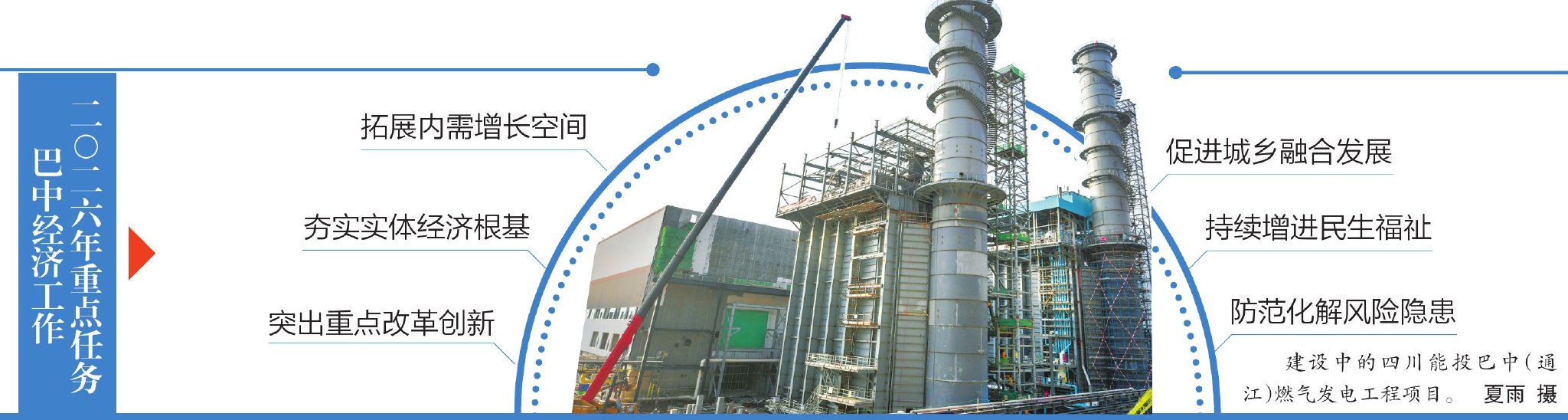
“十五五”开局之年定下“实干实绩攻坚”基调 巴中画定今年经济发展“施工图”
Si Chuan Ri Bao· 2026-01-20 08:20
Group 1: Economic Goals and Strategies - The core goal for Bazhong is to achieve a rapid economic growth rate while aiming for a total economic output of 100 billion yuan by 2026, marking it as a year of practical achievements [1] - The annual economic work focuses on six key tasks, emphasizing the importance of expanding domestic demand and boosting consumption as primary objectives [2][3] Group 2: Investment and Industrial Development - Bazhong plans to combine investments in physical infrastructure and human resources, focusing on industries with sustainable tax sources and effective investments [3] - The city aims to strengthen its industrial foundation by developing key industries such as energy and chemicals, advanced materials, food and beverage, electronic information, and healthcare [5][6] Group 3: Urban-Rural Integration and Social Welfare - The city is committed to enhancing urban planning and development, promoting urban-rural integration, and improving the quality of life for residents [7][8] - Specific initiatives include creating modern urban spaces and improving employment services, education, and healthcare, with a focus on enhancing public cultural services [8]
“双万亿”第三城,新目标定了
Mei Ri Jing Ji Xin Wen· 2026-01-20 01:40
Group 1: Core Insights - Guangzhou has become the third city in China to achieve a "double trillion" status in consumption and foreign trade during the 14th Five-Year Plan period, following Beijing and Shanghai [1][2] - By 2025, Guangzhou's airport is expected to handle over 83 million passengers, ranking among the top ten globally, while its port is projected to handle nearly 700 million tons of cargo, placing it in the top six worldwide [1] - The city aims to establish six advanced manufacturing clusters with outputs exceeding 100 billion yuan and ten service sectors with added value surpassing 100 billion yuan during the same period [1] Group 2: Economic Indicators - As of 2024, only seven cities in China have reached a consumption level of over one trillion yuan, including Guangzhou, which highlights the significance of its economic status [2] - The report indicates that Guangzhou's foreign trade volume also exceeds one trillion yuan, making it one of only seven cities to achieve this milestone [2] Group 3: Strategic Development - Guangzhou's government has outlined plans to enhance its role as a global supply chain innovation center, aiming to strengthen its core urban functions [3][4] - The city is leveraging its geographical advantages, including proximity to the Pearl River Delta manufacturing hub and its status as a major transportation and trade center, to transition from a trade hub to a supply chain management center [4] Group 4: Future Goals - The city has set ambitious goals for the 15th Five-Year Plan, focusing on increasing its visibility and resource allocation capabilities within the global resource network [3] - The government has previously articulated a vision to develop Guangzhou into a world-class city with both historical charm and modern vitality, as outlined in its urban planning documents [3]
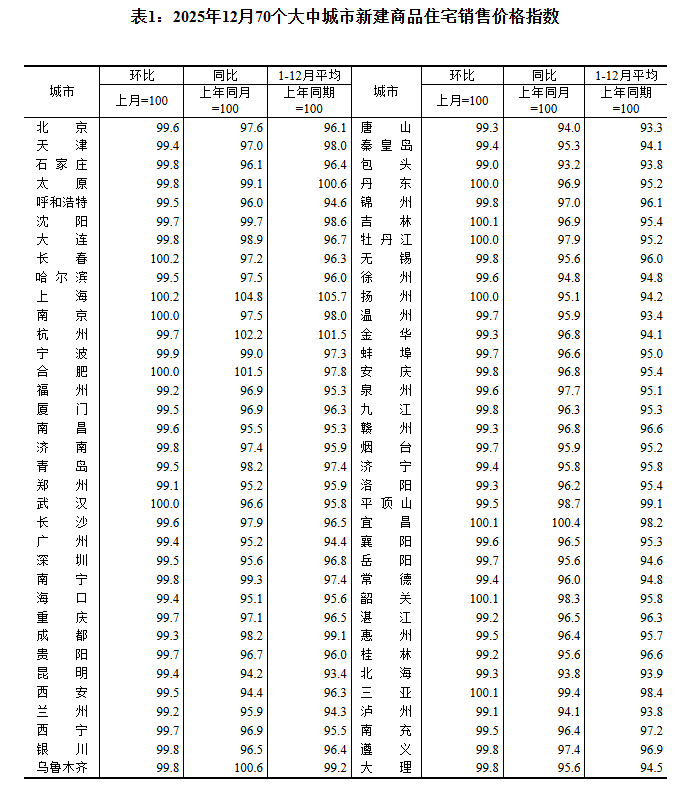
天桥区奋力跑出高质量发展加速度
Qi Lu Wan Bao· 2026-01-20 01:32
Core Perspective - The transformation of Jinan's Tianqiao District from an "old industrial base" to a "new intelligent manufacturing highland" is underway, focusing on industrial upgrades, urban renewal, and commercial revitalization, aiming to create a modern urban center with enhanced strength, vitality, and quality [4][6][13] Industrial Transformation - The Tianqiao District is experiencing a significant industrial shift, with companies like Shandong Desheng Robot Co., Ltd. achieving a 200% increase in production efficiency and a 70% reduction in labor costs through digital solutions [5] - Shandong Jianbang Colloidal Materials has become the largest silver powder production base north of the Yangtze River, with an average annual growth rate of 201.08% over the past three years [5] - The district is implementing an "Industrial Strong District" strategy, focusing on three main industries: new energy equipment, high-end CNC machine tools and robots, and advanced materials, along with two special industries: integrated circuits and new building materials [6] Economic Data - By 2025, the industrial output value of the park is expected to account for 87.2% of the district's total, with the number of large-scale industrial enterprises increasing from 84 in 2020 to 121 [6] - The proportion of high-tech industry output value in the total industrial output is projected to rise from 64.4% to 81.6% by 2025 [6] - The number of national-level specialized and innovative "little giant" enterprises has increased from zero to seven [6] Urban Renewal - The Tianqiao District is undergoing urban renewal with 77 projects in progress, transforming the area from an "industrial rust belt" to a livable "showcase belt" [8] - Key projects include the Dingtailu New Xu area green park and various residential developments, with a high signing rate of 98% for area renovations [8] - The district aims to enhance urban quality and resident happiness through a combination of new construction and preservation of historical elements [8] Commercial Revitalization - The renovation of the Jinniu Building Materials Market has led to increased customer traffic and sales, reflecting a shift towards experiential and intelligent consumption [10] - The Liao Kou Clothing City is evolving from a wholesale hub to a multi-functional shopping experience, integrating design, culture, and consumption [10] - Tianqiao District is actively introducing flagship stores and developing e-commerce to stimulate consumer potential and reshape commercial dynamics [10] Innovation and Collaboration - The Tianqiao District is fostering a collaborative innovation environment, enhancing the business ecosystem through partnerships with local universities and establishing numerous technology innovation platforms [12] - The number of technology-based SMEs has grown from 156 in 2020 to 543, with high-tech enterprises increasing from 180 to 428, reflecting an annual growth rate of over 18% [12] - The district's focus on innovation is seen as a key driver for high-quality economic development [13]
巴中画定今年经济发展“施工图”
Xin Lang Cai Jing· 2026-01-19 22:17
Core Viewpoint - The Ba Zhong Municipal Economic Work Conference emphasizes the necessity of maintaining a relatively fast economic growth rate despite the small economic scale, setting ambitious targets for 2026, including a focus on expanding domestic demand and enhancing the industrial foundation [1][2]. Group 1: Domestic Demand Expansion - Ba Zhong prioritizes expanding domestic demand as a key task for the year, focusing on boosting consumption and effective investment as core strategies [2]. - In the first three quarters of 2025, Ba Zhong achieved a total retail sales of consumer goods amounting to 40.362 billion yuan, reflecting a year-on-year growth of 6.7% [2]. - The city plans to implement special actions to stimulate consumption, innovate consumption formats, and enhance the consumption environment, including a series of promotional activities [2]. Group 2: Strengthening the Real Economy - Ba Zhong aims to solidify its industrial foundation by focusing on key industries such as energy and chemicals, advanced materials, electronic information, food and beverage, and healthcare [3][4]. - The city is leveraging its natural gas reserves of 1.4 trillion cubic meters and shale oil resources of approximately 2.5 billion tons to develop the energy and chemical industry [3]. - A sodium-ion battery industry park is being established, with over 1,500 acres allocated for development, aiming to attract leading companies in the sector [4]. Group 3: Urban-Rural Integration and Social Welfare - The city is committed to enhancing urban-rural integration and improving the well-being of its residents, with a focus on modernizing agriculture and rural areas [5][6]. - Plans include the development of a modern urban area in the Mengzi River section, featuring parks and recreational facilities [6]. - Initiatives to boost employment, improve education and healthcare, and enhance cultural services are being prioritized to elevate the quality of life for residents [7].
一周港股IPO:袁记食品、比格餐饮等26家递表;牧原股份等3家通过聆讯
Cai Jing Wang· 2026-01-19 10:35
Group 1: Market Activity - A total of 26 companies submitted applications to the Hong Kong Stock Exchange last week, marking a recent high in submissions [2] - Among the 26 companies, 3 passed the hearing, and 1 company is currently in the process of an IPO [10][12] Group 2: Industry Highlights - The semiconductor and computing sectors are particularly active, with companies like Weizhao Semiconductor and Placo Electronics submitting applications [2] - Weizhao Semiconductor reported a revenue of 615 million yuan and a profit of 40.25 million yuan for the first nine months of 2025 [2] - Placo Electronics achieved a revenue of 751 million yuan and a profit of 76.11 million yuan for the same period [2] Group 3: Robotics Sector - Several robotics companies, including Yifei Intelligent and Estun, are also pursuing listings [3] - Estun is ranked first in the industrial robotics sector by revenue, with a market share of 1.7% globally [3] - TuoStar is recognized as a leader in the domestic industrial robotics market, with a revenue of 1.688 billion yuan and a net profit of 47 million yuan for the first nine months of 2025 [3] Group 4: Biopharmaceutical Sector - Multiple biopharmaceutical companies are applying for listings, including Zeling Bio and Exegenesis Bio Inc. [4][5] - Zeling Bio reported a loss of 1.19 million yuan for the first nine months of 2025, while Exegenesis Bio has not yet received regulatory approval for its products [5][6] - Shanghai Shengsheng achieved a revenue of 538 million yuan and a net profit of 11.3 million yuan for the same period [4] Group 5: Food and Beverage Sector - The food and beverage sector is seeing significant activity, with companies like Yuanji Food and Qian Dama submitting applications [7] - Yuanji Food reported an adjusted net profit of 192 million yuan for the first nine months of 2025, a 31% increase year-on-year [7] - Qian Dama achieved a GMV of 14.8 billion yuan in 2024, maintaining its position as the top player in the community fresh product retail chain industry [7] Group 6: New Listings - Four new stocks were listed last week, with all experiencing price increases on their first trading day [13] - The stock of Howie Group, a global leader in CMOS image sensors, rose by 16.22% on its debut [13] - Zhaoyi Innovation, a storage chip leader, saw its stock price increase by 38.27% on its first day of trading [13]


阳江今年初步安排重点建设项目158个 力争全年签约项目总投资超800亿元
Nan Fang Ri Bao Wang Luo Ban· 2026-01-19 09:34
Group 1 - The core message of the meetings held by the Yangjiang Municipal Committee is the focus on enhancing the business environment and setting ambitious investment goals for 2023, with a preliminary plan for 158 key construction projects and an annual investment target of 53 billion yuan [1] - Yangjiang aims to sign projects with a total investment exceeding 80 billion yuan for the year, including more than 10 projects with investments over 1 billion yuan each [1] - The year 2026 has been designated as the "Quality Service Year," emphasizing the need for improved standards, increased efforts, and enhanced service mechanisms to better support enterprises and communities [1] Group 2 - Yangjiang plans to develop a modern industrial system characterized by the "4+4+X" model, focusing on actions to revitalize and cultivate key industries [2] - The strategy includes promoting the integration of green energy with new energy storage, advanced materials, equipment manufacturing, and modern agriculture, while also expanding markets for traditional industries like hardware and textiles [2] - The city will invest 2.15 billion yuan in 40 infrastructure projects to enhance the capacity of industrial parks, aiming to ensure the addition of over 40 new projects for industrial transfer [2]
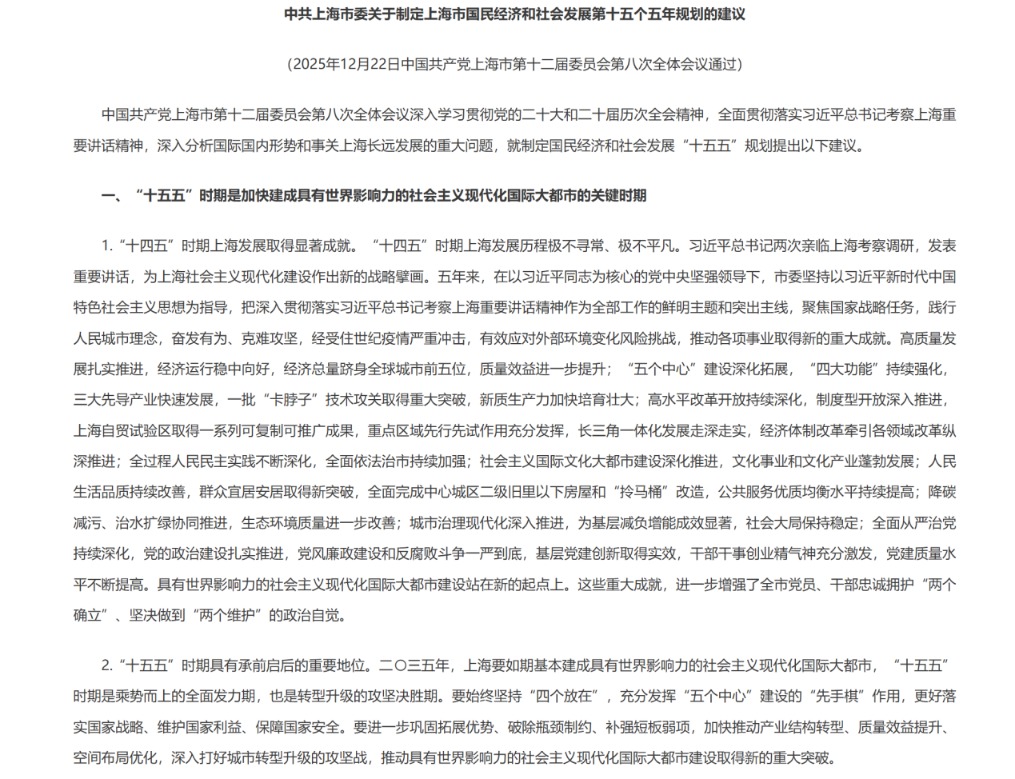
构建“2+3+6+6”体系 上海市“十五五”规划确立产业布局新航线
Zhong Guo Jing Ying Bao· 2026-01-19 08:51
Core Viewpoint - Shanghai aims to accelerate the construction of "five centers" to enhance its urban capability and core competitiveness, marking the "14th Five-Year Plan" period as crucial for becoming a globally influential socialist modern metropolis by 2035 [3][4]. Group 1: Five Centers - The "five centers" include international economic, financial, trade, shipping, and technological innovation centers, which are deemed essential for Shanghai's modernization efforts [4]. - The plan emphasizes innovation-driven development and the importance of a coordinated approach between central and local governments to enhance global resource allocation and technological innovation [4]. Group 2: Industrial Structure - Shanghai will implement a "2+3+6+6" industrial structure, focusing on the digital and green transformation of traditional industries and accelerating the development of integrated circuits, biomedicine, and artificial intelligence [4]. - The city aims to establish six emerging pillar industry clusters in electronic information, life health, automotive, high-end equipment, advanced materials, and fashion consumer goods [4]. Group 3: Regional Coordination - The plan calls for higher quality integration of the Yangtze River Delta region, emphasizing cross-regional collaboration in technological and industrial innovation [5]. - By 2035, the functions of the "five centers" are expected to be fully upgraded, with key development indicators reaching international leading levels, and per capita GDP projected to double compared to 2020 [5].
万亿存款搬家进行时:2026年的A股,慢牛正在成形
Xin Lang Cai Jing· 2026-01-18 12:18
Core Viewpoint - A significant shift in bank deposits is occurring, which may influence the A-share market in 2026, as investors seek new avenues for their funds due to declining deposit rates and changing market dynamics [2][3]. Group 1: Changes in Deposit Behavior - The scale of household deposits in China has exceeded 140 trillion yuan, reflecting a defensive posture amid uncertainty [2]. - From the second half of 2025 to 2026, deposit rates are expected to decline, leading to a reassessment of the long-term return advantages of equity assets [2][3]. Group 2: Market Dynamics and Investment Strategies - The movement of funds from bank deposits does not equate to a rush into stock trading; rather, it indicates a gradual, layered, and long-term capital flow [3]. - The consensus for the A-share market in 2026 is shifting towards a "slow bull" or "long bull" market, driven by changes in the funding structure, policy objectives, and declining risk-free rates [3][4]. - The new main sources of incremental capital are expected to be pension funds, insurance funds, and index funds, which will lead to a more stable market environment [3]. Group 3: Investment Opportunities - Three categories of investment opportunities are identified: 1. High dividend and stable cash flow assets such as banks, insurance, and utilities, which may attract low-risk preference funds [3]. 2. Core sectors aligned with long-term trends, including high-end manufacturing, AI infrastructure, semiconductors, and renewable energy, which present structural opportunities despite short-term volatility [4]. 3. Indexation and concentration in leading companies, with an emphasis on selecting the right industries and companies over speculative trading [5]. Group 4: Market Outlook - The transition of trillions in deposits is viewed as a long-term trend rather than a short-term market catalyst, suggesting a more gradual upward trajectory for the A-share market [5][6]. - The market is expected to avoid extreme volatility and instead follow a steady growth path, emphasizing asset allocation and long-term holding strategies [5][6].