功能饮料

Search documents
第一创业晨会纪要-20260114
First Capital Securities· 2026-01-14 04:11
Macroeconomic Overview - The U.S. December CPI data shows a year-on-year increase of 2.7%, matching expectations, while the previous month's value was also 2.7% [4] - The seasonally adjusted CPI increased by 0.3% month-on-month, consistent with expectations, while the previous month remained unchanged [4] - Core CPI year-on-year rose by 2.6%, slightly below the expected 2.7%, with a month-on-month increase of 0.2% [4] - The report indicates a reduction in inflationary pressure in the U.S., with investors anticipating that the Federal Reserve will maintain interest rates in January [4] Semiconductor Industry - Global semiconductor revenue is projected to reach $793 billion in 2025, reflecting a significant year-on-year growth of 21% [9] - The World Semiconductor Trade Statistics (WSTS) has revised its forecast to $772 billion, indicating a 22% year-on-year increase, confirming a strong market recovery [9] - NVIDIA is expected to exceed $100 billion in revenue, contributing over 35% to industry growth, while Samsung's revenue is projected at $73 billion, with a 10.4% overall growth [9] - The demand for AI-driven chips is identified as the primary growth driver, alongside robust demand for other semiconductor products [9] Advanced Manufacturing - The demand for space photovoltaic systems is surging, driven by China's application for 203,000 satellites and the rise of computing satellites [11] - Traditional solar wing technologies are deemed inadequate for large-scale networking due to high costs, with flexible gallium arsenide solar wings costing up to $1 billion for a single satellite [11] - HJT (Heterojunction Technology) is highlighted as a cost-effective solution with flexible characteristics suitable for increased power demands in satellites [11] - The market for HJT materials is expected to expand significantly, with a projected need for 2.94 million square meters of HJT components for every 1GW of capacity [11] Consumer Sector - Dongpeng Beverage's profit forecast indicates a year-on-year growth of over 30% for 2025, reflecting strong growth potential in the functional beverage and health drink segments [13] - The company's growth is supported by a multi-category strategy, with Dongpeng Special Drink as the core product and a strong performance from its second growth line, Water [14] - Enhanced channel execution and digital operations are noted as key competitive advantages, improving operational efficiency and supporting product expansion [14] - Cost optimization strategies are expected to sustain or enhance profit margins, with significant cost reductions in PET and sugar prices anticipated [14]
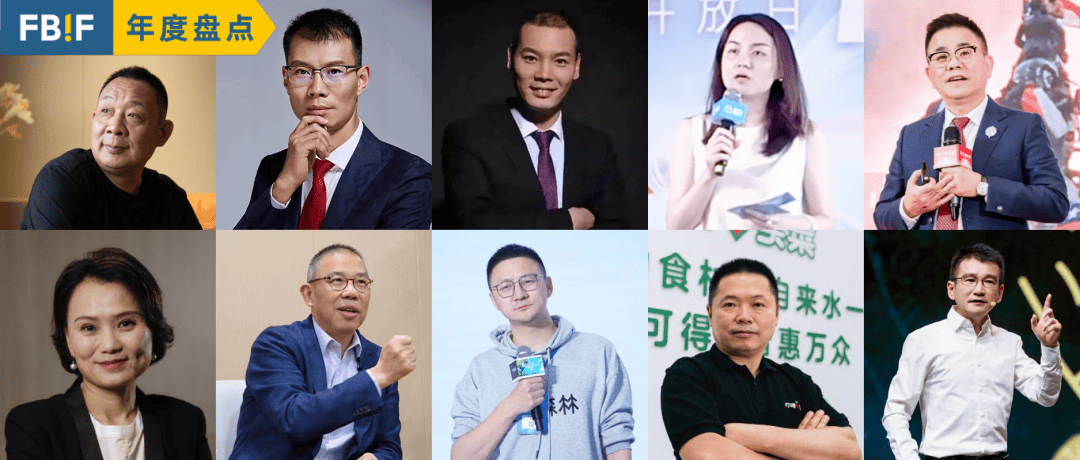
钟睒睒、唐彬森、章燎原…回归真实需求的一年,11位食品饮料人的创新打法
Sou Hu Cai Jing· 2026-01-13 14:16
Core Insights - The year 2025 presented both opportunities and challenges for the food and beverage industry in China, with steady growth and structural adjustments occurring within the fast-moving consumer goods (FMCG) sector [1] Group 1: Market Trends - Traditional offline channels like hypermarkets are under pressure, while hard discounts gain attention, and bulk snacks see growth [2] - There is a shift in consumer logic, with increased focus on value for money, leading to the rise of membership-based supermarkets like Sam's Club [2] - Health trends are gaining momentum, with low-GI and clean label products becoming more popular [2] Group 2: Company Strategies - Key industry leaders are returning to core business principles, focusing on product innovation and channel optimization to mitigate risks [3] - Companies like Hema are emphasizing product strength and have achieved over 40% revenue growth in 2025 [16] - The founder of Dongpeng, Lin Muqin, aims to expand the company into a multi-category beverage group, with a focus on overseas markets [24][27] Group 3: Notable Company Performances - Pang Donglai achieved a record sales figure of 20.035 billion yuan in 2025, marking a 30 billion yuan increase from the previous year [5] - The listing of Mixue Group on the Hong Kong Stock Exchange in March 2025 led to a significant increase in market value, with a revenue of 14.875 billion yuan in the first half of 2025, a 39.3% year-on-year increase [10][11] - Nongfu Spring's tea beverage segment surpassed 10 billion yuan in revenue for the first half of 2025, with a 19.7% increase [37][38] Group 4: Product Innovations - Dongpeng's new electrolyte drink "Bu Shui La" achieved 1.493 billion yuan in revenue in the first half of 2025, matching the total revenue of 2024 [24] - Mixue is expanding its product line and has signed a significant procurement deal for agricultural products with Brazil [13][16] - The introduction of new flavors and larger packaging by Nongfu Spring's "Dongfang Shuye" reflects ongoing innovation in the no-sugar tea market [40][42] Group 5: Future Outlook - Companies are focusing on long-term strategies rather than short-term gains, with an emphasis on sustainable growth and product quality [43][48] - The food and beverage industry is expected to continue evolving, with companies like Sanhua Squirrel aiming to become a comprehensive supply chain company [55][56]

我早就死了,但魔爪不同意
半佛仙人· 2025-12-14 03:58
Core Viewpoint - The article discusses the intense reliance on energy drinks, particularly the imported version of "魔爪" (Monster), as a means to cope with the demands of modern life and work, highlighting both the euphoric effects and the underlying struggles of adulthood [2][4][5]. Group 1: Product Analysis - The imported version of "魔爪" is described as a potent combination of caffeine, taurine, ginseng, and guarana, significantly stronger than regular versions, which contain about 150 mg of taurine per can [5]. - The author humorously compares the effects of consuming multiple cans of "魔爪" to extreme measures for staying awake and productive, suggesting that it can lead to a state of heightened alertness and creativity [5][6]. Group 2: Lifestyle Commentary - The narrative reflects on the challenges of adult life, including the constant battle against fatigue and the pressures of work and family, portraying a sense of resignation to the need for artificial stimulation [4][6]. - The article contrasts the experiences of younger individuals who enjoy sweeter drinks with the author's more cynical view, suggesting that maturity brings a recognition of life's harsh realities [6][7]. Group 3: Cultural Reflection - The piece touches on the broader cultural implications of relying on energy drinks, framing it as a commentary on the modern work culture where individuals feel compelled to push their limits [5][6]. - The author uses vivid metaphors to describe the experience of consuming "魔爪," likening it to transcending ordinary existence and achieving a state of flow, while also acknowledging the potential health risks involved [5][6].

2025年第49周:食品饮料行业周度市场观察
艾瑞咨询· 2025-12-13 00:07
Group 1 - The pre-prepared food market is experiencing a paradox of consumer trust issues and capital enthusiasm, driven by urbanization and the demand for convenient dining [3][4]. - The "zero additives" concept is being phased out in favor of "clean label" standards, emphasizing ingredient transparency and natural prioritization [5][6]. - The energy drink industry is undergoing rapid transformation with ingredient innovation and scene segmentation, focusing on health trends and diverse flavors [7][8]. Group 2 - The nut import market in China is projected to reach $2.386 billion in 2024, with a significant increase in demand for high-end varieties like pistachios [10]. - The beverage market is facing a downturn, with sales declining due to the rise of on-demand drink services and aggressive pricing strategies [14][15]. - The convenience food industry in China is shifting towards value creation, with a market size expected to grow from 673.6 billion yuan in 2023 to 960.3 billion yuan by 2026 [18]. Group 3 - The dairy industry is seeing a shift from ambient milk to fresh milk, with companies like Bright Dairy exploring new growth areas in the pet food market [20]. - Wangwang is facing challenges in the milk market, prompting the company to diversify into AD calcium milk to regain market share [21]. - The plant-based food sector is experiencing a downturn, with companies focusing on technological innovation and localization to meet market demands [17]. Group 4 - JD.com is enhancing its pre-prepared food strategy, aiming to strengthen its supply chain and align with the growing demand for ready-to-eat meals [31]. - China Resources Beverage is entering the ready-to-drink coffee market, competing against established brands like Nestlé and Starbucks [32]. - Wanglaoji is diversifying into the functional beverage market by acquiring distribution rights for Red Bull in southern China, aiming for significant sales growth [33].






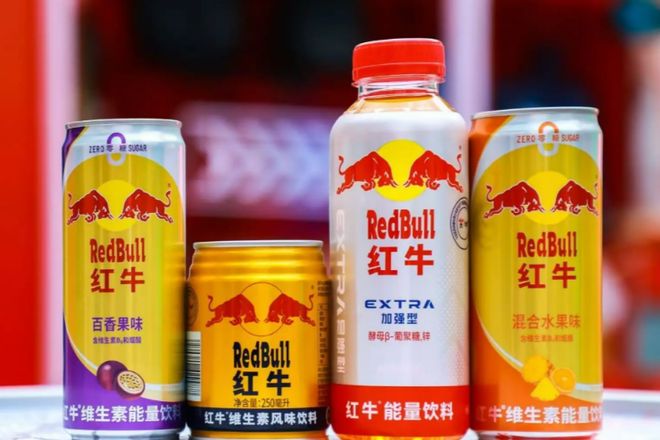
王老吉确认与天丝红牛合作 称已成立专门的事业部开展业务
Nan Fang Du Shi Bao· 2025-11-28 11:36
Group 1 - The core point of the article is that Guangzhou Pharmaceutical's Wanglaoji has obtained distribution rights for Thai Tsingtao's taurine Red Bull in five provinces in China, indicating a strategic move to expand its market presence in the competitive functional beverage sector [1][2]. - Wanglaoji has confirmed the partnership with Thai Tsingtao but denied any specific sales targets, which were reported to be 80,000 boxes per month by late 2025 and over 500 million by 2026 [2][3]. - The collaboration is seen as a potential boost for Thai Tsingtao's Red Bull, suggesting a shift in the competitive landscape against Huabin's Red Bull, which has dominated the market for years [4]. Group 2 - The ongoing trademark dispute between Thai Tsingtao and Huabin has been a significant issue since 1998, with legal battles over trademark rights and competition intensifying in recent years [4][5]. - Thai Tsingtao has invested approximately 4.36 billion yuan in expanding its production capacity in China over the past five years, indicating a strong commitment to increasing its market share [6]. - The competitive dynamics are shifting, with Wanglaoji's entry into the market potentially increasing pressure on Huabin, which has been diversifying its brand portfolio to maintain growth [6].
王老吉确认与天丝红牛合作,称已成立专门的事业部开展业务
Nan Fang Du Shi Bao· 2025-11-28 11:25
Core Viewpoint - The collaboration between Guangyao Wanglaoji and Thai Tianshi Red Bull marks a significant development in the competitive landscape of the functional beverage market in China, potentially altering the dynamics of market competition with Huabin Red Bull [2][4][6]. Group 1: Partnership Details - Guangyao Wanglaoji has secured distribution rights for Thai Tianshi's taurine Red Bull in five provinces in China: Hunan, Hainan, Jiangxi, Guangdong, and Guangxi [2]. - Wanglaoji has established a dedicated division to manage the new business venture with Tianshi Red Bull [2]. - Wanglaoji's public relations department denied reports of specific sales targets, including a claimed goal of 5 billion yuan by 2026 [3]. Group 2: Market Context - The functional beverage market in China is highly competitive, with Wanglaoji's entry expected to provide support to Tianshi Red Bull against Huabin Red Bull [4]. - The ongoing trademark dispute between Tianshi Group and Huabin Group has been a long-standing issue, dating back to their joint venture in 1998 [5]. - Tianshi Group has been actively seeking new partnerships to enhance its market presence, having previously engaged with Yangyuan Beverage for operations in northern China [6]. Group 3: Financial Performance - Yangyuan Beverage reported a revenue of 649 million yuan from functional beverages in 2024, reflecting a year-on-year growth of 45.02% [6]. - Tianshi Group has invested approximately 4.36 billion yuan in China over the past five years to expand its production capacity [6].
沪指来到4000点,五大投资主题值得关注
中国基金报· 2025-11-06 11:08
Core Viewpoint - The article emphasizes the need for a rational perspective on investment opportunities in the Chinese stock market, which has shown significant growth despite geopolitical challenges and economic slowdowns. The MSCI China Index has increased by 36.22% year-to-date as of October 29, 2025, while the MSCI Emerging Markets Index rose by 30.42% during the same period [1][3]. Group 1: Investment Themes - Theme 1: Companies with Global Influence in Innovation - China has nurtured a number of globally influential companies, particularly in the healthcare sector, where Chinese pharmaceutical firms are increasingly licensing intellectual property to global firms. This trend is expected to generate patent royalties and is less politically sensitive compared to sectors like semiconductors [5][6]. - Theme 2: Companies Diversifying Export Markets - China's global export total continues to rise, driven by strong growth in exports to Latin America and other emerging markets, despite trade tensions with the U.S. Companies focusing on non-U.S. markets may present overlooked investment opportunities [8]. - Theme 3: Industries Benefiting from "Anti-Involution" Policies - The Chinese government has implemented policies to address over-competition, known as "involution," which aim to improve quality of life and promote sustainable economic growth. These policies are expected to positively impact industries such as solar energy, electric vehicles, and agriculture by reducing excess capacity and improving profitability [10]. - Theme 4: Industry Leaders Increasing Domestic Market Share - As China transitions to high-quality development, local industry leaders in sectors like fintech, sportswear, and functional beverages are seizing opportunities to expand their market share, demonstrating resilience against economic challenges [12]. - Theme 5: Opportunities from Corporate Governance Reforms - Recent governance reforms in China aim to enhance shareholder returns and improve corporate governance. Companies with strong governance are likely to generate substantial excess returns, as evidenced by high levels of profitability and stock buybacks in the market [14]. Group 2: Broader Emerging Market Perspective - The article suggests that emerging markets, including China, are often misunderstood but hold unique advantages and opportunities. Investors should recognize the potential for excess returns from companies benefiting from the discussed trends [16][17]. - Emerging market equities remain an under-allocated and undervalued asset class, with compelling investment narratives emerging from sectors like artificial intelligence and structural reforms in countries like India [16].

光大证券晨会速递-20251028
EBSCN· 2025-10-28 00:59
Group 1: Macro Insights - In September, industrial enterprise profits continued to expand year-on-year, primarily driven by low base effects, with characteristics of rising volume and price, improved profit margins, and proactive inventory replenishment [2] - The profit growth in raw materials and equipment manufacturing sectors has accelerated, with profit distribution increasingly favoring midstream and upstream industries [2] - Looking ahead, profits are expected to maintain high growth rates in October and November due to low base support, but weak terminal demand and diminishing effects of "anti-involution" may temper the recovery process [2] Group 2: Fund Market Insights - Domestic equity market indices rose, with the ChiNext Index leading the gains, while gold prices experienced a pullback [3] - TMT-themed funds outperformed again, while there was significant net outflow from domestic stock ETFs, particularly from large-cap and TMT-themed ETFs [3] - Notably, there was significant inflow into commodity ETFs, particularly gold ETFs, indicating a shift in investor sentiment [3] Group 3: Automotive Industry - The automotive industry is undergoing rapid restructuring due to technological changes, particularly in intelligent driving and humanoid robotics, aligning with policies aimed at boosting domestic demand and economic growth [4] - Investment opportunities are recommended in the robot and intelligent driving themes, particularly focusing on strong model cycles in the second half of 2025 [4] Group 4: Steel Industry - Steel futures profits have dropped to their lowest levels since 2015, but there is potential for recovery to historical average levels due to government policies aimed at phasing out outdated capacity [5] - The steel sector's price fluctuations should be monitored closely as they pose risks to profitability [5] Group 5: Building Materials - The commercial aerospace industry is expected to accelerate following the introduction of the "strong aerospace nation" initiative, with Shanghai's action plan promoting high-quality development in the construction industry [6] - Recommendations include focusing on new materials and construction-related companies, such as China Jushi and Guoen Co., which are positioned in high-growth segments [6] Group 6: Company-Specific Insights - Chuanfa Longmang reported significant revenue and profit growth in Q3, driven by the integration of Tianbao Company, with forecasts for net profits of 657 million, 817 million, and 964 million yuan from 2025 to 2027 [8] - CNOOC Engineering's revenue for the first three quarters of 2025 was 17.7 billion yuan, with a net profit of 1.6 billion yuan, and forecasts suggest continued growth in net profits over the next three years [9] - Luoyang Molybdenum's Q3 performance exceeded expectations, with a net profit of 14.28 billion yuan, and projections for net profits of 19 billion, 20.1 billion, and 21.6 billion yuan from 2025 to 2027 [10] - Western Mining's net profit for the first three quarters was 2.95 billion yuan, with a significant acquisition expected to enhance resource holdings and future profitability [11] - North New Building Materials reported a decline in revenue and net profit, prompting a downward revision of profit forecasts for the next three years, but maintains a stable outlook for its gypsum board business [12] - China National Materials reported stable performance with improved cash flow and a significant increase in new contracts, particularly from overseas markets [13] - Fuanna's revenue declined significantly in Q3, leading to a downward revision of profit forecasts, reflecting challenges in retail and business adjustments [14] - Sanofi's net profit was below expectations due to one-time expenses, but the company remains a leader in blood glucose monitoring with potential for overseas expansion [15] - Ziyan Food's revenue decreased in the first three quarters, but Q3 showed signs of recovery, with forecasts for future earnings remaining positive [16] - Zhongju Gaoxin's revenue and net profit declined in the first three quarters, leading to revised forecasts, but the company continues to focus on channel development and new product performance [17] - Jinzhai Food reported modest revenue growth but faced profit declines, with future earnings projections indicating potential for recovery [18] - Dongpeng Beverage's revenue and net profit showed significant growth in the first three quarters, with upward revisions to future profit forecasts reflecting strong performance [19]
“小巨人”IPO过会丨IPO一周要闻
Sou Hu Cai Jing· 2025-10-19 00:08
Core Insights - The A-share IPO review maintained a "full approval" pace from October 13 to 17, with three companies successfully passing the review, highlighting a focus on hard technology enterprises [2][3][4] Recent Approvals - **Tiansu Measurement**: On October 16, Tiansu Measurement's IPO application was approved after four previous suspensions. The company projects steady revenue growth from CNY 597 million in 2023 to CNY 800 million in 2025, with net profits increasing from CNY 84.39 million to CNY 111 million during the same period [2] - **Angrui Microelectronics**: Approved on October 15, Angrui Microelectronics aims to raise CNY 2.067 billion for the development of 5G RF front-end chips and related projects. The company specializes in RF and analog integrated circuit design [3] - **Yuxun Technology**: Yuxun Technology's IPO was approved after a previous deferral. The company focuses on optical communication chips and plans to raise CNY 809 million for various development projects, with projected revenues growing from CNY 313 million in 2023 to CNY 411 million in 2024 [4] New Listings - **Changjiang Energy Technology**: Listed on the Beijing Stock Exchange on October 16, with a share price increase of 254.03%. The company raised CNY 160 million for expanding production capacity and R&D in energy equipment [5] - **Yunji Technology**: Listed on the Hong Kong Stock Exchange on October 16, with a first-day price increase of 26.05%. The company raised approximately HKD 660 million, with significant oversubscription [6] - **Xuanzhu Biopharmaceutical**: Listed on October 15, with a first-day increase of 126.72%. The company focuses on innovative drug development in the biopharmaceutical sector [7] Recent Filings - **Shouchuang Securities**: Filed for a dual listing on the Hong Kong Stock Exchange, reporting total revenues of approximately CNY 2.519 billion in 2022, with a projected growth trend [8] - **Shuanglin Co.**: Recently submitted a prospectus for listing on the Hong Kong Stock Exchange, reporting a revenue of CNY 2.525 billion in the first half of 2025, with a 20.1% year-on-year growth [9] - **Tambor Group**: Filed for a listing on the Hong Kong Stock Exchange, focusing on outdoor apparel with a revenue of approximately CNY 732 million in 2022 [10] - **Chengyi Biotech**: Submitted a prospectus for a Hong Kong listing, focusing on developing new oral small molecule drugs for cardiovascular and metabolic diseases [11] - **Dongpeng Beverage**: Filed for a listing on the Hong Kong Stock Exchange, reporting a revenue of CNY 8.5 billion in 2022, with a leading market position in the functional beverage sector [12]

超1500亿,东鹏特饮要去香港IPO!
Sou Hu Cai Jing· 2025-10-14 00:47
Core Viewpoint - Dongpeng Beverage is preparing for a secondary IPO on the Hong Kong Stock Exchange, aiming to raise approximately HKD 14.93 billion (around RMB 13.8 billion) to fund overseas production capacity, channel expansion, brand internationalization, and digital upgrades [2][4]. Group 1: IPO Details - Dongpeng Beverage has submitted its H-share prospectus for a secondary IPO after its first submission expired due to not passing the hearing within the six-month validity period [2]. - The company plans to use the raised funds primarily for overseas production in Vietnam and Indonesia, with a significant investment of approximately HKD 8.5 billion allocated for a new production line in Vietnam and an aluminum bottle line in Indonesia [4]. - If successful, Dongpeng will become the second Chinese beverage company to be listed in both A-share and H-share markets, following Andeli [4]. Group 2: Financial Performance and Growth - Dongpeng Beverage's sales have dramatically increased from 18 million bottles in 2009 to 880 million bottles in 2016, achieving a compound annual growth rate of 154% [10]. - The company has raised a total of RMB 1.43 billion through three rounds of financing from venture capital firms, significantly boosting its valuation from RMB 48 billion in 2017 to RMB 150 billion in 2020 [12][15]. - As of October 13, 2025, Dongpeng's market capitalization reached RMB 154.2 billion, reflecting a growth of nearly RMB 100 billion over four years [16]. Group 3: Company Background - Dongpeng Beverage was established in 1994 and initially focused on soy milk and herbal tea, facing financial difficulties by 1999 [9]. - In 2003, a management buyout transformed the company from a state-owned enterprise to a private entity, leading to significant growth and innovation in its product offerings [10]. - The catchy advertising slogan "Tired? Drink Dongpeng" has played a crucial role in establishing brand recognition and driving sales growth [7].