方便食品

Search documents
与李子柒决裂后,微念“B计划”的网红螺蛳粉出事了
凤凰网财经· 2025-09-23 15:23
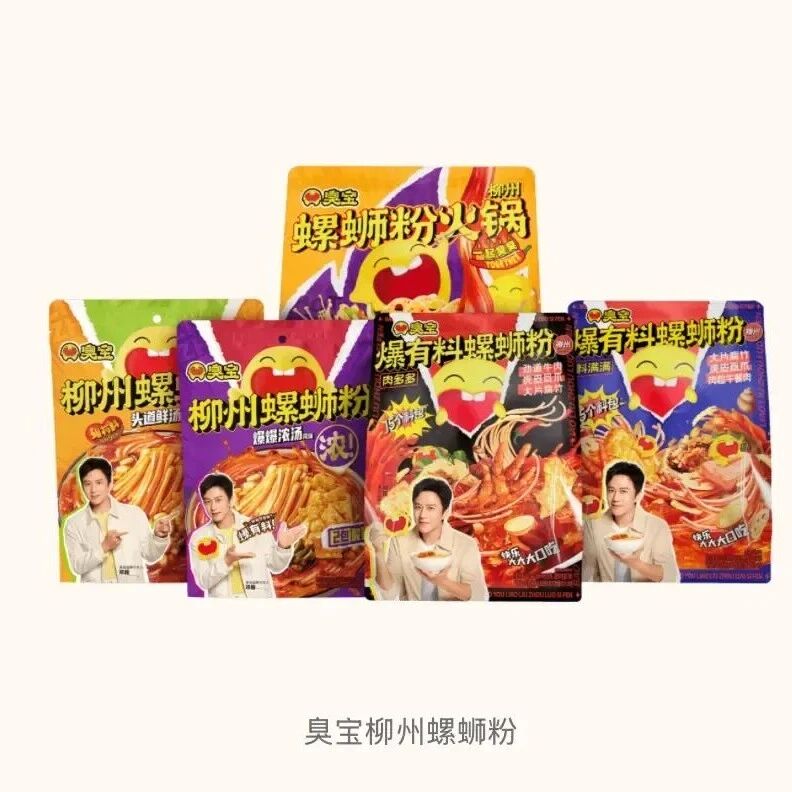
Core Viewpoint - The article discusses the recent controversies surrounding the popular instant noodle brand "Chou Bao," highlighting consumer complaints about foreign objects found in the product and the company's inadequate response to these issues [2][9][22]. Group 1: Company Background - "Chou Bao" is a brand under Guangxi Weinian Industrial Co., Ltd., which was founded in 2013 by Liu Tongming, initially focusing on influencer marketing [13]. - The brand gained significant traction after the partnership with the well-known influencer Li Ziqi, which ended in 2021 due to disputes over equity and intellectual property [19][20]. - Following the loss of this key partnership, the company quickly launched the "Chou Bao" brand, leveraging its existing supply chain and distribution channels to achieve rapid sales growth [21]. Group 2: Consumer Complaints - Recent reports on social media have revealed multiple instances of consumers finding disturbing foreign objects, such as fingernails and cigarette filters, in "Chou Bao" noodle products [2][11][22]. - Customers have expressed frustration over the company's customer service, which has been characterized by dismissive responses and inadequate compensation offers, such as a mere refund of 100 yuan [12][22]. - The complaints highlight not only quality control issues in the production process but also deficiencies in the customer service system [22][23]. Group 3: Market Context - The instant noodle market, particularly the Luosifen (snail rice noodle) segment, has seen rapid growth, with the brand value projected to reach 15.051 billion yuan by 2025 [26]. - The competitive landscape is intensifying as traditional companies and new brands vie for market share, making it crucial for Weinian to balance expansion with product quality to maintain consumer trust [27].

2025年米粉行业发展报告-第一财经商业数据中心
Sou Hu Cai Jing· 2025-09-14 10:10
Industry Overview - The Chinese rice noodle industry has evolved over two millennia from a local snack to a national cuisine, focusing on technological innovation, full supply chain collaboration, and globalization as core development directions [1] - The market size of the entire rice noodle industry in China is expected to exceed 300 billion yuan by 2025, with online sales of pre-packaged instant rice noodles reaching 5.28 billion yuan [1][2] - The industry is characterized by diverse brand dynamics, with innovative consumer brands dominating the market, while traditional brands are also adapting to the fast-paced changes [1][2] Consumer Trends - Nearly 90% of consumers eat rice noodles weekly, with the post-85s to post-95s and working professionals being the primary consumer groups [2] - The demand for quality upgrades is driven by consumer preferences for taste, convenience, and cost-effectiveness, leading to an increase in the price range of pre-packaged rice noodles [2][45] - The trend towards social dining and experiential consumption is evident, with consumers favoring dining out for the atmosphere and social media sharing [48] Market Dynamics - The online sales channel for pre-packaged instant rice noodles is growing significantly, with over 60% of consumers purchasing through multiple channels, primarily e-commerce and large supermarkets [1][24] - The brand landscape is becoming more mature, with local time-honored brands revitalizing their offerings and new brands entering the market [27][30] - The supply chain is evolving, with upstream, midstream, and downstream sectors collaborating to enhance efficiency and product quality [38][41] Future Outlook - The global rice noodle market is projected to grow at an annual rate of 3.74%, reaching 24.5 billion USD by 2032, while the Chinese market is expected to exceed 80 billion yuan by 2025 [2] - Over 50% of consumers plan to increase their purchasing frequency, indicating a positive outlook for the industry [2] - The industry must focus on supply chain innovation, flavor and health improvements, and cultural integration to unlock further economic and cultural value [2][15]

方便食品突围:深挖需求提价值,技术创新破“内卷”丨行业风向标
Tai Mei Ti A P P· 2025-09-05 14:05
Core Viewpoint - The convenience food industry in China is transitioning from rapid growth to intense competition, facing challenges due to changing consumer preferences and market saturation, with a significant decline in instant noodle consumption observed from 2020 to 2023 [2][3]. Industry Trends - The convenience food sector is experiencing a shift from "incremental competition" to "value competition," with a focus on health and innovation as key drivers for growth [3][4]. - The overall consumption of instant noodles in China remains substantial, with 447.2 billion servings consumed in 2024, accounting for 37% of global consumption [4]. - The market is witnessing a K-shaped differentiation, where high-end products are upgrading while budget-friendly options maintain their market share [4][6]. Company Performance - Major companies like Anjuke and Kemin Foods are reporting declining revenues, with Anjuke's revenue increasing only slightly by 0.8% to 76.04 billion yuan, while net profit fell by 15.79% [5]. - Kemin Foods also experienced a revenue drop of 10.85% and a net profit decline of 2.34% [5]. Consumer Demographics - The new generation (born between 1995-2009) is becoming the main consumer force, contributing 40% to national consumption despite being only 20% of the population [6]. - The aging population is also creating diverse demands, with the silver economy expected to reach 12 trillion yuan by 2030 [6]. Strategic Directions - Companies are encouraged to adopt differentiation strategies to meet evolving consumer needs, focusing on health-oriented and unique products [7][8]. - The importance of innovation in product development is emphasized, with companies exploring new categories and consumer scenarios [10][11]. Technological Innovation - The industry is urged to embrace technological advancements to enhance product quality and meet consumer expectations [10][11]. - There is a call for collaboration between companies and research institutions to address technical challenges and drive industry growth [12].
复盘106家食品企业半年报:70家公司业绩下滑,蒙牛液奶缩水40亿,农夫逆袭净赚76亿
3 6 Ke· 2025-09-03 08:50
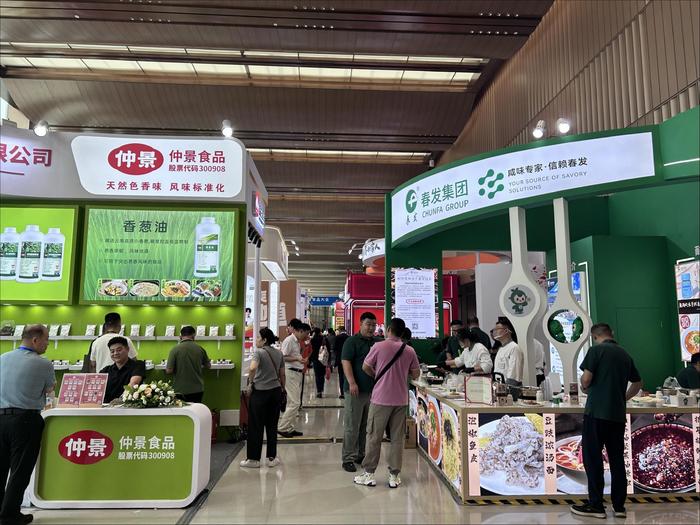
Overall Industry Performance - In the first half of 2025, 70 out of 106 companies reported varying degrees of performance decline, with 57 experiencing revenue drops and 48 facing net profit declines, indicating a trend of prioritizing profit preservation over revenue growth [1][2] - The consumer market remains weak, leading to supply-demand imbalances, intense competition, and price wars [1] Dairy Industry - The dairy sector is significantly impacted, with 25 out of 33 listed companies reporting performance declines, primarily due to falling liquid milk sales [1][3] - Major players like Yili and Mengniu saw substantial revenue drops in their liquid milk segments, with Yili's liquid milk revenue decreasing by 7.61 billion yuan and Mengniu's by 40.48 billion yuan [3][4] - Conversely, the milk powder segment shows signs of structural recovery, with some companies reporting revenue growth due to market consolidation and subsidy policies [3][5] Snack Industry - Snack companies are largely struggling, with brands like Liuyinpuzi and Laiyifen reporting losses, while others like Qiaqia and Three Squirrels experienced significant profit declines [1][2] - The challenges stem from channel transformations and rising costs, particularly in raw materials, leading to increased customer acquisition costs [1] Beverage Industry - The beverage sector shows mixed results, with companies like Nongfu Spring and Dongpeng achieving record net profits, while others like China Resources Beverage faced revenue declines [9][10] - Nongfu Spring's tea beverage segment surpassed 10 billion yuan in revenue for the first time, indicating strong market performance [9] Seasoned Food Industry - The seasoning industry is experiencing increasing differentiation, with leading companies like Haitian maintaining stable growth while others like Zhongju Gaoxin face significant declines [7][8] - Many companies are adjusting their channel strategies in response to market saturation, with a focus on international expansion [8] Convenience Food Industry - The convenience food sector shows slight recovery among leading companies, with Shuanghui Development reporting a revenue increase of 2.97% [13] - Notably, Guoquan Foods achieved remarkable growth, with revenue and net profit increasing significantly [14] Overall Conclusion - The food industry is facing a challenging environment with more companies reporting declines than gains, but there are still structural growth opportunities for those willing to adapt and innovate [14]
宝立食品(603170):25H1复调表现稳健 空刻营收增速较快
Xin Lang Cai Jing· 2025-08-31 08:37
Core Insights - The company reported a revenue of 1.38 billion and a net profit of 117 million for the first half of 2025, reflecting year-on-year growth of 8.39% and 7.53% respectively [1] - The second quarter of 2025 saw revenue and net profit of 711 million and 58 million, with year-on-year increases of 9.54% and 22.45% respectively, indicating a sequential acceleration in performance [1] - Growth was driven by the C-end market, particularly in the air-dried products segment, while the B-end business showed steady development [1] Revenue Breakdown - For the first half of 2025, revenue from compound seasonings, light cooking solutions, and beverage dessert ingredients was 630 million, 636 million, and 80 million respectively, with year-on-year growth rates of 4.06%, 13.94%, and 6.92% [1] - In Q2 2025, the revenue growth rates for these segments were 9.22%, 14.98%, and -16.83% respectively, with the compound seasonings segment benefiting from enhanced service capabilities and new customer acquisition [1] Regional Performance - In the first half of 2025, revenue growth rates by region were as follows: East China +6.46%, South China +58.63%, North China -7.60%, Central China +0.16%, Northeast +15.83%, Southwest +22.47%, Northwest +72.00%, and overseas +57.66% [2] - In Q2 2025, the growth rates were: East China +8.72%, South China +47.38%, North China -8.43%, Central China -5.20%, Northeast +20.94%, Southwest +5.60%, Northwest +1.76%, and overseas +164.94% [2] Sales Model - In the first half of 2025, direct sales and non-direct sales generated revenues of 1.131 billion and 210 million respectively, with year-on-year growth of 9.95% and 2.49% [2] - In Q2 2025, direct sales and non-direct sales saw year-on-year growth of 11.89% and 2.29% respectively, as the company actively expanded into new sales channels [2] Profitability - The company's gross margin for the first half of 2025 was 33.68%, an increase of 1.61 percentage points year-on-year, driven by a higher proportion of revenue from the C-end air-dried business and the launch of high-margin new products in the B-end [3] - The net profit margin for the first half of 2025 was 8.45%, remaining stable year-on-year, while the adjusted net profit margin was 8.06%, reflecting a 0.27 percentage point increase [3] Product Innovation and Channel Expansion - The company is focusing on product innovation and channel expansion, with new product launches in the C-end market and a robust B-end product solution offering [4] - The company is also expanding into new retail channels, including O2O and membership-based stores, while enhancing production capacity through new facilities [4] Earnings Forecast - The company has slightly adjusted its net profit forecast for 2025 to 264 million, 308 million, and 339 million, reflecting a reduction of 4.1%, 1.3%, and 0.9% respectively [5] - The projected EPS for 2025-2027 is 0.66, 0.77, and 0.85, with corresponding PE ratios of 22x, 19x, and 17x [5]

一碗粉“嗦”出百亿产业 化身文化符号飘香海外
Zhong Guo Xin Wen Wang· 2025-08-30 07:16
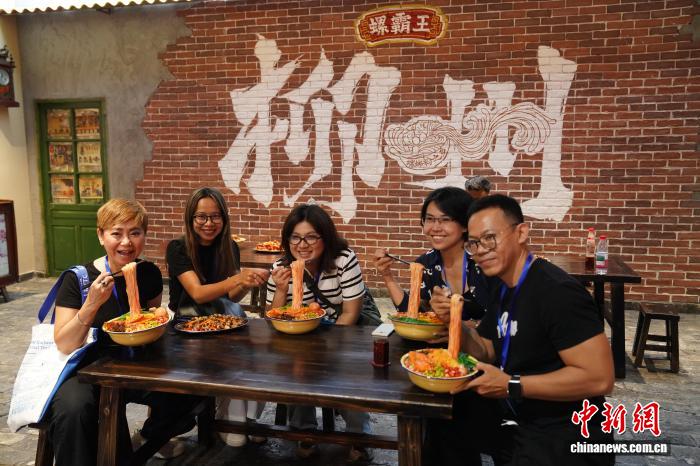
Core Insights - The article highlights the transformation of Liuzhou's snail rice noodle into a cultural symbol and a billion-dollar industry, attracting global attention and tourism [1][2]. Industry Overview - The Liuzhou snail rice noodle industry has developed into a comprehensive industry chain with a total revenue of 759.6 billion RMB in 2024, including 169 billion RMB from packaged snail rice noodles [2]. - The industry has expanded significantly over the past decade, evolving from a street food to a globally recognized product, with exports reaching over 20 countries and regions [2]. Company Developments - Luobawang Food Technology Co., Ltd. is noted as the first Chinese company with export qualifications to Europe and the United States, focusing on expanding its market presence in Southeast Asia [3][4]. - The company is preparing to launch a halal production line for snail rice noodles, aiming for a daily output of 50,000 packages [4]. Market Expansion - Liuzhou city is actively promoting the snail rice noodle industry internationally, with initiatives to assist companies in understanding international trade standards and conducting promotional activities in Southeast Asia [4]. - The popularity of Liuzhou snail rice noodles has led to a surge in tourism, with the city receiving 51.66 million domestic and international visitors in the first half of 2025, marking an 11.9% increase year-on-year [5].
颐海国际发布中期业绩 股东应占溢利3.09亿元 同比增加0.39%
Zhi Tong Cai Jing· 2025-08-25 09:09
Group 1 - The company reported a revenue of 2.927 billion RMB for the six months ending June 30, 2025, representing a year-on-year increase of 0.02% [1] - The profit attributable to shareholders was 309 million RMB, an increase of 0.39% year-on-year, with basic earnings per share of 31.9 cents [1] - Revenue from hot pot seasoning products decreased by 3.7% to 1.683 billion RMB, accounting for 57.5% of total revenue, primarily due to a 14.6% decrease in sales to related parties [1] Group 2 - Revenue from compound seasoning products increased by 8.2% to 492 million RMB, representing 16.8% of total revenue, with a significant 69.8% increase in sales to related parties driven by demand for new products [1] - Revenue from convenient instant food products rose by 1.2% to 709 million RMB, making up 24.2% of total revenue, with a 17.0% decrease in sales to related parties due to reduced demand for marinated foods [2] - Sales to third parties for both hot pot seasoning and compound seasoning products showed positive growth, indicating a shift in consumer preferences and demand [1][2]
阿里美团烧了几百亿,外卖大战赢家却是他们
3 6 Ke· 2025-08-21 04:07
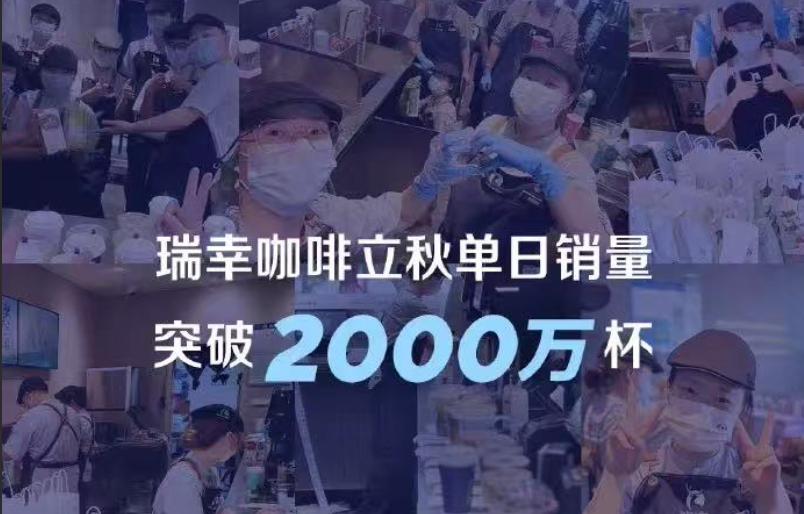
Group 1: Industry Overview - The ongoing competition in the food delivery market has intensified, with platforms like Meituan and Taobao Flash Sale aggressively issuing coupons to attract customers [1][9] - Meituan's daily order volume has remained above 90 million since June, peaking at 120 million on July 5, while Taobao Flash Sale surpassed 100 million daily orders for three consecutive days in early August [1] - JD.com reported a revenue of 356.7 billion RMB for Q2 2025, a 22.4% year-on-year increase, marking the highest growth rate in nearly three years [1] Group 2: Luckin Coffee Performance - Luckin Coffee achieved a record revenue of 12.359 billion RMB in Q2 2025, a 47.1% year-on-year increase, with a gross merchandise volume (GMV) of 14.179 billion RMB [4][8] - The company opened 2,109 new stores in Q2 2025, bringing the total to 26,206, with 25,117 stores located in China [6][9] - Luckin's net income for the first half of 2025 reached 1.776 billion RMB, a 125.4% increase year-on-year [8] Group 3: Yum China Performance - Yum China reported a revenue of 5.768 billion USD (approximately 410 billion RMB) for the first half of 2025, with a 17% year-on-year increase in delivery sales [12][17] - In Q2 2025, Yum China's total revenue grew by 4% to 2.8 billion USD, with operating profit increasing by 14% to 304 million USD, setting a new record for Q2 [12][17] - The company added 336 new stores in Q2 2025, bringing the total to 16,978, including 12,238 KFC and 3,864 Pizza Hut locations [12][14] Group 4: Market Trends and Consumer Behavior - The rise of delivery platforms has significantly impacted consumer preferences, with younger consumers favoring affordable meal options over traditional instant noodles [18][23] - Instant noodle consumption has declined, with a reported 40 billion fewer packages consumed from 2020 to 2023, and a 2.53% drop in revenue for industry leader Kang Shifu in the first half of 2025 [23] - The shift towards healthier and more convenient food options is evident, as consumers increasingly opt for delivery meals that offer better value compared to instant noodles [23]

高端化就是涨价?“方便面刺客”吃不起也卖不动了
Xin Lang Cai Jing· 2025-08-15 02:51
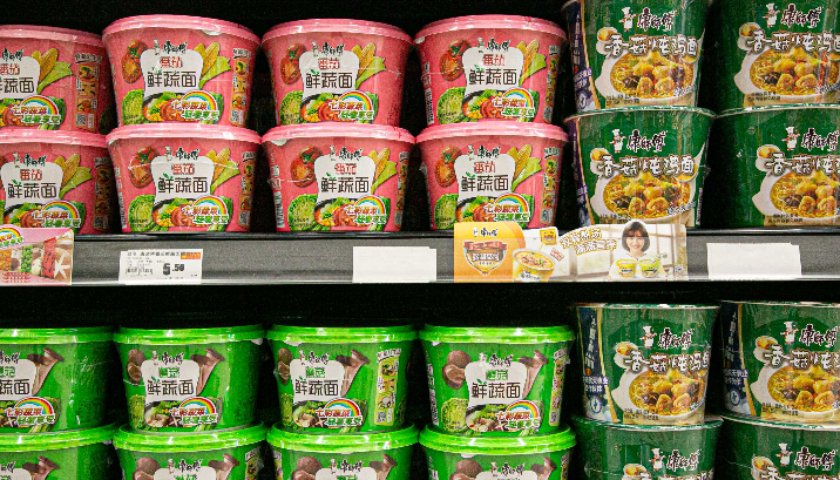
Core Viewpoint - The convenience food industry, particularly instant noodles, is facing a shift in consumer preferences towards healthier options, necessitating innovation and adaptation from brands to meet these demands [7][8]. Industry Insights - Instant noodles have long been associated with unhealthy eating, primarily due to the prevalence of fried varieties that can produce harmful substances like acrylamide [4]. - The market for convenience foods in China is projected to exceed 1 trillion yuan by 2026, with a compound annual growth rate of over 10%, driven by a significant increase in demand for healthier products [8]. - Health-oriented products are growing at a rate three times faster than traditional varieties, with low-fat, low-salt, and high-fiber options becoming key decision factors for consumers [8]. Company Strategies - Major brands like Master Kong, Uni-President, and White Elephant are focusing on health-oriented product lines, such as Master Kong's "fresh vegetable noodles" and White Elephant's "healthy breakfast noodles" [8]. - The trend towards premiumization in the instant noodle market is evident, with products priced above 20 yuan, but this strategy has led to declining sales as consumers resist higher prices [9][10]. - Companies like Jinmailang are innovating with "0-fried" technology to create healthier options at competitive prices, aiming to balance health benefits with affordability [10][11]. Market Challenges - The convenience food sector is experiencing pressure from alternative food options like takeout and new instant food products, which are diverting consumer attention away from traditional instant noodles [12]. - Despite the push for health and premiumization, there is a significant risk of alienating price-sensitive consumers, as evidenced by declining sales figures for higher-priced products [9][10][12]. - The industry is at a crossroads, with brands needing to find a balance between health, quality, and price to remain competitive in a rapidly evolving market [12].
麻六记酸辣粉「塌房」,贴牌产品还有人买吗?
商业洞察· 2025-08-07 09:25
Core Viewpoint - The article discusses the recent food safety crisis faced by the popular brand Ma Liu Ji, particularly concerning its sour and spicy noodles sold at Costco, which were reported to be moldy, leading to a nationwide recall and a significant trust crisis for the brand [4][5]. Group 1: Trust Crisis Triggered by Product Issues - The sour and spicy noodles from Ma Liu Ji were recalled due to reports of mold, with Costco taking immediate action to remove the product from its shelves [4][5]. - The contract manufacturer, Akwan Food, acknowledged the issue, attributing it to insufficient sanitation during production, affecting two specific batches produced on June 16 and 18, 2025 [5][7]. - Despite the recall and compensation efforts, consumer trust remains severely damaged, exacerbated by previous controversies involving the brand's founders [5][10]. Group 2: Compensation and Consumer Response - Akwan Food stated that consumers could return the affected products for a full refund, with potential compensation up to 1,000 yuan based on Chinese food safety laws [7][8]. - However, the execution of these compensation policies has been inconsistent, with some consumers reporting difficulties in obtaining refunds for products outside the specified batches [7][8]. - The brand's online sales have significantly declined, with recent data showing a drastic drop in live-stream sales and overall revenue [9][10]. Group 3: Dependency on Contract Manufacturing - Ma Liu Ji's business model heavily relies on contract manufacturing, with Akwan Food being a key supplier for its popular products, which raises concerns about quality control [11][12]. - The article highlights that the brand's rapid growth was facilitated by leveraging social media and influencer marketing, but this model has also exposed vulnerabilities in product quality management [12][18]. - Akwan Food's financial struggles and limited profit margins from contract manufacturing have further complicated the situation, as the company faces challenges in maintaining quality standards [13][14]. Group 4: Long-term Implications for Brand Strategy - The article suggests that the reliance on contract manufacturing may hinder long-term brand sustainability, as seen in the case of other brands that have faced similar issues [18]. - To regain consumer trust and ensure product quality, brands may need to consider transitioning away from a heavy reliance on contract manufacturers and invest in their own production capabilities [18]. - The case of Ma Liu Ji serves as a cautionary tale for emerging brands that prioritize short-term gains through low-cost manufacturing at the expense of quality and consumer trust [18].