电商平台

Search documents
春节里的下沉市场经济学:用包裹“熨平”城乡温度差
第一财经· 2026-02-08 02:09
Core Viewpoint - The article highlights the transformative impact of e-commerce and logistics on rural consumption in China, particularly during the Spring Festival, showcasing how the delivery of goods is bridging the urban-rural divide and reshaping local economies [2][12][30]. Group 1: E-commerce and Rural Consumption - The Spring Festival serves as a critical observation point for changes in rural consumption patterns, with a significant increase in the volume of goods being delivered to rural areas [2][12]. - By 2025, it is projected that one in four packages will be delivered to rural areas, with rural express delivery volume reaching 28%, a notable increase from the end of the 13th Five-Year Plan [2][11]. - The rise of e-commerce platforms like Pinduoduo has facilitated a structural shift, where rural retail sales growth has consistently outpaced urban areas over the past thirteen years [2][12]. Group 2: Logistics and Accessibility - The establishment of local delivery stations has significantly reduced the distance and time required for rural residents to access goods, transforming the logistics landscape [5][10]. - In remote areas, logistics challenges have been addressed through innovative solutions, such as local delivery networks that connect villages directly to e-commerce platforms [9][10]. - The average daily package volume at local delivery stations can reach up to 150 during peak times, indicating a robust demand for e-commerce services in rural settings [6][9]. Group 3: Economic Empowerment through E-commerce - E-commerce has become a vital lifeline for rural residents, enabling them to access essential goods and services that were previously unavailable or difficult to obtain [15][17]. - The cost savings associated with online shopping, including reduced transportation and time costs, have empowered rural consumers to make more informed purchasing decisions [12][26]. - The introduction of efficient agricultural tools through e-commerce has led to increased productivity and income for farmers, creating a sustainable cycle of economic growth [22][26]. Group 4: Emotional and Cultural Connections - The article discusses the emerging trend of emotional reciprocity, where rural residents send local specialties to family members in urban areas, fostering a sense of connection and cultural exchange [28][29]. - This dual flow of goods not only enhances emotional ties but also promotes the visibility of rural products in broader markets, contributing to local economic development [28][30]. - The integration of rural products into e-commerce platforms is seen as a way to elevate local culture and traditions, allowing rural communities to share their unique offerings with a wider audience [29][30].



2026年整治电商领域侵权假冒有哪些重点?
Xin Lang Cai Jing· 2026-02-07 14:37
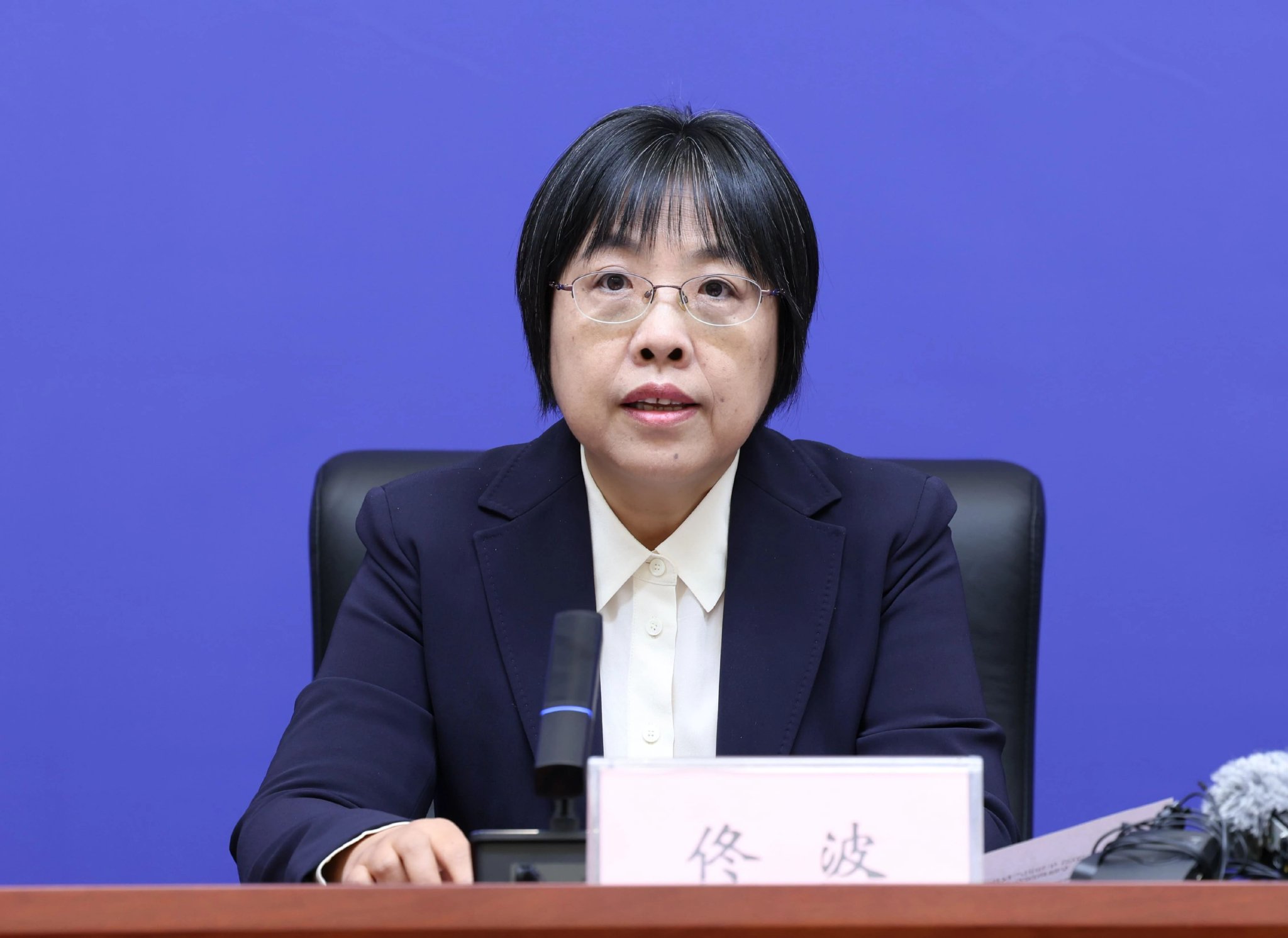
佟波表示,2026年要重点打击整治电商领域侵权假冒问题,主要包括三项内容。 一是充分发挥"'守护品牌'政企协作机制"作用,组织查办一批跨省域、案值大、影响大的大案要案;二是对81家电商平台落实2024年《电子商务平台提升知 识产权保护水平自律公约》情况开展"回头看";三是组织电商平台研究提出落实《电子商务平台履行配合调查商标侵权案件义务规定》的具体措施,并督促 2月6日上午,市场监管总局召开2025年知识产权执法情况专题新闻发布会。市场监管总局执法稽查局一级巡视员佟波介绍了2026年知识产权执法工作部署。 (来源:经济日报) 转自:经济日报 落实。(经济日报记者 孙庆坤) ...
吉电子商务市场规模接近年10亿美元
Shang Wu Bu Wang Zhan· 2026-02-06 16:18
库称,吉已成功运营多种国际与本国支付系统,并持续推进数字互联互通。近期完成了与哈萨克斯 坦的系统对接,正扩大与乌兹别克斯坦的跨境转账,同时对与塔吉克斯坦及其他区域国家的合作兴趣上 升。当前主要挑战仍在于物流与区域内贸易的行政管理。不过,各国已建立商品数字卡与国家数据库, 使电商平台间的整合可快速扩展。 据吉尔吉斯斯坦卡巴尔国家通讯社2月5日报道,在美国—中亚"B5+1 " 商业论坛期间,吉电子商务 协会会长库连克耶夫介绍了吉数字经济发展及区域电子商务合作情况。 库表示,近年来,中亚国家在数字化领域发展速度加快,这得益于共同的历史、文化和经济联系以 及区域内的经验交流。目前,吉电子商务协会汇聚了约50家企业,涵盖零售、电商平台、在线交易与物 流等领域。成员企业营业总额超过25亿美元,约占吉电子商务市场的一半。数据显示,吉国内电子商务 年交易额约6亿美元,若计入跨境业务,市场规模接近10亿美元。市场年均增速约15%,电子商务在零 售总额中的占比已达 10%-11%,且仍在上升。库指出,这些成果源于政府、金融部门与企业的协同推 进,形成了所谓的"数字红利",此现象在中亚各国均有体现。 (原标题:吉电子商务市场规模接 ...
中国今年将重点打击整治电商领域侵权假冒问题
Xin Lang Cai Jing· 2026-02-06 14:47
中新社北京2月6日电 (记者 刘亮)中国国家市场监管总局执法稽查局一级巡视员佟波6日在新闻发布会上 表示,2026年市场监管部门将重点打击整治电商领域侵权假冒问题。 近年来,市场监管部门还推进制度建设,强化法制支撑。例如,市场监管部门在执法中发现,涉案网店 不在公示地址经营、执法中"找不到人"的情况十分突出。佟波称,针对上述"幽灵网店"突出问题,国家 市场监管总局组织起草相关文件,进一步强化平台义务,优化了查处程序。 同时,针对商标执法中对仿冒他人知名商标等违法行为认定难的问题,国家市场监管总局正组织制定 《市场监管行政执法认定商标近似侵权规则》,为打击"山寨"品牌、"傍名牌"等突出问题提供更加有力 有效的法律支持。(完) 具体看,市场监管部门将组织查办一批跨省域、案值大、影响大的大案要案;对81家电商平台落实2024 年《电子商务平台经营者提升知识产权保护水平自律公约》情况开展"回头看";组织电商平台研究提出 落实《电子商务平台履行配合调查商标侵权案件义务规定》的具体措施,并督促落实等。 佟波介绍,2025年,国家市场监管总局继续深入开展"守护知识产权"专项执法行动,严厉打击商标、专 利、地理标志等领域违法 ...
远方好物:深化跨区域消费帮扶 助力乡村振兴再拓圈
Sou Hu Cai Jing· 2026-02-06 08:21
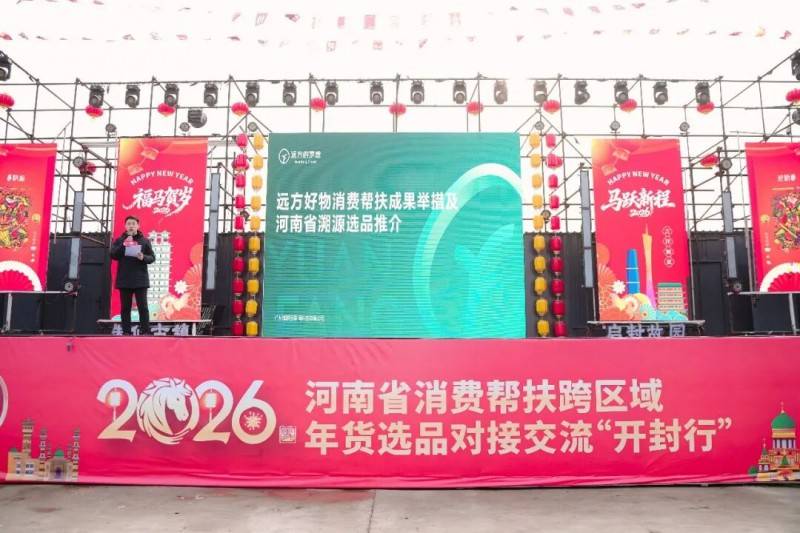
Group 1 - The core event was the cross-regional New Year goods selection and exchange activity held in Kaifeng, Henan Province, showcasing the practical paths and achievements of Yuanfang Haowu in the field of consumption assistance [1] - Yuanfang Haowu's strategy focuses on creating a "hit product" to boost an industry and benefit local people, emphasizing overall industrial development rather than just product sales [3] - The company has established deep cooperation with 26 quality suppliers from cities like Zhengzhou, Luohe, and Nanyang in Henan, aiming to promote high-quality local products to broader markets [3] Group 2 - Yuanfang Haowu's operational model is rooted in the concept of "trust e-commerce," aiming to create transparent and trustworthy links between consumers and producers [7] - The platform is preparing for a provincial-level traceability live broadcast event in Henan to enhance the recognition of local agricultural products among national consumers [7] - The company has introduced a regional consumption cooperation platform, providing comprehensive support from market research to marketing for products that have not yet met high market standards, reflecting a long-term vision [7][8] Group 3 - By deepening collaboration with local governments and source enterprises, Yuanfang Haowu extends the "trust e-commerce" concept into a stable production and sales link, facilitating efficient and precise resource and market connections [8] - This model, based on trust and driven by industrial upgrades, is continuously activating strong engines for rural development, injecting new vitality and possibilities into the integration of consumption assistance and rural revitalization [8]
围剿“仅退款” 电商告别草莽时代
Shen Zhen Shang Bao· 2026-02-05 21:21
Core Viewpoint - The recent implementation of the "Network Transaction Platform Rules Supervision Management Measures" marks a significant shift in the e-commerce landscape, aiming to combat malicious "only refund" practices that have plagued the industry for years [1][8]. Group 1: Background and Evolution of "Only Refund" Mechanism - The "only refund" mechanism was introduced in 2021 to address the high logistics costs associated with returning perishable goods, allowing consumers to receive refunds without returning items [2]. - Initially intended as a consumer-friendly solution, the mechanism was misused as e-commerce platforms prioritized user retention and customer satisfaction, leading to its expansion across all product categories [2][3]. - The misuse of the "only refund" policy resulted in a surge of fraudulent claims, with consumers exploiting the system to obtain refunds without legitimate reasons [3][4]. Group 2: Impact on Merchants and Industry - The proliferation of malicious refund claims created a detrimental environment for honest merchants, forcing them to either cut costs, lower product quality, or raise prices, ultimately harming the overall market ecosystem [4]. - Reports indicate significant financial losses for merchants due to fraudulent activities, with some individuals exploiting the system to generate substantial profits through repeated "only refund" claims [4][7]. - The situation escalated to the point where the "only refund" mechanism became synonymous with legal exploitation, leading to a crisis in merchant trust and operational viability [4][5]. Group 3: Regulatory Response and Industry Adjustments - In response to the growing chaos, e-commerce platforms began to refine their "only refund" policies starting in late 2024, with measures aimed at protecting merchants and curbing fraudulent activities [6]. - The introduction of the "Network Transaction Platform Rules Supervision Management Measures" in February 2026 explicitly prohibits platforms from forcing merchants to accept malicious refunds, signaling a regulatory shift towards fairer practices [8]. - E-commerce platforms are now implementing new technologies, such as AI for detecting fraudulent claims, and enhancing merchant support systems to restore balance in the marketplace [7][8].
当电商平台开始集体「卷」扶商
Sou Hu Cai Jing· 2026-02-05 09:27
文 | 阑夕 前几天看了一篇报道,说中国云厂商打价格战,最后直接打出了1-2折的慈善价,导致连云计算这么一个印钞机产业都变成了利润黑洞,大家都盈利困 难。 如果我们做什么生意,最后都是以打掉赚钱的空间为代价,来占据绝对的市场份额,这一定是不健康且不可持续的。 尤其是「反内卷」三番五次的登上政策公文,说明自上而下都意识到了「留得青山在」的长期价值,榨干最后一块铜板从来不是正确的商道。 只是,在预期和结果之间,最深的一条鸿沟,永远是怎么做。 这也不是简单的平台让利,如果只是「阳光普照」,那就意味着无论商家质量好坏都能享有同样的福利,这未尝不是另一种不公平。 真正促使整个电商行业都在跟进这场全局扶助政策的原因,还是在于抖音电商找到了从治标到治本的最优路径: 内卷的本质,是没有退出的有效机制,上游拥挤导致供给过剩,最后就只剩下定价的残酷厮杀,而让扶持政策的受益方尽可能的和优质商家重叠,才是 「把好钢用在刀刃上」的理想结果。 于是,在2026年的第一个月,抖音电商选择加码「九大商家扶持政策」,做了外科手术式的精细化升级。 所以在看到今年初抖音电商的扶商政策不但有了合订本,还启动了第二季,这个由平台出手兜底的系统化解法, ...

Temu加入日本《产品安全誓约》
日经中文网· 2026-02-05 03:10
Group 1 - Temu has joined the "Product Safety Pledge" initiated by the Japanese Consumer Affairs Agency, marking the first time a company founded in China has participated in this initiative [2][4] - The "Product Safety Pledge," established in 2023, requires companies to provide information to consumers and take measures such as recalling unsafe products [4] - Temu will require merchants to submit certification documents before listing products and will closely cooperate with Japanese regulatory authorities to take down products that violate safety standards [4]

从“便捷”到“公平”,电商售后逻辑或将改变
Sou Hu Cai Jing· 2026-02-05 02:45
随着退货问题成为行业"痛点",电商平台开始改良运营机制、技术手段。 电商治理从"追求便捷体验"走向"追求平衡效率与公平",不只关乎售后规则的修订,更是行业在高速增 长后迈向规范化与高质量发展的必然路径。未来退货率能否进入合理区间、消费者权益与商家利益能否 更好兼顾,将成为衡量中国电商生态成熟度的新指标。 "仅退款"漏洞成"职业退货人"温床 随着高退货率、"仅退款"引发的争议日益集中,多个主流电商平台正在逐步调整曾被广泛应用的"仅退 款"售后机制。 这一方向意味着,出台之初为了提高消费体验、减少小额退货成本的"仅退款",在"狂飙突进"之后正在 回归更合理的责任分配逻辑。 "电商平台退货率之所以高,逻辑在于平台商家可替代性强,平台从不缺商家,即便有商家退出,也有 其他商家承接替代。而对于消费者,一旦某个政策或者个案没处理好,就有可能造成流失。所以,用户 为王是互联网平台经济永恒的不二法则。"中国商业联合会直播电商工作委员会副会长、国内电商智库 网经社电子商务研究中心主任曹磊说。某平台商家在接受记者采访时对此深有同感:"平台的'7天无理 由''仅退款'等措施,目的是保护消费者。只有赢得消费者,才能够赢得市场。"同时 ...
让文创“火”起来,天猫联合首批十大博物馆启动“镇馆之宝”计划
Jing Ji Wang· 2026-02-04 08:11
2月3日,天猫在北京举办"镇馆之宝"计划发布会,2026年将大力投入,上线文创专属频道,提供从趋势洞察、新品设计、品牌 跨界联名、供应链等全方位支持,目标单年孵化100款成交破百万的文创新品,推动1万个品牌与博物馆文创IP跨界联名,让文 物"活"起来,走进大众生活日常。 发布会上,中国国家博物馆、故宫博物院、国家图书馆、甘肃省博物馆、河南博物院、苏州博物馆、陕西历史博物馆、敦煌研 究院、三星堆博物馆、青岛啤酒博物馆10家博物馆,万仟堂、太湖雪、铜师傅、罗莱等品牌,共同启动天猫"镇馆之宝"计划。 北京市文旅局相关负责人表示,博物馆文创是连接历史与当下、彰显文化自信的重要载体。电商平台让越来越多优质文创被看 见,走出博物馆边界,走向更多人的日常生活。既为文化传承打下坚实的基础,也进一步促进文化消费的繁荣。北京市文旅局 将与天猫深入拓展北京文创,围绕"北京礼物"开展IP合作。 天猫是线上最大的博物馆文创品上新阵地及文创消费平台。截至目前,有77家国内外博物馆在天猫开设官方旗舰店,2025年上 新超5000款优质文创新品。过去一年,有7亿人次在淘宝天猫在线逛馆,其中18岁至34岁用户占比超过80%,博物馆文创连续三 ...