银发经济

Search documents
政策引导消费新范式驱动 银发经济驶向数十万亿蓝海市场
Zheng Quan Shi Bao· 2025-12-24 18:34
Core Viewpoint - The "Silver Economy" is emerging as a significant sector in China, driven by the rapid growth of the elderly population and their evolving consumption needs, transforming from a perceived burden to a vibrant market opportunity [1][3][4]. Group 1: Market Size and Growth - The elderly population in China is projected to grow from approximately 310 million to 390 million by 2030, indicating a substantial market potential for the Silver Economy [1]. - The current scale of the Silver Economy is around 7 trillion yuan, accounting for 6% of GDP, with expectations to reach 30 trillion yuan by 2035, representing 10% of GDP [4]. - By 2050, the consumption potential of the elderly population is expected to exceed 106 trillion yuan, positioning China as the largest market for the Silver Economy globally [4]. Group 2: Consumer Behavior and Demand - The new elderly demographic, particularly those born in the 1960s and 1970s, is characterized by higher education levels and a strong desire for quality of life, leading to a diverse and high-potential consumer market [3]. - Key drivers of consumption among the elderly include essential needs, health management, and emotional fulfillment, with a notable shift towards proactive health management and quality lifestyle choices [6][7]. - The demand for health-related products and services is increasing, with significant growth in sales of health management tools and services, reflecting a transition from passive to active health management [7][8]. Group 3: Supply Innovations - The "AI+" era is reshaping the supply side of the Silver Economy, with innovations in elderly care services and products, including AI-assisted care solutions and smart elderly care facilities [9][10]. - Companies are focusing on integrating technology to enhance service efficiency and personalization in elderly care, addressing the diverse needs of the aging population [10]. Group 4: Capital Investment and Market Dynamics - The number of registered Silver Economy-related enterprises has significantly increased, with a 27.5% year-on-year growth in 2023, indicating strong market interest and investment potential [11]. - The Silver Economy is viewed as a "super hot spot" for capital investment, particularly in the health and wellness sectors, driven by the growing demand for home care services [11]. - Despite the positive outlook, challenges remain in distinguishing between actual needs and market demands, which could hinder the industry's growth and profitability [13].


晶采观察丨盘点2025!这些细节里藏着中国经济底气
Yang Guang Wang· 2025-12-23 12:41
Group 1 - The core economic temperature of China is reflected in daily life changes, such as the rise of new retail experiences and increased tourism among the elderly, indicating a solid foundation for economic growth [1] - The Central Economic Work Conference emphasizes achieving greater breakthroughs in quality and effectiveness, providing important guidance for the start of the 14th Five-Year Plan [1] - Technological advancements, including intelligent robots and breakthroughs in quantum communication and biomanufacturing, are creating new growth points and reinforcing the foundation for high-quality economic development [1] Group 2 - The resilience of the industrial chain has contributed to stability, with new energy vehicle sales reaching 14.78 million units in the first 11 months, a year-on-year increase of 31.2%, supported by collaboration among numerous component manufacturers [2] - The logistics sector has shown robust performance, with express delivery volumes exceeding 18 billion packages in the first 11 months, reflecting the vibrant consumer market [2] - Policy support has strengthened development, with the Hainan Free Trade Port officially starting operations, offering over 6,600 tax-free items to enhance consumer benefits and create broader opportunities for employment and entrepreneurship [2] Group 3 - Looking ahead, the Central Economic Work Conference has set the tone for the next year, focusing on stability and quality improvement, with investments in people's livelihoods as a priority [3] - The emphasis on enhancing medical services, stabilizing employment, and improving elderly care aims to ensure economic stability and progress [3]
从规模扩张到价值跃迁:品质消费如何重塑万亿级市场
Huan Qiu Wang· 2025-12-23 04:23
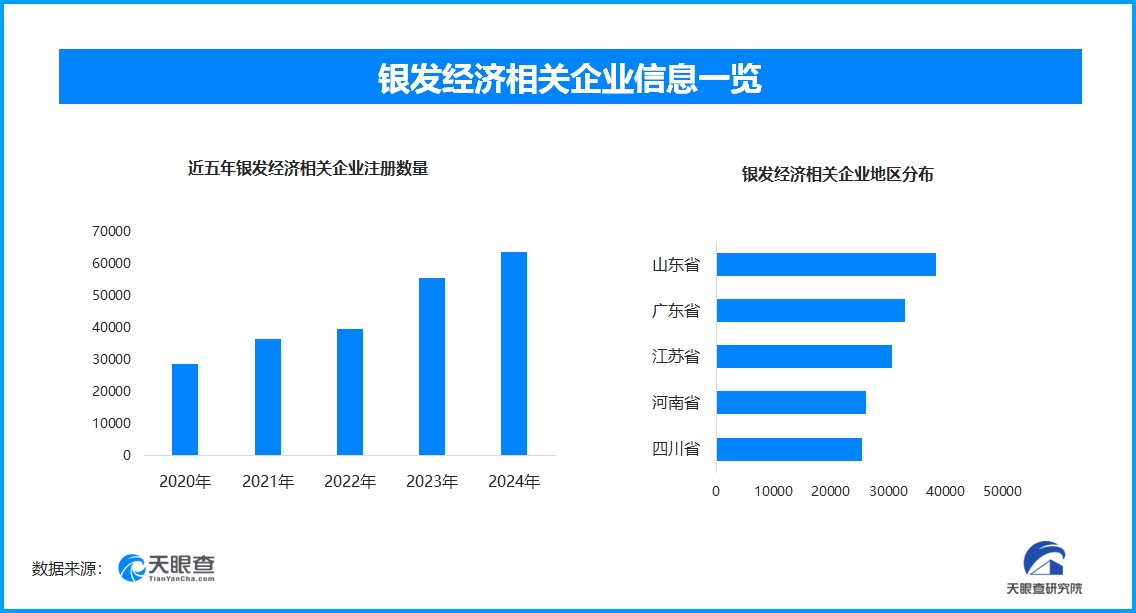
Core Viewpoint - The consumption market is undergoing a structural transformation from policy-driven expansion to quality-driven growth, with a focus on three key sectors: silver economy, maternal and infant consumption, and smart home technology [1] Silver Economy - The aging population in China is projected to reach 310 million by the end of 2024, accounting for 22% of the total population, with 220 million aged 65 and above [2] - The elderly population is increasingly seeking quality and intelligent living solutions, leading to a shift from traditional elderly care to technology-driven and health-oriented services [2] - The market for elderly products is expected to grow from 5.4 trillion yuan in 2024 to 6.1 trillion yuan by 2025, with a compound annual growth rate of 7.3% from 2014 to 2024 [2] - Over 405,000 companies related to the silver economy are currently registered in China, with approximately 75,000 new registrations in 2025 alone [2] Maternal and Infant Consumption - The retail sales of maternal and infant products (excluding food) are projected to reach 565.33 billion yuan in 2024, driven by the demand for smart, safe, and personalized products [6] - The number of registered maternal and infant product companies has exceeded 11.37 million, with about 2.99 million new registrations in 2025 [6] - Key regions for maternal and infant product companies include Guangdong, Hainan, and Hubei, which collectively account for over 35% of the total [6] Smart Home Technology - The smart home market in China is expected to reach 756 billion yuan in 2024 and surpass 800 billion yuan in 2025, with a target of reaching 1 trillion yuan by 2027 [9] - AI technology is transforming smart home products and services, enabling interconnected ecosystems that enhance user experience and energy efficiency [9] - There are over 92,000 registered smart home companies in China, with Guangdong leading in company numbers [9] Overall Market Trends - The three sectors are expected to drive significant growth in the consumption economy, transitioning from scale expansion to high-quality development, supported by policy initiatives and technological innovations [10]
扩大优质商品和服务供给——增量更提质,建设强大国内市场
Sou Hu Cai Jing· 2025-12-23 01:53
Core Viewpoint - In 2025, China's economy is expected to show resilience and vitality despite external challenges and domestic supply-demand imbalances, with a focus on expanding domestic demand and enhancing the quality of goods and services [1] Group 1: Economic Strategy - The Central Economic Work Conference emphasizes the importance of expanding domestic demand as a primary strategy for economic development, aiming to build a strong domestic market [1] - The strategy includes increasing the supply of high-quality goods and services, which is seen as essential for modernizing China's economy [1] Group 2: Supply and Demand Dynamics - The current issue in China's consumption market has shifted from "supply shortage" to "supply-demand mismatch," where consumers seek high-quality and personalized products that are not adequately supplied [2] - Expanding the supply of quality goods and services is not merely about increasing quantity but about aligning production with consumer needs, enhancing product quality, and improving service professionalism [2][3] Group 3: Consumer Behavior and Market Trends - Consumer spending is transitioning from "survival-type" to "enjoyment-type," with a significant increase in service consumption, projected to reach 46.1% of per capita spending by 2024 [3] - There is a growing demand for high-quality domestic products and green intelligent products, indicating a shift towards quality-oriented consumption [3] Group 4: Challenges in Supply Expansion - Key challenges in expanding the supply of quality goods and services include avoiding supply-demand misalignment, preventing quality traps, and addressing regional imbalances in supply availability [4][5] - It is crucial to ensure that supply is guided by market demand, emphasizing innovation and quality while also balancing urban and rural supply [4][5]
帮主郑重:三大消费赛道优质标的清单,中长线闭眼盯这几类!
Sou Hu Cai Jing· 2025-12-19 00:39
Group 1: Smart Connected Vehicles - Focus on three categories: 1) Companies producing core components for autonomous driving, such as lidar and in-vehicle cameras, with leading firms investing over 10% of revenue in R&D [3] [4] - 2) Intelligent cockpit service providers, with new vehicle penetration rates exceeding 60% and accelerating growth [4] - 3) Automotive-grade chip manufacturers, particularly those involved in domestic substitution, as domestic new energy vehicle installations account for over 50% of the global total, making chip localization a necessity [4] Group 2: AI Consumer Electronics - Emphasis on "AI+" upgrade targets: 1) New product categories empowered by AI, such as smart speakers with large models and AI translation devices, with sales growth rates exceeding 30% year-on-year [4] - 2) Leading companies in the consumer electronics supply chain, especially those producing AI modules and precision manufacturing for top brands, benefiting from industry upgrades and stable overseas orders [4] - 3) Companies related to AR/VR devices, supported by policies promoting digital consumption, with leading firms already in mass production [4] Group 3: Silver Economy - Focus on "essential needs + quality": 1) Companies in elderly health management, such as those producing smart blood glucose meters and blood pressure monitors, with over 280 million people aged 60 and above driving demand for health monitoring [4] - 2) Operators of elderly care services, particularly those with chain operations and integrated medical care, benefiting from policy incentives like venue and tax benefits, with leading institutions achieving over 85% bed utilization [4] - 3) Companies involved in elderly-friendly renovations, such as leading firms in elderly appliances and smart nursing equipment, with the market for elderly-friendly renovations growing over 25% annually [4] Group 4: Investment Strategy - Long-term investment targets should focus on R&D investment, market share, and policy alignment, as these companies are positioned at the forefront of national strategy and industrial upgrades [5]

看懂这些关键领域,在2026年捡回“上行”信心(限免阅读)
3 6 Ke· 2025-12-18 15:17
Group 1 - The core theme of the articles revolves around the impact of AI on the workplace, highlighting both the potential benefits and challenges faced by employees and companies in adapting to AI technologies [2][3]. - The narrative discusses the cautious approach of capital investment in AI applications, emphasizing that many startups have failed due to pursuing "pseudo-demand" [2]. - The emergence of AI tools has led to a significant shift in job dynamics, with the introduction of "super individuals" potentially displacing other workers in the same demand unit [2]. Group 2 - The articles reflect on the harsh realities faced by employees in China, where few companies invest in employer branding, focusing instead on product strength and performance [3]. - There is a trend of companies expanding job descriptions to seek "composite talents," raising questions about the necessity of teamwork in the workplace [3]. - The narrative also touches on the struggles of an entrepreneurial team from 36Kr, noting the challenges faced in the AI startup landscape and the impact of rising price sensitivity among consumers [3]. Group 3 - The articles mention various events organized by the company, including AI talent salons and large recruitment fairs, aimed at fostering community and industry engagement [4]. - The company has produced influential deep reports, despite facing pushback from some companies regarding content [4]. - The focus remains on maintaining high content standards and neutrality while exploring monetization through paid content [4]. Group 4 - The "Top 50 Employers for Workplace Benefits" list includes companies in advanced manufacturing, such as Momenta, SiLing Robotics, and Gree Electric, showcasing leaders in the industry [6][10]. - The articles highlight the growth and challenges faced by these companies, including the need for skilled talent in areas like AI and robotics [8][11]. - The narrative emphasizes the importance of innovation and adaptation in the rapidly evolving job market, particularly in sectors influenced by AI and automation [13].

四川五条重点产业链上演“相亲会” 99亿元融资需求寻“良缘”
Si Chuan Ri Bao· 2025-12-18 00:18
Core Insights - The article discusses the challenges faced by specialized small and medium enterprises (SMEs) in securing financing, particularly in high-tech sectors, highlighting the need for continuous investment and the mismatch between light asset models and traditional credit systems [1][4]. Group 1: Financing Needs and Challenges - Many enterprises express urgent financing needs, with a specific example of a company requiring 30 million yuan in working capital to expedite research and production [1][3]. - A total of 51 companies reported a combined financing demand of 9.9 billion yuan, with 8.25 billion yuan needed for loans and 1.65 billion yuan for equity financing [5][6]. - The financing challenges vary by company maturity, with early-stage firms struggling to secure traditional loans due to a lack of collateral [3][4]. Group 2: Government and Financial Institution Initiatives - The government has introduced a "toolbox" of policies and financial products to guide enterprises through different development stages, including a compilation of 348 supportive measures [6][7]. - Innovative financial tools, such as the "technology flow" evaluation system, have been developed to assess creditworthiness based on R&D investments and patent values rather than solely on financial data [7]. - Government-led funds, such as the Sichuan Advanced Manufacturing Investment Guidance Fund, have been established to support emerging technologies, with over 2 billion yuan already allocated [7][8]. Group 3: Ecosystem Development for Continuous Engagement - A call for a sustainable ecosystem for ongoing industry-finance connections is emphasized, with government, financial institutions, and enterprises needing to collaborate effectively [8]. - The "one chain per month" investment and financing roadshow is highlighted as a key mechanism for maintaining regular interactions between enterprises and investors [8]. - Companies are encouraged to improve their operational standards and actively engage in the industry chain ecosystem to attract long-term capital [8].

为3.1亿老年人“生活更好”而创新 2025苏州银发经济创新创业大赛颁奖礼圆满举行
Yang Zi Wan Bao Wang· 2025-12-17 14:03
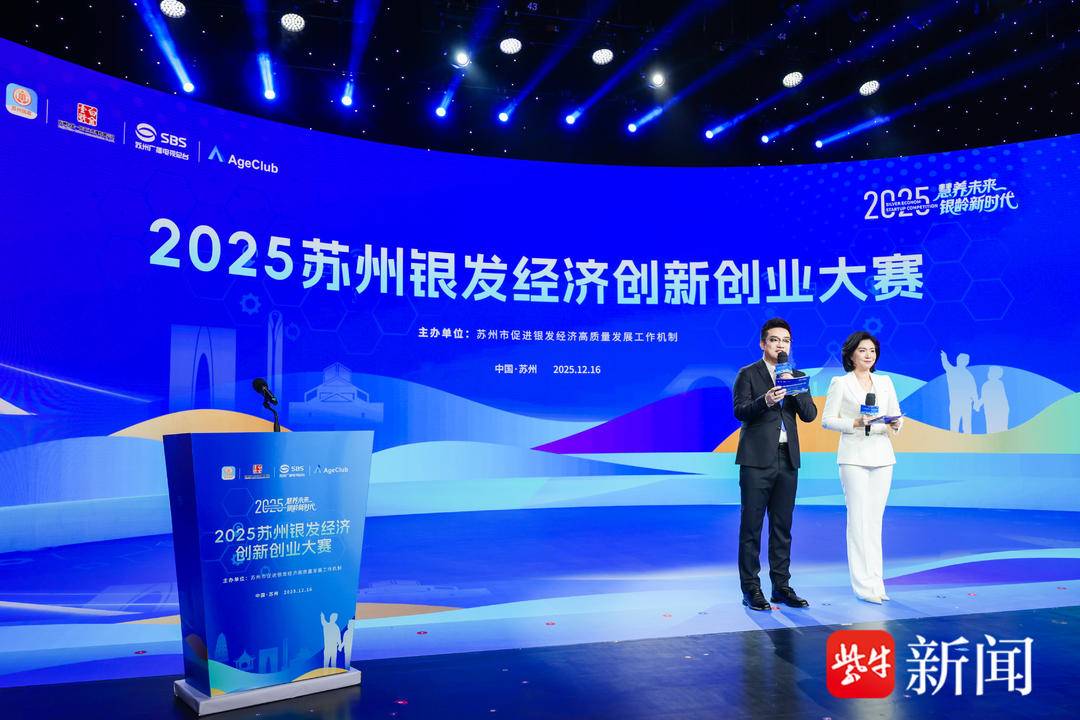
12月16日,2025苏州银发经济创新创业大赛颁奖礼举行。赛事自11月启动以来吸引来自全国72个城市的近200个项目报名,围绕"康养技术与产品""康养服 务创新"两大赛道展开比拼,30个项目进入现场角逐并揭晓各类奖项。活动同步进行苏州银发经济产业推介,并发布首批苏州市银发经济产业顾问,为银 发领域创新更好回应"如何让3.1亿中国老年人生活得更好"的现实课题搭建对接通道。 颁奖礼现场同步进行苏州银发经济产业推介。苏州市民政局介绍了苏州老龄化现状及银发经济产业布局情况。随着养老服务需求持续增长,银发经济正成 为新的发展蓝海。围绕项目成长需求,苏州为参赛团队提供政策对接、投融资支持、应用场景验证等多元化扶持资源,助力创新成果加速落地。 活动中,首批苏州市银发经济产业顾问正式发布。该顾问团队汇聚老龄科学研究、养老服务、医疗健康、适老科技与设计等领域的专家力量,为银发经济 项目提供专业指导与智力支持。 大赛评委代表、北京银发壹族科技有限公司创始人段明杰在发言中表示,评审过程中始终坚持三项核心标准:是否真正回应老年人现实需求、是否具备可 持续发展能力、是否符合银发经济发展趋势。他特别提到,多项参赛项目呈现出良好的跨代协作 ...

科技产品为银发产业发展带来新机遇
Zhong Guo Jing Ji Wang· 2025-12-09 14:39
活动聚焦银发经济中的消费服务、数智赋能、人才培养等方面,汇聚产业相关的知名企业、科研机构、 大学院校,通过现场演绎、体验互动、经济观察等多种形式,集中展示了一系列老人适用的前沿科技与 应用场景,分享了提升服务增进老年人福祉的产业经验。例如,智能眼镜、养老机器人、外骨骼等科技 产品,展现了新兴产业为银发产业带来的发展机会;一年近2000列的银发旅游专列与一个小镇每年400 万人次银发旅居流量的案例,展现出银发经济蕴藏的巨大潜力。 12月8日,由中央广播电视总台财经节目中心主办的首届《CMG银发经济盛典》在京举办,围绕银发经 济产业,展示银发经济消费新场景,分享银发经济适老新科技,探讨银发经济人才新需求,描绘银发经 济发展新图景。 我国银发经济前景广阔,但部分企业对银发经济的认识还存在误区,将银发经济简单理解为养老服务。 本次活动从多角度、新视角,向市场展现出银发经济正从"养老事业"的民生范畴,升级为拥有完整产业 链和巨大商业价值的"新赛道",对推动银发经济产业化发展具有重要意义。(经济日报记者潘卓然) 总台党组成员、副台长齐竹泉表示,举办本次活动旨在鼓励活力老年群体勇敢追求美好生活,同时也让 每个生产服务企业看 ...

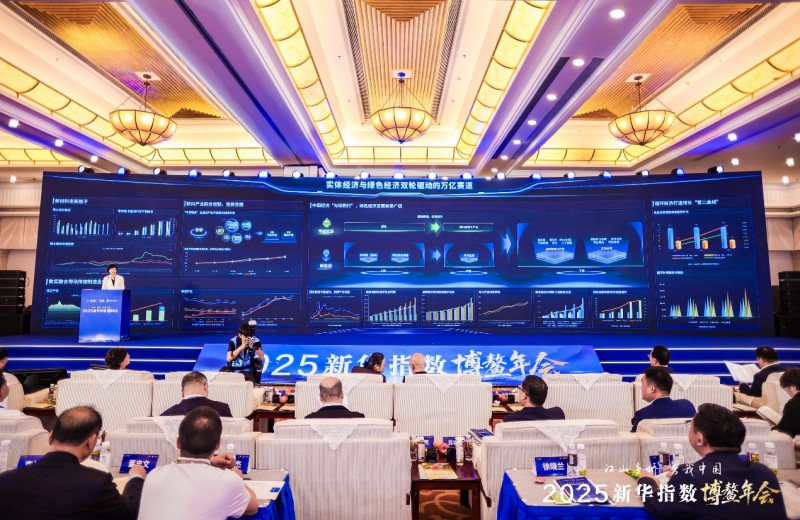
新华指数・博鳌发布|担当时代使命 共创未来新篇——展望“十五五”新机遇
Xin Hua Cai Jing· 2025-12-09 01:17
Core Insights - The article emphasizes the importance of indices as tools for understanding trends and unlocking opportunities in the context of China's economic development and modernization efforts [2][3]. Economic Growth and Development - China's manufacturing investment continues to grow, contributing to the establishment of a modern industrial system, with equipment manufacturing playing a crucial role [2][3]. - The "China Innovation Index" shows consistent improvement, reflecting the country's commitment to high-quality development [2][3]. Emerging Industries and Green Economy - The green economy is increasingly prominent, with one-third of electricity in China now sourced from renewable energy, supporting emerging industries like artificial intelligence [5]. - Inner Mongolia's modern energy economy development index is projected to grow by 24.21% year-on-year in 2024, while the new energy high-quality development index is expected to rise by 11.37% [5]. New Consumption Trends - The report identifies five key opportunity sectors focused on human-centered economic trends: cultural consumption, health consumption, silver economy, beauty economy, and pet economy [6][9]. - The cultural industry, particularly digital culture, is projected to contribute nearly 5% to GDP by 2024, highlighting its role as a significant economic growth engine [8]. Silver Economy and Health Consumption - The silver economy is expanding rapidly, with an annual growth rate of 15.27% since 2022, driven by the aging population and new business models [9]. - Health consumption trends are transforming traditional products into popular items, with innovations in functional foods and traditional remedies gaining traction [9]. Market Dynamics and Data Utilization - The establishment of a unified national market is crucial for high-quality development, with data elements playing a key role in addressing existing market inefficiencies [11]. - Price indices are acting as vital indicators for market operations, helping to stabilize and guide various agricultural sectors [13]. Cultural and Brand Development - Indices serve as digital representations of regional brand value, linking cultural heritage with modern economic opportunities [16]. - Cities are leveraging unique cultural identities to enhance their market competitiveness and global presence, exemplified by initiatives in places like Yan'an and Shaanxi [16][17].