AI硬件

Search documents
市场选择了阻力最小的方向!两大主线王者归来?
Mei Ri Jing Ji Xin Wen· 2026-01-25 09:42
Group 1 - The mysterious funds continue to control the market rhythm and sentiment, while small-cap stocks have attracted significant capital, with the Micro-cap and CSI 500 indices rising over 4% this week, and the National 2000 and CSI 1000 indices increasing by around 3% [1][17] - The market liquidity is abundant, leading to a search for opportunities, particularly in small-cap stocks, as large-cap stocks face pressure from mysterious funds [1][18] - The speculative sentiment in the market has been significantly suppressed, particularly in the commercial aerospace and AI application sectors, which have returned to normal levels [3][19] Group 2 - The mysterious funds' control over the market rhythm is expected to gradually diminish, as their selling of broad-based ETFs has lasted for 8 trading days, indicating that the intensity of control may not remain as strong [2][18] - Historical patterns suggest that the intervention of mysterious funds does not last long, with previous instances showing a maximum of 16 trading days of influence [3][19] - The CSI 500, CSI 1000, and National 2000 indices have all reached new highs, indicating a favorable environment for small-cap stocks, which supports the notion that a "spring" for small-cap stocks is likely [6][22] Group 3 - The commercial aerospace and AI application sectors are identified as the two main investment themes, with the commercial aerospace index showing signs of a potential second wave of growth [9][25] - The AI hardware supply chain has shown positive signals, with leading companies exceeding market expectations in their performance, and several sub-sectors experiencing stock price increases [11][27] - Recent reports indicate that Samsung Electronics plans to raise NAND flash supply prices by over 100% in Q1, significantly exceeding market expectations, highlighting price increases across various segments in the electronics industry [29]

早盘直击|今日行情关注
申万宏源证券上海北京西路营业部· 2026-01-23 02:51
Market Overview - The market has entered a phase of narrow fluctuations after a series of gains, with the Shanghai Composite Index experiencing mild adjustments since January 13. The overall trend remains stable, with orderly rotation among leading sectors [1] - On Thursday, sectors such as commercial aerospace and mining led the gains, while the semiconductor sector showed signs of slowing down. Over 3,500 stocks rose, indicating improved profitability, although trading volume decreased to 2.7 trillion [1] - The current market adjustment is seen as a healthy consolidation for the spring rally, with the focus on maintaining trading volume and the rotation of hot sectors as key factors for sustaining the market momentum [1] Future Outlook - The market is expected to shift from theme-driven to fundamentals-driven momentum, although technology growth will remain the main focus. The leading sectors since the spring rally have been driven by event-based themes like commercial aerospace and brain-computer interfaces, which, despite their long-term potential, lack short-term performance support [1] - As the market enters a consolidation phase, trading volume may decline, prompting a renewed focus on sectors driven by performance and fundamentals. The primary driver for the spring rally remains the increase in market risk appetite, with technology growth sectors expected to lead the way [1] Sector Highlights - In January, technology and raw materials sectors showed strong performance, with high-dividend stocks also being a focus for potential gains in the upcoming quarterly report season [2] - Key areas of interest include AI hardware, which is expected to see significant growth leading up to 2026, and the ongoing trend of robot commercialization, which will expand into various types of robots and related components [2] - The semiconductor industry is on a path toward domestic production, with attention on semiconductor equipment, wafer manufacturing, materials, and IC design [2] - The demand for new energy materials is rising due to rapid growth in domestic and overseas energy storage needs, with signs of supply shortages and price increases expected to continue through 2026 [2] - The innovative drug sector is anticipated to enter a recovery phase after nearly four years of adjustment, with positive net profit growth expected to continue into 2026 [2]

“鬼压床” | 谈股论金
水皮More· 2026-01-21 10:11
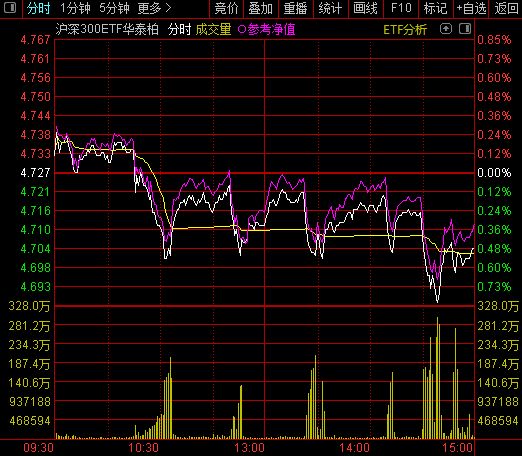
Market Overview - A-shares major indices collectively rose today, with the Shanghai Composite Index up 0.08% closing at 4116.94 points, Shenzhen Component Index up 0.70% at 14255.13 points, ChiNext Index up 0.54% at 3295.52 points, and the STAR 50 Index up 3.53% at 1535.39 points [2] - The trading volume in the Shanghai and Shenzhen markets was 26,240 billion, a decrease of 1,804 billion compared to the previous day [2] ETF Market Dynamics - The broad-based ETFs continue to exert downward pressure, particularly the SSE 50 ETF (510050), which saw a record trading volume of 16.9 billion and negative premium, indicating strong regulatory control [5] - The CSI 1000 ETF (512100) also reached a historical trading volume of 18.2 billion, showing the ongoing regulatory pressure from state-backed funds [5] - Despite the negative premium in SSE 50 ETF, the CSI 300 ETF showed no premium, while the CSI 500 ETF had a positive premium rate of 0.21 and the CSI 1000 ETF had a positive premium rate of 0.15, indicating a tug-of-war between bulls and bears in the market [5] Sector Performance - The AI hardware sector showed significant rebounds, with stocks like Haiguang Information rising nearly 18%, driving up shares of companies like Cambrian, Industrial Fulian, and SMIC [6] - Precious metals performed strongly, with international gold prices surpassing 4,700 USD per ounce, while energy and non-ferrous metals also saw gains [7] - The coal sector, however, lagged behind, contrasting with the performance of the non-ferrous sector, indicating a divergence in sector performance [7] Capital Flow Insights - Main capital flows showed a net inflow of 6.3 billion in the Shanghai market, which is relatively rare, while the Shenzhen market experienced a net outflow of 670 million, possibly indicating a shift in main capital allocation [8]

深圳AI硬件创业火了,投资人争抢大疆系
第一财经· 2026-01-21 09:51
Core Viewpoint - The article discusses the increasing competition among tech giants and startups in the AI hardware sector, highlighting the emergence of various AI-enabled devices and the investment trends surrounding them [3][5]. Group 1: AI Hardware Development - OpenAI plans to launch a series of small devices in the second half of 2026, indicating a shift towards AI hardware [3][5]. - Major companies like Apple and ByteDance are also entering the AI hardware space, with plans for new devices such as desktop robots and AI recording devices [3][5]. - The variety of AI hardware forms is expanding beyond traditional devices, with potential innovations including robots, toys, and cameras [5][6]. Group 2: Investment Trends - There is a notable shift in investment focus from software to hardware, with many investors now targeting AI hardware projects [14][15]. - Investment in AI hardware projects has surged, with some early-stage projects achieving valuations exceeding $100 million [12][14]. - The competition for funding in the AI hardware sector is intense, with many investors eager to secure stakes in promising startups [11][12]. Group 3: Entrepreneurial Landscape - Founders with backgrounds in established hardware companies like DJI are highly sought after by investors, as they bring valuable industry experience [8][9]. - The emergence of "robot valley" in Shenzhen has attracted significant attention from investors, with many robotics companies located in this area [7][8]. - The trend of talent leaving major hardware firms to start their own companies is contributing to a vibrant entrepreneurial ecosystem in Shenzhen [9][10]. Group 4: Market Dynamics - The market for AI toys and companion devices is growing rapidly, with several startups in the Greater Bay Area developing innovative products [17][19]. - Companies are increasingly integrating AI capabilities into traditional hardware, enhancing user interaction and experience [22][24]. - The concept of AI is being applied broadly, but some investors caution against overusing the term without substantial value [25][26].

每日看盘|动量资金转向,A股浮现超预期的稳健态势
Sou Hu Cai Jing· 2026-01-19 12:19
Core Viewpoint - The A-share market is experiencing a mixed trend with fluctuations, driven by strong performances in resource stocks and power equipment stocks, while AI hardware leaders face lower-than-expected earnings for Q4 2025 [2][3]. Group 1: Market Dynamics - The recent cooling measures have led to a cautious sentiment among market participants, but new incremental information has shifted attitudes towards seeking investment opportunities [2]. - The re-interpretation of cooling measures aims to stabilize A-share indices and support a slow bull market, reinforcing the confidence of value investors [3]. - Economic data for 2025 indicates robust growth in China's manufacturing sector, providing a strong foundation for A-share companies' earnings growth [3]. Group 2: Sector Performance - The commercial aerospace sector is seeing an increase in IPOs, suggesting continued growth in the industry and potential price stimulation for leading stocks benefiting from this development [3]. - Enhanced investment from the State Grid and urgent needs for overseas grid upgrades have attracted momentum funds to new investment opportunities in the power equipment sector [3]. - On Monday, power equipment stocks surged due to strong order information, significantly boosting market sentiment and alleviating concerns about the impact of cooling measures [3]. Group 3: Investment Strategy - The market is expected to maintain a slow bull trend, with a cautious outlook suggesting narrow fluctuations around current levels, while a more optimistic view anticipates a gradual upward trend [3]. - The focus is shifting from speculative trading to identifying growth leaders with strong earnings capabilities, particularly in the commercial aerospace and resource sectors [4]. - Stocks like Superjet Co. and Aerospace Electronics have shown strong performance, reflecting the market's preference for companies that can deliver on their growth promises [4].
AI硬件投资:有人跟风,有人离场
创业邦· 2026-01-15 03:29
Core Viewpoint - The article discusses the current state of the AI hardware sector, highlighting the disparity between inflated valuations driven by investor enthusiasm and the actual market performance of products, suggesting a potential valuation bubble in the industry [3][10]. Group 1: Investment Trends - A recent shift in investor focus from AI hardware to traditional sectors like beauty indicates a growing skepticism about the sustainability of AI hardware startups [3]. - The "DJI system" has emerged as a focal point for venture capital, with startups founded by former DJI employees attracting significant investment due to their perceived engineering and supply chain capabilities [5][8]. - The trend of high valuations for startups with backgrounds in major tech companies is evident, with some teams achieving initial valuations of over $100 million despite lacking mature products [6][8]. Group 2: Market Dynamics - The AI hardware sector has seen a dramatic increase in funding, with over 379 billion yuan raised in the past year, a significant rise compared to previous years [9]. - Despite the influx of capital, many AI hardware projects are struggling with low sales and poor user retention, revealing a disconnect between investor expectations and market realities [9][10]. - The phenomenon of "valuation bubble" is highlighted, where the trust in founders' backgrounds leads to inflated valuations that do not align with actual product performance [8][10]. Group 3: Product Performance and Consumer Demand - Many AI hardware products are still in the prototype stage, with some companies failing to deliver on their ambitious promises, leading to disappointing user experiences [9][12]. - High return rates and negative consumer feedback indicate that the market is not ready for the products being offered, with some features being labeled as "false demand" [10][12]. - Successful examples like Plaud AI demonstrate that focusing on specific, high-frequency needs can lead to sustainable business models, contrasting with the broader, less defined narratives of many AI hardware startups [12][14]. Group 4: Future Outlook - The article suggests that as the initial excitement fades, only those startups that respect the realities of hardware development and focus on genuine consumer needs will survive [15]. - The current investment climate reflects a structural anxiety within capital markets, with differing strategies between RMB and USD funds complicating the landscape for hardware startups [14].

国泰中证500ETF(561350)涨超2.3%,中小盘风格获资金关注
Mei Ri Jing Ji Xin Wen· 2026-01-14 02:55
Group 1 - The core viewpoint of the article highlights that the Cathay CSI 500 ETF (561350) has risen over 2.3%, indicating increased investor interest in small-cap stocks due to a favorable liquidity environment and moderate fundamental recovery [1] - The CSI 500 index, which the ETF tracks, consists of the top 500 stocks by market capitalization from the A-share market after excluding the top 300 stocks, reflecting the overall performance of small-cap stocks in China [1] - The article notes a balanced industry distribution within the CSI 500 index, with a focus on growth sectors such as technology and pharmaceuticals, making it an important indicator for mid-cap company performance [1] Group 2 - The analysis from Kaiyuan Securities suggests that the current environment of liquidity easing and moderate fundamental recovery creates a comfortable zone for small-cap stocks, with the CSI 500 index performing notably well in the current valuation bull market [1] - The article mentions that the technology and cyclical sectors are experiencing a "dual-wing" growth pattern, with AI hardware benefiting from the global tech cycle and policy support, while cyclical sectors like chemicals, non-ferrous metals, and machinery are seeing a recovery in prosperity due to PPI improvements and anti-involution policies [1] - The article identifies emerging themes such as commercial aerospace and brain-computer interfaces as potential new investment focuses under the "14th Five-Year Plan," indicating a shift towards innovative sectors [1]
2026开年市场洞察
Sou Hu Cai Jing· 2026-01-14 02:11
Group 1 - The core viewpoint is that the A-share market in 2026 is likely to be driven by a dual engine of "consumption recovery" and "technology self-reliance" [5] - The national fiscal work conference has set the tone for 2026, emphasizing "strongly boosting consumption" and committing to "continue arranging funds to support the replacement of consumer goods" [4] - Short-term investment focus should be on sectors directly benefiting from subsidies, such as major appliances, new energy vehicles, and smart home industries [4] Group 2 - The current market shows no significant risk points, with a neutral to warm risk preference expected to be maintained [7] - The resilience of the Chinese economy has been demonstrated through the pressure test of tariff conflicts in 2025, leading to a significant reduction in concerns about future tariff and trade-related risks [7] - The cyclical industries, such as non-ferrous metals and chemicals, are expected to benefit from economic recovery and supply-side improvements, presenting promising profit recovery potential [7]

第一根阴线 | 谈股论金
水皮More· 2026-01-13 09:56
Market Overview - The A-share market experienced a collective pullback, with the Shanghai Composite Index ending a 17-day rally, closing down 0.64% at 4138.76 points, the Shenzhen Component down 1.37% at 14169.40 points, and the ChiNext Index down 1.96% at 3321.89 points [2][4] - The trading volume in the Shanghai and Shenzhen markets reached 36.991 trillion, an increase of 541 billion from the previous day, marking a historical high [2] Market Dynamics - The market saw a significant divergence after a rapid rise to around 4200 points, which is considered a normal phenomenon [3] - The recent consistent upward trend led to a highly uniform market expectation, making a trend reversal likely when consensus is reached [4] - The financial sector, including major banks and oil companies, provided support to the market, mitigating further declines in the Shanghai Composite Index [4][7] Sector Performance - The commercial aerospace sector, previously very active, saw a full retreat due to mixed performance among stocks and many companies reporting losses [5] - The AI application sector also exhibited significant divergence, with some stocks like Yidian Tianxia seeing a peak increase of 20% before closing at a 10% gain, while others performed poorly [5][6] - Precious metals and energy metals sectors showed resilience with notable rebounds, while the healthcare sector remained strong across various subfields [6] Capital Flow - There was a significant outflow of capital from the market, with a net outflow of 180 billion, affecting stocks like Goldwind Technology and Aerospace Electronic [5][6] - The market did not experience panic selling despite the adjustments, attributed to the financial sector's protective measures [7]


高盛还未放弃AI硬件
傅里叶的猫· 2026-01-13 09:47
AI Applications - The recent pullback in AI applications is seen as a positive development, providing an opportunity for investors to enter the market after a significant surge [2] - The current phase is identified as the early stage of a turning point in the AI application industry, with expectations for further strengthening of mainline scenarios, leading to a potential valuation increase [3] Electricity Sector - The electricity sector experienced a sudden surge, particularly in transformer companies, triggered by a recent announcement from Trump [4] - The transformer sector has been overlooked in the context of the Musk chain, with the U.S. facing a significant shortage of transformers, leading to increased global competition for Chinese transformers [5] - The long-term outlook for the U.S. electricity shortage remains, with transformers, gas turbines, and HRSG being key benefiting sectors [6] AI Hardware - Recent performance in AI hardware (optical modules, PCBs, liquid cooling) has been underwhelming despite optimistic analyses from Goldman Sachs [7] - Goldman Sachs has raised its outlook for Invec's core logic, citing a projected CAGR of over 60% for the global server cooling market from 2025 to 2027, driven by high-power AI server demand [9] - Invec's global market share in liquid cooling is expected to reach 7% by 2028, with revenue and net profit CAGR projected at 44% and 58% respectively from 2025 to 2030 [9] - Victory's advantages include early customer engagement in PCB for graphics cards and a strong production efficiency, with a projected CAGR of 140% for global AI PCB TAM from 2025 to 2027 [14] - Shengyi Technology is expected to continue raising CCL prices due to ongoing demand from AI infrastructure expansion, with a tight supply-demand balance anticipated [15][17] - Goldman Sachs has not provided a separate analysis for optical modules but has raised the overall market outlook, driven by increased AI server demand and a projected CAGR of 34% for shipments from 2025 to 2028 [19][20]