
电动汽车

Search documents
商务部——中欧妥善解决电动汽车案具有重要积极意义
Ren Min Ri Bao· 2026-01-15 22:08
Group 1 - The core viewpoint of the article emphasizes the positive significance of resolving the electric vehicle case between China and the EU under the framework of WTO rules, highlighting mutual respect and cooperation [1] - The announcement made on January 12, 2026, regarding the positive outcomes from multiple rounds of negotiations has garnered significant attention and is welcomed by both Chinese and European industries, indicating a "soft landing" that will boost market confidence and invigorate trade and investment cooperation [1] - European politicians have described the resolution as a positive step towards establishing a sustainable trade relationship between China and the EU, demonstrating the feasibility of resolving trade disputes through partnership [1] Group 2 - The Chinese side appreciates the dialogue spirit shown by the European side and expresses willingness to further implement the consensus reached during the China-EU leaders' meeting, maintaining communication and supporting deepened cooperation based on market principles [2] - The resolution is seen as beneficial for the healthy development of China-EU economic and trade relations, contributing to the stability of the global automotive industry supply chain and sending a clear signal of commitment to maintaining a rules-based international trade order [1]
“中国的发展始终坚持以人为本”
Ren Min Ri Bao· 2026-01-15 22:08
"中国式现代化的实践证明,每个国家都要找到适合自身国情的道路。中国式现代化是全体人民共同富 裕的现代化,这种发展范式为广大发展中国家提供了新选择。"特立尼达和多巴哥联合民族大会党国际 关系书记尼古拉斯·莫里斯在接受本报记者采访时表示。 (文章来源:人民日报) 莫里斯此前到上海参访交流,洋山港码头的自动化作业给他留下深刻印象。该码头通过5G、北斗导 航、人工智能调度系统提升了综合效率,并依托无人驾驶运输车、智能堆场等完善了低碳设施布 局。"洋山港不只是在解决货物运输问题,而是创造性地拿出了系统性解决方案:降低碳排放,提高货 物运输效率,吸引投资,促进经济增长。这种系统性思维让发展更具可持续性。"莫里斯说,像特多这 样受气候变化影响较大的国家,更需要找到兼顾发展与环保的发展路径,"中国发展工业自动化积累的 经验很有启发和借鉴意义"。 走进特斯拉上海超级工厂,莫里斯进一步感受到"中国速度":这个外商独资整车制造项目从签约到投产 仅用一年多。"特斯拉在中国的业绩十分亮眼,这得益于中国富有活力的政策。中国在科技领域大力培 养人才,非常了不起。"中国在电动汽车领域的快速发展,让莫里斯真切感受到,中国将推动绿色低碳 发展落 ...
大幅下调税费 扩建充电网络 柬埔寨加快普及电动车
Ren Min Ri Bao· 2026-01-15 22:03
Group 1 - The total registration of electric vehicles in Cambodia reached 10,568 units by September 2025, with a noticeable increase in the number of electric vehicles on the streets of Phnom Penh, including brands like BYD and SAIC MG [1] - The Cambodian government aims to increase the number of electric vehicles to 30,000 and electric motorcycles and tricycles to 720,000 and 20,000 respectively by 2030, as outlined in the "Electric Vehicle Development Policy (2024-2030)" [1] - In August 2025, the Cambodian government announced significant reductions in annual road taxes for three categories of electric vehicles, lowering the barriers for green transportation [1] Group 2 - Cambodia's fuel demand is entirely reliant on imports, and increasing the level of vehicle electrification could enhance the country's energy security and economic resilience, potentially contributing up to 2.9% to economic growth if 60% of vehicles are replaced with electric ones by 2050 [2] - The Cambodian electric vehicle market is still in its early stages but has significant growth potential, with Chinese companies expected to inject new momentum into the industry due to their mature technology and supply chains [2] - BYD's passenger car factory in the Sihanoukville Special Economic Zone is set to begin construction in April 2025, with a planned annual production capacity of 10,000 units, while XPeng Motors entered the Cambodian market in October last year [2]
救命稻草竟是中国!加拿大扛不住美国压榨,8年破冰直奔北京
Sou Hu Cai Jing· 2026-01-15 13:52
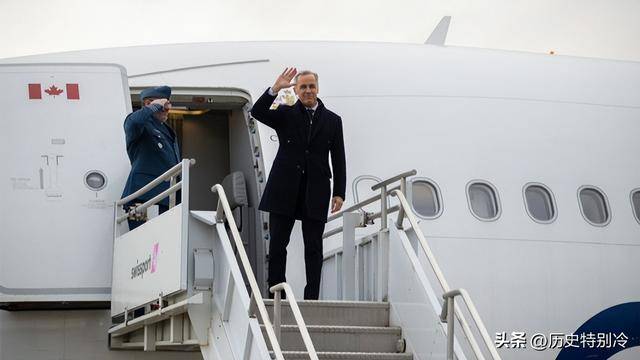
Core Viewpoint - The article discusses Canada's economic challenges and its strategic pivot towards China amid rising U.S. tariffs and domestic economic downturns, highlighting the importance of pragmatic cooperation over ideological divides in global trade dynamics [3][31]. Economic Context - Canada's GDP fell by 0.3% in October 2025, marking the largest decline since December 2022, attributed to the adverse effects of U.S. tariff policies, with expectations of worsening impacts in 2026 [5]. - Over 70% of Canada's exports are directed to the U.S., making its economy highly sensitive to U.S. policy changes, particularly in the energy sector where Canadian oil prices are significantly discounted compared to international rates [7][9]. Trade Relations - Canada has invested 34 billion CAD in the Trans Mountain pipeline to diversify its oil exports, but U.S. plans to take control of Venezuelan oil could further reduce Canadian oil imports [9]. - A trade war has escalated between Canada and China, with Canada imposing a 100% tariff on Chinese electric vehicles and China retaliating with anti-dumping investigations and tariffs on Canadian agricultural products [14][16]. Public Sentiment - A significant portion of the Canadian public (62%) supports the removal of high tariffs on Chinese electric vehicles, indicating a shift in public opinion towards favoring trade agreements with China [16]. Energy Cooperation - In the first 11 months of 2025, Canada exported nearly 100 million barrels of oil to China, with the Trans Mountain pipeline generating substantial revenue, reducing the price discount on Canadian oil to under 10 CAD [18]. Global Trade Dynamics - The visit of Canadian Prime Minister Carney to China reflects a broader trend of countries seeking pragmatic relations with China despite U.S. pressures, as seen with leaders from Argentina and the UK also planning visits [20][22]. - The article emphasizes that the U.S. tariff policies have inadvertently increased costs for American companies, highlighting the competitive advantages of Chinese manufacturers in the electric vehicle sector [24]. Future Outlook - The upcoming discussions between Canada and China will focus on critical issues such as trade tariffs and agricultural exports, with the potential to reshape bilateral relations and global trade dynamics [33].

“价格承诺”方案落地,中欧电动汽车反补贴案出结果
Sou Hu Cai Jing· 2026-01-15 12:55
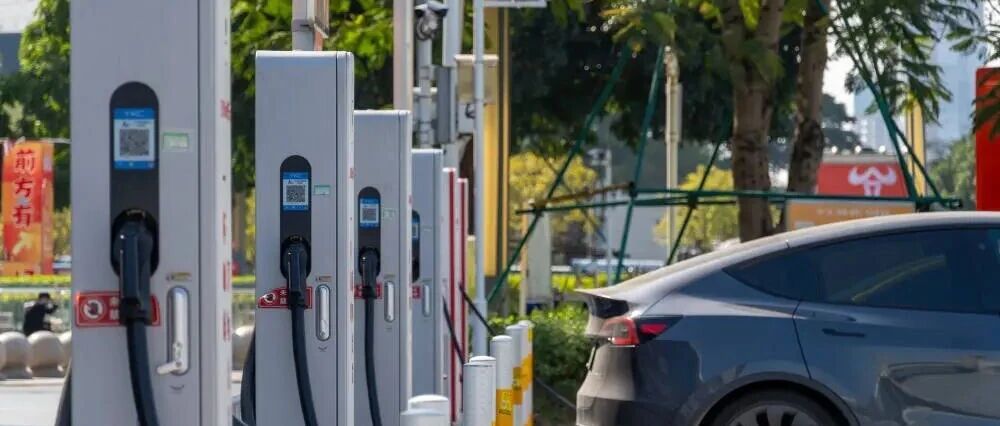
Core Viewpoint - The EU has made significant progress in negotiations with China regarding anti-subsidy tariffs on electric vehicles, replacing high tariffs with a "price commitment" mechanism, which is seen as a positive signal for managing trade frictions between the two parties [1][3][12]. Group 1: Negotiation Outcomes - The "price commitment" mechanism is a major outcome of multiple rounds of negotiations between China and the EU, indicating a mutual effort to enhance cooperation in the automotive industry [3][12]. - The EU will provide general guidance for Chinese exporters of pure electric vehicles to comply with WTO rules, allowing for a more practical approach to address concerns [1][5]. - The agreement is viewed as a pragmatic breakthrough that stabilizes market access and expectations for the industry [3][4]. Group 2: Impact on Tariffs and Pricing - Previously proposed high anti-subsidy tariffs could have reached nearly 45%, significantly impacting the cost and pricing structure for Chinese electric vehicle exports to Europe [4][5]. - The EU's decision to adopt the "price commitment" mechanism aims to avoid imposing tariffs as high as 35.3%, allowing Chinese companies to maintain a competitive edge in the EU market [4][8]. - The "price commitment" will require Chinese exporters to set minimum export prices that are higher than previous levels, which may affect sales volumes but ultimately retains profits within the companies [6][7]. Group 3: Industry Implications - The new mechanism is expected to help Chinese electric vehicle manufacturers avoid the negative impacts of high tariffs, thus enhancing their profitability and market presence in Europe [7][10]. - The agreement encourages a shift away from a "low-price volume" strategy towards a focus on high-end products and local production in Europe [9][10]. - The established legal standards and evaluation processes in the guidance document are anticipated to regulate pricing behavior and reduce trade friction risks [10][11]. Group 4: Industry Associations' Reactions - Various industry associations, including the China Association of Automobile Manufacturers, have expressed strong support for the resolution of the EU's anti-subsidy case, highlighting its importance for stable economic and trade relations [11][12]. - The consensus reached is seen as a response to industry concerns and is expected to promote healthy development in China-EU economic and trade cooperation [12][13].


中欧电动汽车反补贴案,突破性进展
21世纪经济报道· 2026-01-15 12:10
Core Viewpoint - The negotiations regarding the EU's anti-subsidy measures on Chinese electric vehicles have made significant progress, with the EU set to issue guidelines for price commitment applications, allowing Chinese manufacturers to potentially avoid high tariffs by committing to minimum pricing [1][3]. Group 1: Background and Developments - The EU initiated an anti-subsidy investigation into Chinese electric vehicles in October 2023, leading to the imposition of high tariffs starting October 2024, with rates as high as 35.3% for non-cooperating companies [3]. - The recent agreement allows Chinese electric vehicle manufacturers to submit price commitments based on the EU's guidelines, which could replace the anti-subsidy tariffs [3][4]. - The agreement is seen as a "soft landing" for the ongoing trade tensions, with experts noting that it reflects a cooperative outcome between China and the EU [1][4]. Group 2: Market Implications - The new pricing commitments may not significantly alter the selling prices of Chinese electric vehicles in Europe, but they provide a more stable policy environment for long-term operations [4]. - The average selling price of Chinese electric vehicles in Europe is projected to be around €25,000 by 2025, compared to €30,000 for all imported electric vehicles [4]. - Chinese manufacturers have been facing an average price increase of 118% when selling vehicles in Europe compared to domestic prices, but the new agreement could allow for better profit margins [5]. Group 3: Industry Dynamics - The EU's policy aims to prevent aggressive price competition from Chinese manufacturers that could harm local automotive industries, while still allowing for a degree of flexibility in pricing [4][5]. - European automakers, such as Volkswagen and BMW, are expected to benefit from the revised tariff policies, as they have established production facilities in China and can leverage these changes for exports [6][12]. - The collaboration between Chinese and European automakers is anticipated to deepen, with joint ventures and investments in technology and production facilities becoming more common [13].

事关中加经贸合作、对日出口管制和中欧电动汽车案,商务部回应
第一财经· 2026-01-15 12:09
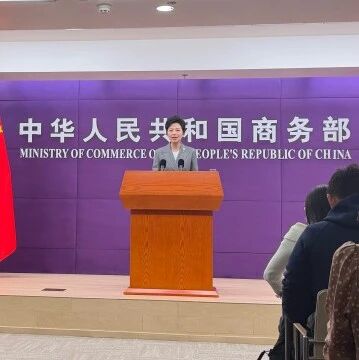
Core Viewpoint - The article discusses the recent visit of Canadian Prime Minister Carney to China and highlights the importance of trade relations between China and Canada, as well as the resolution of trade disputes with the European Union regarding electric vehicles [3][7]. Group 1: China-Canada Trade Relations - China and Canada support economic globalization and trade liberalization, with significant common interests and cooperation potential in the economic and trade sectors [3]. - China is actively expanding high-level opening-up and is willing to sign bilateral and regional trade investment agreements with willing countries to promote global trade and investment liberalization [3]. Group 2: China-Japan Relations - China firmly opposes Japan's recent statements regarding export controls, attributing the measures to Japan's actions that violate China's sovereignty and international norms [4]. - The Chinese government emphasizes that export controls are a common international practice aimed at maintaining world peace and fulfilling non-proliferation obligations [4][5]. Group 3: China-EU Electric Vehicle Case - The recent resolution of the China-EU electric vehicle case is seen as a positive outcome that boosts market confidence and injects new momentum into trade and investment cooperation [7]. - The resolution is viewed as a significant step towards establishing sustainable trade relations between China and the EU, demonstrating the feasibility of resolving trade disputes through partnership [7][8].
美国组建稀土联盟减少对华依赖,德国表态:不是针对中国
Sou Hu Cai Jing· 2026-01-15 11:48
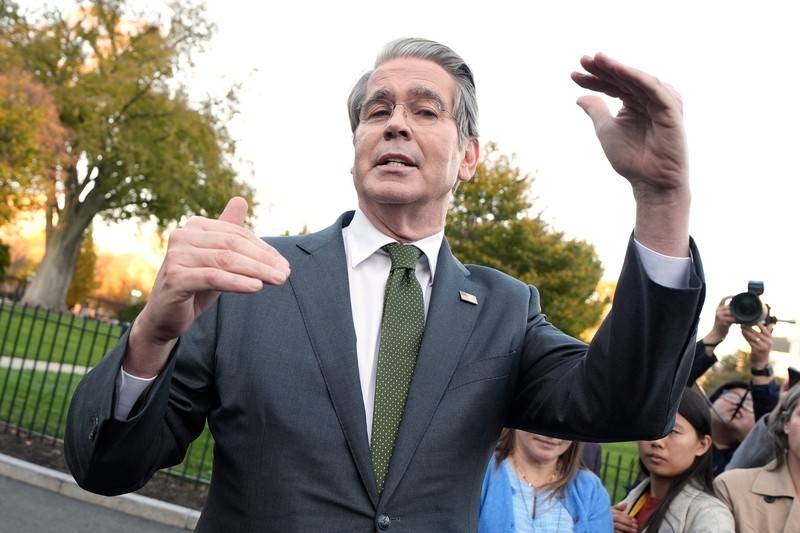
Core Viewpoint - The United States is leading the formation of a rare earth alliance to weaken China's dominant position in the global rare earth supply, but it appears to overestimate its influence and appeal [1] Group 1: U.S. and Allies' Efforts - U.S. Treasury Secretary Yellen is rallying G7, EU, Australia, India, and South Korea to reduce dependence on Chinese rare earth minerals, with some countries responding positively, such as Japan [1] - Japan's Finance Minister openly supports the U.S. initiative, indicating a consensus among many nations, while Germany's Finance Minister expresses a different view, stating that the initiative is not aimed at decoupling from China [1][3] - The urgency from the U.S. and Japan is evident, but they struggle to present feasible solutions for reducing reliance on China [1][3] Group 2: Diverging Interests Among Allies - The rare earth alliance faces significant divisions, as countries have differing economic interests and ties with China, making complete decoupling unrealistic [5] - Germany, as Europe's economic engine, has strong connections with China in key industries, leading to a cautious approach towards U.S. calls for decoupling [5] - Australia and South Korea also have deep resource supply ties with China, making their participation in the U.S.-led alliance more about diplomatic gestures than substantial commitments [7] Group 3: China's Competitive Advantage - China has developed a complete rare earth industry chain over decades, achieving scale, cost advantages, and mature technology that other countries cannot replicate in the short term [8] - China's stance is clear: it will use rare earths as a countermeasure if its legitimate rights are harmed, while welcoming cooperation as long as international rules are followed [8] - The reconstruction of the rare earth industry is a complex process requiring significant investment, time, and market adaptation, which the U.S. and its allies are currently not prepared to undertake [8]
分析师:中国车企在欧将提升利润率,改善盈利状况和品牌声誉
Guan Cha Zhe Wang· 2026-01-15 08:32
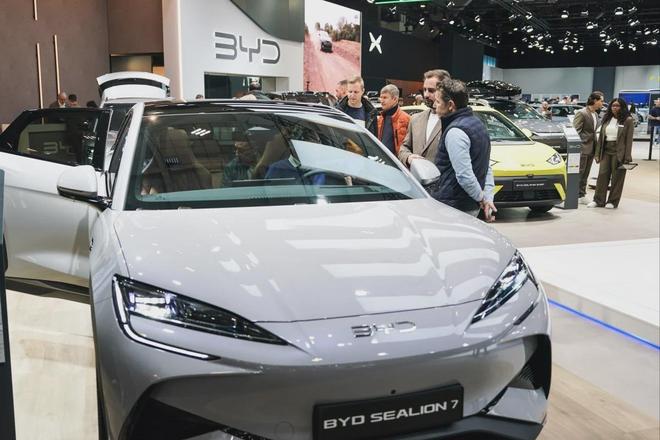
瑞银中国汽车研究主管巩旻也表示,最低价格承诺将使在欧洲的中国电动汽车制造商避免陷入恶性价格 竞争。 比亚迪海狮07 南华早报 【文/观察者网 潘昱辰 编辑/高莘】据《南华早报》1月15日报道,分析师和行业人士称,随着欧盟为中 国电动汽车设定最低价格以取代反补贴关税,中国电动汽车制造商在欧将取得更高的利润率,最终将改 善其盈利状况和品牌声誉。 德意志银行分析师王斌在研究报告中表示,欧盟对中国电动车的最低限价将从技术上抑制销量,尤其是 低价小型电动车的销量。但他补充说,这一政策转变将对中国电动汽车巨头比亚迪,及其另一些在技术 和生产成本方面具有优势的同行产生积极影响,预计其利润率将有所提高。 摩根大通亚太区汽车研究主管赖以哲去年10月曾表示,中国汽车制造商在中国大陆的平均汽车利润约为 人民币5000元,如果能向海外出口更多汽车,且其产品在海外能卖出更高价格,那么利润可能会增至2 万元。 赖以哲认为,在最低价格制度下,中国电动汽车可以通过增加智能功能、优化内饰设计,从而在不提供 折扣的情况下,保持产品对当地客户的吸引力。由于未来不再参与价格战,从长远来看,中国电动汽车 在欧洲的声誉有望提升。 中国是全球最大的汽车和 ...
宏辉果蔬:黄俊辉累计质押股份数量合计为3040万股
Mei Ri Jing Ji Xin Wen· 2026-01-15 07:57
(记者 王瀚黎) 每经AI快讯,宏辉果蔬1月15日晚间发布公告称,宏辉果蔬股份有限公司持股5%以上股东黄俊辉先生持 有公司股份约1.01亿股,占公司总股本的16.54%;本次股份质押后,黄俊辉先生累计质押股份数量合计 为3040万股,占其持股数量的30.19%,占公司总股本的4.99%。黄俊辉先生及其一致行动人合计持有公 司股份约1.14亿股,占公司总股本的18.74%;本次股份质押后,黄俊辉先生及其一致行动人累计质押股 份数量合计为3040万股,占其持股数量的26.65%,占公司总股本的4.99%。 每经头条(nbdtoutiao)——不到20万元,就能买特斯拉了?"廉价版"Model 3或进入中国市场,续航里 程480公里!关于自动驾驶,美国市场也有大调整 ...
