咖啡

Search documents
下沉市场翻车?星巴克万店冲刺遇阻,甩卖60%股权,中国品牌逆袭
Sou Hu Cai Jing· 2025-11-22 07:55
Core Insights - Recent actions by foreign brands like Starbucks and Burger King indicate a strategic shift rather than a retreat from the Chinese market, as they adapt to changing consumer dynamics and market conditions [1][27] Group 1: Foreign Brands' Strategies - Starbucks sold 60% of its China stake to Boyu Capital for $4 billion, while Burger King divested 83% of its equity for $2.5 billion, reflecting a trend of foreign brands restructuring their investments in China [1][27] - The historical success of foreign brands in China was driven by high demand, favorable tax policies, and a lack of local competition, which has since changed [6][7][27] - Starbucks has expanded its store count from 8,000 to 12,000 in China, with 35% of new stores located in lower-tier markets, showcasing a shift towards localization and market penetration [9][11] Group 2: Changing Consumer Landscape - The demographic shift in China, with a declining birth rate and the rise of younger consumers (post-95 and post-00 generations), has altered consumption patterns, making brand loyalty less significant [13][15] - Younger consumers prioritize taste, health, and value for money over brand prestige, leading to a decline in traditional brand appeal [15][19] - Competitors like Luckin Coffee and KFC have successfully adapted to local tastes and preferences, with KFC's introduction of localized menu items like "Sichuan Hot Pot Fried Chicken" achieving significant sales [17][23] Group 3: Market Dynamics and Competition - The coffee market in China has become segmented, with low-cost brands capturing the budget-conscious segment while premium brands focus on emotional value [19][27] - Local brands leverage digitalization and efficient service models, allowing them to outperform traditional foreign brands in terms of customer engagement and operational efficiency [21][23] - Starbucks is now adopting strategies such as health-focused product lines and partnerships to enhance customer loyalty and adapt to local market demands [25][27]




6家消费品公司拿到新钱;海澜之家向港交所提交上市申请书;何同学称公司今年亏损百万|创投大视野
36氪未来消费· 2025-11-22 06:40
Investment Opportunities - L'OREAL has made a minority stake investment in the Chinese skincare brand "LAN," marking its first investment in a local skincare brand [4][5] - Xianbing Sister has completed a 20 million RMB Series A financing round, which will be used for national store network expansion and supply chain upgrades [6] - Huawu Technology has secured several million RMB in Series A financing to enhance its one-stop flower sourcing platform [7] - Bili Information has completed several million RMB in A+ round financing, with funds aimed at accelerating the development of its tourism new media platform and AI technology [8] - Jiaji Fresh has raised 5 million RMB in angel round financing to upgrade its smart cold chain logistics and expand its supply chain [9] - ESEGEE has completed several million RMB in angel+ round financing to develop AI styling tools and expand its product supply chain [10] Company Developments - Xibei has responded to negative media coverage by increasing the average salary of frontline employees by 500 RMB per month and providing psychological support [11] - ByteDance has integrated its engineering teams for e-commerce, life services, and advertising to enhance R&D efficiency [12] - Manner Coffee is reportedly considering an IPO in Hong Kong as early as 2026, with a potential valuation of up to 3 billion USD [22][23] - Yujian Xiaomian has passed the listing hearing at the Hong Kong Stock Exchange, planning to use funds for restaurant network expansion and technology upgrades [18][19] - Haian Home has submitted an application for an H-share listing on the Hong Kong Stock Exchange [20][21] - Mao Geping has established a new trading company in Hainan, focusing on cosmetics and daily necessities [24] Market Insights - The U.S. government shutdown is expected to impact economic growth, suggesting that the Federal Reserve should consider interest rate cuts [25] - From January to October 2025, China attracted 621.93 billion RMB in foreign investment, with a notable decline in actual foreign investment by 10.3% year-on-year [26] - The Ministry of Finance has included electronic savings bonds in the personal pension product range, with quarterly adjustments to allocation ratios [27]


突发快讯!白宫通告全球:特朗普签署行政令,修改对巴西商品关税范围,引国际高度关注
Sou Hu Cai Jing· 2025-11-21 21:57
Core Points - The article discusses the significant adjustments made by the Trump administration regarding tariffs on Brazilian imports, highlighting a strategic balance between trade protectionism and domestic consumer needs [1][3]. Tariff Adjustment Details - The tariff adjustments are characterized by a targeted approach, maintaining a 40% tariff on industrial products and certain raw materials while exempting specific agricultural products like coffee and beef, as well as key aerospace components [3]. - This dual strategy aims to protect domestic manufacturing while alleviating inflationary pressures on essential consumer goods [3]. Strategic Considerations - The tariff changes reflect a threefold strategic calculation: addressing domestic consumer concerns, advancing U.S.-Brazil trade negotiations, and signaling a dual approach to trade policy [5]. - The exemption of tariffs on essential goods is seen as a move to mitigate domestic pressures and restore political support for the Trump administration [5]. - The retention of high tariffs on industrial goods serves to apply pressure on Brazil while demonstrating a willingness to negotiate with constructive partners [5]. Brazil's Response - Brazil's government has adopted a combination of strong rhetoric and flexible strategies in response to U.S. tariff policies, emphasizing the impact on American consumers [7]. - Brazil has diversified its export markets, significantly increasing coffee exports to China by 28%, thereby reducing reliance on the U.S. market [7]. - The Brazilian administration maintains open communication channels with the U.S. while advocating for its own trade interests [7]. Global Impact - The tariff adjustments highlight ongoing challenges in global trade, particularly the impact of unilateral trade policies on multilateral trade systems [9]. - Brazil faces an average tariff of 33% from the U.S., indicating a broader trend of trade protectionism affecting Latin America [9]. - The uncertainty in trade policies is prompting global companies to reassess their supply chains, leading to a long-term restructuring of global trade dynamics [9]. Conclusion Insights - The adjustments in tariffs reveal the complexities of modern international trade, emphasizing the need for a balance between competing interests [11]. - Emerging economies like Brazil can learn from these developments by diversifying their trade relationships and enhancing their negotiating power [11]. - The article underscores that despite rising protectionism, the interconnectedness of global supply chains and economic interests remains a driving force in international trade [11].

10月,咖啡开店3341家
Ge Long Hui· 2025-11-21 15:35
Core Insights - In October, 27 tracked coffee chain brands opened a total of 3,341 new stores, representing a month-on-month decrease of 10.31% but a year-on-year increase of 94.47% [2] - The total number of coffee stores in China surpassed 80,000, reaching 80,962, with a net increase of 3,158 stores month-on-month, reflecting a growth rate of 4.06% [2] Brand Performance - Luckin Coffee led the new store openings with 905 stores, followed by Kudi Coffee with 597, and NOWWA Coffee with 516 [4] - Luckin Coffee's new openings accounted for over one-third of the total new stores, indicating its strong market presence [4] - Starbucks continued its steady expansion with only 13 new stores, maintaining a conservative growth strategy [7] Market Structure - The Chinese coffee market has established a stable tiered structure, with Luckin Coffee leading with nearly 30,000 stores, followed by Kudi Coffee with over 15,000 stores, and Luckin Coffee reaching 9,800 stores [10] - Starbucks maintains around 8,000 stores, while NOWWA Coffee has 7,875 stores, with a significant portion being franchise locations [10] Growth Trends - Kudi Coffee's store count increased from 8,723 at the end of 2024 to 15,323, showing a recovery after a brief adjustment period [10] - Luckin Coffee and NOWWA Coffee demonstrated strong expansion, with Luckin doubling its store count from 4,500 to 9,800 within a year, and NOWWA increasing from 3,258 to 7,875 stores in just four months [10]
万米高空也能“瑞一杯”,瑞幸携手国航打造云端咖啡新体验
Zhong Guo Xin Wen Wang· 2025-11-21 11:13
Core Insights - Luckin Coffee has partnered with China International Airlines to launch "in-flight coffee tasting theme flights," enhancing the travel experience for passengers [1][2] - The collaboration aims to create a "coffee + travel" synergy, providing customized coffee products specifically designed for in-flight consumption [1] - This partnership allows Luckin Coffee to extend its service from ground to high altitude, targeting frequent business travelers and establishing a comprehensive "full-scenario coffee consumption ecosystem" [2] Group 1 - The partnership includes the launch of themed flights on routes such as Beijing-Xiamen and Chengdu-Beijing, starting from November 21 [1] - Passengers on economy class flights from Beijing to Chengdu, Xiamen, Guangzhou, and Shenzhen can enjoy exclusive coffee beverages during their journey [1] - Customized coffee products, including easy-to-brew coffee sticks, have been developed to meet the unique needs of in-flight service [1] Group 2 - Luckin Coffee operates over 29,000 stores, integrating coffee consumption into various daily scenarios such as commuting, socializing, and office breaks [2] - The collaboration is expected to expand to more flight routes, linking to premium coffee-producing regions globally, including Yunnan and Brazil [2] - This "coffee + travel" model is seen as a new opportunity for further cooperation in the context of cultural and economic exchanges [2]

香飘华尔街!哈里咖啡获得纳斯达克上市股票代码
Sou Hu Cai Jing· 2025-11-21 10:22
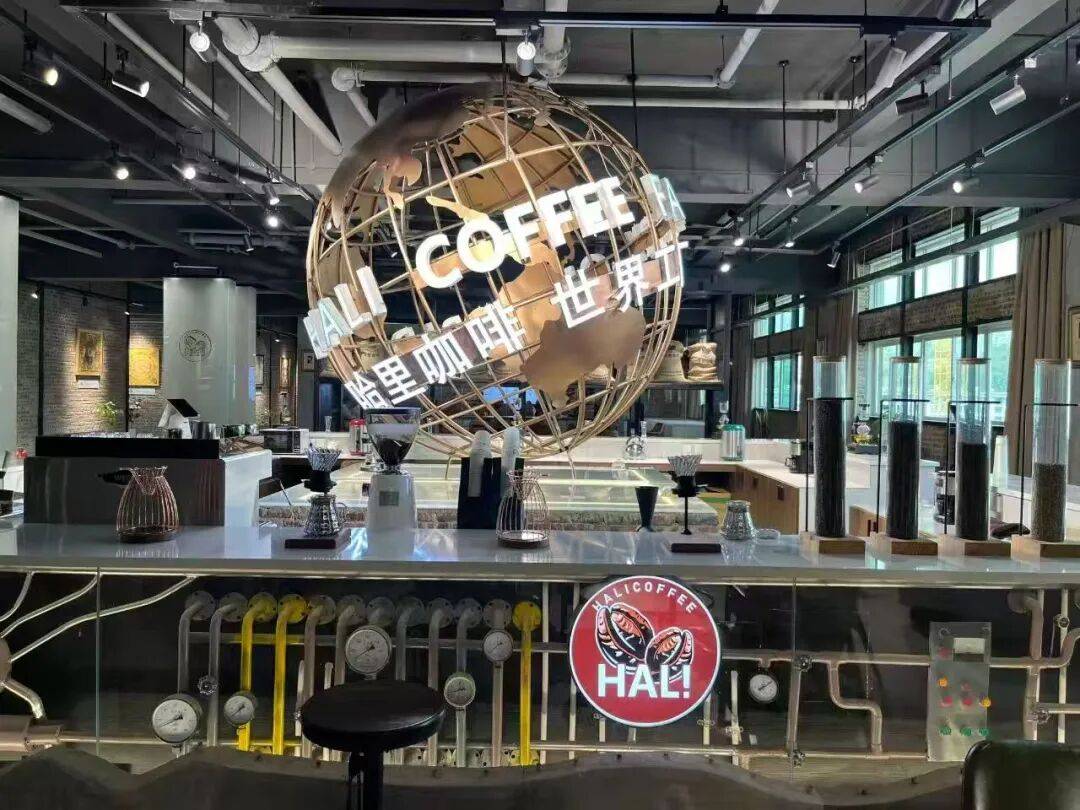
Core Insights - Hali Coffee has made significant progress in its Nasdaq listing process by successfully obtaining the stock listing code "HALI" [1][5][18] - This milestone not only represents a major achievement for Hali Coffee but also signifies the globalization of the Yunnan coffee industry [3][18] Company Overview - Yunnan Zhenkang Hali Coffee Co., Ltd. is the largest comprehensive coffee enterprise in the Lincang region, integrating coffee cultivation, initial processing, cultural tourism, and estate development [9] - The company has a complete industry chain from storage, roasting, product development to a global live broadcast center, with an annual processing capacity of 1,000 tons of premium coffee beans [9] Business Model - Hali Coffee employs a "company + base + farmers" model, deeply rooted in Zhenkang, creating standardized coffee planting bases that generate numerous job opportunities and provide stable purchasing and technical guidance to local farmers [9][15] - This model has revitalized the once dormant coffee industry in the region, contributing to rural revitalization [9][18] Geographic Advantage - Zhenkang County is located near the Tropic of Cancer, with high altitude and unique climatic conditions, making it a globally recognized "golden coffee planting belt" [12] - The region's abundant sunlight, ample rainfall, and fertile soil produce Yunnan small-grain coffee beans known for their rich aroma and smooth taste [12][14] Quality and Standards - Hali Coffee has established a full-chain standard from planting to cup, providing quality seedlings to farmers and guiding organic cultivation practices [15] - The processing method combines "water washing + sun drying" to preserve the original flavor of the beans, which is essential for connecting with international capital markets [15] Market Potential - The acquisition of the Nasdaq stock code "HALI" reflects the rise of Yunnan's premium coffee industry, transitioning from a raw material supplier to a brand with international market presence [18] - This development is a testament to the potential of local specialties from China to enter global markets, showcasing the unique charm and strength of Chinese coffee [18][20] Future Outlook - As the listing process progresses, Hali Coffee is expected to attract global attention to Zhenkang, enhancing the visibility of this coffee-rich region [20] - The listing will not only inject strong momentum into the company's development but also upgrade the entire regional coffee industry, improving the livelihoods of countless coffee farmers [20]
星巴克,“追杀式”推销?丨BUG
新浪财经· 2025-11-21 09:44
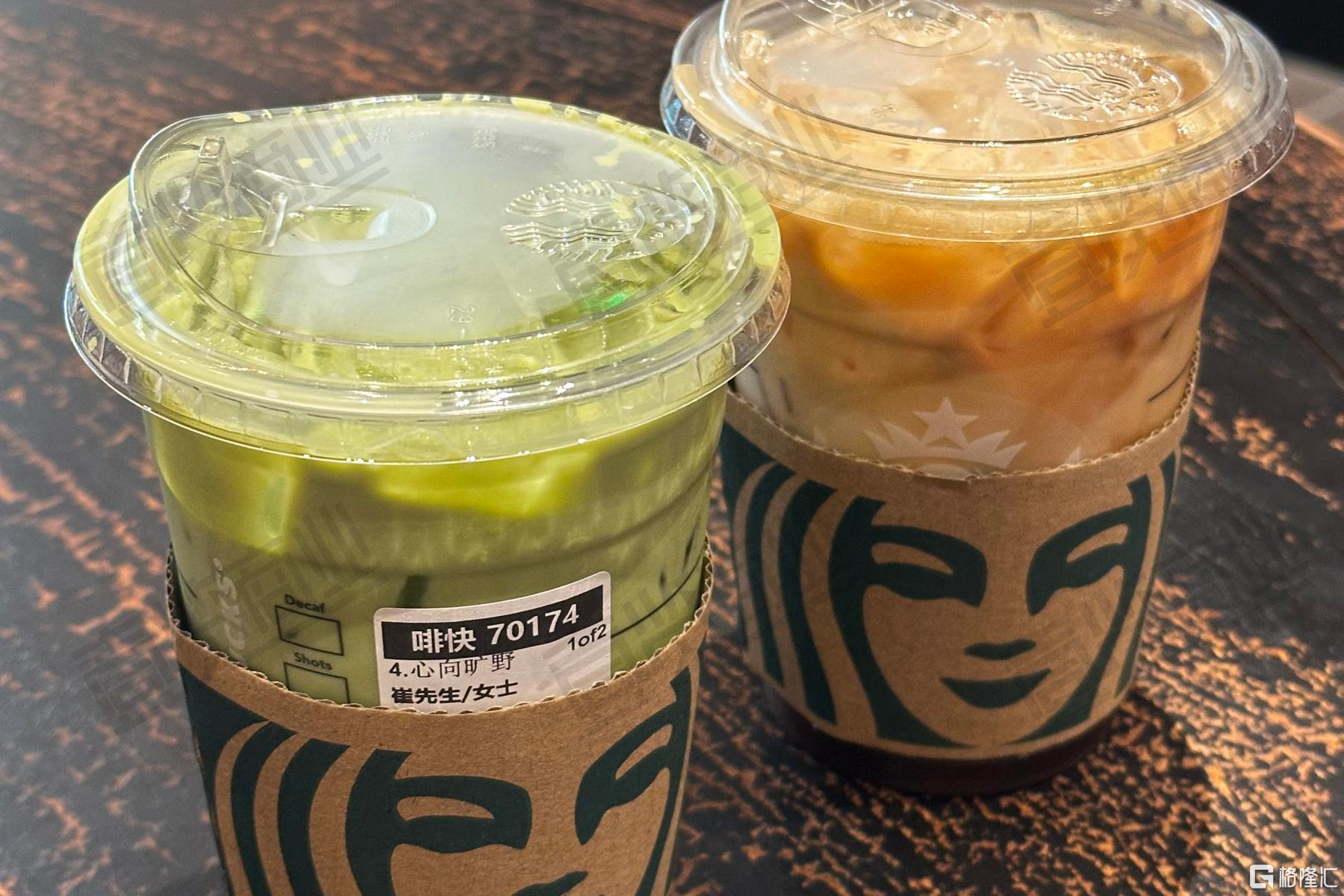
Core Viewpoint - Starbucks is facing backlash for allegedly misusing user location data for aggressive marketing, raising concerns about privacy and transparency in its data collection practices [2][10][12]. Privacy Policy and User Data Collection - A recent incident involved a user receiving two promotional messages from Starbucks within three minutes, prompting criticism regarding the app's use of precise location data for marketing purposes [3][4]. - The privacy policy of Starbucks only mentions three scenarios for using precise location data: finding nearby stores, ordering, and participating in specific activities, without explicitly stating that location data could be used for promotional pushes [4][9]. - Legal experts have pointed out that Starbucks' privacy policy lacks clarity and accessibility, potentially violating personal information laws [9]. User Reactions and Concerns - Many users expressed discomfort with Starbucks' marketing tactics, fearing misuse of their personal information and emphasizing the need for respect for privacy [10][12]. - The phrase "打工人要的是咖啡自由,不是推送自由" reflects a sentiment that intrusive marketing detracts from the enjoyment of the product [12]. Regulatory Scrutiny and Past Incidents - Starbucks has faced multiple regulatory inquiries regarding its data collection practices, including being summoned by authorities in June 2023 for issues related to user data collection and marketing tactics [12][13]. - Despite these challenges, Starbucks has not yet achieved satisfactory improvements in user privacy protection [13]. Business Expansion Plans - Starbucks plans to expand its stores in China from 8,011 to 20,000, but faces significant challenges due to increasing competition from lower-priced coffee brands [15]. - The company may need to consider launching a new lower-end brand to compete in the mid to low-end market, which raises questions about brand differentiation and maintaining quality [15].

热巧克力+咖啡+辣椒=墨西哥风情!
东京烘焙职业人· 2025-11-21 08:33
Core Viewpoint - The article explores the unique combination of coffee and spicy flavors in Mexican culture, particularly focusing on the traditional coffee drink Café de Olla and its creative variations that incorporate chocolate and chili [5][18]. Group 1: Traditional Coffee - Café de Olla is a traditional Mexican coffee made in a clay pot, often enjoyed after spicy meals to cleanse the palate [5][11]. - The preparation involves deep-roasted coffee beans, Piloncillo sugar, and spices like cinnamon, cloves, and star anise, boiled together to release rich flavors [11][15]. Group 2: Creative Variations - A popular variation of Café de Olla includes adding chocolate and chili powder, creating a drink known as Mexican Spiced Coffee with Chocolate-Chile Rim, or more attractively named Mexican Hot Chocolate Coffee or Aztec Fire Coffee [7][10]. - The drink can be visually enhanced by coating the rim of the cup with chocolate and dipping it in chili powder, combining sweet and spicy flavors [10][16]. Group 3: Flavor Profile - The combination of chocolate, cinnamon, and chili creates a complex flavor profile that balances sweetness, warmth, and a mild spiciness, making it a unique tasting experience [16][18]. - The drink reflects the vibrant and diverse culinary culture of Mexico, showcasing the traditional pairing of chocolate and chili, which is also found in other Mexican dishes like mole sauce [18].

海泰协成(湖南)咖啡有限公司成立 注册资本200万人民币
Sou Hu Cai Jing· 2025-11-21 06:41
天眼查App显示,近日,海泰协成(湖南)咖啡有限公司成立,法定代表人为董赟,注册资本200万人 民币,经营范围为许可项目:食品生产;食品销售;餐饮服务;食品互联网销售(依法须经批准的项目,经 相关部门批准后方可开展经营活动,具体经营项目以批准文件或许可证件为准)一般项目:商业综合体 管理服务;文化场馆管理服务;会议及展览服务;数字创意产品展览展示服务;日用品销售(除依法须经批 准的项目外,自主开展法律法规未禁止、未限制的经营活动)。 ...
郭谨一退位,资本大佬黎辉掌权,500亿瑞幸走出财务造假风波,谋二度上市
Sou Hu Cai Jing· 2025-11-21 04:52
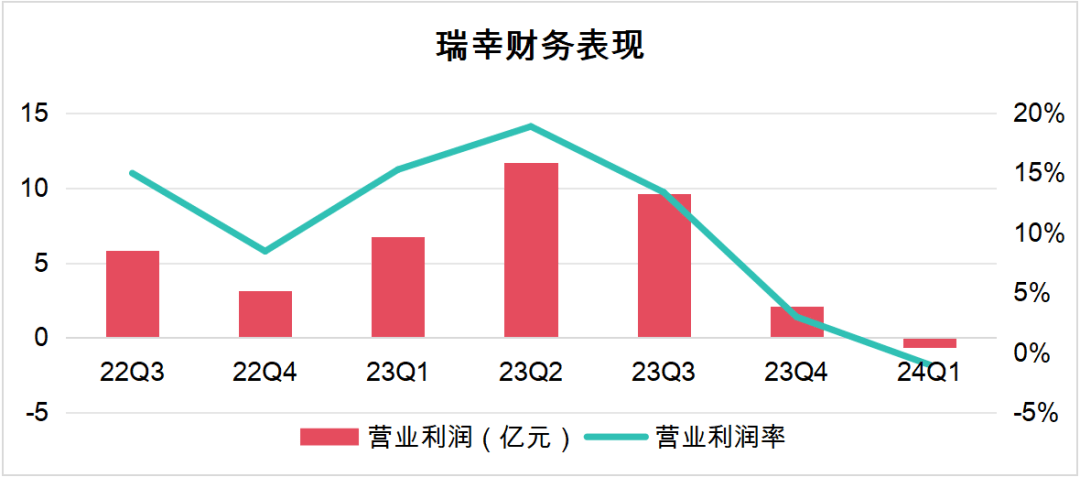
Core Insights - Luckin Coffee is planning to return to the US main board for listing, as announced by CEO Guo Jinyi at the 2025 Xiamen Entrepreneurs' Day Conference [2] - The company has undergone significant changes in leadership and strategy, with a focus on optimizing governance and decision-making processes to facilitate its return to mainstream capital markets [3][4] - Despite facing challenges from a price war and previous financial scandals, Luckin has achieved substantial growth in revenue and store count, positioning itself as a leading coffee brand in China [10][12] Group 1 - Luckin Coffee's revenue for the first quarter of 2024 reached 6.278 billion yuan, a year-on-year increase of 41.5%, but it recorded a net loss of 83.2 million yuan due to a sharp decline in operating profit margin [8] - The company reached a milestone of 20,000 stores by July 2024, with an average monthly transaction customer count of 69.69 million, a 48.5% increase from 2023 [10][12] - In the first quarter of 2025, Luckin reported total net revenue of 8.865 billion yuan, a 41.2% year-on-year increase, and turned its GAAP operating profit positive at 737 million yuan [10][14] Group 2 - Luckin's rapid expansion has slowed, with only an 8.8% increase in store count from the previous quarter, indicating a potential saturation in the market [22][25] - The company is exploring international markets, with 89 overseas stores established by mid-2025, including locations in the US, Singapore, and Malaysia [28] - Luckin is considering a bid for Costa Coffee, which could enhance its presence in the global coffee market and leverage existing resources for growth [33][34] Group 3 - The leadership transition from Guo Jinyi to Li Hui, the chairman representing the largest shareholder, is seen as a strategic move to align with the company's future goals [11][34] - Luckin has emphasized a commitment to rebuilding its corporate governance and business model, distancing itself from past financial misconduct [18][19] - The company aims to establish a strong brand image in the US market by adopting a pricing strategy that positions its products competitively against Starbucks [29]