
外卖

Search documents
央行出手,10000亿元;寒武纪,紧急辟谣……盘前重要消息还有这些
Zheng Quan Shi Bao· 2025-12-05 00:34
Group 1: New Stock Offerings - Muxi Co., Ltd. has an offering code of 787802 with an issue price of 104.66 CNY per share and a subscription limit of 0.6 million shares [1] - Angrui Micro has an offering code of 787790 with an issue price of 83.06 CNY per share and a subscription limit of 0.35 million shares [1] Group 2: Government Policies and Regulations - The Ministry of Commerce held a press conference addressing export controls on rare earth-related items, stating that compliant export applications for civilian use are approved promptly [1] - The State Administration for Market Regulation has implemented a recommended national standard for food delivery platform service management to address issues like "ghost deliveries" and competition [1] Group 3: Industry Developments - The Hubei Provincial Government has issued a work plan aiming for the shipbuilding industry to exceed 130 billion CNY in output value by 2027, with an annual growth rate of over 15% [3] - The plan includes the establishment of two hundred billion-level leading enterprises and the construction of three digital benchmark shipyards [3] Group 4: Company News - Cambrian Technologies has noted that recent media reports regarding its products and market predictions are misleading [4] - Country Garden's offshore debt restructuring plan, amounting to approximately 17.7 billion USD, has been officially approved by the Hong Kong High Court [4] - Tencent Holdings repurchased 1.044 million shares for 636 million HKD on December 4 [4] - Dong'e Ejiao plans to repurchase shares worth between 100 million to 200 million CNY for capital reduction [4] - Zhongwei Electronics is planning a change in control and will be suspended from trading starting December 5 [4]

早报 | 寒武纪深夜严正声明;碧桂园降债超900亿元;新东方回应员工发全员信控诉加班;乐视网回应负债238亿拟花1.8亿炒股
虎嗅APP· 2025-12-05 00:23
Core Insights - The article discusses various significant events and developments in the tech and investment sectors, highlighting key company announcements and market trends. Group 1: Company Announcements - Cambricon (寒武纪) issued a statement denying media reports about plans to triple AI chip production, emphasizing that all information should be based on official disclosures [2] - Google Cloud announced a partnership with Replit to enhance AI programming capabilities, following Replit's recent funding round that valued the company at $3 billion [3][4] - OpenAI introduced a "Confessions" mechanism for GPT-5 to improve AI transparency by allowing the model to report errors in its responses [5][6] - Meta Platforms is reportedly planning to cut its metaverse budget by up to 30%, reflecting a shift in strategic focus [7] - Country Garden (碧桂园) received court approval for a debt restructuring plan, reducing its debt by over 90 billion yuan, alleviating repayment pressure [11] Group 2: Market Trends - The new national standard for food delivery services in China limits delivery workers' working hours and mandates breaks to ensure rider safety [9][10] - The retail giant Zhongbai Group announced the closure of 30 underperforming stores, attributing the closures primarily to losses [16] - ByteDance denied rumors regarding management changes for its 3-1 employee structure, clarifying that no new policies have been implemented [12] - The launch of the new electric bicycle standard in China includes regulations on speed and safety features, aiming to enhance user safety [21] - The Chinese Ministry of Commerce emphasized the importance of foreign investment in China, despite recent reductions by Japanese companies [22]


读创财经晨汇|①亚马逊首个全球智能枢纽仓落地深圳②饿了么回应《外卖平台服务管理基本要求》
Sou Hu Cai Jing· 2025-12-05 00:17
Group 1: Guangdong Development - Guangdong will explore a development path that showcases Chinese style, Lingnan characteristics, and Bay Area features, aiming for high-quality development in the Greater Bay Area [1] Group 2: Amazon's Global Smart Hub - Amazon's first global smart hub warehouse has officially launched in Shenzhen, set to fully open to all sellers by March 2026, providing integrated global warehousing and distribution services [2] Group 3: Rare Earth Export Control - The Chinese government is conducting export controls on rare earth items, ensuring timely approval for compliant applications intended for civilian use [3] Group 4: Agricultural Exports - In the first ten months of this year, China's agricultural exports reached nearly 600 billion yuan, covering 838 product categories and reaching 223 countries and regions [4] Group 5: Brain-Computer Interface Technology - Shanghai has made significant breakthroughs in brain-computer interface technology, with several innovative products entering clinical trials, marking a transition from basic research to clinical application [5] Group 6: Food Delivery Platform Standards - Ele.me (Taobao Flash Sale) announced its voluntary compliance with national standards for food delivery platform service management, aiming to enhance service quality and market order [6] Group 7: Meili Xin's Fundraising - Meili Xin plans to raise up to 1.2 billion yuan through a private placement to fund semiconductor equipment projects and other initiatives [7][8] Group 8: Haike Xinyuan's Share Reduction - Haike Xinyuan announced that a shareholder plans to reduce its stake by up to 2.5% through block trading or centralized bidding within three months [9] Group 9: China-France Cooperation - China and France aim to strengthen cooperation in traditional fields such as aviation and aerospace, while also expanding into emerging areas like artificial intelligence and green development [10] Group 10: US Federal Reserve Rate Cut Probability - The probability of the Federal Reserve cutting rates by 25 basis points in December is 87%, with a 64.1% chance of a cumulative cut by January [11] Group 11: US National Debt - The US national debt has surpassed 30 trillion dollars, more than doubling since 2018, with significant implications for fiscal policy and economic stability [12] Group 12: EU Antitrust Investigation - The European Commission has launched an antitrust investigation into a US metaverse platform's new restrictions on AI service providers accessing WhatsApp [13] Group 13: New Gold Mine in South Africa - A new underground gold mine in South Africa has commenced production, expected to contribute over 1.15 billion dollars to the economy over its 17-year lifespan [14] Group 14: Microsoft 365 Price Increase - Microsoft will increase the subscription prices for Microsoft 365 for business and government customers starting July 2026, reflecting the addition of over 1,100 new features [15][16]
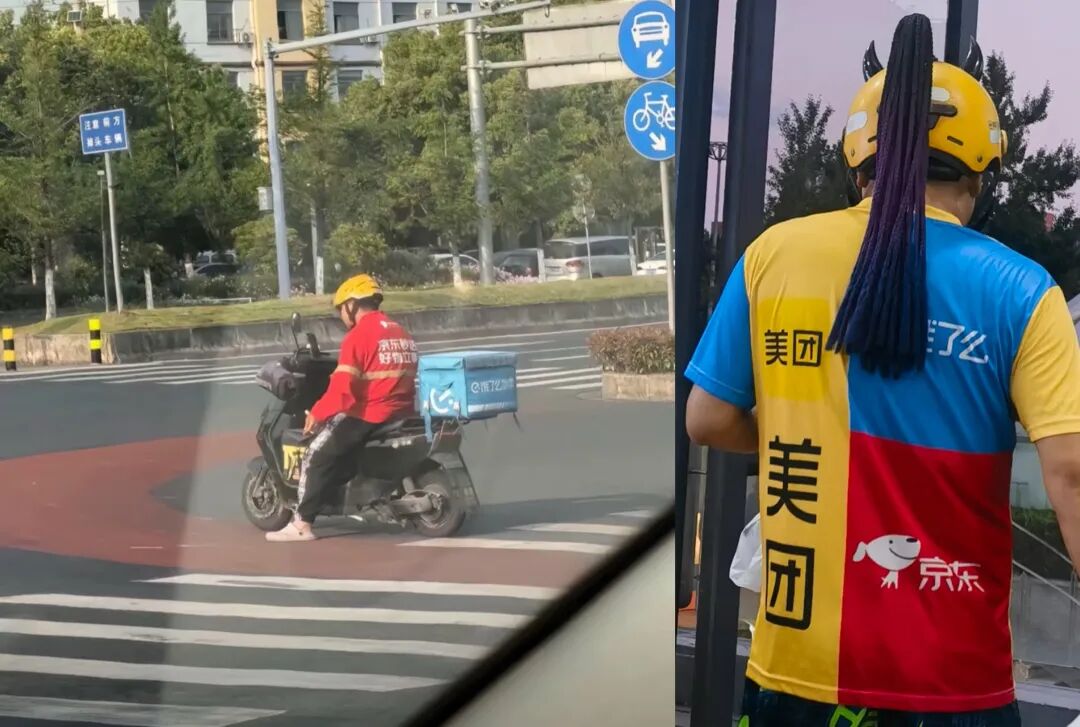
为了三套新工服,外卖平台烧光1000亿
3 6 Ke· 2025-12-04 23:48
Core Insights - The intense competition among Meituan, JD.com, and Alibaba in the food delivery sector has led to a combined loss of nearly 100 billion yuan in profits over the past six months, marking one of the most costly battles in Chinese internet history [1][4][7] - The third quarter saw unprecedented levels of platform subsidies, resulting in significant financial losses for all three companies, with Meituan reporting its largest quarterly loss since its IPO [1][4][12] Financial Performance - Meituan experienced a quarterly loss of approximately 448 million yuan, while Alibaba's e-commerce business saw a staggering 85% year-on-year decline in operating profit [1][4] - JD.com reported a 108% year-on-year drop in overall operating profit, indicating severe financial strain across the board [1][4] - Marketing expenditures surged dramatically, with Alibaba and JD.com increasing their spending by 106% and 110% respectively, while Meituan's marketing costs rose by 91% [4][12] Market Dynamics - The oligopolistic structure of the food delivery market is beginning to shift, with Meituan's market share expected to drop to around 65% in 2024, a decline of nearly 20% from previous levels [4][7] - The competition is not just about food delivery; it serves as a strategic entry point for e-commerce growth, with JD.com and Alibaba leveraging food delivery to drive traffic to their core retail businesses [7][12] User Engagement and Growth - Despite the financial losses, user engagement metrics have shown positive trends, with JD.com's food delivery GMV experiencing triple-digit growth and a nearly 50% conversion rate for new users [7][12] - Meituan's daily active users increased by over 20% year-on-year, indicating a strong user base despite the competitive pressures [7][12] Strategic Shifts - The companies are recognizing the unsustainable nature of the price war, with a collective call to resist "disorderly competition" in the food delivery sector [22][24] - JD.com is reportedly adjusting its strategy by launching an independent app for food delivery and focusing on improving unit economic costs [22][24] - Alibaba plans to significantly reduce its investment in flash sales in the upcoming quarter, indicating a shift towards more sustainable practices [22][24]

股市直播|重大资产置换,审核通过;摩尔线程今日上市
Zhong Guo Zheng Quan Bao· 2025-12-04 23:15
重要新闻提示 12月5日,央行开展10000亿元买断式逆回购操作 12月5日,港股收市后,恒生指数系列第三季度检讨结果将正式实施 电投产融:重大资产置换及发行股份购买国电投核能100%股权获深交所审核通过 今日提示 摩尔线程(688795)今日在科创板上市 科创板新股沐曦股份(申购代码787802)、昂瑞微(申购代码787790)今日申购 今日央行有3013亿元7天期逆回购到期 财经新闻 1. 人民银行12月4日消息,为保持银行体系流动性充裕,12月5日,中国人民银行将以固定数量、利率招 标、多重价位中标方式开展10000亿元买断式逆回购操作,期限为3个月(91天)。由于本月有10000亿 元3月期买断式逆回购到期,意味着当月3月期买断式逆回购等量续做。 2. 12月5日港股收市后,恒生指数系列第三季度检讨结果将正式实施,并于12月8日起生效。此次调整覆 盖恒生指数、恒生中国企业指数、恒生科技指数等港股核心旗舰指数。恒生指数方面,信达生物将被纳 入恒生指数成分股,没有成分股被剔除,调整后成分股数量由88只提升至89只。 3. 据"工信微报"消息,工业和信息化部党组12月4日开展理论学习中心组学习。会议强调,要 ...
新闻1+1丨外卖“新国标”,立下了哪些“新规矩”?
Yang Shi Wang· 2025-12-04 22:39
Core Viewpoint - The newly implemented "New National Standard" for food delivery platforms aims to address various issues related to the rights of delivery riders and the fair treatment of small and medium-sized restaurants, while also emphasizing the responsibilities of the platforms themselves [1][4][10]. Group 1: Key Issues Addressed by the New Standard - The standard focuses on the qualification review of merchants entering the platform and the protection of delivery riders' rights, addressing public concerns about the current operational practices of food delivery platforms [3][4]. - It aims to balance the legitimate rights of merchants and enhance the overall service management of food delivery platforms, filling gaps in existing regulations [4][10]. Group 2: Platform Responsibilities and Governance - The standard emphasizes that the responsibility for governance should not rest solely on the platforms, but requires collaboration from various societal forces [5]. - It establishes the platform as a key entity responsible for implementing the standards, with regulatory bodies expected to actively ensure compliance and recognize platforms that perform well [5][8]. Group 3: Technological Integration and Future Directions - The standard introduces requirements for platforms to utilize technology, such as big data and artificial intelligence, to create risk identification models for better governance [8]. - It suggests that successful practices from the standard could eventually evolve into mandatory legal requirements, contributing to a dynamic regulatory framework for platform governance [8]. Group 4: Protection of Delivery Riders' Rights - The standard significantly enhances the protection of delivery riders' rights, addressing issues such as income security, rest time, and safety [10]. - It specifies that penalties for delays should not be excessive, promoting alternative management methods to avoid over-penalizing riders [10]. Group 5: Fair Treatment of Small and Medium-sized Restaurants - The standard responds to concerns about the exploitation of small and medium-sized restaurants by larger platforms, prohibiting practices that force these businesses to participate in subsidy wars that erode their profit margins [11]. - It mandates transparency in platform fees and requires clear explanations of charges to merchants, aiming to balance the power dynamics between large platforms and smaller businesses [11].
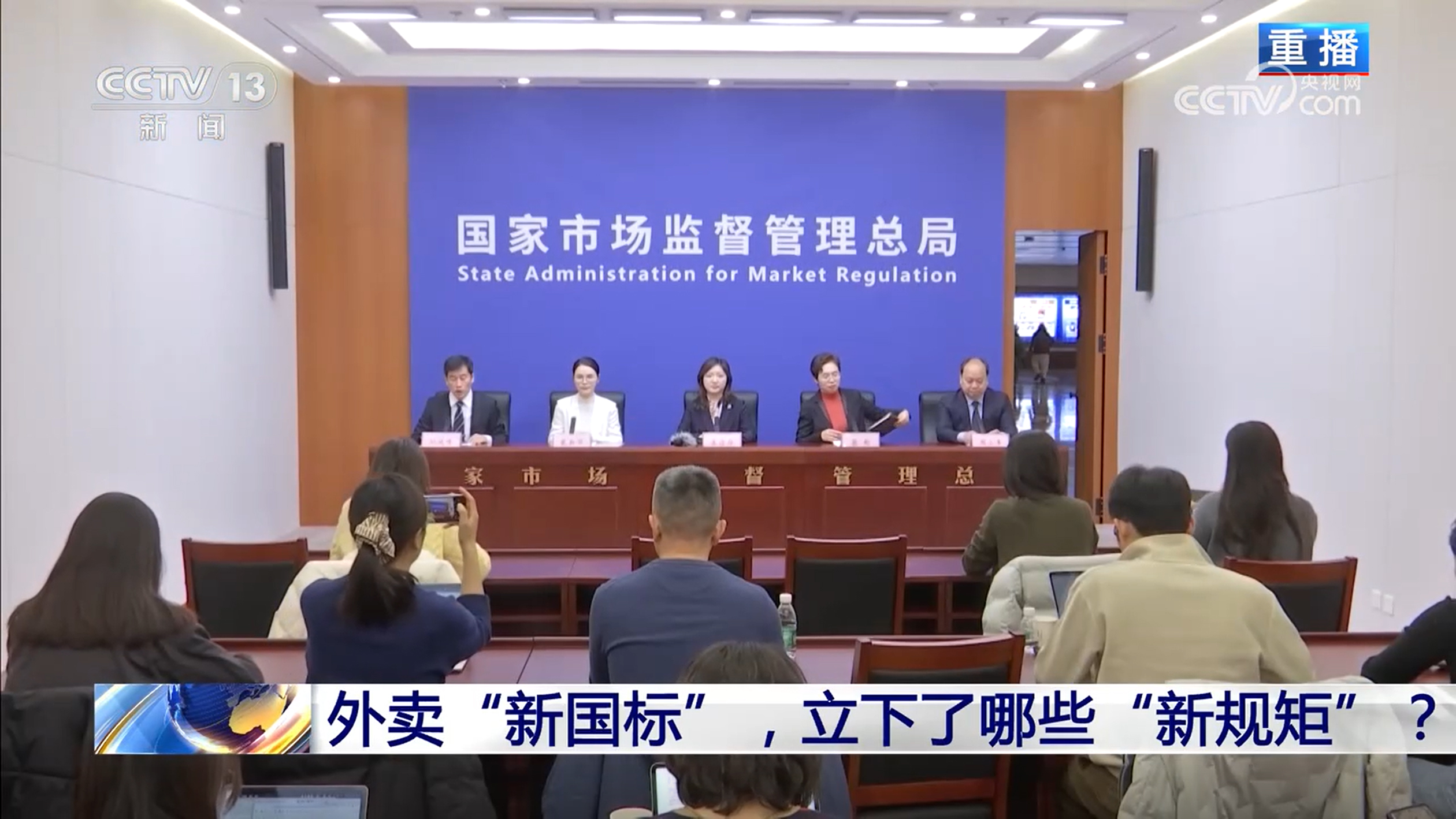
每月抽查5%商家 外卖平台“新国标”落地
Bei Jing Shang Bao· 2025-12-04 16:13
对于许多中小餐饮商户反映的平台促销活动"不参加就没流量,参加了就亏本"等问题,《外卖平台服务 管理基本要求》国家标准聚焦平台收费与促销行为,明确平台收费规则及促销活动管理要求,督促引导 外卖平台简化收费项目、规范促销行为,营造公平有序的市场竞争环境。 针对"幽灵外卖",外卖新国标有了规定。12月4日,市场监管总局发布实施《外卖平台服务管理基本要 求》国家标准(以下简称"标准"),规范商户入驻审核、加强动态监管,进一步压实外卖平台主体责 任,筑牢食品安全防线。当日下午,国家市场监管总局召开国家标准《外卖平台服务管理基本要求》专 题新闻发布会。会上,国家市场监管总局网监司副司长王丹丹介绍,外卖平台要对商户信息进行抽查和 监测,每月抽查比例不少于5%,不断加强对商户日常运营的动态审核。 针对"幽灵外卖"等乱象,王丹丹介绍,国家在食品安全方面已经制定了一系列的监管要求,平台应当严 格遵守。在此基础上,标准提出压实平台主体责任,进一步推动解决"幽灵外卖"等问题,维护消费者的 合法权益。 在加强商户的入驻管理方面,平台应设置专门的团队和人员,通过人工或者技术手段对商户提供的信息 进行审核,除要求商户提供相应证照信息外,还 ...
2000万外卖骑手,困在新国标电动车
Xin Lang Cai Jing· 2025-12-04 15:52
Core Viewpoint - The implementation of the new electric bicycle standards (GB 17761-2024) has significantly impacted the delivery industry, particularly for food delivery riders, leading to operational challenges and financial strain [1][17][28]. Group 1: New Electric Bicycle Standards - The transition period for the new electric bicycle standards ended on December 1, 2023, resulting in a complete ban on the sale of old standard electric bicycles [1][17]. - The new standards restrict the maximum speed to 25 km/h, which many riders find impractical for timely deliveries [1][6][22]. - The new electric bicycles are described as unsuitable for delivery purposes due to their small size and lack of features like rearview mirrors and adequate storage space [8][23][24]. Group 2: Impact on Delivery Riders - Many delivery riders express that they will not consider purchasing the new standard bicycles, with one stating that "99.9% of riders" would avoid them [1][19]. - The new regulations have led to a decrease in delivery efficiency, with riders reporting that they can only take fewer orders and earn significantly less, sometimes as low as 10 yuan per hour [6][22][24]. - The financial burden of purchasing new standard bicycles is high, with prices starting at over 3,000 yuan, which is a significant increase compared to the old standard bicycles [8][24][28]. Group 3: Industry Challenges - The delivery platforms are reducing delivery times, which exacerbates the challenges faced by riders under the new speed regulations [12][27]. - The market for old standard bicycles is shrinking, leading to increased prices for second-hand models, as new riders are unable to purchase compliant vehicles [28][30]. - The overall profitability of the delivery industry is declining, with lower order prices and stricter regulations making it less viable for many riders to continue as full-time workers [15][30][31].

外卖平台“国标”来了:平台不得强制商户促销,保障配送员休息权
Xin Jing Bao· 2025-12-04 15:51
Core Viewpoint - The National Standard for Food Delivery Platform Service Management has been released to address issues such as "ghost deliveries," irrational competition, and insufficient protection of delivery personnel's rights, aiming to enhance the governance of the food delivery industry [1][3]. Group 1: Platform Merchant Management - The standard emphasizes the importance of merchant management, requiring platforms to strengthen their responsibilities by implementing strict merchant entry audits and enhancing daily operational management [1][4]. - Platforms must ensure that only qualified merchants can operate, with a requirement for verification of business licenses and actual operating conditions [4]. Group 2: Pricing and Promotion Management - The standard aims to regulate platform pricing and promotional activities, mandating that platforms bear the costs of their own promotional campaigns rather than passing them onto merchants or delivery personnel [6]. - Platforms are prohibited from coercing merchants into participating in promotions and must provide at least seven days' notice for promotional activities [6]. Group 3: Delivery Personnel Rights Protection - The standard outlines measures to protect delivery personnel's rights, including optimizing scheduling algorithms to consider various factors affecting delivery times and ensuring fair compensation [7][8]. - It mandates that platforms and partner companies must not impose penalties on delivery personnel for delays caused by external factors, such as slow food preparation times [7]. Group 4: Dispute Resolution Mechanisms - The standard encourages platforms to establish comprehensive consumer rights protection systems and improve complaint mechanisms for consumers, merchants, and delivery personnel [2]. Group 5: Implementation and Monitoring - Major food delivery platforms are expected to issue self-declarations regarding their compliance with the new standards, enhancing the standards' influence and enforcement within the industry [3]. - The Beijing market regulatory authority plans to integrate the new standards into regular oversight practices, ensuring compliance and addressing any violations effectively [11].
专家呼吁:外卖平台应借新国标契机对标整改,主动引入社会监督
Xin Jing Bao· 2025-12-04 14:00
Core Viewpoint - The newly released national standard "Basic Requirements for Delivery Platform Service Management" aims to address issues such as "ghost deliveries," irrational competition, and insufficient protection of delivery workers' rights in the food delivery industry [1][2]. Group 1: Regulatory Framework - The "Basic Requirements" serves as a systematic guideline for compliance in the food delivery industry, despite being non-mandatory [1]. - The standard provides a reference for various stakeholders, including restaurant businesses, delivery riders, labor rights protection organizations, and consumer rights organizations, to supervise compliance among delivery platforms [1][2]. Group 2: Labor Rights and Safety - The standard addresses long-standing concerns regarding the protection of workers' rights and the potential increase in traffic accidents due to delivery riders' fear of penalties for late deliveries [2]. - It aligns with existing laws such as the "E-commerce Law," "Anti-Unfair Competition Law," and "Labor Law," providing a clear basis for monitoring platform behavior [2]. Group 3: Compliance and Accountability - Although the standard does not impose a unified compliance deadline or external supervision mechanisms, it has a solid legal foundation that allows various parties to report suspected violations to enforcement agencies [2]. - Delivery platforms are urged to adhere strictly to antitrust laws and guidelines, especially in areas like rule-setting, fee management, and promotional subsidies [2]. Group 4: Industry Development - The industry is encouraged to pursue sustainable and healthy development by enhancing compliance standards and accepting social supervision, aiming for a new phase of "quality for price" and fair, orderly growth [3].