快餐

Search documents
2025年10大热门加盟项目!普通人如何抓住连锁加盟黄金赛道?
Sou Hu Cai Jing· 2025-09-22 01:39
Core Insights - The franchise market in China is experiencing explosive growth in 2025, transitioning from a phase of reckless expansion to one focused on refined operations and digital empowerment [1] - The hard discount market surpassed 200 billion yuan in 2024, while the restaurant chain rate exceeded 49%, indicating a shift towards brand-oriented and digitalized franchise operations [1] - The franchise industry faces both opportunities from policy support and consumer upgrades, as well as challenges from intensified competition and compliance requirements [1] Franchise Market Trends - The emergence of professional and super franchisees is notable, with over 30% of participants at the 2025 Beijing exhibition being experienced investors and institutional investors [1] - Super franchisees typically manage more than five stores, generating annual revenues exceeding 10 million yuan, and possess strong market insight and diverse marketing channels [1] Restaurant Sector Highlights - Pointing to the success of "Dian Ti Lei Jiao Pig's Foot Rice," which ranks first in the 2025 annual top 10 fast food franchise brands, the brand offers a unique dining experience with a "0 yuan franchise fee" and a gross profit margin of 60% [2] - "Shu Yi Shu Er Spicy Noodle" stands out with a mere 3% closure rate amidst a 56% closure rate in the restaurant industry, appealing to small investors with low risk and high return [4] - "Tasting China Hamburger" is recognized for its localized innovation in Western fast food, boasting over 8,000 stores nationwide, nearing KFC's scale [5] Retail Sector Developments - "Super Box NB" offers two franchise models, ensuring product cost advantages through direct factory connections and self-pricing, with a 60% share of private label products [8] - "Ji Xiao Guo Fruit Store" leverages smart store systems to provide a competitive platform for entrepreneurs, enhancing customer experience through intelligent services [9] Service Sector Innovations - Community smart health services provide integrated solutions for elderly care, with a 25% annual return rate on a 500,000 yuan investment [12] - The rental of new energy light logistics vehicles aligns with national carbon neutrality policies, offering lower operational costs compared to fuel vehicles [13] Emerging Franchise Opportunities - The pet service sector is gaining traction, with "Chong Pang Pang" opening its first store in Shanghai, combining shopping, experience, and social interaction [14] - The cultural and entertainment sector is witnessing accelerated growth, with various categories like sports, KTV, and internet cafes thriving [16] Strategic Recommendations for Franchisees - New entrepreneurs are advised to choose brands with low investment thresholds, standardized operations, and comprehensive training support, such as "0 yuan franchise fee" models [17] - Experienced investors may consider becoming super franchisees to achieve economies of scale [17] - Precise site selection and digital operations are critical for success, with brands like "Shu Yi Shu Er" utilizing data-driven models to avoid common pitfalls [18] Risk Management and Success Factors - Franchisees should prioritize brands with third-party audit reports and transparent operational metrics to mitigate risks [20] - Continuous learning and adaptation to local market conditions are essential for franchise success, emphasizing the importance of operational efficiency and customer loyalty [24][25] - The future of the franchise market will depend on the ability to cultivate capable super franchisees and maintain quality control and service standards [27]


外卖被投诉“鸡腿饭有蠕动活蛆”,当地回应
Nan Fang Du Shi Bao· 2025-09-21 05:15
Core Points - A consumer in Guizhou Qianan reported finding live maggots in a takeout chicken leg rice dish, prompting an investigation by local market supervision authorities [1][3] - The involved restaurant, "Mud Good Eggplant," was found to have all necessary licenses, but issues were identified regarding food storage and pest control measures [3] - The local market supervision bureau has initiated an investigation and the restaurant has voluntarily suspended operations for rectification [3] Summary by Sections - **Incident Description** - A video surfaced online showing live maggots on the surface of a chicken leg in a takeout meal [3] - **Regulatory Response** - The local market supervision bureau conducted an immediate on-site inspection and confirmed that the restaurant's licenses were valid, but noted improper food storage and inadequate pest control [3] - The bureau has opened a case for investigation and is urging the restaurant to make necessary improvements [3] - **Future Actions** - The market supervision bureau plans to enhance oversight of online food delivery services and ensure compliance with food safety regulations [3]

●品牌名:肯德基,遗失在山东银座家居
Qi Lu Wan Bao· 2025-09-19 16:46
●付妤,身份证号:371102200507257825,导游证:YCD4420A,遗失,特此声明。 ●品牌名:肯德基,遗失在山东银座家居有限公司居家生活广场开具的电箱使用费收据、广告费收据(缴费 人:莱芜宏源餐饮管理有限公司,金额:共计7600元,收据号:C0004102、0000563、0000657),现声明该收据 付款方凭证联原件失效,不作为退款凭据。 ...
深圳多家汉堡王被曝闭店,汉堡王中国回应称正在实施门店优化战略
Xi Niu Cai Jing· 2025-09-19 10:08
Core Insights - Burger King's Huqiangbei store in Shenzhen will officially close on September 1, 2025, marking it as one of the earliest locations in the city [2] - Multiple Burger King locations in Shenzhen have reportedly closed this year, attributed to changes in operational strategy [5] - As of June 30, 2023, Burger King China reduced its store count from 1,474 to 1,367, a net decrease of 107 stores within six months [5] - Following the closure of 100 stores, Burger King China experienced its first positive same-store sales growth in six quarters, with system sales reaching $162 million, a 10% increase from the previous quarter [5] - The company plans to open 40-60 new restaurants in core business districts of first and second-tier cities to offset the impact of closures [5] - Currently, Burger King China operates approximately 1,300 stores and serves nearly 150 million customers annually [6] Strategic Adjustments - Burger King China is implementing a "quality improvement and efficiency enhancement" strategy to optimize its store network, focusing on expanding in core business areas of first and second-tier cities [5] - The strategic adjustments aim to enhance the profitability of individual stores and strengthen brand competitiveness, laying a solid foundation for future expansion [6]
月薪3万,也不敢吃“快餐界爱马仕”
3 6 Ke· 2025-09-19 08:48
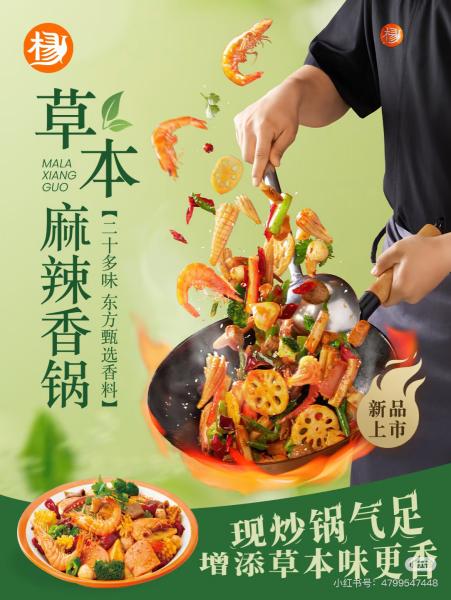
Core Insights - The popularity of spicy hot pot (麻辣香锅) has not diminished despite perceptions of high prices, with major brands like Yang Guofu entering the market [1][25][34] - The pricing strategy of spicy hot pot often leads to consumer shock, with many feeling that the cost is disproportionate to the ingredients offered [4][10][21] - The market for spicy hot pot remains robust, with a significant number of new registrations for related businesses, indicating ongoing consumer interest [27][36] Industry Overview - The spicy hot pot industry has seen a registration of approximately 3,583 new businesses from January to November 2024, with over 29,000 existing establishments [27] - The market is characterized by a lack of dominant players, with over 54.2% of brands operating five or fewer locations, suggesting room for growth and consolidation [36] - The average monthly order volume in high-end urban areas can reach three times that of ordinary cities, indicating a strong demand in affluent markets [33] Consumer Behavior - Despite complaints about high prices, consumers continue to seek out spicy hot pot, with social media discussions reflecting both frustration and nostalgia for the dish [29][49] - The trend of home cooking spicy hot pot is rising, as consumers look for cost-effective alternatives to dining out [41][46] - The demographic of spicy hot pot consumers is primarily younger individuals, who express a complex relationship with the dish, balancing enjoyment with price sensitivity [34][49] Competitive Landscape - The spicy hot pot segment faces competition from similar offerings like hot pot and spicy noodles, leading to a blurred category distinction [39][40] - Brands are diversifying their menus to include complementary products, which has resulted in a reported 40% increase in overall dining revenue for some companies [29][36] - The industry is at a crossroads, with opportunities for growth tempered by rising operational costs and increasing competition [37][38]
美国彭博社刊文:世界开始讨厌美国品牌了吗?
Huan Qiu Shi Bao· 2025-09-18 22:34
Core Insights - The article discusses the declining global interest in American brands due to rising anti-American sentiment and changing consumer preferences [1][2][3] Group 1: Consumer Sentiment - A significant portion of consumers outside the U.S. are distancing themselves from American products, with 37% of respondents in a survey indicating they will stop purchasing U.S. goods due to tariff issues, rising to 57% in Canada [2] - The anti-American sentiment is not just a temporary boycott but may indicate a long-term structural shift in consumer behavior, with European consumers increasingly preferring non-American products for emotional reasons rather than price [2] Group 2: Brand Perception - American brands are losing their appeal globally, as evidenced by the stagnation of the U.S. in the Global Soft Power Index, while China has risen to second place, surpassing the UK for the first time [2] - Companies like Levi's have noted a rise in anti-American sentiment in markets like the UK, which could impact sales [1] Group 3: Corporate Strategy - To navigate the changing landscape, American companies may need to adopt a more localized approach, presenting themselves as multinational rather than distinctly American [3] - Walmart has successfully implemented this strategy by focusing on local market needs and avoiding direct association with U.S. government policies, leading to growth in markets like Canada and Mexico [3][4] Group 4: Lessons Learned - Walmart's past failure in Germany due to cultural misalignment has led to a more cautious and collaborative approach in international expansion, emphasizing the importance of understanding local norms [4] - As American brands face credibility challenges, companies will increasingly need to build their reputation independently of U.S. branding [4]

如何把危机公关变营销?
3 6 Ke· 2025-09-18 10:19
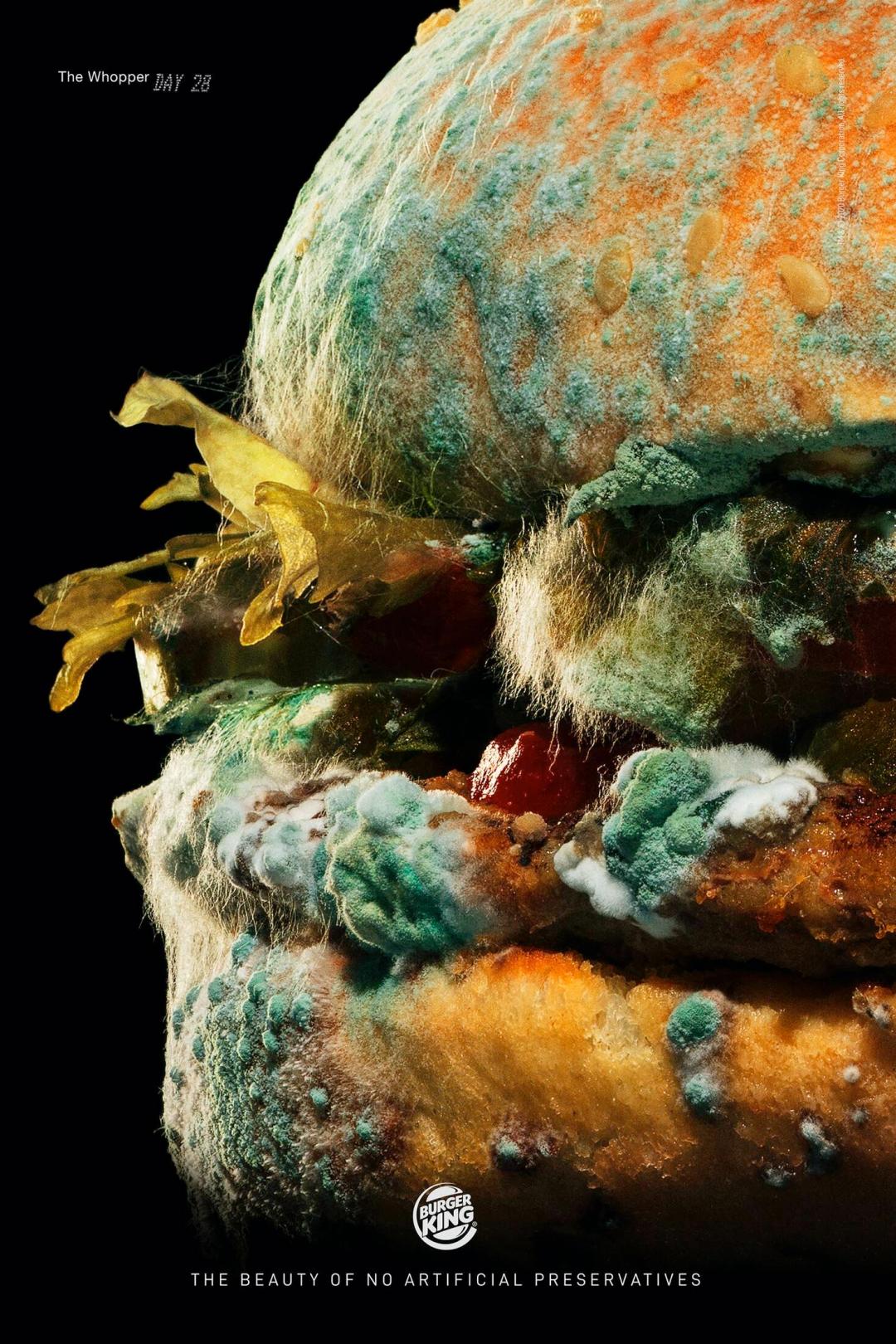
Core Viewpoint - The article discusses how companies can turn negative perceptions into marketing opportunities by adopting unconventional crisis management strategies, using examples from various fast-food brands to illustrate the effectiveness of transparency and humor in addressing consumer concerns [2][31][43]. Group 1: Case Studies of Successful Crisis Management - Burger King's 2020 advertisement featured a Whopper left to mold for 34 days, emphasizing the absence of preservatives and turning a negative into a positive by promoting natural ingredients [5][31]. - Domino's Pizza faced severe criticism for its poor quality, but instead of hiding, it acknowledged the issue in a documentary-style ad, leading to a turnaround in sales and brand perception [19][20]. - KFC's humorous "FCK" ad during a chicken supply crisis showcased the brand's willingness to admit fault, which resonated positively with consumers and mitigated the crisis [22][25]. - Taco Bell addressed accusations of using "fake beef" by transparently revealing its beef composition, which ultimately diffused the situation and improved public perception [28][30]. Group 2: The Importance of Narrative and Consumer Engagement - The article emphasizes the need for companies to reframe negative narratives into positive stories, creating a "narrative pivot" that allows for constructive public discourse [39][41]. - Companies that openly communicate their challenges and engage with consumers can foster a sense of trust and understanding, as seen in the examples of Starbucks and Nongfu Spring, which effectively managed their respective crises through clear explanations [36][38]. - The shift in consumer expectations towards transparency and authenticity presents an opportunity for brands to adopt a more educational approach in their communications, enhancing their connection with the audience [33][35].
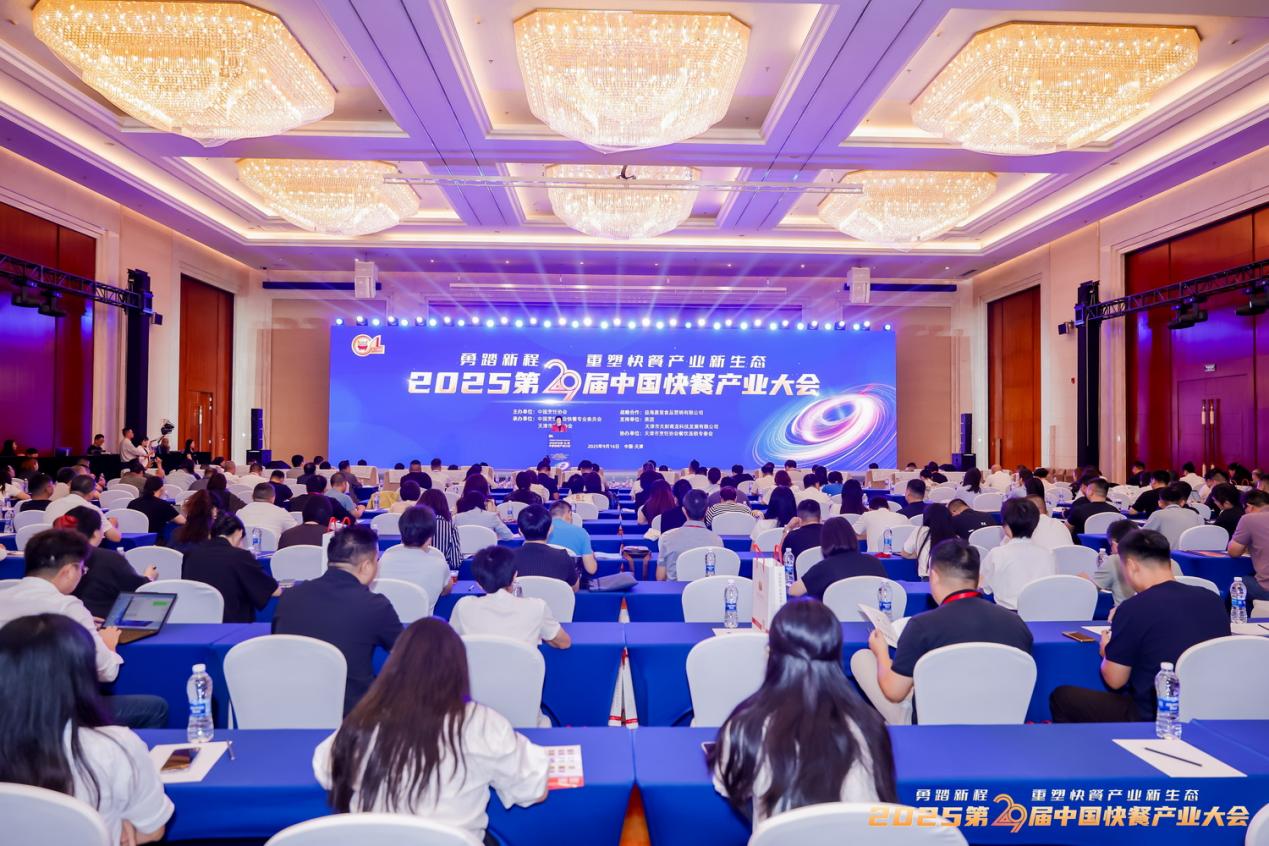
第29届中国快餐产业大会在天津召开 助推快餐产业构建新生态
Zhong Guo Jing Ji Wang· 2025-09-18 06:39
天津市商务局二级巡视员刘宏杰致辞表示,天津作为北方餐饮市场重要枢纽,近年来持续推动快餐 业标准化、品牌化建设,未来将进一步优化营商环境,为快餐企业在津发展提供政策支持与资源保障。 天津市烹饪协会会长朱宝钧分享了天津快餐产业发展成果,强调本地协会将继续发挥桥梁作用,推 动区域品牌与全国行业深度融合。 主题演讲环节围绕快餐业核心关注点展开,内容兼具实战指导性与未来前瞻性。上午板块聚焦产业 进化与市场洞察。分享现炒快餐规模化、区域品牌全国化等实操经验,深度解读快餐市场年度数据;剖 析行业规模、消费趋势及头部企业动态,帮助从业者把握市场现状;从资本视角解读快餐企业上市合规 性等关键问题,为有资本化规划的企业提供专业指导。 中国经济网9月18日讯(记者 李冬阳) 9月16日,第29届中国快餐产业大会在天津举办。作为国内快 餐产业年度盛会,大会由中国烹饪协会主办,中国烹饪协会快餐专业委员会与天津市烹饪协会联合承 办,汇聚了全国快餐领域企业家、专家学者及供应链代表,以"勇踏新程 重塑快餐产业新生态"为方 向,通过主题演讲、实战对话等形式,为产业破解发展难题、探索转型路径,注入高质量发展新动能。 中国烹饪协会会长杨柳致辞表示 ...
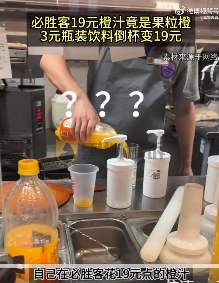
必胜客一杯橙汁卖19元实为果粒橙加冰,网友吐槽这钱太好赚
Xin Lang Ke Ji· 2025-09-18 06:25
Core Insights - The incident involves a customer at Pizza Hut who paid 19 yuan for a cup of orange juice, which was made by simply pouring a large bottle of orange juice into a glass [1][3] - The official Pizza Hut app lists the 280ml orange juice drink at a price of 19 yuan, with the main ingredient being Meizhiyuan orange juice [3] - A comparison shows that a 450ml bottle of the same orange juice is priced at only 3 yuan in the market, indicating a significant markup [3] Customer Reactions - Some customers expressed dissatisfaction, noting that the price of the drink is six times higher than the retail price, suggesting easy profit for the company [7] - Other customers defended the pricing, stating that the order page clearly indicates the actual ingredients, making the pricing reasonable [7]
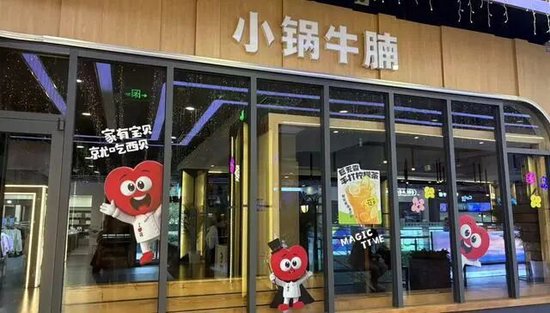
贾国龙推出的快餐子品牌都“凉”了
Xin Lang Cai Jing· 2025-09-18 02:38
Core Viewpoint - The recent controversy surrounding the well-known restaurant brand Xibei, triggered by a social media post from Luo Yonghao, has led to significant operational adjustments and the closure of several sub-brands, indicating challenges in the fast-food segment and a shift in strategic focus for the company [1][2]. Company Adjustments - Xibei announced it would complete nine adjustments by October 1, aiming to shift from centralized kitchen operations to on-site processing at stores [1]. - The sub-brand "Xibei Little Beef Braised Rice and Noodles," launched last year, has been closed, with remaining inventory being sold off [1][2]. - The founder, Jia Guolong, has faced setbacks with multiple fast-food sub-brands, including "Jia Guolong Chinese Burger," which was expected to open over 100 stores but was closed within a year [2][4]. Market Position and Competition - The fast-food market has seen rapid expansion from competitors like Tastin, which opened 3,772 new stores in 2023, contrasting with Xibei's struggles [2]. - Xibei's new brand "Jia Guolong Little Beef" is being developed from the former "Jia Guolong Chinese Burger" locations, with a goal of exceeding 100 stores [4]. Consumer Insights - The average price point for the new "Xibei Little Beef Braised Rice" is set at 35.9 yuan, significantly lower than the previous 80 yuan for "Jia Guolong Little Beef," indicating a strategic move to attract more price-sensitive consumers [5]. - Consumer feedback highlights concerns over pricing and portion sizes, with many feeling that even the reduced prices are still too high for the target demographic [5]. Industry Trends - The restaurant industry is experiencing low growth and intense competition, leading to a focus on cost-effective offerings, with over 60% of brands targeting a consumer spending range of 10-30 yuan [6]. - The trend of consolidating resources into main brands while eliminating underperforming sub-brands is becoming a common strategy in the industry, as seen with other companies like Jiumaojiu Group [7].