
餐饮连锁

Search documents
某餐饮品牌500万找产品营销策略伙伴
Xin Lang Cai Jing· 2026-01-07 10:06
Group 1 - The project background involves a well-known restaurant chain seeking to enhance consumer recognition of product quality and build brand assets by finding an annual marketing strategy service provider [1][5] - The core objective of the project is to develop an integrated marketing strategy focused on "product traceability," encompassing comprehensive planning from strategy to creative communication [2][6] Group 2 - Suppliers must possess core capabilities, including user insight and research ability to deeply explore target consumers' needs for product quality and the pathways to establish trust [3][6] - Brand strategy and core creative ability are required to distill easily communicable core messaging based on product concepts and to plan an information transmission system from technical strength to emotional trust [3][6] - The ability to plan full-link touchpoint experiences is essential, including content presentation and interaction forms for both online and offline key touchpoints [4][7] - Suppliers need to provide 1-2 creative concepts for annual major events that deeply integrate product traceability with consumer experience [4][7]
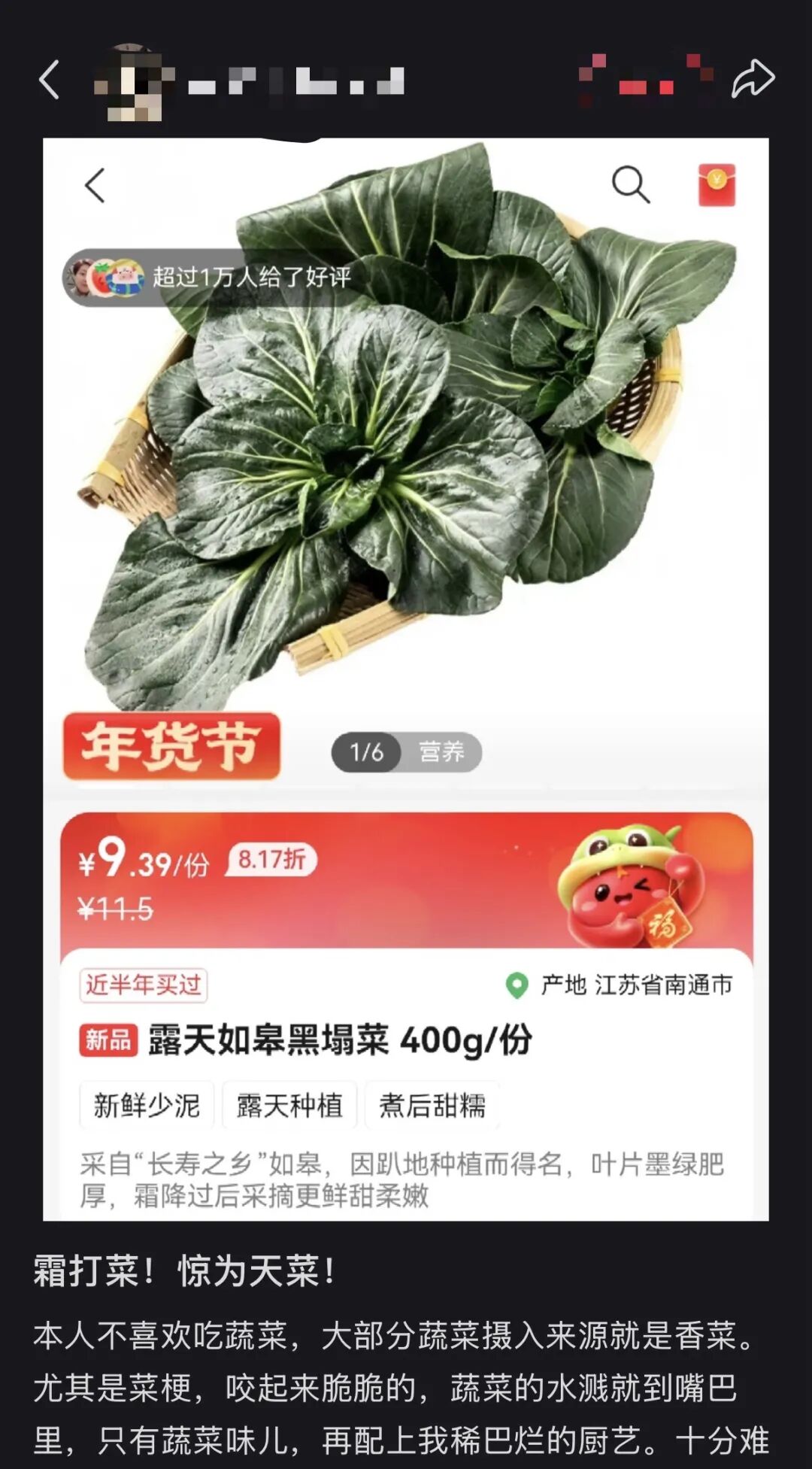
小时候不爱吃的丑菜,又在江浙沪火起来了?
3 6 Ke· 2026-01-07 09:35
Core Viewpoint - The rise in popularity of "Heitaicai" (black tatsoi) from Rugao, Jiangsu, has transformed it into a sought-after vegetable, with prices surpassing those of meat, driven by health trends and effective marketing strategies [4][6][8]. Group 1: Market Dynamics - In early December, local farmers in Rugao sold Heitaicai for 1.5 yuan per jin, with a total sale of 3,000 yuan [1]. - In Shanghai, Heitaicai is currently priced at 5 yuan per jin, down from 7-8 yuan last year, indicating a shift in market dynamics [1][3]. - The price of Heitaicai has reached 9.39 yuan for 400 grams during festive seasons, highlighting its premium status [3]. Group 2: Cultural Significance - Heitaicai is traditionally consumed in Jiangsu and has been associated with local customs and health benefits, often referred to as "longevity vegetable" [6][8]. - The vegetable's unique taste and texture, especially after frost, contribute to its cultural significance in winter meals [5][6]. - The popularity of Heitaicai has led to a resurgence in its consumption, with many people reminiscing about their childhood experiences with the vegetable [10][11]. Group 3: Agricultural Practices - Rugao has standardized the cultivation of Heitaicai, with 20,000 acres dedicated to its production, enhancing its status as a geographical indication product [8]. - The local soil, rich in selenium and minerals, is believed to contribute to the health benefits associated with Heitaicai [7]. Group 4: Marketing and Branding - The rise of Heitaicai can be attributed to effective branding and promotion by local businesses, such as He Fu Ramen, which has introduced the vegetable to a wider audience [8][10]. - Social media has played a significant role in popularizing Heitaicai, with many users sharing their experiences and recipes [6][8].

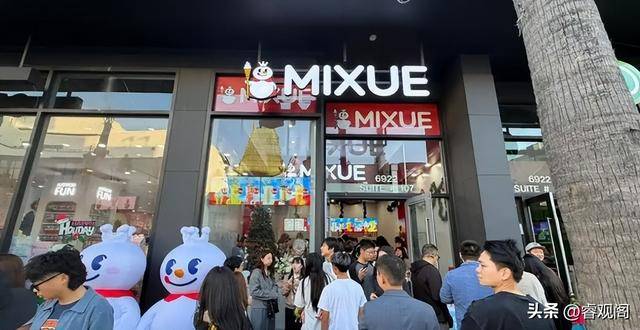
1.19美元横扫美国!蜜雪冰城洛杉矶“亮剑”,贾跃亭转型暗藏大棋
Sou Hu Cai Jing· 2026-01-06 22:38
Group 1: Core Insights - The opening of the first overseas store of Mixue Ice Cream in Hollywood, priced at $1.19, has attracted significant consumer interest, showcasing a successful business model [1][3] - Mixue Ice Cream's pricing strategy is significantly lower than local competitors, with prices ranging from $1.19 to $4.99, leveraging a robust supply chain in China to maintain low operational costs [3][5] - The company's profitability is primarily driven by the sale of standardized supplies to franchisees, accounting for over 70% of its profits, which allows for a low-price strategy to attract customers [5][7] Group 2: Supply Chain and Operational Strategy - Mixue Ice Cream has established approximately 4,700 stores across 13 countries, supported by its own factory in Henan, China, which enables cost-effective production of equipment and supplies [3][5] - The company employs a model of "low front-end pricing to drive traffic, while making profits from back-end supplies," which has been successfully replicated from its operations in China to the U.S. market [5][17] - Localized marketing strategies, such as "snow king street flash" and "theme song challenges," have helped Mixue quickly gain popularity in the U.S. [7] Group 3: Industry Comparisons - The strategic shift of Jia Yueting's Faraday Future from a fully American production model to a "Chinese components + American assembly" approach reflects a similar reliance on Chinese supply chains as seen with Mixue Ice Cream [9][17] - The automotive industry faces more complex engineering challenges compared to the standardized product offerings of Mixue Ice Cream, making it harder for Faraday Future to establish a competitive edge solely through assembly [24][26] - While both companies benefit from the advantages of the Chinese supply chain, the automotive sector's need for core technological advancements remains a significant barrier for long-term competitiveness [26]

小米称“200公里瞬间刹停”是驾驶感受并非广告语,把雷军语录当产品参数的粉丝失望了
Sou Hu Cai Jing· 2026-01-05 06:55
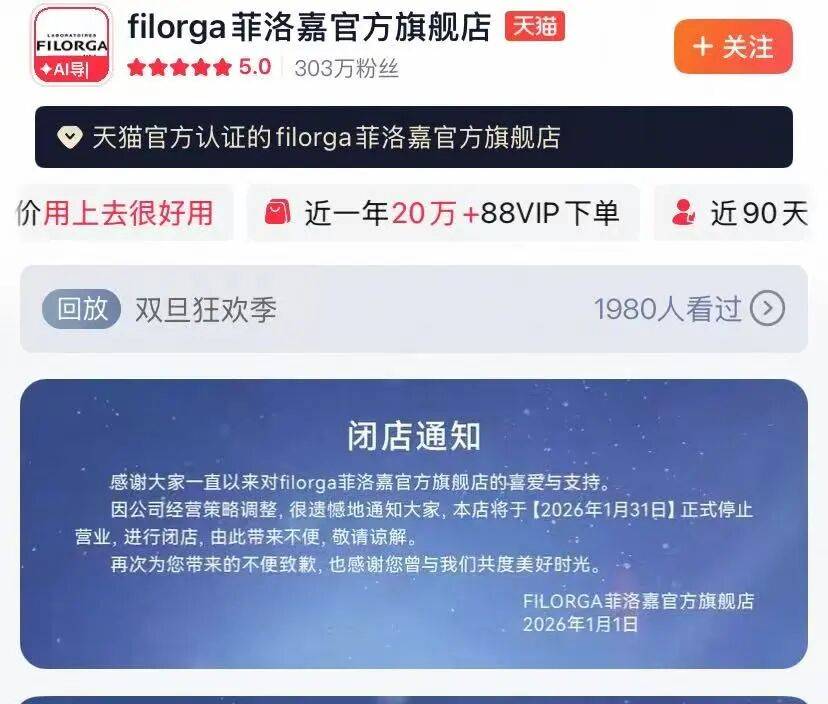
Group 1 - Burger King's online ordering system experienced a crash due to a surge in traffic, leading to user complaints about app malfunctions and service disruptions [1] - Burger King China issued apologies and announced plans to reopen the 2026 ambassador New Year's gift box for pre-order on Tmall [1] - A strategic partnership was formed between Burger King and CPE Yuanfeng to establish "Burger King China," granting exclusive rights for brand development in the Chinese market [2] Group 2 - The facial cleansing brand "Washing Bear" faced multiple store closures, with customers unable to access services or refunds, raising concerns about potential fraud [3][4] - The founder of Washing Bear expressed regret over regulatory shortcomings and clarified that the closures were due to individual stores violating agreements with headquarters [3] Group 3 - The French skincare brand Filorga announced the closure of its official flagship store, marking the second closure of its online channels within three years due to strategic business adjustments [4][6] Group 4 - Xiaomi reported over 410,000 vehicle deliveries in 2025 and clarified that statements regarding vehicle performance were misinterpreted and not official marketing claims [7][8] - The company emphasized the importance of clear communication and transparency in its marketing practices [8] Group 5 - Yushutech denied reports of applying for a "green channel" for its IPO, asserting that its listing process is proceeding normally and that it will take legal action against misleading reports [11][12] - The company showcased its humanoid robot H2, highlighting its capabilities in a recent video [12] Group 6 - Romashi initiated a "Rebirth Plan" for restructuring after facing significant challenges, including a product recall due to safety issues, and is seeking investment to restore its sales system [16][17] - The company had previously recalled 167,000 charging devices, which accounted for 34.1% of the total recalled units [17] Group 7 - Elon Musk announced a major update for the AI assistant Grok, which has gained over 30 million monthly active users and is now ranked highly in various app stores [18][19] - The update includes enhanced image processing capabilities, allowing users to create dynamic videos from old photos [19] Group 8 - During the New Year holiday, 142 million domestic trips were made in China, with total spending reaching approximately 847.89 billion yuan, indicating a strong recovery in the tourism sector [20] - The increase in travel was supported by a rise in consumer spending and interest in winter tourism activities [20] Group 9 - A ticketing error by Damai led to early sales of tickets for an event, prompting an apology and a commitment to refund affected customers [21][23] Group 10 - The Yangzhou iQIYI Park is set to open on February 8, 2026, featuring various interactive experiences and entertainment options [25][26]

餐饮企业出海:从“开门店”到“打系统战”
Jing Ji Guan Cha Wang· 2025-12-31 04:25
Core Viewpoint - Chinese restaurant chains are accelerating their overseas expansion, but the success of this endeavor heavily relies on the establishment of a suitable digital operation system for international markets [2] Group 1: Digital Operation Challenges - Companies face significant challenges in building a unified POS system, global supply chain data integration, and cross-border team collaboration management as they scale internationally [2] - The complexity of unifying the POS system includes compliance adaptation across regions, hardware and software compatibility, currency and payment integration, dynamic loading of multi-language UIs, and interconnectivity of membership systems [2] - The existing domestic digital operation systems are not directly transferable to overseas markets, necessitating a complete reconstruction of supply chain management, membership management, financial management, and employee management systems [2] Group 2: Supply Chain Management Issues - A recent incident in North America highlighted the inadequacies of the existing supply chain digital management system, which failed to account for local delivery cost variations, leading to delivery fees consuming 30% of revenue in remote areas [3][4] - The company has decided to invest several million yuan to reconstruct its supply chain digital management system, focusing on local demand analysis, multi-language interface adaptation, cross-border compliance reviews, and real-time logistics monitoring [5][6] - The restructuring aims to create a "central warehouse + third-party cooperation" model to reduce logistics costs and develop alternative suppliers to mitigate risks associated with supplier concentration [6] Group 3: Financial Management System Gaps - The absence of a global financial management system has created challenges in providing real-time cash balance and profitability data for overseas operations, hindering decision-making for business expansion [7][8] - Current financial management systems can only aggregate revenue data from three weeks prior, making it difficult to provide timely insights into overseas operations [8] - Many companies have faced issues with payment recognition and reconciliation due to the complexity of local payment channels, leading to inefficiencies in financial management [9] Group 4: Membership Management System Adaptation - Rising customer complaint rates in overseas markets indicate that the domestic membership marketing management system is not effectively adapted to local consumer behaviors [12] - Companies are exploring the need for a global membership marketing management system to address localization issues, data fragmentation, and the reliance on online marketing [13] - The development of such a system must comply with local data privacy regulations, such as the EU's General Data Protection Regulation [13]

2025,“中国风”的世界回响
Ren Min Wang· 2025-12-30 21:57
Group 1: Core Insights - In 2025, China's global image has significantly improved, with the country being perceived as "cool" and innovative, driven by technological advancements and cultural exports [15][19][22] - The emergence of Chinese brands like DeepSeek and the popularity of cultural IPs such as Nezha and Labubu highlight China's growing influence in technology and pop culture [16][20][21] Group 2: Technological Innovations - DeepSeek's R1 model, launched in January 2025, surpassed ChatGPT in downloads, achieving this with a training cost of only $294,000, showcasing China's competitive edge in AI technology [16] - China has entered the top ten most innovative economies globally, with the highest number of top innovation clusters for three consecutive years [16] Group 3: Cultural Influence - The animated film "Nezha: The Devil's Child" became one of the top five highest-grossing films globally, marking a significant achievement for Chinese animation [19] - Labubu, a toy character, has gained international popularity, with sales exceeding 10 million RMB on its opening day in Thailand, indicating the global reach of Chinese design [20] Group 4: Market Expansion - BYD captured 18% of the global electric vehicle market in Q2 2025, while Mixue Ice Cream became the largest fast-food chain globally with over 46,000 stores [20][21] - The expansion of brands like Bawang Tea and Meituan reflects China's growing presence in international markets, with plans for significant overseas store openings [21] Group 5: Global Perception - A historical shift in global public opinion occurred in April 2025, with more people believing China will positively impact world affairs compared to the U.S. [23][24] - China's net favorability score reached 8.8, surpassing the U.S. for the first time, indicating a significant change in global perceptions of China [24]





破发潮中的上市热:透视2025年港股IPO大盘点,数量狂欢与估值考验
Sou Hu Cai Jing· 2025-12-24 14:52
Group 1: Market Overview - The Hong Kong IPO market in 2025 experienced a record-breaking number of applications, with 269 companies submitting IPO requests, the highest for the same period in history [3] - A total of 99 companies successfully listed on the Hong Kong Stock Exchange, doubling the 50 companies from 2024, indicating a strong recovery from previous years [3] - The total amount raised through IPOs exceeded HKD 250 billion, nearly three times the total from 2024, positioning Hong Kong among the top three global IPO fundraising markets, following Nasdaq and the New York Stock Exchange [3] Group 2: Key Drivers - The "A+H" model was a central driver of the IPO frenzy, with 83 A-share companies initiating plans to list in Hong Kong, and 19 successfully completing dual listings, contributing significantly to the total fundraising [6] - Major companies involved included industry leaders like CATL, which raised approximately USD 5.2 billion, and innovative pharmaceutical firms like Hansoh Pharmaceutical [6] Group 3: Industry Distribution - The IPO market was predominantly driven by technology and healthcare sectors, with 108 technology companies (40.15%) and 49 healthcare companies (18.22%) among the applicants, together accounting for nearly 60% of the total [7] - Industrial and consumer sectors followed, with industrial companies at 13.75% and consumer discretionary companies at 13.01%, indicating a diverse range of sectors seeking capital [7] - The emergence of "specialized and innovative" companies was noted, driven by optimized listing rules from the Hong Kong Stock Exchange, attracting firms from cutting-edge fields like AI and biotechnology [7] Group 4: Market Dynamics - Despite the robust primary market, the secondary market exhibited a high rate of IPO failures, with 23.18% of new stocks experiencing a drop on their first day, increasing to around 35% within a month [8] - Notable cases included Hantang Aitai, which saw a 46.25% drop on its first day, highlighting the disparity between high valuations and uncertain business models [10] - The market is recalibrating its valuation system, favoring companies with core technologies and clear profit paths while being critical of those with unproven business models [10] Group 5: Role of Cornerstone Investors - Cornerstone investors played a crucial role in the IPO landscape, with an average subscription rate of 45.2%, significantly up from 33.2% in 2023, indicating a strong commitment from long-term capital [12] - The participation of international capital sources, including top asset management firms and sovereign funds from the Middle East and Southeast Asia, diversified the capital support network for IPOs [12] - Investment strategies among long-term capital showed clear differentiation, with a preference for companies with high technological barriers while being cautious with traditional or overvalued business models [12] Group 6: Future Trends - The outlook for 2026 suggests a balanced focus on both quantity and quality in the IPO market, with 314 applications currently under review, ensuring a steady flow of listings [14] - Increased market differentiation is expected, with superior companies likely to receive liquidity premiums while mediocre firms may face challenges [14] - A more rational valuation system is anticipated as issuers and investment banks become more cautious in pricing, potentially alleviating the phenomenon of valuation discrepancies between primary and secondary markets [14] - Continued policy support from the China Securities Regulatory Commission for overseas listings and ongoing improvements to the listing system by the Hong Kong Stock Exchange are expected to facilitate future IPO activities [14]



2025年中国餐饮连锁行业市场研究报告
硕远咨询· 2025-12-23 14:08
Investment Rating - The report does not explicitly provide an investment rating for the Chinese restaurant chain industry Core Insights - The Chinese restaurant chain industry is experiencing rapid growth, with the market expected to exceed 1 trillion RMB by 2024, driven by consumer demand for quality and convenience [20][21] - The industry is characterized by a diverse range of business formats, including fast food, casual dining, coffee shops, and tea houses, each catering to different consumer preferences [9][10] - Digital transformation and innovation in service delivery are key trends, with companies adopting technologies like smart ordering and online-to-offline (O2O) models to enhance customer experience [8][14] Summary by Sections 1. Industry Overview - Restaurant chains are defined as businesses operating multiple outlets under a unified brand, emphasizing standardized management and quality [4] - The industry has evolved from a focus on fast food in the 1980s to a more diversified market with various dining formats [12][14] - Major brands include McDonald's, KFC, Haidilao, and Starbucks, reflecting a mix of local and international influences [10][11] 2. Market Environment Analysis - The macroeconomic environment supports the restaurant chain industry, with rising disposable incomes and urbanization driving demand [26] - The supply chain, including food sourcing and logistics, plays a crucial role in operational efficiency [27][28] - Regulatory frameworks are increasingly focused on food safety and environmental sustainability, impacting operational practices [31] 3. Market Size and Development Trends - The market is projected to grow at a compound annual growth rate (CAGR) of around 10%, with fast food and tea segments leading the growth [20][21] - Online sales channels are rapidly expanding, particularly in delivery services, which are becoming essential for consumer engagement [39] - Future trends indicate a shift towards more personalized and health-conscious dining options, driven by changing consumer preferences [42] 4. Competitive Landscape Analysis - Leading companies like Haidilao and Starbucks dominate the market, leveraging strong brand recognition and supply chain efficiencies [43][44] - Smaller brands are competing through niche offerings and localized strategies, often focusing on innovation and customer engagement [46] - Foreign brands maintain a significant presence but face increasing competition from domestic players [47] 5. Consumer Behavior and Demand Analysis - The consumer base is diverse, with younger demographics showing a preference for quality and unique dining experiences [55] - Health consciousness is rising, leading to increased demand for nutritious and environmentally friendly food options [62][63] - Price sensitivity remains a critical factor, particularly among lower-income consumers, influencing purchasing decisions [65] 6. Technological Innovation and Digital Transformation - Digital technologies are being widely adopted for operational management, enhancing efficiency and customer interaction [67][68] - Emerging technologies like AI and IoT are transforming the industry, promoting automation and improved service delivery [69] - Challenges related to data security and system reliability are significant concerns as companies increase their reliance on technology [70] 7. Future Opportunities and Risks - Opportunities for growth are abundant, driven by rising consumer incomes, technological advancements, and supportive government policies [72] - Key risks include intensified competition, fluctuating raw material prices, and regulatory changes that could impact operational costs [74]
「IPO加速营」上海开营首秀,全景拆解企业境外上市“深水区”
3 6 Ke· 2025-12-22 09:32
Core Insights - The global capital market is experiencing a subtle shift, with Hong Kong stocks seeing a 700% year-on-year increase in fundraising, signaling a return to a bull market, while Chinese companies are finding renewed opportunities for overseas listings as the approval process for U.S. and Hong Kong-listed Chinese stocks normalizes [1] - However, challenges remain for companies looking to list abroad, including regulatory complexities and compliance issues related to red-chip structures and data export [1] Group 1: Event Overview - The "IPO Acceleration Camp" was launched on December 17 in Shanghai, initiated by major institutions including Zhonglun Law Firm and 36Kr, aimed at providing a comprehensive platform for Chinese companies seeking to navigate overseas capital markets [1][4] - The event featured nearly 100 participants, including founders, CFOs, and investment institutions, and included discussions on practical case studies to create a valuable "practical guide" for companies planning to go public in 2026 [1][4] Group 2: Key Themes and Discussions - Eric Zhang, CEO of Zhi Yi Capital, highlighted three main pain points driving companies to seek overseas listings: the urgency to relieve contractual obligations, the need for financing leverage amid growth, and deeper internationalization demands [4] - The SPAC market is returning to rationality in 2025, providing a more certain path for companies to go public, especially as NASDAQ has raised the minimum fundraising threshold for IPOs, making it difficult for smaller companies to enter the market [7][9] Group 3: Regulatory Insights - Legal experts discussed the importance of red-chip structures for overseas listings, emphasizing the flexibility of Cayman Islands companies in navigating regulatory requirements and facilitating dual listings [11] - The latest developments in Hong Kong's IPO process were shared, including the stringent requirements for biotech companies and the importance of having a "veteran investor" endorsement for certain listings [13][14] Group 4: Financial and Compliance Considerations - Discussions included the significance of financial compliance, particularly for platform companies, and the need to address historical issues such as social security contributions before going public [28] - The importance of data compliance was underscored, with experts warning that data compliance is no longer optional but a necessity for companies, especially those with significant consumer data [34][36] Group 5: Strategic Recommendations - Experts advised companies to start their IPO preparations as early as possible, emphasizing that the process is more about strategic planning than merely waiting for favorable market conditions [32][34] - Local government support for companies seeking to list abroad was highlighted, showcasing initiatives to facilitate the listing process and provide financial backing [30]

黔籍企业家共享海南自贸港封关新机遇
Xin Lang Cai Jing· 2025-12-20 23:10
Group 1 - The opening of the "Qianwei Ju" restaurant in Haikou marks a significant investment opportunity driven by Hainan's geographical and policy advantages, with plans for rapid expansion in the region [1] - Hainan's free trade port will enhance the cultural and tourism market, attracting more domestic and international partners, as highlighted by the growth of Hainan Zhongshi Group, which has become a leading private enterprise in the region [2] - The zero-tariff policy post-free trade port closure will expand to approximately 6,600 tax items, significantly reducing costs for companies like Zhongshi Culture, which will benefit from substantial savings on equipment and IP procurement [2] Group 2 - The collaboration between Guizhou and Hainan has led to mutual benefits through policy coordination and cultural integration, creating new development opportunities for both regions [1][4] - The investment in the Hainan Zhongshun Technology Headquarters Economic Industrial Park, with a total planned investment of 360 million yuan, aims to support key industry development in Hainan [5] - The establishment of a new processing plant by Hainan Wensheng Zirconium Titanium is expected to increase its annual production capacity to 1.5 million tons, enhancing its position as a leading supplier in the industry [7] Group 3 - The import of raw materials for companies like Hainan Wensheng Zirconium Titanium will benefit from the zero-tariff policy, potentially saving significant amounts in tax, which can enhance production cost efficiency [8] - The focus on high-end manufacturing and value-added processing in Hainan is expected to attract more industries, supported by favorable policies that encourage technological advancements [7] - The strategic positioning of Hainan as a bridge between China and the world is seen as a critical factor for future investment and collaboration opportunities between Guizhou and Hainan [6]