
锂电

Search documents
时隔两年,碳酸锂重返15万元
高工锂电· 2026-01-12 12:23
Core Viewpoint - The article discusses the impact of the export tax rebate policy on the lithium battery industry chain, highlighting a profit redistribution within the sector as a result of changing market dynamics and regulatory adjustments [2][6][21]. Group 1: Market Reactions - On January 12, carbon lithium futures surged to a limit up, reaching 156,060 yuan per ton, marking a return to the 150,000 yuan threshold after two years [3]. - The spot market also saw increases, with battery-grade lithium carbonate averaging around 152,000 yuan per ton, and industrial-grade at approximately 149,000 yuan per ton, both up by over 10,000 yuan from the previous trading day [3]. - In the Hong Kong stock market, lithium battery stocks showed mixed reactions, with companies like CATL and China Graphite experiencing declines, while Tianqi Lithium and Ganfeng Lithium saw gains [4]. Group 2: Policy Implications - The Ministry of Finance and the State Taxation Administration announced the cancellation of VAT export rebates for certain lithium battery materials starting April 1, 2026, and a reduction in the rebate rate for battery products from 9% to 6% during 2026 [8]. - This policy is seen as a clear timeline that the market interprets in two ways: a short-term window for preemptive orders and production, and a long-term impact on profit margins for battery exports [9]. Group 3: Profit Redistribution - The article notes a divergence in stock performance, with battery manufacturing viewed as facing cost pressures while lithium resource companies are seen as benefiting from demand resilience [10]. - The adjustment in export tax is perceived not just as a financial change but as a corrective signal against external trade friction and internal price competition [11][12]. - The market is increasingly viewing this policy as a potential shift in pricing strategies rather than a minor financial adjustment [12]. Group 4: Market Dynamics - The article emphasizes that the recent price surge in lithium carbonate has been building over the past month, with prices consistently breaking through key thresholds [13]. - The psychological and strategic significance of these price levels is highlighted, as they attract more capital into the market [14]. - There is a noted discrepancy in market sentiment regarding whether the price increase is driven by genuine demand or speculative funding, with a significant portion of the capital in the futures market being speculative [17]. Group 5: Regulatory Environment - The article mentions that regulatory actions have been implemented to temper trading enthusiasm, including increasing minimum order sizes and setting daily trading limits [19][20]. - The export tax policy provides a narrative that the market can engage with, focusing on the timing and profit redistribution within the lithium supply chain [21].


出口退税下的锂电企业“众生相”
高工锂电· 2026-01-12 12:23
Core Viewpoint - The recent adjustment of export tax rebate policies for battery products is expected to significantly impact the lithium battery industry, leading to a surge in production and export activities as companies rush to meet demand before the tax rates decrease [2][3]. Group 1: Industry Response - Upstream companies, particularly leading cathode material manufacturers, are experiencing heightened demand, with some reporting order volumes doubling as they expedite production and delivery schedules [2]. - The adjustment has triggered a "rush to export" among mid and downstream lithium battery companies, aiming to mitigate the impact of reduced tax rebates set to take effect in April 2026 [2][3]. Group 2: Differentiation Among Companies - The policy change is creating a stark divide between leading firms and smaller enterprises, with larger companies benefiting from scale, technological advantages, and global presence, while smaller firms face significant challenges due to their reliance on low-cost competition [3][5]. - Leading battery manufacturers, such as CATL, are showing strong overseas performance, with significant revenue from international markets, while smaller firms struggle with higher costs and lower margins [4][5]. Group 3: Impact on Different Segments - The upstream resource sector is expected to benefit in the short term from increased demand due to the rush to export, while long-term demand for lithium resources remains robust despite short-term price fluctuations [6]. - The midstream materials sector is experiencing a dual pressure of increased orders from downstream but also rising raw material costs, leading to a complex profit landscape [6]. - The downstream battery manufacturing sector is facing significant cost increases due to the reduction in export tax rebates, particularly affecting consumer electronics battery companies with thin margins [7]. Group 4: Policy Background and Logic - The adjustment of export tax rebates is part of a broader strategy to transition the lithium battery industry from subsidy dependence to market-driven competition, reflecting the industry's maturity and global leadership [8]. - The policy aims to alleviate overcapacity and homogenization issues within the industry, as the average profit margin across the lithium battery supply chain has dropped to 3.64% [8]. - The move also seeks to balance international trade relations and optimize fiscal resource allocation, reducing reliance on subsidies while focusing on high-end manufacturing and emerging technologies [8]. Group 5: Future Outlook - The industry is likely to experience a short-term surge in exports alongside a long-term shift towards high-quality development, with companies needing to focus on technological innovation and cost control to navigate the post-rebate landscape [9]. - Firms are encouraged to leverage the current buffer period to enhance their technological capabilities and optimize customer structures to ensure sustainable growth after the tax rebate adjustments [9].

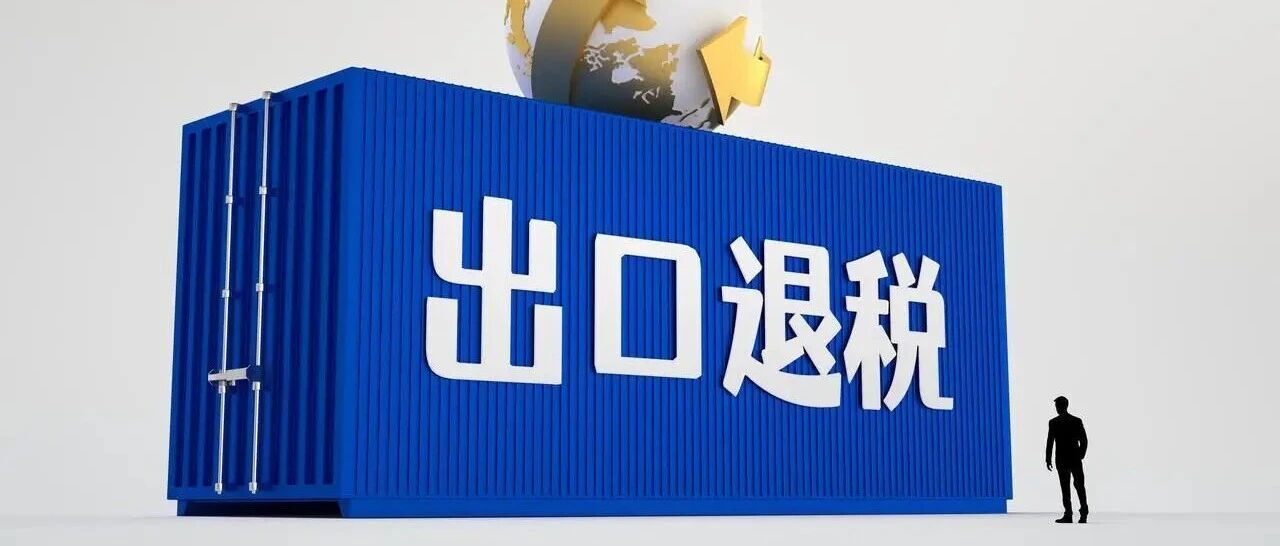
一文梳理 | 出口退税政策调整,如何影响光伏、碳酸锂、PVC!
对冲研投· 2026-01-12 08:52
以下文章来源于一德菁英汇 ,作者一德菁菁 一德菁英汇 . 期货交易者的紧密合作伙伴! 文 | 一德菁菁 来源 | 一德菁英汇 编辑 | 杨兰 审核 | 浦电路交易员 要点速览版: 光伏:短期抢出口,长期促出清 长期:压缩电池企业的出口利润,但中国电池在全球市场仍具备较强竞争力,且对上游原料价格的长期影响有限。 PVC:强化出口导向与价格支撑 短期:目前盘面反应偏积极,政策抬升了价格重心; 中长期:政策被产业普遍解读为利好,成本顺势转嫁,加速国内高成本产能退出,优化供给格局。 近日,财政部、税务总局联合发布《关于调整光伏等产品出口退税政策的公告》。结合本次公告内容,我们来谈谈对期货的影响。 光伏 根据财政部、税务总局公告,自2026年4月1日起,取消光伏产品增值税出口退税,清单中包含硅片、电池片及组件。 短期:预计在2026年一季度引发抢出口,可能支撑组件、电池片等下游环节的价格,并减缓其减产计划; 长期:增加企业出口成本,有利于加速落后产能出清,促进行业整合。 锂电:分步取消,影响相对温和 短期:2026年二季度前存抢出口预期,对上游原料需求形成一定短期利好,但力度可能弱于光伏; 近几年PVC出口占比逐年提升 ...

碳酸锂强势突破15万!锂矿股集体走强,升势能否持续?
Ge Long Hui· 2026-01-12 08:39
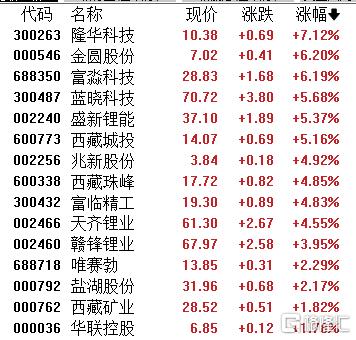
Core Viewpoint - The recent rebound in lithium carbonate prices is driven by favorable supply-demand fundamentals and supportive industry policies [5]. Price Movement - On January 12, lithium carbonate futures surged by 9%, closing at 156,060 CNY/ton, marking the first time in two years that prices have exceeded 150,000 CNY/ton [2]. - The average price of battery-grade lithium carbonate reached 152,463 CNY/ton, up 29.8% from 117,373 CNY/ton at the end of 2025 [3]. Demand Factors - The global electric vehicle market continues to thrive, with a 22% year-on-year increase in sales from January to November 2025, leading to a 32% rise in battery installation capacity to approximately 975.3 GWh [7]. - The demand from energy storage and other downstream sectors has exceeded expectations, effectively reducing inventory levels in the industry [7]. Supply Factors - The "anti-involution" process in the industry is accelerating, with a recent meeting involving major companies like CATL and BYD aimed at regulating competition [7]. - A new policy announced on January 9 will gradually eliminate the VAT export rebate for battery products starting in April 2026, which is expected to support production and prices in the first quarter of 2026 [7]. Company Performance - Lithium mining companies are experiencing significant profit growth due to the rebound in lithium carbonate prices. For instance, Salt Lake Potash expects a net profit of 8.29 to 8.89 billion CNY for 2025, a year-on-year increase of 77.78% to 90.65% [9]. - Huayou Cobalt anticipates a net profit of 5.85 to 6.45 billion CNY for the full year of 2025, reflecting a year-on-year growth of 40.80% to 55.24% [9]. Future Outlook - According to CITIC Securities, the overall supply-demand structure in the lithium battery industry is expected to improve further in 2026, driven by increased electric vehicle penetration and enhanced energy storage economics [10]. - The report suggests that the investment opportunities in the lithium battery sector should focus on leading companies across various segments and solid-state batteries [10].
碳酸锂行情“V型反转”2026年能否继续“狂飙”?
Zhong Guo Jing Ying Bao· 2026-01-12 08:13
Group 1: Market Trends - The lithium carbonate market is expected to experience a rebound in 2025, with prices initially fluctuating around 75,200 CNY/ton and dropping to a low of 59,000 CNY/ton by June, before surging to over 130,000 CNY/ton by December, marking an increase of over 120% from the low [1][2] - The price trajectory of lithium carbonate in 2025 is characterized by a typical V-shaped curve, with a significant drop in early months followed by a strong recovery in the latter half of the year [1][2] - By December 2025, the price of lithium carbonate futures reached 134,500 CNY/ton, despite a slight pullback afterward, indicating a robust market recovery [2] Group 2: Industry Dynamics - The demand for lithium carbonate is supported by the growth in the energy storage market and the increasing orders from battery manufacturers, which have led to a reduction in market inventory [3][4] - The new energy storage capacity in China has exceeded 100 million kilowatts, representing a growth of over 30 times compared to the end of the 13th Five-Year Plan, accounting for over 40% of the global total [4] - The performance of lithium battery companies has improved significantly, with companies like Tianqi Lithium and Ganfeng Lithium seeing stock price increases of over 160% and 173% respectively from their lows in 2025 [3] Group 3: Future Outlook - The lithium market is expected to face uncertainties in 2026, with potential price fluctuations influenced by supply and demand dynamics, as well as the impact of futures trading [6][7] - The global demand for lithium is projected to reach 2 million tons of lithium carbonate equivalent by 2026, driven by the growth in electric vehicles and energy storage sectors [7] - The development of alternative technologies, such as sodium batteries, may introduce new variables into the market, potentially exerting downward pressure on lithium carbonate prices [9]



碳酸锂行情日报:强预期再加杠杆,三分钟打卡下班
鑫椤锂电· 2026-01-12 07:51
Market Overview - The lithium carbonate market is experiencing a surge due to expectations of increased exports of lithium batteries. On January 12, the spot settlement price for battery-grade lithium carbonate (99.5%) reached 152,000 CNY per ton, an increase of 10,000 CNY from the previous working day. The price for battery-grade lithium hydroxide (56.5% coarse particles) also rose by 10,000 CNY to 120,000 CNY per ton [1][2] - Futures trading saw a significant rise, with the main contract closing at 156,060 CNY per ton, up 12,880 CNY from the previous day, while open interest continued to decline [1] Price Trends - The ICC lithium battery settlement prices on January 9 and January 12 showed notable increases across various lithium products: - Lithium concentrate rose from 1,920 CNY to 2,040 CNY, a 120 CNY increase - Battery-grade lithium carbonate increased from 14.2 CNY to 15.2 CNY, a rise of 1 CNY - Lithium hydroxide went from 12 CNY to 13 CNY, also up by 1 CNY - Lithium iron phosphate increased from 5.08 CNY to 5.24 CNY, a 0.16 CNY increase - Three-element materials remained stable at 18 CNY [2] Industry Sentiment - Recent discussions in the market were focused on the potential for lithium carbonate prices to rise significantly. Following the announcement of a reduction in export tax rebates for lithium batteries, market expectations have shifted positively. Approximately 50% of surveyed companies believe that lithium carbonate prices could reach 200,000 CNY by April 1, while 30% anticipate prices could hit 250,000 CNY, with a small fraction expecting prices to exceed 300,000 CNY [6][10] Regulatory Changes - The Ministry of Finance and the State Administration of Taxation announced a reduction in the export tax rebate rate for battery products from 9% to 6% starting April 1, 2026, and a complete cancellation of the VAT export rebate for battery products from January 1, 2027. This change is expected to increase export costs, impacting market dynamics [9][10] Supply Chain Developments - The first shipment of lithium concentrate (approximately 30,000 tons) from Hainan Mining arrived at Yangpu Port on January 9, indicating ongoing supply chain activities in the lithium sector [9] - Xingfa Group plans to produce and sell 70,000 tons of lithium iron phosphate in 2026, primarily supplying BYD, reflecting the growing demand for lithium battery materials [9]
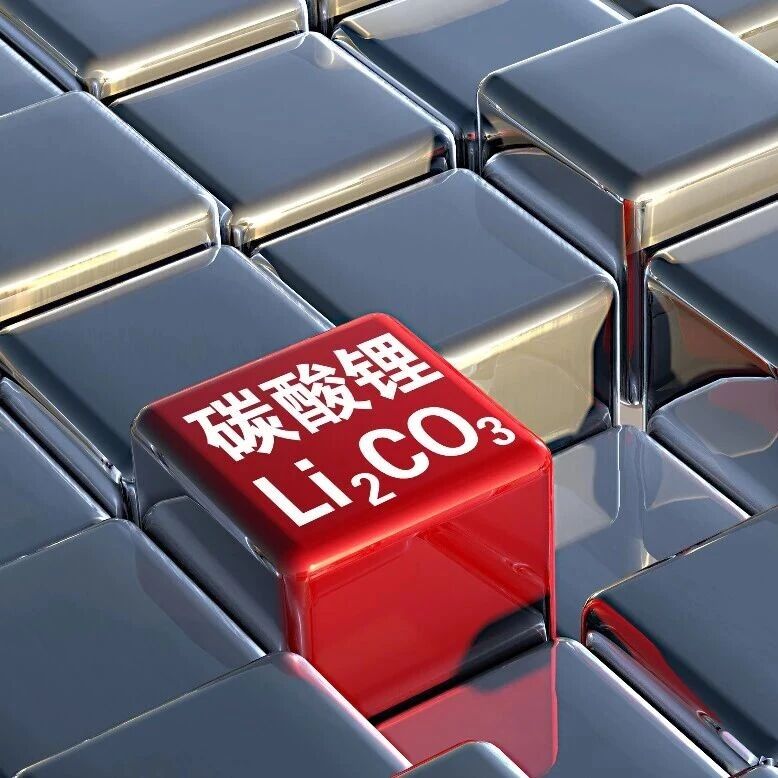
黄金广告位招商!鑫椤资讯2026全球锂电产业链分布图
鑫椤锂电· 2026-01-12 07:37
Group 1 - The core viewpoint of the article emphasizes the creation and significance of the lithium battery industry chain distribution map, which has become a sought-after resource in the industry since its launch in 2022, reflecting its unique value and far-reaching impact [1] - The distribution map provides a comprehensive overview of the global lithium battery industry, detailing the entire ecosystem from raw materials to end applications, including key companies involved in lithium carbonate, lithium iron phosphate, and other essential materials [2] - It highlights the importance of battery components such as separators and electrolytes, which are crucial for the safe and efficient operation of batteries [3] Group 2 - The distribution map covers various types of lithium-ion battery manufacturing, including cylindrical, prismatic, and pouch cells, showcasing the diversity in battery design and production [4] - It includes a section on battery recycling and reuse, emphasizing the role of whitelist companies in this area, as well as the broad applications of lithium battery technology in electric vehicles, energy storage systems, and consumer electronics [5] - Geographically, the distribution map encompasses major lithium battery industry hubs, including China, North America, Europe, Japan, and Southeast Asia, indicating the global nature of the industry [6] Group 3 - The target audience for the distribution map includes global venture capital funds, private equity funds, and industry investment funds, particularly those focused on new energy and new materials [8] - The article invites participation from upstream and downstream companies in the lithium battery industry chain, including raw material suppliers, manufacturers, and electric vehicle producers, to collaboratively build an industry ecosystem [8] - It also encourages collaboration with research institutions, universities, government agencies, and industry associations to promote policy implementation and optimize the development environment for the lithium battery industry [8] Group 4 - The article extends an invitation for sponsorship opportunities related to the distribution map, offering branding and advertising placements for interested companies [10]
全线涨停!碳酸锂期货主力合约重回15万
Sou Hu Cai Jing· 2026-01-12 07:26
Core Viewpoint - The price of lithium carbonate futures has surged past 150,000 yuan per ton, indicating strong market demand and potential investment opportunities in the lithium sector [1][2]. Group 1: Market Performance - As of January 12, all lithium carbonate futures contracts were locked, with the main contract 2605 rising by 9% to 156,100 yuan per ton [2]. - The current market price for battery-grade lithium carbonate ranges from 141,500 to 154,800 yuan per ton, reflecting an increase of 8,550 yuan compared to the previous trading day [3]. Group 2: Policy Impact - The Ministry of Finance and the State Administration of Taxation announced a reduction in the export tax rebate rate for battery products from 9% to 6% starting April 1, 2026, with a complete cancellation of the rebate from January 1, 2027 [3]. - This policy may influence the export rhythm of downstream battery companies, potentially leading to a "rush to export" behavior before the tax rate adjustment [5]. Group 3: Historical Context - The lithium battery industry has experienced two significant price fluctuation cycles since 2010, with lithium carbonate prices peaking at 180,000 yuan per ton in 2019 before dropping to 48,000 yuan per ton by the end of that year [6][7]. - The second wave of price fluctuations began in 2020, with prices reaching nearly 600,000 yuan per ton in 2022 due to high demand and profit margins, followed by a sharp decline to around 60,000 yuan per ton amid oversupply [7]. Group 4: Supply and Demand Dynamics - Since mid-September 2025, lithium carbonate prices have nearly doubled, driven by multiple factors including regulatory signals and production issues in key mining regions [8][9]. - The demand for lithium carbonate has exceeded expectations, particularly in the traditional peak seasons, with significant growth in the energy storage sector [9][10]. - Recent increases in operating rates among phosphate lithium enterprises have further boosted demand, leading to a temporary supply shortage and ongoing inventory depletion [10]. Group 5: Future Outlook - The market is expected to face fluctuations due to simultaneous upstream maintenance and the traditional off-peak season from late January to February [10]. - The adjustment of the export tax policy may add uncertainty to short-term demand patterns, with potential for continued inventory reduction during the traditional off-peak period [10].
周报 | 动力电池需求小幅下降
数说新能源· 2026-01-12 06:13
Battery - Demand for passenger vehicle batteries has slowed down this week, while orders for energy storage and commercial vehicles are relatively saturated, leading to stable production for companies with a high proportion of energy storage business and a noticeable decline for those focused on power batteries. Overall, market supply is expected to decrease slightly, with an anticipated reduction of less than 5% [1] New Energy Vehicles - After the holiday, the consumer market for new energy vehicles remains in a wait-and-see state, with companies continuing to implement price cuts and various financial policy subsidies, entering a phase of reduced competition. Prices for motors, batteries, and chips have increased, making it difficult for car manufacturers. According to the Passenger Car Association, the cumulative retail sales of passenger cars nationwide reached 23.779 million units, a year-on-year increase of 4%; cumulative retail sales of new energy vehicles reached 12.859 million units, a year-on-year increase of 18%; the cumulative penetration rate of new energy vehicles is 54.08% [2] - By 2025, CATL plans to establish 1,020 "Chocolate" battery swap stations and 305 "Qiji" swap stations; the goal for 2026 is to have a total of 3,000 "Chocolate" swap stations and 900 "Qiji" swap stations [2] CATL - The growth of the energy storage market is outpacing that of the power battery market [10]

锂电池出口退税调整对碳酸锂品种的影响
Hua Tai Qi Huo· 2026-01-12 05:37
锂电池出口退税调整对碳酸锂品种的影响 研究院 新能源&有色组 研究员 期货研究报告|新能源专题报告 2026-01-12 陈思捷 师橙 021-60828513 shicheng@htfc.com 从业资格号:F3046665 投资咨询号:Z0014806 封帆 投资咨询号:Z0014660 从业资格号:F03149704 投资咨询业务资格: 证监许可【2011】1289 号 报告摘要 2026 年 1 月 8 日,国家财政部和税务总局公布了《财政部 税务总局关于调整光伏等产 品出口退税政策的公告》,其中提到自 2026 年 4 月 1 日起至 2026 年 12 月 31 日,将电 池产品的增值税出口退税率由 9%下调至 6%;2027 年 1 月 1 日起,取消电池产品增值 税出口退税。该政策是针对新能源行业"反内卷"的最新要求,再次强调了国家对锂电行 业未来发展的重视程度。本次分析将就退税调整政策及"反内卷"对锂电行业及碳酸锂品 种的影响进行探讨。 2025 年以后,我国锂电行业进入新的阶段,一方面国内企业市场占比不断提升,技术方 面全球领先,但另一方面国内企业竞争白热化,利润率不足,因此为了行业的长期 ...