农产品贸易

Search documents
外媒:进口农产品,中国选择很多
Huan Qiu Shi Bao· 2025-05-14 22:43
Group 1 - The core point of the article is the reduction of tariffs on agricultural products between the US and China, with the US lowering tariffs on Chinese imports from 145% to 30% and China reducing tariffs on US imports from 125% to 10% [1] - Brazil is expected to benefit from the tariff changes, as it is the largest soybean supplier to China, and its exports are not subject to the same tariffs as US products [1][3] - The US soybean market has been significantly impacted by the trade war, with over half of US soybean exports going to China in recent years, but the tariffs have created opportunities for Brazilian farmers [3] Group 2 - During the tariff suspension period, US pork exports to China still face a minimum tariff of 57%, which could affect export volumes during the critical harvest season for US soybeans and corn [4] - Australia has seen a record increase in beef exports to China, while US beef exports have stagnated, with Chinese importers recently canceling orders [4] - China has increased its imports of feedlot beef from Australia, with approximately 42,000 tons imported this year, marking a 36% increase compared to the same period last year [4]



货物贸易规模增加,新兴产业共同发展,中拉经贸合作开拓新领域
Huan Qiu Shi Bao· 2025-05-14 22:43
路透社等媒体称,中国是拉丁美洲仅次于美国的第二大贸易伙伴,拉丁美洲是中国在亚洲以外最大的对外投资目的地。去年,中拉贸易总额首次 超过5000亿美元。 在12日举办的"中国-巴西商业研讨会"上,巴西总统卢拉与美团创始人、CEO王兴会面,并见证签署投资协议。美团将在未来几个月内,正式将其 旗下外卖服务Keeta引入巴西,并计划5年内在巴西投入10亿美元支持该项目发展。根据投资协议,Keeta进入巴西后,将在当地建设全国性即时配 送网络,同时,也会为当地合作伙伴提供综合服务、营销工具和数字化运营工具,支持当地餐饮商户的业务。 巴西UOL新闻网13日报道称,美团的进入将开启巴西外卖市场的新篇章,外卖行业将在经历疫情造成的衰退和客流量下降后迎来转折点。巴西食 品服务研究所称,2024年外卖用户数量下降了3%,目前行业的增长完全依赖食品价格上涨来维持。美团等巨头的到来被视为一种"颠覆性"因素, 能够重新引发竞争。有了新的理念,iFood、Rappi和99 Food等现有外卖平台将更加注重盈利能力、多样化和差异化。 此外,蜜雪冰城将在巴西投资32亿雷亚尔(约41.1亿元人民币)用于建厂、拓展门店。长城汽车、广汽集团等也计划 ...
21全球观察丨卢拉第六次访华:从农业到AI中巴签署20份合作文件,中巴声明“共同维护多边主义”
2 1 Shi Ji Jing Ji Bao Dao· 2025-05-14 13:24
21世纪经济报道记者舒晓婷 北京报道 不到一年时间,中巴两国元首再次会晤,开启各领域合作新篇章。5月10日晚间,巴西总统卢拉抵达北 京,开启为期五天的对华国事访问。 据新华社报道,5月13日下午,中巴两国元首在北京人民大会堂举行会谈。会谈后,中巴两国元首共同 见证签署发展战略对接、科技、农业、数字经济、金融、检验检疫、媒体等领域20份合作文件。 中国现代国际关系研究院拉美研究所所长孙岩峰接受21世纪经济报道记者采访时表示,在全球秩序发生 巨大变动、美西方主导的旧秩序"千疮百孔"、全球南方力推新秩序"破壳而出"的背景下,中巴两国元首 会晤,体现双方在全球大变局下携手合作、共同推动全球秩序迈向更稳定、更具确定性、更有利于全球 南方的方向演进。整体来看,中巴合作具有战略意义和全球意义。 长期以来,在两国元首的战略引领和两国企业的共同努力下,中巴双边贸易规模持续扩大,贸易结构逐 步优化,投资领域不断拓宽,合作机制持续完善。根据公开数据,2024年中巴双边贸易额为1881.7亿美 元,较2004年中国-巴西高层协调与合作委员会成立时增长15倍。中国对巴西投资稳步增长,累计投资 超过700亿美元。 巴西巴伊亚州州长热罗尼 ...
前4月上海对秘鲁进出口总值增逾六成
Sou Hu Cai Jing· 2025-05-14 10:57
Core Insights - The "QianKai-Shanghai" shipping route has significantly boosted Shanghai's trade with Peru, with a total import and export value increase of over 60% in the first four months of the year [1] - Shanghai's total import and export value with Latin America and the Caribbean reached 90.81 billion yuan, showing a year-on-year growth of 2% [3] - The export of goods from Shanghai to Latin America and the Caribbean increased by 30%, totaling 89,000 tons in the first four months [4] Group 1 - The "QianKai-Shanghai" shipping route, launched in December last year, has facilitated 48 voyages and handled 41,000 tons of goods worth 1.02 billion yuan in the first four months of this year [1] - The "Zhonghai Asia" vessel transported approximately 1,000 tons of Peruvian avocados directly from QianKai Port to Shanghai, benefiting from a "green channel" for fresh products [3] - The Qingpu Customs has implemented measures such as "advance declaration" to expedite the customs process for Ecuadorian shrimp, resulting in a year-on-year increase of 80.3% in shrimp imports [3] Group 2 - The Shanghai Customs has optimized regulatory models to ensure timely exports, as seen with the shipment of 35 Chinese-made dump trucks to the Dominican Republic [4] - The efficient customs processes at Shanghai's ports have been crucial in maintaining robust export activities to Latin America [4]
中拉农业合作纽带拉得更紧(环球热点)
Ren Min Ri Bao· 2025-05-12 22:44
Core Insights - Brazilian President Lula's state visit to China from May 10 to 14 aims to enhance China-Latin America relations, particularly in agricultural cooperation [1] - China has become the second-largest trading partner for Latin America, with bilateral trade, especially in agricultural products, experiencing significant growth [1][3] - The agricultural trade between China and Latin America is seen as a stabilizing factor in their economic relationship, with a notable increase in trade volume and diversity of products [3][4] Trade Dynamics - In April and May, Brazil's soybean exports to China surged, with a 30% year-on-year increase in unloading volume at Ningbo-Zhoushan Port [2] - Brazil has replaced the U.S. as China's largest soybean supplier, reflecting China's push for diversified agricultural imports [2] - The trade volume between China and Latin America increased from $14 billion in 2000 to over $480 billion in 2023, with agricultural trade accounting for nearly 25% of China's total agricultural imports in 2023 [3] Agricultural Cooperation Trends - The agricultural cooperation between China and Latin America is characterized by three trends: expanding trade scale, enhanced infrastructure connectivity, and closer policy communication [4] - Infrastructure projects, such as the "Two Oceans Railway," aim to improve logistics and reduce costs, thereby boosting agricultural trade efficiency [4] - The establishment of bilateral agricultural cooperation mechanisms with 19 Latin American countries facilitates better alignment of agricultural policies and needs [2] Technological Collaboration - Agricultural technology cooperation is emerging as a new highlight, with China assisting Latin American countries in mechanization and technology transfer [5][6] - Joint agricultural technology laboratories and training programs are being established to enhance agricultural productivity and sustainability in Latin America [5][6] - The collaboration focuses on soil improvement, sustainable land use, and increasing agricultural output while addressing climate change challenges [6][7] Global Impact - The cooperation between China and Latin America in agriculture is seen as a potential solution to global food security issues, with initiatives like the Sustainable Food Innovation Forum [8] - The partnership enhances the resilience of global agricultural supply chains and contributes to maintaining global food security [9] - Future trade opportunities include expanding into seafood and tropical fruits, leveraging Latin America's rich agricultural resources [9][10]
华尔街到陆家嘴精选|关税风暴后 全球贸易动态平衡?松下宣布将全球裁员1万人 真能实现盈利能力的提高?上周五股价异动的UI、TTD、AppLovin财报有何信号?
Di Yi Cai Jing Zi Xun· 2025-05-12 01:34
Group 1: Trade and Economic Data - In March 2025, the US trade deficit reached $140.5 billion, up from $123.2 billion in February, with exports at $278.5 billion and imports at $419 billion [1] - China's goods trade in April amounted to 3.84 trillion yuan, a year-on-year increase of 5.6%, with exports at 2.27 trillion yuan (up 9.3%) and imports at 1.57 trillion yuan (up 0.8%) [3] - South Korea's exports fell by 5.2% as of April 20, contrasting with a 5.5% increase in March, with significant declines in exports to the US [2] Group 2: Company Performance and Restructuring - Panasonic announced a global workforce reduction of 10,000 employees, about 4% of its total workforce, as part of a restructuring plan to enhance competitiveness [4] - Ubiquiti Inc. reported a 27.68% year-on-year increase in revenue for the first three quarters of fiscal 2025, totaling $1.814 billion, with net profit rising by 80.87% to $445 million [6] - The Trade Desk's stock surged over 21% following a strong Q1 financial report, with adjusted earnings per share of $0.33 and revenue of approximately $616 million, a 25% year-on-year increase [7] Group 3: Industry Insights - The home appliance sector is expected to maintain steady growth, supported by domestic subsidies and global competitive positioning despite tariff disruptions [5] - AppLovin's Q1 revenue reached $1.48 billion, exceeding market expectations, driven by strong advertising revenue growth [8] - The AI software industry is entering a rapid growth phase, with increasing market focus on AI applications [9]




中美会谈前中国加速替代美产品
news flash· 2025-05-10 10:17
Core Viewpoint - The high-level economic and trade talks between China and the United States commenced in Geneva, Switzerland, amid China's efforts to diversify its import sources away from the U.S. [1] Group 1: Trade Agreements - China signed a letter of intent with Argentine exporters to purchase soybeans, corn, and vegetable oil [1] - In April, China signed a soybean procurement contract with Brazil for at least 2.4 million tons, which is nearly one-third of China's average monthly import volume [1] Group 2: Trade Performance - Despite the impact of U.S. tariffs, China's overall export performance in April exceeded expectations [1] - In April, China's exports to the U.S. decreased by 21% year-on-year, while total exports grew by 8.1%, and exports to non-U.S. markets increased by 13% [1] - For the first four months of the year, the year-on-year increase in China's exports to non-U.S. markets was approximately 20 times the decrease in exports to the U.S. [1]
A股“造假王”黯然落幕
Sou Hu Cai Jing· 2025-05-08 05:25
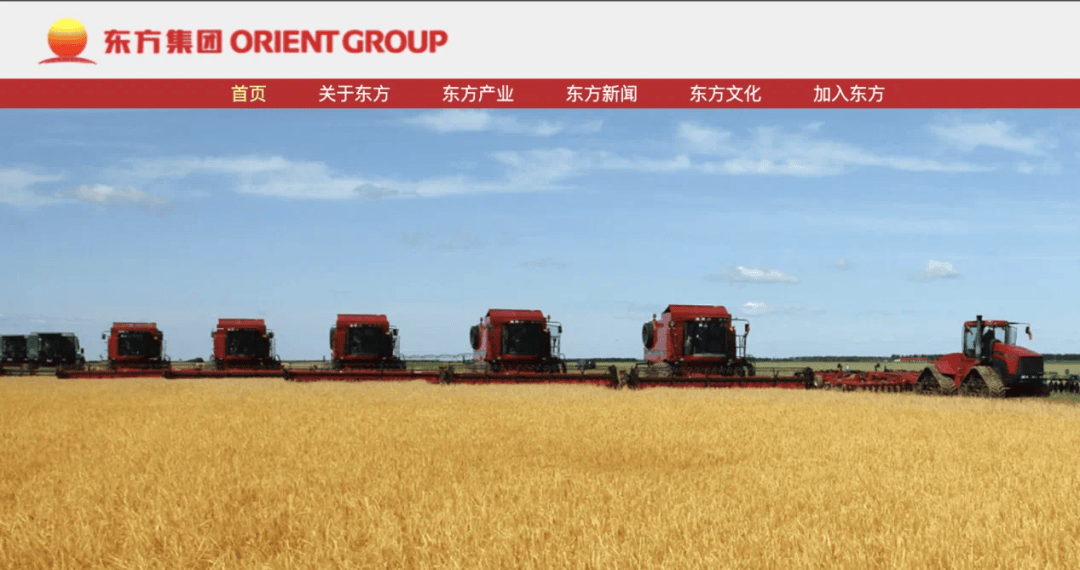
Core Viewpoint - The delisting of *ST Dongfang represents not only a failure of a single company but also a stress test for the market ecology and regulatory system in China, highlighting the issues that arise from the rapid growth of private enterprises [1] Group 1: Company Background and Financial Issues - *ST Dongfang, once celebrated as the "first private listed company in Northeast China," ended its journey at a price of 0.36 yuan per share, marking a significant event in the new delisting regulations era [3] - The company experienced a remarkable stock price increase of 420% over three years after its reverse merger in 2018, but this façade of prosperity quickly unraveled [3] - In 2022, *ST Dongfang reported a suspicious 87% increase in net profit to 320 million yuan, while accounts receivable surged by 214% to 2.87 billion yuan, indicating a disconnect between reported profits and actual cash flow [3][4] Group 2: Fraudulent Activities and Regulatory Failures - The company was found to have inflated revenue by 16.13 billion yuan through fictitious contracts and fraudulent documentation, accounting for 47% of its total disclosed revenue [4] - The audit firm, Dahua, which had been auditing *ST Dongfang since 2011, issued unqualified opinions during the years of fraud, raising questions about its role in the deception [7] - Despite multiple inquiries from the exchange regarding the company's business logic, *ST Dongfang provided vague responses, indicating a breakdown in regulatory oversight [8] Group 3: Consequences and Future Outlook - Following its delisting, *ST Dongfang faces significant challenges, including 4.6 billion yuan in overdue debts and a 2 billion yuan funding gap for a project [9] - Over 5,000 investors have registered for compensation claims, with the potential for a new legal framework to hold the actual controller and audit firm accountable [9] - The delisting serves as a reflection of the contradictions within China's capital market reform, emphasizing the need for a return to fundamental investment logic based on genuine value creation [9][10]
活动邀请 | 金属贸易格局研讨会
Refinitiv路孚特· 2025-05-08 05:22
Core Viewpoint - Geopolitical risks and economic decoupling are reshaping the global commodity market landscape, necessitating precise market trend predictions for companies to seize opportunities during transformations [1] Group 1: Event Overview - LSEG will co-host a high-profile industry seminar with LME on May 19, 2025, focusing on U.S. tariff policies, global supply chain resilience, and the upgraded role of Asian markets [2] - The event aims to analyze core drivers of the metal market, technological innovation pathways, and potential growth spaces, gathering authoritative figures from the metal industry and trade sectors [2] Group 2: Agenda Highlights - The seminar will include guest registration, opening remarks, and a networking session, starting at 15:00 and concluding at 19:00 [4][5] Group 3: Data and Insights - Commodity data is a valuable resource, and obtaining the right information at the right time is crucial for success in commodity trading [7][8] - Each data point, from oil storage levels to grain quality in the Black Sea region, adds critical information to global trading decision-making processes [9] - Utilizing structured approaches to leverage fundamentals, supply and demand, vessel tracking, reserves, and alternative data sources can provide traders with a competitive edge [10] Group 4: Trading Solutions - LSEG offers specialized trading software and insights into energy, agriculture, and metal markets, enhancing competitive advantages in commodity trading [11][12] - The company has one of the largest commodity databases globally, supported by a strong analyst team and exclusive partnerships, streamlining the end-to-end workflow in commodity trading [13] Group 5: Sector-Specific Solutions - Energy trading solutions cover a global ecosystem of oil, gas, electricity, coal, and carbon assets, supported by exclusive partnerships with major data providers [15][16] - Metal trading solutions utilize comprehensive data and analysis methods, including machine learning and AI, to predict market trends across various metal markets [17][18] - Agricultural trading solutions leverage robust fundamental data and alternative sources to forecast price trends, ensuring reliable information for soft commodity trading [19][20] - Shipping trading insights are provided through a team of maritime experts, offering unique perspectives on global shipping transactions [21] Group 6: Data Aggregation and Digitalization - LSEG specializes in standardizing and structuring multiple data sources to generate actionable insights, ensuring reliable solutions for global trading companies [22] - The company ensures access to required information in any digital format, integrating proprietary or third-party data flexibly [22][23]

全部“叛变”了!2国传出消息,美国坐不住了,中国不愿再付钱
Sou Hu Cai Jing· 2025-05-07 07:04
Core Viewpoint - The cancellation of approximately 12,000 tons of U.S. pork orders by China reflects a broader shift in the U.S.-China trade landscape, highlighting issues with U.S. trade policies and China's firm stance in trade negotiations [1] Group 1: U.S.-China Trade Dynamics - China was a significant buyer of U.S. pork, importing about 475,000 tons in the first four months of 2024, which accounted for 22% of total U.S. pork exports, down from 35% before the trade war in 2018 [1] - The increase in tariffs, with China imposing a 172% tariff on U.S. pork, has drastically reduced the price competitiveness of U.S. pork in the Chinese market, leading to decreased purchases [1] Group 2: Energy Sector Developments - China has reduced its dependence on U.S. energy imports, with reports indicating that up to seven ships carrying U.S. liquefied petroleum gas (LPG) have redirected to India and Southeast Asia [3] - In 2024, China's LPG imports reached 35.68 million tons, with over half coming from the U.S., but China has not imported U.S. liquefied natural gas (LNG) for nearly 80 days [3][5] Group 3: U.S. Trade Policy Impact - The U.S. trade policies have not only harmed its own agricultural sector, with American farmers facing unsold products due to reduced Chinese imports, but have also led to a crisis in the U.S. natural gas industry [3][5] - Trump's trade policies have inadvertently united many countries with China, as they seek alternatives to U.S. markets [5] Group 4: China's Strategic Response - China has initiated legal actions through the WTO against U.S. tariffs, claiming they violate trade agreements, while also adjusting its economic structure to boost domestic demand, which contributed over 65% to economic growth in 2024 [7] - The "dual circulation" strategy aims to reduce reliance on U.S. technology by increasing investments in sectors like semiconductors and artificial intelligence [7] Group 5: Global Trade Position - China is becoming increasingly significant in global trade, being the largest goods trader and the second-largest service trader, contributing to global economic recovery [7] - In the first quarter of 2024, China's GDP grew by 5.4%, with record high import and export volumes, showcasing its economic resilience [7] Group 6: Future Trade Relations - For the U.S. to alter the current trade situation, it must abandon unilateralism and unreasonable tariff policies, while China will continue to protect its trade rights and pursue high-level openness [8]