潮玩

Search documents
荣耀联姻泡泡玛特:一部潮玩手机背后的商业突围战
Xin Lang Cai Jing· 2026-01-16 07:31
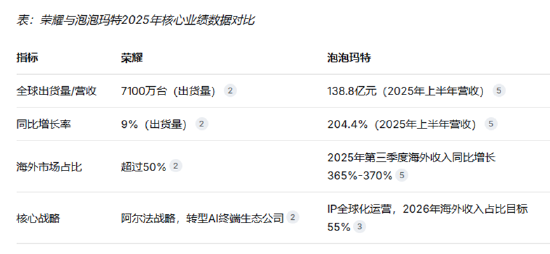
Core Insights - Honor will launch the industry's first trendy toy smartphone in collaboration with Pop Mart on January 19, 2026, reflecting both companies' ambitions for differentiation and new commercial strategies [1][9] - The global smartphone market has seen a decline in shipment volumes for several consecutive quarters, making collaborative partnerships a strategic choice rather than just a marketing gimmick [10][12] Group 1: Market Context - In Q3 2025, China's smartphone market shipped approximately 68.4 million units, a slight year-on-year decrease of 0.5%, with Honor and OPPO tied for fifth place with 9.9 million units each [12] - The smartphone industry's cost structure is rising, putting significant operational pressure on global manufacturers, while high-end market consumers remain less price-sensitive if products demonstrate sufficient technological innovation [12] - Honor's collaboration with Pop Mart aims to achieve product differentiation through trendy toy IPs, breaking through the homogenization of competition [12] Group 2: Company Performance - Honor's global shipment volume reached 71 million units in 2025, with a 9% year-on-year increase, and overseas sales grew by 47%, marking the first time overseas sales accounted for over half of total sales [10][13] - Pop Mart reported a revenue of 13.88 billion yuan in the first half of 2025, a year-on-year increase of 204.4%, with significant growth in both domestic and overseas markets [10][13] Group 3: IP Value and Business Logic - Pop Mart's IP empire is expanding rapidly, with the LABUBU series generating 4.81 billion yuan in revenue in the first half of 2025, a staggering year-on-year growth of 668% [14][16] - The collaboration with Honor allows Pop Mart to extend its IP value into the 3C digital field, reaching a broader audience beyond its core fan base [14] - Analysts categorize IP collaborations into lightweight partnerships focusing on branding and deep customizations that integrate IP culture throughout the product lifecycle [14][15] Group 4: Future Outlook - The collaboration between Honor and Pop Mart has the potential to create genuine value integration, moving beyond superficial marketing tactics [17] - Pop Mart's global strategy aims for overseas revenue to account for 55% by 2026, with significant growth in international markets already observed [17][18] - Recent trends in Pop Mart's blind box business show a divergence between online sales and secondary market performance, indicating a more rational development phase in the trendy toy market [18]


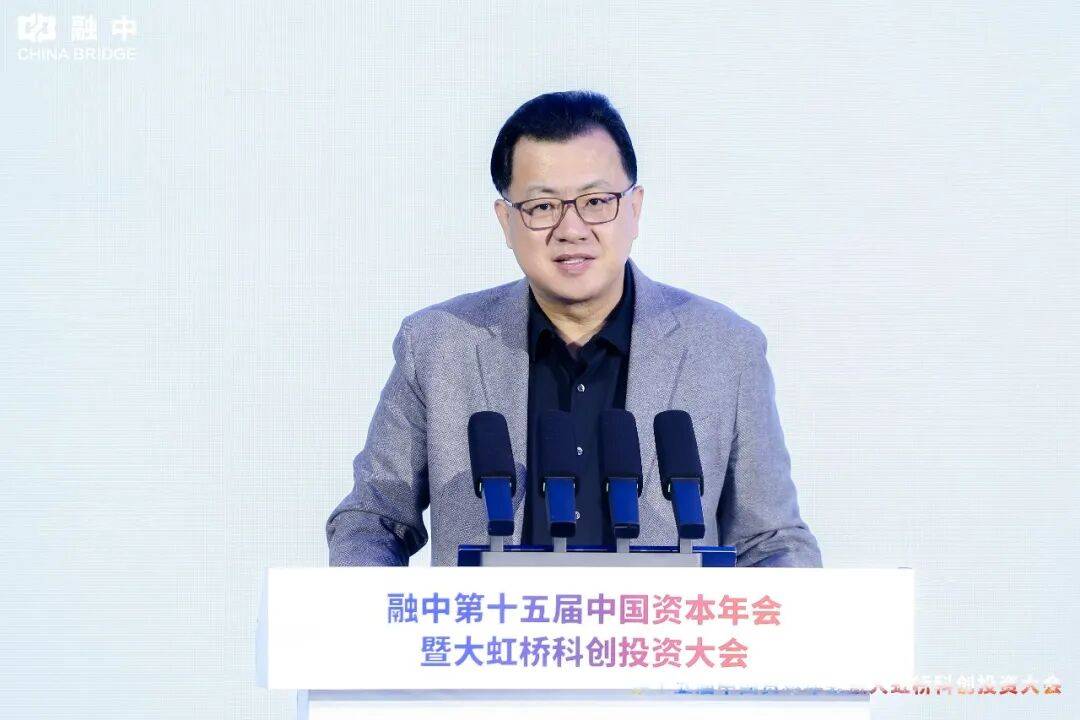
嘉御资本创始合伙人、董事长卫哲:品牌出海“选择比努力更重要”
Sou Hu Cai Jing· 2026-01-16 06:45
Core Insights - The investment banking industry is entering a period of cognitive return and capability reshaping, focusing on hard technology and strategic emerging industries, with government guidance funds and state-owned investment platforms acting as stabilizers and accelerators for industrial development [2][3] Group 1: Key Elements for Successful International Expansion - The three key elements for Chinese brands going global are: Chinese-style supply chain, returnee talent, and the integration of the internet and AI [4][5] - The importance of making the right choices is emphasized, focusing on four aspects: regional selection, product category selection, channel selection, and brand positioning [4][5] Group 2: Regional and Product Category Selection - For regional selection, the priority should be on the European and American markets, as they offer the strongest consumer purchasing power and mature internet infrastructure [5][6] - In terms of product category selection, companies should focus on overseas-exclusive products rather than general-purpose items, with a recommendation to target niche markets that have high demand in specific regions [6][7] Group 3: Channel and Brand Positioning Strategies - Companies are advised to build a "channel pyramid" to avoid dependency on single platforms like Amazon, ensuring a diversified approach to market entry [8][9] - The concept of "price-performance ratio" is highlighted as superior to "cost-performance ratio," advocating for a focus on maintaining price integrity while enhancing product performance to avoid price wars [9][10] Group 4: Market Trends and Future Outlook - The belief is that the cross-border e-commerce sector will produce at least 100 brands with revenues exceeding 10 billion in the next decade, indicating a potential trillion-dollar market segment [12] - The Shanghai region, particularly the Hongqiao area, is positioned as a key hub for the emergence of these high-revenue brands, leveraging its geographical advantages [12]

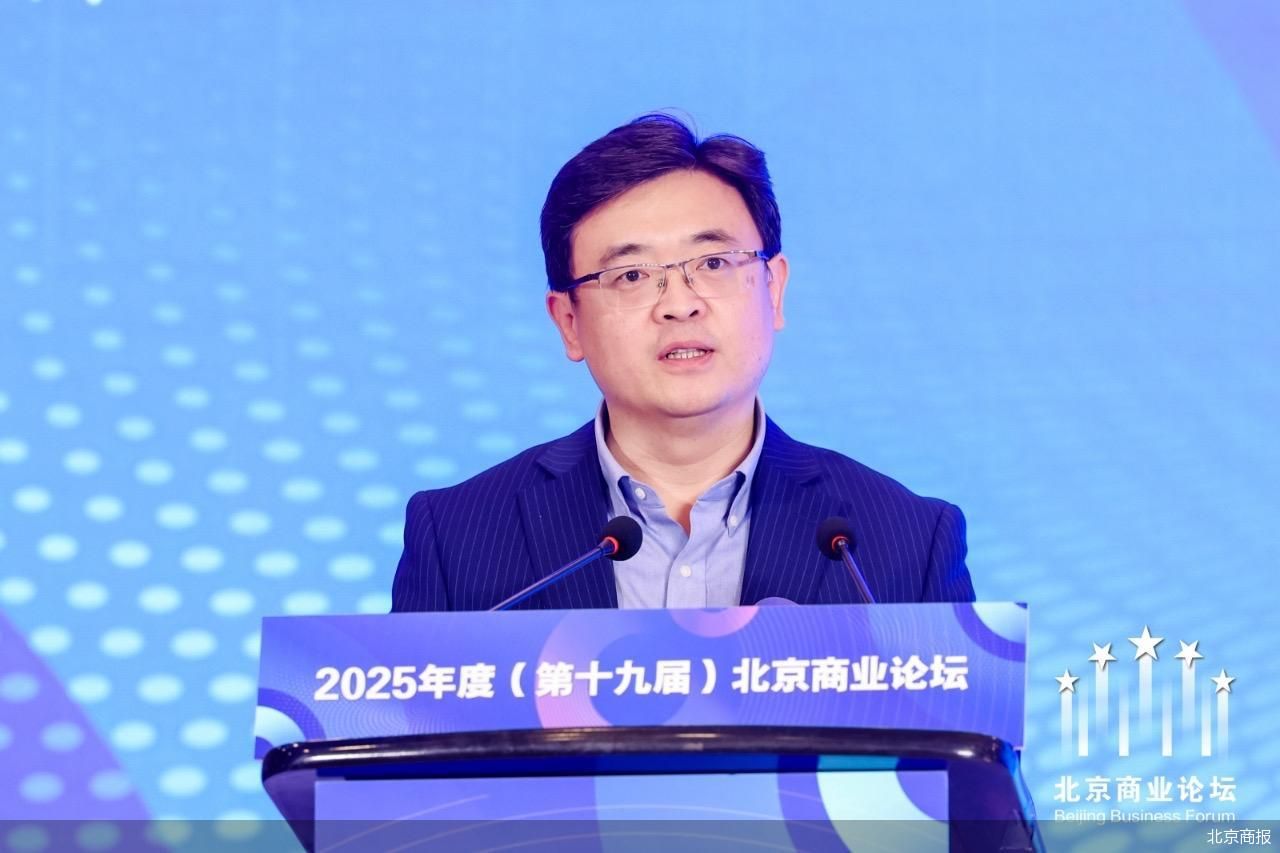
HERE奇梦岛集团执行总裁、联合创始人施广强:让潮玩成为连接多元文化的超级符号
Bei Jing Shang Bao· 2026-01-16 05:41
Group 1 - The 2025 Beijing Forum, themed "Trendy Transformation: New Demand and New Supply," was successfully held, gathering representatives from various sectors to discuss fashion consumption and trends [1] - The executive president of HERE Qimeng Island Group, Shi Guangqiang, emphasized the company's capability for "self-originality" based on cultural heritage, market demand, talent reserves, and manufacturing capabilities [3] - Two products from HERE Qimeng Island were included in the 2025 "Beijing Gift" fashion trend list, showcasing the potential of contemporary design language to convey deep cultural heritage and influence global aesthetics [3] Group 2 - HERE Qimeng Island aims to use cross-border collaboration to make trendy toys a super symbol connecting diverse cultures [3] - The company is expanding its offline presence, planning to establish multiple stores in Beijing by the end of the year, focusing on the immersive experience and co-creation with users [3] - Shi Guangqiang noted that traditional consumption views have evolved into "consumption + service," enhancing interactive consumption through service extensions [3]
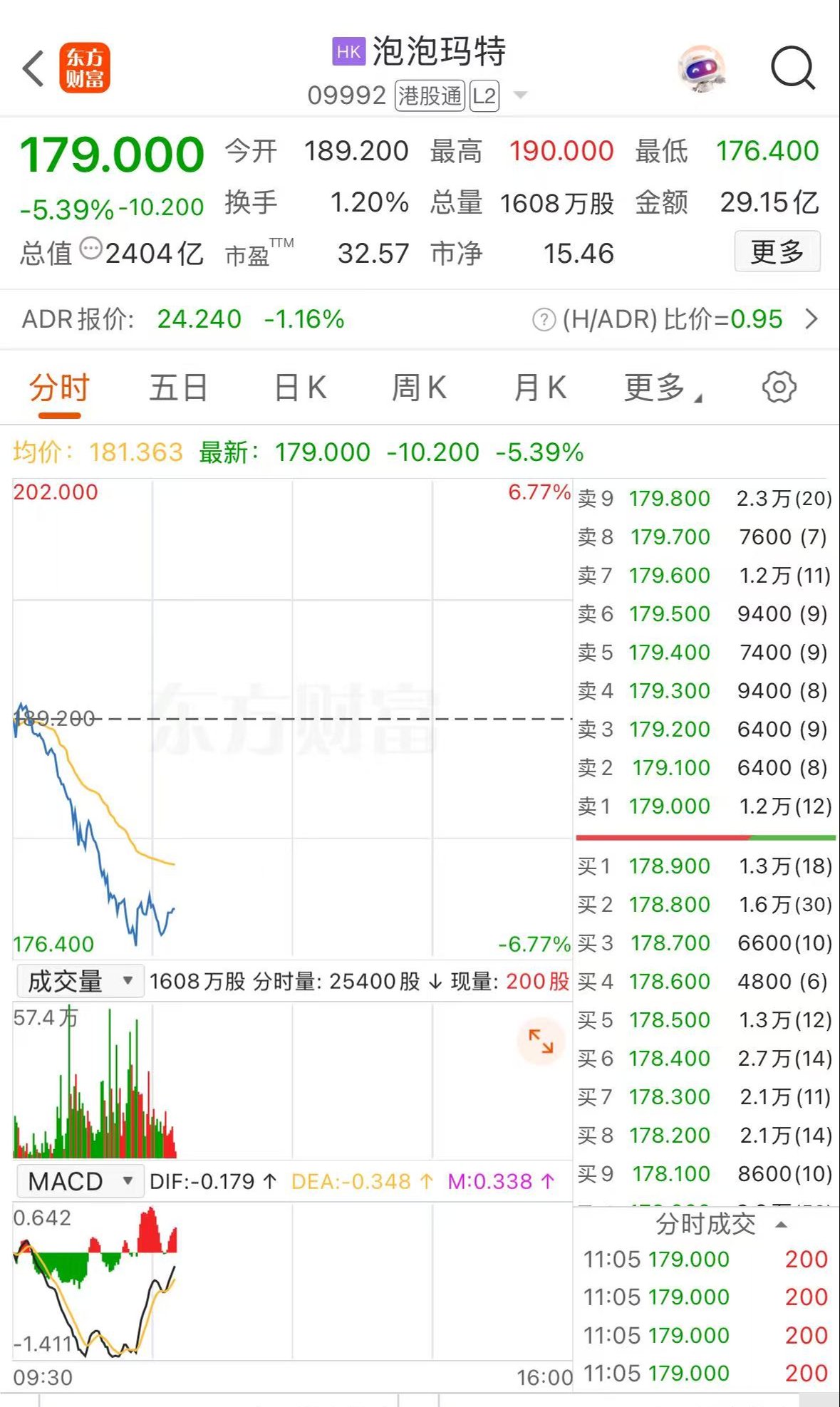
港股异动|泡泡玛特一度跌近7% 股价自2025年高位已回落近50%
Xin Lang Cai Jing· 2026-01-16 03:48
Core Viewpoint - The stock price of Pop Mart has experienced a significant decline, dropping nearly 47% from its peak of 339.80 HKD in August 2025 to 179 HKD as of January 16, 2023, indicating a transition from explosive growth to sustainable growth according to Morgan Stanley's report [3][7]. Group 1: Stock Performance - On January 16, 2023, Pop Mart's stock initially fell nearly 7%, later narrowing the decline to 5.39%, closing at 179 HKD per share [1][4]. - The stock opened at 189.20 HKD, reached a high of 190.00 HKD, and a low of 176.40 HKD during the trading session [2][5]. - The total trading volume was 16.08 million shares, with a total market value of 240.4 billion HKD and a price-to-earnings ratio of 32.57 [2][5]. Group 2: Future Growth Outlook - Morgan Stanley's report suggests that Pop Mart is transitioning from a phase of explosive growth over the past two years to a phase of sustainable growth [7]. - The report predicts a significant slowdown in revenue growth for Pop Mart's Labubu brand by 2026, with the growth engine shifting from a single blockbuster to a diversified approach driven by non-Labubu IP [7].
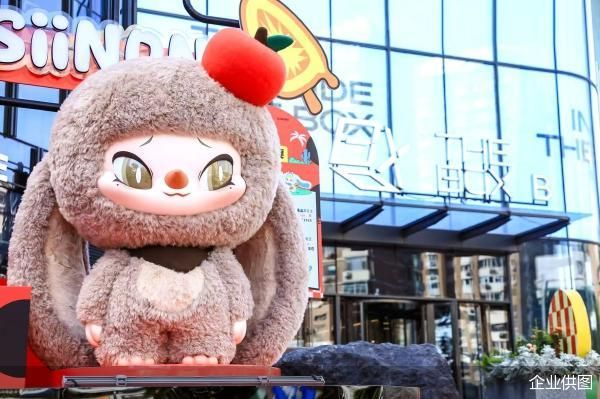
这年头,情绪竟成“大买卖”
Jin Rong Shi Bao· 2026-01-16 03:36
Core Insights - The rise of "emotional consumption" among the younger generation is driven by the need for emotional healing and stress relief, with a significant market potential projected to grow from 16.3 trillion yuan in 2022 to 23.1 trillion yuan in 2024, and expected to reach 27.2 trillion yuan by 2025 and exceed 45 trillion yuan by 2029 [1][2] Group 1: Emotional Consumption Trends - Emotional consumption is characterized by young consumers seeking products and services that provide immediate emotional satisfaction and companionship, such as blind boxes, emotional toys, and creative cultural products [1][3] - Over 90% of young people recognize the value of emotional consumption, with nearly 60% willing to pay for it, indicating a strong market demand [2][7] - The emotional consumption market is evolving, with physical products and experiential services becoming mainstream, as over 50% of respondents spend between 100-300 yuan monthly on physical goods [7][9] Group 2: Psychological Drivers - The core motivation for the rise in emotional consumption among youth is linked to the need for emotional management and the fulfillment of psychological needs in a high-pressure environment [3][9] - Traditional emotional support systems have weakened, leading young people to seek external products and services for emotional compensation [3][9] - The demand for emotional products is not just about material satisfaction but also about emotional expression, identity construction, and social connection [7][9] Group 3: Market Opportunities - The growth of digital and virtual emotional consumption is notable, with AI-driven products and services gaining traction, such as virtual gifts and emotional chatbots [8][9] - The market for AI toys is projected to see a significant increase, with sales expected to rise by 394.9% in 2025, highlighting the shift towards emotional companionship through technology [9][10] - Companies are encouraged to explore untapped emotional needs and expand consumption scenarios across various sectors, including health, education, and workplace environments [10]
从商品到社交硬通货 次元经济重塑零售逻辑
Bei Jing Shang Bao· 2026-01-15 12:14
Core Insights - The rise of emotional consumption is transforming the fashion market in Beijing, shifting from mere product transactions to experiences that resonate with consumers' emotions [1][2] - Emotional consumption is becoming a key driver of growth in Beijing's retail sector, reflecting a broader return to human-centric needs in the market [2][3] Group 1: Emotional Consumption Trends - Emotional consumption is permeating various fashion scenarios, leading to a shift from "traffic acquisition" to "emotional maintenance" in user operations [2] - The emotional value derived from products like blind boxes and collectibles is creating a unique consumer experience that transcends traditional retail [2][3] - Events like concerts and festivals are enhancing collective experiences, fostering a sense of belonging among consumers [2] Group 2: Market Data and Projections - By 2029, China's emotional economy market is expected to exceed 4.5 trillion yuan, with Generation Z being the core consumer group [3] - In the first three quarters of 2025, per capita spending on movie and theater tickets and sports activities in Beijing saw over a double-digit year-on-year growth [3] - During the 2026 New Year holiday, key shopping districts in Beijing recorded over 20.84 million visitors and sales of 8.46 billion yuan [3] Group 3: Business Model Innovations - Retail spaces in Beijing are evolving from single-product sales to immersive emotional experiences through combinations of different business models [3] - Examples include the integration of "trendy toys + dining" and "performances + retail" to create emotional experience loops [3] - The transformation of traditional shopping districts into multi-dimensional cultural hubs is becoming a benchmark for commercial evolution [3] Group 4: IP and Cultural Significance - The collaboration between IP and toys is essential, as IP provides emotional narratives and cultural symbols that enhance the appeal of products [6][11] - Successful brands in the trendy toy market are often backed by strong, market-accepted IPs that resonate with consumers' emotional needs [6][7] - The rise of domestic cultural IPs reflects a growing emotional connection among Chinese consumers, emphasizing the importance of cultural value in product offerings [8][11] Group 5: Consumer Behavior and Social Dynamics - The shift towards emotional consumption is indicative of a broader trend where consumers seek social connections and self-actualization through their purchases [14] - The emergence of "social currency" among different generations highlights the evolving nature of consumer behavior in the context of emotional fulfillment [14] - The popularity of trendy toys and collectibles among adults signifies a deeper emotional engagement beyond mere entertainment [14] Group 6: Market Challenges - Despite the growth of emotional consumption, issues like excessive emotional marketing and homogenization of experiences pose risks to the sustainability of this trend [4][27] - The rapid expansion of the "emotional economy" has led to a proliferation of similar businesses, raising concerns about product differentiation and market saturation [27] - Copyright issues remain a significant challenge, with unauthorized products undermining the value of legitimate IPs and leading to increased consumer complaints [28][29]
穿透消费分化迷雾:CBI品牌榜中的“真增长”挖掘
Ge Long Hui· 2026-01-15 11:25
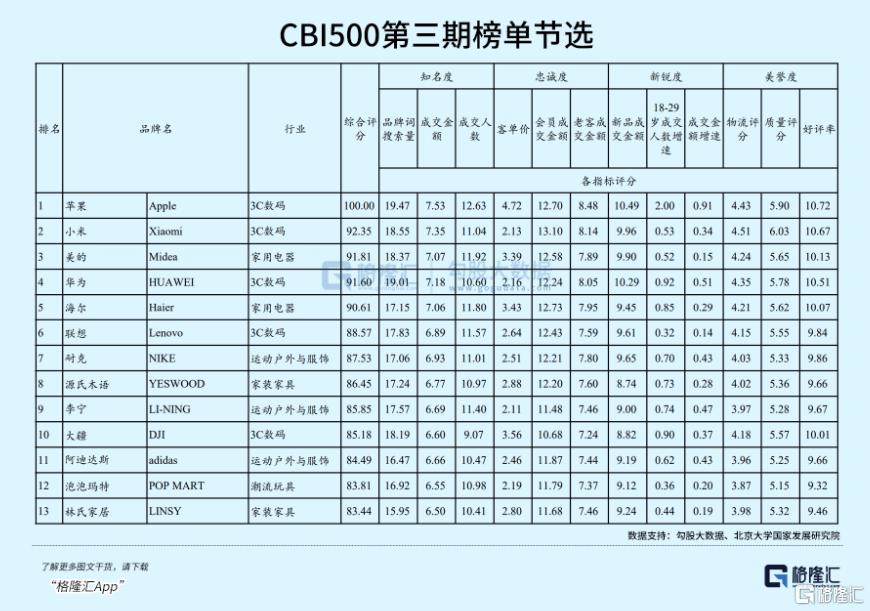
Group 1 - The Chinese consumer market has shown a steady recovery since 2025, with a year-on-year growth of 6.8% in retail sales of consumer goods in the first three quarters, contributing 53.5% to economic growth [1] - The recovery trend in the consumer sector is not uniform, with traditional brands struggling due to lack of innovation, while new brands are breaking through with technological advancements and innovative models [1] - The need for a quantitative evaluation tool to identify structural opportunities in the market has led to the development of the "China Online Consumption Brand Index (CBI)" and the "Global Brand China Online Top 500 List (CBI500)" by Peking University [2] Group 2 - The CBI500 list is based on real consumer data from Taobao and Tmall, utilizing a comprehensive brand quality indicator that includes new product capability, user reviews, and search popularity [2][5] - The top five brands in the CBI500 list—Apple, Xiaomi, Midea, Huawei, and Haier—demonstrate a "stronger gets stronger" logic, maintaining competitive advantages through balanced performance across various dimensions [6][8] - DJI has achieved significant growth, moving from a score of 78.53 to 85.18, entering the top ten for the first time, driven by continuous technological innovation and market expansion [9][12] Group 3 - Pop Mart has shown strong resilience in the collectible toy sector, climbing from 31st to 12th place in the CBI500 list, with leading scores in loyalty and customer spending [14][17] - The growth logic of Pop Mart is based on deep insights into emotional consumption needs, utilizing an IP matrix and a robust membership system to create a strong emotional connection with consumers [17] - The differentiation in the consumer market has created opportunities for brands that adapt to trends, as seen with Fenjiu's rise in rankings due to its "youthful" strategy targeting younger consumers [22][23] Group 4 - The CBI list serves as a data-driven tool for observing the consumer market, helping investors identify brands that capture product innovation opportunities and possess anti-cyclical potential [27][29] - The evaluation logic of the CBI list helps to avoid misleading short-term sales data, focusing instead on loyalty and reputation metrics to identify brands that achieve sustainable growth [27][29] - The current economic recovery phase presents a critical window for brand restructuring and value selection, emphasizing the importance of understanding consumer behavior changes [26][29]





穿透消费分化迷雾:CBI品牌榜中的“真增长”挖掘
格隆汇APP· 2026-01-15 11:15
Core Insights - The article highlights the steady recovery of China's consumer market since 2025, with a year-on-year growth of 6.8% in retail sales of consumer goods in the first three quarters, contributing 53.5% to economic growth [2] - However, the consumer sector faces challenges with increasing internal differentiation, where traditional brands struggle due to lack of innovation while new brands succeed through technological breakthroughs and innovative models [2][3] Group 1: Consumer Brand Landscape - The CBI500 ranking reflects a stable top tier of brands, emphasizing the "stronger get stronger" logic in the consumer market [7] - Leading brands like Apple, Xiaomi, Midea, Huawei, and Haier maintain competitive barriers through balanced performance across four dimensions: brand awareness, innovation, loyalty, and reputation [8][10] - DJI and Pop Mart have shown significant growth, with DJI entering the top ten for the first time, driven by continuous technological innovation and market expansion [11][16] Group 2: Brand Performance and Growth Strategies - DJI's growth is attributed to its focus on technology innovation and creating benchmark products, leading to a 66% market share in the global action camera market as of Q3 2025 [11][14] - Pop Mart's rise in the rankings is due to its strong loyalty metrics and effective IP matrix operation, which resonates with emotional consumer needs [19][20] - The brand's strategy includes a robust membership system that enhances customer loyalty through emotional engagement [19] Group 3: Market Differentiation and Opportunities - The differentiation in the consumer market presents challenges for traditional brands while creating opportunities for those that adapt to trends [21][22] - Brands like Fenjiu have successfully capitalized on changing consumer preferences, with a notable increase in their ranking due to a focus on younger consumers [26] - The article emphasizes the importance of aligning with policy support and consumer trends to identify quality brands that can thrive in a competitive landscape [27][28] Group 4: CBI Index and Its Value - The CBI index serves as a data-driven tool for observing the consumer market, helping investors identify brands that capture product innovation opportunities and possess resilience against economic cycles [30][31] - The index's multidimensional evaluation framework allows for a deeper understanding of consumer demand and brand performance, aiding in long-term investment decisions [32]

“哭哭马”,戳中了“打工人”什么?
3 6 Ke· 2026-01-15 03:46
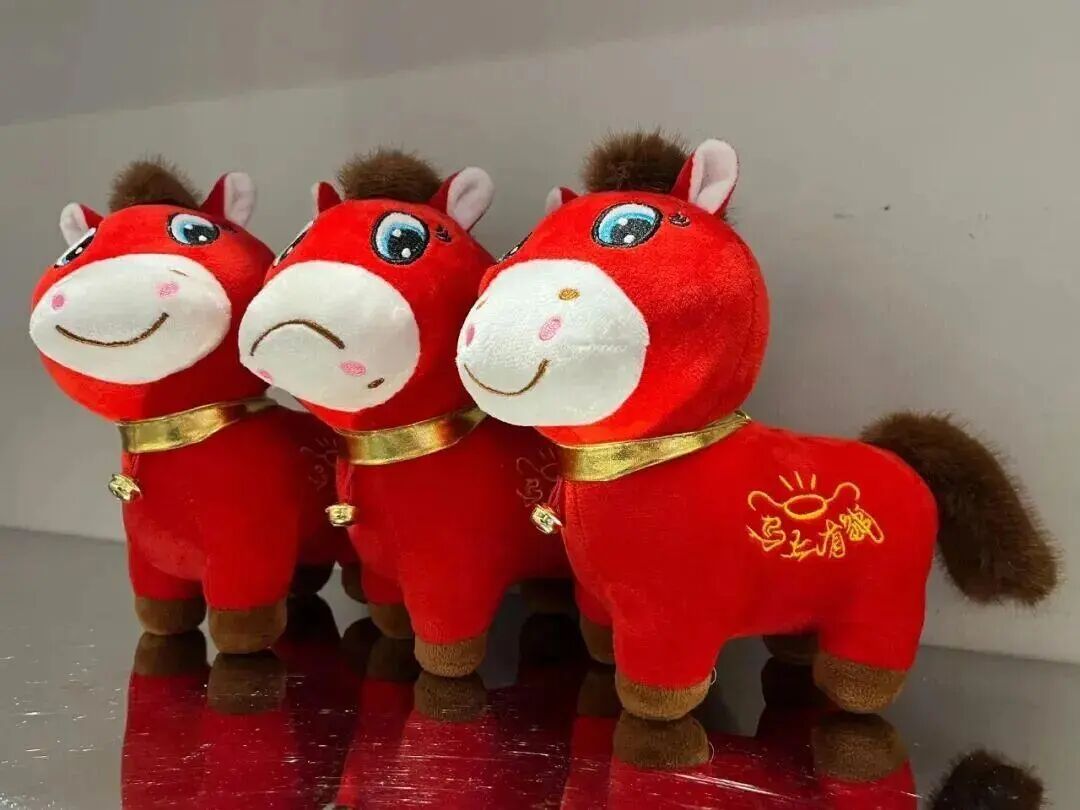
Core Insights - The "Crying Horse" toy, initially considered a defective product, has gained popularity among consumers, highlighting a shift in consumer behavior towards "interest consumption" where emotional value and personal resonance take precedence over traditional product quality [1][2] Group 1: Consumer Behavior Changes - Consumers are moving from a focus on "perfect products" to accepting "real expressions," valuing authenticity and emotional connection over traditional aesthetics [2][3] - The rise of products like "Crying Horse" reflects a broader trend where consumers seek items that resonate with their emotions and personal experiences, rather than just functionality [2][6] - This shift indicates a fatigue with uniformity in product design, leading consumers to embrace imperfections and unique expressions [2][7] Group 2: Market Trends in Toy Industry - The toy industry, particularly in the collectible segment, is witnessing a structural trend where brands are moving away from traditional aesthetics to embrace unique and sometimes "ugly" designs that resonate with younger consumers [3][6] - Brands like Pop Mart and 52TOYS are successfully creating characters that reflect diverse emotional states and personal experiences, allowing consumers to find connection and representation in their products [6][7] - The success of these brands is attributed to their ability to infuse personality, emotion, and storytelling into their products, transforming them from mere items into long-term value propositions [7][9] Group 3: Supply Chain and Production Dynamics - The ability of companies to quickly adapt production based on real-time consumer feedback is becoming crucial, as seen in the case of "Crying Horse," where rapid adjustments led to successful sales conversion [9][10] - The trend towards flexible manufacturing and small-batch production allows companies to respond swiftly to market changes, enhancing efficiency and reducing risk [9][10] - This flexibility is essential in a fragmented market where consumer preferences can shift rapidly, making it vital for brands to capture trends and adjust supply accordingly [9][10] Group 4: Implications for Brands and Retailers - Brands must evolve their product design, marketing strategies, and distribution channels to align with the growing consumer demand for emotional resonance and meaningful experiences [10][11] - Understanding the aesthetic language of younger consumers and establishing emotional connections are becoming key competitive advantages in the market [11]
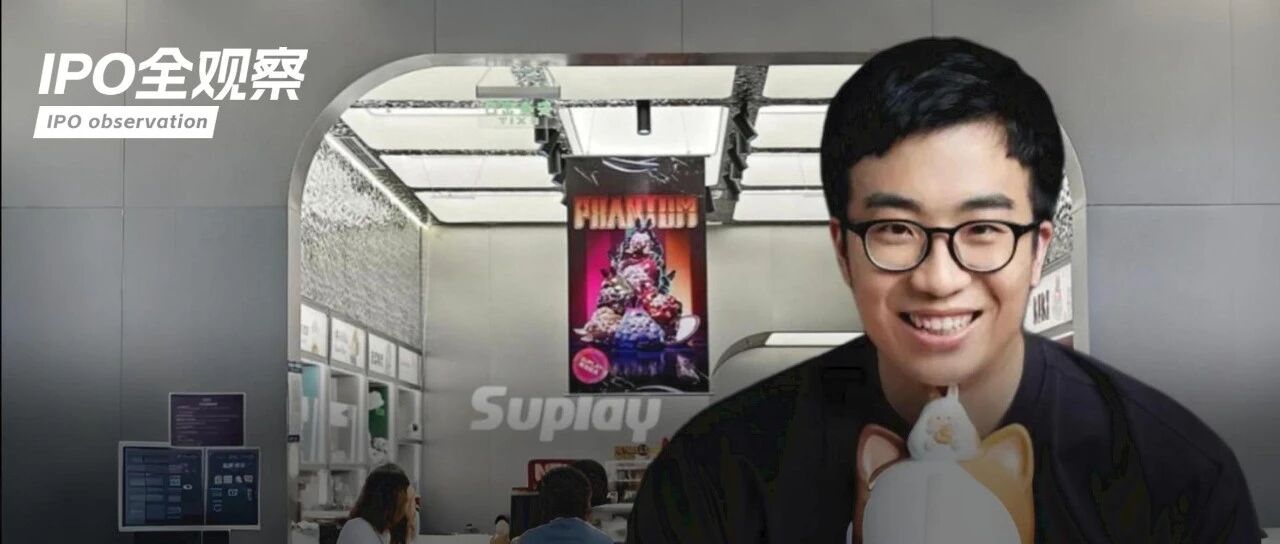
米哈游看中的90后,打造卡牌界泡泡玛特,冲刺IPO
创业邦· 2026-01-15 03:29
Core Viewpoint - Suplay aims to become the "first card stock" on the Hong Kong Stock Exchange, leveraging its unique market positioning and strong IP partnerships to drive significant revenue growth and profitability [3][4]. Financial Performance - Suplay's revenue is projected to grow from 150 million yuan in 2023 to 281 million yuan in 2024, representing a year-on-year increase of 92.5% [3][17]. - Net profit is expected to rise from 16 million yuan in 2023 to 64.8 million yuan in 2024, with an increase of over 300% [3][20]. - The gross margin for Suplay's collectible card business is close to 70% [4][20]. IP Dependency and Revenue Sources - 95% of Suplay's revenue comes from licensed IP products, with the top five IPs contributing 77.7% of total revenue [4][15]. - The company has established partnerships with 22 IP licensors, including exclusive collaborations with prominent brands like Disney and MiHoYo [15][18]. Market Positioning and Strategy - Suplay targets the adult collectible card market, with over 99% of its consumers aged 18 and above, positioning its products as "luxury items" [18][22]. - The company has developed a complete ecosystem for collectible cards, including design, production, and sales channels, enhancing its competitive edge [10][13]. Competitive Landscape - Suplay's main competitor, Hitcard, focuses on a mass-market approach with lower-priced cards aimed at children, while Suplay emphasizes high-end, limited-edition collectibles for adult collectors [22][24]. - Hitcard's revenue exceeded 10 billion yuan in 2024, significantly larger than Suplay's projected revenue of 281 million yuan [24].