
即时零售

Search documents
“外卖补贴大战”回归理性 第三方即配将迎长线发展机会
Zheng Quan Shi Bao Wang· 2026-01-19 07:29
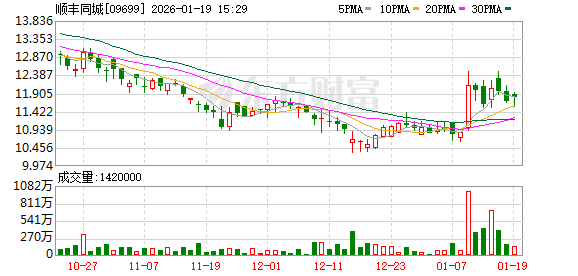
Core Viewpoint - The Chinese government is conducting an investigation into the competitive landscape of the food delivery service industry, with major platforms like Meituan, Taobao, and JD.com expressing support for this initiative, indicating a shift towards fair competition and orderly growth in the industry [2][3]. Group 1: Market Competition and Regulation - The food delivery market has seen intense competition characterized by significant subsidies, with platforms like JD.com entering the market in February 2025 and driving daily orders to a record 120 million by July [3]. - Regulatory bodies have intervened multiple times to address "involution" in competition, emphasizing the need for a shift towards standardized and healthy market practices [3]. - The latest investigation by the State Council's Anti-Monopoly and Anti-Unfair Competition Committee highlights issues such as excessive subsidies and price wars, which are detrimental to the real economy [3][4]. Group 2: Trends in Instant Retail - The instant retail industry is expected to diversify beyond food delivery, with platforms increasingly focusing on non-food categories and integrating e-commerce [2][4]. - There is a growing trend of traffic decentralization, with businesses encouraged to build private traffic channels and consider third-party delivery options independent of major platforms [2][4]. - The separation of business flow and logistics is becoming more pronounced, allowing third-party delivery services to optimize resource allocation and enhance delivery efficiency [4]. Group 3: Third-Party Delivery Services - Third-party delivery services, such as SF Express, are gaining prominence as they provide flexible logistics solutions and support multiple platforms, enhancing overall operational efficiency for businesses [4][6]. - SF Express reported a significant revenue increase of 48.8% in the first half of 2025, with net profit soaring by 120.4%, indicating strong growth potential in the third-party delivery sector [5][6]. - The company is expanding its logistics infrastructure and investing in smart logistics, including over 800 autonomous vehicles, to strengthen its competitive edge in the instant retail ecosystem [8][9]. Group 4: Future Outlook - The instant retail market in China is projected to exceed 1 trillion yuan by 2026, suggesting substantial growth opportunities for the delivery sector [9]. - SF Express is positioned as a leading independent third-party delivery provider, with its competitive advantages expected to strengthen as the market evolves [9].

严筱磊旗开得胜,盒马“游向”下一个战场
Sou Hu Cai Jing· 2026-01-19 07:13
Core Insights - Hema's CEO Yan Xiaolei outlined ambitious goals for 2025, including entering 40 new cities, opening over 200 new stores for Super Hema, achieving a 40% year-on-year revenue growth, and surpassing 100 million users across its two main business formats [1][4]. Group 1: Financial Performance - Hema has achieved profitability for nine consecutive months under Yan Xiaolei's leadership, with a projected GMV of over 100 billion by March 2026 [4][5]. - The company has streamlined its business from 12 formats to focus on Hema Fresh and Super Hema, which has led to improved financial performance [9][10]. - The transition from a focus on business innovation to financial prioritization has been a key factor in Hema's recent profitability [7][12]. Group 2: Strategic Changes - Yan Xiaolei's appointment as CEO marked a shift towards a more financially driven approach, moving away from the exploratory phase of multiple business formats [6][8]. - The brand and supply chain assets accumulated during the previous leadership under Hou Yi are now being monetized effectively [13][15]. - The strategic direction of Hema is closely tied to Alibaba's broader corporate strategy, which has influenced the timing and necessity of achieving profitability [21][22]. Group 3: Competitive Landscape - Hema faces increasing competition from local players like Meituan and JD, who are rapidly expanding their presence in the offline retail space [28][33]. - The competitive environment is intensifying as these companies leverage their existing infrastructure to reduce costs and improve efficiency in the retail sector [32][34]. - Hema's ability to maintain its market position will depend on its performance in the two core business areas against these emerging competitors [35]. Group 4: Internal Challenges - Hema's integration with Alibaba's larger consumer strategy presents both opportunities and challenges, particularly regarding resource allocation and operational independence [36][37]. - The reliance on Alibaba's traffic and fulfillment capabilities could impact Hema's operational autonomy and strategic direction moving forward [36][38]. - The future of Hema's leadership and operational structure may be influenced by its integration with Alibaba's broader business ecosystem [37][38].
社区团购,倒在了2026年?
3 6 Ke· 2026-01-19 02:30
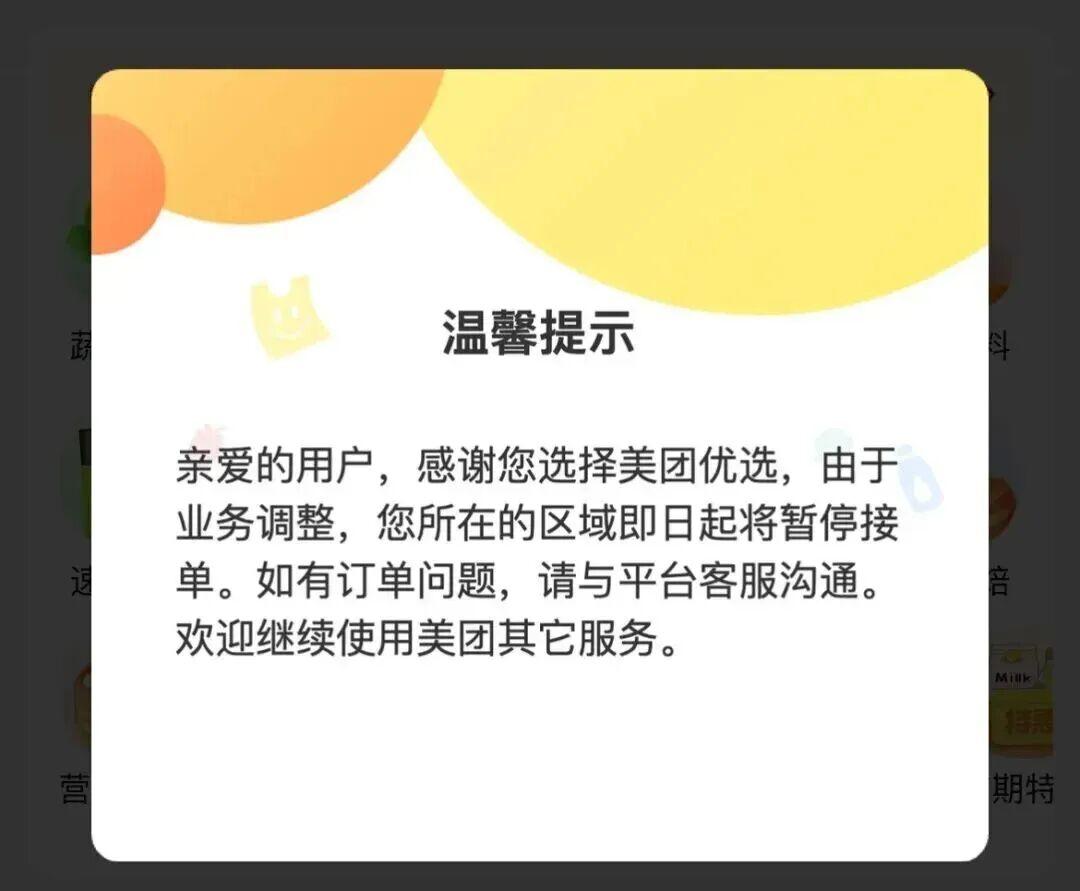
Core Insights - The community group buying sector has rapidly transitioned from explosive growth to a collective retreat, with major players like Alibaba's Taocai Cai, Didi's Orange Heart Selection, and Meituan exiting the market, leaving only Pinduoduo's Duoduo Maicai remaining [1][2] Group 1: Market Dynamics - In 2020, internet giants heavily invested in community group buying, with total financing reaching hundreds of billions and over 200 companies involved, leading to a fierce competition [2] - Regulatory scrutiny began in December 2020, with the introduction of new rules aimed at preventing unfair competition, marking a turning point for the industry [2] - By 2021, the bubble burst, leading to a wave of bankruptcies and significant business reductions among major players, including Didi and JD [3] Group 2: Business Model Challenges - The community group buying model has faced fundamental profitability issues since its inception, relying on heavy subsidies and unsustainable pricing strategies that failed to yield long-term profits [4] - The high loss rates and low margins associated with fresh produce further exacerbated the profitability challenges, leading to long-term losses for many platforms [4] Group 3: Competitive Pressures - The sector faced intense competition, with numerous platforms vying for market share, resulting in resource wastage and increased market saturation [7] - The rise of alternative retail formats, such as discount stores and instant retail, diminished the competitive advantages of community group buying, leading to a decline in market space [7] Group 4: Shift to Instant Retail - Instant retail has emerged as a new battleground for major players, with projections indicating that the market could exceed 1 trillion yuan by 2026 [8] - Changing consumer preferences towards immediate gratification have rendered the community group buying model less appealing, as consumers now prioritize convenience and speed [8] - Major companies are investing heavily in instant retail, with Alibaba, JD, and Meituan all planning significant financial commitments to capture market share [9]




不用拍的广告片?深度拆解美团闪购AIGC营销新案例
量子位· 2026-01-16 03:43
Core Insights - The article discusses how Meituan's flash purchase service effectively utilizes AIGC (AI-Generated Content) technology to enhance brand value rather than merely as a gimmick [2][3][45] - The shift in marketing focus is highlighted, moving from generating eye-catching content to clearly conveying brand core values [4][6][45] Group 1: AIGC in Marketing - AIGC should be viewed as a "brand value amplifier" rather than just a tool for flashy content [3][45] - The marketing landscape is evolving, with a greater emphasis on whether AI-generated content communicates the brand's core message effectively [6][45] - Meituan's flash purchase service created two AIGC marketing videos that serve as a case study for how technology can articulate brand messages [7][45] Group 2: Video Analysis - The first video, dubbed "Journey to the West," emphasizes the speed of Meituan's service, showcasing the concept of "instant retail" [18][30] - The second video focuses on the diversity of products available through Meituan, illustrating the idea that "everything is reachable" [33][42] - Both videos successfully integrate AIGC to convey the core values of speed and variety, enhancing viewer perception of the brand [43][45] Group 3: AI's Role in Marketing - AI is transitioning from a mere efficiency tool to a foundational element in narrative construction for marketing [48][50] - The use of AI allows for the realization of creative ideas that were previously constrained by budget and technical limitations [52][54] - The successful implementation of AIGC in Meituan's marketing demonstrates a shift in how brands can leverage technology to express their core values [56][75] Group 4: Meituan's Unique Position - Meituan's flash purchase service is uniquely positioned to utilize AIGC due to its business model focused on instant delivery and diverse product offerings [59][66] - The alignment between the immediacy of AI-generated content and Meituan's service promise enhances the effectiveness of their marketing strategy [63][66] - The case study illustrates that effective AIGC marketing requires a clear understanding of brand identity and the appropriate application of AI capabilities [69][70]

巨头集体跑路,社区团购凉透了
商业洞察· 2026-01-14 09:29
Core Viewpoint - The article discusses the decline of community group buying in China, highlighting the shift in consumer demand from low-cost options to instant retail services that offer speed, reliability, and quality [5][7][30]. Group 1: Historical Context - In 2020, the pandemic-driven "stay-at-home economy" propelled community group buying into the spotlight, with major players like Didi, Meituan, and Pinduoduo investing heavily [9][10]. - The industry saw over 559 billion yuan in financing, with nearly 200 companies entering the market, leading to what was termed the "second group buying war" [9][10]. - By 2021, regulatory measures began to impact the market, leading to the collapse of many smaller platforms due to unsustainable business models reliant on subsidies [10][11]. Group 2: Current Landscape - As of 2025, only Pinduoduo's "Duoduo Mai Cai" remains in the community group buying space, having adapted its model to focus on high-frequency, durable goods rather than perishables [6][11]. - The GMV for Duoduo Mai Cai is projected to approach 300 billion yuan, achieved by shifting from a community group buying model to a "low-cost instant retail" approach [11][12]. Group 3: Reasons for Decline - **Reason 1: Hidden Costs** Community group buying is perceived as a "light asset" model, but it incurs significant hidden costs related to warehousing, logistics, and customer service, leading to unsustainable losses [14][15]. - **Reason 2: Quality Control Issues** Poor product quality and lack of supplier qualifications have led to numerous consumer complaints, damaging the reputation of community group buying platforms [17][19]. - **Reason 3: Slow Delivery** The lengthy delivery process, often taking over 24 hours, has resulted in customer dissatisfaction, as users prioritize reliability over low prices [20][21]. Group 4: Competition from Instant Retail - Instant retail has emerged as a formidable competitor, offering faster delivery times (within 30 minutes) and better quality control, which community group buying struggles to match [24][26]. - The ability of instant retail to provide a wide range of products and immediate availability has shifted consumer preferences away from community group buying [30].

年度复盘:2025年零售圈十大出海事件发布
3 6 Ke· 2026-01-14 08:40
Core Insights - In 2025, the globalization of China's retail industry entered a deeper development stage, with various Chinese brands successfully entering overseas markets, showcasing a shift from "Made in China" to "Chinese brands" [1] - The trend of going global is no longer exclusive to leading brands but has become a strategic choice for mid-tier companies seeking growth, expanding their reach from traditional Southeast Asian markets to core business districts in Europe and North America, as well as emerging markets in South America and high-potential regions in the Middle East [1] Group 1: Key Events in Retail Expansion - Bawang Chaji opened its first North American store in Los Angeles, achieving a monthly GMV of $800,000, with an average customer spend of $6.5, surpassing local competitors [2][3] - Mixue Ice Cream and Tea launched its first store in Hollywood, Los Angeles, marking a significant step in its global strategy, with plans for further expansion in the Americas [4][5] - Meituan's Keemart launched in Doha, Qatar, as part of its international strategy, leveraging its existing delivery network to enter the instant retail market [6][7] Group 2: Brand Strategies and Market Adaptation - Ningji adopted a new brand "BOBOBABA" for its U.S. entry, focusing on bubble tea and adjusting its product offerings to cater to local tastes, while also expanding rapidly in Southeast Asia [8][9] - Chen Xianggui opened its first overseas store in Berlin, maintaining its original flavor profile and leveraging a high-standard supply chain to ensure product consistency [10][11] - Miniso expanded its presence in the UK, surpassing 50 stores, with overseas revenue contributing significantly to its overall growth [12][13] Group 3: Innovative Approaches to Market Entry - Chayan Yuese announced an online e-commerce strategy for its overseas expansion, focusing on retail products rather than its signature tea, to mitigate risks associated with physical store operations [14][15] - Yuanji Yun Jiao opened its first overseas store in Singapore and is now expanding through a franchise model, supported by its established supply chain and operational experience [16][17] - Genki Forest successfully entered the UK mainstream retail market by launching its products in Tesco, marking a significant milestone in its global strategy [18][19] Group 4: Overall Trends and Future Outlook - The year 2025 witnessed a transformation in Chinese consumer brands' approach to globalization, moving from simple product exports to localized operations and supply chain integration [23] - The success of various brands illustrates the adaptability and flexibility of Chinese retail models in addressing diverse market needs and challenges [23][24]

印度要求配送平台停止承诺“10分钟送达” 因担忧送货骑手安全
Xin Lang Cai Jing· 2026-01-14 02:05
印度要求即时零售平台取消"10分钟送达"的宣传承诺,因为人们日益担忧:配送时限过于紧迫加大了零 工骑手的安全风险和工作压力。 Blinkit、Zepto和Swiggy均未回应置评请求。暂未联系到劳工部置评。 尽管类似模式在美国、欧洲和亚洲部分地区相继失败,印度却已成为超快速配送领域罕见的成功案例, 并吸引包括软银集团和淡马锡在内的全球投资者投入数十亿美元资金。 该行业依赖数万名零工配送员,从暗仓或小型仓储点将从iPhone到洗发水等各种商品配送到客户手中。 责任编辑:于健 SF069 印度要求即时零售平台取消"10分钟送达"的宣传承诺,因为人们日益担忧:配送时限过于紧迫加大了零 工骑手的安全风险和工作压力。 知情人士称,印度联邦劳工部长Mansukh Mandaviya已与Eternal Ltd.旗下的Blinkit、Swiggy旗下的 Instamart以及Zepto等大型即时配送企业的高管举行会谈,探讨如何改善送货骑手的安全和工作条件, 这些骑手需要在几分钟内送货上门。因讨论内容未公开,知情人士不愿具名。 知情人士称,印度联邦劳工部长Mansukh Mandaviya已与Eternal Ltd.旗下的Bl ...
中经评论:即时零售之争有望走向有序
Zhong Guo Jing Ji Wang· 2026-01-13 23:42
Core Viewpoint - The State Council's Antitrust and Anti-Unfair Competition Committee has announced an investigation into the competitive landscape of the food delivery platform service industry, focusing on issues such as excessive subsidies, price wars, and traffic control that harm the real economy and exacerbate "involutionary" competition [1] Group 1: Regulatory Context - The investigation targets not competition itself but rather the unhealthy competition driven by subsidies, pricing, and traffic manipulation [1] - High delivery subsidies have led to consumers preferring to order food at home, negatively impacting overall consumption and the vitality of physical stores and shopping malls [1] Group 2: Company Responses - Meituan expressed "strong support" for the investigation, positioning itself as a victim of the "food delivery war" and advocating for the cessation of irrational competition [2] - JD's food delivery service stated it "firmly supports" the investigation while highlighting its strengths in supply chain innovation and rider rights, indicating a shift towards a more neutral stance [2] - Taobao Flash Delivery emphasized "maintaining fair and orderly competition," indicating its intent to continue aggressive competition while complying with regulations [2] Group 3: Market Dynamics - The competition among platforms is not just about food delivery but encompasses the broader instant retail market, including delivery of various consumer goods [3] - Consumer behavior is shifting towards a preference for home delivery, which is driving platforms to compete for instant demand, making it a critical survival issue [3] - The investigation aims to "regulate" rather than "kill" competition, with companies indicating a shift in focus towards long-term capabilities such as supply chain efficiency and digital empowerment for merchants [3]
小红书与美团达成“红美计划”
Bei Jing Shang Bao· 2026-01-13 15:05
Group 1 - The core point of the article is that Xiaohongshu has partnered with Meituan to launch the "Hongmei Plan," allowing Meituan's merchants to advertise on Xiaohongshu, facilitating direct consumer engagement with pharmaceutical brands [1] - The first phase of this initiative focuses on the pharmaceutical industry, with brands such as Kuai Ke, Xiao Kui Hua, and Fen Bi De participating in the trial [1] - This partnership marks the first collaboration between Xiaohongshu and an instant retail platform, following previous agreements with e-commerce platforms like Taobao Tmall and JD.com [1]
小红书与美团达成红美计划,首期开放美团买药行业线
Bei Ke Cai Jing· 2026-01-13 08:33
Group 1 - The core point of the article is that Xiaohongshu has partnered with Meituan to launch a new initiative allowing users to directly access Meituan's pharmaceutical offerings through Xiaohongshu's advertising notes [1] - The first phase of this collaboration includes the integration of Meituan's pharmaceutical industry line, enabling brands like Kuaike, Xiaokuihua, and Fenbide to advertise on Xiaohongshu [1] - This partnership marks the first time an instant retail platform has joined Xiaohongshu's advertising initiatives, following previous collaborations with e-commerce platforms like Taobao and JD [2]