汽车工业

Search documents
15%关税拿下欧盟!特朗普的“降息梦”本周能否实现?
Sou Hu Cai Jing· 2025-07-28 05:56
Group 1 - The US and EU have reached a trade agreement, imposing a 15% tariff on EU goods entering the US, which is lower than the previously threatened 30% but higher than the EU's desired 10% [2][3] - The EU is expected to increase investments in the US by $600 billion and purchase military equipment worth several hundred billion dollars, along with $750 billion in energy products [2][3] - The agreement is seen as beneficial for the German automotive industry and the export-oriented German economy, helping to avoid a trade conflict [3] Group 2 - The US is finalizing reciprocal tariff rates with over 200 trade partners, with a deadline set for August 1, and the Commerce Secretary has stated that this deadline will not be extended [4] - The US government has collected hundreds of billions in tariffs this year, with most of the burden falling on American businesses rather than consumers [8][9] - Analysts predict that if tariffs increase in August, US retailers may have to raise prices, leading to potential inflationary pressures on consumers [9]


关税战尘埃落定,中国税率意外成全球最低,美国何去何从?
Sou Hu Cai Jing· 2025-07-27 08:04
Group 1 - The article highlights that China has the lowest average import tariff rate among major global economies at 3.1%, significantly lower than the United States at 19.3% and other countries like Canada and Australia [1][8] - The effectiveness of tariffs as a traditional trade protection measure is being challenged in the context of globalization and interconnected supply chains, leading to unintended consequences for countries imposing high tariffs [1][8] - The U.S. tariff strategy against China has resulted in increased costs for American consumers and businesses, ultimately harming the U.S. economy rather than achieving its intended goals [1][3] Group 2 - Chinese manufacturers have demonstrated remarkable adaptability by relocating production lines to countries like Vietnam, Malaysia, and Mexico to circumvent high tariffs while continuing to supply the U.S. market [3] - Europe is taking a more cautious approach towards China, focusing on finding alternative suppliers and building strategic reserves rather than severing ties with China, due to its reliance on Chinese markets for key industries [6] - The global economic landscape is undergoing significant changes, with China's supply chains proving resilient and indispensable despite the ongoing tariff conflicts initiated by the U.S. [8]
共促中欧经贸相向而行
Jing Ji Ri Bao· 2025-07-26 02:21
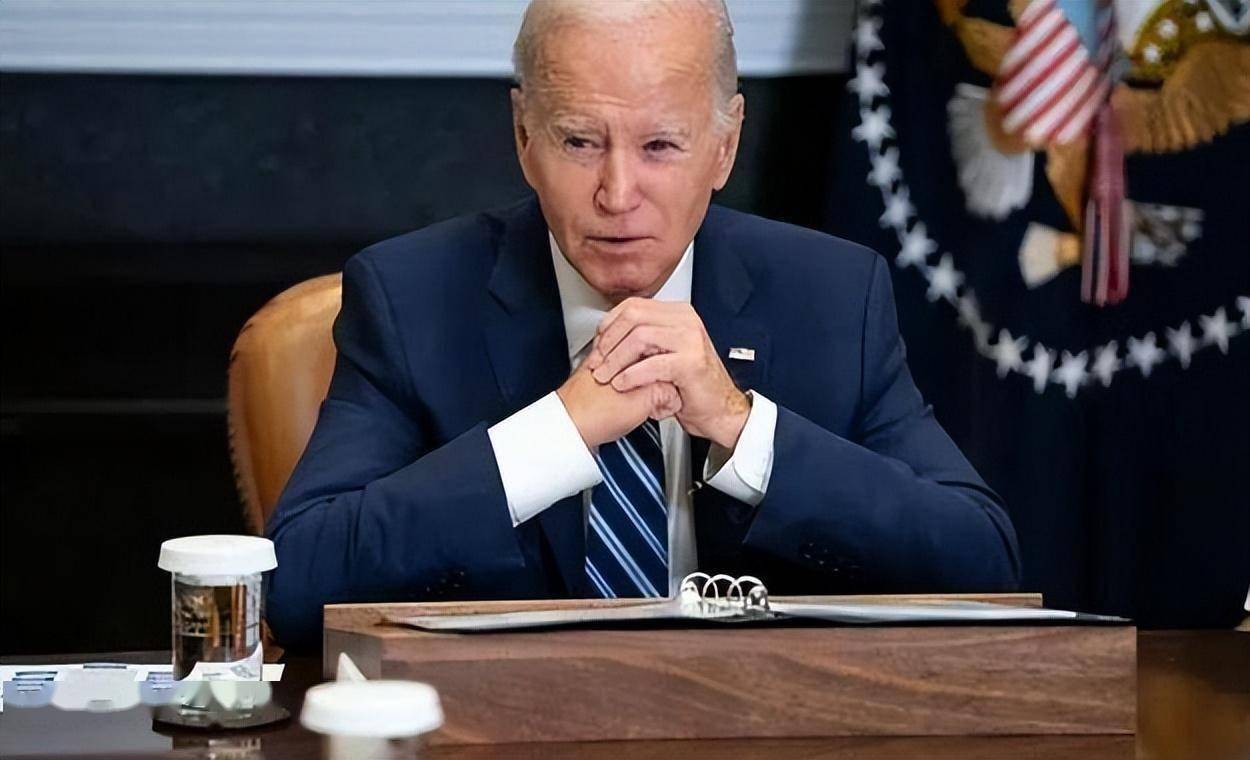
Core Viewpoint - The healthy development of China-Europe economic and trade relations is crucial not only for the two major economies but also for global economic stability, emphasizing the importance of mutual benefits and dynamic balance in cooperation [1][4]. Group 1: Historical Development - Over the past 50 years, China-Europe bilateral trade and investment have rapidly developed, with trade volume increasing from $2.4 billion at the time of diplomatic relations to $785.8 billion in 2024, and bilateral investment stock growing to $260 billion [2]. - The China-Europe Railway Express has surpassed 100,000 trips, establishing a vital connection between Asia and Europe, reflecting strong market mechanisms and confidence in cooperation [2]. Group 2: Economic Structure and Cooperation - The vitality of China-Europe economic relations is rooted in the natural complementarity of their economic structures, with Europe excelling in high-end manufacturing and China offering a vast market and complete supply chains [2]. - The collaboration has created millions of jobs and allowed consumers in both regions to share in the development dividends [2]. Group 3: Opportunities for Growth - There is significant potential for further cooperation in areas such as service trade, technological innovation, green economy, and third-party cooperation, which can cultivate new growth points [2]. - China's large and growing middle-income group presents unprecedented market opportunities for European companies, with high demand for premium products [3]. Group 4: Regulatory Environment and Challenges - The China-EU Geographical Indications Agreement marks a milestone in intellectual property cooperation, enhancing market access for quality products from both sides [3]. - Despite existing differences and friction, it is essential to maintain cooperation through open communication and to resist protectionism and unilateralism [4]. Group 5: Future Directions - Both sides must recognize their complementary advantages and work together to counter global economic headwinds, thereby injecting more momentum into the world economy [4].
外媒:特朗普政府威胁对进口铜征收50%关税,全球最大铜生产商发出警告
Huan Qiu Wang· 2025-07-20 07:31
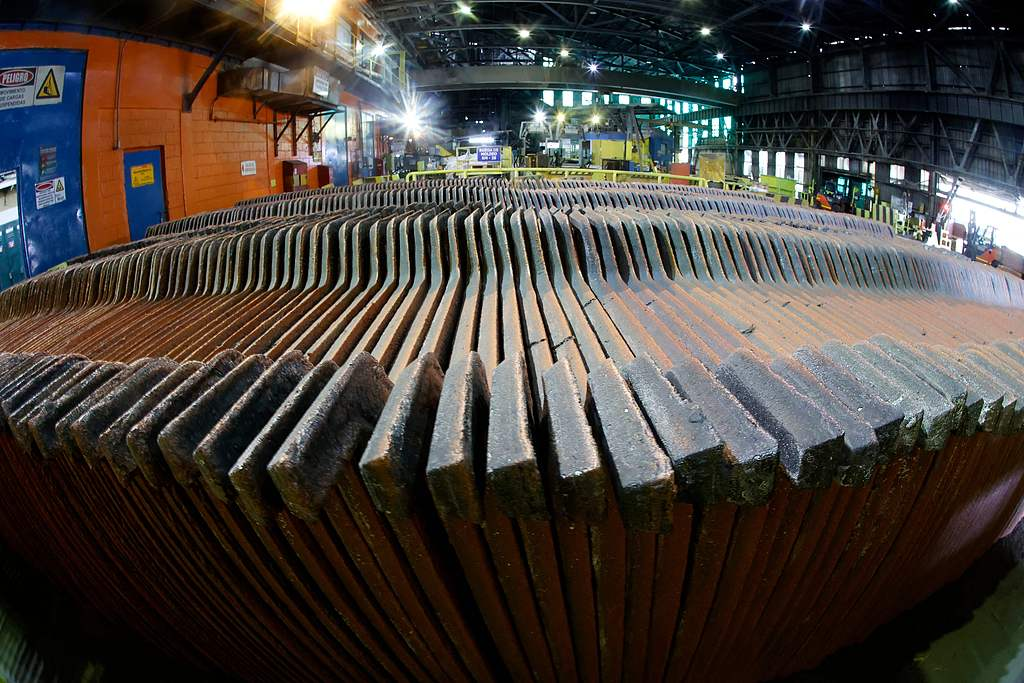
Core Viewpoint - The impending 50% tariff on copper imports announced by the U.S. government is causing significant anxiety in the market, particularly among major copper producers and industrial users [1][3]. Group 1: Tariff Announcement and Market Reaction - The U.S. will impose a 50% tariff on imported copper starting August 1, 2025, as stated by President Trump [1]. - Maximo Pacheco, chairman of Chile's state copper company, warns that this tariff is creating market uncertainty [1][3]. - There is ambiguity regarding whether the tariff applies to refined copper, semi-finished products, or copper ore, leading to confusion among mining companies and industrial users [3]. Group 2: Industry Concerns and Economic Impact - Executives express concern over the tariff's implications, with potential negative effects on key U.S. industries such as electric vehicles, data centers, and defense [3]. - Analysts warn that the tariff could lead to significant cost increases across various sectors, as copper is widely used in electronics, automotive, construction, and data centers [4]. - The U.S. consumes nearly half of its copper from imports, primarily from Chile, making the economy vulnerable to tariff-induced cost pressures [4].
特朗普杀招立竿见影?李在明掏不出4000亿美元,立马反转对华态度
Sou Hu Cai Jing· 2025-07-19 10:20
Group 1 - The core point of the article highlights the significant economic pressure the U.S. is placing on South Korea through tariffs and demands for investment, leading to a potential shift in South Korea's diplomatic and economic strategies [3][15][28] - Trump's recent announcement of a 50% import tariff on copper products adds to the existing tariffs on steel and aluminum, affecting the global industrial supply chain and particularly impacting South Korea's economy [7][8][9] - The U.S. demands that South Korea contribute $400 billion to revitalize American manufacturing, which is nearly 80% of South Korea's annual national budget, raising concerns about economic sovereignty [15][17][20] Group 2 - The imposition of tariffs has already led to a decline in South Korea's exports to the U.S. by over 15%, exacerbating the country's economic challenges [20] - In response to U.S. pressure, South Korea is seeking closer ties with China, as evidenced by the recent establishment of a new certificate approval center to facilitate trade between the two countries [22][24] - The new South Korean administration under Lee Jae-myung is showing a pragmatic shift in foreign policy, focusing on improving relations with China while still maintaining a stance on the U.S.-Korea-Japan alliance [24][26]
七部门鼓励外商再投资 短期资金调配将更便利 新版《鼓励外商投资产业目录》即将出炉,引导外资更多投向先进制造业、现代服务业、高新技术等领域
Zheng Quan Shi Bao· 2025-07-18 17:10
Group 1 - The core viewpoint of the news is the issuance of a notification by seven departments, including the National Development and Reform Commission, to encourage foreign investment enterprises to reinvest domestically, aiming to enhance their long-term development in the Chinese market [1][2] - The notification outlines measures to support foreign investment enterprises, including optimizing land allocation, simplifying processes for establishing new reinvestment enterprises, facilitating foreign exchange fund usage, and innovating financial products and services [1][2] - The focus will be on guiding foreign investment towards advanced manufacturing, modern services, high-tech, energy conservation, and environmental protection, particularly in the central and northeastern regions of China [1][2] Group 2 - The global foreign direct investment (FDI) scale is shrinking, with a projected decline of 11% to approximately $1.5 trillion in 2024, marking the second consecutive year of decrease [2] - The notification allows eligible foreign investment enterprises' reinvestment projects to be included in the major and key foreign investment project lists, thus benefiting from corresponding support policies [2] - The notification specifies that foreign investment enterprises can transfer legally generated foreign exchange profits for domestic reinvestment without the need for additional registration procedures, provided the projects comply with regulations [2][3] Group 3 - To stabilize foreign investment, it is essential to implement policies that enhance short-term liquidity and facilitate fund usage, which are critical factors for foreign investors [3] - The notification includes provisions for optimizing management processes for loans from foreign shareholders and panda bonds required for domestic reinvestment, placing them under a "green channel" for expedited processing [3] - A survey indicated that nearly 70% of German automotive companies plan to increase investments in China by 2025, with over 78% focusing on research and development [3]
决不妥协!巴西已经出手,卢拉誓言反制美国关税,特朗普发出的“最后通牒”无效?白宫吞下苦果
Sou Hu Cai Jing· 2025-07-15 11:57
Group 1 - The Brazilian government, represented by Agriculture Minister Carlos Favaro, criticized the U.S. decision to impose a 50% tariff on Brazilian goods as an "unfair measure" and plans to seek alternative markets in the Middle East and South Asia [1] - Brazilian President Lula indicated that the government could take various actions in response to the U.S. tariffs, including filing a complaint with the WTO and implementing reciprocal measures based on the recently passed economic equivalence law [1] - The Brazilian government has expressed dissatisfaction with the U.S. tariffs and has summoned the U.S. chargé d'affaires for clarification regarding comments made about former President Bolsonaro [1] Group 2 - The Brazilian newspaper "O Estado de S. Paulo" suggested that imposing a 50% tariff on Brazilian products would not alleviate the legal troubles faced by former President Bolsonaro and would be counterproductive to U.S. economic goals [3] - China's Foreign Ministry emphasized that tariffs should not be used as tools for coercion or interference in other countries' internal affairs, highlighting the principle of sovereign equality [3] Group 3 - President Trump announced plans to impose a uniform tariff of 15% or 20% on nearly all remaining trade partners, indicating a broader strategy of increasing tariffs [5] - The U.S. has already sent tariff warning letters to countries like South Korea and Japan, which have been described as lacking negotiation sincerity and reducing dialogue opportunities [5] Group 4 - The German automotive industry is facing significant losses due to U.S. tariffs, with calls for a swift resolution to the trade conflict [7] - Economic experts warn that the imposition of high tariffs on EU goods could lead to substantial trade disruptions and an escalation of economic conflict between the U.S. and EU [7] - Recent data indicates that U.S. companies are beginning to feel the impact of tariffs, with prices for imported steel and aluminum rising nearly 30% from January to May, affecting various sectors reliant on these materials [7]
“日本以为跟美国关系很特殊,但对特朗普来说还不够”
Guan Cha Zhe Wang· 2025-07-13 13:01
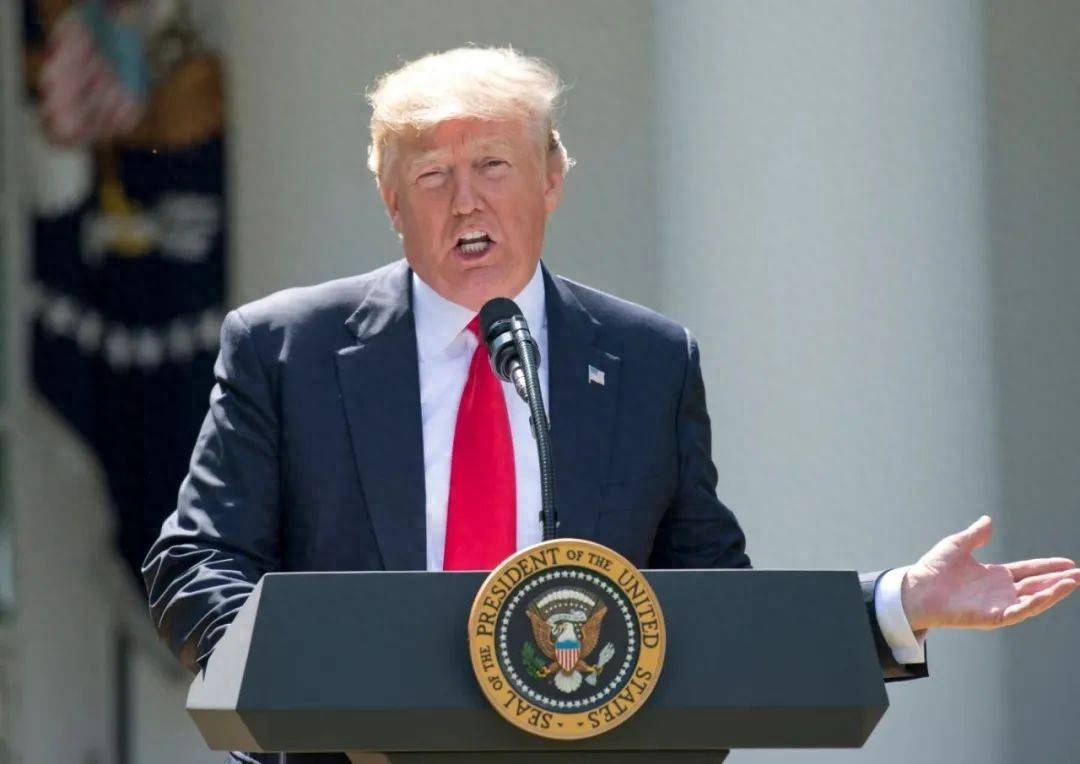
Core Viewpoint - The article discusses the deteriorating trade relations between the United States and Japan, highlighting President Trump's aggressive stance towards Japan in trade negotiations, particularly regarding tariffs and trade deficits [1][5][6]. Trade Negotiations - Japan was initially optimistic about trade negotiations with the U.S., believing it could leverage its status as a key ally to secure favorable terms [1][4]. - However, the negotiations have stalled due to Japan's limited flexibility in making concessions on critical sectors such as automobiles, steel, and rice [4][8]. - Trump has threatened to impose a 25% tariff on Japan if an agreement is not reached by August 1, indicating a shift in the U.S. approach towards Japan [1][5]. Economic Impact - Japan has been the largest foreign investor in the U.S. since 2019, creating approximately 1 million jobs in the U.S., but this has not swayed Trump's position [6][8]. - The U.S. trade deficit with Japan remains a focal point for Trump, who perceives Japan as not special enough to warrant preferential treatment [5][6]. Political Context - The upcoming Japanese Senate elections on July 20 are expected to influence Prime Minister Suga Yoshihide's government and its ability to negotiate with the U.S. [4][9]. - Recent polls indicate declining support for Suga's administration, with only 25.4% approval, suggesting potential political instability [9]. Key Issues - The two main contentious issues in negotiations are automobiles and rice, with Japan reluctant to compromise on these sectors due to their economic significance [7][8]. - Japan's automotive industry is crucial to its economy, and there is resistance to lowering tariffs on U.S. cars, which are perceived as unsuitable for Japanese markets [8][9]. - Rice is viewed as a symbol of Japan's trade barriers, with Trump criticizing Japan's high tariffs on U.S. rice imports, despite the existence of a minimum access system allowing for some duty-free imports [8][9].
邓正红软实力思想解析:征收30%关税系统性削弱美国在全球格局中的软实力价值
Sou Hu Cai Jing· 2025-07-13 10:10
Core Viewpoint - Trump's imposition of tariffs on the EU and Mexico is perceived as a short-term show of strength but ultimately undermines U.S. soft power and accelerates the "de-Americanization" of allies, potentially harming U.S. interests in the long run [1][6]. Group 1: Economic Impact - The 30% tariffs are punitive and exceed typical trade barriers, damaging the stability of supply chains and business expectations for EU and U.S. companies [2]. - The U.S. image as a "reliable trading partner" is significantly diminished, leading to a decline in operational efficiency within its economic environment [2]. - Economic models suggest that the tariffs may have a more negative impact on the U.S. economy, including inflation and slowed growth, than on the EU [4]. Group 2: Ideological Conflict - The EU's commitment to a "rules-based international trading system" contrasts sharply with Trump's unilateral approach, damaging the ideological foundation of U.S.-EU relations [2][3]. - Trump's "America First" stance erodes the mutual trust that has historically underpinned transatlantic relations, as allies feel blamed for issues like trade deficits [3]. Group 3: Diplomatic Relations - The tariffs have deepened rifts within the transatlantic alliance, with strong reactions from EU leaders emphasizing the need to defend European interests [2][5]. - The EU's response includes a unified stance against U.S. actions, indicating a shift towards strategic autonomy and reduced reliance on the U.S. [3][5]. Group 4: Soft Power Dynamics - The tariffs have triggered a backlash that diminishes U.S. global reputation and moral authority, leading to a "negative soft power" effect [4][6]. - The EU and Mexico are actively seeking to strengthen their own soft power and reduce dependence on the U.S., which could lead to a more fragmented international order [6].

美国低招聘、低裁员——全球经济观察第3期【陈兴团队•财通宏观】
陈兴宏观研究· 2025-07-12 14:32
Global Asset Performance - European stock markets led the gains, with the UK FTSE 100, Germany's DAX, and France's CAC rising by 1.3%, 2%, and 1.7% respectively [1] - In the US, the S&P 500 remained flat, the Dow Jones fell by 0.4%, and the Nasdaq increased by 0.1% [1] - Major bond yields mostly rose, with Japan's 10-year bond yield increasing by 16 basis points due to concerns over fiscal spending ahead of the Senate elections [1] - Commodity prices for gold and oil saw a decline, while the US dollar index rose by 0.9% against most currencies [1] Major Central Bank Monetary Policies - The Federal Reserve's meeting minutes revealed a divergence in views among officials regarding interest rate outlooks, with some supporting a rate cut in July while others preferred to maintain current policies [4] - Market expectations for the Fed's rate cut path remained largely unchanged from the previous week [4] - President Trump exerted pressure on Fed Chairman Powell, claiming interest rates were too high and suggesting potential candidates for the next Fed chair [4] US Economic Dynamics - Initial jobless claims fell by 5,000 to 227,000, indicating low layoffs and a stable labor market [13] - One-year inflation expectations slightly decreased to 3%, while three-year and five-year expectations remained stable at 3% and 2.6% respectively [13] - President Trump delayed the implementation of reciprocal tariffs until August 1, while announcing a 50% tariff on copper to boost key domestic industries [13] - The market reacted strongly to the copper tariff announcement, with COMEX copper futures rising over 12% on the day [13] Economic Dynamics in Other Regions - Germany's industrial output rebounded by 1.2% in May, exceeding market expectations, driven by growth in the automotive and energy sectors [29] - Japan's wholesale price index rose by 2.9% year-on-year in June, down from a revised 3.3% in May, indicating a slowdown in inflationary pressures [30]