美妆

Search documents
爱茉莉太平洋换帅,中国区重回“华人操盘”时代
FBeauty未来迹· 2026-03-03 13:25
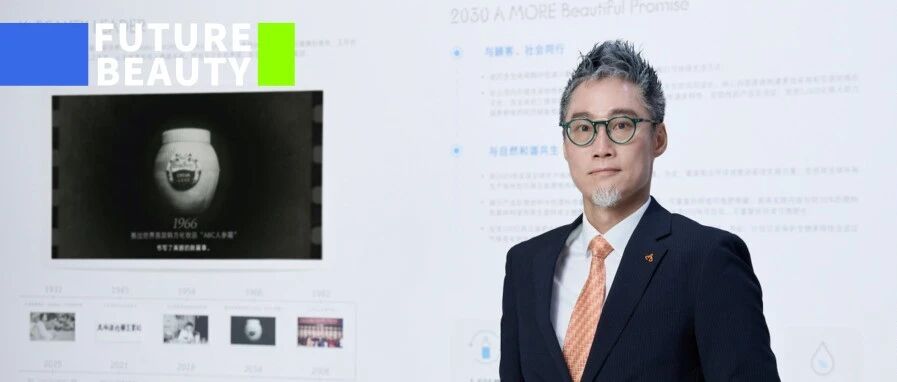
Core Viewpoint - Amorepacific Group has appointed Daniel Hui as the new president of Amorepacific China, marking the third leadership change in four years, reflecting the company's urgent need for external perspectives to overcome growth challenges in the Chinese market [3][7][10]. Group 1: Leadership Change - Daniel Hui, with over 20 years of consulting experience at McKinsey and a background in retail and e-commerce, was promoted to president just five months after joining as vice president [7][8]. - This appointment signals Amorepacific's strategy to seek a leader with diverse expertise to navigate the complexities of the Chinese market [8][12]. Group 2: Financial Performance - In 2025, Amorepacific reported a sales revenue of 46,232 billion KRW, a year-on-year increase of 8.5%, and an operating profit of 3,680 billion KRW, up 47.6%, marking the highest profit since 2019 [15][16]. - The Greater China region saw a slight sales increase of 0.5%, indicating a potential recovery in the market after previous declines [18]. Group 3: Market Challenges - The Korean beauty industry is facing significant competition from local brands and changing consumer preferences, necessitating a strategic shift for Amorepacific [20][22]. - Key challenges include the need to rejuvenate high-end branding, capture efficacy-driven market segments, and adapt to the intensifying online competition [20][22]. Group 4: Strategic Adjustments - Amorepacific has been restructuring its brand portfolio and channel strategies, including the closure of underperforming brands and the introduction of new products, such as the professional skincare brand Aestura [22][24]. - The company is focusing on sustainable practices and has released its 2024 ESG report, emphasizing its commitment to environmental, social, and governance standards [26][27]. Group 5: Industry Context - The leadership changes in multinational companies in China reflect a broader trend towards localization, with a growing emphasis on understanding and adapting to the unique dynamics of the Chinese market [27]. - The appointment of local leaders is seen as essential for navigating the complexities of consumer behavior and market demands in China [27].

大消费行业周报:上游板块受资金青睐,关注刚性内需细分-20260301
Ping An Securities· 2026-03-01 11:46
Investment Rating - The industry investment rating is "stronger than the market," indicating that the industry index is expected to outperform the market by more than 5% within the next six months [27]. Core Insights - The report highlights that the upstream sectors are favored by capital, with a focus on rigid demand segments within the consumer industry [4]. - The tourism sector shows significant growth potential, with record-high travel and spending during the Spring Festival, suggesting a robust recovery in consumer demand [8]. - The beauty industry is experiencing steady growth, with a recommendation to monitor leading companies that adapt quickly to market changes [4]. - The food and beverage sector, particularly alcoholic beverages, is seeing a decline in profits for many companies, but leading firms are expected to gain market share due to superior brand management [4][10]. - The report notes a shift in consumer preferences towards healthier options in the food and beverage sector, with opportunities in the home dining market and dairy products [4][22]. Summary by Sections Market Performance - The Shanghai Composite Index and the CSI 300 Index increased by 1.98% and 1.08% respectively, driven by sectors such as steel, non-ferrous metals, and chemicals [7]. - The consumer sector showed mixed performance, with agriculture, textiles, and light manufacturing outperforming the CSI 300, while retail, home appliances, food and beverage, and media sectors lagged behind [7]. Social Services - The report emphasizes the importance of companies that respond positively to changing consumer demands, particularly in tourism and beauty sectors [4][8]. - The Spring Festival saw 596 million domestic trips and total spending of 803.48 billion yuan, marking a significant increase from the previous year [8]. Food and Beverage - Alcohol - The report indicates that many liquor companies are experiencing deeper profit declines, but leading firms are expected to maintain or grow their market share due to strong brand management [4][10]. - The high-end liquor market remains resilient, while the mid-range segment continues to expand nationally [4]. Food and Beverage - Consumer Goods - The report highlights a rigid demand for consumer goods during the Spring Festival, with a trend towards healthier gift options [4][22]. - Companies like Guoquan are noted for their strong market position in the home dining segment, with ongoing expansion plans [4]. Media - The 2026 Spring Festival box office totaled 5.752 billion yuan, a year-on-year decline of 39.5%, indicating challenges in the media sector [14]. - The report suggests that the media industry is facing significant headwinds, particularly in ticket sales and audience engagement [14].
深度 | 57%之后,国货美妆进入“能力淘汰赛”
FBeauty未来迹· 2026-02-28 13:12
Core Viewpoint - The domestic beauty industry in China has reached unprecedented heights, with domestic brands capturing 57.37% of the market share by 2025, marking a significant milestone. However, the industry is now facing new challenges as it transitions from a phase of rapid growth to one focused on capability and efficiency [3][9]. Group 1: Industry Transition - The industry is shifting from "opportunity-driven" to "capability-driven," indicating a maturation phase where brand value and organizational efficiency are becoming critical for sustained growth [4][9]. - The overall market growth has slowed to around 2% annually, leading to increased costs for online traffic and a lack of recovery in offline channels, prompting brands to reassess their strategies [9][10]. - Companies are now focusing on internal efficiency and profit recovery rather than merely expanding their scale, as evidenced by the proactive measures taken by brands like Huaxi Biological and Shanghai Jahwa [10][13]. Group 2: Case Studies of Brand Adjustments - Huaxi Biological faced a significant decline in net profit, over 70% in 2024, due to resource dispersion and cost structure imbalances. In response, the company decided to streamline operations by shutting down non-core brands and focusing on four key brands, leading to a projected profit increase of 54.93% to 83.63% in 2025 [10][12]. - Shanghai Jahwa has also undergone deep adjustments, expecting to turn a profit in 2025 after significant losses in previous years. The company emphasized "four focuses" to ensure competitive pricing and brand strength in key categories [13][15]. Group 3: New Market Entrants and IPOs - New brands like HBN, Banmu Huatian, and Lin Qingxuan are entering the capital market, with HBN showing a net profit growth of over 190% and Banmu Huatian achieving a 495% increase in a specific product category [18][19]. - The focus of capital markets is shifting from growth speed to profit quality, indicating a more mature investment landscape where certainty is prioritized over mere growth narratives [20][21]. Group 4: Future Growth Models - The Chinese cosmetics market is expected to grow at a stable rate of 2.83% in 2025, with a shift in narrative from expansion to quality improvement, emphasizing supply-side capability upgrades [29][31]. - The new growth model is defined as "technical barriers × brand value × organizational efficiency × global layout = quality growth," contrasting with the previous model that relied on traffic and explosive product efficiency [32][39]. - Companies are increasingly focusing on technological advancements and brand building as core assets for long-term competitiveness, with an emphasis on establishing a stable profit structure [34][36]. Group 5: Global Expansion and Organizational Efficiency - Companies are looking to expand into international markets, particularly Southeast Asia and Europe, with a focus on establishing brand recognition and technical standards abroad [38][39]. - The ability to navigate through competitive pressures and establish organizational efficiency will be crucial for brands to sustain growth in a maturing market [37][39].


LVMH集团被曝考虑出售玫珂菲,属于美妆板块亏损品牌
Xi Niu Cai Jing· 2026-02-28 03:22
Group 1 - LVMH is considering selling its makeup brand Make Up For Ever as part of a restructuring of its beauty business [2] - The group has approached several strategic investors and private equity firms to gauge interest in the brand [4] - Make Up For Ever has been exclusively sold through Sephora in Europe and North America [4] Group 2 - LVMH is also weighing the sale of its skincare brand Fresh and the divestment of shares in the makeup brand Fenty Beauty [5] - Make Up For Ever was founded by makeup artist Dany Sanz in 1984 and was acquired by LVMH in 1999, with expectations of joining the "1 billion euro club" [5] - The brand has reported losses for eight consecutive years, with annual net revenue around 300 million euros [5] Group 3 - Make Up For Ever's product range includes foundation, eyeshadow, and lipsticks, featuring popular items like the Ultra HD Foundation and Artist Color Pencil [5] - The brand has undergone three CEO changes since 2019 in attempts to reverse its declining performance, but with limited success [5] - LVMH has not yet responded to rumors regarding the potential sale of Make Up For Ever [5]
美妆公司投资短剧 还是一门好生意吗?
2 1 Shi Ji Jing Ji Bao Dao· 2026-02-27 23:13
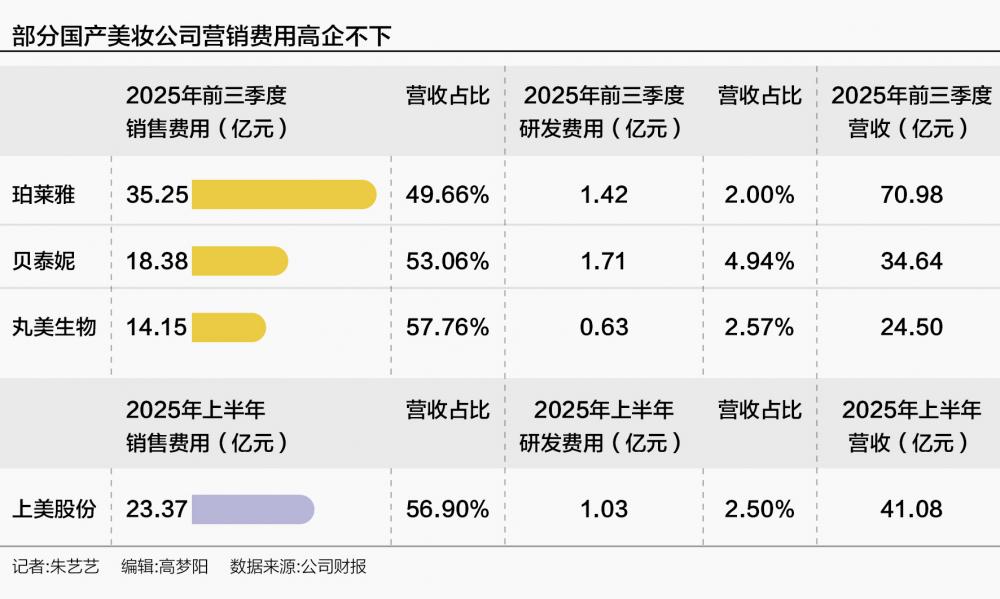
Core Insights - The rise of short dramas in the Chinese market has attracted significant investment from beauty companies, with major players like Proya, Shiseido, Marubi, and Bethany actively participating in this trend [1][2][4] - Short dramas have proven to be effective marketing tools, generating substantial viewership and sales for brands, with some series achieving over 10 billion views [1][2][3] - However, the increasing competition in the short drama space has led to concerns about diminishing returns and effectiveness, prompting some companies to reconsider their strategies [5][6][7] Company Summaries - **Proya**: Launched multiple short dramas in 2023, including "The Full-Time Husband Training Plan," which garnered 3.6 billion views. The brand's sales through Douyin reached approximately 33.4 billion yuan in 2023, a 374.4% increase year-on-year [2][3] - **Shiseido**: Released nearly 30 short dramas from 2023 to 2024, with significant viewership and sales impact, including a notable 793.6 million units sold of a featured product [2][4] - **Marubi**: Continued to invest in short dramas, with a total viewership exceeding 12 billion across various series. The company reported a 39.31% increase in sales expenses in 2025, reflecting the rising costs of online marketing [4][9][10] - **Bethany**: Although previously involved in short dramas, the company has indicated a shift away from this strategy in the coming years [6][7] Industry Trends - The short drama marketing strategy has become increasingly popular among beauty brands, with many integrating product placements into their narratives to drive sales [1][4] - The cost of producing short dramas has risen significantly, with estimates for high-quality productions ranging from 6 to 8 million yuan per episode, leading to increased marketing expenses for companies [7][10] - Despite initial success, the market for short dramas is becoming saturated, leading to concerns about the effectiveness and ROI of such marketing efforts [5][6][7]
国际美妆巨头的潮水方向变了:LVMH被传“瘦身”二线品牌,韩妆借功效卷土重来,丝芙兰押注国潮抖音爆款
Yang Zi Wan Bao Wang· 2026-02-27 12:14
Core Insights - The Chinese beauty market is shifting from "incremental dividends" to "stock game," leading international giants to rethink their strategies as traditional high-entry tactics fail [1] - LVMH is reportedly planning to divest several brands, including Make Up For Ever, while Amorepacific is focusing on repeat purchases with its efficacy-driven brand Aestura [1][9] - Sephora is now featuring popular domestic brands that emerged from Douyin, indicating a significant shift in its product selection strategy [2][4] Group 1: Sephora's Strategy Shift - Sephora has introduced a "next hot product" section in stores, showcasing brands like Sanzi Tang and BABI, which previously gained popularity through Douyin [2] - The introduction of these brands is a response to declining sales, with Sephora China reporting a 12.3% revenue drop and a cumulative loss exceeding 1 billion yuan since 2022 [3] - The company is expanding its product range to include more affordable and effective brands, moving away from solely high-end offerings [4] Group 2: LVMH's Brand Management - LVMH is evaluating the sale of brands like Fresh and Make Up For Ever, which have been underperforming, with the latter experiencing eight consecutive years of losses [7][8] - The company aims to focus on core brands that can drive revenue, such as Dior and Guerlain, while divesting from those that do not meet performance expectations [8] - The shift reflects a broader industry trend where luxury brands are reassessing their portfolios and focusing on profitability rather than brand quantity [8] Group 3: Amorepacific's Market Entry - Amorepacific has introduced its efficacy-focused brand Aestura to the Chinese market, targeting the growing demand for post-medical skincare solutions [9][10] - The brand's strategy involves building trust through clinical data and leveraging its reputation in Korean hospitals, although it faces challenges in establishing credibility in China [9][10] - Aestura's success could signify a turning point for Korean beauty brands in China, emphasizing the need for efficacy and repeat purchases over mere brand recognition [10]
年轻人的化妆包,找不出一支完美日记
3 6 Ke· 2026-02-27 10:56
Core Insights - Perfect Diary, once a leading domestic cosmetics brand, has seen a significant decline in visibility and relevance in the market, particularly during key gifting occasions like Valentine's Day and Chinese New Year [1][2][21] - The brand's rise and fall are closely tied to the cyclical nature of internet traffic and consumer behavior, with its initial success benefiting from a lack of competition and a strong social media presence [2][3][21] Group 1: Brand Evolution - Perfect Diary emerged in 2017, capitalizing on the rise of domestic products, social e-commerce, and increasing makeup penetration, quickly establishing itself as a popular choice among young consumers seeking affordable alternatives to high-end brands [3][6] - The brand's marketing strategy heavily relied on high-density promotional campaigns and collaborations with influencers, which initially drove significant sales and brand recognition [5][6][7] Group 2: Challenges Faced - Starting in 2021, Perfect Diary faced multiple crises, including rising marketing costs and increased competition, leading to a decline in its market position [8][9] - The brand's marketing expenses were unsustainable, often exceeding 60%, and as customer acquisition costs rose, the previous growth model became unviable [9][11] - Quality issues and low repurchase rates began to tarnish the brand's reputation, leading to a decline in consumer interest and market share [11][12] Group 3: Strategic Missteps - The company's attempts to shift from a marketing-heavy approach to a focus on product development did not yield the desired results, further marginalizing the brand [1][12] - Despite efforts to diversify through acquisitions of international brands, these strategies have not successfully revitalized the brand or its market presence [14][16][20] - The brand's identity as a "budget-friendly" option has become a limiting factor, making it difficult to reposition itself in the market [12][21] Group 4: Industry Reflection - The decline of Perfect Diary serves as a cautionary tale for other domestic beauty brands, highlighting the risks of relying solely on traffic-driven growth without a solid foundation in product quality and brand loyalty [21][22] - The narrative of Perfect Diary illustrates the broader challenges faced by new consumer brands in maintaining relevance in a rapidly evolving market landscape [21][22]

港股回温与美股分流 中企境外上市上演“三重赛道”博弈
Sou Hu Cai Jing· 2026-02-27 06:55
Group 1 - The landscape of Chinese companies listing overseas is undergoing significant transformation, with Hong Kong's strategic position being elevated as a key hub connecting domestic and international markets [1] - The central economic work conference in December 2025 emphasized the need to broaden channels for overseas listings, reinforcing Hong Kong's role in the gradual opening of the capital market [1] - Hong Kong is expected to play a crucial role as a "super connector" for capital, especially in the context of the complex international environment and the ongoing internationalization of the Renminbi [1] Group 2 - The U.S. stock market is showing signs of recovery, but new Nasdaq regulations have raised the core financial thresholds for IPOs by 200%, making it more challenging for small and medium-sized enterprises to meet these requirements [3] - The SEC's new regulations require foreign private issuers to comply with insider reporting obligations, which could hinder smaller companies lacking solid performance and governance structures from listing on U.S. exchanges [3] - In 2025, 17 A-share companies successfully listed in Hong Kong, contributing to 53.65% of the financing scale in the Hong Kong market, showcasing the attractiveness of Hong Kong for quality enterprises across various sectors [3] Group 3 - The high liquidity and brand effect of the U.S. market remain appealing for leading companies, but the increased compliance thresholds will exclude 80% of small and medium enterprises [5] - The choice of listing is now influenced by compliance costs, regulatory alignment, and strategic development rather than just valuation comparisons [5] - Professional investment banks with cross-market capabilities are becoming essential for companies aiming to successfully navigate the capital markets [5]

营销趋势新法则
Sou Hu Cai Jing· 2026-02-27 04:33
Group 1 - The core viewpoint of the article emphasizes the shift in brand marketing from "reaching people" to "understanding people" due to the dual changes in population structure and diversified demand [1][9][10] - The consumer demographic in China is experiencing a significant transformation, with the peak consumption age moving from 40-50 years in 2010 to 25-29 years in 2022, indicating a younger consumer base is becoming the primary decision-maker [20][10] - The report introduces a "three-in-one" population system to evaluate consumer health and identify growth opportunities across various industries, including beauty, maternity, and luxury goods [2][10] Group 2 - The article outlines a four-step application process: identifying the right audience, defining mental targets, communicating effectively, and selecting the appropriate audience for marketing efforts [3][4] - The marketing landscape is evolving into a "one person, many faces" era, necessitating precise targeting of individuals whose states are constantly changing to achieve sustainable growth [4][10] - The article highlights the importance of understanding consumer behavior, which has become fragmented and complex, requiring brands to adapt their marketing strategies accordingly [27][33][41] Group 3 - The consumer mindset is shifting towards a three-dimensional understanding of brands, focusing on functionality, scenarios, and values, which necessitates a more nuanced approach to marketing [30][35] - The article discusses the emergence of diverse consumer behaviors, where decision-making is no longer linear but rather influenced by various factors and emotions, leading to a more complex purchasing journey [33][41] - Brands are encouraged to move away from traditional demographic segmentation to a more dynamic understanding of consumers, recognizing the multifaceted nature of individual identities [43][49]

馥蕾诗要被卖了?
3 6 Ke· 2026-02-27 02:56
Core Viewpoint - LVMH has initiated a strategic optimization process for its beauty division following a leadership change, considering the sale of several underperforming brands, including Fresh and Make Up For Ever, and evaluating a partial divestment of Fenty Beauty [1][2][11]. Group 1: Leadership Changes and Strategic Moves - LVMH announced a leadership change in its beauty division on February 9, with Stéphane Rinderknech stepping down and Véronique Courtois taking over, who has over 20 years of experience with LVMH [2]. - The company is reportedly undergoing a significant strategic restructuring of its beauty division, assessing the sale of multiple brand assets, including Fresh and Make Up For Ever [2][11]. Group 2: Brand Performance and Market Challenges - Fresh, founded in 1991 and acquired by LVMH in 2000, has struggled with profitability and is facing challenges due to changing consumer preferences towards efficacy over brand storytelling [5][8]. - The brand has been in a long-term loss situation within LVMH, which is a key reason for the potential sale consideration [8][9]. - Fresh has a presence in over 25 countries but has not achieved significant market penetration in China, where it has been unable to break into the top tier of foreign beauty brands [8][9]. Group 3: Other Brands Under Review - LVMH is also considering the sale of Make Up For Ever, which has been in a similar situation of long-term losses and has not met growth expectations set by LVMH [11][13]. - Fenty Beauty, co-created with Rihanna, initially saw great success but is now viewed as a non-core asset due to its reliance on Rihanna's personal brand and recent sales challenges [14][16]. - LVMH is seeking a valuation of Fenty Beauty between €1.5 billion and €2.5 billion for a potential sale of its 50% stake [16]. Group 4: Financial Performance and Strategic Focus - LVMH's overall revenue for 2025 was €80.807 billion, reflecting a 5% decline year-on-year, marking a rare instance of negative growth for the company [18]. - The beauty division's revenue for 2025 was €8.174 billion, down 3% from the previous year, with luxury brands like Dior and Givenchy being the main contributors to revenue [18][19]. - LVMH is focusing on core beauty brands that can deliver stable high growth and profitability, indicating a strategic shift towards optimizing its beauty portfolio [20].