
生物医药

Search documents
更好理解投资于物和投资于人紧密结合
Sou Hu Cai Jing· 2026-02-09 05:42
Core Viewpoint - The development of fixed asset investment in China has reached an advanced stage, leading to an urgent demand for high-level human capital, emphasizing the need for a synergy between investment in physical and human capital to overcome current investment growth bottlenecks [1] Group 1: Constraints on Investment Growth - Insufficient accumulation of human capital has become a significant bottleneck for enhancing the effectiveness of fixed asset investment, as the increasing technological and knowledge intensity of investments requires high-quality human capital [2] - The technical content of assets formed by fixed asset investment has significantly increased, necessitating higher professional capabilities from users, which is evident in advanced projects like the Shanghai Tesla Gigafactory [2] - The demand for professional talent is critical in maintaining the operational efficiency of high-tech assets, as a lack of skilled personnel can lead to resource wastage and hinder investment effectiveness [2] Group 2: Consumer Technology Literacy - The technological attributes of end products and services from fixed asset investments are increasing, which raises the requirement for consumer technology literacy [3] - In 2025, China's sales of new energy vehicles reached 14.78 million units, indicating that consumer understanding of smart technologies is essential for fully realizing the benefits of high-tech products [3] - Insufficient consumer technology literacy can suppress demand for high-tech products, affecting the efficiency of fixed asset investment cycles and limiting domestic demand potential [3] Group 3: Human Capital Demand in Investment Activities - Investment activities, especially in emerging and future industries, require deep involvement from specialized technical talent at every stage, from planning to operation management [4] - New fixed assets that incorporate new technologies have a higher relative demand for skilled labor, and a lack of high-quality professionals can significantly reduce the quality and long-term returns of fixed asset investments [4] Group 4: Pathways to Overcome Human Capital Constraints - The synergy between investment in physical and human capital is essential for breaking through development bottlenecks and maximizing investment effectiveness [5] - Investment in human capital should focus on enhancing professional capabilities to match the high demands of technological assets, ensuring that labor force skills align with investment needs [5] Group 5: Key Tasks for Investing in Human Capital - The strategy for investing in human capital should focus on education, employment, and industrial policies to promote deep integration between human and physical capital [9] - In the education sector, fostering cultural and scientific literacy among youth is crucial, with initiatives like industry-education integration proving effective in addressing human capital gaps [9] - In the employment sector, reforming research systems to release innovation potential and aligning talent with industry needs is vital for enhancing investment quality [10] - Industrial policies should facilitate the alignment of human capital supply with industry demand, promoting a virtuous cycle of investment in human capital leading to industrial upgrades and enhanced investment returns [10]

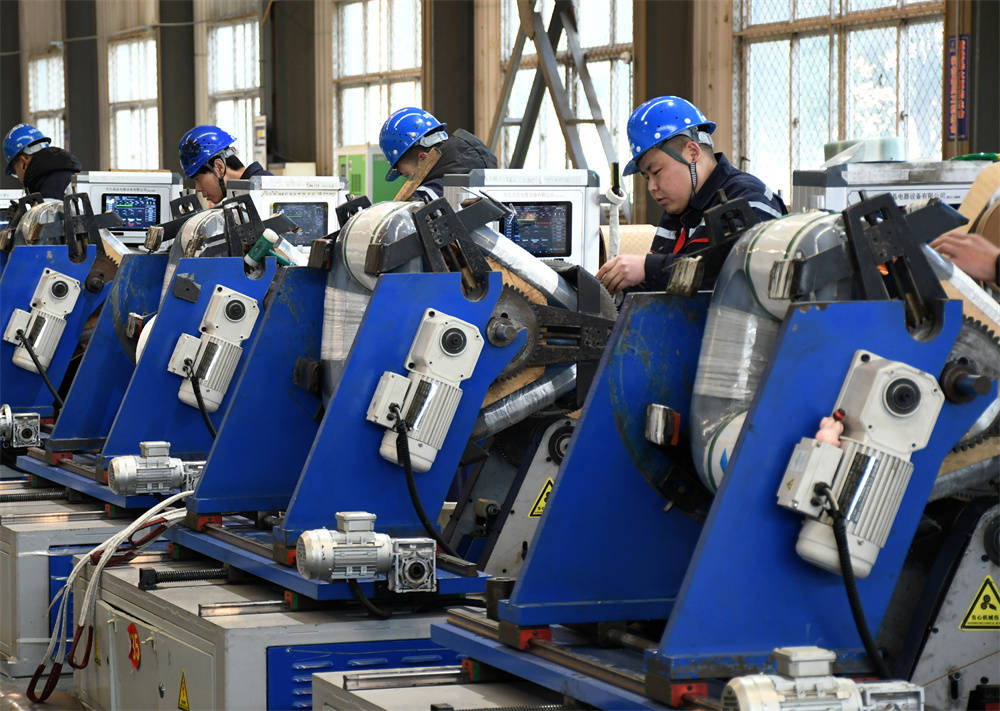
花园生物股价跌5.22%,南方基金旗下1只基金位居十大流通股东,持有347.85万股浮亏损失347.85万元
Xin Lang Cai Jing· 2026-02-09 05:22
Group 1 - Garden Biologics experienced a decline of 5.22% on February 9, with a stock price of 18.15 yuan per share and a trading volume of 585 million yuan, resulting in a turnover rate of 5.88% and a total market capitalization of 9.864 billion yuan [1] - The company, Zhejiang Garden Biologics Co., Ltd., was established on December 18, 2000, and went public on October 9, 2014. Its main business focuses on developing, producing, and selling products related to a complete vitamin D3 industry chain [1] - The revenue composition of the company includes vitamin products at 47.41%, pharmaceuticals at 30.22%, lanolin and its derivatives at 20.93%, sales of raw materials and others at 1.01%, rental income at 0.31%, other trade products at 0.10%, and medical devices at 0.01% [1] Group 2 - Among the top circulating shareholders of Garden Biologics, a fund under Southern Fund holds a position. The Southern CSI 1000 ETF (512100) reduced its holdings by 48,400 shares in the third quarter, now holding 3.4785 million shares, which accounts for 0.65% of the circulating shares [2] - The estimated floating loss for the Southern CSI 1000 ETF (512100) today is approximately 3.4785 million yuan. The fund was established on September 29, 2016, with a latest scale of 78.996 billion yuan, and has achieved a 6% return this year, ranking 1533 out of 5580 in its category [2] - The fund manager, Cui Lei, has a tenure of 7 years and 96 days, with a total fund asset size of 137.02 billion yuan. The best fund return during the tenure is 279.97%, while the worst return is -15.93% [2]

Cell重磅发现:星星之火可以燎原,这种罕见的“火花T细胞”,决定癌症免疫治疗成败
生物世界· 2026-02-09 04:21
Core Viewpoint - The article discusses the inherent randomness in cancer immunotherapy responses, highlighting the discovery of a rare but critical T cell subset known as Spark T cells, which significantly influences treatment outcomes [2][4]. Group 1: Randomness in Cancer Immunotherapy - Cancer immunotherapy has shown success in a small subset of patients who do not respond to traditional therapies, but many patients still do not respond well due to various factors [2]. - The effectiveness of immunotherapy varies greatly among patients with similar conditions, indicating an intrinsic randomness in treatment outcomes [2][7]. - A study demonstrated that even under identical experimental conditions, the results of immunotherapy can differ significantly, with some cancer cells being completely eradicated while others remain unaffected [7]. Group 2: Discovery of Spark T Cells - The research identified Spark T cells, a rare T cell subset that plays a crucial role in the effectiveness of cancer immunotherapy, comprising only 1 in 2500 to 1 in 1000 of all T cells [9]. - Spark T cells can rapidly produce large amounts of interferon-gamma (IFN-γ) upon recognizing cancer cells, initiating a positive feedback loop that activates more T cells for a robust immune response [9][10]. - The unique characteristics of Spark T cells, including their epigenetic features that allow quick responses to antigen signals, contribute to their high efficiency in targeting tumors [10]. Group 3: Clinical Implications and Future Directions - The identification of Spark T cells may lead to new biomarkers for predicting the efficacy of immunotherapy, allowing for better patient selection and reducing unnecessary side effects and costs [13]. - Enriching or expanding Spark T cells could represent a new direction for cell therapies, potentially enhancing the effectiveness of adoptive T cell therapies [13]. - This research provides a new framework for understanding the variability in immunotherapy responses, with the potential to make treatment outcomes more predictable and effective [13].

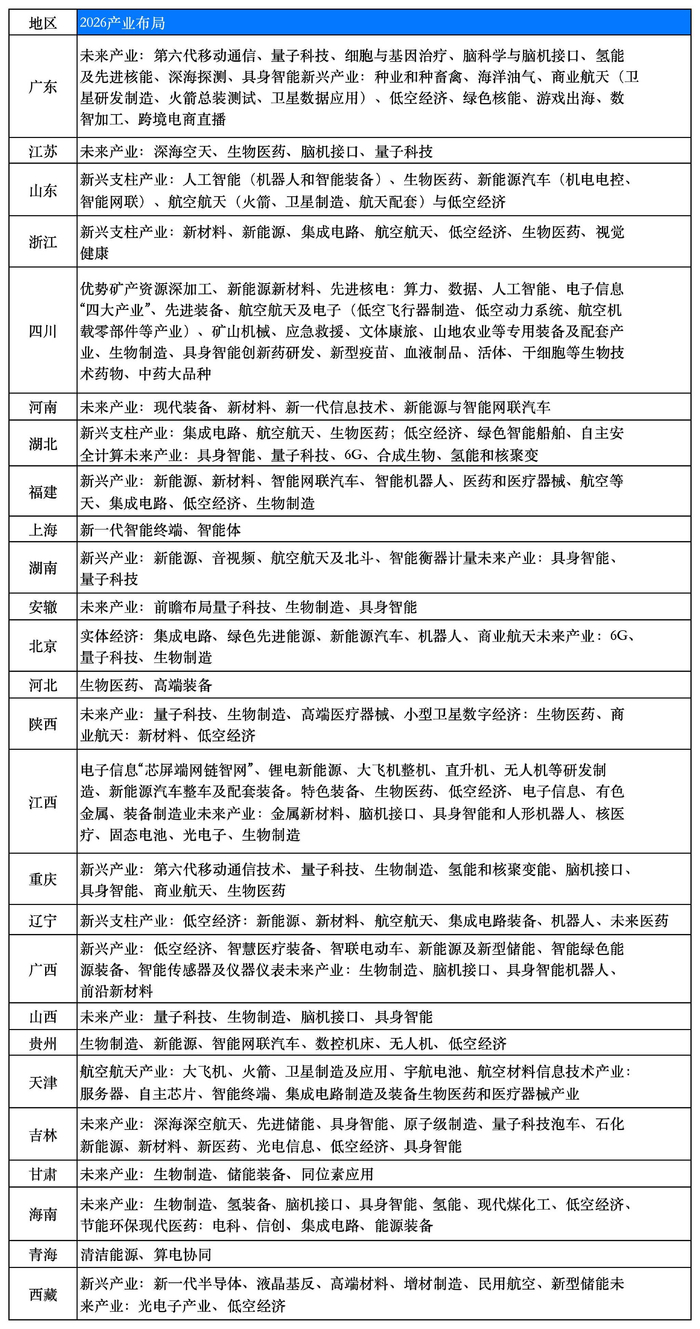
2026年31省“强产业”图景:传统、新兴、未来三维并进,推进智能化和绿色化
Xin Lang Cai Jing· 2026-02-09 03:24
Core Viewpoint - The "14th Five-Year Plan" emphasizes building a modern industrial system and strengthening the foundation of the real economy as a primary strategic task, with 2026 marking the beginning of this plan [1] Group 1: Industry Focus and Strategies - Local governments across 31 provinces are prioritizing "strong industries" with a focus on "new quality productivity," driven by technological innovation, while consolidating traditional industries and competing in AI and future industries [1] - Key emerging industries identified include artificial intelligence, biomedicine, commercial aerospace, robotics, and quantum technology, reflecting a commitment to the central government's directives [3][9] - Provinces are adopting a three-dimensional approach to industry development, focusing on upgrading traditional industries, nurturing emerging industries, and laying out future industries [3][4] Group 2: Technological Innovation and Investment - Technological innovation is seen as the primary driver for strong industries, with many provinces setting quantitative targets for R&D investment, such as Jiangsu aiming for a 7% annual increase in R&D spending [4][5] - Various provinces are investing significantly in core technology breakthroughs, with Beijing planning to invest over 1.5 billion yuan in high-tech industry technology research [7] - The establishment of innovation platforms and pilot zones is being prioritized to facilitate the transformation of technological achievements into production [7][9] Group 3: Differentiated Industrial Layout - Provinces are tailoring their industrial strategies based on local resources and advantages, with eastern coastal provinces focusing on global innovation hubs and western provinces targeting green energy and computing [11][12] - The northeastern provinces are revitalizing traditional industries and enhancing specialized equipment manufacturing, with specific initiatives to support local industrial clusters [12][13] Group 4: Talent and Policy Support - Local governments are launching new talent acquisition plans to attract high-level professionals, with Beijing implementing measures to support young innovators [13] - A comprehensive policy framework combining industrial planning, special policies, and financial support is essential for achieving the goal of strong industrial provinces [13]
研报掘金丨中金:维持信达生物“跑赢行业”评级,上调盈利预测
Ge Long Hui· 2026-02-09 03:17
中金发表研报指,信达生物预告去年全年产品收入约119亿元,年增约45%,其中第四季度产品收入约 33亿元,年增超过60%,符合中金预期。由于四季度公司计提了六款首次纳入2026年医保目录新产品的 库存补差,预计剔除该影响,公司四季度实际收入将体现更明显增长,略超中金预期,主要得益于新品 放量。考虑到2026武田合作款影响,上调2026年归母净利润预测274%至66.8亿元,并引入2027年归母 净利润预测41.4亿元。该行维持对其"跑赢行业"评级,基于DCF模型维持目标价118.3港元不变。 ...
港股IPO“提质”信号:一场质量保卫战的欢乐进行曲
Sou Hu Cai Jing· 2026-02-09 02:39
Core Insights - The Hong Kong IPO market is experiencing a significant transformation focused on quality, with regulatory bodies emphasizing the need for improved standards amidst a surge in new listings and fundraising [1][3][4] Group 1: Market Performance - As of February 8, 2026, the Hong Kong IPO market has seen 18 new listings, a year-on-year increase of 125%, with total fundraising reaching 67.55 billion HKD, a staggering increase of 1029.23% [1] - New economy sectors such as AI, semiconductors, and renewable energy are prominently represented, with over 60% of the 550 companies that filed for IPOs in 2026 coming from these fields [4] Group 2: Regulatory Changes - The Hong Kong Securities and Futures Commission has adopted a "zero tolerance" approach, halting the review of 16 problematic applications to ensure compliance and quality [3][4] - New regulatory measures include a quality assessment mechanism and stricter responsibilities for sponsors, ensuring that they thoroughly verify the accuracy of prospectus data [7][8] Group 3: Market Structure and Future Outlook - The "A+H" listing model is becoming more prevalent, with five A-share companies successfully listing in Hong Kong in 2026, indicating a shift towards a more integrated market structure [5] - Future innovations may include a "sandbox regulatory" approach to provide more flexible listing paths for tech companies, enhancing the overall market environment [6][9] - The introduction of advanced technologies like blockchain and AI is expected to improve the efficiency of the review process, making it more streamlined and effective [9]

江苏省政府工作报告全文发布:谋划沿海高铁通道建设
Sou Hu Cai Jing· 2026-02-09 01:59
Economic Goals - The main economic development targets for Jiangsu Province in 2026 include a GDP growth of 5%, a 2% increase in general public budget revenue, and the creation of 1.2 million new urban jobs with an urban unemployment rate around 5% [1][28] - The consumer price index is expected to rise by about 2%, while residents' income growth is aimed to be synchronized with economic growth [1][28] - The total retail sales of social consumer goods are projected to grow by approximately 5%, and the intensity of R&D investment is targeted at around 3.42% [1][28] Major Projects and Investments - The government plans to focus on the construction of 550 major provincial projects, with targeted investments of 240 billion yuan in transportation, 45 billion yuan in water conservancy, and 170 billion yuan in energy sectors [2][29] - The emphasis will be on advancing "two heavy" projects to stimulate economic growth [2] Future Industry Development - Jiangsu aims to cultivate future industries through a three-year action plan, focusing on innovative and disruptive technology projects, including quantum technology, biomanufacturing, hydrogen energy, brain-computer interfaces, embodied intelligence, and sixth-generation mobile communications [3][31] - The province will selectively develop future industries based on resource endowments, industrial foundations, and research conditions to avoid unrealistic and hasty developments [4][31] Infrastructure and Urban Development - The construction of high-speed railways and urban integration projects will be accelerated, including the development of the Yangtze River Delta urban agglomeration and the Jianghuai ecological economic zone [4][33] - Major infrastructure projects include the expansion of Nanjing Airport and the construction of new airports in Nantong, along with the modernization of water transport networks [4][33] Innovation and Technology - Jiangsu is committed to enhancing its innovation-driven development, with a focus on building a globally influential industrial technology innovation center [11][30] - The province's R&D investment intensity reached approximately 3.38%, with a significant number of high-value invention patents per ten thousand people [11][30] Environmental Protection - The province has made strides in ecological and environmental protection, achieving a 16.5% improvement in PM2.5 annual average concentration compared to the end of the 13th Five-Year Plan [15][32] - Jiangsu aims to maintain a stable grain production level and reduce carbon emissions per unit of GDP in line with national targets [1][15] Social Welfare and Employment - The average disposable income of residents is expected to grow, with urban employment exceeding 1.41 million and a stable unemployment rate [13][19] - The province will continue to enhance social welfare, including expanding basic pension insurance coverage and improving healthcare access [13][19]
龚正市长在上海市第十六届人民代表大会第四次会议的政府工作报告
Jie Fang Ri Bao· 2026-02-09 01:28
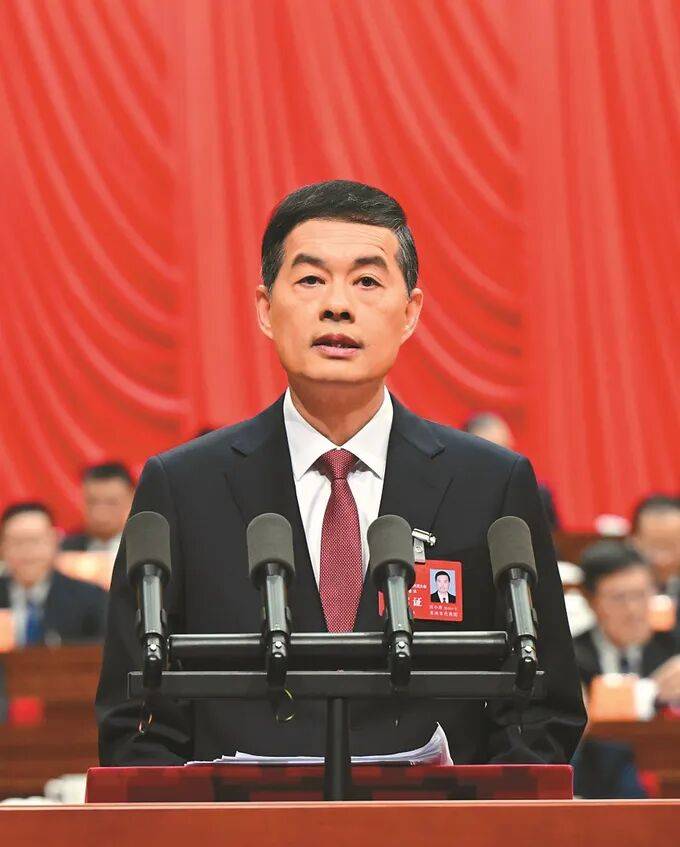
Economic Performance - Shanghai's GDP reached 5.67 trillion yuan, growing by 5.4%, exceeding expectations [5] - The city's general public budget revenue was 850 billion yuan, an increase of 1.5% [5] - The average urban unemployment rate was 4.2% [5] Innovation and Industry Development - R&D expenditure accounted for approximately 4.5% of GDP [5] - The total output value of strategic emerging industries grew by 6.5%, making up 45% of the industrial output [5] - The three leading industries—integrated circuits, biomedicine, and artificial intelligence—surpassed 2 trillion yuan in scale [5] Foreign Trade and Investment - Total foreign trade reached 4.51 trillion yuan, with exports increasing by 10.8% [5] - Actual foreign investment was 16.06 billion USD, equivalent to 114.8 billion yuan [5] - The number of foreign-funded regional headquarters and R&D centers accelerated [5] Social Welfare and Living Standards - Per capita disposable income reached 92,000 yuan, growing by 4.1% [5] - PM2.5 annual average concentration decreased by 7.4% to 26.3 micrograms per cubic meter [5] - The city added 127 parks, achieving a total of 1,100 parks, with 89.4% open 24 hours [5] Urban Development and Infrastructure - Major engineering investments totaled 251 billion yuan, with fixed asset investment growing by 4.6% [8] - The total length of operational rail lines reached 906 kilometers [9] - 47 major industrial projects worth over 1 billion yuan commenced construction [9] Environmental and Ecological Initiatives - The city implemented significant measures for ecological protection, including the construction of five waste resource treatment facilities [15] - New photovoltaic installations reached 2.14 million kilowatts [15] - The city received international wetland city certification [15] Government and Administrative Improvements - The government improved the business environment with 58 reform measures [18] - Over 628 million services were provided to enterprises [18] - The "one-stop" service success rate exceeded 90% [18]
西湖大学董晨院士团队最新论文:发现CD8⁺ T细胞抗肿瘤免疫关键分子
生物世界· 2026-02-09 01:00
Core Viewpoint - The research identifies the transcription factor Zbtb32 as a key regulator driving CD8⁺ T cell differentiation towards terminal exhaustion and enhancing their anti-tumor function, providing new insights for cancer immunotherapy strategies [4][10]. Group 1: Zbtb32's Role in T Cell Differentiation - Zbtb32 is specifically enriched in terminal exhausted T cells (Ttex) within the tumor microenvironment, and its high expression correlates with better survival outcomes in melanoma patients [6]. - The absence of Zbtb32 in various mouse tumor models leads to accelerated tumor growth, reduced CD8⁺ TIL numbers, and diminished secretion of key cytokines like IFN-γ and GzmB [7]. - Zbtb32 deficiency results in CD8⁺ T cells remaining in a TCF1⁺ Tpex state, hindering their differentiation into Ttex cells [7]. Group 2: Mechanisms of Zbtb32 Activation - Zbtb32 expression in CD8⁺ T cells is specifically dependent on co-stimulatory signals from CD28 and the downstream PI3K pathway, rather than TCR signal strength [8]. - The study reveals that Zbtb32 and Bcl6 compete for binding to the same regulatory sites on DNA, leading to opposing effects on gene transcription [9]. - Id2 is identified as a critical downstream target of Zbtb32, promoting T cell terminal differentiation and effector function, with Zbtb32 acting as an upstream regulator [9]. Group 3: Clinical Implications - Despite functional impairments in Zbtb32-deficient CD8⁺ T cells, these cells show enhanced responsiveness to anti-PD-1 therapy, suggesting that Zbtb32 levels may serve as a novel biomarker for predicting patient sensitivity to immune checkpoint inhibitors [10]. - The findings provide a comprehensive understanding of the regulatory network governing CD8⁺ T cell differentiation in the tumor microenvironment, laying a theoretical foundation for developing targeted immunotherapy strategies [10].

兰州高新区擘画“十五五”蓝图 地区生产总值锚定千亿元目标
Xin Lang Cai Jing· 2026-02-09 00:43
Group 1 - The core objective of Lanzhou High-tech Zone is to achieve a regional GDP exceeding 100 billion yuan and to have over 1,000 high-tech enterprises during the "14th Five-Year Plan" period [1][2] - The comprehensive strength of Lanzhou High-tech Zone has significantly improved, with its national ranking rising from 65th in 2020 to 53rd [1] - The innovation momentum is continuously accumulating, with 55 high-level innovation platforms established and 112 provincial-level or above innovation platforms [1] Group 2 - The focus for this year includes actively integrating into and serving the new development pattern, implementing innovation-driven development strategies, and promoting deep integration of technological and industrial innovation [2] - The "14th Five-Year Plan" period is critical for Lanzhou High-tech Zone to build an innovation-driven development demonstration area and a high-quality development pioneer zone [2] - The goal is to enhance the innovation system, strengthen industrial momentum, optimize the innovation ecosystem, and improve the efficiency of institutional mechanisms [2]