
制造业

Search documents
2026年,工信部准备这么干!
Zheng Quan Ri Bao Wang· 2026-01-21 05:12
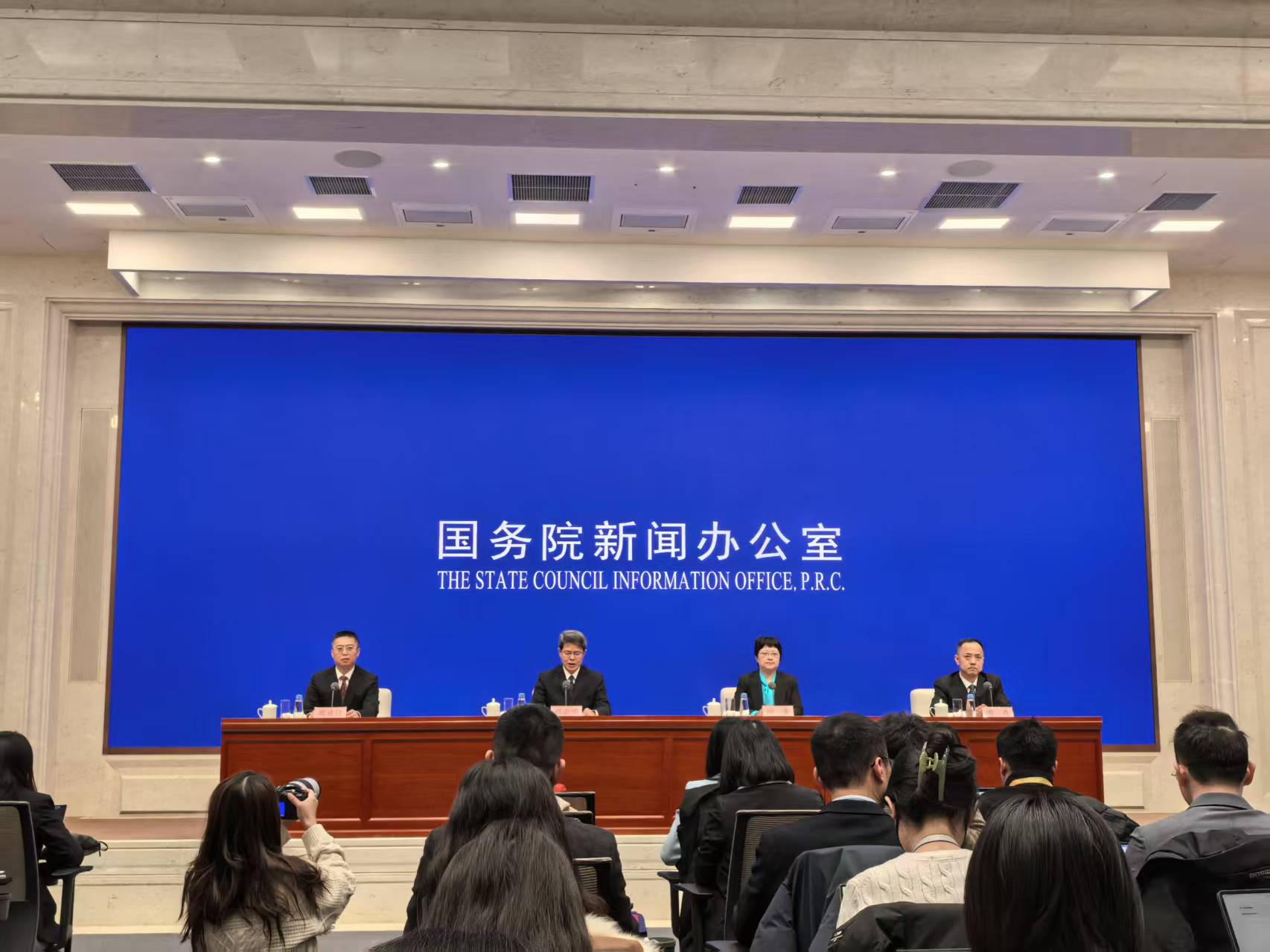
1月21日,国务院新闻办公室举行新闻发布会,介绍2025年工业和信息化发展成效,工业和信息化部副 部长张云明回顾2025年工业和信息化发展,用"稳""进""新""活"四个字总结特点。 一是"稳"的态势持续巩固。工业和信息化部坚持把发展经济的着力点放在实体经济上,出台新一轮十大 重点行业稳增长工作方案,支持工业大省挑大梁,有力拉动工业经济平稳增长。2025年,规模以上工业 增加值同比增长5.9%,制造业增加值占GDP比重保持稳定,制造业规模有望连续16年保持全球第一。 电信业务总量同比增长9.1%。工业和信息化领域对经济增长的贡献超四成,有效发挥"压舱石"作用。 在加力推动中小企业的高质量发展方面,张云明表示,2026年,工业和信息化部将坚持"两个毫不动 摇",坚持服务和管理并重、发展和帮扶并举,完善政策法规体系、优企培育体系、公共服务体系,促 进中小企业高质量发展,一是持续优化企业发展环境、二是加力培育更多专精特新企业、三是全力做好 全要素全周期服务。 四是"活"的效果持续显现。工业和信息化部加快推进重点领域改革,实施减轻企业负担专项行动,加快 加力清理拖欠企业账款,推动惠企政策落实落地,全力营造"一池活水" ...
税收数据显示:制造业经济“压舱石”作用更加凸显
Xin Hua She· 2026-01-21 04:20
新华社北京1月21日电(记者刘开雄)记者21日从国家税务总局获悉,国家税务总局日前利用税收大数 据对制造业开展分析显示,2025年,我国制造业销售收入较全国总体销售增速高1.7个百分点;制造业 占全国总体销售比重为29.7%,较上年提高0.5个百分点,制造业智能化、绿色化、融合化步伐加快,经 济"压舱石"作用更加凸显。 ...
关于“AI+制造”,工信部最新部署!软件编程等行业领域被提及
2 1 Shi Ji Jing Ji Bao Dao· 2026-01-21 04:16
张云明表示,2025年,全球人工智能技术加速创新迭代,与各行业、各领域融合不断加深。2025年也是中国人工智能产业活力迸发、亮点纷呈的一年,一手 抓人工智能产业发展,一手抓人工智能在制造业领域深度应用,取得明显成效,主要体现在四个方面。 一是底座持续夯实。国内企业发布多款人工智能芯片产品,智能算力规模达1590EFLOPS,行业高质量数据集加速涌现,国内大模型引领全球开源生态。据 有关机构测算,2025年我国人工智能企业数量超过6000家,核心产业规模预计突破1.2万亿元。 二是产品日益丰富。AI手机、AI电脑、AI眼镜等人工智能终端产品加快走进千家万户。2025年前三季度,智能眼镜市场出货量超过178万副,其中近八成是 AI眼镜,为生产生活赋予更多科技感、未来感。 三是应用不断拓展。目前,人工智能应用已覆盖钢铁、有色、电力、通信等重点行业,逐渐深入到产品研发、质量检测、客户服务等重点环节。比如,某家 电企业使用自主研发的"5G+AI"工业视觉检测系统,把检测准确率提升至99.98%,人均生产效率提升了275%。 四是生态加速繁荣。启动运行国家人工智能产业投资基金,资金规模达600亿元。深入实施人工智能标准化 ...

高盛:未来几年中国出口仍具韧性 看好盈利改善驱动股市上涨
Sou Hu Cai Jing· 2026-01-21 03:59
近日,高盛发布的2026年中国宏观经济展望和中国资本市场动态展望显示,高盛预测中国2026年实际 GDP将增长4.8%,MSCI中国指数和沪深300指数将分别上涨20%和12%,并在亚洲市场中维持高配中国 股票的投资建议。 在消费领域,预计2026年服务消费增速仍将领先于商品消费增速,从政策角度看,由于服务业相较于制 造业的劳动密集程度往往更高,提振服务消费可以促进"扩大就业、提高收入、拉动消费"的良性循环。 看好盈利改善驱动股市上涨 在人工智能(AI)、"反内卷"政策和中国企业"出海"的支持下,高盛预计,今年中国上市公司盈利增速 有望明显提高,而股市上涨正需要以盈利改善为前提。 "2025年A股上涨的动力主要来自于估值修复,目前估值正常化的过程可能已近尾声,但今年股市上涨 的推动力预计更多来自盈利改善。" 高盛首席中国股票策略师刘劲津称,得益于2025年的低基数以及 AI、企业"出海"和"反内卷"这三大特有驱动因素所带来的增长动力,我们预计,2026年MSCI中国指数 和沪深300指数盈利将增长14%。 其中,在企业"出海"方面,刘劲津认为,上市公司海外收入占比的提升有利于提高企业的利润率。 "我们对中国2 ...
“十四五”以来江西工业技改投资占工业投资比重保持在40%左右
Zhong Guo Xin Wen Wang· 2026-01-21 03:29
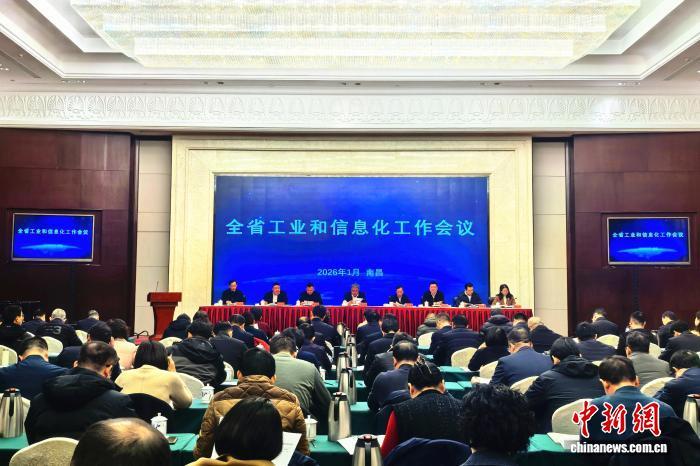
Core Insights - The industrial investment in Jiangxi province has maintained a ratio of approximately 40% for technological transformation since the start of the 14th Five-Year Plan [1][2] Group 1: Industrial Development Initiatives - Jiangxi is actively implementing the "thousand projects, ten thousand enterprises upgrade" initiative to revitalize traditional industries such as non-ferrous metals, petrochemicals, building materials, steel, food, and textiles during the 14th Five-Year Plan [2] - The province is focusing on high-end, intelligent, green, and integrated manufacturing, accelerating the transformation of new and old driving forces, and significantly improving industrial quality, efficiency, and dynamics [2] - Jiangxi has established 9 provincial manufacturing innovation centers and surpassed 1,000 provincial enterprise technology centers, reaching a total of 1,093 [2] Group 2: Future Industrial Strategy - The 15th Five-Year Plan period is seen as a critical phase for Jiangxi to accelerate new industrialization and foster future industrial sectors [2] - The province aims to integrate technological and industrial innovation, focusing on the trends of artificial intelligence and promoting the deep integration of "AI + manufacturing" [2] - Jiangxi plans to support enterprises in accelerating digital transformation, green upgrades, and the iteration of advanced applicable technologies, targeting over 1,000 key technological transformation projects with an investment of around 200 billion yuan [3] Group 3: Digital Transformation and AI Integration - The Jiangxi industrial and information department will deepen chain collaboration and AI applications, promoting leading enterprises to build intelligent supply chains [3] - The province aims to create a pioneering area for industrial digital transformation and innovate shared intelligent manufacturing models [3] - A special initiative for "AI + manufacturing" will be launched to accelerate the research and development of key AI technologies and typical application scenarios [3]
锐始图终 同心实干 奋力展现“十五五”发展新气象新作为
Nan Jing Ri Bao· 2026-01-21 02:45
Core Points - The article discusses the achievements and future goals of Nanjing as it transitions into the "15th Five-Year Plan" period, emphasizing the importance of innovation, culture, supply chain, and international openness for sustainable development [1][2][3] Economic Performance - Nanjing's GDP is projected to grow by 5.2% in 2025, an increase of 0.7 percentage points from 2024, marking the best performance in recent years [1] - General public budget revenue is expected to rise by 1.6%, with tax revenue accounting for 81.7%, up by 0.8 percentage points from the previous year [1] - Major project investments exceeded 170 billion, with industrial investment growing by 12.1%, leading the province [1] Industrial Development - The "1+4+6" industrial strategy aims to strengthen Nanjing's industrial capabilities, with software and information services becoming the first trillion-yuan industry cluster [1] - Key industries such as smart grids and integrated circuits have reached scales of 500 billion and 100 billion respectively, with five emerging industries achieving double-digit growth [1] Innovation and Technology - Emphasis on building a high-level innovation city to enhance new productivity, with a focus on integrating resources for innovation and establishing a robust technology innovation matrix [4] - The goal is to create a modern industrial system with significant clusters, including two trillion-yuan and three 400-500 billion yuan industries by the end of the "15th Five-Year Plan" [4] Cultural Development - Nanjing aims to enhance its cultural soft power by integrating historical and modern cultural elements, focusing on cultural heritage protection and promoting cultural brands [5] - Initiatives include the construction of a "Museum City" and the promotion of local cultural narratives to enhance the city's global image [5] Supply Chain and Infrastructure - The article highlights the need to strengthen Nanjing's hub functions to improve logistics and trade, with major projects like the new railway station and airport expansion [6][7] - The focus is on enhancing the city's service capabilities and integrating with regional development strategies to boost economic activity [7] International Engagement - Nanjing seeks to elevate its international competitiveness by enhancing its global presence and creating a conducive environment for international exchanges [8] - Plans include developing international tourism destinations and hosting major international events to attract global attention [8] Governance and Community Engagement - The article calls for active participation from local political organizations and community members to support the city's development goals, emphasizing collaboration and effective governance [9][10] - The importance of creating a favorable political, talent, and business environment is highlighted to ensure successful implementation of the "15th Five-Year Plan" [9]
烟台|双轮驱动,像抓工业一样抓服务业
Da Zhong Ri Bao· 2026-01-21 01:46
Core Insights - Yantai, a traditional industrial city, is prioritizing the development of its service sector to achieve high-quality growth, recognizing the need for a balanced industrial and service economy [1][4][6] Group 1: Economic Development - In 2023, Yantai's GDP surpassed 1 trillion yuan, with industrial output playing a crucial role as a stabilizing force [2] - The city's industrial output is projected to reach 1.3 trillion yuan by 2025, with annual growth rates of 11.7%, 9%, and 13% for the next three years [2] - By 2024, the service sector's value added is expected to reach 550.6 billion yuan, accounting for 51.1% of the GDP, indicating a need to enhance service sector contributions compared to other cities like Jinan and Qingdao [2] Group 2: Service Sector Challenges - The current structure of Yantai's service sector is heavily weighted towards traditional services, with a lag in productive service development [3] - To maintain competitive advantages in high-quality development, Yantai must address the imbalance between strong industrial performance and weak service sector growth [3] Group 3: Strategic Initiatives - The municipal government emphasizes the integration of advanced manufacturing and modern services, aiming to enhance service-oriented manufacturing and develop productive service industries [4][6] - A three-year action plan for high-quality service sector development has been initiated, targeting a service sector value added of over 600 billion yuan [7] - The city plans to adopt successful industrial strategies, such as the "chain leader" system, to strengthen the service sector's value chain and address fragmentation issues [7] Group 4: Tourism and Quality of Life - Yantai's tourism sector benefits from its coastal resources and local industries, with plans to enhance the quality and diversity of life services [5] - Initiatives include improving dining and accommodation services, promoting local specialties, and expanding sports facilities to boost community engagement [5]
消费与外贸“双万亿、双增长”“新广州”拔节生长
Sou Hu Cai Jing· 2026-01-21 01:18
Core Insights - Guangzhou has become the third city in China to achieve a "double trillion" in consumption and foreign trade, reflecting its economic resilience and effective development strategies [1][4] - The city's retail sales of consumer goods exceeded 1 trillion yuan for five consecutive years since 2021, reaching over 1.1 trillion yuan in 2025 with a growth rate of 5.5% [1][5] - The foreign trade import and export value during the 14th Five-Year Plan period has steadily increased, surpassing 1.2 trillion yuan in 2025 with a growth rate of 10.4% [2][5] Consumption Growth - Guangzhou's transformation of its commercial gene into a consumption "magnet" has been pivotal, with continuous optimization of consumption scenarios and innovation in consumption formats [1][4] - The establishment of a key business district system ("5+2+4+22") and the expansion of the "New Eight Scenic Spots of Consumption" IP have contributed to the city's vibrant consumer environment [1][5] - The introduction of nearly 1,800 first stores and over 6,000 launch events since 2021 has positioned Guangzhou as a fashion capital leading new consumption trends [5] Foreign Trade Expansion - The city's foreign trade growth is supported by a robust industrial system and precise policies, emphasizing its role as a major manufacturing hub [2][5] - The integration of traditional industries with emerging trade forms through initiatives like the "Guangdong Goods Quality Products · Global Trade" IP has enhanced Guangzhou's global outreach [2][5] - The optimization of market procurement trade pilot layouts has facilitated exports in key industries such as home appliances, textiles, and jewelry, leading to the emergence of trade "leading enterprises" [2][5] Overall Economic Outlook - The dual growth in consumption and foreign trade is a result of innovation-driven development and an open approach to global markets, linking domestic and international economic cycles [3][6] - Guangzhou is evolving into a more vibrant, attractive, and powerful "New Guangzhou," marking a significant historical transition [3][6]
济宁|济宁确定2026年12条重点工作线
Da Zhong Ri Bao· 2026-01-21 01:01
Group 1 - The core viewpoint of the news is that Jining is focusing on a multi-faceted development strategy for 2026, emphasizing industrial growth, expanding domestic demand, and enhancing cultural tourism as key drivers for economic advancement [1][2][3] - Jining aims to establish itself as a strong industrial city, prioritizing the real economy and manufacturing, with initiatives to support 85 "chain master" enterprises and conduct over 60 "co-chain actions" to upgrade industrial chains [1] - The city plans to enhance its position as a northern inland shipping center, targeting a port cargo throughput of 140 million tons and developing green and intelligent shipping [2] Group 2 - Jining is committed to becoming a consumer center in southern Shandong, with plans to accelerate 1,250 key projects and host various consumer promotion activities [2] - Innovation is positioned as a core element, with a target of 12 billion yuan in R&D investment and initiatives to attract young talent and accelerate technology transfer [2] - The new urbanization strategy focuses on improving the quality and functionality of the central urban area while promoting rural revitalization and ensuring food security [3] Group 3 - The green and low-carbon transition is a priority, aiming for higher standards in carbon reduction, pollution control, and environmental enhancement [3] - The social safety net will be strengthened to promote high-quality employment, education, and healthcare, while ensuring financial and social governance safety [3] - The twelve key action lines are designed to achieve qualitative improvements in the economy and maintain social stability, ensuring a strong start for the 14th Five-Year Plan [3]
中外学者纵横谈:中国经济将继续是全球经济增长最大引擎
Ren Min Ri Bao· 2026-01-20 23:51
Core Viewpoint - In 2025, China's economy is projected to grow by 5.0%, reaching over 140 trillion yuan, demonstrating resilience and innovation amid complex international challenges [1][2]. Group 1: Economic Performance and Resilience - China's economy shows strong resilience and adaptability, achieving a growth rate of 5.0% despite external geopolitical tensions and rising global economic uncertainties [2][3]. - The evaluation of China's economic performance is shifting from a singular focus on growth rates to a multidimensional assessment that includes ecological improvement and public welfare [1][2]. - The government's strategic planning and policy coordination are crucial for maintaining economic stability and facilitating structural adjustments [2][4]. Group 2: Innovation and High-Quality Development - Innovation is positioned as the core driver of China's long-term economic growth, with a focus on enhancing total factor productivity as traditional growth factors diminish [5][6]. - China maintains a strong momentum in sectors like artificial intelligence, robotics, and renewable energy, with its global innovation index ranking entering the top ten for the first time [6][10]. - The establishment of a complete industrial system and a robust talent cultivation framework supports China's innovation capabilities [6][5]. Group 3: Global Economic Cooperation and Trade - China's trade resilience is attributed to a comprehensive industrial system, innovation-driven growth, and institutional openness that enhances trade dynamics [7][8]. - The country is actively expanding its global market presence and optimizing trade structures, which helps mitigate external shocks [2][7]. - China's commitment to high-level openness and the establishment of free trade zones are designed to attract global resources and enhance international economic cooperation [9][10]. Group 4: Long-Term Economic Outlook - China's contribution to global economic growth remains significant, with a consistent contribution rate of around 30% in recent years [10][11]. - The long-term positive trend of China's economy is supported by its vast market size, complete industrial system, and ongoing innovation and green transformation efforts [11][12]. - Despite challenges during the transition from old to new growth drivers, maintaining stability and providing green products and innovations will be crucial for both domestic and global economic support [11].