石油

Search documents
光大期货能化商品日报-20260311
Guang Da Qi Huo· 2026-03-11 08:20
1. Report Industry Investment Rating - All varieties in the report are rated as "Oscillating" [1][2][3][5][6] 2. Core Viewpoints of the Report - Geopolitical tensions in the Middle East, especially the situation in Iran, have a significant impact on the energy and chemical markets, causing sharp fluctuations in oil prices and increasing market uncertainty [1][2][3][5][6] - The supply and demand of various energy and chemical products are affected by multiple factors such as inventory changes, production capacity adjustments, and terminal demand, resulting in different price trends [1][2][3][5][6] - The cost side is the main focus of the market, and the volatility of crude oil prices will lead to resonance in the prices of related products [1][2][3][5][6] 3. Summary by Relevant Catalogs 3.1 Research Views - **Crude Oil**: On Tuesday, oil prices fell sharply. WTI April contract closed down $11.32 to $83.45/barrel, a decline of 11.94%. Brent May contract closed down $11.16 to $87.8/barrel, a decline of 11.28%. SC2604 closed at 642 yuan/barrel, down 90.4 yuan/barrel, a decline of 12.34%. The situation in the Strait of Hormuz is tense, and the inventory of US crude oil, gasoline, and distillate oil has decreased. China's crude oil imports from January to February increased by 15.8% year-on-year. Oil prices are expected to oscillate [1] - **Fuel Oil**: On Tuesday, the main fuel oil contracts on the Shanghai Futures Exchange fell. The high-sulfur supply interruption risk has increased, and the Asian low-sulfur market is expected to remain strong. Geopolitical changes will increase market volatility, and investors are advised to control risks [2] - **Asphalt**: On Tuesday, the main asphalt contract on the Shanghai Futures Exchange fell. The geopolitical conflict has restricted the procurement channels of heavy crude oil by local refineries, and the raw material cost has risen. However, the terminal demand has not yet started, and the social inventory is digested slowly. The asphalt market is in a game between "strong cost" and "weak demand", and the increase may be less than that of other oil products [2] - **Polyester**: On Tuesday, the polyester contracts fell. The supply of chemical products has decreased, and the cost side is the main focus of the market. The polyester chain varieties will oscillate with the cost side in the short term, and investors can focus on factors such as the passage efficiency of the strait, the start-up situation of domestic suppliers, and the downstream negative feedback [2][3] - **Rubber**: On Tuesday, the rubber contracts showed different trends. The domestic and foreign rubber is in the low-yield season, and the supply reduction expectation of butadiene has increased. The price of butadiene and its downstream products has continued to rise. The rubber price is expected to oscillate, and investors should pay attention to the external macro atmosphere and the development of the Middle East geopolitical situation [3] - **Methanol**: On Tuesday, the methanol price showed a certain trend. The domestic maintenance devices are running stably, and the supply is in a high-level oscillation. The Iranian supply overseas remains low. The demand is at a low level. The arrival volume in March will continue to decline, which will support the price, but the low load of MTO devices will put pressure on inventory reduction. The market is expected to oscillate, and investors are advised to control risks [5] - **Polyolefins**: On Tuesday, the polyolefin prices showed a certain trend. The upstream device maintenance plan has increased, and the subsequent production is expected to decrease. The downstream factory start-up load has increased, and the demand still has room for growth. The market is in the process of inventory reduction, and the fundamental pressure is not great. The short-term geopolitical risk has increased the volatility, and investors should pay attention to the changes in the US-Iran situation and control risks [5] - **Polyvinyl Chloride (PVC)**: On Tuesday, the PVC market price in East, North, and South China has been significantly reduced. The geopolitical situation has a greater impact on the ethylene method, but the profit of the calcium carbide method has increased rapidly. The subsequent supply is expected to remain at a high level, and the demand will gradually recover. The overall inventory is in the process of reduction, and the PVC price is expected to oscillate at the bottom. Investors should pay attention to the downstream resumption progress, the implementation of export orders, and the Iranian situation [6] 3.2 Daily Data Monitoring - The report provides the basis price, basis rate, and their changes of various energy and chemical products on March 10, 2026, as well as the comparison data of the previous day. These data can help investors understand the market price relationship between the spot and futures of different varieties [7] 3.3 Market News - Iran's Islamic Revolutionary Guard Corps Navy Commander warned that any ships related to Iran's hostile forces are not allowed to pass through the Strait of Hormuz [11] - The U.S. Energy Information Administration (EIA) slightly raised its forecast for U.S. oil production in 2026 to 1,361 million barrels per day and in 2027 to 1,383 million barrels per day. The global oil production forecast for 2026 is 107 million barrels per day, and for 2027 is 109.6 million barrels per day. The global oil demand forecast for 2026 is 105.2 million barrels per day, and for 2027 is 106.6 million barrels per day [11] - The American Petroleum Institute (API) data shows that the inventories of U.S. crude oil, gasoline, and distillate oil decreased last week. China's crude oil imports in February were 48.045 million tons, and the cumulative imports from January to February were 96.934 million tons, a year-on-year increase of 15.8% [12] 3.4 Chart Analysis - **Main Contract Prices**: The report shows the closing price trends of the main contracts of various energy and chemical products from 2022 to 2026, which helps investors understand the long-term price trends of different varieties [14][16][18][20][21][23][24][25][27][28] - **Main Contract Basis**: The report shows the basis trends of the main contracts of various energy and chemical products from 2022 to 2026, which helps investors understand the price relationship between the spot and futures of different varieties [29][30][33][34][35][36][37] - **Inter - period Contract Spreads**: The report shows the spreads between different contracts of various energy and chemical products, which helps investors understand the price differences between different contract periods of different varieties [39][40][41][42][44][45][46][47][48][49][50][51][52] - **Inter - variety Spreads**: The report shows the spreads and ratios between different varieties of energy and chemical products, which helps investors understand the price relationships between different varieties [54][56][57][59] - **Production Profits**: The report shows the production profits and processing fees of various energy and chemical products, which helps investors understand the profitability of different varieties [60][61][62] 3.5 Team Member Introduction - The report introduces the research team members of Everbright Futures' energy and chemical research, including the deputy director of the research institute, the research director, and analysts for different product categories, and briefly describes their educational backgrounds, honors, and professional experiences [66][67][68][69]
高盛闭门会-中东局势动荡后的全球能源商品与股票市场展望
Goldman Sachs· 2026-03-11 08:12
Investment Rating - The report indicates a positive outlook for the energy sector, particularly for U.S. refining companies and chemical industries, suggesting potential investment opportunities due to current market dynamics [11][20]. Core Insights - The geopolitical tensions in the Middle East, particularly the risks associated with the Strait of Hormuz, could lead to significant increases in oil prices, potentially exceeding $150 per barrel if supply disruptions persist [1][3]. - The global natural gas market is experiencing significant divergence, with prices in Asia and Europe expected to rise above $20 per million British thermal units, while U.S. prices remain relatively stable due to export capacity limits [5][16]. - U.S. refining companies are positioned advantageously due to their ability to source both heavy and light crude oil, coupled with a cost advantage in natural gas, which is expected to enhance their profitability in the current market [11][12]. Summary by Sections Oil Market Dynamics - Brent crude oil prices are nearing $120 per barrel, with potential for further increases if supply disruptions continue, particularly from the Strait of Hormuz, which has seen a reduction of approximately 18 million barrels per day in exports [3][9]. - The tightness in refined oil products is more pronounced than in crude oil, with jet fuel prices experiencing significant spikes due to supply chain disruptions [9][10]. Natural Gas Market - The Asian JKM and European TTF natural gas prices are projected to rise significantly, driven by supply disruptions from Qatar, which accounts for 20% of global gas supply [5][15]. - U.S. natural gas prices remain independent of global fluctuations due to export capacity constraints, providing a competitive edge in the domestic market [5][16]. Chemical Industry Outlook - The U.S. chemical sector is poised to benefit from a steepening cost curve, with increased operational rates expected to enhance EBITDA significantly, despite long-term pressures from new capacities in China [20][21]. - Companies like Methanex are highlighted as potential investment opportunities due to their exposure to market dynamics influenced by geopolitical tensions affecting supply chains [21]. Refining Sector Performance - U.S. refining companies have shown strong stock performance, with a 30% increase in stock prices this year, driven by rising refining margins and favorable market conditions [11][12]. - The report emphasizes the structural advantages of U.S. refiners, particularly in the context of global supply constraints and rising product prices [11][12]. Geopolitical Impact - The ongoing geopolitical risks in the Middle East are expected to have lasting effects on oil and gas supply chains, necessitating a reevaluation of investment strategies in the energy sector [14][19].
G7能源部长确认联合释放石油储备的必要性
日经中文网· 2026-03-11 08:00
日本经济产业相赤泽亮正以及IEA署长比罗尔等人参加了日本时间10日晚间举行的会议。会议上就各国 的能源形势以及释放石油储备等稳定市场的应对措施展开了讨论。 日本经济产业相赤泽亮正在会后接受采访(3月10日) G7能源部长3月10日举行线上磋商,确认了响应国际能源署(IEA)的呼吁联合释放石油储备的必要 性。日本经济产业相赤泽亮正就联合释放石油储备表示:"日本持支持立场"…… 七国集团(G7)能源部长3月10日举行线上磋商,确认了响应国际能源署(IEA)的呼吁联合释放石油 储备的必要性。为了缓解霍尔木兹海峡事实上被封锁带来的影响,G7各国将推进合作。 G7轮值主席国法国的经济部长莱斯屈尔表示:"为了准备今后释放石油储备的预案,已委托IEA开始与 G7以外的成员国进行磋商"。 IEA署长比罗尔已于欧洲时间3月10日召集成员国召开紧急会议。将分析当前的能源市场情况,判断是 否联合释放石油储备。 版权声明:日本经济新闻社版权所有,未经授权不得转载或部分复制,违者必究。 日经中文网 https://cn.nikkei.com G7的联合声明提出,将与IEA合作,密切关注能源市场动向,并"加强国际协调"。关于释放石油储备 ...


国际能源署计划释放创纪录石油储备
第一财经· 2026-03-11 07:56
据美国《华尔街日报》援引知情官员的话报道,国际能源署已经拟出一份提案,计划释放其历史上最大 规模的原油战略储备,预计规模将超过2022年俄乌冲突期间释放的1.82亿桶。目前相关提议正在等待 该机构成员国审议。 消息公布后,11日亚洲交易时段国际油价出现小幅波动。 报道称,如果国际能源署释放原油战略储备的计划顺利实施,将直接向市场注入流动性,缓解由霍尔木 兹海峡受阻带来的供应紧张局面。 不过有分析认为,此举只能缓解一时的市场紧张情绪,只要中东地区的冲突局面持续,供应链的瓶颈就 仍然存在,油价存在回落后再度上升的可能。 来源|央视财经 编辑 |瑜见 ...
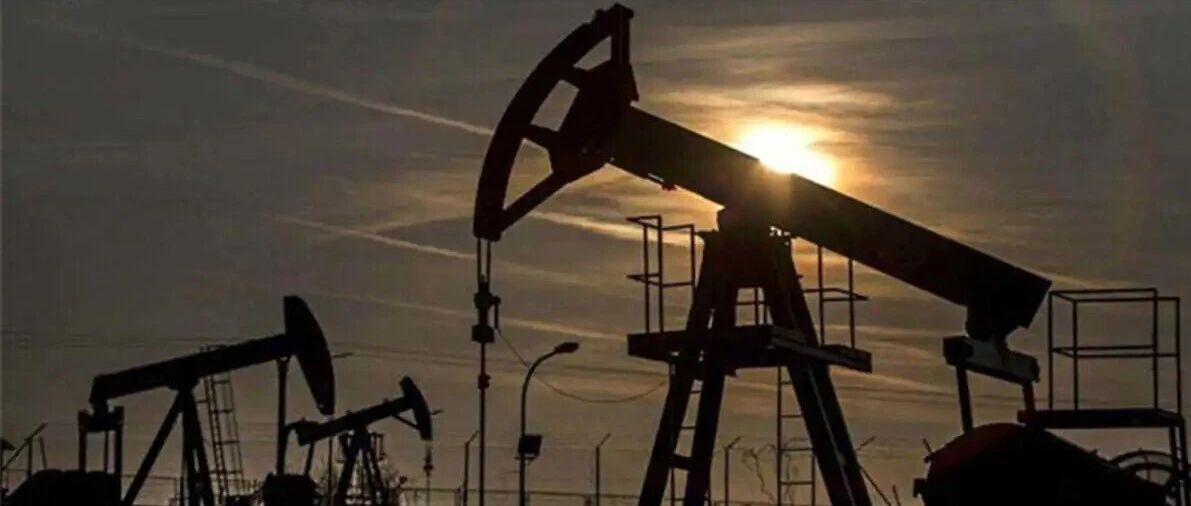
伊朗出口的石油,比战前还多
财联社· 2026-03-11 06:48
Core Viewpoint - Iran's oil exports through the Strait of Hormuz have increased compared to pre-war levels, indicating its strong control over this strategic waterway, which has effectively created a blockade for other oil-producing countries in the region [1][2]. Group 1: Iran's Oil Export Dynamics - Recent data shows that Iran's oil exports have not been hindered despite the ongoing conflict, with average daily loading of 2.1 million barrels in the past six days, surpassing the 2 million barrels per day exported in February [1][2]. - The demand for Iranian oil remains strong among major buyers, contrasting with the reduced exports from other Gulf Arab oil producers who are seeking alternative routes due to the conflict [2][3]. - The majority of Iranian oil is transported by a so-called "shadow fleet," consisting of older tankers often subject to U.S. sanctions, which are used for discreet oil transport [2][3]. Group 2: Impact on Other Oil Producers - Other Middle Eastern oil producers are facing significant export challenges, with a Morgan Stanley report indicating that a two-week blockade of the Strait could reduce oil supply by approximately 3.8 million barrels per day, over 3% of global production [3]. - The U.S. military's plans to escort vessels through the Strait have not yet been implemented, and Iranian military leaders have issued warnings against such actions [3]. Group 3: Focus on Khark Island - Khark Island, a critical oil export hub for Iran, has seen increased export levels, reaching over 3 million barrels per day during a recent period, significantly higher than the normal rate of 1.3 to 1.6 million barrels per day [7][8]. - The island's storage capacity is estimated at 30 million barrels, with around 18 million barrels currently stored, equating to about 10-12 days of normal export volume [8]. - Historically, Khark Island has remained operational during conflicts due to the high geopolitical and economic risks associated with direct attacks, which could halt a significant portion of Iran's oil exports [9][10]. Group 4: Market Reactions and Future Outlook - The global oil market has not yet fully felt the impact of supply shortages, as tankers dispatched before the conflict continue to arrive at their destinations, masking the effects of the ongoing disruptions [10]. - However, as these pre-sent shipments are consumed, visible shortages may begin to emerge within a week, particularly if new loading operations are halted [10].
金融期货早评-20260311
Nan Hua Qi Huo· 2026-03-11 05:34
1. Report Industry Investment Ratings No relevant information provided. 2. Core Views of the Report - In the complex external environment affected by the Middle - East conflict, China's foreign trade showed strong resilience and achieved an unexpected growth in the first two months of 2026, mainly driven by the external demand boom in the global AI super - cycle, the global industrial chain restocking cycle, and the low - base effect. The report suggests a "no - prediction, multi - response" approach and recommends more observation and less trading in the current complex market [2]. - For different financial products: - In the short - term, the stock index is expected to fluctuate, and it is recommended to hold positions and wait and see; for treasury bonds, it is recommended to hold a small long - term position and buy at low prices for short - term trading [6][7]. - In the commodity market, different commodities have different trends. For example, lithium carbonate is expected to have a wide - range shock, and it is recommended to consider buying at low prices when the non - ferrous metal sector weakens. Industrial silicon and polysilicon are also in a wide - range shock, and it is necessary to wait for the improvement of the supply - demand pattern. In the non - ferrous metal market, the short - term trend of aluminum is dominated by the war situation, and it is recommended to sell deep out - of - the - money put options. Copper is in a shock adjustment state, and it is recommended that industrial customers replenish inventory as normal and speculative customers consider the volatility recovery strategy [8][12][16]. 3. Summary by Relevant Catalogs 3.1 Financial Futures 3.1.1 Macro - Market information includes the possible US - Russia - Ukraine talks in Turkey next week, the complex situation in Iran, and China's goods trade import and export growth of 18.3% in the first two months [1]. - China's foreign trade data in the first two months of 2026 exceeded market expectations, which was mainly due to the external demand dividend in the global AI super - cycle and showed strong resilience in the context of the Middle - East conflict. The report also mentioned that the global market is affected by multiple factors, and it is recommended to operate with the principle of "no - prediction, multi - response" [2]. 3.1.2 RMB Exchange Rate - The RMB against the US dollar showed a volatile appreciation trend in the previous trading day. The short - term RMB is difficult to start a trend appreciation due to the relatively strong US dollar index. In the medium - to - long - term, if the domestic economic fundamentals continue to improve and exports remain resilient, the RMB may show a moderate appreciation trend. It is recommended that export enterprises lock in forward exchange settlement in batches at around 6.93, and import enterprises adopt the strategy of rolling foreign exchange purchase at the 6.82 mark [3][4]. 3.1.3 Stock Index - The stock index rose collectively in the previous trading day, but the external uncertainty is still large. The short - term is expected to fluctuate, and it is recommended to hold positions and wait for the end of the Two Sessions to release more positive policy signals [5][6]. 3.1.4 Treasury Bonds - The futures bonds opened higher and then declined on Tuesday, and the afternoon market gradually recovered. The short - term data and the performance of a single industry cannot change the overall judgment of the economy. It is recommended to hold a small long - term position and buy at low prices for short - term trading [6][7]. 3.2 Commodities 3.2.1 New Energy - **Lithium Carbonate**: The futures price showed a wide - range shock. The long - term demand growth logic of the downstream industries remains unchanged, and it is recommended to consider buying at low prices when the non - ferrous metal sector weakens [8]. - **Industrial Silicon and Polysilicon**: Both showed a wide - range shock. The photovoltaic industry has good prospects in the context of global energy transformation, but the current industry is at the bottom of the production cycle, and it is necessary to wait for the improvement of the supply - demand pattern [9][10]. 3.2.2 Non - Ferrous Metals - **Aluminum**: The short - term trend is dominated by the Middle - East war situation, and it is recommended to sell deep out - of - the - money put options [12]. - **Copper**: The market is in a shock adjustment state. It is recommended that industrial customers replenish inventory as normal and speculative customers consider the volatility recovery strategy [13][16]. - **Zinc**: The short - term is affected by inventory accumulation and the overall pressure of the sector, showing a weak trend, but the medium - term is expected to be strong [17]. - **Nickel - Stainless Steel**: The supply - side reduction expectation continues. The short - term new energy link may be strong, and it is necessary to pay attention to the digestion of the peak - season expectation [18][19]. - **Tin**: It rebounded slightly under the expectation of a cease - fire. The supply is tight, and the price is suppressed by high inventory. It is necessary to pay attention to the inventory removal speed and the development of the Iran situation [20][21]. - **Lead**: It is in a weak shock state. The current supply and demand are both weak, and it is expected to maintain a shock operation [22]. 3.2.3 Oils and Fats and Feeds - **Oilseeds**: The 3 - month USDA report had limited adjustments. The external market fluctuated and closed up, and the internal market rebounded due to shipping issues. It is recommended to conduct positive spreads between months or widen the spread between soybean meal and rapeseed meal [23][24]. - **Oils and Fats**: The short - term is in a range - bound shock. It is recommended to pay attention to the weakening of the spread between rapeseed oil and soybean oil and rapeseed oil and palm oil [25]. 3.2.4 Energy and Oil and Gas - **SC**: The trading focus is on the Middle - East situation, especially the navigation situation in the Strait of Hormuz and the negative feedback caused by the depletion of oil - producing countries' inventories [27][29]. - **Fuel Oil**: The Asian fuel oil market remains strong, but the short - term spread has回调 [30][31]. - **Asphalt**: The price is affected by the cost of crude oil. The short - term is affected by geopolitical factors, and the price may decline smoothly when the rigid demand fails to meet expectations after the geopolitical factors subside [32]. 3.2.5 Precious Metals - **Platinum and Palladium**: The long - term bullish foundation remains, but it is necessary to be vigilant against the short - term adjustment risk caused by the delay of the interest - rate cut expectation. It is recommended to control the position [36][37]. - **Gold and Silver**: Strategically, it is still bullish on precious metals. It is recommended to buy on dips in the medium - to - long - term. Pay attention to the support levels and be vigilant against risks such as inflation and liquidity [38][39]. 3.2.6 Chemicals - **Pulp - Offset Paper**: The pulp futures price is in a low - level shock. The short - to - medium - term is expected to continue the low - level shock, and it is necessary to pay attention to the impact of the Middle - East situation. The offset paper futures price is in a range - bound shock [41][43]. - **Pure Benzene - Styrene**: The cost support is enhanced due to the Middle - East conflict, but the price followed the decline of crude oil at night. It is necessary to pay attention to the callback risk [44][45]. - **LPG**: It basically follows the trend of crude oil. It is necessary to continue to observe the development of the Iran situation [46][47]. - **Methanol**: The trading logic has changed twice. It may catch up with the increase of olefins next week, but it is necessary to be vigilant against the risk of geopolitical easing [48][49]. - **Plastics and PP**: The market sentiment has cooled down. The short - term supply pressure is limited, and it is recommended to be cautious and not to rush to short [50][51]. - **Rubber**: It is affected by the geopolitical situation and shows a wide - range shock. It is recommended to be bullish on dips in the medium - term, hold light positions, and pay close attention to the Iran situation [52][57]. - **Urea**: The war risk may drive up the price, and it is likely to catalyze a market driven by international cost and domestic sentiment [58][59]. - **Glass and Soda Ash**: The soda ash supply may be affected by maintenance, and the price space is limited. The glass production and sales are currently weak, and the price is restricted by supply recovery expectations and high intermediate inventories [60][61]. 3.3 Black Metals - **Rebar and Hot - Rolled Coil**: The cost provides support, but the upward space is limited. The short - term furnace charge is in a strong shock, driving the steel price to rebound, but the rebound height is limited [62][64]. - **Iron Ore**: The short - term price has support, but the upward space is limited due to high supply, weak demand, and structural negative factors [65][66]. - **Coking Coal and Coke**: The supply of coking coal may be affected by safety inspections, and the short - term surplus contradiction intensifies. The price of black metals may face downward pressure, and the price elasticity of coking coal and coke is restricted [67][68]. - **Ferrosilicon and Ferromanganese**: The cost support is gradually strengthening, but the upward space is limited due to weak downstream demand and high inventory pressure of plates [69][70]. 3.4 Agricultural and Soft Commodities - **Hogs**: The piglet replenishment sentiment is weak. It is recommended to sell call options of the main hog contract [72][74]. - **Cotton**: The current supply - demand situation supports the cotton price, but the high domestic - foreign cotton price difference restricts the upward space. It is necessary to pay attention to the geopolitical situation and US foreign trade policies [75][76]. - **Sugar**: The short - term trend is strong, mainly driven by the increase in oil prices. The price is expected to continue the strong pattern [77][78]. - **Eggs**: The short - term demand improvement supports the price to be strong in shock, but the upward space is limited due to the high inventory and the off - season background. It is recommended to sell call options of the main egg contract [79]. - **Apples**: The futures price is strongly supported in the short - term due to the scarcity of delivery products, and it maintains a strong shock pattern [87][89]. - **Jujubes**: The price is under pressure due to the loose supply - demand situation and weak demand, and it is expected to maintain a low - level shock [90]. - **Logs**: The inventory has increased significantly after the festival, and the demand has not recovered significantly. The price is affected by the geopolitical situation. It is recommended to wait and see for the time being [91].
资讯早间报:隔夜夜盘市场走势-20260311
Guan Tong Qi Huo· 2026-03-11 05:34
Report Industry Investment Rating - Goldman Sachs Chief China Equity Strategist Liu Jinjin maintains an "Overweight" rating on the Chinese stock market (A-shares and H-shares) [43] Core Viewpoints - The overnight domestic futures market had more decliners than gainers, with significant drops in fuel oil and pure benzene, and increases in gold, silver, and some agricultural products. International oil prices also tumbled. Geopolitical events such as the situation in the Middle East are having a major impact on the energy market, and various exchanges have adjusted margin and price limit policies for futures contracts. The financial market shows a mixed performance, with the stock market in some regions rising and the bond market slightly recovering [4][5][55] Summary by Directory Overnight Night Market Trends - As of 23:00, domestic futures contracts mostly declined, with soybean meal, cotton, and rapeseed meal rising over 1%. Fuel oil and pure benzene dropped over 7%. As of 2:30, Shanghai gold and silver futures rose, while SC crude oil futures fell 12.34%. International crude oil prices also fell significantly [4] - As of 2:20, US soybeans rose 0.59%, US corn was flat, US soybean oil fell 0.33%, US soybean meal rose 0.51%, and US wheat fell 1.70%. As of 3:00, LME base metals mostly rose [5] Important Information - **Macro Information**: Iran is planning to impose "security taxes" on tankers and merchant ships of US - allied countries in the Persian Gulf. China's foreign trade in the first two months of 2026 had a double - digit growth. There are various geopolitical events such as the possible dialogue between the US and Iran, and the extension of airspace control in Iraq [8][10][11] - **Energy and Chemical Futures**: Although the Strait of Hormuz traffic is almost stagnant, Persian Gulf exports are not completely interrupted. Exchanges have adjusted margin and price limit policies for multiple futures contracts. Middle East oil production cuts are intensifying, with a maximum reduction of 670,000 barrels per day. Japan plans to support the release of oil reserves. The EIA has raised its oil price forecasts [19][22][26] - **Metal Futures**: Indonesia is evaluating a policy to cut coal and nickel production. Indonesia's Qing Shan has raised the export price of 304 stainless steel [28][29] - **Black - Series Futures**: India's JSW Steel's crude steel production in February 2026 decreased by 1% year - on - year. China's coal imports from January to February 2026 increased by 1.5%. The iron ore inventory at seven major ports in Australia and Brazil increased slightly [32][33] - **Agricultural Futures**: Malaysia's February palm oil production, exports, and inventory data deviated from market expectations. China's cotton production and supply are expected to decline slightly, while demand is expected to increase. The US and Argentina have adjusted their crop production forecasts [35][37][39] Financial Market - **Finance**: The A - share market rose, with semiconductor and computing power hardware themes surging. The Hong Kong stock market rebounded strongly. The Shanghai Stock Exchange will study policies to support innovation. Industrial Fuxiang and NIO had good financial results [41][43] - **Industry**: The Ministry of Industry and Information Technology launched an industrial data foundation - building action. The China - North Korea international passenger train will resume operation. Multiple industries have new policies and developments, such as real estate, mobile phones, and airlines [44][45][48] - **Overseas**: The US has taken actions to restrict the military operations of Israel against Iran. The US - Russia - Ukraine talks are postponed. South Korea and Japan's GDP data have been adjusted [50][52][53] - **International Stock Markets**: US stocks had mixed results, European stocks rose across the board, and Asia - Pacific stocks rebounded strongly. SpaceX may conduct an IPO on NASDAQ. Many companies released financial reports [55][56][58] - **Commodities**: Exchanges have adjusted margin and price limit policies for futures contracts. Oil prices fell, precious metals rose, and base metals also increased. The IEA will discuss releasing oil reserves [59][60][61] - **Bonds**: China's bond market slightly recovered, and US bond yields rose [63][65] - **Foreign Exchange**: The on - shore and offshore RMB against the US dollar rose, and the US dollar index also increased [66] Upcoming Events - Scheduled economic data releases include Germany's February CPI final value, US CPI, and EIA crude oil inventory. There are also events such as central bank officials' speeches and important conferences [68][70]
市场或低估霍尔木兹海峡绕行能力
Hua Tai Qi Huo· 2026-03-11 05:33
Report Industry Investment Rating No relevant information provided. Core Viewpoints - The market may underestimate the detour capacity of the Strait of Hormuz. The resistance and resilience of the industry to the Strait are stronger than previously expected. The increase in crude oil prices may be due to speculative capital, and the current crude oil futures price has deviated from the fundamentals and is more of a vote on the war situation [1][2][3] - The short - term geopolitical situation will keep oil prices highly volatile, and it is recommended to use options to avoid risks [4] Summary by Directory Market News and Important Data - The price of light crude oil futures for April delivery on the New York Mercantile Exchange fell $11.32 to $83.45 per barrel, a decrease of 11.94%; the price of Brent crude oil futures for May delivery fell $11.16 to $87.80 per barrel, a decrease of 11.28%. The SC crude oil main contract closed down 12.34% at 642 yuan per barrel [1] - French President Macron will host a G7 leaders' phone - call meeting to discuss the Iran crisis and rising energy prices. G7 energy ministers failed to reach an agreement on releasing strategic oil reserves and asked the IEA to assess the situation [1] - Chevron and Shell are close to reaching the first large - scale oil production agreements with Venezuela since the US seized Maduro [1] - The White House press secretary said that the US military action in Iran will lead to a long - term decline in natural gas prices, and the military action will end when Trump believes the goals are achieved and Iran unconditionally surrenders [1] - The EIA predicts that Brent crude oil prices will remain above $95 per barrel in the next two months and fall back to around $70 by the end of the year. It also raised the 2026 Brent crude oil price forecast by 37% to $79 per barrel, and expects US retail gasoline and diesel prices to rise [1] - Iraq is trying to resume Kirkuk crude oil transportation, and its daily oil production has dropped to 1.2 million barrels. Slovakia's prime minister agreed with the EU Commission President to resume oil transportation through the Friendship Pipeline [1] Investment Logic - The loading speed of crude oil at Saudi Arabia's Yanbu Port and the UAE's Fujairah Port has increased significantly. Saudi Arabia, the UAE, and Iran have activated relevant pipelines, and Iraq plans to increase exports. Maximizing the use of these detour capacities is expected to increase Middle - East crude oil exports by 5 million barrels per day, one - third of the Strait of Hormuz throughput [2] - The Middle - East export share of crude oil and LPG is about 30%, but the increase in LPG is much lower than that of crude oil. The increase in crude oil prices may be due to speculative capital, and the current price has deviated from the fundamentals [2][3] Strategy - Due to the high volatility of oil prices in the short - term affected by the geopolitical situation, it is risky to participate in the crude oil market, and it is recommended to use options to avoid risks [4]
格林大华期货研究院专题报告:G7发出释储信号,原油供给风险解除了吗?
Ge Lin Qi Huo· 2026-03-11 04:18
Report Industry Investment Rating - Not provided in the content Core Viewpoints - Large-scale release of strategic oil reserves can fill the supply gap in the Middle East to some extent, ease market concerns, and reduce speculative premiums in the market. The medium- and long-term oil market trend still depends on the restoration progress of the Strait of Hormuz navigation, the actual implementation rhythm of G7's reserve release, and the subsequent evolution of the Middle East conflict. These three factors will be the core variables guiding the crude oil trend. Currently, with the IEA discussing reserve release and Trump showing signs of releasing TACO, short-term oil prices are expected to fluctuate widely. If the reserve release is implemented, Brent crude is expected to trade in the range of $90 - $100 per barrel in the short term. Considering the conflict situation, if both the US and Iran show continuous confrontation, $90 per barrel is expected to form support; if the US continues to send out signals of negotiation, $85 per barrel is expected to form support. [2][14] Summary by Related Catalogs Current Situation of Oil Price and Reserve Release - On March 9, the price of Brent crude oil rose to nearly $120 per barrel. In response to the rapid rise in oil prices, the G7 discussed a joint release of strategic oil reserves, with a proposed scale of 300 - 400 million barrels, and the oil price increase quickly reversed. Currently, the G7 meeting has decided not to use the strategic oil reserves for the time being, and the International Energy Agency (IEA) is reported to have proposed releasing more than 182 million barrels of oil reserves. [1][3] Historical Cases of Reserve Release - There have been four large-scale joint releases of strategic crude oil reserves in history, namely during the 1991 Gulf War, the 2005 US Katrina hurricane, the 2011 Libyan war, and the 2022 Russia-Ukraine conflict. Except for the Gulf War, the other three reserve releases caused oil prices to fall by 7% - 9% from their highs in about a week. [2][3] Impact of Reserve Release on Oil Price - After the release of the news that the G7 was discussing a joint release of strategic oil reserves in the current Iran conflict, the price of Brent crude oil quickly回调 from $115 to $105, in line with the historical callback range. However, after the three historical price callbacks, due to the fundamental supply gap contradiction not being resolved, the oil price rebounded by 5% - 10% for a second time until the contradiction improved and the oil price gradually returned to normal. [8] Reserve Release Ability and Effect - There are significant differences in the reserve capacity and willingness of IEA member countries in the issue of SPR release. The US is communicating and evaluating the SPR reserve scale and actual release effect with other countries, but its current reserve level is at a historical low after continuous large-scale releases in 2022. In addition, the actual release effect may be lower than expected due to the constraints of transportation methods and downstream acceptance. [9]
美国给以色列“立规矩”
第一财经· 2026-03-11 04:12
Core Viewpoint - The article discusses the recent request from the Trump administration to Israel to halt airstrikes on Iranian energy facilities, particularly oil infrastructure, due to concerns over rising global oil prices and potential retaliatory actions from Iran [1][3]. Group 1: U.S.-Israel Relations - The Trump administration has imposed significant constraints on Israel's military actions against Iran, marking the first time such a request has been made since the initiation of joint military operations [1]. - The U.S. views attacks on Iranian oil facilities as a "last resort," only to be considered if Iran first attacks energy infrastructure in Gulf countries [1]. Group 2: Impact on Energy Markets - Israeli airstrikes on Iranian fuel storage facilities have already affected the operations of energy facilities in Middle Eastern oil-producing countries, leading to significant volatility in global energy markets [1]. - The U.S. Energy Secretary, Chris Wright, clarified that the U.S. does not plan to attack Iran's energy sector, distancing the U.S. from Israel's military actions [3].