奢侈品

Search documents
受美联储降息传闻影响,全球十大富豪身家大涨
Sou Hu Cai Jing· 2025-08-23 22:35
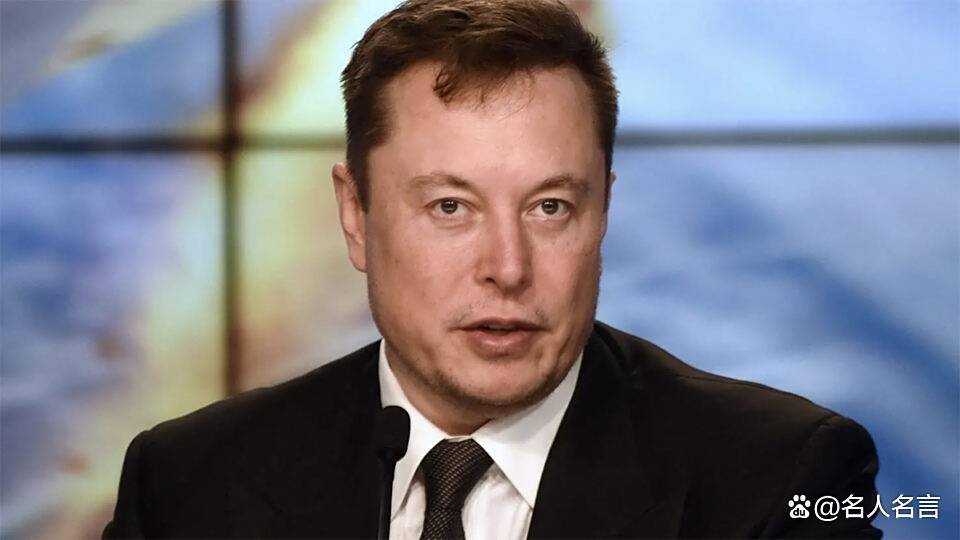
Core Viewpoint - The Federal Reserve Chairman Jerome Powell signaled a potential interest rate cut, leading to a significant market rebound and an increase in the wealth of global billionaires [1][17]. Group 1: Billionaire Wealth Changes - Elon Musk, the world's richest person, saw his wealth increase by approximately $9.3 billion to a total of $417 billion due to a 5% rise in Tesla's stock [2]. - Larry Ellison, the second richest, gained $4.4 billion, bringing his total wealth to $282 billion as Oracle's stock rose by 1.7% [2]. - Mark Zuckerberg's wealth increased by $3.6 billion to $258.5 billion, following a 1.8% rise in Meta's stock [2]. - Jeff Bezos's wealth rose by $4.4 billion to $239 billion, attributed to a 2.5% increase in Amazon's stock [4]. - Larry Page and Sergey Brin, co-founders of Alphabet, saw their wealth increase by $3.2 billion and $2.9 billion, respectively, with their total wealth reaching $171.3 billion and $159.4 billion due to a 3.6% rise in Alphabet's stock [5]. - Jensen Huang, founder of Nvidia, gained $2 billion, bringing his wealth to $154.2 billion as Nvidia's stock rose by 1.8% [7]. - Steve Ballmer's wealth increased by approximately $513 million to $153 billion, despite a slight rise in Microsoft's stock [9]. - Bernard Arnault, CEO of LVMH, saw his wealth increase by $2.9 billion to $150.9 billion, despite LVMH's stock not being listed in the U.S. [11]. - Warren Buffett's wealth increased by $640 million to $146 billion, benefiting from the overall market rise [13]. Group 2: Market Reaction to Powell's Speech - Following Powell's remarks, the Dow Jones Industrial Average surged by over 900 points, reaching a new intraday high, while the S&P 500 rose nearly 1.5% and the Nasdaq increased by approximately 1.7% [17]. - Powell's current stance on monetary policy is markedly different from his hawkish position in 2022, which had led to a significant market decline [17]. Group 3: Economic Implications of Potential Rate Cuts - The Federal Reserve typically opts for interest rate cuts to stabilize inflation and stimulate economic growth [18]. - Lower interest rates reduce borrowing costs for consumers and businesses, encouraging spending and investment [18].

中产迷上奢侈品特卖
Sou Hu Cai Jing· 2025-08-22 11:34
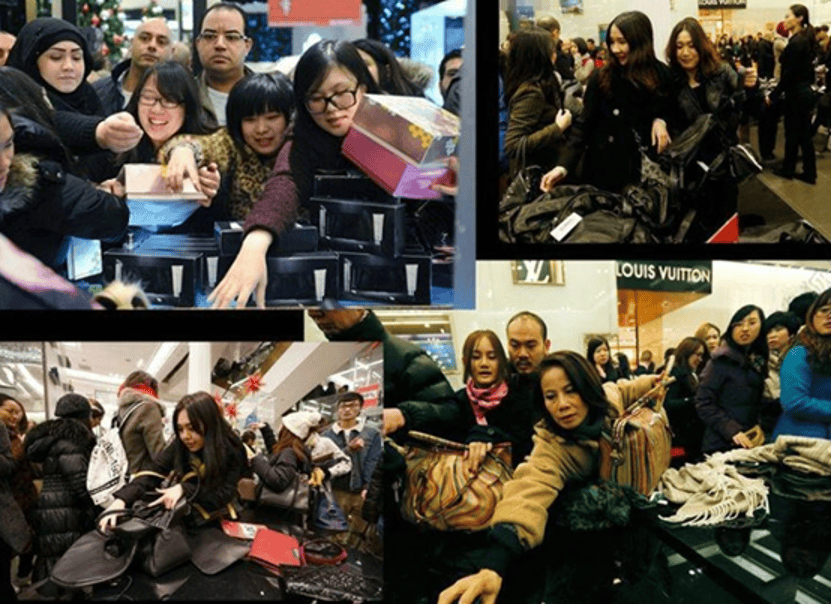
Core Insights - The luxury goods market is experiencing a shift towards discount sales, with consumers increasingly favoring sales events over traditional retail purchases [1][3][5] - The high-end consumer market is projected to decline by 2% in 2024, while sales through discount channels are on the rise, indicating a change in consumer spending behavior [3][5] - Platforms like Vipshop are capitalizing on this trend by offering significant discounts on luxury brands, leading to increased sales and membership growth [5][7] Group 1 - The presence of luxury goods sales events has become more prominent, with discounts of up to 70% attracting consumer attention [1] - Consumers are now more strategic in their luxury purchases, often waiting for sales to maximize value, as illustrated by anecdotes of significant savings on high-end items [3][5] - The shift in consumer mindset reflects a broader trend where spending wisely is prioritized over simply spending more [7] Group 2 - Vipshop's sales data indicates a strong performance, with 514 billion yuan in sales reported for Q2 2025 and a 15% increase in super member numbers, highlighting the effectiveness of their discount strategy [5] - The appeal of luxury goods is not diminishing; rather, consumers are learning to navigate the market more effectively, seeking out deals and discounts [3][5] - The new consumer behavior emphasizes the importance of smart spending, allowing individuals to maintain a high quality of life while being financially savvy [7]
听说要和中国打贸易战,在座的欧洲各国领导人,没一人敢抬头吱声
Sou Hu Cai Jing· 2025-08-21 03:53
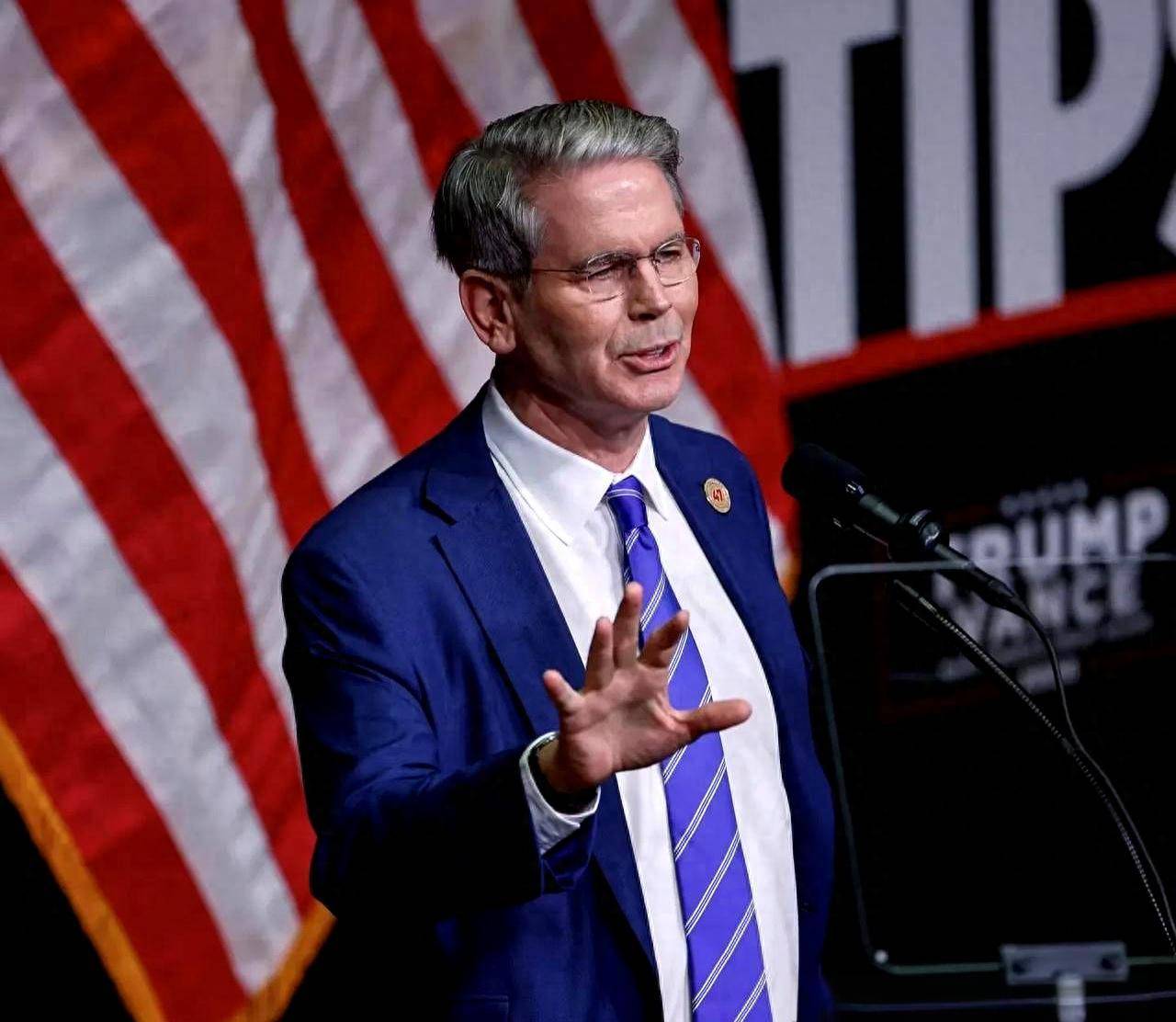
Group 1 - The U.S. Treasury Secretary's proposal for a 200% tariff on China was met with silence and resistance from G7 allies, highlighting a lack of support for aggressive trade measures against China [3][5] - European leaders are heavily reliant on trade with China, with projected trade volume reaching €856 billion in 2024, making them hesitant to engage in a trade war [3][5] - The last trade war under the Trump administration resulted in significant losses for the EU, amounting to over €170 billion, which has made European leaders cautious about repeating such mistakes [3][5] Group 2 - The U.S. is attempting to pressure Europe into supporting sanctions against China, but European officials are prioritizing their economic relationships with China over U.S. demands [5][7] - The potential for secondary sanctions against countries purchasing Russian energy, including India and Turkey, raises concerns for Europe about future U.S. coercion in other energy partnerships [5][7] - Europe's reluctance to support U.S. sanctions is seen as a strategic decision to avoid economic self-harm in the context of U.S.-China tensions [7]
段永平之问:这7类资产5年后哪类最值钱?
Sou Hu Cai Jing· 2025-08-21 03:47
Core Viewpoint - Investment expert Duan Yongping raises an interesting question about which asset class will be the most or least valuable in five years, using seven asset types currently valued at 5 million each as a basis for discussion [1][2]. Group 1: Asset Analysis - Moutai stock is considered a stable investment, likely to appreciate over the next five years due to its status as a benchmark in the A-share market [1][3]. - Bitcoin is seen as highly volatile, with potential for significant price increases, but concerns exist regarding the emergence of new cryptocurrencies [2][9]. - Gold is expected to rise in value due to monetary easing policies in both China and the U.S., making it a favorable hedge against inflation [2][12]. - Nvidia stock is viewed with skepticism, as the rise of Chinese semiconductor companies could pose a threat to its market position [2][18]. - Berkshire Hathaway stock faces uncertainty due to the potential retirement of Warren Buffett, which could impact its future performance [2][19]. - Real estate in core areas of Beijing or Shanghai is anticipated to stabilize, with rental yields around 2.5%, but long-term price appreciation remains uncertain [2][14]. - Luxury goods, specifically classic LV bags, are predicted to depreciate significantly due to lack of cash flow and changing consumer preferences [2][8]. Group 2: Investment Strategies - A diversified investment strategy is suggested, allocating 50% to gold, 15% to Berkshire Hathaway, 15% to Bitcoin, 10% to Nvidia, and 10% to Moutai, emphasizing a balanced approach rather than a single asset bet [5][6]. - The importance of understanding the underlying value of assets is highlighted, with a preference for investments that generate cash flow, such as stocks, over those reliant on market consensus [9][10]. - The potential for significant negative returns in luxury goods and cryptocurrencies is acknowledged, with a focus on more stable investments like Moutai and Berkshire Hathaway [16][19].


LV吞不下的两块硬骨头,Gucci和爱马仕的反收购战
Hu Xiu· 2025-08-21 03:02
Core Viewpoint - LVMH has faced unexpected setbacks in its acquisition attempts within the luxury goods sector, particularly in its battles for Gucci and Hermès, highlighting the intense competition in the luxury market [1] Group 1: Acquisition Challenges - LVMH's attempts to acquire Gucci and Hermès have not been successful, marking significant challenges in its expansion strategy [1] - The luxury goods sector is characterized by fierce competition, with major players like LVMH vying for dominance [1] Group 2: Market Dynamics - The luxury market is described as a thrilling game of predator and prey, indicating the high stakes involved in acquisitions [1] - The ongoing rivalry among luxury brands suggests a complex landscape where strategic moves can lead to significant shifts in market power [1]

时尚情报|开云信用展望降至负面,轻奢巨头增长强劲
Di Yi Cai Jing· 2025-08-20 11:39
Group 1: Kering and Gucci - Kering's credit outlook has been downgraded to negative by S&P Global Ratings, primarily due to a significant decline in sales from its core brand Gucci [3] - In the first half of the year, Kering reported total revenue of €7.587 billion, a year-on-year decrease of 16%, and net profit plummeted by 46% to €474 million [3] - Gucci contributed over half of Kering's profits, and its poor performance has directly impacted the group's overall revenue and profitability [3] Group 2: Management Changes at Kering - Kering's management is undergoing a series of adjustments, with new CEO Luca de Meo, who has experience in brand revitalization and business transformation, planning to restructure the group and allocate more resources to potential brands like Balenciaga [4] Group 3: Tapestry and Coach - Tapestry, the parent company of Coach, reported a revenue increase of 8.3% to $1.723 billion in the fourth quarter of fiscal year 2025, exceeding analyst expectations [7] - Coach's revenue grew by 14.3%, while Kate Spade's revenue declined by 13% in the same quarter, indicating a mixed performance within Tapestry's brand portfolio [7] - The company anticipates an additional cost of approximately $160 million due to tariffs, which has led to a significant drop in its stock price [7] Group 4: Valentino's CEO Departure - Jacopo Venturini, CEO of Valentino, has resigned for personal reasons, marking his third departure from the company [10] - Valentino's financial situation is under pressure, with a projected 2% decline in sales to €1.31 billion and a 22% drop in core operating profit for 2024 [10] Group 5: Amer Sports Performance - Amer Sports, the parent company of Arc'teryx, is expected to continue exceeding revenue expectations, driven by strong performance from brands like Salomon and Arc'teryx [11] - UBS analysts have raised the target price for Amer Sports from around $37 to $50, reflecting confidence in the company's growth potential [13] - Amer Sports has seen a remarkable 224% return on investment over the past year, with several investment firms maintaining a buy or outperform rating [13]
「北美土特产」COACH是如何翻身的?
36氪· 2025-08-19 13:42
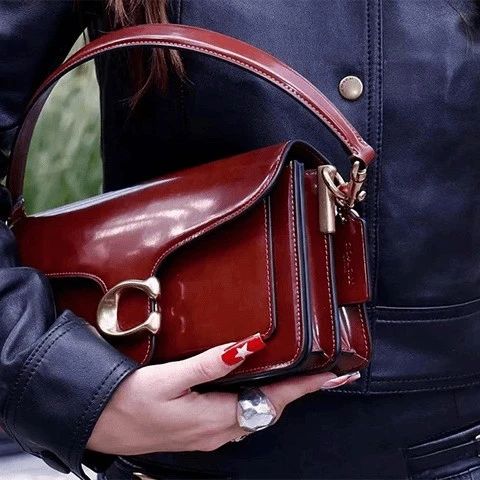
Core Viewpoint - COACH has successfully repositioned itself in the luxury market by appealing to the younger, discerning Generation Z, leading to significant revenue growth despite a general downturn in the luxury sector [6][15]. Group 1: Financial Performance - COACH's revenue reached nearly $1.3 billion, accounting for 82% of the company's total income, with a year-on-year growth of 13%, contributing to a 7% overall company growth [6]. - COACH entered the top five of the global fashion search engine Lyst's popular brand list for the first time, with its Brooklyn bag and Cherry bag charm ranking first and fourth in the popular items list, respectively [6]. Group 2: Product Strategy - COACH has adopted a strategy of maintaining the continuity of popular products, enhancing brand resilience and revenue capacity, with no single product line accounting for more than 10% of sales [13]. - The brand has introduced various iterations of its Tabby bag, which has become a social media sensation, with over 34.2 million posts related to it on TikTok [11][19]. Group 3: Market Positioning - COACH has shifted from a "light luxury" positioning to "Expressive Luxury," targeting Generation Z consumers who seek quality and design without exorbitant prices [15]. - The brand's customization options align with the current trend of personalized accessories, appealing to younger consumers who prefer unique expressions of style [16][18]. Group 4: Marketing and Social Media - COACH's resurgence is bolstered by significant social media marketing efforts, including collaborations with influencers and the creation of trending hashtags to engage consumers [21]. - Despite growth in China, COACH's performance has been modest compared to North America, as younger consumers gravitate towards brands with higher social value, such as Miu Miu and Ralph Lauren [28].
科尔尼2025消费者压力指数报告:消费者不是压力太大,而是无趣太久
科尔尼管理咨询· 2025-08-19 09:40
Core Viewpoint - The article discusses the evolving consumer behavior amidst economic pressures, highlighting a shift from impulsive spending to more intentional and selective purchasing decisions. Consumers are adapting to uncertainties and maintaining a sense of control over their spending choices [2][6][21]. Group 1: Consumer Pressure Index - The latest Consumer Pressure Index report from Kearney indicates that while economic pressures persist, they have not significantly increased in most regions [2][4]. - Inflation and housing costs are identified as the two main sources of anxiety for global consumers, with rising expenses in food and energy contributing to ongoing stress [4][5]. Group 2: Changing Consumer Behavior - Consumers are transitioning from a mindset of "buying everything" to "selectively choosing," reflecting a return to a sense of control over their purchases [7][8]. - The concept of "revenge spending" has evolved into a more restrained yet powerful form of consumer expression, where individuals make conscious choices to assert their preferences in a volatile market [8][21]. Group 3: Consumer Mindsets - Consumers can be categorized into three psychological states: "Enjoyment Tribe," "Scarcity Tribe," and "Neutral Tribe," each exhibiting different spending behaviors based on external circumstances [16][11]. - The article suggests that consumers are not merely reacting to pressure but are also seeking novelty and meaningful experiences in their purchases [17][19]. Group 4: Trends and Implications for Brands - The market is entering a phase of brand consolidation, where established brands may struggle if they do not adapt to changing consumer values that prioritize relevance over mere recognition [22][23]. - Brands that focus on delivering emotional value and joy, rather than amplifying consumer anxiety, are more likely to succeed in the current environment [21][26]. - The article highlights three emerging trends: the rise of selective purchasing, the importance of emotional engagement in branding, and the redefinition of everyday value through smarter consumption [22][25][26].
首届消博会国际大牌云集
Hai Nan Ri Bao· 2025-08-18 10:38
Group 1 - The first China International Consumer Products Expo has announced its initial list of participating brands, featuring a range of international luxury brands [2] - The brands span various categories including high-end luxury goods, cosmetics, apparel, footwear, bags, watches, home goods, textiles, silk, kitchenware, and handicrafts [2] - Notable brands include Kering's jewelry brands Boucheron, Pomellato, and Qeelin, as well as L'Oréal, Richemont's watch brands such as Baume & Mercier, Panerai, Vacheron Constantin, and Roger Dubuis [2] Group 2 - Several brands are set to launch new products specifically for the expo, including a new watch from Swiss brand Rado and exclusive product launches from L'Oréal [2] - L'Oréal will showcase its 16 beauty brands, offering immersive experiences for attendees [2] - Johnson & Johnson will participate with eight brands across skincare, maternal and infant care, and personal care categories [2]

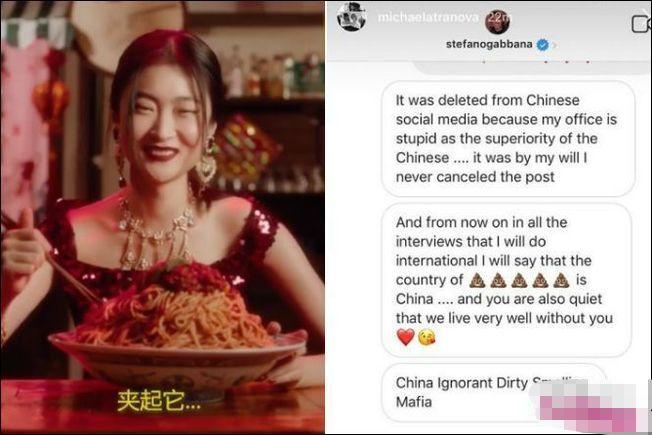
突发!还在刻意“辱华”,必须付出巨大代价!滚吧!
Xin Lang Cai Jing· 2025-08-18 03:21
Group 1 - Dolce & Gabbana (D&G) faced significant backlash in 2018 after releasing a controversial advertisement that was perceived as derogatory towards Chinese culture, leading to a 20% drop in sales and a similar decline in brand value [3][12] - The brand's exposure in media decreased to only 1/10 of previous levels due to widespread boycotts from both Chinese consumers and international celebrities [3][12] - Swatch Group recently faced criticism for a promotional image that perpetuated racial stereotypes, which sparked outrage on social media [5][11] Group 2 - Swatch's delayed apology and lack of immediate public relations response failed to quell consumer anger, highlighting the importance of timely communication in crisis management [5][12] - The company reported an 11.2% decline in sales and an 88% drop in net profit, attributing these losses to challenges in the Chinese market, which is crucial for its revenue [12][14] - Despite the downturn, the Chinese market contributed 2.63 billion Swiss francs in sales, accounting for 33.3% of the group's total revenue, indicating its significance to Swatch's overall performance [12][14]