潮玩

Search documents
2025年 中国IP经济的“群星闪耀时”
2 1 Shi Ji Jing Ji Bao Dao· 2025-12-31 11:21
Core Insights - 2025 is recognized as a "highlight year" for China's IP economy, marking a significant transformation where local IPs are becoming global symbols [1] - The success of "Nezha: The Devil's Child" showcases the potential of Chinese IPs in breaking Hollywood's long-standing dominance in animation [3] - The capital market is witnessing substantial growth in companies like Pop Mart and Laopuhuang, with both seeing stock price increases exceeding 100% in 2025 [1] Group 1: Chinese IP Achievements - "Nezha: The Devil's Child" achieved a domestic box office of 15.446 billion yuan and over 324 million viewers, making it the highest-grossing film in Chinese history [3] - The film's global box office exceeded 15.9 billion yuan (approximately 1.902 billion USD), ranking fifth in global box office history and first in animation history [3] - The film's merchandise generated over 100 million yuan in sales within a week, indicating a successful commercialization of the IP [3] Group 2: Pop Mart's Market Performance - Pop Mart reached a market capitalization peak of approximately 456 billion HKD, with a stock price of 339.8 HKD per share [4] - The company reported a revenue of 13.876 billion yuan for the first half of 2025, a year-on-year increase of 204.4%, and a net profit of 4.574 billion yuan, up 396.5% [4] - Pop Mart's overseas revenue surged by 1,142.3% in the Americas and 257.8% in regions like Singapore and Thailand [6] Group 3: Laopuhuang's Growth - Laopuhuang is gaining international attention, with predictions that it will surpass Richemont's total revenue in China by 2025 [8] - The company achieved a revenue of 12.3 billion yuan in the first half of 2025, a year-on-year increase of 251%, with an average revenue of nearly 500 million yuan per store [9] - Laopuhuang's stock price rose to 618.0 HKD per share by the end of 2025, marking an annual increase of 156.22% [10] Group 4: Broader Implications for Chinese IP - The year 2025 is widely recognized as the "year of Chinese IP," with various companies and products emerging as significant players in the global market [11] - The founder of Miniso emphasized the potential for 100 Chinese IPs to reach global markets in the next decade, indicating a strong future for the industry [11] - The evolution of traditional narratives in Chinese IPs is paving the way for new growth trajectories, reflecting a dynamic shift in cultural storytelling [11]

年轻人不可错过的三个投资机会
Di Yi Cai Jing Zi Xun· 2025-12-31 10:53
Core Insights - The event "2025 Annual Financial Thinkers Summit" highlighted macro trends, consumer behavior, and investment opportunities for 2026, featuring key speakers from various financial institutions [1] Group 1: Investment Trends - The rise of emotional value in consumer products, such as the Labubu doll, illustrates a shift towards narrative economics, where consumers pay for emotional connections rather than just production costs [2][3] - Future investment opportunities may lie in products that resonate with the emotional needs of the new generation, including virtual idols and immersive experiences in the metaverse [2] - The demand for emotional storytelling in products reflects a broader trend where young consumers seek meaningful connections through their purchases [3] Group 2: Asset Value and Stability - The concept of "trust anchors" in volatile markets emphasizes the need for assets with long-term value, such as gold, which serves as a hedge against economic instability [4][5] - Gold's current market price is nearing 1,000 yuan per gram, and its value is derived from its role as a universal collateral and safe haven rather than just price appreciation [5] - Real estate's value has shifted from a financial investment tool to a focus on living quality, emphasizing location and property quality in investment decisions [6] Group 3: Investment Strategies - Three key investment strategies are proposed: investing in personal development, addressing sustainable human development challenges, and focusing on compounding assets [7][8] - Investing in personal skills and knowledge is highlighted as a high-return strategy, especially for younger individuals facing job market changes [7] - Investments in sectors that solve real-world problems, such as renewable energy and biotechnology, are seen as stable growth opportunities [8]
消费板块2026年展望:政策密集出台推动行业高质量发展 消费板块有望接力科技轮动
Zhong Guo Jin Rong Xin Xi Wang· 2025-12-31 10:49
Core Insights - In 2025, the A-share consumer sector is undergoing unprecedented changes, shifting from "scale expansion" to "quality improvement and efficiency enhancement" amid external uncertainties like global economic fluctuations and geopolitical tensions [1][2] - The focus of competition is moving from price wars to service quality and operational efficiency, prompting companies to adopt refined operational strategies [2][4] Policy Initiatives - Multiple policies have been introduced to regulate market order, boost consumer confidence, and promote high-quality development in the consumer sector [2][3] - The National Development and Reform Commission and the Ministry of Finance announced a plan for a large-scale equipment update and a consumption upgrade policy for 2026, with an initial allocation of 62.5 billion yuan for consumer goods [2][3] - A joint notification from the Ministry of Commerce, the People's Bank of China, and financial regulators aims to enhance collaboration between commerce and finance to stimulate consumption [2][3] Industry Challenges - Many companies are facing the challenge of "increasing revenue without increasing profit," as consumer demands for product quality, service experience, and transparency rise [2][3] - The government is addressing industry pain points through regulatory measures and encouraging innovation to ensure food safety, fair pricing, and consumer rights protection [3] Future Outlook - Analysts from various brokerages express optimism about investment opportunities in the consumer sector for 2026, with a focus on different sub-sectors [5][6] - The domestic demand policy is expected to strengthen, making the consumer sector a key area for investment alongside technology themes [6][7] - Specific recommendations include focusing on high-dividend companies and sectors benefiting from wealth effects and supply-side optimization [8][9]
年轻人不可错过的三个投资机会
第一财经· 2025-12-31 10:02
Core Insights - The article discusses the evolving landscape of investment opportunities, emphasizing the importance of emotional value and narrative economics in consumer behavior and investment strategies [2][3][4]. Group 1: Investment Trends - The rise of emotional value in consumer products, such as the Labubu doll, illustrates a shift towards narrative-driven investments where consumers pay for experiences and emotional connections rather than just physical goods [2][3]. - Future investment opportunities may lie in sectors that resonate with the emotional needs of the new generation, including virtual idols, AI-customized experiences, and immersive applications in the metaverse [3][4]. - The article highlights the importance of understanding the emotional narratives behind products when evaluating their investment potential, suggesting that capturing "emotional share" is crucial for market success [3][4]. Group 2: Asset Value and Stability - The article contrasts trendy investments with traditional assets like gold, which remains a reliable store of value and a hedge against economic instability, emphasizing its role as a "trust anchor" in turbulent markets [4][6]. - It suggests that the value of real estate has shifted from a financial investment to a focus on living quality, with location and property quality becoming key determinants of value [6][7]. - The article advocates for a shift in investment strategy from quantity to quality, emphasizing the need for core assets that can withstand market fluctuations and provide stable returns [7]. Group 3: Investment Strategies - The article outlines three key investment strategies: investing in personal development, focusing on sustainable solutions to human challenges, and leveraging the power of compound interest through long-term investments [8][9]. - Investing in personal skills and knowledge is highlighted as a high-return strategy, especially for younger investors, as it enhances their ability to generate value [8]. - The article encourages investments in sectors that address sustainable development, such as renewable energy and biotechnology, which are expected to grow steadily over time [8][9].


文创跨越国界,中国潮玩跻身全球顶流
Xin Hua She· 2025-12-31 09:17
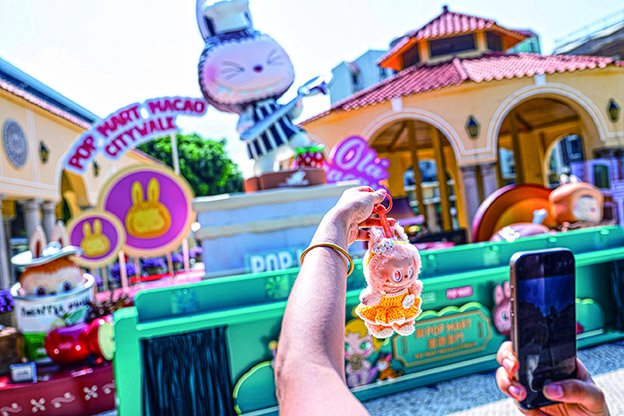
Core Insights - The article highlights the global success of Labubu, a Chinese original IP, which has become a phenomenon in the cultural and creative industry, showcasing China's shift from "made in China" to "created in China" [1][2][16] Group 1: Labubu's Success Story - Labubu, designed by Long Jiasheng, has gained immense popularity, with its revenue exceeding 4.8 billion yuan in just six months, marking a year-on-year growth of over 600% [1][5] - The character's unique design and emotional resonance with young consumers have contributed to its widespread appeal, breaking cultural barriers [1][17] - The operational strategy of Pop Mart emphasizes patience and respect for original creators, allowing for a sustainable growth model rather than quick commercial success [5][6] Group 2: Supply Chain Innovations - Pop Mart has implemented a flexible supply chain that can quickly respond to market demands, increasing production capacity from 300,000 units per month to 3 million units by 2025 [9][10] - The company has adopted a dual expansion strategy, focusing on local and overseas production to enhance supply chain resilience and reduce delivery times [10][12] - Automation and strategic partnerships with local factories have improved production efficiency while maintaining product quality [11][12] Group 3: Cultural Resonance and Globalization - Labubu's success is attributed to its ability to resonate with global youth values, such as acceptance of differences and self-expression, transforming it into a shared cultural symbol [17][18] - Pop Mart's approach to localization in different markets has allowed it to effectively engage with diverse consumer bases, enhancing brand value [16][18] - The company's growth reflects a broader trend in the Chinese creative industry, emphasizing the importance of emotional connection and cultural adaptation in global markets [17][19]
中国文化IP成为全球“顶流”出新、出海又“出彩” 中华文明底蕴“圈粉”世界
Yang Shi Wang· 2025-12-31 09:14
Core Insights - In 2025, Chinese cultural IPs are gaining global recognition, showcasing a more open and diverse image that attracts international audiences [1][2] - The success of Chinese animated films, such as "Ne Zha," which grossed over 15.9 billion RMB, highlights the effective integration of traditional cultural elements with modern storytelling [2] - The rise of Chinese cultural products, including trendy toys, reflects a shift towards emotional and spiritual consumption, creating a global buying frenzy [4] Cultural Impact - A variety of Chinese pop culture products are becoming popular worldwide, fostering a surge in tourism to China as international influencers share their experiences [6] - Tourists are engaging in immersive cultural experiences, such as learning traditional crafts and exploring historical sites, which enhances their understanding of Chinese civilization [6][9] - Visitors express admiration for the blend of modern and traditional elements in Chinese architecture and culture, indicating a strong interest in the country's heritage [9][11]

IP赋能+政策加持,“谷子经济”成文化消费新增长极
Cai Jing Wang· 2025-12-31 09:01
Group 1 - The article highlights the cultural and creative industry in Shanghai's Jing'an District, which is attracting a large number of young entrepreneurs due to its rich cultural heritage [1] - Young entrepreneurs are engaging in various projects, including product planning for trendy card games and CityWalk project design, showcasing a diverse range of creative activities [1] - The district's supportive policies and initiatives, such as financial support for cultural enterprises and the "Jing'an Suhe Bay Cultural Design Plan," are fostering a vibrant entrepreneurial ecosystem [7] Group 2 - The "Guzi economy," which includes cultural IP derivatives like card games and trendy toys, is gaining traction among young consumers, becoming a new social currency and community identifier [9][10] - Companies like KaYou are capturing significant market shares, with a reported 70% of the domestic card game market and annual sales exceeding 10 billion yuan [7][10] - The expansion of companies like Pop Mart, which has opened over 570 stores globally, reflects the growing international interest in the cultural and creative sectors [10]
2025年中国消费市场观察:多元升级与生态创新激活增长新引擎
Xin Hua She· 2025-12-31 06:46
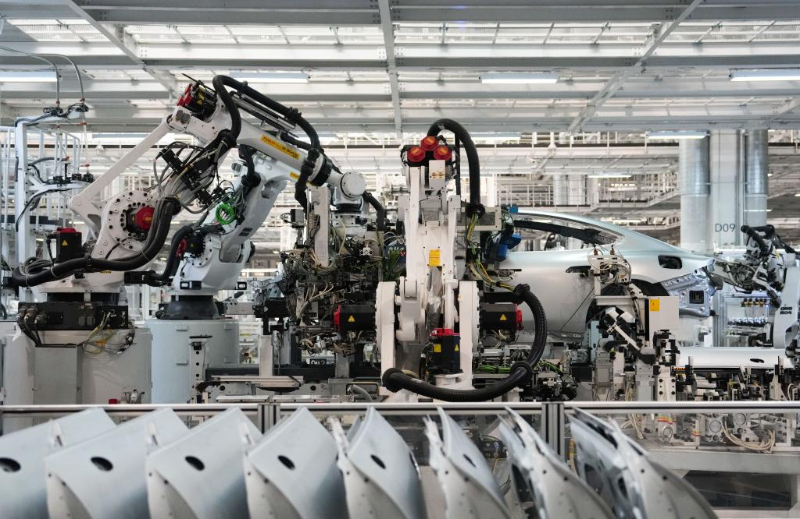
Group 1 - The core viewpoint of the articles highlights the robust growth and transformation of China's consumer market since 2025, driven by consumption policies and technological innovations, emphasizing the shift towards high-quality, intelligent, and emotional consumption [1][2][6] - The retail sales of consumer goods in China increased by 4% year-on-year from January to November 2025, indicating a shift from scale expansion to value growth centered on quality upgrades [2] - Key technological breakthroughs, such as Xiaomi's launch of its 3nm flagship processor and the Xiaomi 17 Ultra smartphone, have significantly contributed to the high-end consumer electronics market, showcasing the role of innovation in stimulating consumption [2] Group 2 - The emotional economy is emerging as a new growth area in consumption, with the market size expected to reach 2.3 trillion yuan in 2024 and surpass 4.5 trillion yuan by 2029, reflecting a shift in consumer motivations from functional satisfaction to emotional resonance [4] - New consumption formats, including digital, green, and health consumption, are becoming increasingly active, with the new energy vehicle market showing significant growth, where new energy vehicles accounted for 53.2% of total new car sales by November 2025 [5] - The integration of ecosystems, such as Xiaomi's smart factories and automotive strategies, is reshaping consumer experiences, moving from single product purchases to integrated, scenario-based services [5][8]

外媒热议中国2025年经济亮点
Huan Qiu Shi Bao· 2025-12-31 05:13
Group 1: Economic Resilience and Trade - In 2025, China's goods trade maintained growth for ten consecutive months despite high tariffs imposed by the US, with a predicted export growth rate of 8% for the year [1][2] - China achieved a record annual trade surplus of $1 trillion in November 2025, offsetting declines in exports to specific markets by expanding into Europe, Latin America, and Africa [1] - China's export products have become more innovative, enhancing its role in stabilizing global supply chains amid rising protectionism [2] Group 2: Artificial Intelligence and Technological Advancements - 2025 marked a pivotal year for artificial intelligence, with China's DeepSeek releasing the R1 model, challenging the dominance of US AI companies [3][4] - China is recognized as a leader in the open-source AI sector, with its models gaining traction globally, significantly impacting the competitive landscape [4] - The advancements in AI are part of a broader trend of China's technological capabilities extending into robotics and deep-sea science [3] Group 3: Stock Market Performance - The total market capitalization of A-shares surpassed 100 trillion yuan for the first time in 2025, with significant returns exceeding initial predictions [5][6] - High expectations for the Chinese stock market are driven by a slow bull market and increased foreign investment interest, particularly following the emergence of DeepSeek [5][6] - Analysts predict a 38% increase in the Chinese stock market by the end of 2027, reflecting strong investor confidence [5] Group 4: Soft Power and Global Influence - China ranked second in the global soft power index, surpassing the UK, with cultural products like the toy brand Labubu gaining international popularity [7][8] - The success of Chinese lifestyle brands and cultural products in global markets indicates a shift towards China leading global trends rather than merely following them [7][8] - The rise of Chinese media and entertainment on international platforms showcases the growing influence of Chinese culture [7] Group 5: Consumer Spending and Economic Growth - International organizations have raised China's GDP growth forecast for 2025 to 5%, highlighting its role as a key contributor to global economic growth [9] - Consumer spending's contribution to economic growth significantly increased from 29.7% at the end of 2024 to 56.6% by the third quarter of 2025, driven by both durable goods and service consumption [9] - The outlook for 2026 remains positive, with expectations that consumer spending will continue to support economic growth [9]
星巴克缩减在美城市门店布局|首席资讯日报
首席商业评论· 2025-12-31 04:14
Group 1 - Starbucks is closing approximately 400 underperforming urban stores in the U.S. and shifting investments towards renovating stores and drive-through locations in suburban areas to adapt to changes in customer traffic and cost pressures [2] - Gree Electric is monitoring the price trends of key raw materials and has implemented digital management for inventory and demand, along with flexible reserve strategies and regular futures hedging to mitigate adverse impacts from price volatility [3] - Multiple jewelry brands have significantly reduced their gold jewelry prices, with Chow Sang Sang pricing at 1353 yuan per gram, indicating a market adjustment [4] Group 2 - Barclays Bank reports that UK consumers have reduced card spending for the first time in five years, with a 0.2% year-on-year decline compared to a 1.6% increase last year [5] - Zhipu plans to globally issue 37,419,500 H-shares at a price of 116.20 HKD per share, with trading expected to commence on January 8, 2026 [6] - Pop Mart has begun selling products at half price, with second-hand platforms showing significant price drops for Labubu items, indicating a cooling market for trendy toys [7][8] Group 3 - Huawei's rotating chairman Meng Wanzhou emphasizes the start of a new journey in the intelligent era, highlighting the importance of innovation and self-criticism in navigating future uncertainties [9] - Spring Airlines and Juneyao Airlines announced plans to purchase a total of 55 Airbus A320 aircraft, with a transaction value exceeding 82 billion USD (approximately 574.48 billion yuan) [10] - EVE Energy's Hong Kong IPO application has expired after six months, with CITIC Securities as the sole sponsor [11] Group 4 - The Financial Accounting Standards Board (FASB) will explore cryptocurrency-related issues in 2026, including whether certain cryptocurrencies can be classified as cash equivalents [12] - Samsung Electronics is reportedly supplying automotive chips for BMW's electric vehicles, marking a significant expansion in its automotive component offerings [13] - Concerns arose regarding the production of a sofa sold during a live stream by a prominent host, with Gujia Home clarifying that the products are manufactured in its own factories [14]