
家具

Search documents
高定款的家长什么样?盘点那些“决赛圈”的高端家居品牌
Sou Hu Wang· 2025-05-14 09:10
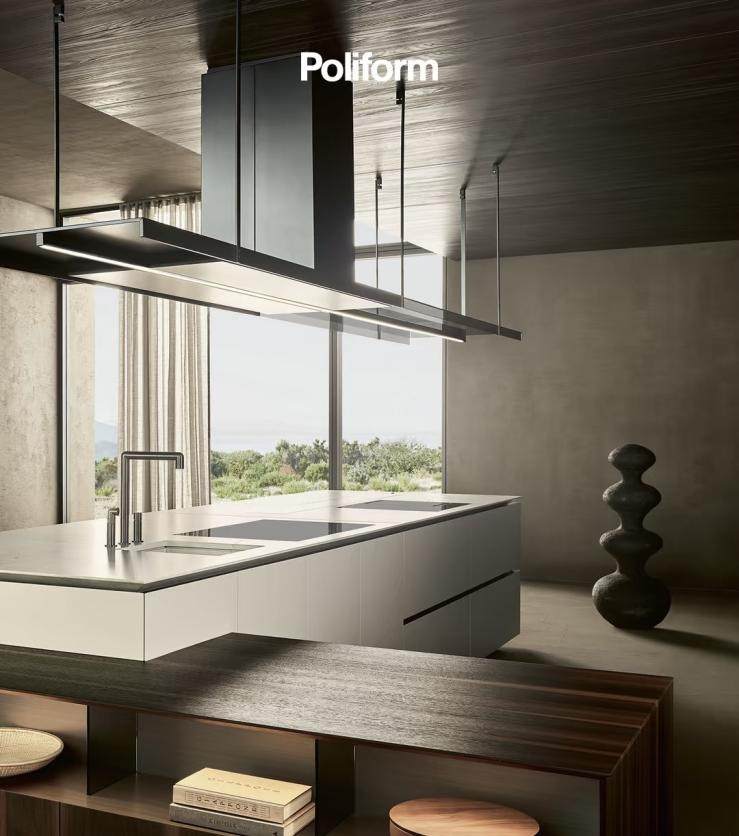
Core Insights - The article emphasizes the shift in consumer demand for home decor from mere functionality and aesthetics to a personalized and high-end expression of lifestyle and individuality [1] Group 1: High-End Home Brands - Poliform is highlighted for its minimalist kitchen designs that combine modern architecture with practical modularity, making cooking a more organized and enjoyable experience [2] - Tusen focuses on custom-tailored wardrobes that reflect users' lifestyles, emphasizing a deep understanding of living habits rather than just material accumulation [4] - Roche Bobois is recognized for its innovative Bubble sofa, which balances design, functionality, and emotional resonance, making it a versatile addition to various living spaces [7] Group 2: Technological Innovations in Home Entertainment - Hisense's U8Q television is described as a high-end flagship product that integrates advanced technology and aesthetics, redefining the role of televisions in living rooms [9] - The U8Q features cutting-edge AI picture quality technology and a collaboration with premium audio brand Devialet, enhancing both visual and auditory experiences [11] - The design of the U8Q incorporates elements of traditional art, creating a seamless integration with home decor while offering an innovative user interaction experience [13]


国家税务总局最新发布:快速增长
Jin Rong Shi Bao· 2025-05-14 08:00
Group 1: Economic Performance - In April, the sales revenue of enterprises in China increased by 4.3% year-on-year, continuing the steady growth trend since the fourth quarter of last year, driven by a series of existing and incremental policies [1] - The eastern region, particularly economic powerhouses like Zhejiang, Guangdong, and Beijing, saw sales revenue growth of 4.8%, with Zhejiang, Guangdong, and Beijing growing by 7.3%, 6.6%, and 5.4% respectively, significantly above the national average [1] Group 2: Industry Growth - In April, industrial enterprises' sales revenue grew by 3.7% year-on-year, with manufacturing sales revenue increasing by 4.4%, primarily driven by the "two new" policies [2] - Specific sectors such as electrical machinery, computer manufacturing, and instrumentation saw sales revenue growth of 12.8%, 15.7%, and 15.9% respectively [2] - High-tech industries and core digital economy sectors reported sales revenue growth of 15.3% and 13.4% year-on-year [3] Group 3: Consumer Policies and Trends - The "old-for-new" consumption promotion policies have positively impacted consumer demand and released residents' consumption potential, with a focus on boosting consumer confidence [3] - As of April 27, the "old-for-new" program led to significant sales, including 281.4 million vehicles and 49.416 million home appliances, contributing over 720 billion yuan to sales [2] Group 4: Foreign Trade and Domestic Sales - In response to uncertainties in international trade, the government has implemented policies to help foreign trade enterprises expand into domestic sales, with domestic sales for companies engaged in exports to the U.S. increasing by 4.7% year-on-year [4] - Among 31 manufacturing categories, 21 saw an increase in the proportion of domestic sales compared to the previous year, with notable increases in sectors like leather products and footwear [4] Group 5: Trade Statistics - In the first four months of the year, China's total goods trade value reached 14.14 trillion yuan, a year-on-year increase of 2.4%, with exports growing by 7.5% and imports declining by 4.2% [5] - In April, the total goods trade value was 3.84 trillion yuan, growing by 5.6%, with exports increasing by 9.3% and imports by 0.8% [5]
多地持续加力“两新”政策激发消费活力
Zheng Quan Ri Bao· 2025-05-12 17:26
Group 1 - The core viewpoint of the articles highlights the effectiveness of the "old-for-new" policy in stimulating consumer demand and promoting economic recovery, with significant subsidy applications and sales growth reported [1][2][3] - As of May 11, 2025, the total number of applications for the "old-for-new" subsidy reached 3.225 million, with 1.035 million for scrapping and 2.19 million for replacement [1] - The Guangdong provincial government has implemented a plan to support local consumption by combining fiscal subsidies, corporate discounts, and financial empowerment for durable consumer goods [1][2] - In Hunan province, over 4.58 million applications for the "old-for-new" subsidy have been submitted, leading to a total subsidy amount of 3.947 billion yuan and sales exceeding 30.6 billion yuan [1] - Xi'an, Shaanxi province, has introduced a specialized financial product called "National Subsidy Loan" to help merchants access high-limit credit efficiently, alleviating financial pressure on businesses [1] Group 2 - Various regions have launched promotional activities that combine discounts with national subsidies to enhance the impact of the "old-for-new" policy [2] - The National Bureau of Statistics reported significant year-on-year retail sales growth in categories such as communication equipment (26.9%), cultural and office supplies (21.7%), home appliances (19.3%), and furniture (18.1%) [2] - The State Development and Reform Commission, along with the Ministry of Finance, has allocated an additional 81 billion yuan in special long-term bonds to support the "old-for-new" policy, which is expected to further boost consumer demand in the second quarter [2] - To enhance the effectiveness of the "old-for-new" policy, it is suggested that local governments simplify processes and utilize government platforms for automatic qualification checks and instant fund transfers [3] - The focus should also be on creating sustainable business models for companies, integrating hardware sales with extended warranties and recycling services [3] - The current "two new" policies have shown positive results across multiple sectors, with an emphasis on improving consumer income expectations, optimizing credit support, and stabilizing consumer confidence [3]
中美经贸会谈后的市场展望
2025-05-12 15:16
Summary of Key Points from the Conference Call Industry Overview - The conference call discusses the impact of the recent US-China trade negotiations on various industries, particularly focusing on technology and military sectors, which are expected to see optimistic structural trends in the medium term [1][2]. Core Insights and Arguments - **Tariff Reductions**: The reduction in tariffs exceeded expectations, boosting market confidence. Short-term fluctuations are anticipated, but medium-term outlooks for technology and military sectors remain positive [1][2]. - **Export Growth**: The annual export growth is projected to be between -1.2% and -2%, an improvement from previous pessimistic forecasts of -4.1%. This indicates a narrowing drag on GDP from 0.5 percentage points to between -0.1 and -0.2 percentage points [1][4]. - **Impact on Consumer Goods**: New tariff policies will most significantly affect consumer goods, especially electronics. The US's high dependency on direct imports from China means that demand for certain products like furniture and footwear is expected to normalize following tariff reductions [1][5]. - **Intermediate Goods Dependency**: The US relies heavily on Chinese intermediate goods such as chemicals and plastics, which are expected to be most affected by tariff changes. The 90-day exemption period is likely to positively impact direct trade, potentially leading to a short-term export rebound [1][8][9]. - **Domestic Policy Continuity**: The outcomes of the negotiations will not significantly alter domestic policies aimed at stabilizing foreign trade and employment, as well as promoting technology consumption. Counter-cyclical policies will continue to be implemented [1][10]. Additional Important Insights - **Market Reactions**: The market reacted positively to the unexpected results of the trade negotiations, with expectations of a strong opening following the announcement. The structural optimism for technology and military sectors is highlighted [2][15]. - **Long-term Trade Relations**: The new trade policies reflect ongoing issues with US political credibility and suggest that further negotiations will be necessary to establish a stable economic relationship between the two countries [6]. - **Consumer Goods and Electronics**: Consumer goods account for 40% to 50% of total exports to the US, with electronics being particularly sensitive to tariff changes. The exemption for certain consumer electronics is noted, with a significant portion of imports still subject to tariffs [5][7]. - **Future Economic Outlook**: The presence of the 90-day exemption period is expected to lead to improved export data in the coming months, with a strong likelihood of GDP growth exceeding 5% if current trends continue [11][12]. This summary encapsulates the key points discussed in the conference call, focusing on the implications of the US-China trade negotiations on various sectors and the overall economic outlook.
海外周报第89期:关税战下的美国库存“倒计时”-20250512
Huachuang Securities· 2025-05-12 11:42
Inventory Analysis - As of February, the overall actual inventory-to-sales ratio in the U.S. manufacturing and trade sectors is approximately 1.5 months, with manufacturers at 1.9 months, wholesalers at 1.3 months, and retailers at 1.4 months, all at low percentiles since the pandemic[2] - If assuming that the inventory of manufacturers, wholesalers, and retailers only serves domestic retail sales, the overall inventory could cover about 4.2 months of sales[2] - The low inventory-to-sales ratio may indicate limited buffer space against supply-demand imbalances, potentially leading to upward pressure on inflation[2] Industry-Specific Insights - In the retail sector, the actual inventory-to-sales ratio for furniture, appliances, and consumer electronics is low at only 1 month, placing it in the 6.5% percentile since the pandemic[3] - Conversely, the inventory-to-sales ratio for motor vehicles and parts, as well as building materials, exceeds 2 months, with motor vehicles at approximately 2.5 months (88.5% percentile) and building materials at about 2 months (85.2% percentile)[3] - In manufacturing and wholesale, machinery, textile raw materials, and related products have higher inventory-to-sales ratios, all exceeding 2 months, with machinery at 2.9 months (83.6% percentile) and textile raw materials at 2.8 months (70.4% percentile)[3] PMI and Inventory Trends - As of April, the ISM manufacturing PMI inventory index decreased to 50.8% from 53.4% in March, indicating a cooling in pre-tariff stockpiling behavior[4] - The customer inventory index remains low at 46.2%, suggesting concerns about the sustainability of overall manufacturing inventory levels[4] - Among 18 manufacturing sectors, 5 reported increased inventory in April, while 8 sectors, including textiles and transportation equipment, saw declines[4]
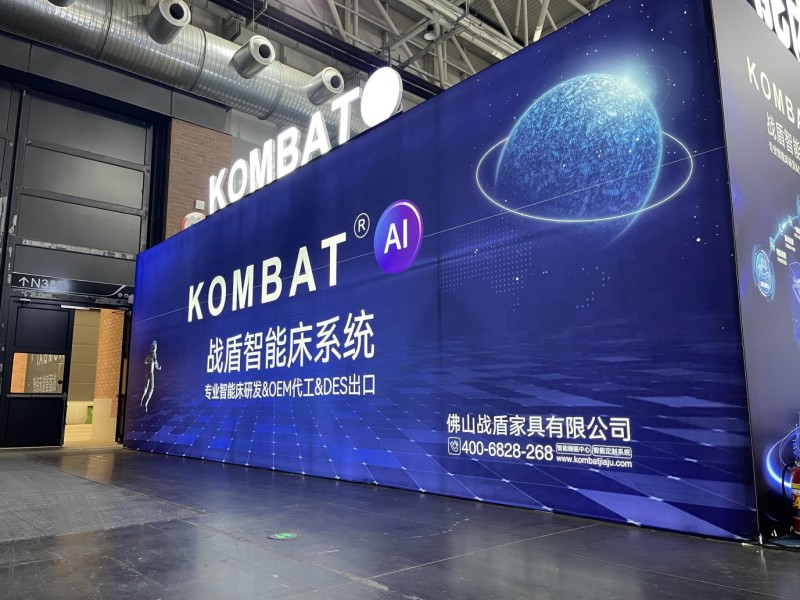
KOMBAT战盾智能床全新柯梦特系列受青睐,闪耀22届青岛国际家具展
Jin Tou Wang· 2025-05-12 06:43
Core Viewpoint - The KOMBAT AI Zhandun Smart Bed's new Kemeite series showcased at the 22nd Qingdao International Furniture Expo has gained significant attention for its advanced features, including intelligent monitoring, automatic adjustment, and emergency call functions, highlighting the company's commitment to innovation in the smart sleep industry [1][10]. Group 1: Intelligent Monitoring - The Kemeite series features advanced millimeter-wave radar health detection technology and multimodal biosensing systems, allowing real-time and precise collection of various sleep data, including heart rate changes, breathing frequency, and movement frequency [2][3]. - During the expo, over 600 visitors engaged with the intelligent monitoring feature, indicating strong consumer interest in understanding their sleep quality through detailed reports generated by the system [2][3]. Group 2: Automatic Adjustment - The automatic adjustment function of the Kemeite series responds to detected changes in the user's sleep state, such as increased heart rate or frequent movements, by adjusting the bed's angle by 15° to enhance blood circulation and alleviate breathing pressure [4][5]. - This feature aims to provide personalized comfort by adapting to the user's body shape and sleep habits, transforming the concept from "human adapting to bed" to "bed adapting to human" [4][5]. Group 3: Emergency Call Function - The emergency call function ensures user safety by sending alerts to pre-set emergency contacts if the system detects critical conditions like breathing pauses or abnormal heart rhythms, or if the user manually activates the emergency button [6][7]. - This feature is particularly valued by families with elderly or young members, emphasizing the product's human-centered design and the company's focus on user health and safety [6][7]. Group 4: Quality Assurance - The Kemeite series is built with high-strength steel materials and incorporates internationally recognized components to ensure the accuracy and reliability of its monitoring capabilities [8][9]. - The company maintains rigorous quality control throughout the production process, supported by various certifications, including international quality and environmental certifications, which enhance consumer trust in the product [8][9]. Group 5: Industry Impact - The Kemeite series has been well-received at the expo, with industry experts praising its innovative features as a representation of the future direction of the smart bed industry [10][11]. - The successful showcase at the Qingdao International Furniture Expo has positioned the company as a leader in the smart sleep sector, with plans for continued innovation and development of high-quality, intelligent home products [10][11].
喜临门(603008):24Q4国补带动电商高增 25年加大费用投放优化
Xin Lang Cai Jing· 2025-05-11 00:29
Core Viewpoint - In Q1 2025, the company's revenue decreased by 1.76% year-on-year, with stable performance expected from its own brand, showing a decline in offline sales but over 30% growth online, while engineering business grew steadily by over 10% [1][3] - The net profit attributable to shareholders in Q1 2025 decreased by 4.02% year-on-year, mainly due to the pre-expensing of brand costs [1][3] - The mattress products led growth in 2024, with national subsidies accelerating online growth and offline channels turning positive in Q4 2024 [1][4] Financial Performance - In 2024, the company achieved revenue of 8.729 billion yuan, an increase of 0.59%, while the net profit attributable to shareholders was 322 million yuan, a decrease of 24.84% [2] - In Q1 2025, the company reported revenue of 1.73 billion yuan, down 1.76% year-on-year, and a net profit of 71 million yuan, down 4.02% [2][3] - The basic EPS for Q1 2025 was 0.19 yuan, remaining flat compared to the previous year [2][3] Business Segments - In 2024, the company's mattress, soft bed and supporting products, sofa, and wooden furniture revenues were 5.27 billion, 2.44 billion, 720 million, and 170 million yuan, respectively, with the mattress segment showing steady growth [4][5] - The online revenue for the company's own brand in 2024 was 1.98 billion yuan, an increase of 9.9%, with Q4 growth exceeding 20% [5] Cost and Profitability - The gross margin for 2024 was 33.67%, a decrease of 0.70 percentage points, with the mattress segment gross margin at 38.40% [6] - The net profit margin for 2024 was 3.69%, down 1.25 percentage points, primarily due to increased sales expenses [6] - The company plans to optimize its expense allocation strategy, expecting an improvement in profitability [1][6] Future Outlook - The company aims to focus on the retail sector, optimizing offline channels and enhancing store efficiency while expanding online channels to new platforms [1] - Revenue projections for 2025-2027 are 9.46 billion, 10.11 billion, and 10.76 billion yuan, with expected year-on-year growth rates of 8.3%, 6.9%, and 6.4% respectively [6]

探秘中国家具十大品牌:解码行业 “顶流” 们
Zhong Guo Chan Ye Jing Ji Xin Xi Wang· 2025-05-10 08:42
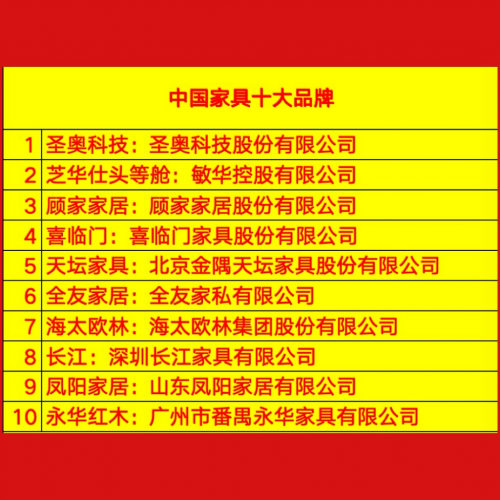
Industry Overview - The Chinese furniture industry is undergoing profound changes driven by globalization and consumption upgrades, with brand competitiveness becoming a key indicator of maturity [1] - The China Furniture Association has released a list of the top ten furniture brands, highlighting companies like Saint-Ao Technology, Kuka Home, and Qianyu Furniture as industry benchmarks [1] Company Highlights - **Saint-Ao Technology**: Founded in 1991, it focuses on office commercial furniture and has developed a dual-driven strategy for ecological office development. The company emphasizes innovation and has established a global R&D network, leading to a range of smart office furniture products [3] - **Kuka Home**: Established in 1982, it offers a comprehensive range of furniture products, focusing on comfort, fashion, and environmental sustainability. The brand has made significant advancements in smart furniture and maintains a robust sales and logistics network [6] - **Xilinmen**: Founded in 1984, it specializes in high-quality mattresses and has a strong focus on sleep health. The brand integrates advanced materials and manufacturing techniques to enhance product quality and comfort [7] - **Qianyu Furniture**: Established in 1986, it aims to provide one-stop green and personalized home solutions. The brand emphasizes quality, environmental protection, and value, with a strong focus on board furniture and sofas [9] - **Tian Tan Furniture**: Founded in 1956, it offers a diverse range of products and has a strong market presence in China. The brand focuses on green home development and has a comprehensive sales and service network [8] - **Hai Tai Ou Lin**: Established in 1996, it specializes in smart office and healthcare furniture, emphasizing sustainable development and quality craftsmanship [10] - **Changjiang Furniture**: Founded in 1986, it focuses on high-quality office furniture and has a strong technical foundation in product development [11] - **Fengyang Furniture**: Established in 1973, it specializes in mattresses and aims to create a new healthy sleep environment while promoting Eastern sleep culture [12] - **Yonghua Red Wood**: Founded in 1986, it is a leader in the redwood furniture sector, combining traditional craftsmanship with modern design elements [13] Conclusion - The release of the top ten furniture brands not only recognizes their achievements but also showcases the high-quality development of the entire furniture industry. These brands set new benchmarks in product quality, design innovation, market expansion, and social responsibility [13][14]
*ST亚振: 股票交易风险提示公告
Zheng Quan Zhi Xing· 2025-05-09 11:12
证券代码:603389 证券简称:*ST 亚振 公告编号:2025-022 ? 生产经营风险。公司 2024 年度经审计的扣除非经常性损益后的净利润为 负值,且扣除与主营业务无关的业务收入和不具备商业实质的收入后的营业收入 低于 3 亿元,触及《上海证券交易所股票上市规则》第 9.3.2 条第一款第(一) 项规定,公司股票于 2025 年 5 月 6 日起实施退市风险警示。公司 2025 年第一季 度营业总收入为 4,067.57 万元(未审计),归属于上市公司股东的净利润为 -2,131.38 万元,归属于上市公司股东的扣除非经常性损益的净利润为-2,047.67 万元(未审计)。 ? 敬请广大投资者注意风险,理性决策,审慎投资。 公司于 2025 年 5 月 6 日、7 日、8 日连续三个交易日内收盘价格涨幅偏离值 累计超过 12%,根据《上海证券交易所交易规则》的有关规定,属于股票交易异 常波动情况。公司已于 2025 年 5 月 9 日在指定信息披露媒体及上海证券交易所 网站(www.sse.com.cn)披露了《亚振家居股份有限公司股票交易异常波动暨风 险提示公告》(公告编号:2025-021)。 ...

好莱客:整装持续向好,开拓智能家居新赛道-20250509
Guotou Securities· 2025-05-09 10:50
Investment Rating - The investment rating for the company is "Buy-A" with a target price of 12.82 CNY, while the current stock price is 10.34 CNY [5]. Core Views - The company is focusing on expanding its smart home segment and has launched a new service model for its integrated home solutions, which has shown significant growth despite market pressures [2][3]. - The company is expected to see a recovery in revenue and profit margins in the coming years, with projected revenues of 23.13 billion CNY, 24.45 billion CNY, and 26.50 billion CNY for 2025, 2026, and 2027 respectively, reflecting growth rates of 21.11%, 5.72%, and 8.39% [11][12]. Financial Performance Summary - In 2024, the company reported a revenue of 1.91 billion CNY, a decrease of 15.69% year-on-year, and a net profit of 0.81 billion CNY, down 62.93% year-on-year [1]. - The gross margin for 2024 was 33.41%, a decline of 1.66 percentage points compared to the previous year, primarily due to support provided to distributors [4]. - The company’s net profit margin for 2024 was 4.22%, down 5.38 percentage points year-on-year, with a significant drop in Q4 2024 [11]. Business Segment Performance - The integrated home solutions channel saw a revenue increase of over 60% in 2024, indicating strong demand for this service model [2]. - The sales of overall wardrobes and supporting furniture decreased by 18.59% to 1.44 billion CNY in 2024, while kitchen cabinet sales increased slightly by 0.95% to 299 million CNY [2]. - The company has expanded its international presence, generating 8 million CNY in revenue from international markets in 2024 [2]. Future Outlook - The company is expected to continue its focus on the integrated home strategy and smart home innovations, which are anticipated to drive future revenue growth [11]. - The projected net profit for 2025 is 2.16 billion CNY, representing a significant increase of 167.95% compared to 2024 [11][12].
