乳制品

Search documents
24小时已过,中方反补贴税准时落地,卢拉给欧盟下最后通牒
Sou Hu Cai Jing· 2026-01-04 05:05
Group 1 - The EU is facing significant challenges as China has initiated anti-subsidy tax procedures on EU dairy products, impacting a market valued at €12 billion [1] - Brazil's President Lula has issued an ultimatum to Brussels regarding a long-negotiated free trade agreement, which has been in discussion for 26 years [1][6] - The EU's decision-making process is a major obstacle, requiring agreement from at least 15 member states representing over 65% of the population, complicating the approval of the trade agreement [3] Group 2 - Starting December 23, all dairy products imported from the EU to China will incur anti-subsidy tax rates ranging from 21.9% to 42.7%, with an average rate of 28.6% for compliant companies [5] - The EU has initiated 15 trade remedy investigations against China, while China has only concluded three anti-dumping cases this year, highlighting a disparity in trade actions [5] - EU dairy companies are increasingly anxious as the cost of doing business rises due to these new tariffs, threatening their competitiveness in the Chinese market, which is projected to reach €12 billion in exports by 2024 [5][12] Group 3 - Internal EU debates continue, with thousands of farmers protesting in Brussels over fears of increased competition from South American agricultural products [8] - To address farmer concerns, the EU has proposed agricultural safeguard measures that would trigger investigations if imports exceed an 8% annual increase for certain products [8][10] - These safeguard measures require formal approval from the European Parliament and the EU Council, which could lead to further delays in the trade agreement process [10] Group 4 - The EU's delay in signing the trade agreement until January 2026 is seen as a gamble on Italy's support, but this could have significant consequences if the situation changes after Lula's presidency [12] - The ongoing trade friction with China and the potential loss of the Latin American market are pressing issues for the EU, as internal divisions over protectionism and open cooperation persist [12]

恢复审核不等于上岸,菊乐股份外籍掌舵 + 区域依赖下能否圆了上市梦?
Sou Hu Cai Jing· 2026-01-04 01:55
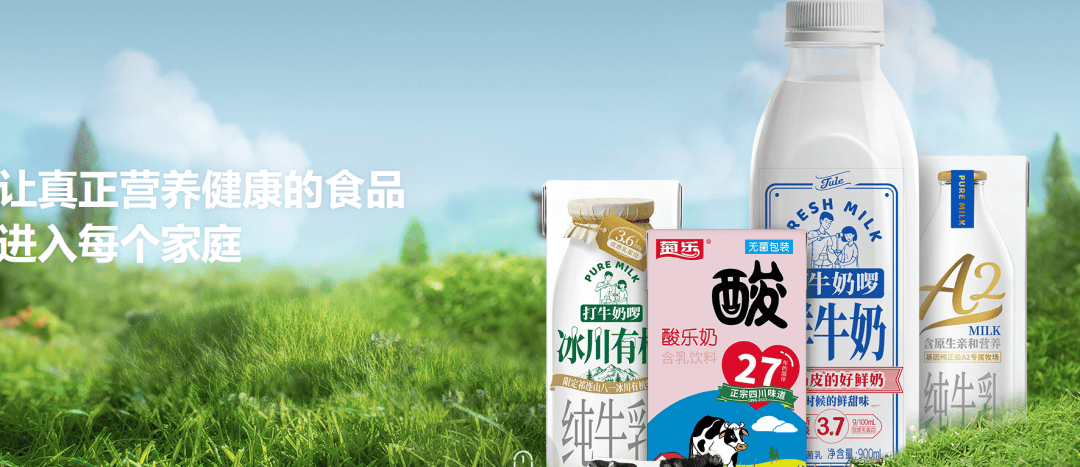
Core Viewpoint - Sichuan Jule Food Co., Ltd. has received approval from the Beijing Stock Exchange to resume its listing review after a three-month hiatus due to expired financial reports, but the company's path to IPO remains uncertain amid management turmoil and regional dependency issues [1] Group 1: IPO Journey - The company's IPO attempts began in December 2017, but it has faced multiple setbacks, including a hasty withdrawal of its initial application due to incomplete materials [3] - Subsequent attempts in August 2019 and June 2020 were halted due to serious compliance issues, including fund misappropriation and financial audit errors, leading to regulatory warnings [4] - After four failed attempts at the Shenzhen Stock Exchange, the company shifted to the New Third Board in September 2024 and initiated guidance for listing on the Beijing Stock Exchange, which was accepted on June 30, 2025, only to be paused again due to the expiration of financial reports [5] Group 2: Compliance and Governance Issues - The company has faced deep-rooted compliance and governance issues, highlighted by a significant fund misappropriation case from 2014 to 2019, totaling approximately 95.78 million yuan [5] - The company failed to disclose this major issue in its IPO application in July 2019, along with other significant financial discrepancies, leading to a regulatory warning from the China Securities Regulatory Commission [5] - The latest review announcement indicates ongoing risks regarding the company's ability to pass the Beijing Stock Exchange's review, reflecting lingering concerns from regulators about its historical compliance issues [6] Group 3: Management Changes - The company experienced a significant management change with the death of its founder and actual controller, Tong Enwen, in September 2025, creating uncertainty for the company's future [6] - Gao Zhaohui, the founder's son-in-law and a U.S. national, was appointed as the new chairman, raising concerns about the ability to navigate local market demands and maintain strategic focus [7] - Market analysts suggest that the new management's foreign background may complicate future capital transactions and governance, especially in light of the company's regional market dependency [9] Group 4: Financial Performance and Market Dependency - Despite revenue growth from approximately 1.472 billion yuan in 2022 to about 1.641 billion yuan in 2024, the company remains heavily reliant on the Sichuan market, with over 76% of its revenue coming from the region [10] - The company's attempt to expand into the Northeast market through the acquisition of Heilongjiang Huifeng Dairy has not yielded expected results, with revenue from this region declining from approximately 152 million yuan in 2022 to about 130 million yuan in 2024 [10] - Analysts emphasize that the company's heavy regional dependency could hinder its valuation in the capital market, as a significant portion of its revenue is not replicable outside its home market [10]
老味新传
Jing Ji Ri Bao· 2026-01-03 01:07
Core Viewpoint - The article discusses how traditional brands, referred to as "old brands," are innovating their business models and customer experiences to attract younger consumers while preserving their cultural heritage and traditional flavors [1][9]. Group 1: Innovation in Traditional Brands - Traditional brands are creating engaging spaces that blend cultural experiences with modern interactive elements, as seen in Beijing Daoxiangcun's "Zero No. Treasure Museum" [1][2]. - The focus is on enhancing customer experiences through immersive environments that evoke nostalgia while introducing new cultural narratives [2][3]. - Brands are shifting from merely replicating traditional stores to creating unique, culturally rich experiences that resonate with contemporary consumer interests [2][7]. Group 2: Customer Engagement and Retention - The success of these innovations relies on creating memorable experiences that encourage repeat visits, moving beyond superficial attractions [3][4]. - Effective training and motivation for staff are crucial to ensure that customer interactions are meaningful and engaging, rather than just aesthetic [4][5]. - The integration of local culture and community interaction enhances the overall customer experience, making it more than just a transaction [4][5]. Group 3: Balancing Tradition and Modernity - Traditional brands face the challenge of maintaining their core flavors and techniques while adapting to modern consumer preferences and competitive pressures [6][7]. - The approach involves a commitment to preserving traditional recipes and methods while also innovating in presentation and cultural storytelling [7][8]. - Brands like Huo Gong Dian and Beijing Daoxiangcun exemplify this balance by combining classic culinary techniques with contemporary marketing strategies to appeal to a broader audience [7][8]. Group 4: Cultural Significance and Brand Identity - Old brands are positioned as guardians of cultural heritage, tasked with preserving and narrating historical flavors and stories for future generations [9]. - The ongoing innovation within these brands is essential for their survival and relevance in a rapidly changing market landscape [9].
逛集市、观喜剧、看演出、赏游园,伯渎河文化中心迎新活动重磅来袭!
Xin Lang Cai Jing· 2026-01-02 13:17
转自:扬子晚报 12月31日晚,伯渎河文化中心剧场内传出阵阵笑声,开心麻花团队带来的《笑花朵朵开》新喜剧小品秀 用接连不断的笑声与掌声,提前点燃了跨年的热烈氛围,数百位观众一起在欢笑中告别旧岁、迎接新 年。社区居民张先生感慨:"第一次在伯渎河文化中心看演出,很开心以这么文化的方式结束我的2025 历程,今后伯渎河文化中心就是我日常休闲放松和学习的首选地。"除了开心麻花,元旦当天晚上无锡 市滑稽戏团将带来经典滑稽戏《祝枝山选女婿》,整个元旦期间,伯渎河文化中心将用3场酣畅淋漓的 喜剧承包广大新吴群众的欢声笑语。 元旦当天,伊利欣活体验中心、A Book复合书店、梧熹咖啡三家优质品牌正式入驻伯渎河文化中心开 门营业,开启文化中心文商旅融合发展新模式。 伯渎河文化中心,位于伯渎河"七里画廊"景观带起点,是大运河文化带无锡段上的重点文化设施之一, 是新吴区首个"片区级"新型共享公共文化空间以及全区重大民生实事项目,由文化馆、图书馆,小剧场 和展厅等场馆组成,集文化展示、艺术交流、休闲娱乐等功能于一体的现代化综合性文化场馆。 1月1日上午,无锡市新吴区伯渎河文化中心洋溢着喜庆祥和的节日氛围,"元启华章·2026'河'你 ...

食品饮料2026年投资策略报告:曙光渐显,在分化中前行-华源证券
Sou Hu Cai Jing· 2026-01-02 10:33
Group 1 - The report focuses on the food and beverage industry, highlighting the performance in 2025 and investment opportunities in 2026, with ROA (Return on Assets) as a key indicator for recovery [1][2] - The industry is currently in a differentiated recovery phase, with varying recovery paces across segments; soft drinks and snacks are leading, while liquor is still in the destocking phase [1][2] - The experience from Japan's consumption differentiation in the 1990s serves as a reference, emphasizing the importance of meeting consumer needs for cost-effectiveness and health [1][10] Group 2 - Investment strategies for 2026 focus on two main lines: "price" and "volume," with rising CPI expected to drive valuation recovery in traditional high-penetration sectors like liquor and dairy [2][3] - Key investment targets include leading brands in liquor (e.g., Kweichow Moutai, Luzhou Laojiao), dairy (e.g., Yurun Dairy, China Shengmu), and beer (e.g., Tsingtao Brewery) [2][3] - The report identifies three directions for volume growth: cost-effective consumption, low-penetration segments benefiting from health trends, and overseas market expansion [2][3] Group 3 - The industry is expected to progress through differentiation, with segments showing potential for valuation recovery as ROA stabilizes, while segments aligned with cost-effectiveness and health trends will continue to grow [3][10] - The report suggests that companies with efficiency and innovation advantages will further solidify their competitive positions [3][10]

24小时已过,中方收费准时开始,卢拉通知欧盟,再不签协议就晚了
Sou Hu Cai Jing· 2026-01-02 05:33
Group 1: China's Anti-Subsidy Investigation on EU Dairy Products - China has officially launched an anti-subsidy investigation into certain dairy products imported from the EU, including milk and cheese, due to complaints from domestic dairy associations about unfair pricing caused by EU subsidies [3][5] - The investigation process involves collecting data on EU subsidy policies and assessing the impact on local dairy producers, revealing that the influx of imported dairy products has negatively affected local production and farmer incomes [3][5] - A preliminary ruling confirmed that EU subsidies exist and have harmed China's domestic industry, leading to the implementation of temporary measures requiring importers to pay a deposit on affected dairy products [5][7] Group 2: Brazil-EU Free Trade Agreement Negotiations - Negotiations for a free trade agreement between Brazil and the EU, which began in 1999, have faced delays primarily due to disagreements over agricultural market access, particularly concerning Brazilian beef and sugar exports [9][11] - In December 2024, progress was made with technical work completed, but France and Italy raised stricter environmental protection demands, causing further delays in signing the agreement originally planned for December 2025 [11][13] - Brazilian President Lula expressed frustration over the prolonged negotiations, indicating that Brazil would not continue to wait indefinitely for the EU's decision and has established closer ties with other markets [11][13]

经历2025年“结构性回暖”婴幼儿奶粉市场新一年增长点在哪
Sou Hu Cai Jing· 2026-01-01 23:12
Core Viewpoint - The Chinese milk powder market is experiencing a counter-cyclical recovery in 2025 despite ongoing pressure from declining newborn numbers, driven by strategic shifts in companies, policy support, and a focus on high-end products [4][9]. Group 1: Market Performance - The domestic milk powder market shows significant performance differentiation and overall recovery, with companies like Yili, Beingmate, and Ausnutria reporting revenue and profit growth in their infant formula segments [5]. - Yili's milk powder and dairy products revenue grew by 14.26% year-on-year, achieving a market share of 18.1%, making it the leading brand in China [5]. - Ausnutria reported a revenue of 3.887 billion yuan, a 5.6% increase year-on-year, with a net profit growth of 24.1% [5]. Group 2: Strategic Shifts - The recovery is attributed to strategic adjustments, product structure optimization, and deep channel cultivation rather than market expansion [7]. - Companies are focusing on high-end and differentiated products, with parents willing to pay a premium for clinically validated high-quality products [7]. - The acceptance of high-end milk powder in lower-tier cities is increasing, with sales growth in these areas surpassing that of first and second-tier cities [7]. Group 3: Policy Impact - Recent national policies, including a child-rearing subsidy of 3,600 yuan per eligible child and free preschool education, are expected to inject approximately 32.4 billion yuan into the milk powder market [8]. - These policies are designed to reduce family childcare costs and have led to a noticeable increase in stock prices for milk powder companies [8]. Group 4: Future Outlook - Experts suggest that while the industry shows signs of recovery, the low birth rate remains a concern, and companies must build diverse growth strategies for the long term [9]. - Short-term strategies should focus on policy adaptation and channel deepening, while product innovation should extend into specialized nutrition and all-age dietary needs [9]. - The industry is expected to see increased concentration, with leading companies gaining more advantages amid stricter regulations and rising costs [9].


“古典+科技”营造出喜迎新年热烈氛围 “潮流范+烟火气”解码新年“新”气象
Yang Shi Wang· 2026-01-01 04:55
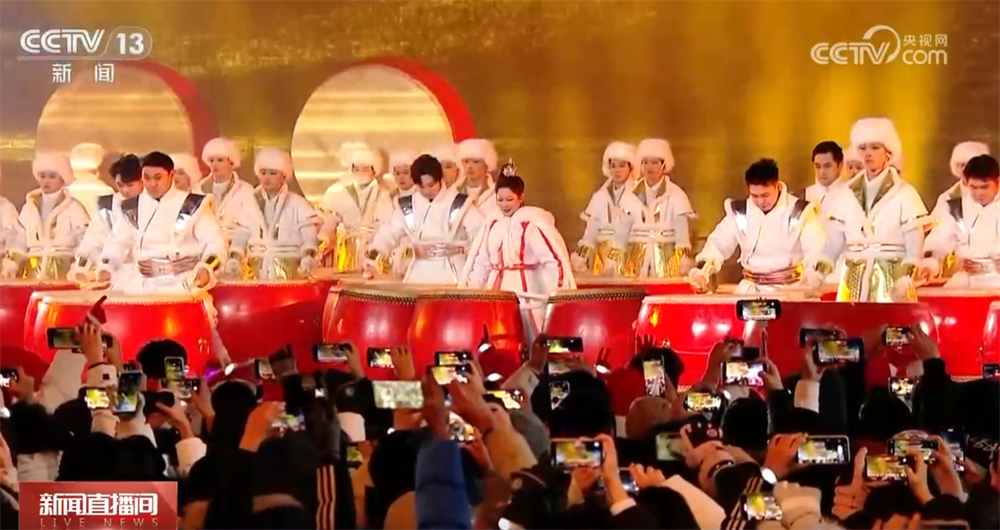
央视网消息:1月1日是2026年新年第一天,2025年12月31日晚,北京迎来璀璨跨年夜。倒计时活动以"钟鼓齐鸣,京彩启程"为主题,600 年历史的永乐大钟和居庸关长城鼓阵在首都夜空上演了一场穿越时空的"钟鼓齐鸣"。 呼和浩特:全城联动 喜迎新年 2025年12月31日晚,在内蒙古呼和浩特,以"全城联动跨年"为主题的盛大活动精彩启幕,人们在喜庆的氛围中迎接新年。 在呼和浩特百年塞上老街,随着夜色降临,精彩的跨年活动拉开帷幕。 一声钟八声鼓,每一次跨越时空的齐鸣都是对北京古都文脉的深切呼应。古老的长城和科技感十足的3D投影,正是映照古今的呈现。现 场,大家通过大合唱的形式,用中外经典歌曲共同唱响四海同心、天涯共此时的温暖祝福。 此次北京新年倒计时活动突破了以往单一会场的形式,除两处主会场外,还有首钢园、古北水镇、宛平城等7个商圈和地标点位实时互 动、联动迎新,市民也可在线上云端跨年,营造出全城迎新、全民参与的热烈新年氛围。 零点时刻,72位来自首都各行各业代表共同敲响有着600年历史的永乐大钟。浑厚钟声穿越时空,居庸关长城的鼓阵同步擂响,钟鼓齐 鸣,这是对北京古都文脉的深切呼应。特别值得一提的是,第一组敲钟代表 ...
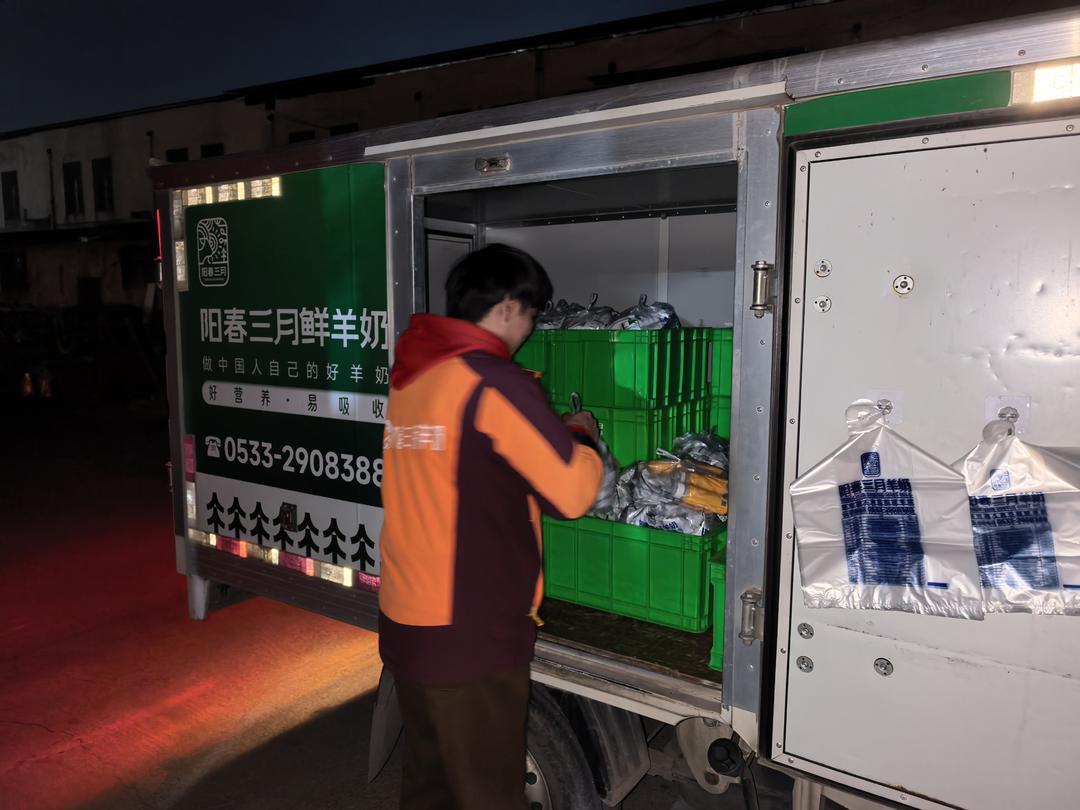
六小时从工厂直达餐桌,只为了一口“鲜活”
Qi Lu Wan Bao· 2026-01-01 02:44
Core Viewpoint - The article highlights the efficient logistics and delivery process of Yangchun March Goat Milk, emphasizing the commitment to delivering fresh products from production to consumers within a short timeframe. Group 1: Production Process - The production facility operates at night, with a focus on maintaining the nutritional value of goat milk while ensuring freshness for consumers [23][27]. - The company utilizes advanced processing techniques, including physical deodorization and ultra-high temperature sterilization, to enhance product quality [27]. - The entire production and delivery process is designed to ensure that orders are fulfilled on the same day they are produced [28]. Group 2: Delivery Logistics - The company employs a cold chain delivery system, maintaining a temperature range of 2-6°C, with a shelf life of up to 7 days for the products [30]. - The delivery process from production to consumer can take as little as 6 hours, showcasing the efficiency of the logistics system [32]. - The company has established a comprehensive logistics network that includes direct delivery to homes, ensuring that fresh goat milk reaches consumers promptly [30][34]. Group 3: Customer Engagement - Yangchun March Goat Milk has developed a robust customer service strategy that includes both online and offline channels, enhancing communication and service efficiency [43]. - The company has received positive feedback from customers regarding the quality and service of their products, indicating strong consumer satisfaction [42]. Group 4: Commitment to Quality - The company emphasizes high standards in quality control throughout the entire supply chain, from sourcing to processing and delivery [47]. - Continuous improvement and innovation in technology and product development are key focuses for the company as it aims to enhance the quality of its offerings [47][49]. Group 5: Market Position - Yangchun March Goat Milk has established itself as a regional brand with aspirations to expand nationally, reflecting its growth and resilience in the market [48]. - The company aims to provide high-quality goat milk products that cater to the preferences of Chinese consumers, aligning with its vision of being a leading brand in the industry [49][50].
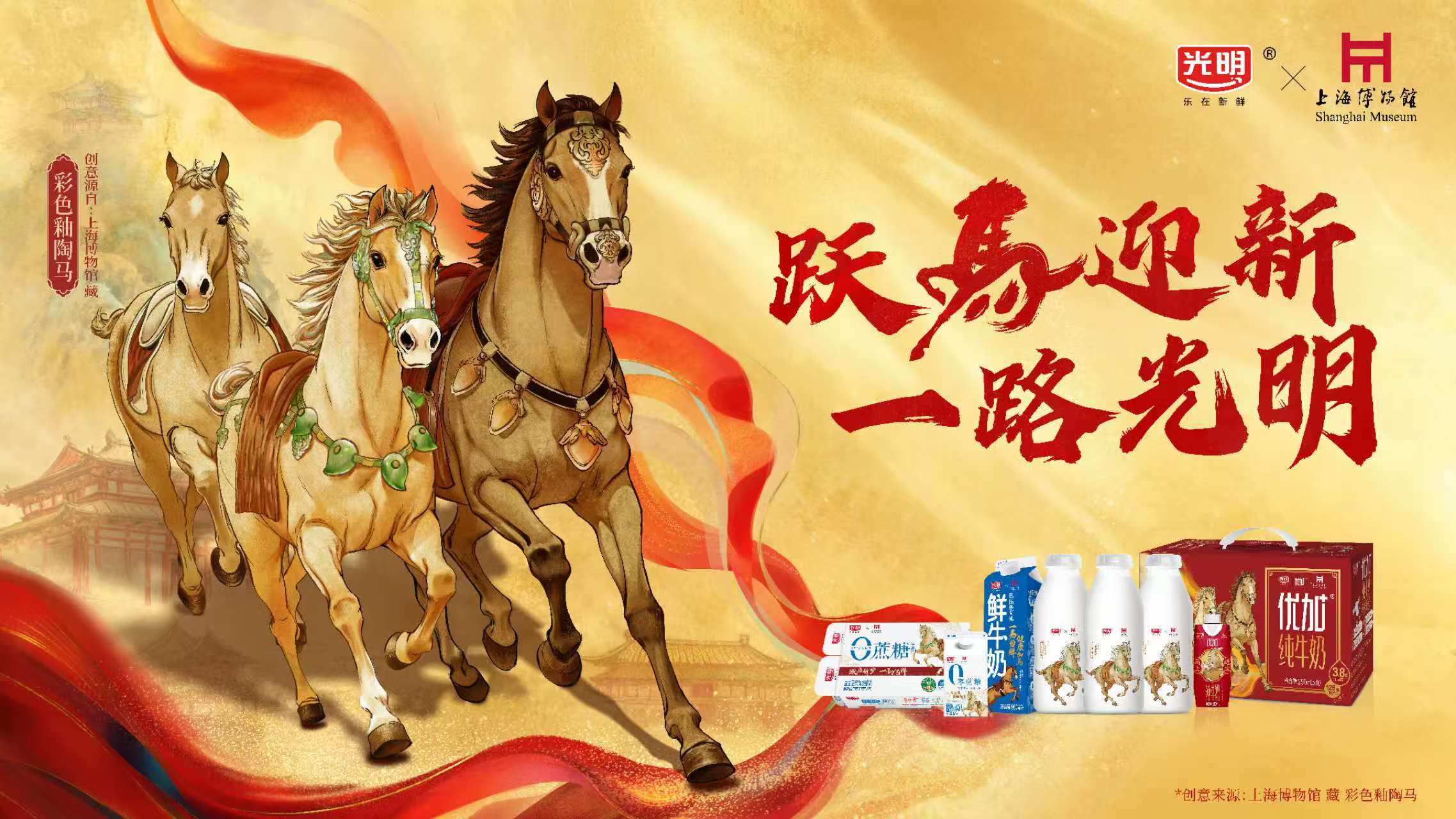
跃马迎新 一路光明 光明乳业以鲜活力量开启2026新征程
Jin Rong Jie· 2026-01-01 01:33
Core Viewpoint - The article highlights the New Year celebration activities of Bright Dairy, emphasizing its commitment to cultural integration, consumer engagement, and innovation in the dairy industry as it enters 2026 [1][34]. Group 1: New Year Celebration Activities - Bright Dairy hosted a cross-year live broadcast across multiple cities, including Shanghai and Nanjing, to celebrate the New Year with consumers, showcasing a blend of cultural heritage and warmth [1][3]. - Various scenes were presented during the live broadcast, including cultural exhibitions, performances, and the delivery of fresh dairy products, reinforcing the connection between the company and its consumers [3][5]. Group 2: Industry Position and Innovations - In 2025, Bright Dairy solidified its position as a leader in the dairy industry by focusing on quality and innovation, responding to consumer demands amid industry changes [5][34]. - The company achieved a historic breakthrough in core breeding technology, ranking its self-bred bull "Champion" among the top 100 globally, marking a significant advancement in China's dairy genetics [7]. Group 3: Product Development and Consumer Health - Bright Dairy launched innovative products targeting contemporary health needs, such as the "Bright Youbei 5.0 Protein Ultra Fresh Milk" series, which features high protein content and low sodium levels [8][10]. - The company also introduced products aimed at sleep health and weight management, catering to diverse consumer preferences and health requirements [8][10]. Group 4: Social Responsibility and Community Engagement - Bright Dairy actively engages in corporate social responsibility through various initiatives, including donations of milk to children and community support activities, demonstrating its commitment to social welfare [16][34]. - The company has conducted over 300,000 community events, distributing millions of milk products, showcasing its dedication to community health and well-being [16]. Group 5: Channel Innovation and Consumer Experience - In 2025, Bright Dairy innovated its distribution channels by integrating emotional value and digital capabilities, enhancing the consumer experience through personalized milk delivery services [23][25]. - The company expanded its presence in high-end markets and collaborated with popular coffee brands to create trendy products, effectively reaching younger consumers [19][21]. Group 6: Cultural Integration and Brand Development - Bright Dairy's "Cultural+" strategy has led to deep integration with Shanghai's cultural landscape, participating in various cultural events and creating unique consumer experiences [26][31]. - The company has established cultural landmarks, such as the China Dairy Museum, to educate the public about dairy history and engage consumers in interactive experiences [31][33]. Group 7: Future Outlook - As Bright Dairy enters 2026, it aims to continue its high-quality development trajectory, leveraging technological advancements and innovative strategies to enhance consumer health and brand loyalty [34][36]. - The company plans to launch new products and interactive activities that reflect its commitment to quality and cultural heritage, ensuring a vibrant connection with consumers [34][36].