
外卖

Search documents
淘宝闪购最大的对手是双11
3 6 Ke· 2025-09-25 03:59
Core Insights - Taobao officially announced the Double 11 sales event, starting pre-sales on October 15 and running until November 14, marking a significant battle in the e-commerce and takeaway sectors [1] - The competition is intensifying as Douyin e-commerce began its Double 11 promotions on September 8, a month earlier than last year, extending the sales period to 57 days [3] - Taobao's market share in e-commerce is crucial, contributing nearly 50% of Alibaba's revenue and 113% of its net profit for the fiscal year 2025 [2] E-commerce Competition - The competition landscape shows that in 2024, Taobao, Pinduoduo, JD.com, and Douyin's GMV are projected at 8 trillion, 5.2 trillion, 4.5 trillion, and 3.34 trillion respectively, with Taobao holding a 40% market share [2] - Taobao's Double 11 is not just a promotional event but a critical opportunity to demonstrate its market dominance and brand-building capabilities [2][3] - Douyin is focusing on increasing its share in the shelf e-commerce segment, aiming for a GMV target of 4.2 trillion, a 20% increase from 2024 [3] Strategic Implications - The e-commerce sector is seen as the profit center for Alibaba, while the takeaway business is viewed as a future growth area, indicating a strategic resource allocation between the two [4] - Limited traffic resources mean that prioritizing e-commerce could detract from the takeaway business, impacting overall profitability [4] - The overlap in teams between Taobao's flash sales and the Double 11 event presents both challenges and opportunities for operational efficiency [5] Consumer Behavior and Market Dynamics - The term "flash sales" has become synonymous with Taobao, indicating a shift in consumer perception and brand association [7] - Taobao's aggressive marketing and subsidies have successfully re-engaged consumers, with many returning to the platform for purchases [8] - The introduction of the 88VIP membership program enhances price competitiveness, allowing Taobao to maintain an edge over competitors [9] Future Outlook - The transition of Taobao flash sales from an offensive to a defensive position indicates the need for increased subsidies to maintain market share [11] - The upcoming Spring Festival in 2026 is anticipated to be a pivotal moment for the takeaway industry, with strategies in place to capitalize on consumer habits [12] - Alibaba's significant cash reserves position it favorably against competitors, allowing for sustained investment in market share growth [13]


外卖行业迎来“新国标”!剑指行业内卷、幽灵外卖、平台不透明收费
Sou Hu Cai Jing· 2025-09-25 01:58
Core Viewpoint - The takeaway from the news is that the Chinese food delivery industry is set to undergo significant changes with the introduction of national standards for platform service management, aimed at promoting regulated development and addressing key industry pain points [1][3]. Group 1: New National Standards - The newly proposed standards will cover critical aspects such as platform fees, merchant management, and delivery personnel rights, marking the first time the industry will have national guidelines [1][3]. - The standards aim to curb the escalating "delivery wars" by ensuring promotional activities are transparent and rules are fair, addressing the issue of intense competition among platforms like Ele.me, JD, and Meituan [3][5]. Group 2: Transparency and Safety - The draft regulations will tackle the problem of opaque platform fees by mandating platforms to standardize fee items, publicly disclose fee information, and conduct compliance audits, addressing merchants' concerns about unclear charges [3][5]. - A comprehensive system for food safety regulation will be established, including strict merchant qualification checks and operational management to combat the "ghost delivery" phenomenon [3][5]. Group 3: Delivery Personnel Rights - The new regulations will focus on social security, labor compensation, and working hours, requiring platforms to standardize employment relationships and ensure fair income and working conditions for delivery personnel [5]. - The standards are managed by the newly established National Platform Economy Governance Standardization Technical Committee, with major delivery platforms participating in the development process [5]. Group 4: Industry Impact - Experts believe that the new standards will fill existing gaps in coordinating relationships among diverse stakeholders, providing actionable management guidelines for platform companies and enhancing consumer trust and the overall image of the industry [5].
全国用电量再破万亿千瓦时,外卖平台新规征求意见 | 财经日日评
吴晓波频道· 2025-09-25 00:29
Economic Indicators - In September, the US manufacturing PMI fell to 52, while the services PMI dropped to 53.9, indicating a slight slowdown in economic expansion [2] - The composite PMI also decreased to 53.6, marking the lowest level since June 2025, with new orders and employment indices declining [2] - Despite the slowdown, consumer spending remains resilient, and the Federal Reserve's interest rate cuts may help prevent a recession [3] Regulatory Developments - The State Administration for Market Regulation in China has released a draft for public consultation on the basic requirements for food delivery platforms, focusing on service management and fee transparency [4] - The draft aims to regulate platform fees and promotional behaviors to prevent unfair competition and ensure food safety [4][5] Energy Consumption - In August, China's total electricity consumption reached 10,154 billion kWh, a year-on-year increase of 5.0%, with the manufacturing sector showing the highest growth at 5.5% [6] - The electricity demand growth reflects a robust economic recovery, although supply challenges remain due to mismatches in demand and supply timing [7] Computing Industry Initiatives - Hubei Province plans to develop a computing industry cluster, aiming for a total computing power of 25 EFLOPS by 2027, with a focus on integrating computing with optical communication and chip industries [8] - The measures encourage the development of a diverse computing infrastructure and aim to avoid homogeneous competition among cities [9] Labor Market Concerns - A survey indicates that 24% of young employees in the US and Europe are very concerned about potential job loss due to AI, compared to only 10% of older workers [10] - The rise of AI technology presents both challenges and opportunities for young workers, who may leverage AI to enhance their skills and productivity [11] Agricultural Sector Trends - The price of live pigs has dropped significantly, with a 10.4% decrease from early September and a 24.4% decline from the peak in February, reflecting an oversupply in the market [12] - Despite short-term measures to control production, the long-term outlook for the pig farming industry suggests a need for reduced production capacity to balance supply and demand [13] Stock Market Performance - On September 24, the stock market saw a broad increase, with the Shanghai Composite Index rising by 0.83% and the ChiNext Index reaching a three-year high [14] - The semiconductor sector continued to perform strongly, driven by developments in AI and chip demand, while consumer sectors like tourism showed weakness [15]

【钛晨报】事关数字消费,8部门最新发声;阿里吴泳铭:积极推进3800亿的AI基础设施建设,并计划追加更大的投入;规范平台收费、商户入驻等,外卖“新规”征求意见
Tai Mei Ti A P P· 2025-09-24 23:35
Group 1: Digital Consumption Development - The Ministry of Commerce and eight other departments issued guidelines to promote digital consumption, focusing on supply-demand collaboration with 14 specific tasks [2] - Key areas include enriching digital consumption supply, nurturing digital consumption enterprises, optimizing support systems, and creating a favorable environment for digital consumption [2] Group 2: AI Infrastructure and Demand - The demand for GPU computing cards is over 7 million to support generative AI and Agentic AI technologies, with a projected 100-fold increase in AI computing power demand over the next five years [2] - Alibaba's CEO announced a plan to invest 380 billion yuan in AI infrastructure, positioning large models as the next generation operating system [2][3] Group 3: Robotics and AI Collaboration - Yushutech's CEO predicts humanoid robots will understand human commands and perform actions by the end of next year [3] - Alibaba announced a collaboration with NVIDIA on Physical AI, covering various aspects including data synthesis and model training [3] Group 4: Financial Moves and Investments - Oracle plans to raise approximately $15 billion through bond issuance [4] - OpenAI and Oracle, along with SoftBank, announced the establishment of five new data centers in the U.S., with a total investment of over $40 billion [4] Group 5: Policy and Industry Growth - The Ministry of Commerce and other departments support the establishment of international data centers and cloud computing centers in free trade zones and pilot areas [5] - The construction of a modern industrial system in the building materials sector is emphasized, with a target of over 300 billion yuan in revenue from green building materials by 2026 [7] Group 6: Transportation and Logistics - A plan to promote the deep integration of container rail-water transport aims for an annual growth rate of about 15% by 2027 [8] Group 7: Market Trends and Fundraising - In September, 24 new funds were established with a total initial fundraising of 15.852 billion yuan, highlighting strong market interest in investment opportunities [14]
外卖“新国标”为平台竞争划底线 | 新京报社论
Sou Hu Cai Jing· 2025-09-24 22:26
Core Viewpoint - The introduction of the new national standard for food delivery platforms aims to regulate service management, enhance service quality, and alleviate the operational burden on merchants, while promoting fair competition among platforms [2][4]. Group 1: Industry Background - The online food delivery industry in China has grown significantly since its inception in 2008, with platforms like Ele.me and Meituan becoming integral to daily life, serving approximately 545 million users and generating a market size of about 1.2 trillion yuan [3]. - Daily spending on food delivery is nearly 3.3 billion yuan, highlighting the importance of regulation and development in this sector [3]. Group 2: Key Issues Addressed - The draft focuses on critical issues such as "involution" competition, lack of transparency in platform fees, "ghost deliveries," and insufficient protection for delivery personnel [3][4]. - It addresses the phenomenon where merchants report that selling more leads to greater losses, by regulating promotional pricing practices and ensuring that platforms bear the costs of promotional activities [4]. Group 3: Regulatory Measures - The new standard emphasizes the need for platforms to set reasonable service fees and to establish a mechanism for gradually reducing basic commissions, particularly for small and micro businesses [4]. - It aims to shift from a reactive regulatory approach to a proactive one, focusing on guiding, controlling processes, and balancing interests among all parties involved [4]. Group 4: Consumer and Worker Protections - The standard mandates platforms to enhance food safety measures and to take responsibility for preventing "ghost deliveries" through stringent verification processes [4]. - It also emphasizes the need for fair compensation for delivery personnel, including mechanisms to match pay with workload and measures to ensure their safety and well-being [4][5]. Group 5: Sustainable Development Goals - The ultimate goal of the new standard is to create a balanced ecosystem where platforms, merchants, delivery personnel, and consumers can coexist harmoniously, moving away from aggressive subsidy strategies towards reasonable competition [5].
破内卷 外卖赛道格局重塑
Zheng Quan Ri Bao· 2025-09-24 17:26
Core Insights - The National Market Supervision Administration has drafted the "Basic Requirements for Delivery Platform Service Management" to regulate the increasingly competitive food delivery industry [1] - The intense competition has led to a consensus that excessive price wars are unsustainable and detrimental to service quality and profitability [1][4] Industry Dynamics - The summer of this year saw a fierce competition among e-commerce giants, characterized by various subsidy activities, which temporarily boosted consumer spending [1][2] - Small and medium-sized businesses are not the main beneficiaries of the delivery war; larger chain brands receive more support from platforms due to their scale advantages [2] - The delivery war has resulted in significant revenue growth for leading companies in the new tea beverage sector, with some reporting profit doubling in the first half of 2025 [2] Consumer Perspective - While consumers enjoyed short-term benefits from price wars, the long-term implications may lead to reduced consumption frequency as subsidies decrease [3] - Consumers have reported feeling misled by promotional offers that do not reflect actual prices, indicating a potential disconnect between perceived and real value [3] Platform Competition - Major delivery platforms are experiencing rising revenues but declining profits due to ongoing subsidy investments, indicating a lack of true winners in the competition [4] - The reliance on subsidies has distorted consumer behavior, making price the primary factor in platform choice, which could lead to high user churn when subsidies are reduced [4][7] Regulatory Environment - The tightening of regulatory policies is shifting the competitive focus from price to service quality and operational efficiency [6] - New regulations aim to curb excessive price wars and ensure that promotional costs are borne by platforms rather than merchants or delivery personnel [6] Future Trends - Industry consensus suggests that the subsidy-driven model is not sustainable, prompting platforms to explore value-based competition [7] - Platforms are beginning to implement strategies that focus on social responsibility and service optimization, such as providing benefits for delivery personnel and enhancing user experience through personalized services [7][8]
外卖“新规”征求意见:严禁“零元购”宣传,促销成本禁转嫁商户
Xin Jing Bao· 2025-09-24 14:09
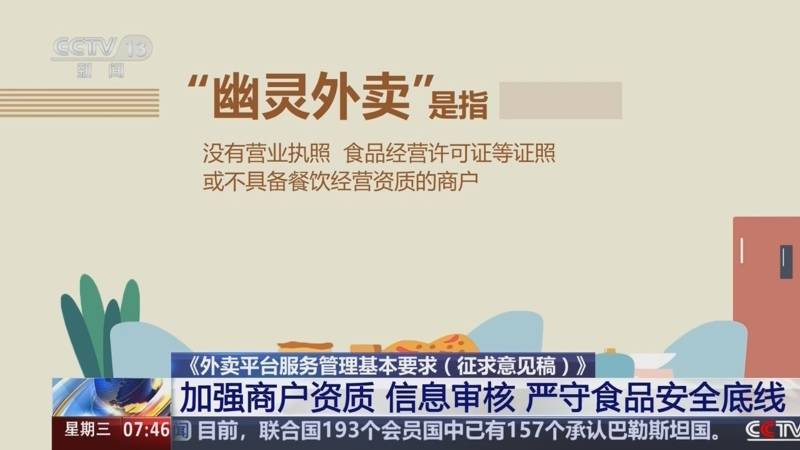
市场监管总局组织起草的《外卖平台服务管理基本要求(征求意见稿)》,今天(9月24日)起正式面 向社会公开征求意见。征求意见稿聚焦平台收费、促销行为等重点问题,帮助外卖平台企业规范服务管 理、提升服务质量,减轻商户经营负担,引导平台企业公平有序竞争。 中国法学会消费者权益保护法研究会副秘书长、北京食品药品法治研究会副会长陈音江在接受新京报记 者采访时表示,征求意见稿针对当前各界广泛关注的外卖"补贴大战"、商家"卖越多亏越多""幽灵外 卖"等外卖领域乱象,都提出了相关明确规定,对规范平台企业的收费行为和促销行为,包括对促进行 业公平竞争都具有重要意义。 焦点一:叫停"内卷式"竞争,促销成本不得转嫁 今年以来,外卖平台围绕抢夺用户流量、夯实配送能力开展"补贴大战",很多商户被迫卷入其中,甚至 出现转嫁补贴成本,挤压商户合理利润空间等现象。 陈音江表示,征求意见稿直指平台依靠"价格战""补贴大战"的低水平竞争模式。征求意见稿中明确提 出,平台开展价格促销活动,相应成本应由平台自身承担,不应要求商户或配送员进行分摊,或通过推 广工具捆绑、临时上调服务收费等方式,将促销活动成本变相转嫁给商户或配送员。 平台开展价格促销活 ...
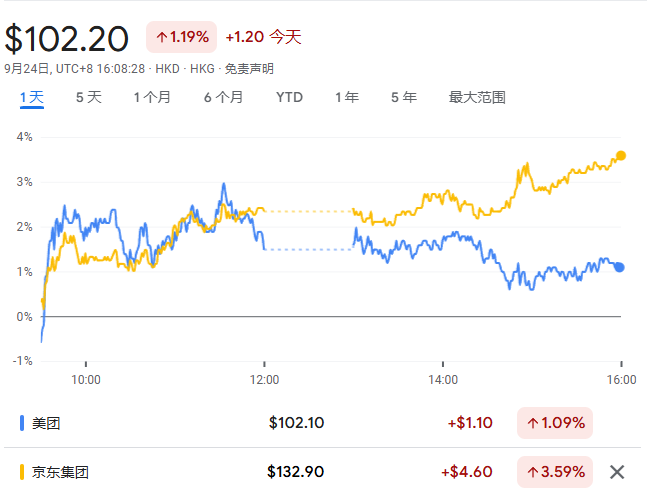
外卖“新规”来了!规范平台收费、商户入驻......美团、京东股价齐涨
美股IPO· 2025-09-24 12:52
市场监管总局发布《外卖平台服务管理基本要求(征求意见稿)》,征求意见稿明确限定外卖平台向商户的收费项目,不得随意新设收费项目。新规从公示 方式、公示内容、结算明细、推广效果等方面对平台收费作出细化规定,防止不透明收费现象。 监管部门推出外卖平台新规,美团和京东股价应声上涨。 9月24日,市场监管总局发布《外卖平台服务管理基本要求(征求意见稿)》,旨在规范平台收费、促销行为等关键问题,引导平台企业公开有序竞争。 新规要求平台按照合理匹配原则,科学设定技术服务费、配送服务费和推广服务费。平台需建立技术服务费下调机制,逐步降低基础佣金,特别是对中 小微商户要制定费用减免等扶持措施。 遏制"裹挟式"竞争乱象 据央视新闻援引专家分析,今年以来,外卖平台围绕抢夺用户流量、夯实配送能力开展"补贴大战",很多商户被迫卷入其中,出现转嫁补贴成本、挤压 商户合理利润空间等现象。 征求意见稿重点规范平台和商户价格促销行为,明确要求平台价格促销成本不应变相或直接要求商户进行分摊。新规明确禁止平台强制或变相强制商户 开展价格促销,或干预商户促销力度。 专家介绍,新规限定平台向商户的收费项目,禁止平台强制商户分摊促销成本,并要求建立技术 ...


外卖“新规”来了!规范平台收费、商户入驻......美团、京东股价齐涨
Hua Er Jie Jian Wen· 2025-09-24 11:47
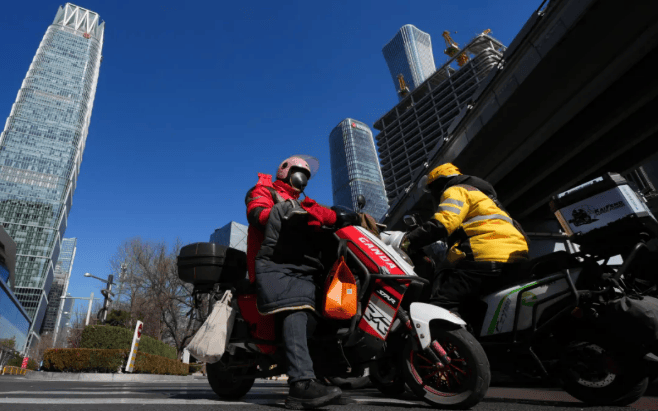
Core Viewpoint - The new regulations introduced by the market regulatory authority aim to standardize the service management of food delivery platforms, addressing issues such as platform fees and promotional practices, thereby promoting fair competition among platform companies [1][4]. Group 1: Regulatory Changes - The new draft regulations limit the fees that delivery platforms can charge merchants, prohibiting platforms from forcing merchants to share promotional costs and requiring the establishment of a mechanism to reduce technical service fees [1][5]. - The regulations emphasize transparency in platform fees, detailing requirements for publicizing fee structures and preventing opaque charging practices [5]. - The introduction of these regulations marks a formal response to the chaotic competition in the food delivery industry, which has intensified since the summer of this year [4][6]. Group 2: Impact on Merchants - The regulations aim to alleviate the financial burden on merchants, who have been pressured into aggressive promotional strategies due to competition among platforms [6]. - The draft explicitly prohibits platforms from mandating or indirectly coercing merchants into participating in price promotions, which could further protect merchants' profit margins [6]. Group 3: Consumer and Food Safety - The regulations address issues such as "ghost kitchens," requiring merchants to provide valid business licenses and undergo thorough verification processes to ensure food safety [7]. - A new mechanism for order management will be implemented to prevent "order overload" situations, enhancing consumer experience and safety [7]. Group 4: Delivery Personnel Rights - The draft regulations focus on the rights of delivery personnel, mandating fair compensation and reasonable working hours to prevent overwork and health risks [8]. - Platforms are required to implement fatigue alerts for delivery personnel who have been working for over four hours continuously, ensuring their well-being [8].

市场恢复的背后逻辑,可持续吗?
Hu Xiu· 2025-09-24 10:55
1、"反内卷"政策规范外卖平台,互联网板块迎来政策暖风 本篇评级为★★★,主要围绕以下内容展开: 1、"反内卷"政策规范外卖平台,互联网板块迎来政策暖风 2、中美关系转暖还有消息在路上,市场预期大幅增加 如有疑问请以音频内容为准,添加小虎哥微信:miaotou515 ,入群有机会与董小姐进一步交流。 新闻解读评级说明:五星重磅,四星重要,三星级以下大家选择听。 今天,国内市场在历经了两三天的小幅回撤之后,再次扭头向上、再接再厉,呈现出红通通的一片。在 这背后,有几条新的消息跟大家刷新一下。 第一条来自政策层面:海外媒体彭博社报道称,中国市场监管部门目前正在外卖领域开展竞争规范。此 前众所周知,外卖几大平台大打价格战、搞"内卷式"竞争,进行超常规补贴,战火如火如荼,导致许多 商家无利可图。未来,这一方向很可能受到总量和总额的限制。 据该外媒消息,监管总局正在起草一份规范,后续将以正式文件形式发布。正如我们此前聊到的,这场 外卖大战起始于6月底、7月初;战火蔓延后,各大平台实际并未获得太多好处,即便短暂提升了市场份 额,资本市场却纷纷"用脚投票",股价大幅下挫。 当时我们点评:从政策视角看,此举属"顶风作案",未 ...