
农业

Search documents
北京市延庆区商务局局长张文静:融合创新 点燃延庆消费新引擎
Sou Hu Cai Jing· 2025-12-22 09:12
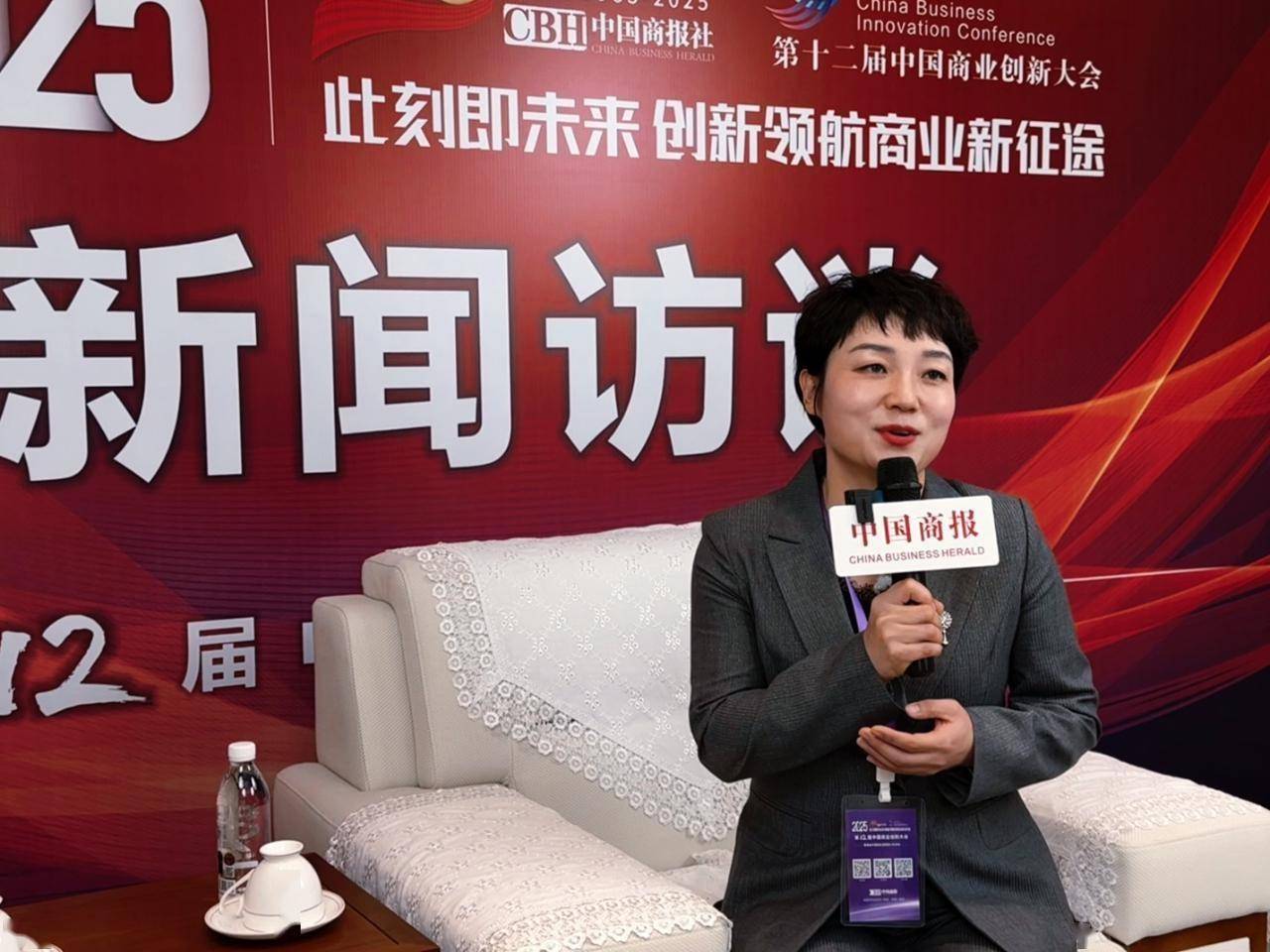
中国商报(记者 蒋永霞)初冬的延庆,长城脚下银装素裹,世园公园静谧悠然,滑雪场人声鼎沸。作为首都生态涵养区,延庆正以一场由政策驱动、场景 牵引、产业融合的消费变革,悄然重塑区域商业格局。 北京市延庆区商务局党组书记、局长张文静。中国商报记者彭婷婷/摄 12月18日,在第十二届中国商业创新大会上,北京市延庆区商务局党组书记、局长张文静接受了中国商报记者的专访。在采访中,她详细阐述了延庆区在释 放消费活力、推动商业创新方面的思考与实践。 4000万元真金白银力推"五业融合" "我们坚持主动创新,多措并举释放区域消费活力。首要举措是创新政策供给。"张文静开门见山。今年以来,延庆区商务局率先发布文旅体商农融合发展促 消费政策,计划两年统筹财政资金4000万元,围绕新活动、新赛事、新场景、新业态、新产品等12个方向精准施策。 这一政策已迅速落地见效。截至目前,已有15家企业获得首批政策奖励581万元,直接带动消费近2.5亿元。政策的"杠杆效应"初步显现。 延庆区发布文旅体商农融合发展促消费政策,统筹财政资金4000万元,围绕12个方向精准施策。 张文静强调,融合发展并非简单叠加,而是通过顶层政策设计提供"燃料",引导文 ...

处理处分超3400人、整改问题金额1.04万亿!2024年度审计整改报告公布
Xin Jing Bao· 2025-12-22 08:48
Core Viewpoint - The audit report highlights significant progress in the rectification of issues identified in the 2024 central budget execution and other financial audits, emphasizing the importance of accountability and effective governance in enhancing economic quality and public trust [1][2]. Group 1: Audit Rectification Effectiveness - The political responsibility for audit rectification has been more consciously fulfilled, with entities actively implementing corrective measures and addressing key issues [1]. - The overall framework for audit rectification has been solidified, incorporating comprehensive, specialized, and focused oversight, with all identified issues included in the rectification scope [2]. - The results of audit rectification have become more authoritative and efficient, with 98% of the 2,186 immediate rectification issues resolved by September 2025, amounting to a total rectified amount of 1.04 trillion yuan [2]. Group 2: Macroeconomic Policy Implementation - There is a stronger emphasis on the effective implementation of macroeconomic policies, with improved coordination among various policies to maximize their benefits [3]. - The fiscal management has been enhanced, with measures taken to ensure tax collection efficiency and optimize expenditure structures, including a special bond issuance of 500 billion yuan to support state-owned banks [3]. Group 3: Economic Reform Initiatives - Key economic reforms are being accelerated, including the expansion of zero-based budgeting from 16 to 48 departments and adjustments to transfer payment mechanisms [4][5]. - Efforts to boost consumption and domestic demand are underway, with specific projects and funding mechanisms being prioritized [5]. Group 4: Social Welfare and Public Services - There is a focus on improving public welfare, with initiatives aimed at enhancing education quality and ensuring timely pension payments for vulnerable groups [6]. - The agricultural sector is receiving attention, with measures to rectify issues related to agricultural subsidies and enhance the management of rural financial support [6]. Group 5: Risk Management - Enhanced risk management strategies are being implemented to prevent systemic risks, particularly in local government debt and financial sectors [7]. - The establishment of mechanisms for monitoring and addressing financial risks is being prioritized, with specific actions taken to manage real estate and local debt risks [7]. Group 6: Supervision and Accountability - There is a concerted effort to strengthen oversight of power operations, with significant actions taken against corruption and mismanagement in key sectors [8]. - The focus is on addressing major violations and ensuring accountability through rigorous investigations and corrective actions [8]. Group 7: Special Rectification Initiatives - Seven departments are undertaking special rectification tasks for prominent issues identified in audits, with a focus on creating long-term mechanisms for improvement [9]. - The collaboration between legislative and audit bodies is emphasized to ensure effective oversight and accountability [9]. Group 8: Future Directions - Continuous efforts are needed to deepen audit rectification, with plans for regular follow-ups and enhanced collaboration among departments to address unresolved issues [10][11].
量化择时周报:市场情绪细分指标出现修复、改善-20251222
Shenwan Hongyuan Securities· 2025-12-22 08:40
Group 1: Market Sentiment Model Insights - The market sentiment score has slightly decreased to 1.1 as of December 21, down from 1.35 the previous week, indicating a neutral view from a sentiment perspective [7][11] - There is a notable improvement in the overall sentiment index score this week, with signs of a rebound in market trading activity [7][11] - The price-volume consistency indicator has shown improvement, suggesting a recovery in market sentiment, although structural differentiation remains [11][12] Group 2: Trading Activity and Volume - The total trading volume for the entire A-share market decreased by 9.86% week-on-week, with an average daily trading volume of 17,604.84 billion yuan [15] - The highest trading volume was recorded on December 17 at 18,343.65 billion yuan, indicating a peak in market activity [15] Group 3: Industry Performance and Trends - As of December 19, industries such as beauty care, pharmaceuticals, non-bank financials, agriculture, and retail have shown upward trends in short-term scores [39] - The communication sector has the highest short-term score of 79.66, indicating strong performance potential [39][40] - The industry crowding indicator shows a strong positive correlation with weekly price changes, with sectors like retail and light manufacturing leading in gains [44] Group 4: Leverage and Risk Appetite - The proportion of financing balance continues to rise, reaching a new high for the phase, indicating an increase in leveraged funds and a structural recovery in risk appetite [27][29] - The RSI indicator has shown a slight recovery, suggesting improved short-term upward momentum, although it remains in a low range [30][33] Group 5: Style and Growth Signals - The current model indicates a preference for small-cap and growth styles, with signals suggesting that growth style may strengthen further [39][49] - The short-term view for the growth style remains positive, while the small-cap style is also favored, although there are indications of potential weakening in future signals [49]
湖北保康:中彩项目撬动农文旅融合发展
Zhong Guo Jing Ji Wang· 2025-12-22 07:57
岁末隆冬,秦巴山脉寒意正浓,在湖北保康县黄堡镇的红色农文旅融合项目建设现场,却是一派热火朝 天的攻坚景象:300余名建设者昼夜奋战,机械轰鸣声响彻山谷,工程车辆往来穿梭。他们正向着竣工 节点全力冲刺,确保这个获中央专项彩票公益金5000万元支持的重点项目,高标准通过国家中期评估。 如今,一个集红色教育、休闲采摘、田园民宿于一体的农文旅综合体正在保康加速成型,"城郊半小时 旅游圈"逐步形成。从"输血式"帮扶到"造血式"振兴,保康以中彩项目为纽带,让红色基因代代相传、 绿色产业蓬勃发展、美丽乡村宜居宜业,一幅"村美民富、景红人欢"的乡村振兴画卷在秦巴山区徐徐展 开。(经济日报记者 柳洁) 这场冬日里的建设热潮,正是保康县锚定"红色传承+ 茶旅融合+生态宜居"发展定位,以中央专项彩票 公益金为引擎,激活革命老区乡村振兴内生动力的生动缩影。作为秦巴山集中连片特困地区脱贫县、革 命老区县,保康将独特的红色文化基因与优质的绿色生态资源深度融合,在农文旅融合的实践中,蹚出 了一条具有山区特色的乡村振兴之路。 2025年7月,保康农文旅融合乡村振兴项目历经严格评审,成功入选中央专项彩票支持革命老区乡村振 兴项目名单,获得首批 ...
“十四五”以来韶关经济总量连跨两个百亿级台阶
Nan Fang Ri Bao Wang Luo Ban· 2025-12-22 07:45
Core Insights - The economic output of Shaoguan has surpassed 1,600 billion yuan during the "14th Five-Year Plan" period, reflecting significant progress in high-quality development and increasing regional influence [1] Group 1: Economic Development - Shaoguan has adopted a strategy focused on industrial development, emphasizing both the transformation of traditional industries and the cultivation of emerging sectors [1] - The city has seen a net increase of 138 high-tech enterprises, representing a growth of 44.8%, and the total number of various technology innovation platforms has doubled [2] Group 2: Industrial Transformation - Shaoguan's steel industry is transitioning towards high-end plate production, with special steel output exceeding 1 million tons [1] - The deep processing of rare metals such as gallium, germanium, and indium has been enhanced, with refined indium production reaching 750 tons, accounting for approximately 50% of the national output [1] Group 3: Green Transition - The city has established 11 national-level green factories and 1 green park, with clean energy installed capacity reaching 58.9% [2] - The cumulative reduction in energy consumption per unit of GDP is projected to be 15.5% over five years, indicating a continuous increase in the "green content" of industrial development [2] Group 4: Reforms and Market Vitality - Shaoguan has implemented 176 national and provincial reform pilot projects, enhancing efficiency in administrative processes and improving service ratings [2] - The number of business entities in the city has increased by 54,000 over the past five years, marking a growth of 28.4% and indicating rising market vitality [2] Group 5: Urban-Rural Coordination - The "Hundred Counties, Thousand Towns, and Ten Thousand Villages High-Quality Development Project" has been actively promoted, with county-level economies growing nearly 30% compared to the end of the "13th Five-Year Plan" [2] - The city has renovated 694 old residential communities and established 23 provincial-level modern agricultural industrial parks, leading to a reduction in the income disparity between urban and rural residents [2]
环南昆山—罗浮山引领区(广州)总规出台 在从化增城划定两大先行区
Nan Fang Ri Bao Wang Luo Ban· 2025-12-22 07:45
Core Viewpoint - The Guangzhou "Baiqianwan Project" aims to establish a high-quality development leading area in the Nankunshan-Luofushan region, focusing on ecological advantages and modern urbanization practices in China. Group 1: Planning and Structure - The planning emphasizes a comprehensive approach, proposing a spatial structure of "coordinating two rings, integrating three rivers, and merging urban and rural areas" to enhance the flow of various urban-rural elements and promote modernization and differentiation in towns and villages [1] - A transportation plan is outlined to connect domestic and international traffic, creating a 400-kilometer scenic tourism road to attract visitors and boost local economies [1] Group 2: Industry Layout - The plan focuses on four key industries: "Health +", "Cultural Tourism +", "Agriculture +", and "Innovation +". It aims to leverage local resources for developing wellness clusters, tourism brands, modern agriculture, and emerging industries [2] - Specific initiatives include creating 12 wellness zones, enhancing tourism attractions, modernizing 13 agricultural parks, and fostering strategic industries like low-altitude economy and biomedicine [2] Group 3: Implementation and Design - The plan designates two pilot areas covering approximately 278 square kilometers, with a focus on developing a 52-kilometer scenic tourism road by 2025 [3] - A design competition is initiated to engage local communities and design professionals in the planning process, ensuring that local needs align with design outcomes [3]
A股收评:沪指重返3900点,超百股涨停!海南板块爆发
Ge Long Hui A P P· 2025-12-22 07:36
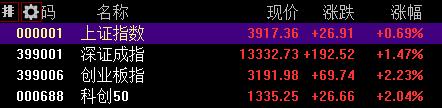
Market Overview - The A-share market saw a significant increase, with the Shanghai Composite Index rising by 0.69% to 3917 points, the Shenzhen Component Index up by 1.47%, the ChiNext Index increasing by 2.23%, and the STAR Market 50 Index rising by 2.04% [1][2] - The total market turnover reached 1.88 trillion yuan, an increase of 133.5 billion yuan compared to the previous trading day, with nearly 3000 stocks rising, including 105 stocks hitting the daily limit [1][2] Sector Performance - The Hainan Free Trade Port officially launched its full island closure operation, leading to a surge in Hainan-related stocks, with over 20 stocks hitting the daily limit, including Shen Nong Agricultural and Hainan Airport [2][4] - The duty-free sales in Sanya exceeded 100 million yuan for three consecutive days, boosting the duty-free concept stocks, with China Duty Free Group and others hitting the daily limit [2] - Precious metals stocks surged as international gold and silver prices reached historical highs, with notable increases in stocks like Xiaocheng Technology and Hunan Silver [6][7] - The CPO concept was active, while sectors such as education and health saw declines, with companies like Huaren Health dropping over 9% [2][14] Notable Stocks - Shen Nong Agricultural saw a rise of 20.03% to 7.13 yuan, while Kangzhi Pharmaceutical increased by 19.96% to 13.22 yuan [5] - Xiaocheng Technology rose by 7.42% to 31.12 yuan, and Hunan Silver increased by 7.20% to 6.70 yuan [7][10] - The robot concept stocks experienced a broad increase, with Sanfeng Intelligent rising by 8.84% to 9.36 yuan [11][12] Future Outlook - The market is entering a critical window for cross-year layout as 2026 approaches, with expectations for policy benefits to be released early, focusing on structural opportunities in sectors aligned with policy guidance and industry prosperity [22]
宝安:产业为笔绘出“百千万”新丰景
Shen Zhen Shang Bao· 2025-12-22 06:51
Core Viewpoint - The article highlights the progress of the "Hundred Counties, Thousand Towns, and Ten Thousand Villages High-Quality Development Project" in Bao'an District, Shenzhen, showcasing its efforts in industrial development, technological innovation, and regional collaboration to enhance economic growth and efficiency. Group 1: Spatial Efficiency - Bao'an District is addressing industrial space bottlenecks through the "Hundred Thousand Project," focusing on the renovation of old industrial parks and optimizing land use to meet the needs of quality enterprises [2] - The district has established a "Four Ones" industrial selection mechanism, facilitating the selection of land for high-growth and leading enterprises, resulting in the selection of 37 land parcels covering over 100 hectares and the optimization of approximately 813.57 million square meters of space [2] Group 2: Technological Innovation - Bao'an is fostering new productive forces through technological innovation, focusing on strategic industry clusters such as ultra-high-definition video displays and intelligent connected vehicles, enhancing its competitive edge in the global electronic information industry [3] - The district has attracted significant investments in high-tech sectors, with companies like Zhouming Technology and Xinyuan Communication establishing bases, contributing to the local economy [3] Group 3: Collaborative Growth - The "Hundred Thousand Project" emphasizes industrial collaboration, with Bao'an leveraging "reverse flying economy" to create new cross-regional industrial cooperation models, exemplified by the successful establishment of the HeYuan Longchuan (Bao'an) Technology Innovation Center [4][5] - This center has attracted over 10 enterprises with a total output value exceeding 300 million yuan, facilitating mutual benefits between Bao'an and Longchuan [5] Group 4: Agricultural Development - Bao'an is assisting in the development of a comprehensive oil tea industry cluster in Longchuan, leading to the recognition of "Longchuan Camellia Oil" as a national geographical indication product and generating an additional output value of over 20 million yuan [6] - The district is also innovating in rural revitalization by introducing carbon trading, achieving over 10 million yuan in carbon transactions, and promoting efficient land use and agricultural modernization [6]
省内“一盘棋” 省外“强联动”
Jiang Nan Shi Bao· 2025-12-22 06:39
Core Insights - Jiangsu has made significant progress in constructing a new regional development pattern during the "14th Five-Year Plan" period, with its economic total accounting for over 40% of the Yangtze River Delta region and all 13 prefecture-level cities entering the national top 100 [1][2] Economic Performance - Jiangsu's economic total accounts for over 40% of the Yangtze River Delta and 22% of the Yangtze River Economic Belt [2] - All 13 prefecture-level cities in Jiangsu are among the national top 100, with five cities having an economic total exceeding 1 trillion yuan [4] - The coastal economic belt contributes 18.1% to the province's economic growth [4] Infrastructure Development - Jiangsu has strengthened its transportation infrastructure, with highway mileage reaching 5,232 kilometers and high-speed rail totaling 2,594 kilometers by the end of 2024 [3] - The Yangtze River section in Jiangsu handles about 70% of the total cargo volume along the river, with significant improvements in ecological protection [3] Innovation and Collaboration - Jiangsu has led the establishment of 44 national key laboratories and implemented 28 joint fund projects for basic research in the Yangtze River Delta [2] - The province has formed various innovation cooperation centers, enhancing its influence in national and regional development strategies [7] Urban and Rural Development - The gap between the urbanization rates of permanent residents and registered residents in Jiangsu has narrowed to 5.36 percentage points, making it one of the provinces with the smallest gap in the country [5] - Jiangsu has built 1,739 million mu of high-standard farmland and established 2,280 livable and workable villages [6] Strategic Positioning - Jiangsu aims to play a leading role in national development, leveraging its strategic advantages and contributing to regional coordination and common prosperity [8]
强者恒强,金银闪亮
Shen Yin Wan Guo Qi Huo· 2025-12-22 05:29
1. Report Industry Investment Rating - Bullish on stock indices (IH, IF, IC, IM), treasury bonds (TS), rubber, rebar, hot - rolled coils, iron ore, gold, silver, copper, aluminum, lithium carbonate, cotton, and corn; bearish on crude oil, methanol, apples, and container shipping to Europe [6] 2. Core Views - A - shares are expected to form a long - term and slow - rising bull market pattern with the resonance of "policy support, capital escort, and industrial drive". The expected December interest rate cut by the Fed and capital market reforms will further strengthen this foundation [2][12] - The downward trend of CPI provides room for interest rate cuts, and weak employment data supports the Fed to continue cutting rates, boosting precious metal prices. The long - term upward trend of precious metals remains unchanged [3][20] - The short - term trend of aluminum prices is expected to continue consolidation, while a long - term optimistic outlook is maintained, considering supply and demand factors and the approaching holidays [4][23] 3. Summary by Relevant Catalogs 3.1. Main News on the Day 3.1.1. International News - The EU Commission proposed to relax the 2035 "ban on the sale of fuel - powered vehicles" requirements, seen as a concession to the traditional European automotive industry and a step back in climate policy [7] 3.1.2. Domestic News - State - owned enterprises will take on national science and technology tasks, aiming to make breakthroughs in "neck - choking" areas and supply "root technologies" and key common technologies [8] 3.1.3. Industry News - Three government departments jointly issued the "Internet Platform Price Behavior Rules" to promote the innovation and healthy development of the platform economy [9] 3.2. Daily Returns of Overseas Markets - The S&P 500 rose 0.88%, ICE Brent crude oil increased 1.41%, London silver climbed 2.26%, and other varieties showed different degrees of price changes from December 18th to 19th [11] 3.3. Morning Comments on Major Varieties 3.3.1. Financial - **Stock Indices**: The long - term and slow - rising bull market pattern of A - shares is expected to be consolidated. The Fed's expected December interest rate cut and positive policy signals will boost market risk appetite [2][12] - **Treasury Bonds**: The price of short - term treasury bond futures is supported by the expectation of loose policies, despite factors such as the rise in US and Japanese bond yields [13][14] 3.3.2. Energy and Chemicals - **Crude Oil**: The overall downward trend of crude oil is hard to reverse, with a decrease in US commercial crude oil inventory and an increase in gasoline and distillate inventories [15] - **Methanol**: Short - term methanol is expected to be weak and volatile, affected by factors such as the decline in CTO/MTO开工率 and the change in coastal inventory [16] - **Rubber**: Short - term rubber prices are expected to maintain a wide - range oscillation due to supply and demand factors [17] - **Polyolefins**: Polyolefin futures are running weakly. Short - term attention should be paid to the cost trend and the digestion rhythm of supply and demand [18] - **Glass and Soda Ash**: Both glass and soda ash are in the process of inventory digestion. The focus of market trading is shifting to the May contract [19] 3.3.3. Metals - **Precious Metals**: The long - term upward trend of precious metals remains unchanged, supported by factors such as the Fed's possible interest rate cuts and the weakening of the US dollar's credit [3][20] - **Copper**: The copper market is facing a supply - demand gap due to supply disruptions. Attention should be paid to factors such as the US dollar and downstream demand [21] - **Zinc**: The supply of zinc concentrate is temporarily tight, and the overall supply - demand difference is not obvious. Market sentiment and related factors need to be monitored [22] - **Aluminum**: Short - term aluminum prices are expected to consolidate, and a long - term optimistic view is maintained, considering supply, demand, and holiday factors [4][23] - **Lithium Carbonate**: Although there are signs of a slowdown in inventory reduction, the overall trend is still upward, and attention should be paid to factors such as production resumption and demand verification [24][25] 3.3.4. Black Metals - **Coking Coal and Coke**: After a significant decline, the double - coking market is expected to stabilize, and attention should be paid to factors such as iron - water production and downstream inventory [26] - **Steel**: The short - term steel price has the potential to rebound, but the medium - term trend is weak, affected by supply, demand, and macro - expectations [27] - **Iron Ore**: Short - term iron ore prices are expected to be slightly stronger and volatile, considering factors such as shipping, inventory, and steel - mill demand [28] 3.3.5. Agricultural Products - **Protein Meals**: Domestic soybean meal is expected to continue range - bound due to factors such as the slow US soybean exports and sufficient future supply [29] - **Oils and Fats**: Short - term oil prices are expected to be weak and volatile, affected by factors such as palm oil export policies and inventory pressure [30][31] - **Sugar**: Zhengzhou sugar shows signs of stabilization. Attention should be paid to the impact of supply and cost factors on market sentiment [32] - **Cotton**: Cotton prices are supported by factors such as fast sales progress, possible reduction in planting area, and improved Sino - US relations [33] 3.3.6. Shipping Index - **Container Shipping to Europe**: The freight rate of the 02 contract may face adjustment pressure as the Spring Festival approaches and the shipping schedule changes [34]