餐饮连锁

Search documents
中国品牌进军巴西,“中国技术如今是世界上最好的”
Guan Cha Zhe Wang· 2025-11-08 01:19
Core Insights - The partnership between China and Brazil is strengthening, with Chinese consumer brands actively entering the Brazilian market, which is the largest economy in South America [1][2] - Brazilian consumers, particularly the youth, view Chinese brands as more innovative than American ones, leading to a positive perception of Chinese products [3][4] Group 1: Company Expansion - Chinese companies such as Mixue Ice Cream, Meituan's Keeta, Didi, and BYD are expanding their investments and business operations in Brazil [1][2] - Mixue Ice Cream plans to invest 3.2 billion reais (approximately 4.27 billion yuan) in Brazil by 2030 and aims to hire about 25,000 employees [1] - Meituan's Keeta has launched services in São Paulo and plans to invest 5.6 billion reais (approximately 7.47 billion yuan) over the next five years [1][2] - Didi is doubling its investment plan to 2 billion reais (approximately 2.67 billion yuan) for its food delivery business in Brazil [2] Group 2: Market Potential - Brazil's population exceeds 200 million, with a rapidly growing middle class and a consumer-friendly young demographic, making it an attractive market for Chinese brands [2] - The Brazilian market is also characterized by advancements in fintech and digital technology, providing a solid foundation for business growth [2] Group 3: Consumer Perception - A survey indicated that over 60% of Brazilian respondents prefer Chinese brands for smartphones and personal computers, while only about 30% favor American products [3] - Approximately 70% of young Brazilians believe that China is more innovative than the U.S., reflecting a significant shift in consumer sentiment [3][4] Group 4: Investment Trends - The China-Brazil Economic Cooperation Committee reported that confirmed Chinese investments in Brazil for 2024 are projected to reach 4.18 billion USD, a 113% increase, marking the highest growth rate since 2007 [6] - The Brazilian government is supportive of Chinese investments, as evidenced by President Lula's remarks on the importance of industrialization and sustainability [6][7] Group 5: Automotive Sector - Brazil has become the largest importer of Chinese-manufactured cars, with brands like BYD, Great Wall Motors, Chery, and Changan rapidly expanding in the market [7] - The success of Chinese automotive brands in Brazil is attributed to their innovative capabilities and modern designs, which have changed consumer perceptions [7] - The choice of Chinese electric vehicles for official transportation during the COP30 conference highlights the growing recognition of Chinese green technology in Brazil [8]


黄仁勋韩国品炸鸡,满足味蕾,激发资本想象
Sou Hu Cai Jing· 2025-11-06 07:21
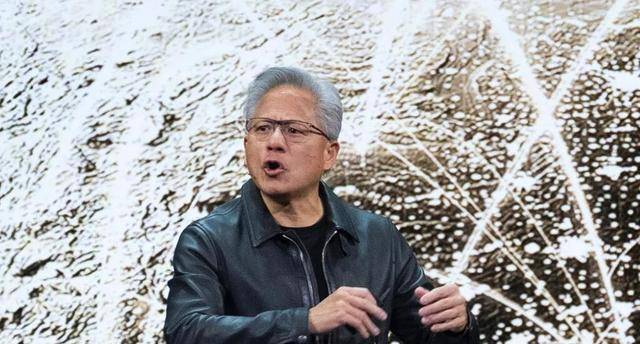
Core Insights - The dinner attended by Jensen Huang in Seoul has become a significant market event, with stock prices of related companies experiencing notable fluctuations following the news [3][10][12] Group 1: Market Reaction - Following the dinner, stocks related to fried chicken chains, poultry processing, and automation companies saw a surge in trading volume, indicating a strong market reaction to the event [5][10] - Companies like Kkanbu Chicken, Bridge Village Foods, and Cherrybro experienced significant stock price increases and trading volume spikes, as investors speculated on potential consumer growth and technological collaborations [5][12] - The phenomenon has been termed the "Jensen Huang Effect," where his public appearances and comments lead to substantial stock market movements [6][10] Group 2: Corporate Collaborations - NVIDIA's strategic engagements in South Korea were already in progress, with plans to deploy GPUs in Samsung factories for digital twin applications and manufacturing process optimization [8][12] - Collaborations with Hyundai are also advancing, focusing on smart mobility and robotics, with specific hardware technologies being discussed for implementation [8][12] - The announcement of these collaborations coincided with the dinner event, reinforcing market speculation and driving stock prices further [12][14] Group 3: Social Media and Market Dynamics - The dinner transformed from a private event into a public spectacle, with social media amplifying its significance and leading to increased trading activity the following day [10][12] - The event illustrates how personal interactions can quickly translate into market movements, highlighting the role of information dissemination in modern economics [16] - The interplay between social media buzz and corporate announcements created a feedback loop that intensified market interest in related stocks [10][16]

中国消费品企业大举进入巴西市场
日经中文网· 2025-11-06 02:26
Core Insights - Chinese consumer brands are increasingly entering the Brazilian market, with a focus on low prices and high performance, as exemplified by companies like Mixue Ice City, BYD, Meituan, and Didi [2][6][10] - The Brazilian market is seen as a promising emerging market due to its large population of over 200 million and a growing middle class with strong consumption desires [6][10] Group 1: Mixue Ice City - Mixue Ice City has signed a memorandum with the Brazilian government to create approximately 25,000 jobs and plans to invest 3.2 billion reais (about 4.235 billion yuan) by 2030 [4] - The company aims to open its first store in São Paulo by the end of 2025, with preparations underway in a shopping center [4] - Mixue Ice City has grown to over 47,500 stores globally, surpassing McDonald's in scale, and is now targeting Brazil as a new market [2] Group 2: Other Chinese Brands - Meituan's overseas brand "Keeta" is set to invest 5.6 billion reais in the next five years, starting its services in the suburbs of São Paulo [5] - Didi is rapidly expanding its food delivery service in Brazil, planning to invest 2 billion reais, which is double its original plan, by 2026 [6] - The increasing presence of Chinese brands in Brazil is supported by the strengthening political ties between China and Brazil, which enhances the investment environment [6][10] Group 3: Consumer Perception - A survey in Brazil revealed that over 60% of respondents prefer Chinese products in the mobile and personal computer sectors, surpassing the preference for American products [9] - BYD has significantly increased its market share in Brazil, accounting for about 70% of the electric vehicle sales, reflecting a shift in consumer perception towards Chinese technology [9] - The perception of Chinese brands as offering "low prices and high performance" is becoming more entrenched among Brazilian consumers [9]


以“智”赋能 向新而行——中拉经贸合作跑出“加速度”
Xin Hua Wang· 2025-11-06 00:17
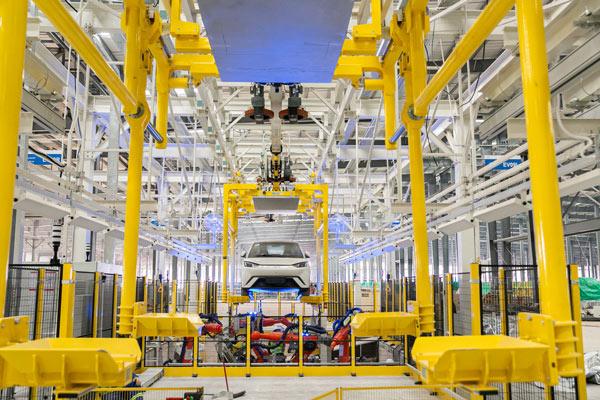
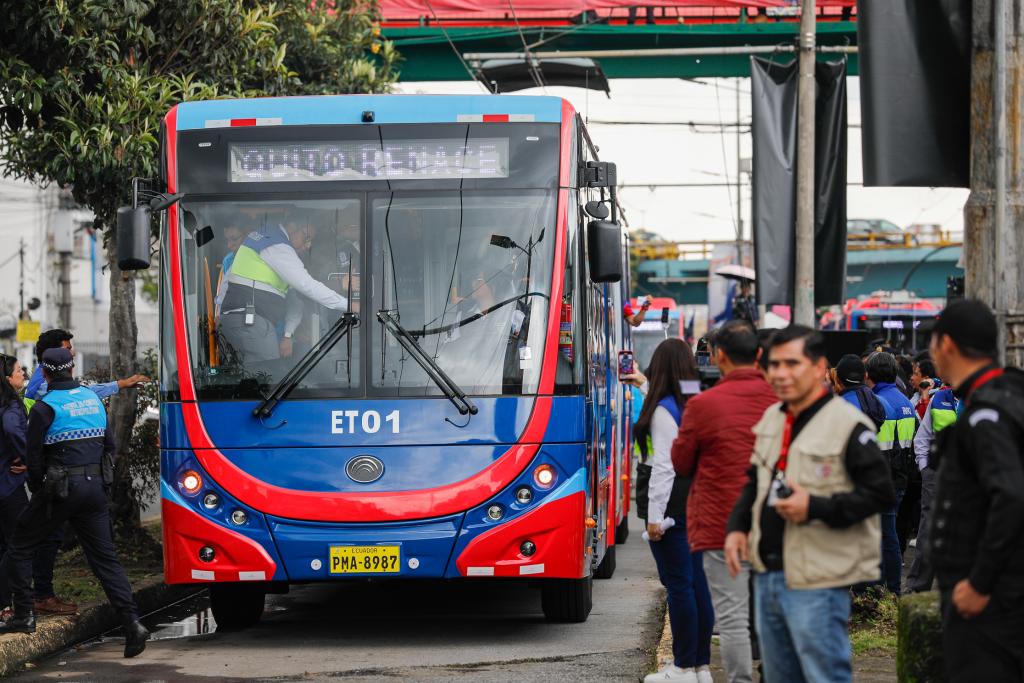
Core Insights - The 18th China-Latin America Entrepreneurs Summit was held in Zhengzhou, focusing on enhancing economic cooperation between China and Latin America, with significant participation from over 20 countries [1][6] - Agriculture and smart technology were highlighted as key areas for collaboration, with agreements signed for agricultural technology demonstration bases [1][6] - The summit showcased advancements in new energy vehicles, with Chinese brands like BYD and Yutong gaining recognition in the Latin American market [2][4] Group 1: Economic Cooperation - The summit facilitated discussions on cooperation in various sectors, including agriculture, electronic information, and automotive manufacturing [1] - A memorandum of cooperation was signed between the rural development agency of Canelones, Uruguay, and Henan Agricultural Investment Group to establish an agricultural technology demonstration base [1] - The trade volume between China and Latin America reached a historic $518.4 billion in 2024, doubling over the past decade [5] Group 2: New Energy Vehicles - As of October 2025, over 7,000 electric buses are operating in Latin America, with a significant number being Chinese brands [4] - Yutong has exported over 2,000 new energy vehicles to Latin America, accounting for approximately 30% of its total exports to the region [4] - The collaboration between Chinese companies and Latin American countries is expected to enhance public transportation with green, low-carbon solutions [4] Group 3: Local Investments - The establishment of a supply chain factory by Mixue Ice City in Brazil is anticipated to create 25,000 jobs, indicating a strong investment potential [6] - The cooperation between China and Latin American countries is seen as a source of new vitality for many nations in the South-South cooperation framework [6] - The weekly cargo flights between Zhengzhou and Mexico City have facilitated significant trade, with cross-border e-commerce goods making up about 90% of the cargo [5]

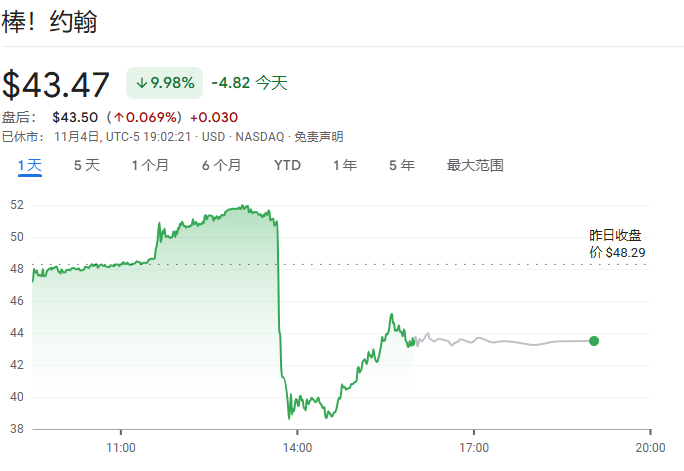
股价下挫21%!“棒约翰”暴跌!美国零售巨头“连续暴雷”:Yum考虑出售“必胜客”
美股IPO· 2025-11-05 06:05
Core Viewpoint - The U.S. restaurant chain industry is facing significant challenges, with consumer spending fatigue spreading from low-income groups to the middle class, as evidenced by the recent struggles of major pizza chains like Papa John's and Pizza Hut [2][3][11]. Group 1: Papa John's Situation - Papa John's stock plummeted 21%, marking its largest single-day drop since March 2020, following the withdrawal of a privatization offer by Apollo Global Management [3][4]. - The failed acquisition highlights the cautious outlook of private equity firms regarding the restaurant industry's future amid ongoing consumer spending pressures [8]. - Papa John's is set to release its Q3 earnings report, with analysts predicting a 5.2% year-over-year decline in adjusted earnings [7]. Group 2: Pizza Hut's Challenges - Yum! Brands Inc. has initiated a strategic review of Pizza Hut, considering the potential sale of the struggling brand, which has seen sales decline for eight consecutive quarters [3][9]. - Pizza Hut's annual sales are approximately $1 billion, down 20% from a decade ago, contributing less than 15% to Yum! Brands' total revenue [9][10]. - The brand's inability to attract customers contrasts with competitors like Domino's, which continue to see revenue growth [10]. Group 3: Broader Industry Trends - The challenges faced by pizza chains reflect a broader trend of consumer spending fatigue, exacerbated by inflation, leading to reduced dining out [11]. - Chipotle Mexican Grill has also lowered its sales forecast for the third time this year, indicating that consumers are shifting towards grocery shopping to save costs [11]. - Goldman Sachs has reported that consumer spending slowdowns are now affecting middle-income groups, particularly those aged 25-35, with non-essential consumer goods stocks underperforming the market [11].
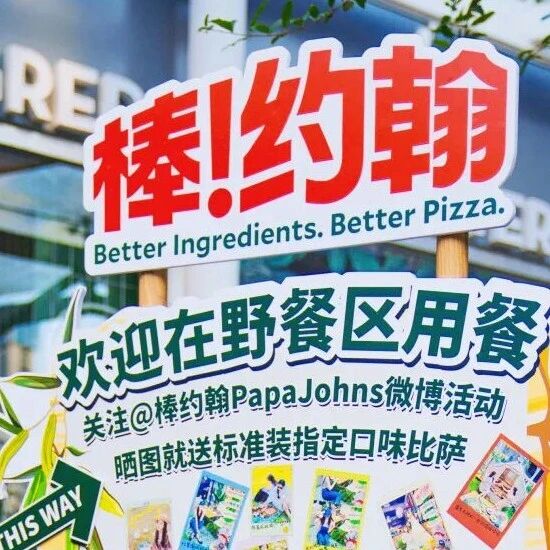
美国零售巨头“连续暴雷”:“棒约翰”暴跌,百胜考虑出售“必胜客”
Hua Er Jie Jian Wen· 2025-11-05 00:48
Core Insights - The U.S. restaurant chain industry is facing significant challenges, with major pizza brands reporting negative news, indicating that consumer fatigue is spreading from low-income groups to the middle class [1][9] Group 1: Domino's and Papa John's Situation - Papa John's stock plummeted 21%, marking its largest single-day drop since March 2020, following the withdrawal of a privatization offer by Apollo Global Management at $64 per share [1][2] - The failed acquisition highlights private equity firms' cautious outlook on the restaurant industry's prospects amid ongoing consumer spending pressures [5] Group 2: Yum Brands and Pizza Hut - Yum Brands' new CEO Chris Turner announced a strategic review of the struggling Pizza Hut brand, which has seen sales decline for eight consecutive quarters, currently generating around $1 billion in annual revenue, down 20% from a decade ago [7][8] - Pizza Hut's challenges stem from its inability to attract customers, unlike competitors Domino's and Papa John's, which continue to see revenue growth in North America [7] Group 3: Broader Consumer Trends - The difficulties faced by pizza chains reflect a broader trend of declining consumer spending, exacerbated by inflation, with Chipotle Mexican Grill also lowering its sales forecast for the third time this year [9][10] - Goldman Sachs has issued warnings about consumer health, noting that spending slowdowns are now affecting middle-income groups, particularly those aged 25-35 [10]
第十八届中国—拉美企业家高峰会丨跨越山海 共赴开放新图景——第十八届中国—拉美企业家高峰会开幕式及全体会议侧记
He Nan Ri Bao· 2025-11-04 00:01
Group 1 - The 18th China-Latin America Entrepreneurs Summit was held in Zhengzhou, emphasizing the importance of cooperation and mutual opportunities between China and Latin America [1] - Attendees expressed enthusiasm for new investment opportunities, particularly in renewable energy sectors, highlighting the potential for collaboration in wind power projects [1] - The summit's theme "Towards New Intelligence, Win-Win Future" resonated with participants, showcasing a strong desire for development through cooperation and exchange [1] Group 2 - iFlytek presented new products and a collaborative project for smart coffee farms, aiming to enhance educational opportunities in AI for youth in both regions [2] - The "Zhengzhou Initiative for China-Latin America and Caribbean Business Cooperation" was launched, promoting practical economic cooperation and industrial collaboration among participants [2] - The event highlighted Henan's proactive approach to exploring new markets and partnerships, with significant potential remaining in the Latin American and Caribbean markets [2] Group 3 - Henan's commitment to high-level opening up is reflected in its rapid development of the "Silk Road" initiative, connecting global markets [3] - A series of international events hosted in Henan this year demonstrate the region's determination to integrate into the global economy and enhance its development through openness [3] - The collaboration between Yellow River civilization and Latin American culture is expected to enrich Henan's narrative of openness and development [3]
港股异动 | 锅圈(02517)再涨超8% 公司三季度业绩表现亮眼 净新增门店361家
智通财经网· 2025-11-03 04:00
Core Viewpoint - The company, Guoquan (02517), has seen a significant stock price increase of over 8%, reaching HKD 4.16, with a trading volume of approximately HKD 96.3 million, following the release of its Q3 2025 business performance report [1] Group 1: Business Performance - In Q3 2025, the company added 361 new stores, representing a year-on-year growth of 98%, bringing the total number of stores to 10,761 as of September 30, 2025 [1] - The company reported revenue (unaudited) of approximately RMB 1.85 billion to RMB 2.05 billion for Q3 2025, reflecting a year-on-year growth of about 13.6% to 25.8% [1] - The core operating profit (unaudited) for Q3 2025 was approximately RMB 65 million to RMB 75 million, showing a year-on-year increase of about 44.4% to 66.7% [1] Group 2: Strategic Initiatives - The company is committed to its "Community Central Kitchen" strategy, actively launching new products and continuously enriching its product matrix [1] - The company is enhancing single-store efficiency and accelerating store expansion through new store models, leading to a dual growth effect on channels [1] - Given that Q3 is typically a traditional off-season, the company anticipates further growth in store expansion and steady improvement in profitability for Q4 [1]
二〇二五年“世界市长对话·郑州”活动举行 古今交融 美美与共
Ren Min Ri Bao· 2025-11-02 22:47
Core Insights - The event "World Mayors Dialogue in Zhengzhou" focused on balancing cultural heritage protection with urban modernization, attracting around 300 participants from various countries and regions [1][3] Group 1: Cultural Heritage and Urban Development - Zhengzhou is promoting the integration of culture, commerce, and tourism, enhancing its city brand while facilitating the coordinated development of heritage protection and urban renewal [1] - International guests emphasized that urban renewal should not merely involve demolition but should be an organic regeneration guided by cultural continuity, preserving the city's essence while fostering innovation [1][2] Group 2: International Collaboration and Experience Sharing - The event included immersive experiences at significant cultural sites, allowing participants to appreciate the depth of Central Plains civilization and Zhengzhou's dynamic development [3] - Various city representatives expressed a desire to strengthen ties and enhance cooperation in cultural, economic, and trade sectors, highlighting the importance of cultural exchange in fostering mutual understanding [3][4] Group 3: Future Development Goals - Zhengzhou's mayor stated the city's commitment to sharing experiences globally, aiming for improved living standards through urban renewal and enhanced governance capabilities [4] - During the forum, Zhengzhou signed friendship agreements with cities from Spain, Ghana, Indonesia, and New Zealand, expanding its international network [4]
黄仁勋与三星集团、现代汽车会长吃炸鸡配啤酒,拿下“大单”!黄仁勋高喊“全场免单”,总消费约250万韩元,韩国“炸鸡股”大涨
Mei Ri Jing Ji Xin Wen· 2025-10-31 11:42
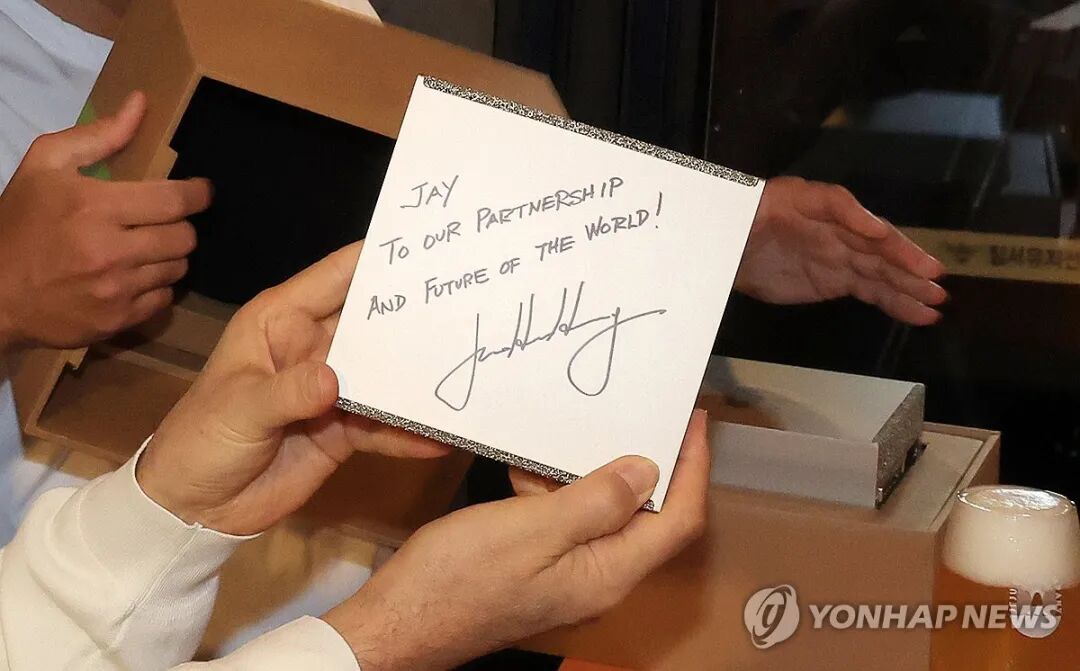
Core Points - Nvidia CEO Jensen Huang dined with Samsung Electronics Chairman Lee Jae-Yong and Hyundai Motor Chairman Chung Eui-sun in Seoul, drawing significant media attention [1] - The dinner took place at a popular Korean fried chicken restaurant, symbolizing Huang's desire to experience local culture and foster strong ties with the two companies [1] - Huang gifted a box containing Nvidia's DGX AI computers to Lee and Chung, emphasizing collaboration for a better future [1] Group 1: Dinner Event - The dinner included three servings of fried chicken, cheese sticks, and drinks, with Huang humorously ordering soju with beer [1] - At the end of the dinner, Huang announced that the meal was on him, but the final bill of approximately 2.5 million KRW (around 12,450 RMB) was paid by Lee and Chung, covering all customers in the restaurant [2] Group 2: Market Impact - The gathering led to a surge in related stocks in the South Korean market, with Kyochon F&B Co. shares rising by 20% and Cherrybro Co. hitting a 30% limit up [4] - Nvidia's partnership with the South Korean government and companies to build AI infrastructure was announced at the APEC summit, involving the deployment of over 260,000 Nvidia GPUs [4][5] Group 3: AI Infrastructure Development - The South Korean government is investing in sovereign AI, deploying over 50,000 new Nvidia GPUs across various platforms to enhance AI capabilities [5] - Major companies like Samsung, SK Group, and Hyundai will establish AI factories, each incorporating over 50,000 Nvidia GPUs for AI development and integration [5] Group 4: Nvidia's Market Position - Nvidia's market capitalization surpassed $4 trillion in July, and on October 29, it briefly exceeded $5 trillion, marking it as the first company to reach this milestone [6] - As of October 30, Nvidia's market cap returned to below $5 trillion, standing at approximately $4.93 trillion [6]