
咖啡

Search documents
茶咖日报|曾刷爆朋友圈的网红咖啡,无锡唯一门店本月底闭店
Guan Cha Zhe Wang· 2025-08-20 12:05
Group 1: %Arabica Coffee Closure - %Arabica's first store in Wuxi will close by the end of August due to contract expiration, marking the only store of the brand in the city since its opening in 2020 [1] - The brand does not plan to exit the Wuxi market and may appear in a pop-up format while actively seeking a new location [1] - The brand's popularity has declined, with several stores, including those in Shanghai and Xiamen, closing after only a short period of operation [1] Group 2: Yiming Foods Performance - Yiming Foods reported a revenue of 1.401 billion yuan for the first half of 2025, a year-on-year increase of 2.12%, and a net profit of 32.22 million yuan, up 21.73% [2] - The company closed 104 stores in the first half of 2025, reducing the total number of stores from 1,968 to 1,864 [2] - The decline in revenue from both franchise and direct stores indicates a challenging market environment, prompting the company to seek changes [2] Group 3: New Brand Launches by Yiming Foods - Yiming Foods launched two new brands, "Yicheng Coffee" and "Thick Pizza," with plans to expand their presence in the market [3] - The company aims to open 600 Thick Pizza stores and enter 200 locations with Yicheng Coffee, collaborating with 500 external terminals [3] Group 4: Wanglaoji's International Expansion - Wanglaoji has established a production line in Malaysia and signed a global strategic cooperation agreement with Baosteel Packaging for local production in Southeast Asia [4][5] - The company is launching new international cans and plans to expand its market presence in Southeast Asia, North America, Europe, and Oceania [5] - The global plant-based beverage market is experiencing significant growth, with Southeast Asia showing a 25% growth rate in 2023, prompting Wanglaoji to accelerate its international strategy [5] Group 5: Hainan International Coffee Conference - The first Hainan International Coffee Conference will be held in Haikou on August 22-23, 2025, focusing on global coffee industry trends and opportunities [6] - The conference will feature participants from 13 coffee-producing countries and cover various aspects of the coffee industry, including brand value and market opportunities [6] - A product showcase will feature 20 innovative products, highlighting Hainan's unique coffee offerings [6] Group 6: PinkShake's Closure - The tea brand PinkShake has closed all its stores, with reports indicating that the management has gone missing and employees have not been paid for two months [7] - The brand, which focused on healthy and trendy milk drinks, had only opened its first store in June 2022 [7]



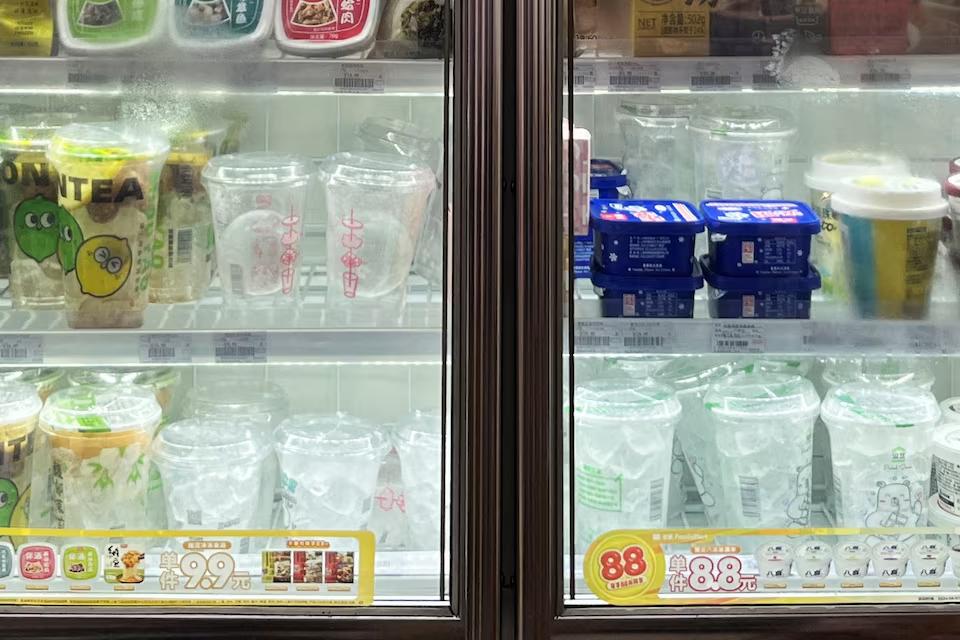
为什么冰杯爆火,为重用循环杯带来了商机?
3 6 Ke· 2025-08-20 10:12
Core Insights - The article discusses the rising trend of the "ice economy" in China, driven by high temperatures and consumer demand for ice products, particularly in urban areas [1][2] - Major retail players like 7-Eleven and Sam's Club are capitalizing on this trend, with ice cup sales experiencing over 300% growth for two consecutive years [1][2] - The cost structure of ice products reveals significant hidden costs, particularly related to packaging and environmental impact, raising questions about sustainability [4][5][6] Cost Analysis - The production cost of 1 kg of ice is estimated to be between 1.6 to 2 yuan, translating to approximately 0.3 yuan for a typical 160-gram ice cup [5] - Transportation costs for ice are high due to the need for cold chain logistics, adding an estimated 0.2 to 0.3 yuan per cup [5] - Packaging costs are substantial, with the cost of a single-use ice cup being around 0.6 to 0.7 yuan, which can exceed the cost of the ice itself [5][6] Environmental Impact - The environmental costs associated with single-use ice cups are significant, with lifecycle carbon emissions for a typical plastic cup estimated at 70-100 grams of CO₂e [7][8] - The recycling challenges posed by multi-material ice cups complicate waste management, leading to increased costs for waste collection and sorting [8][9] - The extended producer responsibility (EPR) framework is pushing brands to take accountability for the entire lifecycle of their packaging, including waste management [9] Sustainable Alternatives - The article highlights emerging models like "circular cups," which aim to reduce packaging waste through deposit and return systems, as seen in Taiwan's FamilyMart [10][12] - These models not only address environmental concerns but also create new business opportunities by transforming the consumer experience and brand engagement [13][14] - The shift towards reusable packaging is supported by government policies promoting sustainable practices, indicating a growing market for circular economy solutions [20][21] Industry Trends - The trend towards "circular+" models in the ice beverage sector is seen as a potential growth area, particularly in urban environments with high consumer traffic [14][19] - Companies are encouraged to innovate in their service models, moving from selling products to offering services that incorporate sustainability [19][20] - The article emphasizes the importance of aligning business strategies with environmental goals to gain competitive advantages in the evolving market landscape [20][21]
食品饮料行业周度市场观察-20250820
Ai Rui Zi Xun· 2025-08-20 07:49
Investment Rating - The report does not explicitly provide an investment rating for the food and beverage industry Core Insights - The food and beverage industry is experiencing significant shifts with emerging trends in health-focused products and innovative marketing strategies [1][2][4][7][10][19] Industry Environment - The baking industry is undergoing a rapid reshuffle, with many well-known brands closing stores due to high rent and labor costs, leading to 95,000 bakery closures in 2024, while the industry still grows at 5.2% to reach 110.5 billion [2] - Tesla's restaurant model achieved $47,000 in sales within six hours of opening, with plans to enter the Shanghai market, although it faces challenges in adapting to local cuisine [2] - The powdered noodle market is expanding, projected to reach 227.5 billion in 2024, with over 1 million stores, emphasizing product innovation and local specialties [4] - The summer beverage market is shifting towards health-oriented drinks, with traditional carbonated drinks being replaced by herbal teas and health drinks, expected to exceed 10 billion by 2028 [4][8] - The carbonated beverage market is intensifying competition, with local brands like Yuanqi Forest and Dajiaolou launching innovative products to capture market share [7] - The GABA beverage market is emerging, with several companies launching products aimed at improving sleep and emotional health, although consumer education remains a challenge [13] - The herbal beverage market is growing rapidly, expected to double in the next three to five years, but faces challenges of formula homogenization [19] Top Brand News - Wudao yogurt has become the top Greek yogurt brand in four years by focusing on a niche market and high-quality production [23] - Haidilao is testing a high-end restaurant model with a price point over 500, indicating a shift towards premium dining experiences [24] - Dongpeng Beverage has successfully penetrated the market by targeting blue-collar workers and optimizing its supply chain [24] - Luckin Coffee is aggressively expanding with a low-price strategy, aiming to surpass Starbucks in China by 2025 [25] - Xiaoguan Tea has rapidly grown in the no-sugar tea market, achieving 2 billion in sales by catering to young consumers [26]


品牌向上,被消费降级“撞了一下腰”
Sou Hu Cai Jing· 2025-08-20 06:47
Group 1 - The core viewpoint of the articles highlights the challenges faced by brands maintaining a mid-to-high-end positioning in the context of consumer downgrade and market reconfiguration [2][5][25] - Starbucks China is reportedly planning to sell part of its stake due to a significant decline in market share, dropping from 42% in 2017 to 14% [2] - The average per capita consumption in the restaurant industry is projected to decrease from 42.6 yuan in 2023 to 39.8 yuan in 2024, prompting many restaurants to introduce budget-friendly meal options [4] Group 2 - The automotive market is experiencing a stark contrast, with sales of vehicles priced below 100,000 yuan increasing by 51% year-on-year, while those above 300,000 yuan are facing negative growth [5][6] - Major luxury brands like Mercedes-Benz, BMW, and Audi have seen significant declines in sales, with Mercedes-Benz deliveries down 14% and BMW down 15.5% in the first half of 2025 [8] - New domestic brands are struggling to achieve significant sales volumes, with many high-end brands like Zeekr and NIO failing to consistently exceed monthly sales of 20,000 units [8][20] Group 3 - The market for high-end vehicles is becoming increasingly competitive, with more brands entering the space, leading to a dilution of market share previously dominated by a few [6][20] - NIO is under pressure to perform, with its upcoming ES8 model seen as critical for its survival, while Zeekr is refocusing on its core strengths after a tumultuous period [15][18] - Brands like Lantu and Avita are also facing challenges, with Lantu's sales hovering around 10,000 units per month and Avita's average price exceeding 270,000 yuan, contributing to difficulties in a declining high-end market [20][24] Group 4 - The overall high-end car market is shrinking, with the share of vehicles priced over 400,000 yuan dropping from 5.4% to 3.5% year-on-year [24] - Despite the challenges, there is potential for Chinese brands to establish themselves in the high-end market, as consumer perceptions of luxury are evolving [25][27] - Brands that can demonstrate strong technology and unique characteristics are likely to succeed, with Zeekr and NIO identified as having potential if they can navigate current market conditions [27]


2025年中国消费市场趋势洞察报告v1.0-灵智数科
Sou Hu Cai Jing· 2025-08-19 14:09
Core Insights - The report highlights the transformation of the Chinese consumer market, emphasizing that new consumption is centered around fulfilling consumer task needs rather than brand narratives [1][5] - The consumer demographic is experiencing "dual growth," with Generation Z focusing on individuality and social recognition, while lower-tier markets emphasize value-for-money [1][6] - The report indicates a significant upgrade in consumption structure, with a deepening integration of online and offline channels, and the rise of instant retail and social e-commerce [1][6][34] Group 1: Traditional Consumption Logic Decline - Traditional commercial strategies have focused heavily on first and second-tier cities, leading to a structural imbalance in resource allocation, neglecting the potential of lower-tier markets [17] - The consumer market in lower-tier areas has reached a scale of 20 trillion yuan, accounting for 59% of total consumption, with a growth rate of 17.6%, significantly outpacing first and second-tier cities [17] - Traditional brands have failed to meet the core demand for fair consumption in lower-tier markets, creating opportunities for new consumption brands to connect directly with consumers [17][18] Group 2: New Consumption Brand Emergence - New consumption brands are evolving from product providers to solution providers for consumer life tasks, focusing on specific scenarios to meet unmet needs [24] - Brands like Pinduoduo and Luckin Coffee have successfully tapped into lower-tier markets and social recognition tasks, respectively, demonstrating the shift towards user-driven consumption [24][25] - The report outlines a matrix of new consumption brands that effectively address consumer tasks, showcasing their performance metrics and target demographics [24] Group 3: Economic and Technological Drivers - The Chinese economy is transitioning, with consumption becoming a key growth engine, supported by government policies aimed at upgrading consumption infrastructure [34] - The rise of digital technology has expanded consumption scenarios from offline to online, with significant growth in e-commerce and instant retail, indicating a shift in consumer behavior [37] - The report notes that the application of big data and AI in the consumer sector has enhanced personalization and efficiency, leading to increased sales and market penetration [37] Group 4: Cultural and Social Changes - The younger generations (90s and 00s) are driving a shift in consumption values from materialism to self-expression and emotional value, favoring experiences and cultural resonance [40] - The rise of domestic brands reflects a growing cultural confidence among consumers, with significant increases in the sales of "new Chinese-style" products and traditional elements [40] - The report emphasizes that consumer choices are increasingly influenced by personal identity and social connections, marking a departure from traditional consumption patterns [40]




西部“小透明”省会,凭啥跟上海争咖位?
Mei Ri Jing Ji Xin Wen· 2025-08-19 13:55
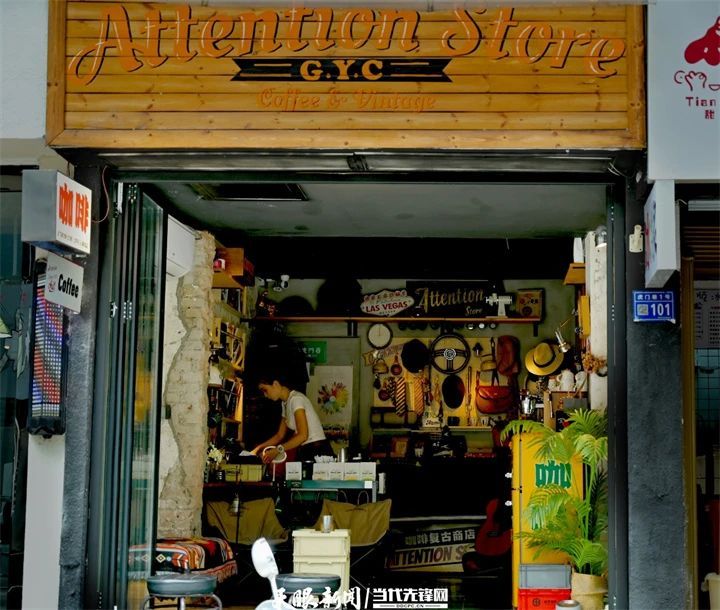
Core Viewpoint - Guiyang is emerging as a significant player in the coffee industry, aiming to become a nationally influential coffee consumption destination and cultural experience city through comprehensive support for coffee industry development [1][2]. Group 1: Industry Development - Guiyang's government has initiated a series of meetings to emphasize the importance of developing the coffee industry, aiming for a full-chain approach to strengthen and expand the sector [2][7]. - The city has over 3,000 coffee shops, making it the city with the highest coffee shop density in China, surpassing even Shanghai [2][3]. - Guiyang is home to numerous award-winning baristas, contributing to its reputation as a "champion coffee gathering place" [3][4]. Group 2: Cultural Integration - The local coffee culture has expanded beyond young consumers to all age groups, supported by a favorable climate and a relaxed lifestyle [6][12]. - Coffee has transcended its beverage status to become a vital element in connecting tourism resources, driving industrial innovation, and shaping the city's brand [6][8]. - The city is integrating coffee with tourism by establishing coffee-themed stations at popular tourist spots and developing coffee tourism routes [8][9]. Group 3: Economic Impact - The coffee industry is seen as a means to enhance urban vitality, promote youth employment, and inject fashion and energy into the city [13][14]. - Guiyang's population growth, particularly among young people, is contributing to the coffee industry's expansion, with the city attracting a significant number of college graduates [12][13]. - The establishment of the Guiyang Coffee Industry College aims to provide talent and intellectual support for local coffee businesses, promoting high-quality development in the sector [9].
小咖啡释放大商机!产业向精细化、专业化迈进 | 解锁行业“全能手”如何炼成↓
Yang Shi Wang· 2025-08-19 07:23
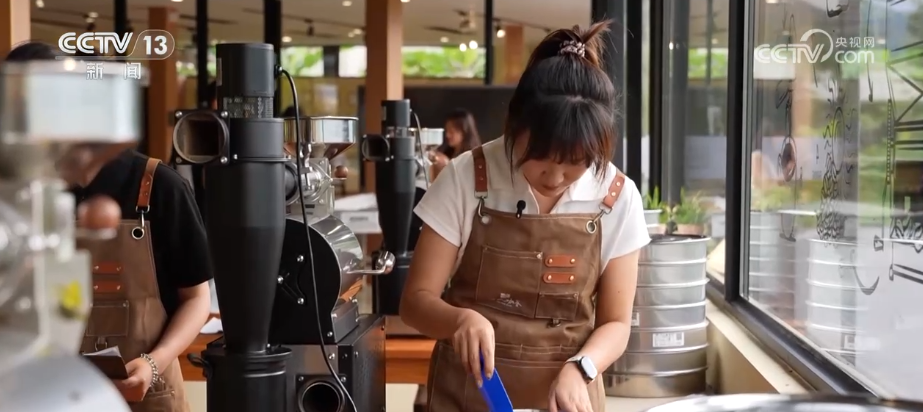
Core Insights - The coffee industry is experiencing a surge in consumer demand, leading to a more refined and specialized development within the sector [1] - The emergence of the coffee processing worker role signifies a shift towards precision and professionalism in China's coffee industry, driven by consumption upgrades and market changes [9] Group 1: Industry Development - Coffee processing workers, like Li Xiaoying, play a crucial role in the coffee supply chain, involving tasks such as initial processing, roasting, and tasting [2][4] - The coffee industry in Yunnan, particularly in Pu'er City, is recognized as a major production area, with the largest planting area and highest output in China [5] - The demand for skilled professionals in the coffee sector is increasing, with over 7,000 individuals participating in specialized training programs since 2025 [7] Group 2: Professionalization and Innovation - The role of coffee processing workers complements that of baristas, filling gaps in the industry and enhancing the value-added processing of coffee products [10] - The industry is moving towards establishing national occupational standards for coffee processing workers, indicating a trend towards more structured professional roles [10] - Innovations in coffee flavor profiles and processing techniques are becoming a significant aspect of the profession, contributing to the overall quality and diversity of coffee products [4][5]
每天要喝6款咖啡的“风味侦探” 他们让中国咖啡飘香世界
Yang Shi Xin Wen Ke Hu Duan· 2025-08-19 00:30
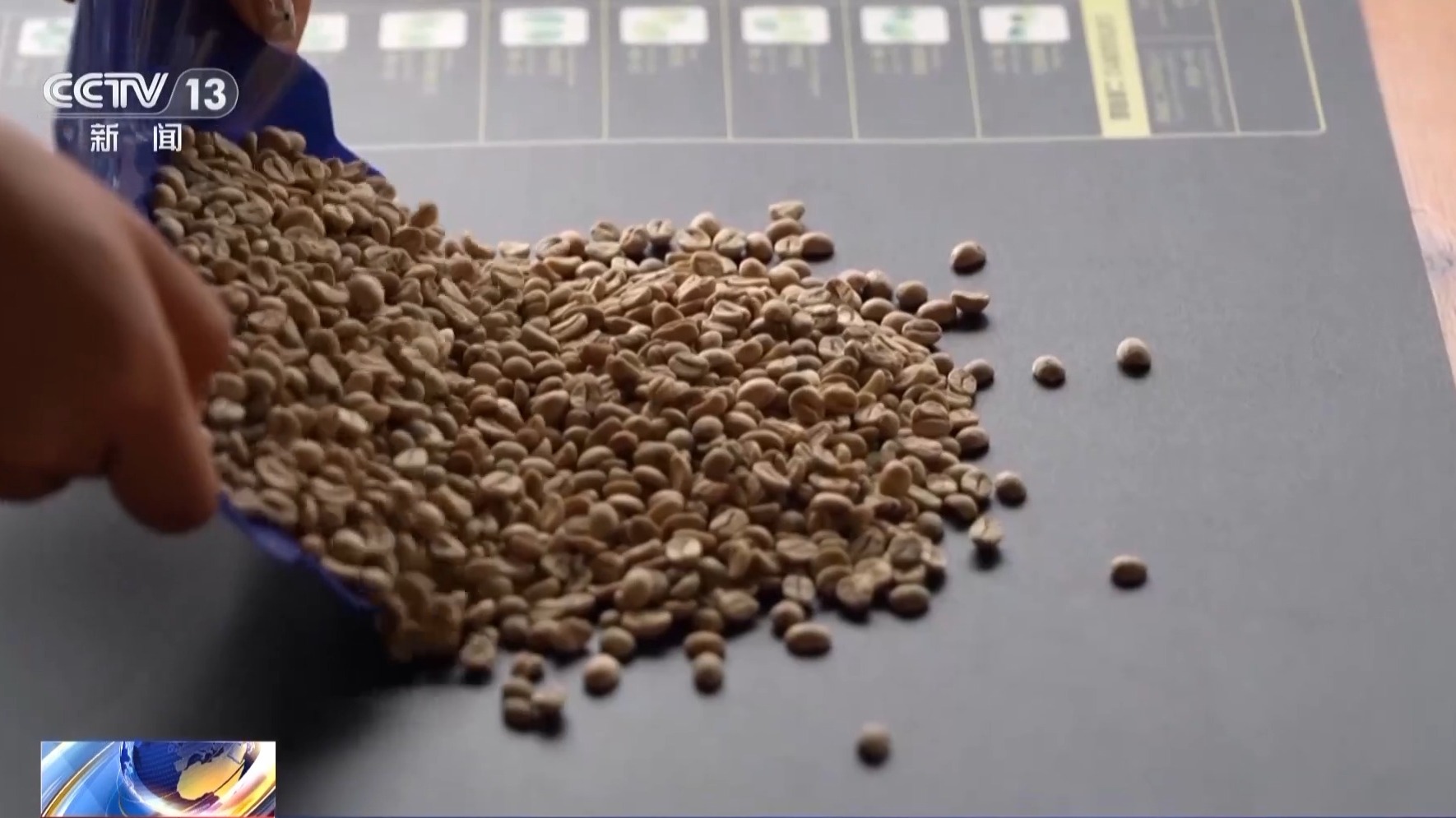
咖啡加工工李肖萦:我是一名咖啡加工工,从事咖啡行业已经9年了。咖啡加工工可以细分为三类,分别是咖啡初加工、烘焙和品鉴。 每天上午我都会品尝至少6款以上的咖啡,像"侦探"一样去捕捉、评估咖啡里面的酸、甜、苦,以及微妙的花香和果香。只有喝懂了这杯咖啡,了解它的优 点以及问题,才能知道如何调整。 咖啡师的工作主要是制作、销售饮品,直接和顾客打交道,而我们的工作比他们更靠前,包括采摘鲜果、生豆筛选和咖啡烘焙等。 在烘焙过程中,首先对咖啡生豆进行人工挑选,将瑕疵降到3%以下。再通过烘焙,把咖啡豆里面的风味激发出来。 这份工作不仅是生产标准化的咖啡,创新更是这个职业的魅力所在。 每当一颗颗生豆通过我们的双手,变成杯中千变万化、令人愉悦的风味,这样的成就感与满足感无以言表。 从品质把关到风味创新 他们是咖啡"全能手" 云南普洱市地处咖啡种植黄金地带,是我国种植面积最大、产量最高的咖啡主产区。自小在这里长大的李肖萦耳濡目染,对咖啡有着浓厚的兴趣,大学期间 萌生了想要从事咖啡行业的想法。 如今,咖啡越来越多地走进了人们的生活,咖啡消费需求的蓬勃增长催生着产业的精细化发展。 咖啡品质的"守门员" 为了锻炼出敏锐的感官品鉴能力,解 ...
西方咖啡巨头为何在中国“掉队”?——一场被本土玩家改写的咖啡战争
Jing Ji Guan Cha Wang· 2025-08-18 13:16
Core Insights - The Chinese coffee market has seen explosive growth, with over 12,000 new coffee shops opened last year, averaging more than 30 new stores daily [2] - Starbucks is losing its leading position in China, with its market share dropping from 42% in 2017 to 14% in 2024, despite opening 522 new stores and achieving 8% revenue growth in the last quarter [3] - Local brands like Luckin Coffee have experienced exponential growth, doubling their store count to 20,000 and reporting a 47% revenue increase and a 44% profit increase [3] Digitalization - Starbucks' digital operations are criticized for being slow and cumbersome, unable to adapt to the fast-paced mobile internet environment in China [4] - In contrast, local brands are described as "digital natives," effectively integrating online and offline operations to enhance customer acquisition, retention, and repurchase rates [5][6] Localization - Starbucks' emphasis on the "third space" concept is losing appeal among younger consumers, while local brands resonate more with Chinese cultural nuances [6][7] - Local brands have successfully positioned coffee as a fast-moving consumer good closely tied to Chinese lifestyles, rather than a foreign luxury [7] Market Saturation and Challenges - As coffee shop density in first- and second-tier cities approaches saturation, relying solely on store expansion is insufficient for maintaining competitive advantage [8] - Experts warn that without a complete overhaul of business models and customer experience, Western brands risk falling into a "mid-tier trap," being too expensive for the masses and too uninteresting for trendsetters [8] Future Directions - Western brands must shift from a "copy-output" model to a "co-creation-localization" approach to avoid marginalization [9] - Brands need to become younger, more digital, and more social to appeal to Gen Z consumers who prioritize interesting and affordable products over brand history [9] Local Brand Strategies - Local brands leverage apps for precise location-based marketing and utilize platforms like Douyin and Taobao for live streaming and social selling [10] - They continuously introduce trendy products and engage in IP collaborations to enhance brand visibility and consumer engagement [10] - Pricing strategies focus on affordability, with products like 9.9 yuan Americanos and 19 yuan creative lattes appealing to price-sensitive consumers [10]

餐饮月度专题:茶饮扩张强劲,西式快餐扩张活跃,客单价环比企稳-20250818
ZHESHANG SECURITIES· 2025-08-18 13:05
Investment Rating - The industry investment rating is "Positive" [4] Core Insights - The report highlights strong expansion in tea beverage brands and active growth in Western fast food, with average transaction prices stabilizing month-on-month [5][8][10] Summary by Sections Western Fast Food - The expansion of Western fast food is active, with average transaction prices remaining stable, indicating market resilience [8] - Notable trends in net store openings for major brands include: - KFC: -0.4% in August 2024 - McDonald's: 0.2% in August 2024 - Pizza Hut: -1.8% in August 2024 - Domino's: 0.0% in August 2024 [8] Tea Beverage - Leading brands in the tea beverage sector are expanding significantly, while overall average transaction prices are fluctuating as they seek balance [10] - Key trends in net store openings for major tea brands include: - Mixue Ice Cream: -2.3% in August 2024 - Heytea: -1.1% in August 2024 - Naixue's Tea: -0.3% in August 2024 [10] Coffee & Hot Pot - The coffee segment shows strong expansion momentum, with notable net store openings: - Luckin Coffee: 1,812 new stores, 8% increase - Kudi Coffee: 2,495 new stores, 25% increase [12] - The hot pot industry is facing adjustments, with several brands showing negative net openings [14] Other Food Segments - The overall opening of stores in segments like pickled fish, snacks, and small pubs is cautious, with average transaction prices stabilizing [15] - Key trends in net store openings for snack brands include: - Zuiyan Zhiwei Chicken: -463 stores, 8% decrease - Juewei Duck Neck: -1,127 stores, 9% decrease [17]