
通信

Search documents
申万宏源被动和主动权益型公募基金四季报分析:拥抱AI 抢跑复苏顺周期
Zhi Tong Cai Jing· 2026-01-24 13:46
Core Viewpoint - The report from Shenwan Hongyuan Securities indicates that in Q4 2025, actively managed equity public funds are increasing allocations to technology manufacturing (communication, automotive, machinery), cyclical sectors (non-ferrous metals, chemicals, construction materials), service consumption, and non-bank financials, while reducing allocations to media, computing, military, real estate, and pharmaceuticals [1][2]. Group 1: Fund Allocation Trends - Actively managed equity funds are embracing AI and positioning for recovery, with significant increases in cyclical sectors [1]. - Non-ferrous metals saw a 2.1 percentage point increase in allocation to 8.0%, reaching a historical high, with a configuration coefficient of 1.7 times [1]. - Basic chemicals, automotive, construction materials, and steel also received increased allocations, with respective holding ratios of 3.2%, 5.1%, 0.7%, and 0.4% [1]. Group 2: Sector Performance and Adjustments - Non-bank financials, despite underperforming in 2025, received an allocation increase to 2.4%, which is at the 33rd percentile historically [2]. - The communication sector's allocation rose by 1.8 percentage points to 11.1%, marking a historical high, with a configuration coefficient exceeding 3 times [3]. - The real estate sector saw a decline in allocation to 0.3%, with a configuration coefficient of 0.24 times, both at historical lows [4]. Group 3: Fund Performance and Market Outlook - The overall positions of ordinary stock, mixed equity, and flexible allocation funds decreased by 1.2, 1.4, and 1.4 percentage points to 88.3%, 86.7%, and 76.3%, respectively, while still remaining at high levels [5]. - The median net asset value increase for actively managed equity public funds in 2025 was 25.8%, which is lower than the growth of the ChiNext Index and the STAR 50 [5]. - The net redemption pressure for actively managed funds has eased, with a total redemption of 132 billion units in Q4 2025, a decrease from Q3 [5]. Group 4: ETF Market Dynamics - The total scale of stock ETFs reached nearly 3.8 trillion yuan in Q4 2025, with a holding market value ratio of 3.9%, both hitting new highs [6]. - In Q4 2025, significant inflows were observed in industry ETFs related to brokers, pharmaceuticals, robotics, and non-ferrous metals [6]. Group 5: Manager Insights and Sector Comparisons - Fund managers are optimistic about sectors with clear industrial trends, such as computing power, semiconductors, non-ferrous metals, energy storage lithium batteries, innovative pharmaceuticals, military trade, and commercial aerospace [7]. - Based on the PB-ROE framework, sectors like non-ferrous metals, basic chemicals, and AI applications are seen as attractive for allocation due to upward profit expectations and reasonable valuations [7].
巴西,突然要对中国免签了!
36氪· 2026-01-24 13:30
Group 1 - The article discusses the recent announcement by Brazilian President Lula regarding visa exemptions for Chinese citizens, making travel and work in Brazil more convenient for them [5][7]. - Brazil has previously implemented an electronic visa for long-term visas for Chinese citizens, and the new short-term visa exemption is a response to China's unilateral 30-day visa exemption for Brazil [7][8]. - The article highlights the historical presence of Chinese immigrants in Brazil, dating back to the early 19th century, when tea farmers were recruited to cultivate tea in Brazil [12][14]. Group 2 - The article outlines the waves of Chinese immigration to Brazil, particularly during the mid-19th century when labor shortages arose after the abolition of slavery, leading to the importation of Chinese laborers [14][16]. - It notes that the Chinese immigrant population in Brazil surged during the period from 1949 to 1979, with many immigrants coming from Hong Kong, Macau, and Taiwan [18][19]. - The article mentions that by 1987, there were over 1,750 Chinese-owned businesses in Brazil, primarily small to medium-sized enterprises [22]. Group 3 - The article states that since the 21st century, economic cooperation between China and Brazil has deepened, leading to a third wave of Chinese immigration, with Brazil becoming China's largest trading partner in Latin America [33][34]. - It highlights that over 150 Chinese companies have established operations in Brazil, including significant investments in sectors like agriculture, telecommunications, and energy [36][38]. - The presence of Chinese businesses has led to an increase in the Chinese population in Brazil, which grew from 200,000 to approximately 300,000 by late 2019 [43][44]. Group 4 - The article describes the concentration of the Chinese community in major cities like São Paulo and Rio de Janeiro, with São Paulo being home to a significant number of Chinese businesses, particularly on 25 de Marco Street, known as the "Chinatown" of Brazil [45][46]. - It notes that the Chinese community in Brazil has diversified into various sectors, including trade, infrastructure, education, and legal services [50]. - The article also mentions that Brazil has designated August 15 as "Chinese Immigration Day" to honor the contributions of Chinese immigrants to Brazilian society [52].


平安港股通红利精选混合发起式A:2025年第四季度利润1196.43万元 净值增长率3.5%
Sou Hu Cai Jing· 2026-01-24 09:43
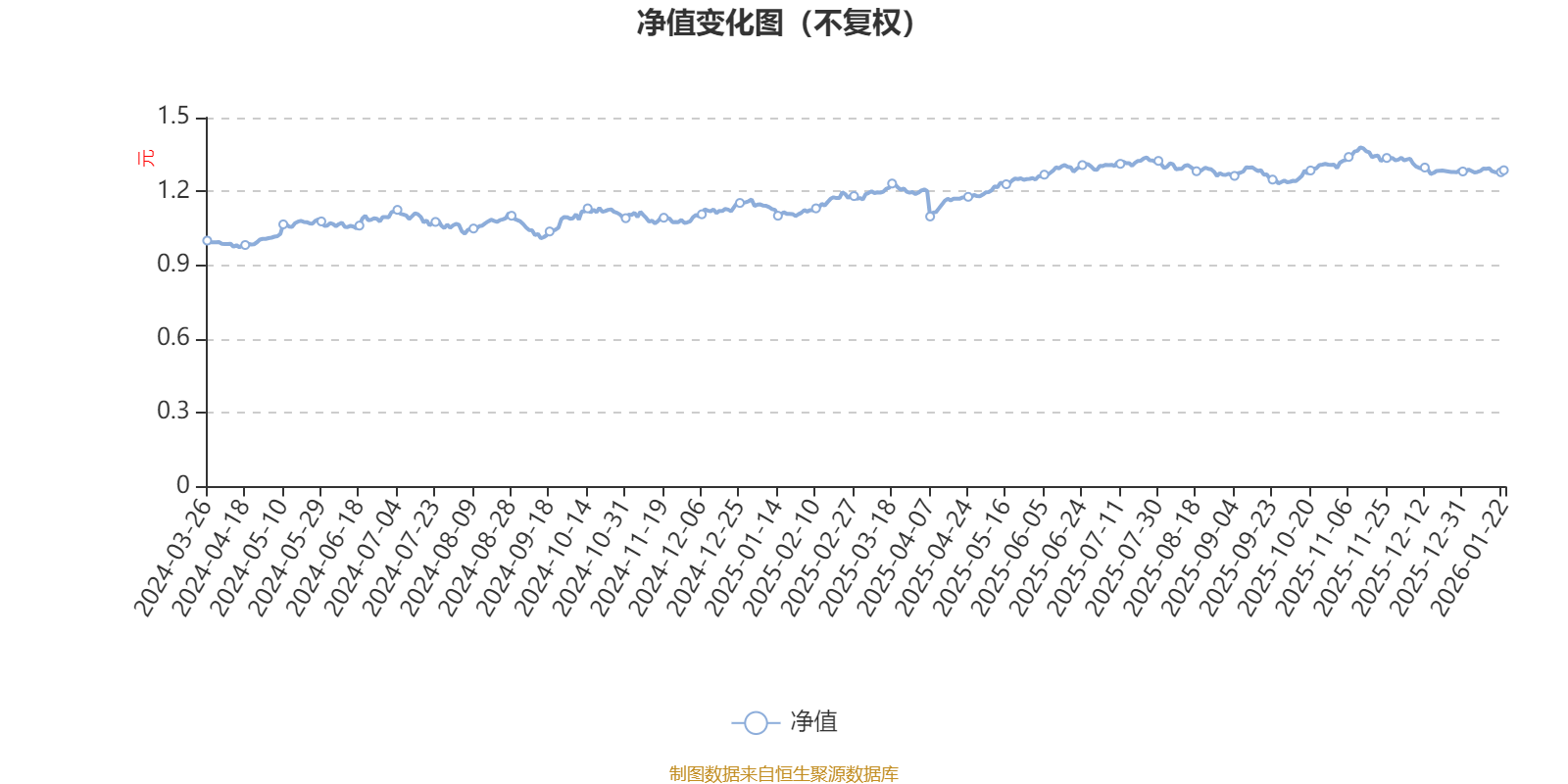
Core Viewpoint - The AI Fund Ping An Hong Kong Stock Connect Dividend Select Mixed Fund A (021046) reported a profit of 11.96 million yuan for Q4 2025, with a net asset value growth rate of 3.5% during the period [3]. Fund Performance - As of January 22, the fund's unit net value was 1.286 yuan, with a fund size of 389 million yuan [3][17]. - The fund's performance over the past three months showed a return of -0.63%, ranking 588 out of 621 comparable funds; over the past six months, it returned -0.69%, ranking 607 out of 621; and over the past year, it achieved a return of 19.68%, ranking 525 out of 613 [4]. Investment Strategy - The fund manager indicated that in the context of declining cash yields, high-dividend assets have shown a "quasi-fixed income" characteristic, becoming a dominant investment style in Q4. In contrast, growth sectors faced increased volatility and pressure due to market sentiment and fluctuating fundamental expectations [3]. - The fund will continue to focus on stable high-dividend stocks, particularly in the financial, telecommunications, energy, and public utility sectors, which are expected to provide visibility and stable profits during the economic recovery [3]. Risk Metrics - The fund's Sharpe ratio since inception is 1.3198, indicating a favorable risk-adjusted return [9]. - The maximum drawdown since inception is 10.87%, with the largest quarterly drawdown occurring in Q2 2025 at 9.1% [12]. Portfolio Composition - The average stock position since inception is 85.49%, with a peak of 89.53% at the end of H1 2024 and a low of 71.51% at the end of Q3 2024 [15]. - The fund has a high concentration of holdings, with the top ten stocks including China National Offshore Oil, China Mobile, CITIC Bank, Bank of China, and others [20].


决战下周!美联储议息撞车A股关键数据,4200点这次能冲过去吗?
Sou Hu Cai Jing· 2026-01-24 09:09
Market Overview - Global markets experienced a downturn, with the Dow Jones falling by 0.53%, S&P 500 by 0.35%, and Nasdaq by 0.06%, primarily due to uncertainty regarding AI profitability and Federal Reserve interest rate decisions [1] - European markets fared worse, with Germany's DAX index dropping by 1.57% and France's index by 1.40%, driven by trade tensions and economic growth concerns [1] - In contrast, Brazil's stock market surged by 8.53%, while South Korea and Taiwan saw gains of 3.08% and 1.76%, respectively, indicating resilience in Asia [1] A-Share Market Dynamics - The A-share market exhibited a unique trend where individual stocks performed well despite the overall index remaining relatively stable [2][3] - The small-cap stocks, represented by the Wind Micro Cap Index, surged by 5.25%, while the CSI 500 and CSI 2000 indices rose over 4% [3] - Conversely, large-cap indices like the Shanghai Composite Index increased by only 0.84%, and the CSI 300 index fell by 0.62%, with the CSI A50 index declining by 1.81% [3] ETF Activity and Market Sentiment - Significant trading activity was observed in the CSI 300 ETF, suggesting a strategic adjustment rather than a blind market support, with a focus on cooling overheated sectors [4] - This adjustment negatively impacted major sectors such as banking and beverages, which saw declines of 2.70% and 1.41%, respectively, due to structural trading dynamics rather than fundamental deterioration [4] Sector Performance - Capital flowed into cyclical stocks, with the construction materials sector skyrocketing by 9.23%, and the oil and petrochemical sector rising by 7.71%, alongside gains in steel, chemicals, and non-ferrous metals exceeding 6% [5] - Within the technology sector, there was a notable shift, with the communications sector declining by 2.12%, while advanced topics like humanoid robots saw a rise of 1.38% [5] Future Outlook - The A-share market's divergent trends are expected to continue, with positive factors such as supportive policies and upcoming manufacturing PMI data potentially boosting confidence [6] - However, risks remain, particularly with the Federal Reserve's upcoming meeting, which could introduce volatility if hawkish signals are perceived [6] - The recent surge in small-cap stocks may indicate overheating, warranting caution for potential short-term corrections [6] Investment Strategy - Investors are advised to focus on cyclical and hard-tech sectors, including oil and petrochemicals, basic chemicals, and commercial aerospace, as well as semiconductors and robotics with solid policy backing [9] - Caution is advised regarding large-cap sectors like banking and beverages, which may face short-term pressure from capital outflows [9] - For already inflated small-cap stocks, vigilance is necessary to avoid being the last buyer in a potential downturn [9] - Opportunities in the Hong Kong market should be explored, particularly in consumer and technology leaders that resonate with A-share movements [9]
A股市场运行周报第77期:春季攻势“结构变化”,继续坚持“两法应对”-20260124
ZHESHANG SECURITIES· 2026-01-24 07:00
Core Insights - The market has shown signs of "cooling down," with major broad indices exhibiting divergence. The weight indices, such as the Shanghai Composite and CSI 300, have fallen below the 20-day moving average, entering a phase of consolidation, while most growth indices remain above the 20-day line, indicating continued upward potential [1][4][54] - The current market state is characterized by "strong small caps and weak large caps," with weight indices in a consolidation phase and growth indices remaining active. This trend is expected to persist in the short term, while the overall nature of a "systematic slow bull" remains unchanged for the quarter [1][4][54] Market Overview - The market experienced a "cooling down" period from January 19 to January 23, 2026, with a noticeable decline in trading volume. The Shanghai Composite Index rose by 0.83%, while the Shanghai 50 and CSI 300 fell by 1.54% and 0.62%, respectively, both breaking below the 20-day moving average. In contrast, growth indices such as the CSI 500, CSI 1000, and National 2000 saw increases of 4.34%, 2.89%, and 3.33%, respectively, continuing to reach new highs in this bull market [2][12][53] - Sector performance showed that 24 out of 31 primary industries rose, with cyclical sectors like construction materials, oil and petrochemicals, steel, and real estate experiencing significant gains of 9.23%, 7.71%, 7.31%, and 5.21%, respectively. Meanwhile, the financial sector weakened, with banks and non-banking financials declining by 2.70% and 1.45% [15][53] Market Sentiment and Capital Flow - The average daily trading volume in the Shanghai and Shenzhen markets was 2.7 trillion yuan, reflecting a decrease compared to the previous week. The main futures contracts showed a premium, indicating a bullish sentiment among investors [21][27] - The latest margin trading balance was 2.69 trillion yuan, down by 0.24% from the previous week. In terms of ETFs, the most significant inflow was seen in the non-ferrous metals sector, while the coal sector experienced the largest outflow [27][32] Valuation Insights - The dynamic valuation model indicates that the valuation levels of major indices have increased. As of January 23, 2026, the PE-TTM for the Shanghai Composite Index was 17.1, at the 97.03 percentile, while the Shenzhen Component Index was at 33.31, at the 87.97 percentile. The ChiNext Index had a PE-TTM of 42.98, at the 35.39 percentile [44][45] Strategic Recommendations - Based on the assessment of "market cooling, index divergence, and the dominance of growth," it is recommended to maintain medium-term positions without fear of short-term fluctuations and to participate in the upcoming market momentum. Short-term positions should be cautious of volatility and avoid chasing highs [5][55] - The strategy includes balancing medium-term positions across sectors with high economic prospects and relatively reasonable stock prices, particularly in the "two electric and non-mechanical" sectors (electronics, new energy, chemicals, non-banking, and machinery). Additionally, consider the CSI 500, CSI 1000, and National 2000 indices for relative returns [5][55]
A股市场运行周报第77期:春季攻势“结构变化”,继续坚持“两法应对”
ZHESHANG SECURITIES· 2026-01-24 06:24
Market Overview - The A-share market has shown signs of "cooling," with major indices displaying divergence, particularly the Shanghai Composite Index rising by 0.83% while the Shanghai 50 and CSI 300 fell by 1.54% and 0.62%, respectively, both breaking below the 20-day moving average[12] - Growth indices such as the CSI 500, CSI 1000, and National CSI 2000 have performed better, rising by 4.34%, 2.89%, and 3.33%, respectively, continuing to reach new highs in this bull market[12] Sector Performance - Among the 31 sectors, 24 saw gains while 7 experienced declines, indicating a trend of lagging sectors catching up, with cyclical industries like construction materials, oil and petrochemicals, and real estate rising by 9.23%, 7.71%, and 5.21% respectively[15] - The financial sector weakened, with banks and non-bank financials declining by 2.70% and 1.45% respectively, while the previously strong communication sector showed signs of reversal, dropping by 2.12%[15] Market Sentiment and Capital Flow - The average daily trading volume in the Shanghai and Shenzhen markets decreased to 2.7 trillion yuan, reflecting a decline in market activity[22] - The margin trading balance fell by 0.24% to 2.69 trillion yuan, with the most significant net inflow seen in the non-ferrous ETF, amounting to 19.5 billion yuan[27] Economic Indicators - China's GDP for 2025 exceeded 140 trillion yuan, growing by 5.0% year-on-year, with industrial output increasing by 5.9% and service sector growth at 5.4%[49] - The People's Bank of China lowered the re-lending and re-discount rates by 0.25%, with new rates set at 0.95%, 1.15%, and 1.25% for different terms[49] Investment Strategy - The report suggests maintaining a balanced mid-term portfolio in sectors with high economic activity and reasonable valuations, particularly in the "two electricity, chemical, non-bank, and machinery" sectors, while also considering lower-positioned media and computer stocks[53] - Investors are advised to focus on the CSI 500, CSI 1000, and National CSI 2000 for relative returns, especially in a "broad-based rally" scenario[53]
6500亿光模块龙头 登顶公募基金第一重仓股
2 1 Shi Ji Jing Ji Bao Dao· 2026-01-24 01:44
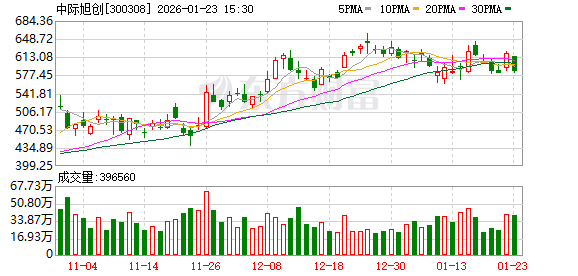
"从宏观角度看,市场资金在追求短期收益与长期战略配置之间寻求平衡,对行业发展前景与政策环境的综合 考量导致了资金流向的调整。"受访人士向21世纪经济报道记者指出。 公募主动权益基金第一大重仓股有了"新面孔"。 机构最新统计数据显示,截至2025年4季度末,中际旭创代替宁德时代成为主动权益基金(包括主动股票基 金、偏股混合基金、灵活配置基金)第一大重仓股。 截至1月23日收盘,中际旭创股价报585元,总市值6500亿元。 同时,主动权益基金第二大至第十大重仓股排序均较上一季度发生变化,如新易盛取代腾讯控股成为基金第二 大重仓股,紫金矿业从第八大重仓股晋级为第五大重仓股,寒武纪-U升为第七大重仓股;而宁德时代、腾讯控 股分别退为第三、第四大重仓股,中芯国际退出了前十大重仓股队列。 另外,主动权益基金在行业配置层面也有调整。据机构统计,2025年4季度,主动权益基金增配较多的行业包 括有色金属、通信、非银、化工、机械;主要减配了电子、医药生物、传媒、计算机、电力设备等行业。 重仓股排序更迭 截至2026年1月22日,公募基金2025年第4季度报告基本披露完毕,主动权益基金前十大重仓股名单随之更新。 从持股绝对市值来 ...
6500亿光模块龙头,登顶公募基金第一重仓股
21世纪经济报道· 2026-01-24 01:05
Core Viewpoint - The article highlights a significant shift in the top holdings of actively managed equity funds, with Zhongji Xuchuang replacing CATL as the largest position, indicating changing market dynamics and investment strategies [1][5]. Group 1: Changes in Top Holdings - As of the end of Q4 2025, the top ten holdings of actively managed equity funds are: Zhongji Xuchuang, Xinyi Semiconductor, CATL, Tencent Holdings, Zijin Mining, Alibaba-W, Cambricon Technologies, Luxshare Precision, Kweichow Moutai, and Dongshan Precision, with total market values of 768 billion, 638 billion, 630 billion, 574 billion, 368 billion, 310 billion, 291 billion, 280 billion, 258 billion, and 244 billion respectively [5][6]. - The ranking of the top ten holdings has changed significantly compared to Q3 2025, with Zhongji Xuchuang moving from fourth to first, and Xinyi Semiconductor from third to second, while CATL and Tencent have dropped to third and fourth respectively [6][9]. Group 2: Sector Allocation Adjustments - In Q4 2025, actively managed equity funds increased their allocations in sectors such as non-ferrous metals, communications, non-bank financials, chemicals, and machinery, while reducing exposure to electronics, pharmaceuticals, media, computers, and power equipment [3][10]. - The increase in allocation to non-ferrous metals and chemicals is attributed to supply constraints and recovering demand from new energy and AI sectors, while the communication sector benefits from advancements in AI infrastructure [10][11]. Group 3: Fund Manager Activity - Fund managers have been actively adjusting their portfolios, with a notable increase in the total number of stocks held, reaching 2,467, indicating greater diversity in holdings [7][9]. - The overall stock position of actively managed equity funds decreased to 84.4%, down 1.4 percentage points from the previous quarter, reflecting a cautious approach amid changing market conditions [9][10]. Group 4: Market Dynamics and Investment Strategies - The shifts in fund allocations reflect a balance between short-term gains and long-term strategic positioning, influenced by industry outlooks and policy environments [3][11]. - The focus on technology sectors, particularly communications, is driven by the rapid development of the digital economy and AI, highlighting the strategic importance of communication infrastructure and chip manufacturing [6][10].

知名基金经理调仓路线图揭晓 科技成布局焦点
Zheng Quan Ri Bao· 2026-01-23 16:10
Group 1 - The core focus of several prominent fund managers, including Xie Zhiyu and Fu Pengbo, has shifted towards the technology sector, with increased allocations in semiconductor and AI-related companies [1][2] - Xie Zhiyu's fund, Xingquan Helun Mixed Fund, significantly increased its holdings in technology stocks, particularly in the semiconductor industry, with companies like Zhongji Xuchuang and Ningde Times among the top ten holdings [1] - Fu Pengbo's Ruiyuan Growth Value Mixed Fund raised its stock position and concentrated its top ten holdings, increasing the proportion of assets from 66.04% at the end of Q3 2025 to 70.38% at the end of Q4 2025 [2] Group 2 - The Ruiyuan Growth Value Mixed Fund has prepared for 2026 by reducing positions in companies with weak fundamentals and increasing investments in data center cooling and computing power-related firms [2] - The top ten holdings of the E Fund Blue Chip Selected Mixed Fund remained consistent with Q3 2025, with notable adjustments in share quantities, including increased holdings in Alibaba and reduced positions in JD Health and Focus Media [2] - Morgan Stanley's Digital Economy Mixed Fund, managed by Lei Zhiyong, focused on the digital economy sector, particularly the AI computing power industry, with new additions to its top ten holdings including Xunwei Communication and Dongshan Precision [3] Group 3 - Lei Zhiyong expressed optimism about the ongoing A-share bull market, citing sustained investor confidence and a favorable market environment [3] - The fund manager highlighted continued interest in AI, military industry, nuclear power, wind power, and energy storage sectors, as well as traditional industry leaders leveraging AI for transformation [3]


量化基本面系列之三:业绩预告与行业表现呈现分化
GF SECURITIES· 2026-01-23 15:38
- The overall disclosure rate of 2025 annual performance forecasts is approximately 13.1%, with a cumulative positive performance rate of about 40.3%[4][20] - Among the disclosed performance forecasts, 180 companies have forecasted performance growth, accounting for 25.1%[4][20] - The advanced manufacturing sector shows a high growth trend, with the machinery and equipment industry having a net profit growth rate of 890.3%[4][39] - The pharmaceutical and medical sector's performance matches the market performance moderately, with the pharmaceutical and biological industry having a net profit growth rate of 10.35%[4][40] - The cyclical sector shows significant internal performance differentiation, with the basic chemical and non-ferrous metal industries having strong performance, with profit growth rates of 135.5% and 57.02%, respectively[4][40] - The consumer sector shows large performance elasticity, with the social services and automotive industries having net profit growth rates of 1900.3% and 587.7%, respectively[4][42] - The technology (TMT) sector shows a divergence, with the media industry having a net profit decline of 65.62%, but the index has increased by 17.69% since the beginning of the year[4][42] - The financial and real estate sectors show mixed performance, with the real estate industry having a net profit decline of 100.5%, but the index has increased by 6.66%[4][42]