
证券业

Search documents
中国大规模减持美债,一个月抛了超1800亿元!央行已连续10个月买入黄金
Mei Ri Jing Ji Xin Wen· 2025-09-20 14:46
Group 1 - The core point of the news is that China has significantly reduced its holdings of U.S. Treasury bonds, with a notable decrease of $25.7 billion in July 2025, bringing its total holdings to $730.7 billion, the lowest level since 2009 [1][2] - This reduction marks the fourth time China has decreased its U.S. Treasury holdings in 2025, continuing a trend that began in April 2022 when holdings fell below $1 trillion [2] - The overall trend shows that China has reduced its U.S. Treasury holdings by $173.2 billion in 2022, $50.8 billion in 2023, and $57.3 billion in 2024, indicating a consistent pattern of divestment [2] Group 2 - In contrast to China's actions, Japan and the UK have increased their holdings of U.S. Treasury bonds, highlighting China's unique position in the current market [3] - Analysts attribute China's reduction in U.S. Treasury holdings to concerns over U.S. fiscal policies, including tariffs and the rising national debt, which has reached $37 trillion [3][4] - The Federal Reserve's monetary policy and the potential for a weakened dollar are also cited as factors influencing China's decision to reduce its U.S. Treasury exposure [4] Group 3 - Concurrently, the People's Bank of China has been increasing its gold reserves for ten consecutive months, with a total of 74.02 million ounces as of the end of August 2025, reflecting a strategic shift towards gold as a non-sovereign credit reserve asset [7] - The increase in gold reserves is seen as a way to hedge against the risks associated with a single currency, particularly the dollar, and to enhance the credibility of the Chinese yuan in international markets [7][8] - China's gold reserves currently account for 7.3% of its official international reserve assets, which is significantly lower than the global average of around 15%, indicating room for further increases [7][8]

重磅新闻发布会要来了!下周行情继续冲?
Mei Ri Jing Ji Xin Wen· 2025-09-20 14:40
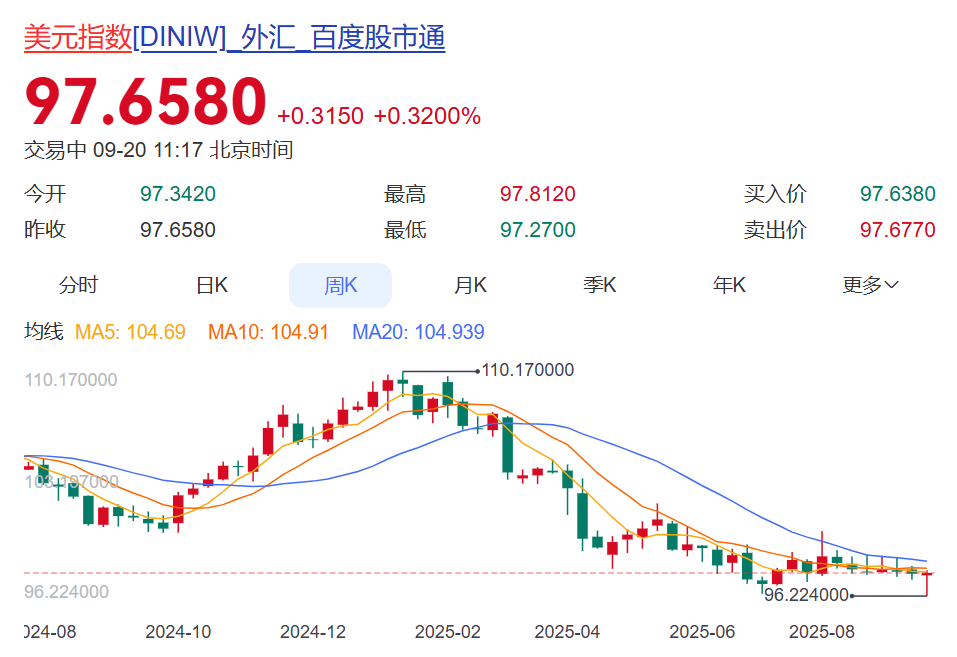
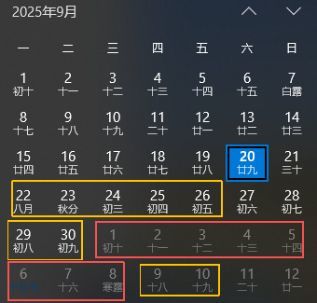
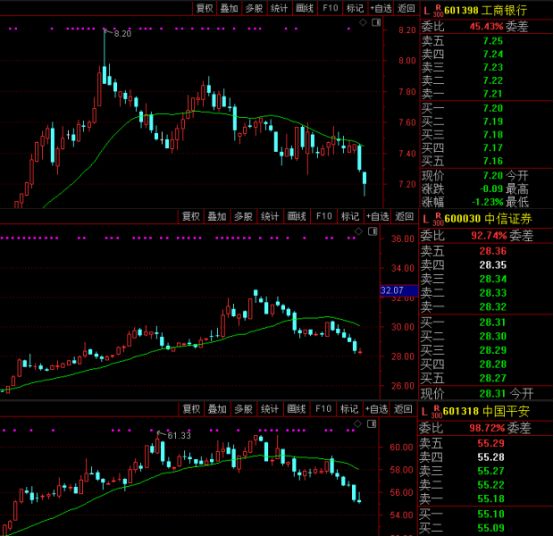
Group 1 - The direct impact of the Federal Reserve's interest rate cuts on A-shares is limited, and the current bull market is driven by the enhancement of the stock market's status and the upgrade of the technology industry [1] - The traditional "pre-holiday effect" in A-shares indicates that market performance is usually subdued before long holidays as funds adjust their trading strategies based on news during the break [2] - Key events in September that have influenced market expectations include military industry speculation driven by the "September 3rd Military Parade," significant investments from Oracle, valuation recovery of CATL, Huawei's report on "Smart World 2035," and the Federal Reserve's interest rate cuts [2] Group 2 - The financial sector's leading companies include Industrial and Commercial Bank of China, China Ping An, and CITIC Securities [4] - The technology sector's leading companies include Cambricon Technologies, Zhongji Xuchuang, and Sanhua Intelligent Controls [5] - The market is currently experiencing a "pre-holiday effect," suggesting that large funds are likely to refrain from taking significant actions before the holiday [7][13] Group 3 - The upcoming significant press conference on September 22 is expected to draw attention, but the focus will be on summarizing past achievements rather than introducing new policies [10][11] - The previous year's meeting on September 24 led to the introduction of structural monetary policy tools, while this year's meeting is more about reviewing financial industry achievements [10][11] - The ideal window for potential investments aligns with the timeline of the "14th Five-Year Plan," suggesting that any market fluctuations are seen as preparatory for new highs [15]
学会估值,轻松投资:普通投资者也能学会的实用估值方法 | 螺丝钉带你读书
银行螺丝钉· 2025-09-20 13:47
Group 1 - The article emphasizes the importance of valuation methods in investment, highlighting that all value investment schools focus on asset valuation [4][12][32] - Valuation is defined as the method of measuring the relationship between asset price and value, which is a concept applied in daily life [5][6][10] - The article provides examples of valuation methods for both bond and stock assets, illustrating how investors make rational decisions based on interest rates and company earnings [13][21][32] Group 2 - For bond assets, a simple valuation method is presented, where investors choose the option with the higher interest rate, demonstrating straightforward decision-making [15][17][19] - In the case of stock assets, the article discusses a hypothetical scenario where a company with stable annual profits is valued between 8 to 15 times its earnings, aligning with average price-to-earnings ratios in the market [26][27][30] - The article notes that investor sentiment can significantly influence valuation, with lower valuations during bear markets and higher valuations during bull markets [41][42][54] Group 3 - The article highlights that while valuation primarily affects short-term returns, long-term profitability is driven by economic cycles and overall productivity growth [46][51][52] - It mentions that not every market phase presents undervaluation opportunities, particularly in bull markets, necessitating asset allocation strategies [55][57] - The article concludes by referencing classic stock-bond allocation strategies used by renowned investors like Graham and Buffett [58]

信用债周度观察(20250915-20250919):信用债发行量环比增长,各行业信用利差涨跌互现-20250920
EBSCN· 2025-09-20 12:22
Report Industry Investment Rating No relevant content provided. Core Viewpoints of the Report - From September 15th to September 19th, 2025, the issuance volume of credit bonds increased month - on - month, and the credit spreads of various industries showed mixed trends[1]. - The total trading volume of credit bonds increased, and the trading volumes of commercial bank bonds, corporate bonds, and medium - term notes ranked top three[4]. Summary by Directory 1. Primary Market 1.1 Issuance Statistics - During September 15 - 19, 2025, 455 credit bonds were issued, with a total issuance scale of 579.911 billion yuan, a month - on - month increase of 55.61%. Among them, 182 industrial bonds were issued, amounting to 202.499 billion yuan (up 63.71% month - on - month, accounting for 34.92% of the total); 217 urban investment bonds were issued, totaling 141.282 billion yuan (up 52.61% month - on - month, accounting for 24.36%); and 56 financial bonds were issued, reaching 236.13 billion yuan (up 50.98% month - on - month, accounting for 40.72%)[1][11]. - The average issuance term of credit bonds was 2.94 years. The average issuance terms of industrial bonds, urban investment bonds, and financial bonds were 2.42 years, 3.52 years, and 2.31 years respectively[1][13]. - The average issuance coupon rate of credit bonds was 2.28%. The average issuance coupon rates of industrial bonds, urban investment bonds, and financial bonds were 2.13%, 2.48%, and 1.97% respectively[2][18]. 1.2 Cancellation of Issuance Statistics - Four credit bonds were cancelled for issuance during the week, including "25 Xianggaosu CP003", "25 Datong D1", "25 Suzhou Energy MTN002", and "25 Tongzhouwan PPN003"[3][23]. 2. Secondary Market 2.1 Credit Spread Tracking - By industry, among Shenwan primary industries, for AAA - rated industries, the largest increase in credit spread was in the electronics industry (up 6.7BP), and the largest decrease was in the textile and apparel industry (down 6.8BP); for AA + - rated industries, the largest increase was in the electronics industry (up 1.2BP), and the largest decrease was in the mining industry (down 7BP); for AA - rated industries, the largest increase was in the real estate industry (up 14.3BP), and the largest decrease was in the agriculture, forestry, animal husbandry, and fishery industry (down 4.3BP)[3][25]. - By region for urban investment bonds, for AAA - rated bonds, the largest increase in credit spread was in Shanghai (up 3.3BP), and the largest decrease was in Shaanxi (down 10.2BP); for AA + - rated bonds, the largest increase was in Yunnan (up 4.7BP), and the largest decrease was in Hubei (down 5.9BP); for AA - rated bonds, the largest increase was in Fujian (up 6.5BP), and the largest decrease was in Jiangxi (down 5.8BP)[3][27]. - The credit spreads of coal and steel both showed mixed trends. The credit spreads of AAA and AA + - rated coal decreased by 1.2BP and 5.3BP respectively, and the credit spreads of AAA and AA + - rated steel decreased by 3.3BP and increased by 0.5BP respectively[25]. - The credit spreads of urban investment and non - urban investment bonds at all levels decreased. The credit spreads of three - level urban investment bonds decreased by 0.5BP, 3.1BP, and 1.8BP respectively, and the credit spreads of three - level non - urban investment bonds decreased by 1.5BP, 2.3BP, and 0.4BP respectively[25]. - The credit spreads of state - owned enterprises and private enterprises both showed mixed trends. The credit spreads of three - level central state - owned enterprises decreased by 1BP, 5.6BP, and increased by 0.2BP respectively; the credit spreads of three - level local state - owned enterprises decreased by 1.4BP, 1.8BP, and 2.1BP respectively; the credit spreads of three - level private enterprises decreased by 2BP, 2.3BP, and increased by 1BP respectively[26]. 2.2 Trading Volume Statistics - The total trading volume of credit bonds was 1.462306 trillion yuan, a month - on - month increase of 21.90%. The top three in terms of trading volume were commercial bank bonds, corporate bonds, and medium - term notes. The trading volume of commercial bank bonds was 479.739 billion yuan (up 26.26% month - on - month, accounting for 32.81% of the total trading volume); the trading volume of corporate bonds was 432.035 billion yuan (up 29.94% month - on - month, accounting for 29.54%); the trading volume of medium - term notes was 311.265 billion yuan (up 14.08% month - on - month, accounting for 21.29%)[4][28]. 2.3 Actively Traded Bonds This Week - According to DM client data, the top 20 urban investment bonds, industrial bonds, and financial bonds in terms of trading volume during the week are provided for investors' reference, including details such as bond codes, names, trading volumes, yields, and issuers[30][31][33].






重磅新闻发布会要来了!下周行情继续冲?别急,先看完本文
Mei Ri Jing Ji Xin Wen· 2025-09-20 10:59
Group 1 - The core conclusion is that the Federal Reserve's interest rate cuts have minimal direct impact on the A-share market, with the current bull market driven by the stock market's elevated status and technological upgrades [1] - The "pre-holiday effect" in the A-share market indicates that there is typically subdued performance before long holidays, as funds adjust their trading strategies based on news during the break [2] - Key events in September that have influenced market expectations include military industry speculation driven by the "September 3 Parade," significant investments from Oracle, valuation recovery of CATL, Huawei's report on "Smart World 2035," and the Federal Reserve's interest rate cuts [2] Group 2 - The market is currently experiencing a shift from broad-based gains to a more concentrated performance, leading to a decrease in overall profitability [4] - The upcoming significant press conference on September 22 is drawing attention, as it may provide insights similar to last year's meeting that initiated a bull market [5][8] - The themes of the upcoming conference focus on summarizing achievements rather than introducing new policies, suggesting that expectations for new policies may be low [8] Group 3 - The current market environment is seen as suitable for positioning ahead of the "14th Five-Year Plan," with the end of September to mid-October identified as an ideal window for such positioning [8] - The expectation remains that the Shanghai Composite Index will surpass 4000 points, indicating a bullish outlook despite potential market fluctuations [8]
拒步美联储后尘!中国央行巧控掉期点,外资加仓,A股行情稳了
Sou Hu Cai Jing· 2025-09-20 08:50
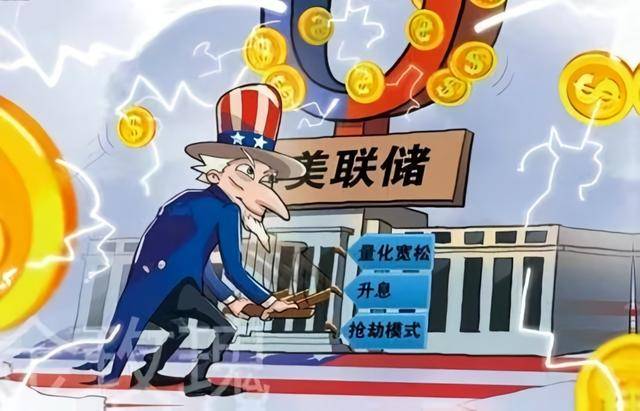
Group 1 - The People's Bank of China (PBOC) has opted for a strategic adjustment of foreign exchange swap points instead of following the Federal Reserve's interest rate cut, effectively stabilizing the yuan and enhancing the attractiveness of Chinese assets to foreign investors [1][3][25] - The adjustment of foreign exchange swap points from 2.18% to 1.91% has reduced the cost for foreign capital entering China, promoting sustained foreign investment in the A-share market [5][7][20] - The current economic recovery in China allows for maintaining stable interest rates, which provides reassurance to the market and avoids potential negative impacts on savings habits [9][11] Group 2 - The reduction in foreign exchange swap points has made Chinese bonds more appealing, with one-year Chinese government bond yields at 3.58%, slightly lower than the U.S. yield of 3.61% [11][20] - The stock market benefits from the Fed's rate cut, as lower interest rates increase the present value of future earnings, theoretically boosting the valuation of the CSI 300 index by approximately 8.5% [13][15] - The current market sentiment is not overly exuberant, with trading volumes and turnover rates remaining within reasonable ranges, suggesting a controlled and gradual upward trend in the stock market [18][25][27]
税收回升、外资涌入、轻工焕新:多组数据勾勒中国经济稳健图景
Yang Shi Wang· 2025-09-20 06:50
Tax Revenue Growth - In the first eight months of the year, tax revenue collected by the tax authorities showed a positive growth of 2% year-on-year, with significant recovery in growth rates observed in July and August [3] - Manufacturing tax revenue increased by over 5% year-on-year, accounting for more than 30% of total tax revenue, highlighting its stabilizing role in the economy [3] - Major tax categories, including value-added tax, consumption tax, corporate income tax, and personal income tax, all maintained positive growth during this period [3] Foreign Exchange Market Activity - In August, the foreign exchange market in China remained active, with a total cross-border payment and receipt of $1.3 trillion, reflecting an 8% year-on-year increase [7] - There was a net inflow of $3.2 billion in cross-border funds, and banks recorded a surplus of $14.6 billion in foreign exchange sales and purchases [9] - The sustained net buying of domestic stocks and bonds by foreign investors indicates growing international confidence in China's capital market [9] Light Industry Growth Strategy - The newly released "Light Industry Stabilization and Growth Work Plan" aims to promote 300 upgraded and innovative products, focusing on traditional and emerging sectors [11] - The plan emphasizes the importance of expanding domestic demand and identifying new consumption growth points, with a target to stabilize the operational efficiency of key industries by 2025-2026 [11][13] - The strategy includes enhancing product quality and safety standards, with plans to revise 10 mandatory national standards and 300 industry standards annually [11][13]
LPR调整在即,央行重磅信号!
Sou Hu Cai Jing· 2025-09-20 03:33
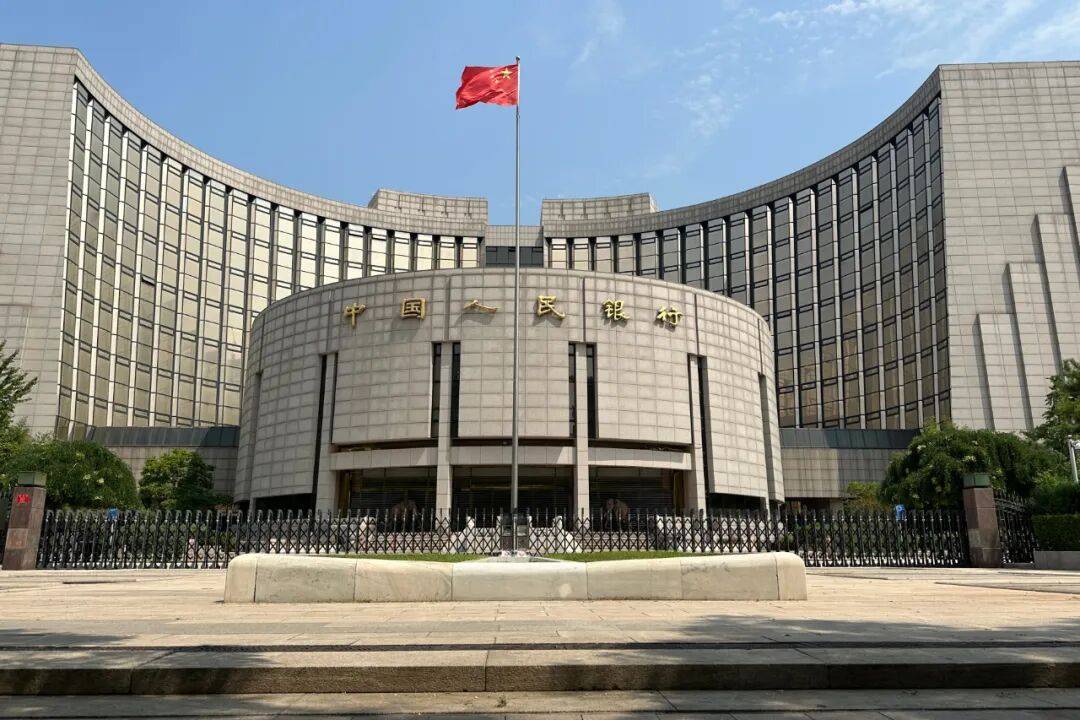
Group 1 - The People's Bank of China (PBOC) will announce the new Loan Prime Rate (LPR) on September 22, with the current 1-year LPR at 3.0% and the 5-year LPR at 3.5%, unchanged for three months [1] - A press conference on the achievements of the financial sector during the 14th Five-Year Plan will be held on the same day, featuring key financial leaders [3] - The PBOC plans to issue 600 billion yuan of central bank bills with a 6-month maturity to enhance the RMB yield curve in Hong Kong [4] Group 2 - Following the Federal Reserve's recent rate cut, there is speculation that global central banks, including the PBOC, may follow suit, potentially leading to a second wave of market rally in A-shares [5] - The PBOC has adjusted its 14-day reverse repo operations to a fixed quantity and multi-price bidding, which is seen as a move to enhance liquidity management [6] - The PBOC's liquidity management tools are being optimized to ensure stability in the financial system, especially ahead of major holidays [6] Group 3 - The external environment, including the Fed's rate cut and trade policies, may exert downward pressure on the US dollar, providing upward momentum for the RMB [7] - The PBOC is expected to flexibly manage liquidity through various instruments to stabilize the economy and support the RMB exchange rate [7] - A report from Galaxy Securities indicates that the priority for monetary policy in the fourth quarter will focus on economic growth and employment, with potential interest rate cuts anticipated [8]
许昌开普检测研究院股份有限公司关于公司购买的理财产品到期赎回及继续使用自有资金进行现金管理的进展公告
Shang Hai Zheng Quan Bao· 2025-09-19 19:01
Core Viewpoint - The company has approved the use of temporarily idle self-owned funds for cash management, allowing for investments in low-risk financial products to enhance returns while ensuring operational liquidity and safety [2][3][8]. Group 1: Cash Management Approval - The company held board and shareholder meetings to approve the use of up to 630 million yuan for cash management, focusing on high-security, liquid products with a maximum investment term of 12 months [2][3]. - The company has previously approved a similar cash management plan with a slightly higher limit of 650 million yuan [3]. Group 2: Investment Progress - Recently, the company redeemed certain financial products, with the principal and returns fully received [5]. - The company has signed agreements with several financial institutions to manage 100 million yuan in self-owned funds for cash management [6]. Group 3: Financial Performance - The company has successfully recovered the principal and returns from all matured financial products within the past twelve months, with a total of 590 million yuan in idle funds managed without exceeding the authorized limit [9]. Group 4: Impact on Operations - The cash management activities will not affect the company's normal operational cash flow or its main business development, while also providing additional investment returns for the company and its shareholders [8].

9月19日重要资讯一览
Zheng Quan Shi Bao Wang· 2025-09-19 14:09
Group 1 - The State Council Information Office will hold a press conference on September 22, 2025, to discuss the achievements of the financial industry during the "14th Five-Year Plan" period [1] - The People's Bank of China has adjusted the 14-day reverse repurchase operations to fixed quantity, interest rate bidding, and multiple price bidding to maintain liquidity in the banking system [1] - The Ministry of Industry and Information Technology is preparing the "15th Five-Year Plan" for the new battery industry, focusing on supply-side structural reforms and preventing low-level repeated construction [1] Group 2 - In August 2025, China's foreign exchange market remained stable, with a net inflow of cross-border funds amounting to $3.2 billion and a bank settlement surplus of $14.6 billion [2] - The total cross-border receipts and payments by non-bank sectors reached $1.3 trillion, a year-on-year increase of 8% [2] - The foreign capital net purchases of domestic stocks and bonds indicate a positive trend in foreign investment [2] Group 3 - From January to August 2025, China attracted foreign investment totaling 506.58 billion yuan, with a year-on-year decrease of 12.7% [3] - The manufacturing sector received 129.03 billion yuan in foreign investment, while the service sector attracted 366.19 billion yuan [3] - High-tech industries saw a significant increase in foreign investment, with e-commerce services growing by 169.2% [3] Group 4 - The head of the Financial Regulatory Bureau conducted research in Jiangxi and Anhui provinces, focusing on financial support for technological and industrial innovation [4] - Discussions included enhancing central-local regulatory collaboration and understanding the operational status of enterprises and research projects [4] Group 5 - The Shanghai Stock Exchange has optimized the bond repurchase business, allowing repurchase under specific market conditions to stabilize market fluctuations [5][6][7] - The criteria for repurchase include significant price drops compared to historical prices and other reasonable justifications [6] Group 6 - The Shanghai Stock Exchange is monitoring stocks with severe abnormal fluctuations, including Tianpu Co. and Shoukai Co., and has taken self-regulatory measures against 274 instances of abnormal trading [8] - Special investigations are being conducted on 36 major events related to listed companies [8] Group 7 - The State Administration for Market Regulation has initiated an investigation into Chengdu Kuai Gou Technology Co. for suspected violations of e-commerce laws [9] Group 8 - Notable company news includes TaoTao Automotive's plan to apply for an IPO in Hong Kong, and Softcom Power's major shareholder's plan to reduce holdings by up to 2% [10] - Other significant developments include the suspension of stocks for companies like Juewei Foods and the upcoming IPO of Moer Thread on September 26 [10]