农产品

Search documents
光大期货:1月8日农产品日报
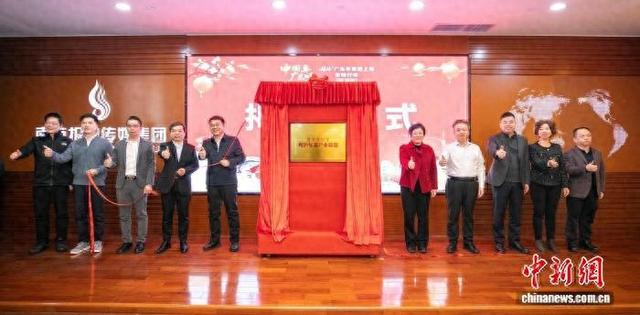
Xin Lang Cai Jing· 2026-01-08 01:35
热点栏目 自选股 数据中心 行情中心 资金流向 模拟交易 客户端 (孔海兰,从业资格号:F3032578;交易咨询资格号:Z0013544) 蛋白粕: (侯雪玲,从业资格号:F3048706;交易咨询资格号:Z0013637) 周三,CBOT大豆创一周新高,受助于需求 消息支撑。美国农业部周二证实,出口商向中国出口销售 33.6万吨大豆。巴西谷物出口商组织预计巴西2026年向中国销售7700万吨,比2025年减少约1000万吨。 预计总出口1.12亿吨,高于25年的1.09亿吨。国内方面,两粕震荡走高,豆粕和菜粕涨幅均超过1%,持 仓量增加。商品市场回暖,大豆进口成本走高,均提振蛋白粕价格。豆粕现货成交增加,其中2-4月基 差合同为主。油厂和贸易商挺价,下游适当减量远期合同。本周油厂开机率恢复,豆粕库存预计将再次 攀升。豆粕上下空间均有限,区间震荡思路不变。等待下周USDA供需报告指引。策略上,双卖策略。 油脂: (侯雪玲,从业资格号:F3048706;交易咨询资格号:Z0013637) 周三,BMD棕榈油上涨,跟随周边市场走强。此外,马币贬值同样支撑价格。印尼棕榈油现货价格上 涨,马棕油近月现货下跌远月现货 ...



综合晨报:沪指录得14连阳,美国ADP就业温和增长-20260108
Dong Zheng Qi Huo· 2026-01-08 00:42
1. Report Industry Investment Ratings - **Macro Strategy (Foreign Exchange Futures - US Dollar Index)**: Maintain a volatile outlook [15] - **Macro Strategy (Gold)**: Short - term, beware of continued correction risks, consider going long on the gold - silver ratio [20] - **Macro Strategy (US Stock Index Futures)**: Expected to run strongly with a volatile trend, maintain a bullish view [25] - **Macro Strategy (Stock Index Futures)**: Continue to hold long - term strategies [27] - **Macro Strategy (Treasury Bond Futures)**: Market is weak, not recommended to bet on oversold rebounds; if there is a rebound, consider short - selling opportunities [30] - **Black Metal (Rebar/Hot - Rolled Coil)**: Short - term sentiment dominates, steel prices may rebound further, but still need to beware of risks [34] - **Black Metal (Coking Coal/Coke)**: Short - term trends are less related to fundamental changes, focus on capital sentiment and policy news [37] - **Black Metal (Steam Coal)**: Prices expected to remain stable in January [40] - **Black Metal (Iron Ore)**: Prices expected to remain strong in the next two weeks [41] - **Agricultural Products (Cotton)**: Be cautious of the risk of price drops due to capital withdrawal [46] - **Agricultural Products (Soybean Meal)**: Futures prices have rebounded from lows, pay attention to state - reserve sales and customs policies; the May contract lacks a basis for continuous sharp increases under a bumper South American harvest [47] - **Agricultural Products (Hogs)**: Unilateral: Go short on near - term contracts on significant rebounds; Arbitrage: Maintain a reverse arbitrage strategy [51] - **Agricultural Products (Soybean Oil/Rapeseed Oil/Palm Oil)**: If the MPOB report is not overly bearish and high - frequency data shows continued production cuts and increased exports, consider long positions on the May contract; for rapeseed oil, be cautious due to policy uncertainties [54] - **Non - ferrous Metals (Industrial Silicon)**: Consider avoiding short positions for the time being. When the price rises above 9000 RMB/ton, consider short positions based on industry hedging conditions [58] - **Non - ferrous Metals (Lead)**: Both unilateral and arbitrage strategies suggest a wait - and - see approach [62] - **Non - ferrous Metals (Zinc)**: Unilateral: Be cautious about chasing up prices, and take profits on previous long positions in batches; Arbitrage: Wait and see for both monthly spreads and internal - external spreads [65] - **Non - ferrous Metals (Polysilicon)**: The industry pattern may change significantly. Consider buying put options to participate in the market [69] - **Non - ferrous Metals (Copper)**: Unilateral: Wait patiently for opportunities to buy on dips; Arbitrage: Wait and see [73] - **Non - ferrous Metals (Lithium Carbonate)**: The market is sensitive to positive information, prices are expected to remain strong, but be cautious about chasing up [76] - **Non - ferrous Metals (Nickel)**: Closely observe short - term capital intentions, and set acceptable stop - losses when going long [77] - **Non - ferrous Metals (Tin)**: Pay attention to supply recovery and demand improvement, beware of price drops when the capital enthusiasm fades [81] - **Energy and Chemicals (Crude Oil)**: Market concerns about oversupply continue to suppress oil prices [83] - **Energy and Chemicals (Asphalt)**: Prices expected to be volatile [85] - **Energy and Chemicals (Styrene)**: Temporarily treat the market as volatile in the short term [89] - **Energy and Chemicals (PTA)**: Short - term volatile adjustment, consider going long on dips [92] - **Energy and Chemicals (Soda Ash)**: In the capacity expansion cycle, maintain a bearish view in the medium term, recommend short - selling on the far - month contracts [94] - **Energy and Chemicals (Float Glass)**: The FG contract is expected to fluctuate between 900 - 1250 RMB/ton in 2026, recommend short - selling on rallies. Pay attention to potential supply - side changes [97] 2. Core Views - The US ADP employment showed moderate growth, indicating a mild downward trend in the labor market, and the US dollar index fluctuated [14] - Gold prices fluctuated and declined, the precious metals sector corrected, and funds shifted between commodity sectors [18] - The Shanghai Composite Index recorded 14 consecutive positive days. A - shares continued to rise with increasing trading volume. Despite market concerns about regulatory cooling, the market still has strong momentum due to abundant domestic liquidity and a bullish pattern [27] - International steam coal prices were stable with a slight upward trend. Although there were news of capacity reduction in Yulin, overall supply was expected to remain stable in 2026 due to new mine production and weak demand, and coal prices were expected to be stable in January [40] - The BMI predicted that the merger and acquisition boom in the mineral metals industry would continue in 2026. Macro factors supporting copper prices may weaken, and short - term fundamentals may suppress copper price increases, with copper prices likely to shift to a volatile pattern [73] - US EIA commercial crude oil inventories decreased, but gasoline and refined oil inventories increased significantly, and oil prices fluctuated weakly [82] 3. Summaries by Directory 3.1 Financial News and Comments 3.1.1 Macro Strategy (Foreign Exchange Futures - US Dollar Index) - Trump plans to ban Wall Street from investing in single - family homes, aiming to reduce housing prices, which may impact private equity owners and homebuilder stocks [12] - US ADP private - sector employment increased by 41,000 in December, mainly driven by the service industry, indicating a mild recovery in the labor market. The US dollar index is expected to remain volatile [13][14][15] 3.1.2 Macro Strategy (Gold) - US ADP employment in December was 41,000, slightly lower than expected. The ISM non - manufacturing PMI in December was 54.4, higher than expected [16][17] - China's official gold reserves increased by 300,000 ounces in December 2025. Gold prices fluctuated and declined, the precious metals sector corrected, and short - term precious metals still face downward risks [18][19] 3.1.3 Macro Strategy (US Stock Index Futures) - The US Energy Secretary will "indefinitely" control Venezuelan oil sales. The US 12 - month ISM services PMI reached a new high in more than a year, but the employment market demand continued to cool down. The US stock market is expected to be volatile and strong [21][22][24][25] 3.1.4 Macro Strategy (Stock Index Futures) - The Shanghai Composite Index recorded 14 consecutive positive days. A - shares were in a bullish sentiment with increasing trading volume. The market has strong momentum due to abundant liquidity [26][27] 3.1.5 Macro Strategy (Treasury Bond Futures) - The central bank will conduct a 1.1 - trillion - yuan repurchase operation. The bond market is affected by commodity price increases. The overall bond market logic is bearish, and short - selling on rebounds is recommended [28][29][30] 3.2 Commodity News and Comments 3.2.1 Black Metal (Rebar/Hot - Rolled Coil) - In December, the retail sales of passenger cars decreased by 13% year - on - year, and the wholesale sales decreased by 10% year - on - year. Steel prices rebounded due to the strong performance of metal prices. Short - term steel prices may continue to rise due to market sentiment, but the actual supply - demand situation is difficult to improve significantly [31][32][33][34] 3.2.2 Black Metal (Coking Coal/Coke) - The price of coking coal in the Linfen market remained stable. The recent sharp increase in coking coal futures was mainly driven by macro capital rotation and news sentiment, with limited connection to fundamentals. The short - term trend is mainly affected by capital and sentiment [35][36][37] 3.2.3 Black Metal (Steam Coal) - International steam coal prices were stable with a slight upward trend on January 7. Although there were capacity reduction news in Yulin, overall supply was expected to remain stable in 2026, and coal prices were expected to be stable in January [38][40] 3.2.4 Black Metal (Iron Ore) - The third - stage expansion of the Tonkolili iron ore project in Sierra Leone is advancing. Iron ore prices are expected to remain strong in the next two weeks due to the expected increase in iron - making water production and the low inventory of steel mills [41] 3.2.5 Agricultural Products (Cotton) - The US cotton planting area in 2026 may slightly decrease. The new cotton import quota policy has stimulated the domestic import cotton market, but the large inflow of imported cotton and yarn may impact the domestic market. Zhengzhou cotton futures may face a risk of price drops due to capital withdrawal [42][43][45][46] 3.2.6 Agricultural Products (Soybean Meal) - Brazil exported 3.383 million tons of soybeans in December. China is still purchasing US soybeans. The price of domestic soybean meal futures has rebounded from lows, but the May contract lacks a basis for continuous sharp increases under a bumper South American harvest [47] 3.2.7 Agricultural Products (Hogs) - The sales volume of hogs of some companies increased in December. The hog futures market has a short - term high - level shock, but the medium - term fundamentals are weak, and short - selling on rebounds is recommended [48][50][51] 3.2.8 Agricultural Products (Soybean Oil/Rapeseed Oil/Palm Oil) - Malaysia's palm oil production decreased by 4.64% in December. Indonesia may confiscate 5 - million - hectare palm plantations in 2026. The short - term trend of the oil market depends on MPOB data and high - frequency data [52][53][54] 3.2.9 Non - ferrous Metals (Industrial Silicon) - An organic silicon industry meeting may discuss measures to boost market confidence. The price of industrial silicon followed the increase of coking coal. In the long term, the oversupply pattern of industrial silicon is difficult to change [55][56][57][58] 3.2.10 Non - ferrous Metals (Lead) - The LME lead price had a high - level correction, and the domestic waste battery supply was tight. The lead price is expected to be volatile and strong in the short term [59][60][61][62] 3.2.11 Non - ferrous Metals (Zinc) - The LME zinc price fluctuated and corrected. The short - term zinc price may follow macro fluctuations, and the medium - term price is likely to be easy to rise and difficult to fall [63][64][65] 3.2.12 Non - ferrous Metals (Polysilicon) - There are rumors of production cuts by leading polysilicon companies, and the market is concerned about antitrust issues. The polysilicon industry pattern may change significantly, and buying put options is recommended [66][67][68][69] 3.2.13 Non - ferrous Metals (Copper) - The BMI predicted that the merger and acquisition boom in the mineral metals industry would continue in 2026. The short - term copper price is likely to shift to a volatile pattern, and waiting for opportunities to buy on dips is recommended [70][73] 3.2.14 Non - ferrous Metals (Lithium Carbonate) - A company plans to invest 3.688 billion yuan in a lithium ore project. The lithium carbonate market is sensitive to positive information, and prices are expected to remain strong, but be cautious about chasing up [74][75][76] 3.2.15 Non - ferrous Metals (Nickel) - LME nickel inventory increased significantly. The nickel price has been strong due to supply reduction expectations, but be cautious when going long and set stop - losses [76][77] 3.2.16 Non - ferrous Metals (Tin) - The supply of tin ore remains tight, and the demand is weak. Pay attention to supply recovery and demand improvement, and beware of price drops when the capital enthusiasm fades [78][79][80][81] 3.2.17 Energy and Chemicals (Crude Oil) - US EIA commercial crude oil inventories decreased, but gasoline and refined oil inventories increased significantly, and oil prices fluctuated weakly [82][83] 3.2.18 Energy and Chemicals (Asphalt) - The capacity utilization rate of domestic asphalt refineries decreased. The asphalt price is expected to be volatile [84][85] 3.2.19 Energy and Chemicals (Styrene) - The inventory of styrene in the East China main port decreased. The market is concerned about the impact of the new naphtha consumption tax policy on the cost of olefins and aromatics. The short - term market is expected to be volatile [86][87][88][89] 3.2.20 Energy and Chemicals (PTA) - The PTA spot basis was strong. The short - term PTA market is in a volatile adjustment stage, and going long on dips is recommended [90][91][92] 3.2.21 Energy and Chemicals (Soda Ash) - The price of soda ash in the Shahe area was stable. The soda ash futures price increased due to macro sentiment. In the capacity expansion cycle, the medium - term trend of soda ash is bearish [93][94] 3.2.22 Energy and Chemicals (Float Glass) - The price of float glass in the Hubei market was stable. The glass futures price increased due to market sentiment. The supply - side changes in 2026 may affect the glass market, and short - selling on rallies is recommended [95][96][97]
九部门明确七方面20项举措 培育绿色消费新增长点
Jing Ji Ri Bao· 2026-01-07 23:08
Core Viewpoint - The implementation of green consumption is a crucial strategy for promoting low-carbon development, enhancing consumer confidence, and accelerating the overall green transformation of the economy and society [1] Group 1: Green Consumption Initiatives - The Chinese government aims to replace 18.3 million vehicles through a trade-in program from 2024 to 2025, with nearly 60% being new energy vehicles [1] - The old-for-new appliance program targets 192 million units, with over 90% achieving first-level energy and water efficiency, leading to a sales boost of 3.92 trillion yuan and benefiting 494 million consumers [1] - The Ministry of Commerce, along with eight other departments, has issued a notification outlining 20 measures across seven areas to promote green consumption throughout the "14th Five-Year Plan" period [1] Group 2: Agricultural and Supply Chain Developments - The demand for high-quality green agricultural products is rapidly increasing, driving upgrades in the agricultural supply system [2] - The Ministry of Agriculture is establishing platforms for green product sales and organizing events to connect agricultural products with major consumption areas [2] - The Ministry of Commerce is focusing on green supply chain development, promoting high-quality logistics, and encouraging the use of recyclable packaging materials [2] Group 3: Waste Management and Recycling - The Ministry of Ecology and Environment is promoting the concept of "waste-free cities" to transform waste into valuable resources, enhancing the recycling system for discarded consumer goods [3] - By 2024, over 11,000 smart recycling facilities will be added in urban residential areas, and 50 billion yuan will be invested to process approximately 100 million old appliances, yielding over 3 million tons of recycled resources [3] - The Ministry of Ecology and Environment is collaborating with the Ministry of Finance to support the standardized dismantling of old appliances, promoting resource recycling and low-carbon industry development [3] Group 4: Regulatory and Institutional Support - The State Administration for Market Regulation is committed to enhancing the market environment for green consumption, including updating national standards and supporting international standardization efforts [3] - Measures will be taken to improve energy and water efficiency labeling systems and to combat food waste through initiatives like "green dining" service labels [3] - The administration will strengthen law enforcement to address violations related to green products and waste management [3] Group 5: Future Directions - The Ministry of Commerce plans to coordinate with relevant departments to refine and implement measures that promote green production and consumption, integrating low-carbon principles into all aspects of economic and social development [4]
特朗普称委内瑞拉石油收入只买美货
Xin Lang Cai Jing· 2026-01-07 23:01
Core Viewpoint - Venezuela has agreed to use its oil sales revenue exclusively for purchasing American-made goods, including agricultural products, pharmaceuticals, medical equipment, and infrastructure improvements for its energy facilities [1] Group 1 - Venezuela's commitment to allocate oil revenue for American goods indicates a potential shift in its economic strategy [1] - The types of goods specified for purchase include essential items such as food, medicine, and energy infrastructure, which could impact both the Venezuelan economy and U.S. exports [1] - There has been no official response from the Venezuelan government regarding this announcement, leaving the details of the agreement unclear [1]
步步紧逼 特朗普宣布委内瑞拉的卖油钱只能用来买美国货
Xin Lang Cai Jing· 2026-01-07 22:36
Core Viewpoint - The U.S. President Donald Trump announced that Venezuela will use the proceeds from the sale of up to 50 million barrels of oil to purchase only American-made products, strengthening economic ties between Venezuela and the U.S. [1][3] Group 1: Economic Relations - The purchases will include American agricultural products, manufactured drugs, medical devices, and equipment for improving Venezuela's electrical grid and energy facilities [1][3] - Trump has been pressuring Venezuela's interim president, Delcy Rodriguez, to enhance economic relations with the U.S. following the military capture of Nicolás Maduro [1][3] Group 2: Oil Sale Details - Venezuela's oil assets, valued at approximately $2.8 billion based on current market prices, will be released to the U.S. [1][3] - To protect the funds from Venezuelan creditors, the proceeds from the oil sale will be deposited into a U.S. Treasury account [1][3] Group 3: Global Oil Sales - The White House Press Secretary, Karine Jean-Pierre, announced that the U.S. has begun selling Venezuelan crude oil globally [2][4]
美国总统特朗普: 采购内容将包括美国农产品,以及美国制造的药品、医疗设备,还有用...
Xin Lang Cai Jing· 2026-01-07 22:13
Group 1 - The procurement will include American agricultural products, as well as American-manufactured pharmaceuticals, medical devices, and instruments [1]
促进城乡区域协调发展,推动乡村全面振兴
Xin Hua Ri Bao· 2026-01-07 19:07
Core Viewpoint - The article emphasizes the importance of promoting coordinated urban-rural development and enhancing regional integration, particularly in the Yangtze River Delta and the Yangtze Economic Belt, while focusing on the revitalization of rural areas and the construction of key functional zones in the province [1][5]. Group 1: Urban-Rural Coordination and Development - Yixing City is transforming the 23 Bay scenic area to enhance its appeal, leading to increased tourist traffic and local economic benefits, with local specialties generating significant income for residents [2][3]. - The planning initiative "Bamboo Waves Without Boundaries" aims to integrate cultural and tourism resources, enhancing the area's infrastructure and visitor experience [3][6]. - The transformation of 23 Bay serves as a model for Yixing's broader strategy of urban-rural coordination and rural revitalization, with a focus on regional planning and resource optimization [5][6]. Group 2: Economic Impact and Community Benefits - The collective operating income of the village is projected to reach 1.0585 million yuan, with total income at 6.9743 million yuan, reflecting a steady increase in residents' disposable income [4]. - The integration of tourism and agriculture is creating diverse income channels for villagers, including employment, market stalls, and hospitality services, contributing to overall economic growth [6][7]. - Yixing has recognized 54 villages as "Beautiful and Livable Villages," showcasing the success of collaborative development efforts and enhancing the rural revitalization narrative [6]. Group 3: Planning and Resource Management - The provincial government is committed to improving the planning framework and resource management to support urbanization and rural revitalization, focusing on optimizing land use and enhancing infrastructure [7][8]. - A comprehensive "four-level three-type" spatial planning system is being implemented to ensure effective resource allocation and development coordination across regions [8].
4个方面看绿色优质农产品消费积极进展,下一步动作→
Sou Hu Cai Jing· 2026-01-07 12:29
Core Viewpoint - The Chinese government is promoting green consumption, particularly in the agricultural sector, to enhance the supply of green and high-quality agricultural products, which has become a significant driver for upgrading the agricultural supply system [2][4]. Group 1: Policy Implementation - The Ministry of Agriculture and Rural Affairs, along with nine other departments, has issued a notice to implement actions for promoting green consumption, focusing on increasing the supply of green agricultural products [2]. - A collaborative approach has been adopted, with the issuance of the "Implementation Plan for Promoting Agricultural Product Consumption," which includes 23 specific measures across nine areas, supported by 36 accompanying policies and special funds to stimulate green agricultural product consumption [2][3]. Group 2: Market Engagement - Efforts are being made to ensure precise matching between production and sales, with initiatives like the China International Agricultural Products Trade Fair and various promotional activities in major urban areas to enhance the sales of local agricultural products [3]. - The "Internet+" initiative is being leveraged to facilitate direct sales of green agricultural products from production areas to urban markets, enhancing market access for these products [3]. Group 3: Brand Development - The focus is on strengthening brand influence in consumption by promoting green production and environmental protection, with an aim to increase the supply of green and high-quality agricultural products [3]. - By the end of 2025, the total number of certifications for agricultural products under the "three products and one standard" category is expected to exceed 88,000, with standardized production areas for green food reaching 20.5 million acres [3]. Group 4: Integration of Agriculture and Tourism - The government is promoting the integration of agricultural, cultural, and tourism consumption, with events like the China Farmers' Harvest Festival driving sales of green agricultural products, which have exceeded 160 billion yuan [4]. - There is a push for rural tourism and shopping to be deeply integrated, with support for local cultural and sports activities to enhance consumer engagement [4].
广东推动年菜入沪 拓展长三角消费市场
Xin Lang Cai Jing· 2026-01-07 12:04
Core Viewpoint - The "Guangdong Year Cuisine Marketing Action" was launched in Guangzhou, aiming to promote Guangdong's traditional dishes in Shanghai and the Yangtze River Delta market through the establishment of the "Guangdong-Shanghai Year Cuisine Industry Alliance" [1][3]. Group 1: Industry Development - The Guangdong Year Cuisine Industry Alliance was officially established to enhance the marketing and distribution of Guangdong's traditional dishes [3]. - Guangdong plans to form a specialized marketing team to ensure efficient production and sales connections, aiming to create a high-quality development platform for agriculture between Guangdong and Shanghai [3][4]. - A "Guangdong Year Cuisine Selection Standard" and an "Annual Top 20 Products List" will be released in Shanghai in mid-January [3]. Group 2: Market Strategy - The Guangdong Year Cuisine Festival will commence in late January, featuring a themed area in Shanghai's core business districts and launching an online marketplace for Guangdong year cuisine [3]. - The collaboration between Guangdong and Shanghai leverages the strong complementary nature of their industries and the significant cultural integration potential [3]. Group 3: Resource Integration - The Guangdong Provincial Agricultural Office aims to integrate resources in production, circulation, technology, talent, media, and finance through the "Media+" initiative to expand the sales radius of Guangdong year cuisine [4]. - The "Media+" initiative was fully implemented last year to empower the high-quality development of rural areas, transforming mainstream media into strategic partners for rural revitalization [4].
农业农村部四大举措,推动农产品 “三品一标” 走进消费者
Sou Hu Cai Jing· 2026-01-07 10:54
Core Viewpoint - The Chinese government is actively promoting green consumption, particularly in the agricultural sector, to enhance the supply of green and high-quality agricultural products, which has become a significant driver for upgrading the agricultural supply system [2][4]. Group 1: Policy Implementation - The Ministry of Agriculture and Rural Affairs, along with nine other departments, has issued a notice to implement actions for promoting green consumption, focusing on increasing the supply of green agricultural products [4]. - A collaborative approach has been adopted, with a comprehensive implementation plan that includes 23 specific measures across nine areas, supported by 36 accompanying policies and dedicated funding to stimulate green agricultural product consumption [4]. Group 2: Market Engagement - Efforts are being made to ensure precise matching between production and sales, with initiatives such as the China International Agricultural Products Trade Fair and various promotional activities in major urban areas to enhance the visibility and sales of green products [5]. - The integration of "Internet+" strategies is facilitating direct sales of green agricultural products from production areas to urban markets, enhancing market access for these products [5]. Group 3: Brand Development - The government is promoting brand-led consumption by focusing on environmentally friendly production and increasing the supply of certified green products, with a target of over 88,000 certifications by the end of 2025 [6]. - A comprehensive agricultural brand cultivation plan is in place, with over 1,400 regional public brands and 2,300 green quality product brands being prioritized for development [6]. Group 4: Cultural and Tourism Integration - The integration of agricultural products with cultural and tourism activities has been emphasized, with events like the Chinese Farmers' Harvest Festival driving sales of green agricultural products exceeding 160 billion yuan [6]. - The promotion of rural tourism and local cultural activities is aimed at enhancing consumer engagement and boosting sales of green products [6].