
奢侈品

Search documents
上海甜点界 “新贵” 再次刷新!LV上海巨型地标“路易号”今天开业
东京烘焙职业人· 2025-06-26 07:19
Core Viewpoint - Louis Vuitton (LV) is expanding its brand presence into the baking industry through the opening of its flagship store in Shanghai, which features a café named Le Café Louis Vuitton, marking a significant shift in luxury branding strategies [2][4][33]. Group 1: LV's New Flagship Store - The flagship store in Shanghai is designed to resemble a giant sailing ship, inspired by 19th-century craftsmanship, and includes a retail space, a café, and a 1200 square meter immersive exhibition area [2]. - Le Café Louis Vuitton offers a menu filled with aesthetically pleasing desserts and light meals, creating a sophisticated yet comfortable atmosphere for customers [4]. Group 2: Strategic Move into Baking - LV's entry into the baking sector has been in the making since 2020, with previous openings in Osaka and Paris, showcasing a commitment to high-end desserts [6]. - The café experience is meticulously crafted, with attention to detail in packaging, seating, and menu design, redefining the luxury brand experience [8]. Group 3: Competitive Landscape - Other luxury brands like Gucci, Tiffany & Co., and Dior are also entering the dessert market, indicating a trend where luxury brands seek to engage consumers through everyday experiences [11][12]. - The competition among luxury brands in the dessert space highlights a shift from merely selling products to creating immersive lifestyle experiences [12][15]. Group 4: Emotional Value and Consumer Engagement - Desserts serve as an effective medium for luxury brands to connect with younger consumers, offering a more accessible entry point into the brand experience [18][19]. - The café experience encourages longer customer engagement, allowing for deeper brand interaction and storytelling [23][24]. Group 5: Redefining Baking and Brand Narratives - The rise of luxury brands in the baking industry signals a transformation where desserts become a cultural symbol and a means of brand expression [34][35]. - The focus is shifting from traditional baking to creating visually appealing and narratively rich dessert experiences that resonate with consumers [27][31].

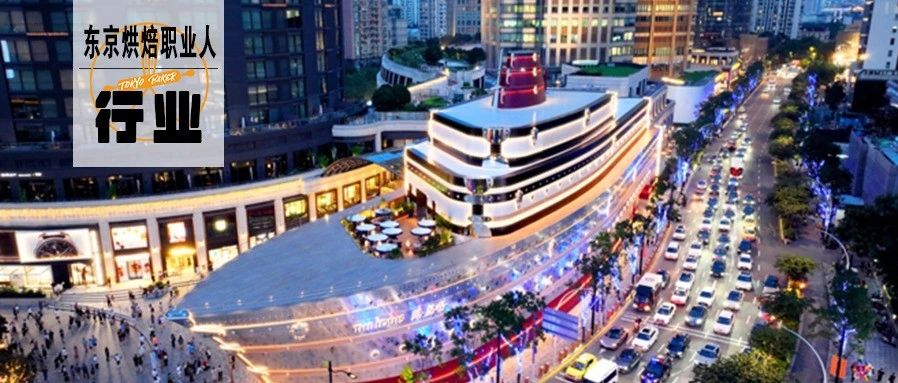
30多米高“全球唯一”路易威登“巨轮”昨日亮相南京西路商圈 全球知名品牌纷纷加码上海
Jie Fang Ri Bao· 2025-06-26 01:36
Core Viewpoint - The opening of the "Louis" flagship store in Shanghai represents a significant investment by LVMH in the luxury market, showcasing Shanghai's unique appeal to international brands amidst global economic challenges [2][3][6] Group 1: Company Developments - The "Louis" flagship store, designed in a unique "giant ship" shape, spans 1,600 square meters and combines exhibition, cultural creativity, and dining experiences, making it the largest brand house for Louis Vuitton globally [2] - The store will officially open for public visits starting June 28, highlighting the brand's commitment to engaging with consumers in Shanghai [2] - LVMH plans to continue investing in the Chinese market despite a projected decline in global personal luxury goods sales by 2% to 5% this year, indicating confidence in the growth potential of the Shanghai market [5] Group 2: Industry Trends - Shanghai has seen a surge in new flagship stores, with 364 new stores opening in the first five months of the year, including 10 global and Asian first stores, reflecting strong strategic investments from renowned brands [2][3] - The city is recognized as a hub for high-profile fashion events, with major brands like Nike and Ralph Lauren choosing Shanghai for their significant showcases, further solidifying its status in the global luxury market [2][3] - Shanghai's unique advantages, such as an open regulatory environment and a strong consumer base, have made it a preferred location for international brands to establish their presence [3][4]
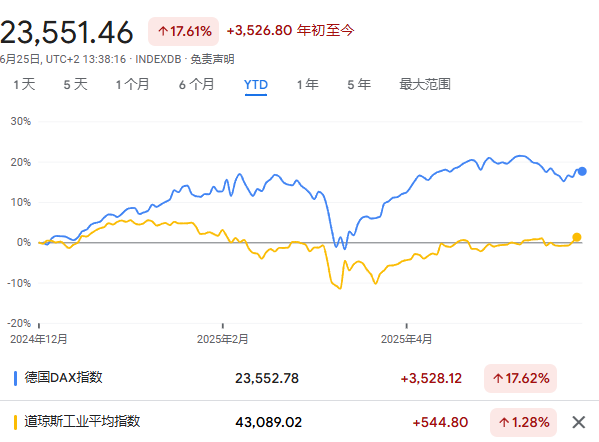
欧洲牛市终结?聪明钱已经开始跑路了,转头又买美股!
Hua Er Jie Jian Wen· 2025-06-25 12:29
Group 1 - Hedge funds are selling European stocks at the fastest pace in nearly a year, shifting focus back to the U.S. market [1] - European stocks have outperformed U.S. stocks in recent months, with the German DAX index up over 17% year-to-date, while the Dow Jones Industrial Average has only increased by 1.28% [1] - Investors are exhibiting cautious sentiment, leading to a new trend of "buying American" [1] Group 2 - Despite the overall sell-off in European stocks, hedge funds continue to net buy European financial services, banking, and telecom stocks, driven by expectations of industry consolidation [4] - The European banking index has risen by 37% this year, while defense stocks have seen significant selling as funds take profits [4] - Rheinmetall, a German armored vehicle manufacturer, has seen its stock price soar by 248% over the past 12 months, becoming a standout performer [4] Group 3 - Hedge funds are increasingly buying European companies with greater exposure to the U.S. economy, such as luxury goods groups [5] - Concerns about the European market are centered on a lack of recent catalysts and insufficient growth momentum, with the P/E ratio of European stocks reaching 14.2, close to the 70th percentile of historical ranges [6] - The strong euro, weak economic growth, and low oil prices are all putting pressure on earnings per share [6] Group 4 - Investors are turning back to U.S. stocks, partly due to hopes that recession fears will not materialize [7] - Large tech stocks are regaining favor among investors, who believe that U.S. equities may be more resilient than those in other regions during the summer, given geopolitical uncertainties and a weaker dollar [7]
NFT开发:解锁实体价值,赋能企业新未来
Sou Hu Cai Jing· 2025-06-25 07:20
Core Insights - The article emphasizes the transformative power of NFT technology beyond mere speculation, highlighting its integration into physical industry chains as a core engine for digital asset management, process optimization, and user interaction innovation [1][5][13] Group 1: Use Cases of NFTs in Enterprises - NFTs can enhance supply chain transparency and product traceability by creating "digital twins" that securely record data from raw materials to logistics, significantly improving brand trust [6] - Digital rights certificates and loyalty programs can be transformed into NFTs, allowing for flexible and scarce benefits, enabling precise marketing through user preference analysis [6] - Intellectual property management can be streamlined by anchoring copyright information to NFTs, simplifying licensing processes and ensuring transparent royalty distribution [6] - Innovative brand marketing and user interaction can be achieved through limited edition NFTs that serve as community identity symbols, providing immersive experiences that deepen emotional connections with users [6] Group 2: Key Development Considerations - Successful enterprise-level NFT development requires systematic construction, including precise demand definition, rigorous smart contract design, and prioritizing user experience [8][9] - Companies must ensure compliance with regulatory requirements regarding digital assets, clearly defining the rights represented by NFTs to avoid crossing financial securities lines [9][10] - Evaluating different blockchain ecosystems for cost, speed, and compatibility with existing IT infrastructure is crucial for effective NFT implementation [10] - Long-term operational planning is essential for sustainable NFT projects, including community maintenance and rights updates [11]

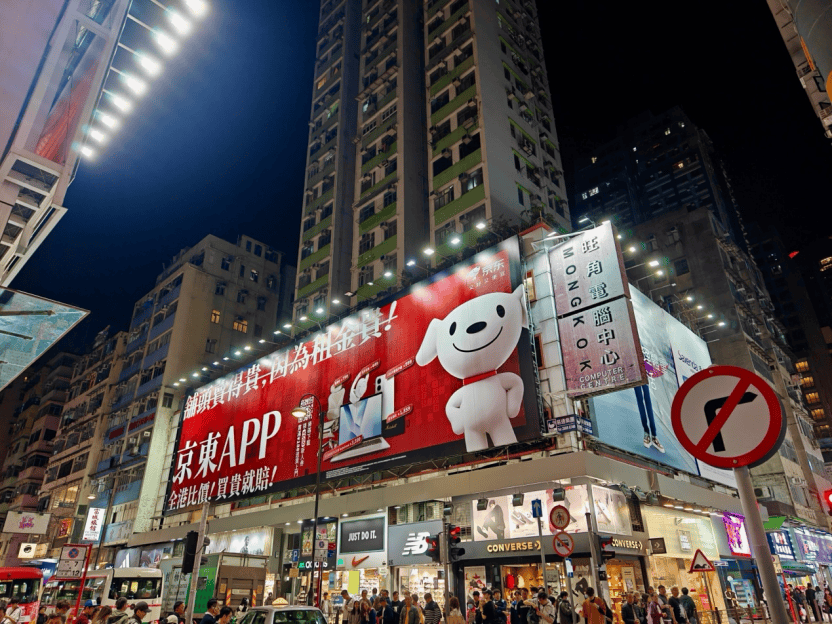
香港街铺空置率高带来新商机?
Sou Hu Cai Jing· 2025-06-25 03:41
Core Insights - The retail landscape in Hong Kong is undergoing significant changes, with a high vacancy rate in core commercial areas indicating ongoing challenges for the sector [2][3] - Despite the difficulties, there are signs of potential recovery and adaptation within the market, as evidenced by the rise of new retail formats and the entry of international brands [6][9] Retail Performance - In Q1 2024, the total retail sales value in Hong Kong is projected to be HKD 376.8 billion, reflecting a year-on-year decline of 7.3%, highlighting the ongoing struggles of traditional retail [3] - The vacancy rate in the four core shopping districts reached 12.1%, the highest in nearly four and a half years, with over 60% of vacant shops unoccupied for at least six months [3][4] Market Dynamics - The rise of e-commerce, particularly from mainland China, has led to increased competition for traditional retailers, resulting in a shift towards smaller, more flexible retail spaces and short-term leasing options [4][6] - New retail formats, such as capsule toy stores and pop-up shops, are gaining traction due to lower costs and higher returns, indicating a shift in consumer preferences [8] Consumer Behavior - The increase in visitor numbers to Hong Kong, projected to reach 44.5 million in 2024, is expected to support certain retail sectors, particularly those catering to tourists [5] - Research indicates that frequent travelers from Hong Kong continue to spend significantly in local retail and dining, suggesting that local consumption is not being entirely displaced by cross-border shopping [5] Future Outlook - The decline in rental prices is attracting various international brands to establish a presence in Hong Kong, suggesting a potential revitalization of the retail market [6] - The ongoing adjustments in the retail landscape reflect a broader trend towards experiential shopping and a focus on meeting the evolving demands of consumers [9]
奢侈品消费变迁?消费者转向特卖会
Sou Hu Cai Jing· 2025-06-24 14:21
Core Insights - The luxury goods market has traditionally relied on price increases to maintain brand prestige and consumer perception, leveraging the "Veblen effect" where higher prices signal higher quality and status [1][3] - However, recent trends indicate a shift in consumer behavior, with a reported average price increase of only 2% in luxury goods this year, the smallest in recent years, reflecting a more pragmatic approach from consumers [3][5] - Younger consumers are increasingly focused on the actual value of products rather than their price or brand, leading to a rise in discount platforms and sales events that offer luxury items at more accessible prices [5][7] Group 1 - Luxury brands have historically used price hikes to enhance their image and create a sense of exclusivity, making consumers feel that high-priced items signify success and status [3][5] - The recent HSBC report highlights a significant change in consumer attitudes, with a mere 2% average price increase in luxury goods, indicating a shift towards more practical purchasing decisions [3][5] - Consumers are now more informed and discerning, often researching product materials and craftsmanship, which diminishes the effectiveness of traditional pricing strategies [5][7] Group 2 - The emergence of discount platforms like Vipshop has gained popularity among consumers who still appreciate luxury brands but seek better value for their money [5][7] - Recent discount events featuring brands like Burberry and COACH have attracted not only regular luxury buyers but also new consumers who are eager to take advantage of lower prices [5][7] - Overall, the luxury market is adapting to a more diverse consumer base that values cost-effectiveness, leading to new sales models and a more varied shopping experience [7]


业绩不如意 普拉达CEO离职
Bei Jing Shang Bao· 2025-06-23 16:16
Core Viewpoint - Prada's CEO Gianfranco D'Attis will leave the company by the end of the month, with Andrea Guerra temporarily taking over, amid a challenging luxury market environment and internal brand performance disparities [1][2]. Group 1: Management Changes - Gianfranco D'Attis, the first non-family CEO of Prada, is departing the company, which raises speculation about his future due to his absence from the Milan men's fashion show [1]. - Andrea Guerra, the CEO of the Prada Group, will temporarily assume the role of brand CEO following D'Attis's departure [1]. - The management changes come as several luxury brands, including Kering and LVMH, are also adjusting their leadership amid market pressures [1]. Group 2: Financial Performance - Prada's revenue growth for 2024 is only 4%, with Q1 2025 showing zero growth, falling short of market expectations [2]. - In contrast, Miu Miu, a brand under the same group, saw retail sales surge by 93% in 2024 and continued to grow by 60% in Q1 2025 [2]. - The sales growth rates for Prada from 2021 to 2024 have decreased significantly, from 44% to 4%, while Miu Miu's growth rates have increased dramatically [2]. Group 3: Strategic Acquisitions - The recent acquisition of Versace for €1.25 billion is a significant move for the Prada Group, aimed at expanding its brand portfolio [3]. - Analysts express concerns that while the acquisition may benefit Prada in the long term, it could pose short-term challenges and require careful management [3]. - The integration of Versace is seen as a test of Prada's capabilities, necessitating sufficient funding and management focus [3]. Group 4: Market Outlook - The global luxury goods market is entering a phase of low growth, with projections indicating annual sales growth of only 2%-4% from 2025 to 2027 [4]. - The overall market environment is expected to improve slightly in 2025, with total sales growth potentially remaining under 4% [4]. - The current market conditions present opportunities for acquiring quality assets at lower prices, which could benefit companies like Prada [5].

泡泡玛特,离世界首富LV还差高定和走秀!
新消费智库· 2025-06-23 12:10
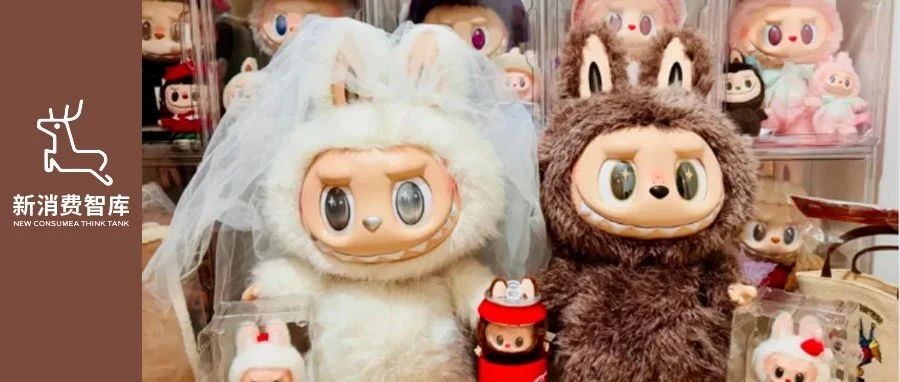
Core Viewpoint - The article discusses how Pop Mart is evolving from a blind box retailer into a potential luxury brand, leveraging its IP LABUBU to create a new market segment that combines elements of scarcity and desirability similar to luxury goods [3][54]. Group 1: Company Growth and Revenue - Pop Mart's stock price has surged approximately 9 times from early 2024, and nearly 20 times since its lowest point in October 2022 [7]. - LABUBU, a key IP for Pop Mart, generated 3.04 billion yuan in revenue, marking a year-on-year increase of over 700%, surpassing the company's original flagship IP, Molly [12]. - The company has established a flexible supply chain model, reducing inventory turnover days from 159 to 100 days [15]. Group 2: Marketing and Sales Strategy - Pop Mart has expanded its physical presence, doubling its store count in three years, and introduced automated vending machines to enhance accessibility [18]. - The online platform "Paqi" and other digital initiatives have led to a 50% repurchase rate among users [19]. - The membership system has attracted over 40 million members, fostering a community around the brand [19]. Group 3: IP Development and Collaboration - Pop Mart has built a comprehensive IP team to collaborate with both domestic and international artists, aiming to commercialize underrepresented talents [36]. - The design of LABUBU underwent significant iterations based on consumer feedback, leading to a successful launch after adjustments to meet market preferences [41][46]. - Collaborations with fashion designers and participation in events like Milan Fashion Week have elevated LABUBU's profile, resulting in significant sales spikes [46][50]. Group 4: Luxury Brand Comparison - The article draws parallels between Pop Mart's strategies and those of luxury brands, emphasizing the importance of creating desire and exclusivity [69]. - Pop Mart's approach to scarcity through limited editions and high-profile collaborations mirrors the luxury market's tactics [72]. - The potential for Pop Mart to transition into a luxury brand is discussed, suggesting that the brand could leverage its existing popularity and market strategies to redefine its identity [74].

“Miu系穿搭”成为时尚代名词,Miu Miu为什么能成为“顶流”?
3 6 Ke· 2025-06-23 03:58
Core Insights - Miu Miu has emerged as a significant fashion symbol among young people, representing a blend of rebellion and individuality in the luxury market, especially during challenging times for the industry [1][22] - The brand's sales have skyrocketed from €400 million to €1.2 billion in just three years, with a staggering year-on-year growth of 93.2% projected for 2024 [1] Brand Identity and Evolution - Miu Miu was founded in 1993 by Miuccia Prada, who embodies a rebellious spirit, having transitioned from a political career to leading the family business during a crisis [2][4] - Initially a sub-line of Prada, Miu Miu distinguished itself through its unique branding and design philosophy, which reflects Miuccia's personal tastes and rebellious nature [4][5] Design Philosophy - Miu Miu's design ethos emphasizes individuality and rebellion, contrasting with Prada's more classic and sophisticated style [5][7] - Collaborations with influential stylists like Lotta Volkova have further enhanced Miu Miu's identity, introducing bold and disruptive fashion elements that resonate with contemporary trends [7][8] Target Audience and Cultural Engagement - Miu Miu focuses on female narratives, exploring themes of femininity and self-identity through initiatives like the Women's Tales film series, which has produced 29 short films since 2011 [10][11] - The brand actively engages with women by facilitating discussions on contemporary issues, thereby fostering a sense of community and belonging among its audience [10][11] Emotional Value and Consumer Connection - Miu Miu positions itself not just as a fashion brand but as a purveyor of emotional value, appealing to consumers' desires for self-expression and individuality [12][24] - The brand's diverse offerings challenge traditional notions of femininity, allowing women of all ages to embrace their inner "girl" without being confined by societal expectations [20][21] Market Positioning and Strategy - Miu Miu has successfully differentiated itself in the luxury market by breaking away from the "high-cold" image typically associated with luxury brands, instead fostering a playful and inclusive atmosphere [24] - The brand's ability to resonate with young consumers, who prioritize emotional connection and personalized experiences, has solidified its status as a leading name in contemporary fashion [23][24]
传媒互联网产业行业周报:法律框架逐步完善,虚拟资产趋势向上-20250622
SINOLINK SECURITIES· 2025-06-22 12:00
Investment Rating - The report maintains an optimistic outlook on the Hong Kong stock market and virtual assets, indicating a positive investment rating for these sectors [3][10]. Core Insights - The report highlights the gradual improvement of legal frameworks for virtual assets, suggesting an upward trend in this sector. It emphasizes the strong performance of the Hong Kong stock market, driven by the long-term undervaluation of assets and the influx of quality mainland assets through IPOs [3][10]. - The report also notes the increasing interest from traditional internet and financial institutions in virtual assets and stablecoins, indicating a broader acceptance and potential for growth in this area [3][10]. Industry Summaries 1. Education - The Chinese education index fell by 2.66% from June 16 to June 20, underperforming compared to major indices. Notable performances included 51talk, which rose by 8.06% [12][22]. - Companies like TAL Education and others are launching AI-driven educational products, indicating a shift towards technology in education [21][25]. 2. Luxury Goods - The luxury goods market is experiencing a slowdown, with a projected decline of 1-3% in Q1 2025. The core markets of the US and China are stagnating, while emerging markets show potential growth [22][26]. - Notable stock performances included Samsonite, which fell by 2.41%, while Prada rose by 1.71% during the same period [22][26]. 3. Coffee and Tea - The coffee sector remains robust, with net increases in store numbers and positive same-store growth for leading brands. However, the tea segment is facing challenges, with a decline in same-store growth and a net decrease in store numbers [27][30]. - Luckin Coffee continues to expand, with significant new store openings and international growth plans [30]. 4. E-commerce - The e-commerce sector is under pressure, with a slight decline in the Hang Seng Internet Technology Index. However, platforms like Tmall and JD.com reported strong sales during the 618 shopping festival, with Tmall's GMV growing by 10% [31][35]. - JD.com is also expanding into the travel sector, offering zero-commission hotel bookings [35][36]. 5. Streaming Platforms - The streaming sector is showing resilience, with the Hang Seng Media Index outperforming other indices. Key players like Netflix and Tencent Music have shown positive growth [38][40]. - The report highlights the success of specific content on platforms like iQIYI, indicating strong viewer engagement [38]. 6. Virtual Assets and Trading Platforms - The global cryptocurrency market capitalization decreased by 7.2%, with Bitcoin and Ethereum prices also declining. However, the report remains optimistic about the long-term potential of virtual assets [39][42]. - Regulatory developments, such as the passage of the Genius Act in the US, are expected to enhance the framework for stablecoins and virtual assets [3][10]. 7. Automotive Services - The automotive aftermarket is facing challenges, with various companies adjusting strategies to attract customers. Notable price adjustments in the tire industry are also highlighted [30][48].