咖啡

Search documents
雪王的第二曲线开始了:当幸运咖冲杀入北上广
Hua Er Jie Jian Wen· 2025-08-13 05:04
Core Insights - Lucky Coffee has rapidly increased its presence, signing 7,300 stores by August 2, 2023, up by 2,300 since March, with over half of these signed in July [2] - The company aims to reach 10,000 stores by 2025, focusing on first-tier cities in the Yangtze River Delta and Pearl River Delta regions [2] - Lucky Coffee is currently the fourth largest fresh coffee brand in China, and achieving its store target would mean a 1.5x expansion rate this year, posing a significant challenge to competitors like Luckin and Kudi [2] Company Background - Lucky Coffee was established in 2017 and was initially an independent brand funded by Mixue Ice City, which later acquired it in 2020 [3][4] - The brand has expanded from fewer than 500 stores to over 2,300 in two years, primarily in lower-tier markets [5] Market Challenges - In 2023, Lucky Coffee faced intense competition from the 9.9 yuan coffee war initiated by Luckin and Kudi, leading to a decline in new store openings [6][7] - By the first half of 2024, Lucky Coffee experienced negative growth in store numbers [8] Strategic Initiatives - In response to competition, Lucky Coffee launched promotional campaigns, such as the "66 Lucky Season" with prices starting at 6.6 yuan [9] - The company has integrated its supply chain with Mixue Ice City, which has helped in expanding to remote markets [10][11] Expansion Efforts - In the latter half of 2024, Lucky Coffee added nearly 1,000 new stores, shifting its strategy to attract franchisees with significant incentives [12] - The company has implemented fee waivers and subsidies for new and existing franchisees, particularly in major cities [13][14] Competitive Landscape - The coffee market is becoming increasingly competitive, with Luckin opening nearly 4,000 new stores in the first half of the year [24] - Kudi has also accelerated its expansion, opening over 1,000 stores in April and May [25] Financial Considerations - Lucky Coffee's pricing strategy is based on a low-cost model, with a focus on maintaining a competitive edge through its supply chain [17] - The company has signed a significant procurement deal for coffee beans, enhancing its cost structure [18] Product Development - Lucky Coffee has increased its product launches, introducing 32 new items in the first half of the year, an 88% increase from the previous year [21] - However, the brand's marketing efforts are perceived as less aggressive compared to competitors, which may hinder its growth potential [21] Market Positioning - Currently, about 70% of Lucky Coffee's stores are located in third-tier cities or below, while competitors have a more balanced distribution [22] - The company is adjusting its store model to focus on smaller, more cost-effective locations in first-tier cities [22] Future Outlook - The coffee market is evolving, with potential overlaps between coffee and tea segments, which could impact Lucky Coffee's positioning [28][29] - The brand needs to establish a unique strategy to differentiate itself from Mixue Ice City and other competitors in the market [29]

中国送出5年大单,1.3万亿为巴西兜底,巴总统:对中国感激不尽
Sou Hu Cai Jing· 2025-08-12 12:53
Core Viewpoint - The article discusses the economic implications of a trade conflict initiated by the U.S. against Brazil, highlighting China's strategic intervention with a significant order to stabilize Brazil's economy and counter U.S. pressure [1][3][20]. Group 1: Trade Dynamics - The U.S. imposed a 50% tariff on key Brazilian exports such as coffee, soybeans, and beef, aiming to exert economic pressure on the Brazilian government [1][7]. - In response, China swiftly approved a five-year contract worth approximately 1.3 trillion RMB (around 200 billion USD) covering 183 Brazilian companies, effectively filling the gap left by the U.S. tariffs [9][11]. - The coffee prices at the São Paulo futures exchange reversed direction, while Starbucks' stock fell by 3.7% due to the impact of U.S. tariffs on consumer prices [11]. Group 2: Economic Strategy - China's intervention is seen as a long-term strategic move, reinforcing its position as Brazil's largest soybean supplier, with exports to China accounting for one-third of Brazil's total exports [11][20]. - The deal signifies a trend towards "de-dollarization," with Brazil's central bank increasing its RMB reserves to 6.8% within six months, and other Latin American countries following suit by selling off dollars [13][20]. - The construction of the "Two Oceans Railway" aims to connect Brazil to Peruvian ports, facilitating direct trade with Asia and reducing reliance on U.S. logistics [13][20]. Group 3: Political Implications - The trade conflict has highlighted the vulnerabilities of U.S. economic hegemony, as Brazil's resilience and China's rapid response demonstrate a shift towards a multipolar world [22][24]. - Brazil's President Lula emphasized the importance of judicial independence, rejecting U.S. interference, which was further underscored by a ruling from Brazil's Supreme Court against U.S. influence [16][22]. - The situation illustrates a broader trend where countries are seeking partnerships with China to mitigate the risks associated with U.S. sanctions and economic pressures [20][24].


蓝瓶咖啡将开北京首店?曾被炒到150元一杯
Bei Jing Shang Bao· 2025-08-12 12:47
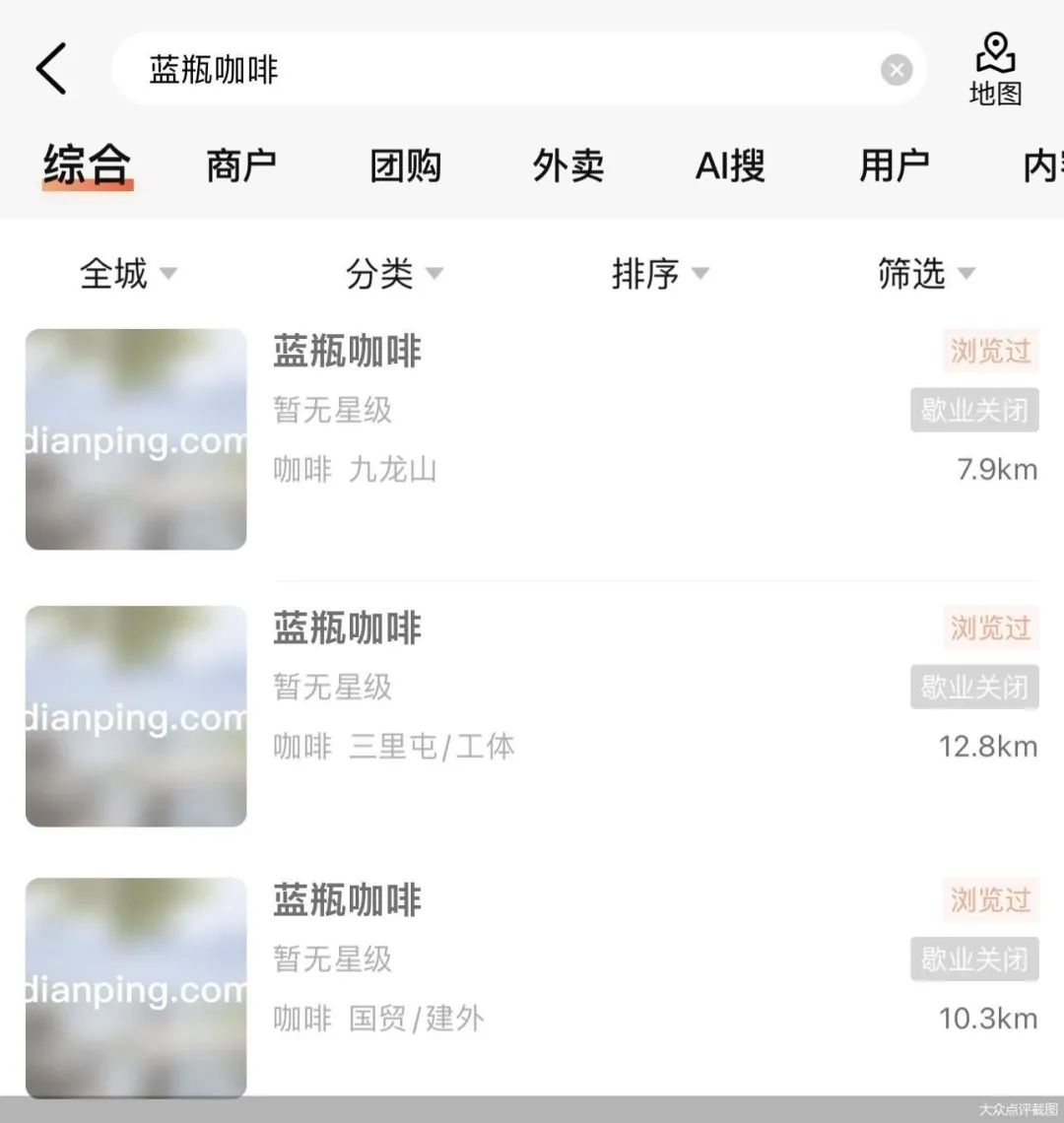
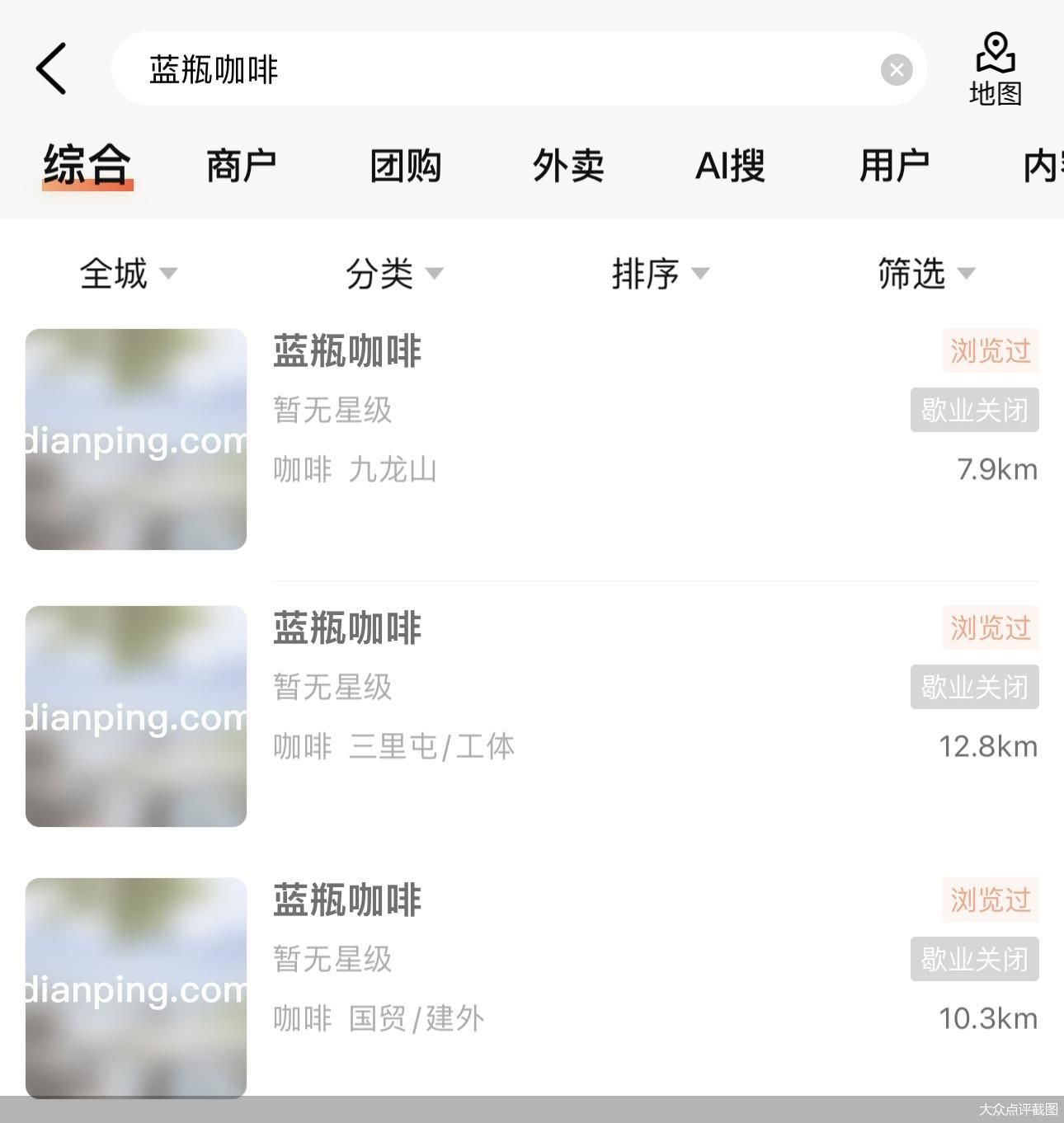
Core Viewpoint - Blue Bottle Coffee is considering entering the Beijing market, which has generated significant discussion within the coffee community, reflecting both consumer anticipation and price sensitivity in a competitive landscape [2][5]. Company Expansion Plans - Blue Bottle Coffee's potential entry into Beijing could involve opening multiple stores in key areas such as Sanlitun and Guomao, with reports suggesting the possibility of three new locations [3][5]. - The company has been cautious in its official communications, denying rapid expansion plans while insiders indicate ongoing discussions for site selection [5][6]. Market Dynamics - The coffee market in China is characterized by a mix of low-cost options and high-end brands, with Blue Bottle Coffee positioned as a premium player [2][9]. - The brand's previous experience in Beijing included a pop-up event, but its current strategy may need to adapt to local consumer preferences and competition [6][9]. Competitive Landscape - The coffee market features diverse competitors, including Luckin Coffee and Starbucks, which dominate the low-cost and experiential segments, respectively [9]. - Blue Bottle Coffee's challenge lies in maintaining its premium brand identity while appealing to a broader audience in a market with high competition and varying consumer expectations [9][10]. Consumer Sentiment - There is a divided consumer response to Blue Bottle Coffee's potential entry, with some eager for the brand's unique offerings and others accustomed to lower-priced alternatives [5][8]. - The brand's ability to attract quality-seeking consumers in Beijing will be crucial for its success, given the city's significant market potential [8][10].
蓝瓶咖啡准备进京开首店?是来抢年轻人还是对抗价格战
Bei Jing Shang Bao· 2025-08-12 11:53
Core Viewpoint - Blue Bottle Coffee is considering entering the Beijing market, sparking discussions about its potential impact and the competitive landscape of the coffee industry in China [1][8]. Group 1: Market Entry Plans - Blue Bottle Coffee plans to open its first store in Beijing, with potential locations including Sanlitun, Guomao, and Jiulongshan, targeting young consumers [7]. - The company has not confirmed a timeline for the Beijing expansion, but insiders indicate that discussions for site selection are ongoing [8]. - The last time Blue Bottle Coffee appeared in Beijing was during a pop-up event two years ago, and it has since opened its 14th store in Shanghai [11]. Group 2: Competitive Landscape - The coffee market in Beijing is characterized by intense competition, with brands like Luckin Coffee and Starbucks dominating the low-price segment, while premium brands like %Arabica and Peet's Coffee target high-net-worth consumers [13]. - Blue Bottle Coffee's unique positioning as a high-end brand may face challenges in a market where consumers are accustomed to lower-priced options [12][14]. Group 3: Brand Positioning and Strategy - Blue Bottle Coffee is recognized for its "specialty coffee" branding, which may attract quality-seeking consumers in Beijing, despite the competitive environment [12]. - The company needs to balance its high-end positioning with local consumer preferences to establish a foothold in the Beijing market [13][14]. - Strategies such as localized storytelling, tiered product offerings, and refined operations may help Blue Bottle Coffee build a competitive edge in the premium coffee segment [14].
百果园和钟薛高,跌在同一个坑里
3 6 Ke· 2025-08-12 10:44
Core Viewpoint - The article discusses the challenges faced by Baiguoyuan, a fruit retail chain in China, particularly in light of controversial statements made by its founder and chairman, Yu Huiyong, regarding consumer expectations and pricing strategies. The company is struggling to maintain its market position amid changing consumer preferences for cost-effectiveness and quality assurance [1][3][19]. Group 1: Company Performance and Strategy - Baiguoyuan has positioned itself in the high-end fruit market, with a focus on quality service and premium pricing, which has led to a perception that it is unaffordable for many consumers [4][5]. - The company's revenue from 2019 to 2023 showed a compound annual growth rate (CAGR) of 6.14%, with revenues of 89.76 billion, 88.54 billion, 102.9 billion, 113.1 billion, and 113.9 billion yuan respectively [5]. - Despite its previous success, Baiguoyuan's revenue declined by 9.8% in 2024, with a gross profit drop of 41.9%, indicating a significant downturn in performance [8][11]. Group 2: Consumer Sentiment and Market Trends - Consumer preferences have shifted towards high cost-performance ratios, with a survey indicating that 33.5% of consumers prioritize value for money, 32.3% focus on quality, and 30.5% on after-sales service [8]. - The backlash against Baiguoyuan's high pricing and perceived arrogance in addressing consumer concerns has led to a significant drop in its paid membership, which fell by 27.1% year-on-year [11][19]. - The company has faced numerous complaints regarding product quality, with over 3,000 complaints recorded, highlighting issues such as selling spoiled fruits and failing to honor return policies [10][11]. Group 3: Competitive Landscape - Baiguoyuan's reliance on franchise stores (99.79% of its 5,127 stores) has contributed to inconsistent product quality, as franchisees prioritize cost-cutting measures over customer satisfaction [10][11]. - Competitors like Hema have leveraged supply chain advantages to offer high-quality fruits at lower prices, making Baiguoyuan's pricing strategy less attractive to consumers [17][18]. - The article draws parallels between Baiguoyuan and other high-end brands that have struggled due to consumer pushback against perceived arrogance, emphasizing the need for Baiguoyuan to adapt its strategy to meet evolving market demands [12][19].

不产一粒咖啡豆的昆山,何以撑起全国60%的咖啡生豆烘焙量?
Xin Hua Wang· 2025-08-12 06:31
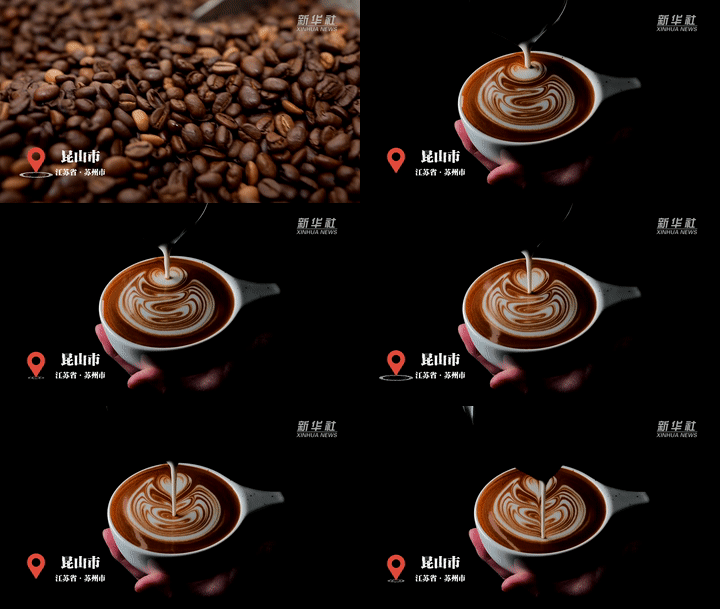
江苏省苏州市昆山市并不是咖啡豆的原产地,也不是传统意义的咖啡主消费区,但近年来,昆山一跃成为广受瞩目的"咖啡之都",拥有全国60%的咖 啡生豆烘焙量,集聚了星巴克、瑞幸等几十家头部企业,喜提"咖都"新名片。 新华社音视频部制作 【纠错】 【责任编辑:赵阳】 记者:李伟、马莎、李鲲、杨绍功、王阳、胡锐、徐润南 部分画面来源:昆山市融媒体中心 不产一粒咖啡豆的昆山究竟是如何做到的?新华社记者带您一探究竟! ...
通讯|双向奔赴 互利共赢——中非经贸合作持续升温
Xin Hua Wang· 2025-08-12 05:50
Group 1 - The core viewpoint of the articles highlights the increasing momentum of China-Africa economic and trade cooperation, with significant growth in various sectors, particularly in agriculture and green technology [1][2][3] - The import of coffee from Africa to China has surged, with a year-on-year increase of 70.4% in the first quarter of this year, indicating a strong demand for African agricultural products [1] - Chinese exports of new energy vehicles, lithium batteries, and photovoltaic products to Africa have seen substantial growth, with increases of 291%, 109%, and 57% respectively [2] Group 2 - The e-commerce sector in Africa is experiencing rapid growth, with platforms like Kilimall attracting over 10,000 daily viewers through live streaming, showcasing the potential of the African market [3] - The total trade volume between China and Africa reached 963.21 billion yuan in the first five months of this year, marking a year-on-year growth of 12.4% and setting a historical record for the same period [3] - The establishment of trade companies and the introduction of Chinese products in Africa, such as solar energy products and consumer goods, are contributing to the expansion of trade relations [2][3]
陆续“落子”多个消费细分领域 茅台集团在下一盘怎样的棋?
Xin Hua Wang· 2025-08-12 05:48
Core Insights - The collaboration between Guizhou Moutai and Luckin Coffee has resulted in the launch of the "Sauce Fragrance Latte," which sold over 5.42 million cups and generated sales exceeding 100 million yuan on its first day [1] - Guizhou Moutai has decided to make the Sauce Fragrance Latte a permanent product, indicating a strategic shift towards appealing to younger consumers [1] - The product features a unique blend of coffee and Moutai liquor, with a low alcohol content of less than 0.5% vol, produced using a special thick milk that incorporates Moutai liquor [1] Product Development and Market Strategy - Under the leadership of Chairman Ding Xiongjun, Guizhou Moutai has launched several new products, including the Moutai ice cream, which has expanded to 16 provinces and 19 flagship stores by the end of 2022 [2] - The company aims to develop a diverse product matrix that includes chocolate, alcoholic beverages, and ice cream, targeting different consumer segments and price points [2] - Industry experts suggest that Moutai's strategy focuses on bridging the gap between traditional liquor and younger consumers by integrating into their preferred consumption scenarios [2][3] Brand Positioning and Future Prospects - Moutai's recent initiatives are seen as efforts to modernize the brand and maintain its relevance among younger demographics, enhancing brand value and appeal [3] - The company is also exploring new product categories and has registered multiple trademarks related to snacks and convenience foods, indicating a broader market expansion strategy [3] - Moutai's approach includes leveraging partnerships with quality brands across various sectors, including food, entertainment, and tourism, to enhance its market presence [3]


跨界联名席卷消费市场 背后有何魔力?
Xin Hua Wang· 2025-08-12 05:48
Core Viewpoint - The collaboration between high-end liquor brands and mass consumer brands is creating a phenomenon in marketing, with companies like Moutai partnering with brands like Dove and Luckin Coffee to attract younger consumers and generate significant sales [1][2][5]. Group 1: Cross-Industry Collaborations - Moutai's collaboration with Dove resulted in the "Moutai Chocolate" selling out almost instantly upon release, showcasing the strong consumer interest in such partnerships [2][9]. - The "Sauce-flavored Latte" launched by Moutai and Luckin Coffee also saw remarkable success, with over 5.42 million cups sold on its first day, generating over 100 million yuan in sales [2][9]. - Other brands like Heytea and Pop Mart have also engaged in cross-industry collaborations, indicating a trend where brands seek to leverage each other's strengths to attract younger consumers [3][4]. Group 2: Marketing Strategies and Consumer Engagement - The current economic environment has led brands to adopt cross-industry collaborations as a cost-effective marketing strategy to gain visibility and attract new customers [6][7]. - Brands are increasingly focusing on enhancing their appeal to younger demographics through these collaborations, which serve as a shortcut to gaining attention and traffic [1][5]. - The trend of cross-industry partnerships is not limited to consumer goods but extends to sectors like automotive and technology, indicating a broader market shift [4][11]. Group 3: Future Trends in Cross-Industry Collaborations - Future collaborations are expected to involve more small and medium-sized enterprises, driven by technological advancements and the need for innovative market strategies [11]. - The depth of collaborations may increase, moving beyond product-level partnerships to include core business integrations and supply chain collaborations [11]. - Successful cross-industry collaborations will depend on the ability of brands to find common ground and effectively merge their identities and values [12].

40元咖啡接连“败走”中国,谁还买单?
创业邦· 2025-08-12 03:33
Core Viewpoint - Peet's Coffee, referred to as "Starbucks' ancestor," is facing significant challenges in the Chinese market, with recent store closures indicating a struggle to maintain its position amidst increasing competition and changing consumer preferences [8][9]. Group 1: Company Performance - Peet's Coffee has over 260 stores in China, aligning with its "premium coffee" positioning, but its expansion has slowed significantly, with new store openings dropping from 98 in 2023 to just 16 in the first half of 2025 [13]. - Despite a strong increase in organic sales and a 23.8% growth in adjusted EBIT for Peet's Coffee in 2024, the company is experiencing anxiety over its market position, leading to the introduction of a low-cost sub-brand and a "consumption upon seating" policy to optimize resource utilization [13][16]. - The overall performance of Peet's Coffee reflects a broader trend of premium coffee brands facing operational challenges and market pressures, as evidenced by the struggles of competitors like Seesaw and M Stand [17][22]. Group 2: Market Trends - The premium coffee market in China is undergoing a significant adjustment, with growth rates expected to decline from 25% in 2023 to 12% by 2025, contrasting with a global growth forecast of 9.2% CAGR until 2028 [25]. - The competitive landscape is intensifying, with a surge in new coffee-related business registrations, indicating a saturated market that is increasingly challenging for premium brands [31]. - Consumer behavior is shifting towards value-driven choices, with 80% of coffee consumers prioritizing price, leading to a decline in average transaction values for premium coffee [38]. Group 3: Strategic Challenges - Premium coffee brands are caught in a "middle ground," struggling to appeal to both niche consumers seeking unique experiences and mainstream consumers looking for affordability [41]. - The internal cost structure of premium coffee brands is under pressure due to rising rent and coffee bean prices, compounded by aggressive price competition from lower-cost coffee brands [29][30]. - The need for premium coffee brands to redefine their market positioning and adapt to evolving consumer preferences is critical for survival in a rapidly changing industry landscape [41].