
《元梦之星》

Search documents
马化腾的元宝10亿红包背后,是买用户习惯,还是为新路径豪赌?
Sou Hu Cai Jing· 2026-02-05 14:26
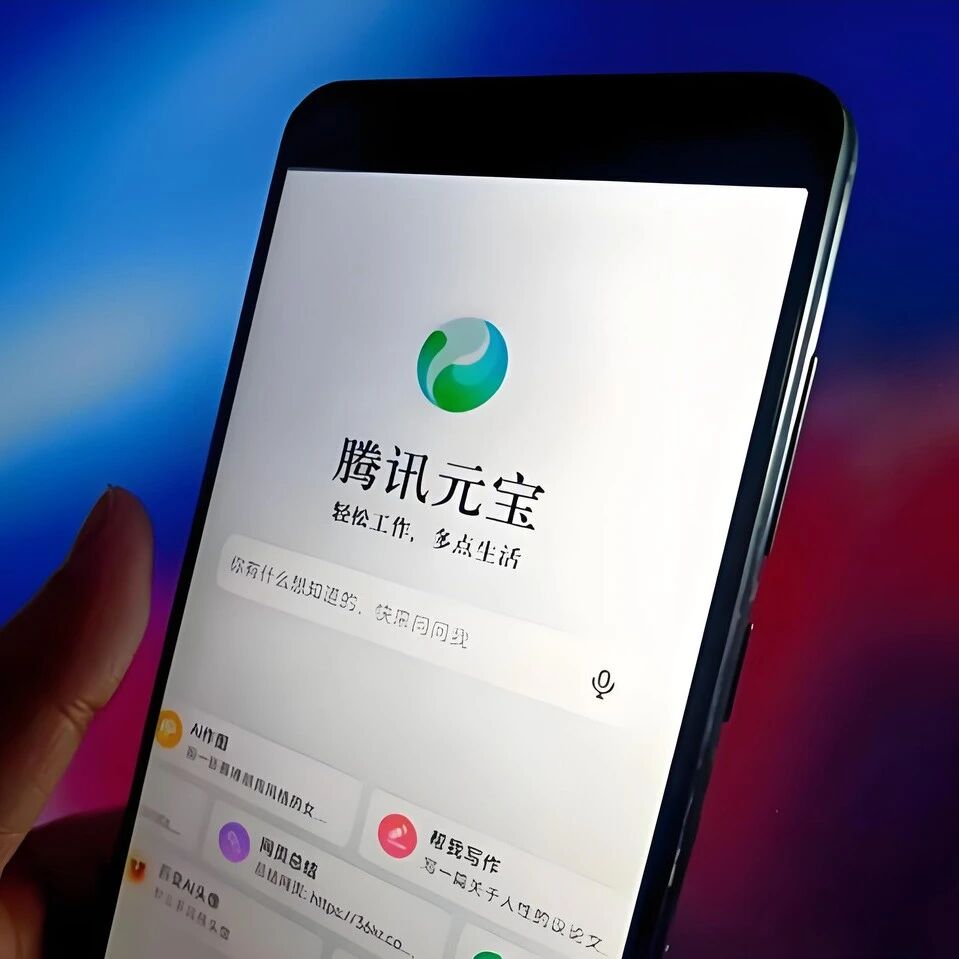
Core Insights - Tencent's Yuanbao launched a significant "10 billion" Spring Festival campaign, quickly topping the Apple App Store free chart and generating massive social sharing within the WeChat ecosystem [1][3] - However, the campaign faced backlash due to user complaints about disruptive sharing practices, leading to WeChat's intervention to limit Yuanbao's links [3][6] - The campaign's design conflicts with platform rules and user experience, raising concerns about compliance and product effectiveness [6][7] Marketing Strategy - The campaign aims to replicate the success of WeChat's 2014 red envelope strategy, leveraging high traffic during the Spring Festival to drive user engagement [6][8] - Unlike the original WeChat red envelopes, which required users to bind bank cards, Yuanbao's model lacks a strong connection between cash incentives and AI functionality, making user transition difficult [7][8] - The immediate success of the campaign is driven by incentives rather than genuine interest in the AI product, leading to a surge of non-target users and subsequent service instability [8][9] User Engagement and Retention - Yuanbao's growth appears fragile, with previous data showing a significant drop in monthly active users (MAU) after reducing marketing spend, indicating reliance on capital-driven growth [8][9] - In contrast to established e-commerce platforms that have systematic promotional strategies, Yuanbao's approach lacks a long-term user engagement plan [9][10] - The campaign's reliance on cash incentives to attract users to a non-essential product raises questions about its sustainability and long-term competitiveness [10][20] Competitive Landscape - Competitors like ByteDance's Doubao and Alibaba's Qianwen are integrating AI into their ecosystems more effectively, focusing on user needs and seamless service integration [17][19] - Yuanbao's strategy heavily depends on cash rewards, while competitors are leveraging existing ecosystems to enhance user experience without large-scale cash giveaways [19][20] - The challenges faced by Yuanbao reflect broader issues within Tencent's AI strategy, particularly its slow response to market demands and lack of integration within its core social platform [20] Historical Context - Tencent has previously employed similar high-investment strategies in other products, such as Weishi and Tencent Weibo, but these efforts failed to establish lasting user engagement [12][14] - The failure of past initiatives highlights the importance of product differentiation and community building, which Yuanbao currently lacks [13][14] - The lessons from these past experiences suggest that without a compelling product value proposition, short-term user acquisition strategies will not lead to sustainable growth [13][20]



腾讯元宝微信屏蔽「罗生门」背后,组织乱战还是「左右脑互搏」?
雷峰网· 2026-02-04 10:05
Core Viewpoint - The article discusses Tencent's recent marketing strategies, particularly focusing on the "Yuanbao" app and its challenges in penetrating lower-tier markets while maintaining user engagement and product experience [1][5][15]. Group 1: Marketing Strategy and Performance - The "Yuanbao" app experienced a surge in downloads due to the "Shang Yuanbao, distribute 1 billion" campaign, reaching the top of the Apple App Store free chart shortly after its launch [4]. - Concerns were raised about the effectiveness of such marketing tactics, as high daily active user (DAU) numbers do not guarantee long-term user retention or loyalty, as evidenced by the decline of the "Yuanmeng Zhixing" game despite initial success [5]. - The marketing strategy aimed to penetrate lower-tier markets but ended up primarily engaging Tencent employees and the tech community, failing to create significant traction in essential family and local groups [7][8]. Group 2: Internal Dynamics and Strategic Implications - The article highlights the internal challenges within Tencent regarding cross-departmental coordination for the "Yuanbao" campaign, suggesting that such initiatives require strong leadership from top executives [15]. - There is speculation that Tencent's decision to halt the initial marketing push was a strategic move to maintain platform integrity while also generating discussion around the brand, potentially benefiting from the controversy [14]. - The integration of AI resources within Tencent remains a work in progress, indicating that the company has yet to fully leverage its social capabilities to enhance its AI business [15].
AI开始替游戏厂商赚钱:腾讯的算盘、网易的执念、中腰部的生死局
3 6 Ke· 2026-01-08 12:21
Core Insights - The article highlights a silent revolution in the Chinese gaming industry, where companies like Tencent and NetEase have effectively integrated AI into their business models, leading to significant financial gains while other sectors are still exploring AI's potential [1][2]. Tencent's AI Monetization - Tencent has emerged as a leader in AI monetization, with its marketing services revenue reaching 36.2 billion yuan in Q3 2025, a 21% year-on-year increase, despite a challenging advertising market [3]. - The success of Tencent's AI in gaming is primarily seen in the selling of games rather than game development, showcasing a unique approach to AI integration [2][4]. - The "Hunyuan + Advertising" system has transformed Tencent's advertising strategy, reducing the operational steps required for advertisers by 80% while increasing eCPM and CTR, thus enhancing revenue without increasing ad placements [5][8]. Cost Efficiency and Profitability - Tencent's capital expenditure growth is significantly lower than its revenue growth, indicating a strategic focus on optimizing existing resources rather than excessive hardware investment [6][8]. - The company's gross profit increased by 22% year-on-year, with an operating profit margin rising to 38%, reflecting the successful implementation of AI in driving revenue while controlling costs [8][9]. NetEase's AI Integration - NetEase has deeply integrated AI into its products, exemplified by the success of the mobile game "Nirvana in Fire," which features AI NPCs that enhance player engagement and retention [10][11]. - The use of AI in user-generated content (UGC) has allowed NetEase to reduce content production costs while increasing user engagement, creating a sustainable competitive advantage [12]. Mid-Tier Companies' Adaptation - For mid-tier companies like Perfect World and Giant Network, AI has become essential for survival, with Perfect World turning a profit in 2025 after implementing AI tools to reduce development costs [13][15]. - Giant Network has developed a specialized AI model, "GiantGPT," to optimize game development, achieving significant cost savings and maintaining profitability [16]. Industry Challenges and Compliance - The article notes the "Jevons Paradox," where increased efficiency from AI leads to higher overall resource consumption in the gaming industry, creating a competitive environment that favors larger companies [20]. - The shift in talent structure towards AI engineers and data scientists poses challenges for traditional creative roles within gaming companies [21]. - New compliance regulations for AI-generated content are expected to create barriers for smaller companies, further consolidating resources among larger firms [22][23]. Future Outlook - The article anticipates a shift towards "AI-native games" in 2026, where games will be generated in real-time by AI, marking a significant evolution in the gaming industry [24].

集体翻倍!这个板块彻底翻身?
Ge Long Hui· 2026-01-07 11:52
Core Viewpoint - The gaming sector in the A-share market has seen a significant rise, with an overall increase of over 60% in 2025, driven by policy support and market recovery [1][2]. Group 1: Market Performance - In 2025, several gaming companies such as Ice Glacier Network, Xunyou Technology, and Gigabit saw their stock prices double, while Century Huatong and Giant Network experienced nearly 300% growth [2]. - The total number of approved games reached 1,771 in 2025, a 25.07% increase from 1,416 in 2024, marking a historical high since the implementation of new regulations in 2018 [2][4]. Group 2: Policy Support - The revival of game approvals is attributed to a combination of factors, including relaxed policies and improved social attitudes towards the gaming industry [4]. - In April 2025, the government introduced three measures to support game development, including tax incentives and support for IPOs and mergers [5]. - The approval process for game licenses has been optimized, reducing the time to under a year, with some approvals taking as little as three months [6]. Group 3: Industry Trends - The gaming industry is witnessing a trend towards high-quality games, with leading companies significantly increasing their R&D expenditures. For instance, Century Huatong, Giant Network, and Gigabit reported R&D expenses of 76 million, 34 million, and 28 million yuan respectively, with growth rates exceeding 45% [7]. - The domestic gaming market's actual sales revenue reached 350.79 billion yuan in 2025, reflecting a year-on-year growth of 7.68% [7]. - The user base grew by 1.35% to 683 million, indicating a historical peak, with increased user engagement and spending [10]. Group 4: Future Outlook - The gaming industry is expected to continue its upward trajectory, with a focus on innovative game types and the integration of AI in development and operations [20]. - The mobile gaming market is also expanding, with the mini-program gaming market revenue reaching 53.54 billion yuan in 2025, a significant increase of 34.39% [20]. - The competitive landscape is intensifying, prompting companies to invest in mergers and global market expansion, while maintaining a focus on domestic markets [22].

广西以“AI+游戏”赋能文化出圈
Guang Xi Ri Bao· 2025-11-20 05:26
Core Insights - The China-ASEAN Game Creative Competition and the first "Yuanmeng Guangxi · Xingyou Bagui" game map creation competition concluded successfully, marking a significant step for Guangxi in the digital cultural export sector [1][2] - The competition attracted over 1,000 domestic and international creators, receiving 998 high-quality game map submissions, with more than 5 million players participating in the experience [1][2] Group 1 - The competition was guided by the Guangxi Autonomous Region Big Data Development Bureau and hosted by Tencent Interactive Entertainment's TiMi Studio Group, with several local companies as co-organizers [1] - The event leveraged Guangxi's rich cultural tourism resources and unique cultural IP, focusing on "scene application" and "innovation exploration" to present Guangxi's cultural resources through an "AI + game" innovative format [1][2] Group 2 - A notable highlight of the competition was the integration of artificial intelligence technology with game creation, utilizing Tencent's "Yuanmeng Zhi Xing" creation tool and its embedded mixed Yuan model capabilities for 3D model generation [2] - The competition featured two tracks: "Bagui Elegance" and "Bagui Treasures," allowing creators to incorporate Guangxi's unique elements into game maps, facilitating cultural exchange between China and ASEAN countries [2]
《JJ欢乐斗地主》开发商就侵权腾讯《欢乐斗地主》一事致歉;雷霆游戏《开罗游戏世界》首测|游戏早参
Mei Ri Jing Ji Xin Wen· 2025-11-16 23:15
Group 1 - The developer of "JJ Happy Landlord," Jingji World (Beijing) Network Technology Co., Ltd., issued an apology for infringing on Tencent's "Happy Landlord" trademark, highlighting the increasing importance of intellectual property protection in the gaming industry [1] - Jingji World launched the "JJ Happy Landlord" game mini-program on a third-party app without permission, leading to a trademark infringement claim from Tencent in June 2024 [1] - The incident emphasizes the need for compliance and brand originality in the gaming sector, as companies face significant legal and reputational risks when attempting to leverage established IP traffic [1] Group 2 - Thunder Game and Kairosoft jointly developed and adapted the pixel-style simulation game "Kairo Game World," which will undergo a limited closed beta test from November 17 to December 1 [2] - The game aims to attract nostalgic players and simulation game enthusiasts by integrating Kairosoft's classic gameplay with Thunder Game's localized operational capabilities [2] - This collaboration reflects a mature model of deep cooperation between domestic companies and overseas IPs, providing a new path for differentiation in the gaming market [2] Group 3 - Tencent's "Yuanmeng Star" announced the recruitment for the final test of its new gameplay "Mountain and Sea Seeking Spirit: Catching Pets in a Big World," which runs from November 15 to December 16 [3] - The test aims to expand the game from a party format to a "UGC + open world" ecosystem, enhancing user engagement and playtime [3] - Continuous iteration of gameplay in leading products may drive a new wave of innovation in the gaming industry, enriching content supply and exploring the boundaries between party games and open-world experiences [3]
后厂村《鹅鸭杀》的差异化破局能成功吗?
3 6 Ke· 2025-10-11 08:49
Core Viewpoint - The mobile game "Goose Goose Duck," developed by Jinshan Shiyou, has officially launched its new testing phase in China, achieving 6 million pre-registrations and is a deeply localized version rather than a simple PC port [1][2]. Group 1: Company Strategy and Development - Jinshan Shiyou, an independent game company from Jinshan Group, aims to find its position in the competitive gaming industry, focusing on international and trendy content [2]. - The company has undergone restructuring, forming two game divisions: Xishanju and Jinshan Shiyou, with the latter focusing on internationalization [2]. - The choice of "Goose Goose Duck" as a key IP project is strategic, leveraging its previous success in the PC market to reduce market education costs [3][4]. Group 2: Localization and Collaboration - Jinshan Shiyou engaged in a "code-level cooperation" with Gaggle Studio to obtain original code and art resources for deep localization, which increases initial investment but lays a foundation for long-term operations [4]. - The company has spent nearly three years developing the mobile version and planning related content, which is why the game is only now entering large-scale testing [4]. Group 3: Commercialization and Growth Strategy - The commercialization strategy consists of three phases: focusing on game operations to achieve a million daily active users (DAU), developing derivative content like variety shows, and expanding into offline scenes and merchandise [5]. - Jinshan Shiyou will assess the health of the "Goose Goose Duck" IP using various metrics, including social spread index and content reproduction volume, to expand its influence sustainably [5]. - The shift from product operation to IP operation is a trend among game manufacturers, and for mid-sized companies like Jinshan Shiyou, this approach may provide a pathway to breakthrough amid competition [5].
销量超一百万套,《盛世天下》凭什么?
36氪未来消费· 2025-10-10 08:33
Core Viewpoint - The article discusses the success of the interactive film game "盛世天下" (Shengshi Tianxia), highlighting its sales achievements and the innovative approach it brings to the domestic interactive film game market [3][14]. Sales Performance - Since its launch on September 9, "盛世天下" has become the top paid application on iOS in mainland China, with total sales exceeding 1 million units by September 22, generating nearly 40 million yuan in revenue based on a price of 39 yuan per unit [3][14]. - The game has also topped paid entertainment charts in regions like Hong Kong, Macau, and Singapore, and received "very positive" reviews on Steam with over 5,000 comments [3]. Industry Context - Prior to "盛世天下," the interactive film game "完蛋!我被美女包围了" (Wandaan) gained significant attention, leading to a surge of similar male-oriented titles [4][6]. - The article notes that while interactive film games have gained popularity in recent years, they are not new, with successful examples like "暴雨" (Heavy Rain) and "底特律:成为人类" (Detroit: Become Human) existing since 2010 and 2018 respectively [8]. Production Quality - "盛世天下" has improved upon its predecessor "隐形守护者" (The Invisible Guardian) in terms of production quality, featuring a well-structured narrative and engaging gameplay [9]. - The game’s script, developed over a year, consists of over 300,000 words and offers approximately 1200 minutes of content, showcasing a significant investment in storytelling [9][10]. Marketing Strategy - The marketing strategy for "盛世天下" has been described as mature, utilizing various platforms such as Xiaohongshu, Weibo, and Tencent Video for promotion, resulting in over 1.2 billion views across social media [14][15]. - Collaborations with other popular games and brands have further enhanced its visibility, contributing to its breakout success [15][16]. Financial Viability - The game has reportedly achieved profitability, although the sales volume has yet to meet broader industry expectations for revenue in this sector [16]. - The article emphasizes that the interactive film game market in China is still in its early stages, with "盛世天下" paving the way for future developments and opportunities [16].
游戏板块早盘震荡攀升,反弹上攻趋势显著,游戏ETF(159869)现涨超1%
Sou Hu Cai Jing· 2025-09-05 02:49
Group 1 - The gaming sector experienced a notable rise on September 5, with the gaming ETF (159869) increasing by over 1%, indicating a significant upward trend [1] - Key stocks in the gaming ETF that saw substantial gains include Baotong Technology, Yaoji Technology, 37 Interactive Entertainment, Zhejiang Shuzhi Culture, Light Media, and Dihon Network [1] - Huawei's recent product launch showcased the Mate XTs foldable phone and the largest Mate TV, both featuring large screens that enhance gaming experiences through improved visual quality and interactivity [1] Group 2 - HarmonyOS is becoming a new hub for game developers, with over 1,000 game companies joining the Harmony ecosystem and more than 9,200 games available [2] - Popular games such as "Delta Action," "Crossfire: Gun Battle King," "Dark Zone Breakthrough," "League of Legends Mobile," and "Yuanmeng Star" are set to debut on the Harmony ecosystem starting in September [2] - The gaming sector is undergoing transformations driven by AI, content, and commercialization models, with the gaming ETF (159869) tracking the performance of A-share listed companies in the animation and gaming industry [2]
DeepSeek目标年底前发布AI智能体;智元机器人走穴日入1.5万元;华为手表出货量超苹果
Guan Cha Zhe Wang· 2025-09-05 01:39
Group 1: National Standards and Manufacturing - The National Standards Committee plans to revise and formulate over 4,000 national standards focusing on key areas such as artificial intelligence, the Internet of Things, and new materials to support the transformation of the manufacturing industry [1] - In 2023, the National Standards Committee has already released over 600 national standards related to the transformation and upgrading of the manufacturing industry, promoting high-end, green, and intelligent development [1] Group 2: AI Developments - DeepSeek aims to release its AI agent by the end of this year [2] - OpenAI is collaborating with Broadcom to mass-produce its self-developed AI chips, with shipments expected next year [2] - Apple plans to develop an AI-based web search tool for Siri to compete with OpenAI, with a launch expected next year [3] Group 3: Robotics and Automation - Zhiyuan Robotics has adopted a "performance" model, earning approximately 15,000 yuan per day per robot since June, with over a hundred contracts from various sectors [4] - UBTECH has secured a record contract worth 250 million yuan for humanoid robots, marking the largest contract in the global humanoid robot sector to date [5] Group 4: Consumer Electronics - Huawei launched the Mate XTs foldable smartphone, starting at 17,999 yuan, featuring the Kirin 9020 chip and HarmonyOS 5.0, with a 36% performance improvement [6] - Huawei's smartwatch shipments have surpassed Apple's for the first time, driven by a recovery in consumer demand, particularly in the Chinese market [7][8] Group 5: Supply Chain and Labor Market - Foxconn and other Apple supply chain companies are aggressively hiring due to the upcoming iPhone 17 release, with hourly wages significantly higher than non-Apple factories [9]


