华为ADS4.0

Search documents
智驾战歌起!从亏损6亿到盈利3000万,行业小巨头咸鱼翻身?
市值风云· 2026-03-18 10:16
Core Viewpoint - The article emphasizes the strategic importance of intelligent driving technology in the automotive industry, highlighting its transition from a novelty to a necessity for consumers and manufacturers alike [4][6]. Group 1: Intelligent Driving Technology - Intelligent driving has evolved from being merely usable to highly desirable, with significant advancements such as Huawei's ADS 3.0 and 4.0 set to be widely adopted by 2024 and 2025 respectively [4]. - The adoption of intelligent driving features is becoming a critical factor in vehicle purchasing decisions, with consumers expressing a strong preference for these technologies [6]. - The marginal installation cost of intelligent driving systems is low, leading to a winner-takes-all scenario where companies must adopt these technologies to remain competitive [6]. Group 2: Industry Transformation - The shift towards automotive intelligence and connectivity is not just about enhancing consumer experience; it also plays a crucial role in new industrialization and productivity, impacting sectors like semiconductors, communications, and big data [7]. - There is a collective willingness and capability among governments, companies, and consumers to drive the development of intelligent driving technologies [8]. Group 3: Regulatory Developments - Recent government initiatives, such as the "Automotive Industry Stabilization Growth Work Plan (2025-2026)," aim to promote the production of L3-level vehicles and improve safety and insurance regulations [9]. - The Ministry of Industry and Information Technology is seeking public input on mandatory national standards for intelligent connected vehicle automatic driving systems, indicating a move towards formalizing L3 and L4 standards [9]. Group 4: Importance of L3 Level - The L3 level is pivotal as it represents a transition from human responsibility to vehicle responsibility, marking a significant leap in autonomous driving capabilities [10]. - Current intelligent driving systems are primarily marketed as L2, but consumer experiences vary widely, indicating a disparity in actual capabilities across different brands [12].

中国市场 L3 自动驾驶车型量产准入许可:象征性举措还是重大产业机遇?
Counterpoint Research· 2025-12-25 06:14
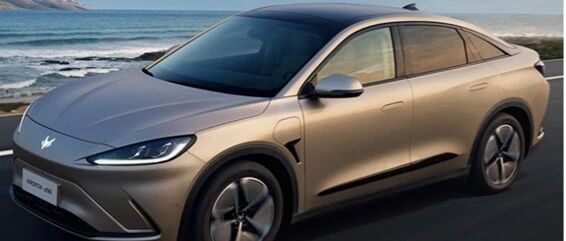
Core Insights - The article discusses the approval of L3-level conditional autonomous driving vehicles in China, specifically the Changan Deep Blue SL03 and BAIC Arcfox αS6, highlighting their operational limitations and the significance of this regulatory milestone [4][6]. Group 1: Regulatory Approval and Market Impact - On December 15, 2025, the Ministry of Industry and Information Technology of China approved Changan and BAIC's applications for L3-level autonomous vehicles, allowing them to operate under specific conditions [4][6]. - The approval is seen as a symbolic milestone that exceeds the immediate production value, with the first half of 2026 expected to be a critical window for mass production of L3-level autonomous vehicles in China [6][7]. Group 2: Competitive Landscape - Tesla's Full Self-Driving (FSD) 14.2 system is anticipated to enter mass production in China between Q2 and Q3 of 2026, increasing competitive pressure on local automakers [6]. - Joint ventures represented by companies like BMW, GM, and Mercedes are likely to miss the approval window for L3-level autonomous production in 2026 due to internal communication and localization compliance challenges [6]. Group 3: Technical Analysis of Approved Models - Both approved models, Changan Deep Blue SL03 and BAIC Arcfox αS6, are based on L2-level hardware but have been adapted for specific L3 operational design domains (ODD) [7]. - Changan's solution relies on pure visual perception and a rule-based planning and control system, reflecting the company's ongoing advancements since 2020 [10]. - BAIC's approach utilizes multi-sensor fusion and an end-to-end software architecture, optimized for L3 highway scenarios based on Huawei's commercial autonomous driving system [10]. Group 4: Future Projections - Additional models from companies such as BYD, FAW, GAC, NIO, and SAIC are expected to receive L3-level approval, with models from XPeng, Tesla, and those equipped with Huawei ADS 4.0 anticipated to launch in the latter half of 2026 [7].


智能汽车ETF(159889)盘中涨超1.4%,行业增长动能与技术迭代受关注
Mei Ri Jing Ji Xin Wen· 2025-11-27 05:37
Core Insights - The intelligent automotive industry in China has entered the AI Driving 2.0 phase, with accelerated technological iteration [1] - The VLA (Vision-Language-Action) technology architecture, represented by companies like Li Auto and Yuanrong Qihang, breaks the limitations of traditional end-to-end models by integrating three modalities to enhance system interactivity and long-term reasoning capabilities [1] - The industry is transitioning from rule-driven to data-driven approaches, although there are still concerns regarding technological pathways, investment returns, and policy implementation risks [1] Industry Developments - Huawei's ADS 4.0 adopts the WEWA architecture, emphasizing cloud simulation and vehicle model collaboration to create a direct cognitive model of the physical world, enabling rapid response and high safety redundancy [1] - Horizon Robotics and Momenta focus on one-stage end-to-end systems combined with reinforcement learning to enhance the human-like experience of intelligent driving systems [1] Investment Opportunities - The Intelligent Automotive ETF (159889) tracks the CS Intelligent Automotive Index (930721), which selects representative listed companies in the intelligent driving and vehicle networking sectors from the A-share market [1] - The index aims to reflect the overall performance of securities related to intelligent automotive companies, showcasing the industry's diversity and broad characteristics [1]
比较研究系列:AI智驾2.0,迈向智能涌现
Ping An Securities· 2025-11-24 12:22
Investment Rating - The report maintains a "Strong Buy" rating for the industry [1] Core Insights - The evolution of intelligent driving has entered the AI 2.0 phase, focusing on scalable capabilities and the ability to autonomously handle extreme edge scenarios, which will further enhance the commercial viability of intelligent driving systems [1] - Major players in the high-level intelligent driving sector are accelerating their entry into the Robotaxi business, leveraging mass-produced vehicles to optimize model training and performance in extreme scenarios [1][79] - The report highlights the importance of diverse real-world data and robust R&D resources as key competitive advantages for players in the AI driving space [81] Summary by Sections 1. Tesla's Software and Hardware Iterations - Tesla's FSD (Full Self-Driving) software has achieved significant milestones, with over 60 billion miles driven cumulatively, showcasing its leading position in intelligent driving [7] - The next-generation AI5 chip is expected to greatly enhance the performance and energy efficiency of Tesla's driving systems [8][9] 2. Development Stages of High-Level Intelligent Driving in China - The industry has transitioned from a rule-based system to a fully data-driven approach, marking the arrival of the AI driving era [15][12] - The current phase emphasizes end-to-end models that utilize extensive data for improved driving performance and user experience [18][19] 3. Technical Architecture: Mainstream Player Directions - The VLA (Vision-Language-Action) model integrates visual, language, and action modalities, enhancing the system's ability to understand and interact with the physical world [27][28] - Huawei's ADS 4.0 emphasizes a scene-driven approach, utilizing cloud simulations to train AI drivers without relying on large language models [49][50] 4. Business Model: Acceleration of Robotaxi Initiatives - The Robotaxi business is seen as a critical avenue for data collection and model optimization, with major players planning to leverage mass-produced vehicles for this purpose [65][66] - The report outlines two main technological routes for Robotaxi operations: the "crossing route" represented by Waymo and the "gradual route" represented by Tesla, each with its own advantages and challenges [67][68] 5. Investment Recommendations - The report recommends investing in companies such as Seres, Horizon Robotics, Great Wall Motors, Li Auto, and Xpeng Motors, which are well-positioned to capitalize on the advancements in AI driving technology [81]




尚界H5:客户年龄比预想的要大,增程版销量占比80%
车fans· 2025-11-14 00:30
Sales Performance - The sales of the H5 model have improved significantly, with current sales reaching over 40 units, largely driven by the launch of the Xiangjie S9T and Shangjie H5 models, with the Shangjie H5 accounting for 40% of total sales [1][2]. Customer Demographics - The typical customer profile for the H5 model is predominantly aged between 35-55 years, contrary to the manufacturer's data suggesting a younger demographic of 25-35 years [4][5]. - Recently, there has been an increase in customers aged 45-55, with diverse professions represented among buyers [5]. Purchase Motivations - Customers are primarily motivated to purchase the Shangjie H5 for two reasons: the backing of the Huawei brand and the competitive pricing within the Hongmeng Intelligent Driving series [9]. - The most popular configurations sold are the range-extended versions, specifically the Pro and Max models, priced at ¥159,800 and ¥179,800 respectively [2][16]. Competitive Landscape - The H5 model is frequently compared with various competitors, including BYD's Hai Si 06, Song series, Leap Motor C11 and C16, and Deep Blue S07, indicating a broad competitive field [12]. - Reasons for choosing competitors like Leap Motor include longer range for range-extended versions and flexible seating options [12][13]. Customer Feedback - Common complaints from customers include the driving quality of the chassis not meeting expectations, insufficient electric range for the range-extended version, and a desire for more visible branding from Huawei [19]. - The first maintenance for the range-extended version is required every 6 months or 5,000 kilometers, with regular maintenance costs around ¥500 [21]. Financial Options - The most common financing option is a 5-year low-interest plan, with a cash discount of ¥3,000 available at the dealership [11][17]. - The financial breakdown for the H5 Max model includes a loan amount of ¥150,000, with monthly payments around ¥2,811 [17]. Customer Incentives - There is a current promotion offering a ¥5,000 subsidy for trade-ins or additional purchases within the Hongmeng Intelligent Driving brand [26].
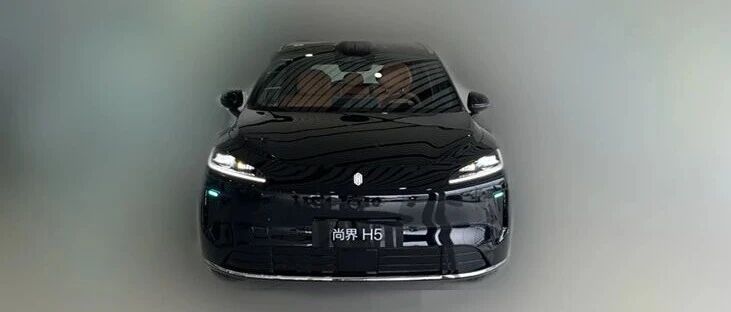
华为系最便宜的车来了!记者评测→
Di Yi Cai Jing Zi Xun· 2025-09-24 03:44
Core Insights - The article discusses the unveiling of Huawei's latest ADS 4.0 autonomous driving system, integrated with the Hongmeng operating system, during the "Fifth Realm" event in Lushan [2]. Group 1 - Huawei's ADS 4.0 represents a significant advancement in autonomous driving technology [2]. - The integration of the Hongmeng operating system aims to enhance the overall performance and user experience of the autonomous driving system [2].
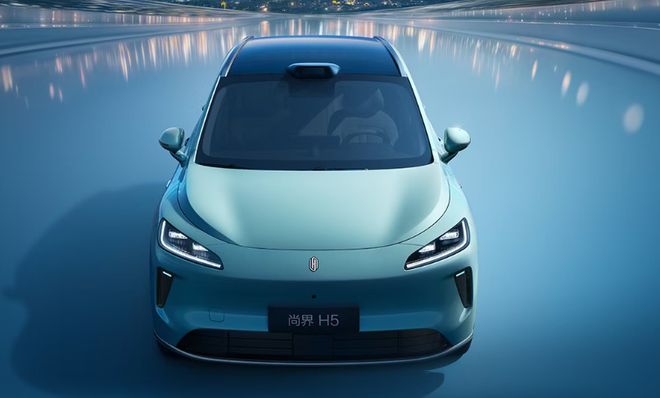
华为系最便宜的车来了!记者评测→
第一财经· 2025-09-24 03:25
Core Viewpoint - The article discusses the latest advancements in Huawei's ADS 4.0 autonomous driving technology and the unveiling of the "Fifth Realm" of Hongmeng Intelligent Travel, highlighting its significance in the automotive industry [3]. Group 1 - Huawei's ADS 4.0 is equipped with cutting-edge features aimed at enhancing autonomous driving capabilities [3]. - The "Fifth Realm" of Hongmeng Intelligent Travel represents a new phase in smart mobility, showcasing innovative solutions for the future of transportation [3].
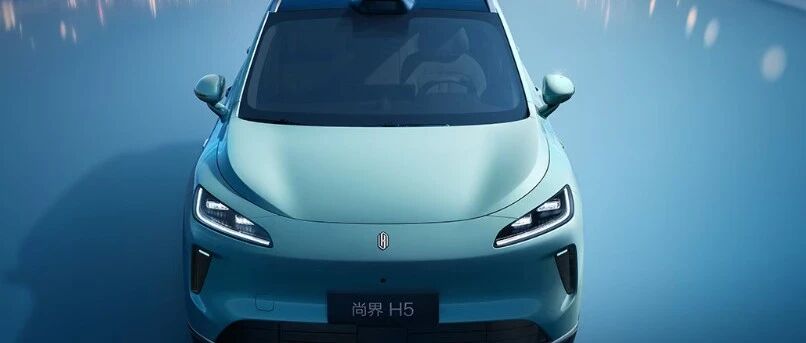
四个半月销量要过万,华为立下的军令状能帮猛士翻身吗?
3 6 Ke· 2025-08-22 11:51
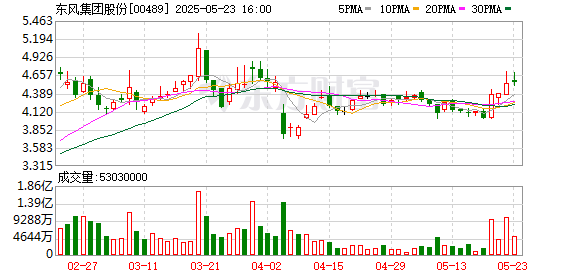
Core Viewpoint - The launch of the Dongfeng Mengshi M817 is seen as a critical opportunity for the Mengshi brand to recover from its previous struggles in the market, with a starting price of 319,800 yuan and promotional benefits of up to 70,000 yuan [1][5]. Sales Expectations and Historical Performance - Huawei has set a sales target of 12,400 units for the M817 within four and a half months, while Dongfeng Group internally expects 15,000 units [2]. - The Mengshi 917, launched in 2023, has underperformed with only 689 units sold in the first seven months of 2025, leading to significant financial losses for the brand [2][4]. - Dongfeng Group has issued a profit warning, predicting a net profit of only 30 to 70 million yuan for the first half of 2025, a decline of 90% to 95% year-on-year [3]. Market Positioning and Pricing Strategy - The M817's pricing strategy reflects a shift from a luxury positioning to a more competitive price point, with the entry-level model priced at 319,800 yuan, which is 10,000 yuan lower than the pre-sale price [5][14]. - The vehicle's pricing and promotional strategies have resulted in a high order rate of 40% in some northern regions, surpassing the industry average of 30% [5]. Brand Challenges and Market Dynamics - The Mengshi brand faces significant challenges in establishing itself in the competitive 300,000 yuan price segment, which is crowded with numerous players [14][15]. - The brand's previous luxury positioning has not resonated with consumers, leading to a need for a redefined brand narrative that emphasizes both performance and value [9][16]. - The overall market for new energy vehicles in the 300,000 to 400,000 yuan range has seen a decline in sales, particularly in the 300,000 to 350,000 yuan segment, which dropped by 18% compared to the previous year [15]. Strategic Implications - The M817 is positioned as a pivotal model for the brand, tasked with not only boosting sales but also revitalizing the brand's image and dealer profitability [9][12]. - The reliance on Huawei's technology for the M817 is a key selling point, with many consumers prioritizing the vehicle's smart driving capabilities over its off-road performance [10][12]. - The brand's future success hinges on its ability to quickly penetrate the market and establish a strong brand perception amidst increasing competition from other manufacturers [13][16].

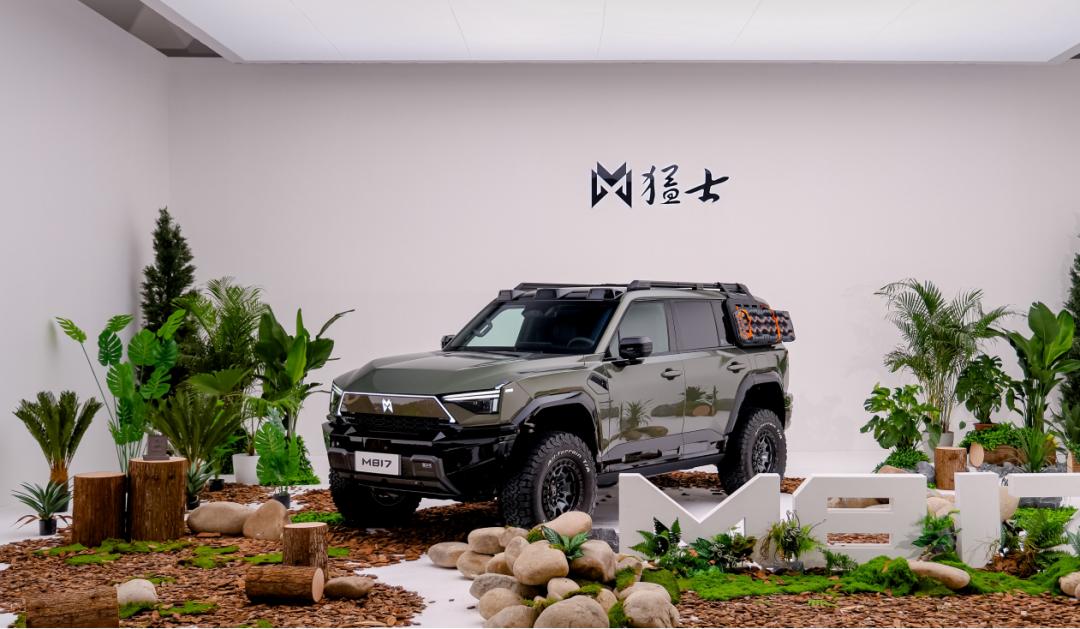
全价值产业链协同效应凸显 东风华为共绘智能化下半场“中国方案”
Zhong Guo Jing Ying Bao· 2025-05-24 09:34
Core Viewpoint - Dongfeng Motor Group and Huawei have signed a comprehensive strategic cooperation agreement to enhance collaboration in automotive intelligence, enterprise digitalization, and ecosystem development [2][4][8] Group 1: Strategic Cooperation - The cooperation will leverage both companies' complementary strengths in industrial resources and technology, focusing on areas such as intelligent driving assistance, smart cockpits, and electric components [4][5] - Dongfeng's entire brand lineup is expected to increase its "Huawei content," enhancing the level of intelligence, high-end features, and global reach [5][6] - The partnership marks a significant upgrade to a "group-level" collaboration, building on previous agreements dating back to 2018 [2][6] Group 2: Economic Impact - The signing ceremony was attended by key government officials, indicating the strategic importance of this partnership for the economic development of Hubei province [3] - The collaboration aims to support the growth of a trillion-level automotive industry cluster in Hubei, contributing to high-quality economic development [3][5] Group 3: Technological Development - Both companies plan to establish joint innovation laboratories to focus on software development for vehicles and AI applications [4][5] - The partnership will also extend to commercial vehicles, indicating a broader scope of intelligent solutions across different market segments [5][6] - Dongfeng and Huawei aim to integrate "hard products" with "soft technology" to create a win-win intelligent mobility ecosystem [5][6]