家电家具

Search documents
5.4% 上海经济新动能构筑强韧性
Jie Fang Ri Bao· 2026-01-22 01:31
Economic Performance - Shanghai's GDP for 2025 exceeded 5.6 trillion yuan, with a year-on-year growth of 5.4%, surpassing the national growth rate of 5% and improving by 0.4 percentage points from 2024 [1] - The economic performance was achieved despite a challenging external environment at the beginning of the year, with significant recovery in industrial and foreign trade indicators by year-end [1] Sector Contributions - The primary industry added value was approximately 9.94 billion yuan, growing by 2%; the secondary industry added value was about 1.2 trillion yuan, growing by 3.5%; and the tertiary industry added value reached around 4.5 trillion yuan, growing by 6% [2] - The industrial sector's value added increased by 5.0% for the year, driven primarily by emerging industries, with the three leading industries (integrated circuits, artificial intelligence, and biomedicine) seeing a 9.6% increase in manufacturing output [2][3] Service Sector Growth - The service sector's value added grew by 6%, with the information service sector contributing the most at a growth rate of 15.3%, outpacing the financial sector's growth by 5.6 percentage points [3] - The rapid growth in the information service sector is attributed to the presence of platform companies, cloud computing, and integrated circuit design firms [3] Consumer Activity - The total retail sales of consumer goods in Shanghai increased by 4.6%, surpassing the national average, with significant contributions from policies promoting the replacement of old goods, particularly in sectors like new energy vehicles and home appliances [4][5] - The city issued 1 billion yuan in service consumption vouchers to stimulate spending in various sectors, leading to growth in accommodation and dining revenues [5] Foreign Trade Performance - Shanghai's total foreign trade reached 4.51 trillion yuan, growing by 5.6%, with exports at 2.02 trillion yuan (up 10.8%) and imports at 2.49 trillion yuan (up 1.8%), all setting historical records [6] - The resilience in foreign trade is attributed to the diversification of export markets, with significant growth in exports to ASEAN and Belt and Road countries [6] Global Connectivity - Shanghai's ongoing development of its "five centers" has enhanced its global connectivity, with the number of domestic and foreign financial institutions reaching 1,813 and the port's container throughput maintaining the global lead at 55.06 million standard containers [7] - The city's R&D expenditure as a percentage of GDP has increased to approximately 4.5%, reflecting a commitment to innovation and economic resilience [7]
“消费第一城”上海火力全开
第一财经· 2026-01-21 02:05
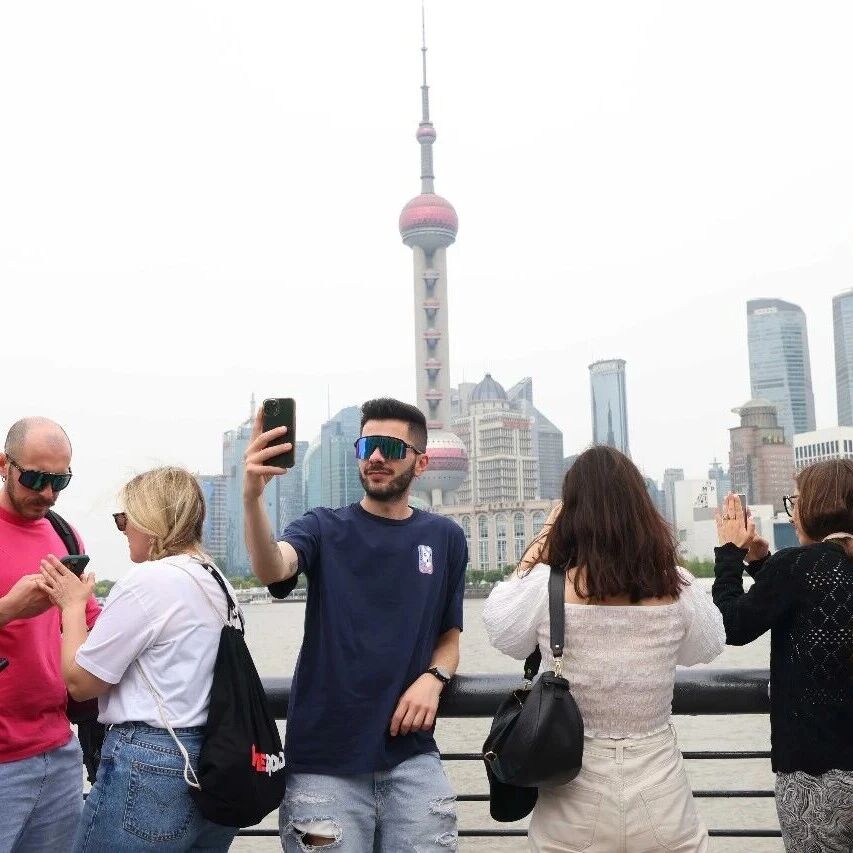
Core Insights - Shanghai's retail sales reached over 1.66 trillion yuan in 2025, marking a 4.6% year-on-year increase, outperforming the national average of 3.7% by 0.9 percentage points [2] - Key growth sectors included new energy vehicles, communication equipment, and home appliances, with significant increases in retail sales across various categories [2] - The city welcomed a record 9.36 million inbound tourists in 2025, a 40% increase from the previous year, alongside an 80% rise in tax refund sales [2] Factors Driving Growth - The steady recovery in Shanghai's consumption data is attributed to three main factors: targeted policy measures, innovative cultural and commercial activities, and the accelerated recovery of international flights and visa facilitation [4] - Policies such as trade-in programs for automobiles and home appliances, along with service consumption vouchers, have effectively stimulated demand [4] - The implementation of the trade-in policy led to over 320,000 cars and 4.5 million digital products being replaced, generating over 120 billion yuan in sales and benefiting more than 21.95 million people [4] Continued Growth Prospects - Despite uncertainties in the international environment, the strong growth trend in consumption is expected to continue into 2026, with service consumption remaining a key driver [7] - Policies supporting consumption and inbound tourism are anticipated to persist, with potential for further activation of service consumption [7] - Recommendations for sustaining growth include enhancing convenience measures for inbound tourism, improving service quality, and leveraging digital tools for better consumer engagement [8]

零售节节高,入境游创纪录:“消费第一城”上海火力全开
Sou Hu Cai Jing· 2026-01-21 01:53
Core Insights - Shanghai's retail sales reached over 1.66 trillion yuan in 2025, marking a year-on-year growth of 4.6%, which is 0.9 percentage points higher than the national average of 3.7% [1] - Key sectors such as new energy vehicles, communication equipment, and home appliances experienced double-digit growth, with cultural and office supplies retail sales increasing by 30.4% [1] - The number of inbound tourists to Shanghai hit a record high of 9.36 million, a 40% increase from the previous year, alongside an 80% rise in tax refund sales [1] Economic Drivers - The steady recovery in Shanghai's consumption data is attributed to three main factors: targeted policy measures, innovative cultural and commercial events, and the accelerated recovery of international flights and visa facilitation [2] - Policies such as trade-in programs for automobiles and home appliances, along with service consumption vouchers, have effectively stimulated demand, with a leverage ratio of approximately 1:3.4 [2] - In 2025, over 320,000 vehicles were traded in under the old-for-new policy, and more than 4.5 million digital products were purchased, generating over 120 billion yuan in sales [2] Event Impact - Events like the "Five-Five Shopping Festival" and "Tourism Festival" significantly contributed to consumer spending, with the tourism festival alone driving over 300 billion yuan in consumption [3] - The relaxation of inbound tourism policies, including visa exemptions and increased direct flights, has led to a surge in visitors, particularly from South Korea [3] Future Outlook - The strong growth trend in consumption is expected to continue into 2026, with service consumption projected to remain a key driver [4] - Ongoing policies, including the "28 measures" for service and consumption linkage, are anticipated to further stimulate service consumption potential [4] - Recommendations for sustaining growth include enhancing inbound tourism measures, improving service quality, and leveraging digital tools for better consumer engagement [5]
总量全球第五,增速跑赢全国,2025上海GDP5.67万亿
Di Yi Cai Jing· 2026-01-21 01:46
Core Insights - Shanghai is positioned at a strategic window with both opportunities and structural challenges as it aims for resilient growth and enhanced urban functions during the "14th Five-Year Plan" period [1][2] Economic Growth - By 2025, Shanghai's GDP is projected to reach 56,708.71 billion yuan, reflecting a year-on-year growth of 5.4%, surpassing the national average of 5% [1] - Shanghai's industrial strategic emerging industries are expected to grow by 6.5%, accounting for 45% of the total industrial output value, up from 43.6% in 2024 [3] - The three leading industries in Shanghai are anticipated to see a 9.6% increase in output value, exceeding 2 trillion yuan, with integrated circuit manufacturing growing by 15.1% and artificial intelligence manufacturing by 13.6% [3] Consumption, Investment, and Trade - In 2025, Shanghai's total retail sales of consumer goods are expected to grow by 4.6%, outpacing the national growth of 3.7% [4] - Fixed asset investment in Shanghai is projected to increase by 4.6%, significantly higher than the national decline of 3.8%, with industrial and infrastructure investments growing by 20% and 11.2%, respectively [4] - Shanghai's foreign trade is expected to reach 4.5 trillion yuan, with exports increasing by 10.8%, particularly to ASEAN and Belt and Road countries [5] Structural Transformation - The "14th Five-Year Plan" emphasizes the need for Shanghai to enhance its economic resilience and promote urban transformation amid global uncertainties [7] - Shanghai is building a modern industrial system characterized by advanced manufacturing, with five national-level industrial clusters established [8] - The financial services sector in Shanghai is expected to see a total market transaction volume of 40.59 trillion yuan, reflecting an 11.2% growth [9] Innovation and Research - Shanghai's R&D expenditure is projected to reach about 4.5% of its GDP, with basic research accounting for approximately 13% of total R&D spending [9] - The city aims to enhance its innovation capabilities, with a focus on high-value invention patents, targeting 65 patents per 10,000 people [9] Urban Development - The construction of the "Five Centers" is crucial for enhancing Shanghai's overall urban competitiveness and core capabilities [10] - The city is leveraging its rich financial and research resources to support the entire innovation chain, aiming to create a more favorable environment for long-term capital [10]
这份最新趋势报告,为2026年消费市场划出重点(附下载链接)
Sou Hu Cai Jing· 2025-12-23 18:45
Core Insights - The report highlights a "moderate recovery with structural differentiation" in China's consumption market for the period from January to November 2025, with total retail sales of consumer goods reaching 45.6 trillion yuan, a year-on-year increase of 4% [1][2][8]. Consumption Market Overview - Total retail sales of consumer goods reached 45.6 trillion yuan, growing by 4% year-on-year, indicating a gradual release of domestic demand recovery [1][8]. - Significant growth was observed in discretionary consumption categories such as communication equipment (20.9%), gold and silver jewelry (13.5%), and home appliances (14.8%) [11]. - Service consumption continues to rise, with per capita service consumption accounting for 46.8% in the first three quarters [2][32]. - Online retail remains stable, accounting for approximately 25.9% of total retail sales, with a 5.7% increase in physical goods sold online [9]. Consumption Trends - The report identifies six major trends in the consumption market: 1. Stabilizing consumer confidence with internal differentiation 2. Coexistence of rational consumption and quality upgrades, with "value for money" becoming a core logic 3. The rise of emotional consumption, driven by Generation Z 4. Strong growth in lower-tier markets 5. Flourishing cultural and sports consumption driving surrounding economies 6. Acceleration of domestic brands going global, particularly in trendy toys, new energy vehicles, and smart home appliances [2][29]. Policy Impact on Consumption - Policies aimed at stimulating consumption include expanding the scope of trade-in programs to digital products and providing subsidies for consumer loans and childcare, effectively stimulating consumption potential [1][21][24]. - The report emphasizes that expanding domestic demand is crucial for economic rebalancing, requiring industrial upgrades and income distribution reforms to build a sustainable and healthy consumption market ecosystem [2][21]. Future Outlook - Looking ahead to 2026, the report anticipates a moderate recovery in total consumption volume, supported by the wealth effect, coordinated policy efforts, and gradual income improvements, with a projected retail sales growth rate of around 5% [2][63]. - The consumption structure is expected to evolve towards service consumption, emotional consumption, and green consumption, with traditional industries facing transformation challenges [2][70].

【数说经济】城乡联动做活乡村消费大文章
Sou Hu Cai Jing· 2025-12-18 23:56
Group 1 - The core viewpoint of the articles highlights the growing significance of rural consumption in China, driven by increased farmer income and improved social security, leading to a notable rise in consumption capabilities and willingness [2][3] - Rural consumption has shown a consistent growth rate higher than urban consumption, with rural retail sales increasing by 2.8% year-on-year compared to urban sales growth of 1.0% in November [2] - By the end of 2024, China's rural population is projected to be approximately 465 million, representing 33% of the total population, indicating a substantial market potential [2] Group 2 - Digital transformation is injecting strong momentum into rural consumption, with mobile phones becoming essential tools and live streaming emerging as a new method for agricultural promotion [3] - The rural market is experiencing a shift from survival-based consumption to development-oriented consumption, with increasing demand for appliances, smartphones, and services in culture, tourism, education, and health [2][3] - There are significant regional differences in rural consumption, with eastern coastal areas nearing urban consumption levels while central and western regions still have considerable room for growth [3] Group 3 - To unlock rural consumption potential, it is essential to strengthen county economies and develop local industries, creating more job opportunities that allow farmers to remain connected to their communities [4] - Enhancing the rural consumption environment is critical, with over 2,100 county-level logistics centers and more than 340,000 village-level logistics service stations established during the 14th Five-Year Plan [5] - Cultural elements from rural areas can be transformed into unique consumer attractions, such as traditional festivals and local crafts, which can drive consumption when creatively marketed [5]

消费贷财政贴息政策持续落地 天猫双11上线“国家贴息”专区
Shang Hai Zheng Quan Bao· 2025-10-30 05:15
Core Insights - The launch of the "National Subsidy" product section on Taobao Tmall aims to implement the personal consumption loan interest subsidy policy, allowing consumers to enjoy interest-free installment payments when purchasing eligible products [1][2] - The combination of government subsidies, financial support, and merchant discounts is expected to stimulate consumer spending and drive economic growth [1] Group 1: Policy Implementation - The "National Subsidy" product section was officially launched on October 30, allowing consumers to benefit from state subsidies when using Huabei installment payments [1] - Since the introduction of the subsidy policy on September 1, e-commerce platforms and brand merchants have actively responded, offering additional interest subsidies [1] Group 2: Consumer Behavior - Interest-free installment payments have become increasingly popular among consumers, as they reduce financial burden and enhance purchasing power [1] - The number of products eligible for Huabei interest-free installments on Taobao Tmall has reached tens of millions, with a 60% increase in the coverage of high-instalment products [2] Group 3: Brand Response - Leading brands, such as Freycat in the pet food industry, have reported significant increases in order numbers through interest-free payments, with a nearly 9-fold growth compared to the previous promotional event [2] - Bosideng Group plans to expand its interest-free installment offerings and enhance promotional efforts to maximize consumer benefits from the subsidy policy [2]

两天谈判,中美贸易战出现转折点,美国100%关税威胁撤了
Sou Hu Cai Jing· 2025-10-27 17:06
Group 1 - The U.S. Treasury Secretary's statement of "no longer considering" trade tariffs indicates a significant shift in the ongoing trade negotiations with China, marking a breakthrough after years of tension [1] - China had planned to implement export controls on certain rare earth products starting November 8, which would directly impact U.S. military supply chains that rely over 70% on Chinese rare earths [3] - The negotiations included a trade-off where the U.S. would relax certain export controls in exchange for China's stricter regulation on fentanyl precursor chemicals, highlighting a strategic exchange of interests [3] Group 2 - The pressure from agricultural states, particularly due to a 27% year-on-year increase in U.S. soybean inventories caused by halted exports to China, has influenced U.S. trade policy [5] - Historical data shows that tariffs have significantly increased consumer prices in the U.S., with household fan prices rising by 83% and overall consumer costs potentially exceeding $100 billion if tariffs are fully implemented [5] - Internal divisions within the Trump administration regarding trade policy with China have led to inconsistent strategies, complicating the negotiation process [7] Group 3 - As part of the negotiation outcomes, the U.S. has agreed to ease certain export restrictions, which is expected to have a substantial impact on the development of China's high-tech industry [9] - The trade war has prompted a shift in global supply chains, with Chinese companies increasingly relocating to ASEAN countries and Mexico, significantly altering trade dynamics [10] Group 4 - The current pause on reciprocal tariffs is set to expire on November 10, and both parties are working to extend this pause to avoid additional tariffs of 24% on each side [12] - Discussions are ongoing regarding a trade agreement proposal, which is nearing finalization and could soon be presented to the leaders of both countries for approval [12]

“十四五”期间新发布国家标准1.3万余项,国家标准总数已达到4.7万余项
Zhong Guo Xin Wen Wang· 2025-08-25 07:53
Core Viewpoint - The Chinese government is focusing on enhancing the national standard system during the "14th Five-Year Plan" period to support high-quality development, with significant progress in standard formulation and implementation [1][2][3]. Group 1: Standard Supply - The average development cycle for national standards has been reduced from 36 months to 16 months, optimizing the standard formulation and revision mechanism [1][2]. - Over 13,000 new national standards have been released during the "14th Five-Year Plan," bringing the total to over 47,000 [1]. Group 2: Standard Quality - More than 57% of important technology project standards have been established, with over 2,400 national standards released in key areas such as artificial intelligence and smart manufacturing [2]. - The revised energy consumption limit standard for crude steel is expected to save over 10 million tons of standard coal annually [2]. Group 3: Standard Effectiveness - Over 500 mandatory national standards related to safety production and consumer product safety have been introduced [2]. - In the first half of this year, there was a 131% increase in newly established mandatory national standards and a 58% increase in newly released standards compared to the previous year [2]. Group 4: Standard Cooperation - China has led the formulation of 1,079 international standards and adopted over 6,900 international standards during the "14th Five-Year Plan" [3]. - The country has promoted mutual recognition of over 500 standards and has implemented Chinese standards in several international railway cooperation projects [3].
市场监管总局:国家标准平均研制周期由36个月缩减到16个月
Shang Hai Zheng Quan Bao· 2025-08-22 05:57
Group 1 - The National Market Regulation Administration is accelerating the standard supply process, reducing the average development cycle of national standards from 36 months to 16 months [2] - Over the past year, the administration has implemented a plan to enhance the upgrading of traction equipment and promote the recycling of consumer goods, releasing important standards for electric vehicles and home appliances [2] - During the 14th Five-Year Plan period, more than 13,000 national standards have been newly released, bringing the total number of national standards to 47,000 [2] Group 2 - The administration is improving the quality of standards, with over 57% of important technology project standards being established [3] - It has launched initiatives for new industry standards and high-end equipment manufacturing, releasing over 2,400 national standards in key areas such as artificial intelligence and smart manufacturing [3] - The administration is enhancing the effectiveness of standards, having issued over 500 mandatory national standards related to safety production and consumer product safety [3]