郎酒青花郎

Search documents
习酒大单品价格日跌百元,谁在放量抛售?
Xin Lang Cai Jing· 2026-02-09 05:40
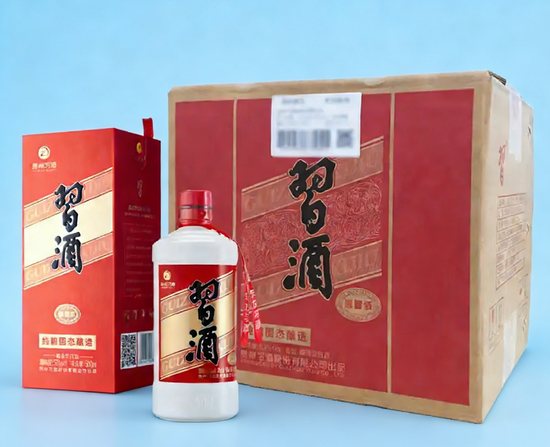
Core Insights - The article highlights a significant price drop for the popular Chinese liquor brand, Xijiu, particularly its flagship product, Yuan Xijiu, which saw wholesale prices plummet from nearly 500 yuan per box to a low of 385 yuan within days, indicating a severe disruption in the pricing structure [3][12][14] - The sudden influx of over 100,000 boxes of Yuan Xijiu into the market has led to a chaotic pricing environment, raising questions about the company's supply chain management and control mechanisms [4][13] - Xijiu is facing dual pressure from both high-end competitors like Moutai 1935 and mid-range brands, leading to a significant decline in market share and pricing power [6][15] Market Dynamics - The price of Yuan Xijiu dropped sharply, with a reported single-day decline of nearly 100 yuan, reflecting a broader trend of excess inventory and aggressive discounting among distributors [3][4] - The high-end product, Junpin Xijiu, also experienced a decline, with its wholesale price falling from 980 yuan per bottle at the beginning of the year to 630 yuan by year-end, a drop of 35.71% [14][17] - The overall sales forecast for Xijiu is projected to decline to approximately 19 billion yuan in 2025, down from 22.447 billion yuan in 2023, indicating a significant drop in market position [17] Strategic Challenges - Xijiu's management has acknowledged the need for improved market order and pricing control, with plans to implement a dual-brand strategy and marketing reforms aimed at stabilizing prices and enhancing brand value [5][18] - The company is also facing challenges from increased competition in both high-end and mid-range markets, with competitors like Moutai and Langjiu exerting pressure on Xijiu's pricing and market share [6][15] - The article emphasizes the importance of addressing supply chain issues, optimizing pricing strategies, and reinforcing brand differentiation to navigate the current market turmoil effectively [18]

2025茅五泸掀价格保卫战,经销商收缩求生
3 6 Ke· 2025-12-30 10:30
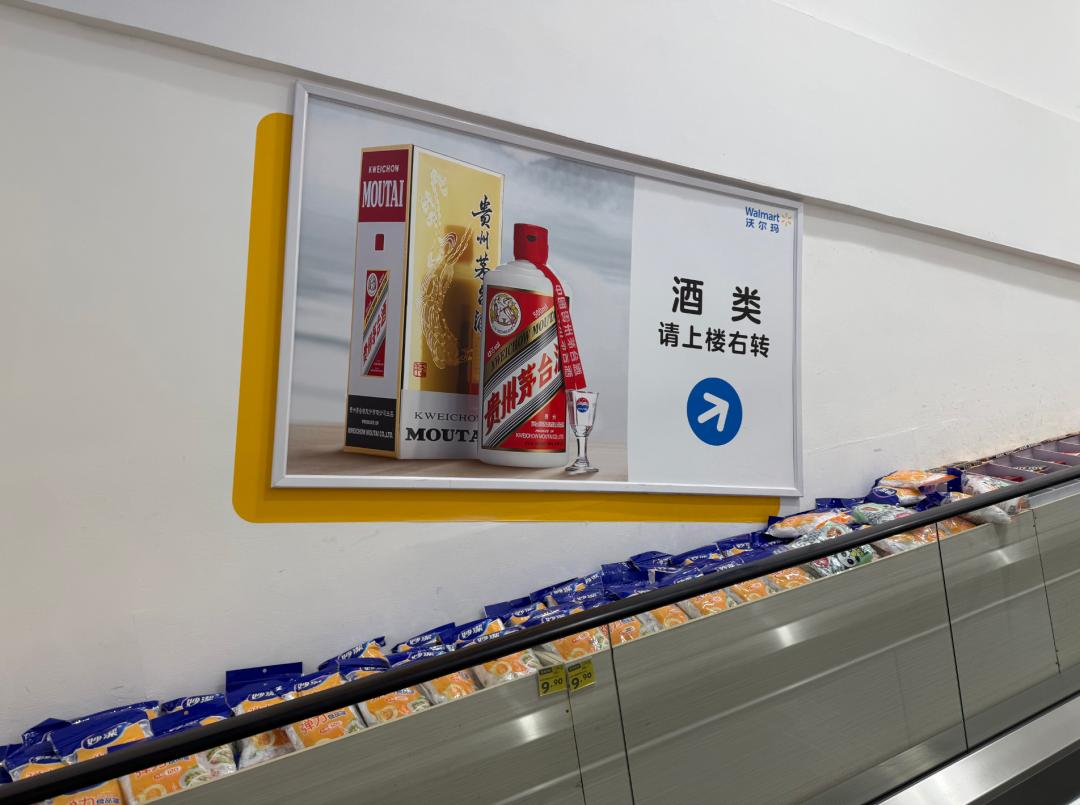
Core Viewpoint - The Chinese liquor industry is undergoing a significant adjustment, with high-end liquor prices declining and companies shifting their strategies to stabilize prices and adapt to changing consumer behaviors [4][10][11]. Group 1: Market Dynamics - The demand for high-end liquor has decreased, with a shift from traditional gifting consumption to more personal consumption, leading to a reduction in sales of premium products [5][6]. - The price of 53-degree 500ml Flying Moutai has fluctuated significantly, dropping to around 1495 yuan per bottle, prompting the company to implement quantity control measures to stabilize market expectations [3][8]. - The overall liquor market is experiencing a price decline, with major brands like Wuliangye and Fenjiu also seeing price reductions compared to the previous year [9][10]. Group 2: Financial Performance - In the first three quarters of the year, the liquor sector's 19 listed companies reported a total revenue of 317.74 billion yuan, a year-on-year decrease of 5.85%, and a net profit of 122.68 billion yuan, down 6.90% [14]. - The average return on equity (ROE) for the sector fell to 19.77%, a decrease of 2.84 percentage points from the previous year, indicating pressure on profitability [14]. - The stock performance of the liquor sector has been weak, with a cumulative decline of 13.76% for the liquor index in 2025, resulting in a market capitalization reduction of approximately 404 billion yuan [14][15]. Group 3: Strategic Adjustments - Companies are focusing on reducing burdens on distributors and shifting marketing strategies to be more consumer-centric, moving away from traditional distribution methods [17][18]. - Major liquor companies are streamlining their distribution channels, with a net reduction of 1,701 distributors among 20 listed companies in the first half of 2025 [18]. - The concept of a "shared destiny" between manufacturers and distributors is being emphasized, with calls for shared pricing power and responsibilities to ensure sustainable partnerships [18].




五粮液,曲线降价
2 1 Shi Ji Jing Ji Bao Dao· 2025-12-12 07:37
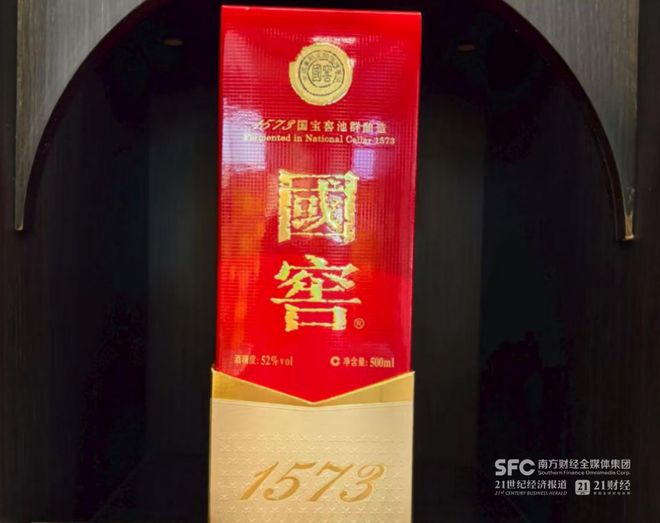
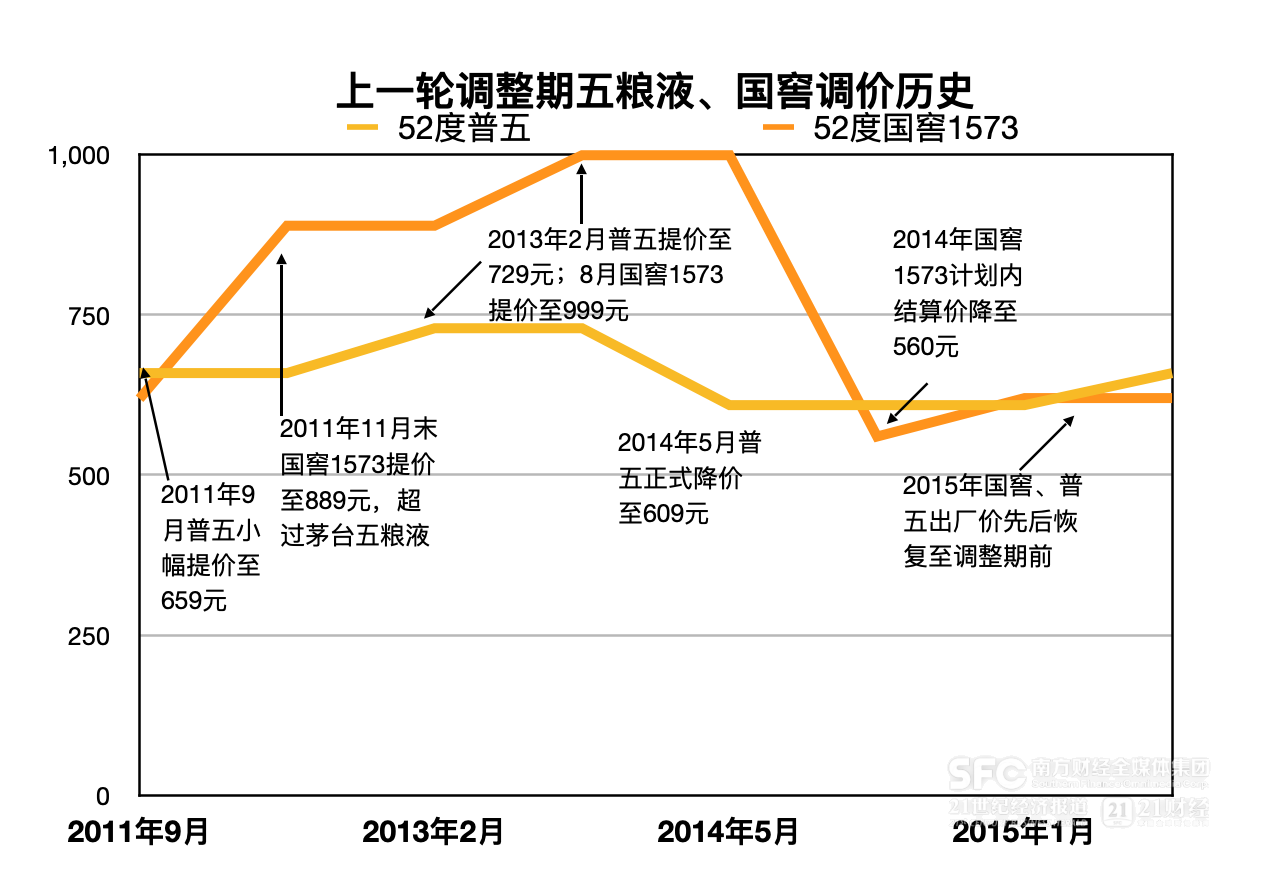
Core Viewpoint - The recent price adjustment by Wuliangye has sparked industry speculation about whether other high-end liquor brands, particularly Guojiao 1573, will follow suit in adjusting their prices [1][2]. Group 1: Market Dynamics - Wuliangye and Guojiao 1573 have historically maintained a close price relationship, often adjusting their prices in tandem, with the price difference typically within a few dozen yuan [4][11]. - The competitive landscape has evolved, with Guojiao 1573 expected to adopt a follow-up strategy similar to Wuliangye, potentially offering more channel subsidies instead of directly adjusting factory prices [2][5]. - The current market environment shows a downward trend in prices for many high-end liquor brands, with only a few maintaining prices above the thousand yuan mark [7][18]. Group 2: Pricing Strategies - Wuliangye's pricing strategy has included a cycle of price increases followed by temporary reductions through channel subsidies, with the factory price of its eighth-generation product reaching 1,019 yuan [14][9]. - Guojiao 1573 has previously faced challenges when it attempted to maintain higher prices than Wuliangye, leading to a decline in market share, which has influenced its current pricing strategy [10][17]. - The ongoing adjustment period has seen Guojiao 1573 initially raise its price to 980 yuan, surpassing both Wuliangye and Moutai, but it remains to be seen if it will follow Wuliangye's lead in further price adjustments [16][15]. Group 3: Competitive Positioning - The market share dynamics indicate that Moutai holds approximately 50% of the high-end liquor market, while Wuliangye captures around 30%, with other brands holding less than 10% [18]. - Guojiao 1573 has diversified its product offerings, with both high and low alcohol content products contributing significantly to its revenue, which is projected to exceed 20 billion yuan in 2024 [20][21]. - The competitive landscape has intensified with the emergence of new players, making pricing strategies more critical for maintaining market position [22][24].
五粮液出招“调价”,国窖们跟不跟?
2 1 Shi Ji Jing Ji Bao Dao· 2025-12-12 03:29
Core Viewpoint - The recent price adjustment news from Wuliangye has sparked industry speculation about whether other high-end liquor brands will follow suit, particularly focusing on the competitive dynamics between Wuliangye, Guojiao 1573, and other brands in the premium liquor market [1][3][4]. Group 1: Market Dynamics - Wuliangye, Guojiao 1573, and Moutai are the top three players in the high-end liquor market, with Wuliangye and Guojiao 1573 often adjusting their strategies in tandem due to their similar pricing and market positioning [2][4]. - The competition has intensified, with Guojiao 1573's pricing strategy closely mirroring that of Wuliangye, often resulting in a price difference of only a few dozen yuan between the two brands [4][11]. - The current market environment shows a trend of price adjustments, with Wuliangye leading the way by increasing channel subsidies to effectively lower the cost for distributors without officially changing the factory price [13][15]. Group 2: Historical Context - The current price adjustment cycle resembles previous cycles, where both Wuliangye and Guojiao 1573 have engaged in back-and-forth pricing strategies, including price increases followed by temporary reductions [9][10][12]. - Historical data indicates that Guojiao 1573 has previously faced challenges when maintaining higher prices than Wuliangye, leading to a significant drop in market share during past adjustment periods [10][11]. Group 3: Strategic Responses - Guojiao 1573 is expected to adopt a follow-up strategy similar to Wuliangye's, potentially using indirect methods such as increased subsidies to maintain competitiveness without directly lowering factory prices [4][15]. - The strategic focus of both companies has diverged, with Wuliangye prioritizing volume sales while Guojiao 1573 has the flexibility to leverage both high and low alcohol content products to enhance market presence [18][20]. - The competitive landscape has evolved, with new entrants like Langjiu and Moutai 1935 gaining market share, complicating the pricing strategies for established brands [22][23].
白酒行业泡沫出清,汾酒董事长直言:白酒行业过得不容易
Sou Hu Cai Jing· 2025-12-03 04:36
Core Insights - The Chinese liquor industry is undergoing a significant restructuring and bubble clearing as of late 2025, with prices of premium products like Moutai dropping below official guidance and high inventory levels leading to widespread losses among distributors [1][3][5] Price Collapse and Inventory Issues - The price system in the liquor industry is experiencing a comprehensive loosening, with Moutai's wholesale price falling below 1600 yuan and e-commerce platforms offering prices as low as 1299 yuan, representing a decline of over 50% from its peak in 2021 [3][5] - This "benchmark effect" has spread across the industry, with major brands like Wuliangye and Luzhou Laojiao also seeing significant price drops, leading to over 60% of liquor companies facing price inversions [5][7] - The industry is facing severe inventory issues, with turnover days reaching 900 days and a 300% increase in private inventory circulation, indicating a collapse of speculative buying expectations [5][7] Performance Data - The liquor industry reported its worst quarterly performance in nearly a decade in Q3 2025, with 20 listed companies in A-shares generating a total revenue of 3177.79 billion yuan (down 5.90% year-on-year) and a net profit of 1225.71 billion yuan (down 6.93% year-on-year) [7][9] - Over 80% of companies reported a decline in net profit, with Wuliangye's revenue plummeting by 52% and Yanghe's profit dropping by 158% [7] Changing Consumer Logic - The core issue facing the industry is the failure of traditional growth logic, as government and business consumption models have become ineffective due to strict regulations and economic downturns [9][11] - Younger consumers are increasingly rejecting the traditional liquor culture, leading to a significant decline in white liquor consumption at social events [9][11] - Consumer demand is shifting from a focus on social consumption to a balance of social and personal enjoyment, with new consumption scenarios like casual drinking and home consumption emerging as growth areas [11][12] Strategic Adjustments - Shanxi Fenjiu is one of the few companies maintaining growth, with a revenue increase of 5% in the first three quarters of 2025, attributed to its product advantages and market strategies [15][18] - The company plans to adopt a "dual-line" strategy focusing on traditional markets and expanding into younger and international markets, with new product lines aimed at attracting younger consumers [15][18] Industry Transformation - The liquor industry is transitioning from a focus on investment to a focus on quality, with a projected decline in consumption volume over the next decade [19][20] - Companies are expected to prioritize producing better quality liquor and adapting to changing consumer demands, with a notable increase in the storage of high-quality base liquor [20] - The industry is moving towards a new phase characterized by social drinking, personal enjoyment, and investment collection, necessitating higher standards for product innovation and brand management [19][20]
第三季度深度调整后 白酒再遇“双11” 有产品降不动价了
Nan Fang Du Shi Bao· 2025-11-11 16:35
Core Viewpoint - The "Double 11" shopping festival has seen a continuation of low prices for liquor, but some premium products have reached a price stabilization point, indicating a shift in market dynamics and strategies from liquor companies [1][2][4]. Price Trends - Many liquor products have experienced price drops during the "Double 11" event, with notable examples including: - Junpin Xijiu dropping to a minimum of 589 yuan per bottle from a thousand yuan price range [2]. - Jinsha Zhai's price falling below 400 yuan, reaching as low as 358 yuan per bottle [2]. - Dream Blue M6+ prices ranging from 560 to 650 yuan, with a new low of 499 yuan on e-commerce platforms [2][3]. - However, some products, such as Wuliangye and Guojiao 1573, have shown price stability compared to the "618" event, indicating a reluctance to further reduce prices [3][6]. Subsidy Dynamics - The subsidy levels for liquor during "Double 11" have not significantly increased compared to previous events, with more subsidies directed towards other categories like beauty and electronics [4][5]. - The ongoing presence of subsidies has led to a decrease in consumer demand for liquor, as initial excitement has waned [4][5]. Company Strategies - Liquor companies are adopting a strong stance on price maintenance, emphasizing authorized sales channels and penalizing unauthorized distributors [5][7]. - This approach aims to protect the interests of distributors and maintain product value amidst a challenging market environment [6][7]. Market Conditions - The liquor industry is currently undergoing a deep adjustment phase, with companies focusing on inventory clearance and price stability to support distributors [6][7]. - The overall market sentiment suggests that if prices continue to decline, it could further damage distributor confidence and industry stability [6][7]. Future Outlook - The industry will continue to monitor the impact of "Double 11" on liquor prices, assessing whether they will stabilize or decline further in the coming months [8].
解读白酒“最差三季报”:至暗时刻的破与立(二)| 逆势增长4.54%,20家上市白酒企业合同负债达390亿元!渠道信心从何而来?
Mei Ri Jing Ji Xin Wen· 2025-11-07 02:35
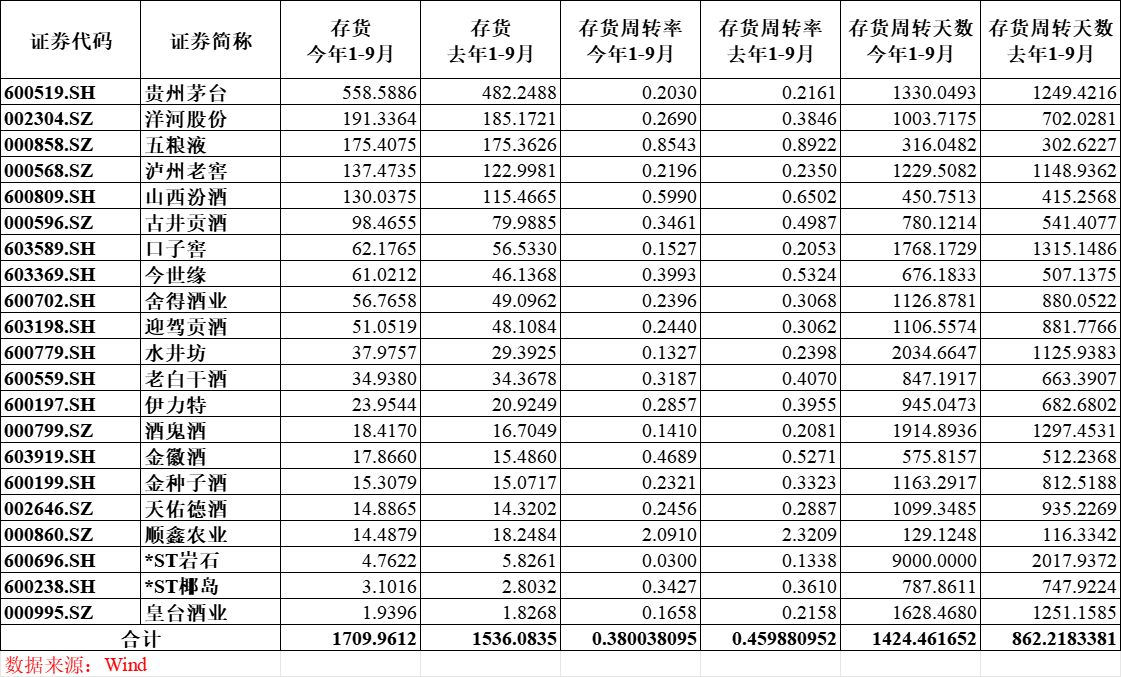
Core Viewpoint - The A-share liquor industry reported its worst performance in a decade for Q3 2025, with 20 listed companies (excluding Shunxin Agriculture) achieving a total revenue of 312.09 billion yuan and a net profit of 122.49 billion yuan, both down approximately 7% year-on-year [1][2] Financial Performance - The total revenue and net profit of the liquor industry have significantly declined, indicating a pronounced pressure on the industry [1] - Only Kweichow Moutai and Shanxi Fenjiu managed to maintain growth in both revenue and net profit amidst the overall decline [1] - The total contract liabilities for 20 liquor companies reached 39 billion yuan, reflecting a year-on-year increase of 4.54%, despite the overall performance downturn [1][6] Inventory and Turnover - The total inventory of 21 listed liquor companies rose to 170.99 billion yuan, a year-on-year increase of 11.32%, with an average inventory turnover period extending to 1424 days, up 65.21% from the previous year [2][4] - The increase in inventory turnover days signals significant pressure on channel inventory [4] Market Response - The market reacted calmly to the poor performance reports, with the China Securities Liquor Index rising by 1.72% on October 31, indicating that investors have already digested the performance pressures [1] - The stability in contract liabilities suggests that confidence in the industry and companies remains intact, despite the challenges [2][7] Channel Dynamics - The increase in contract liabilities is primarily driven by leading liquor companies, with four out of six major firms reporting year-on-year growth [7] - Companies are shifting from a simple sales model to a service-oriented approach, focusing on channel health and profitability for distributors [8][9] Innovative Sales Models - New sales models are emerging, such as the "Wan Shang Alliance" by Zhenjiu Li Du, which emphasizes no stockpiling and allows for returns, thereby reducing inventory risks [10][11] - The introduction of commission-based systems and unified pricing strategies aims to alleviate financial pressure on distributors and ensure transparent profit distribution [12] Conclusion - The growth in contract liabilities and the evolving relationships between manufacturers and distributors highlight the industry's resilience and potential for recovery, as companies prioritize channel health and collaborative strategies [12][13]

贵州茅台、五粮液、水井坊、舍得酒业、贵州习酒、国台酒业等酒企发布声明
Sou Hu Cai Jing· 2025-11-06 05:45
Core Viewpoint - During this year's "Double 11" shopping festival, at least eight major liquor companies issued statements regarding authorized stores, highlighting the prevalence of counterfeit products sold at low prices under the guise of "billion-dollar subsidies" and emphasizing the need for consumers to purchase through authorized channels [1][2][3] Group 1: Industry Response to Counterfeit Products - Major liquor companies, including Moutai and Wuliangye, have collectively issued warnings about unauthorized stores, marking a significant shift in their approach during promotional events [2][3] - Wuliangye reported that 12% of products purchased online were counterfeit, with a significant portion sourced from large e-commerce platforms [2][3] - The industry is increasingly recognizing the risks associated with unauthorized sales channels, which lack product control and traceability, leading to potential quality issues for consumers [3][4] Group 2: Price and Inventory Challenges - The liquor industry is facing high inventory levels and widespread price inversion, with the average inventory turnover days reaching 900 days, a 10% increase year-on-year [6] - Moutai's price has dropped significantly, with a total decline of 36.15% since 2022, reflecting changes in consumer behavior and market conditions [6][7] - The trend of low-priced promotions has exacerbated price inversion issues, forcing liquor companies to reassess their pricing strategies to maintain market stability [7][8] Group 3: Strategic Shift in Pricing Management - Liquor companies are increasingly focusing on controlling prices and stabilizing their pricing systems in response to market pressures [5][8] - Recent financial reports indicate that only a few companies, like Moutai, have seen revenue growth, while most have abandoned annual growth targets to prioritize channel health and price stability [8] - The ongoing losses faced by many distributors are prompting upstream liquor companies to reconsider their volume and pricing strategies to protect their interests [8]


习酒董事长频赴一线调研背后:九大白酒品牌,君品习酒跌得最“惨”
Sou Hu Cai Jing· 2025-09-30 03:34
Core Insights - The chairman of Xijiu Group, Wang Diqiang, has been conducting extensive market research across various provinces, indicating a strategic response to market pressures [1][5][10] - The wholesale price of Junpin Xijiu has seen a significant decline of 39.82% over the past five years, making it the largest drop among T9 brands [5][9][12] - The company aims to enhance its market positioning and sales strategies amid changing consumer preferences and increased competition following its separation from Moutai [10][15][17] Market Research and Strategy - Wang Diqiang's recent visits to key markets such as Shaanxi and Tianjin are part of a broader initiative to understand market dynamics and unify corporate strategy [1][5] - The research aims to identify issues and foster consensus within the company to elevate its marketing efforts [5][9] Price Trends and Market Position - Junpin Xijiu's wholesale price has decreased from 955 yuan per bottle in June 2021 to approximately 683 yuan currently, reflecting a significant market adjustment [5][8] - The average inventory turnover days for the white liquor industry has increased to 900 days, indicating a growing challenge in managing stock and pricing strategies [9][12] Industry Context and Challenges - The white liquor industry is experiencing a structural shift in consumer behavior, with a growing preference for lower-priced products, impacting high-end brands like Junpin Xijiu [9][10] - Following its independence from Moutai in 2022, Xijiu faces intensified competition, necessitating a reevaluation of its market strategy [12][15] Future Goals and Development - Xijiu aims to achieve an asset scale of 33 billion yuan and revenue of 23.5 billion yuan by 2025, with current figures at 26.835 billion yuan and 19.864 billion yuan respectively [17] - The company's leadership is focused on stabilizing prices and enhancing market confidence to drive growth in a challenging industry landscape [17]