ESG投资

Search documents
联储证券总经理张强:风劲帆满图新志砥砺奋进正当时
Xin Lang Cai Jing· 2026-02-16 01:29
Core Viewpoint - The article emphasizes the resilience of the Chinese economy in 2025 and expresses optimism for 2026, highlighting the importance of capital markets in supporting the real economy and fostering innovation during the "15th Five-Year Plan" period [5][6][13]. Economic Outlook - In 2025, China maintained economic stability despite complex domestic and international challenges, laying a solid foundation for high-quality development [5][12]. - The transition from old to new economic drivers is crucial, with significant adjustments in industrial structure and real estate [5][12]. - The macroeconomic policy remains steady, and microeconomic vitality is recovering, driven by technological innovation [6][12]. 2026 Economic Projections - The "15th Five-Year Plan" is expected to facilitate a stable and progressive economic transformation, with a focus on improving consumer income and supporting service consumption [6][13]. - A total of 500 billion yuan in policy financial tools will be gradually implemented to support infrastructure investment [6][13]. - Manufacturing investment is anticipated to return to a broader growth trajectory, while the real estate market is expected to stabilize as supply and demand improve [6][13]. Capital Market Developments - The capital market is poised for new opportunities in 2026, with a focus on maintaining stability and preventing excessive speculation [7][14]. - Reforms will include enhancing the public fund industry, broadening channels for long-term capital, and improving the adaptability of multi-tiered equity markets [7][14]. - The capital market is tasked with optimizing resource allocation and catalyzing new productive forces during this transitional phase [7][14]. Empowering the Real Economy - The capital market will play a crucial role in supporting the listing and financing of technology-driven enterprises, enhancing efficiency through digital transformation, and promoting inclusive finance for small and micro enterprises [8][15]. - The bond market will focus on resolving existing debt issues and facilitating deep industrial transformation, while the stock market will support emerging sectors such as artificial intelligence and biotechnology [8][15]. - A healthy capital market is expected to drive sustainable growth in listed companies, ultimately benefiting households with stable income from investments [8][15].


专访光大兴陇信托董事长王罡:锚定“十五五”谋发展 信托业如何回归本源提质增效
Xin Lang Cai Jing· 2026-01-04 12:48
Core Viewpoint - The trust industry in China is at a pivotal moment, transitioning towards a new phase of value creation and returning to its core responsibilities amid the "14th Five-Year Plan" conclusion and the "15th Five-Year Plan" preparation [1] Industry Opportunities and Challenges - The "15th Five-Year Plan" presents both opportunities and challenges for the trust industry, with national strategies opening up vast spaces for trust companies to leverage their institutional advantages while facing increased regulatory scrutiny [2] - The restructuring of trust business categories, including asset service trusts, asset management trusts, and charitable trusts, marks a significant regulatory shift, emphasizing the need for higher standards in the industry [2] Key Areas for Development - Trust companies should focus on four key areas to align with national strategic tasks: 1. Supporting the construction of a modern industrial system to strengthen the real economy [3] 2. Promoting technological self-reliance and innovation through new business models like intellectual property trusts [3] 3. Enhancing services for people's livelihoods to advance common prosperity, including the development of pension trusts and family trusts [4] 4. Facilitating green transformation and contributing to ecological sustainability through green trusts and ESG investments [4] Upgrading Services for National Market - The trust industry can enhance its services to support the construction of a unified national market by breaking down regional barriers and promoting efficient capital and goods flow [5][6] - This includes active participation in consumer finance, infrastructure investment, and modern circulation system construction, as well as providing tailored financial solutions for regional economic coordination and rural revitalization [6] Company Transformation Measures - The company is implementing a comprehensive reform plan to navigate the pressures of industry transformation, focusing on risk management, professional capability enhancement, and strengthening party leadership [7][8] - Specific measures include returning to the core of trust services, enhancing risk management systems, and fostering a culture of compliance and responsibility [7] - The company aims to build a high-quality development path through professional training and the establishment of specialized departments to meet the demands of innovative business models [8] Key Points for High-Quality Development - The company identifies three core positions for achieving high-quality development: 1. Firmly adhering to the role of trustee and focusing on customer-centric services [9] 2. Committing to serving the real economy and supporting national strategic initiatives [9] 3. Promoting group synergy to enhance service efficiency and provide integrated financial solutions [10]
光大兴陇信托董事长王罡:锚定“十五五”蓝图推动信托业高质量发展
Jing Ji Guan Cha Wang· 2026-01-04 06:18
Core Viewpoint - The trust industry in China is at a critical juncture, transitioning towards high-quality development amidst regulatory changes and evolving market expectations, as outlined in the "14th Five-Year Plan" and the upcoming "15th Five-Year Plan" [1][2]. Industry Overview - The trust industry is undergoing a significant transformation, with new regulations such as the "Trust Company Management Measures" categorizing trust businesses into three main types: asset service trusts, asset management trusts, and public welfare trusts, marking the first institutional restructuring since 2007 [2]. - The industry is experiencing a shift away from real estate and financing trusts towards emerging businesses like asset service trusts, which are becoming the main drivers of growth [2]. Strategic Opportunities - Trust companies are encouraged to align with national strategies focusing on modern industrial systems, technological self-reliance, regional coordinated development, green transformation, and improving people's livelihoods [2][3]. - Specific areas for trust companies to engage include: - Supporting the modernization of the industrial system by providing innovative investment trusts and supply chain financial services [3]. - Fostering technological innovation through knowledge property trusts and equity investment trusts [3]. - Enhancing social welfare through wealth management, pension security, and charitable trusts [3]. - Promoting green transformation by developing green trusts and ESG investments [4]. Market Integration - The trust industry is positioned to support the construction of a unified national market by facilitating the efficient flow of capital and goods, thus aligning with domestic market service and regional development goals [5]. Company Transformation - The company is implementing a comprehensive reform plan to address transformation pressures, focusing on risk management, compliance, and enhancing professional capabilities [6][7]. - Emphasis is placed on returning to the core trust responsibilities and improving customer satisfaction through specialized and targeted trust services [7]. Collaborative Development - The company aims to deepen collaboration within the financial group, providing integrated financial solutions and wealth management services, particularly in family trusts and pension services [8].
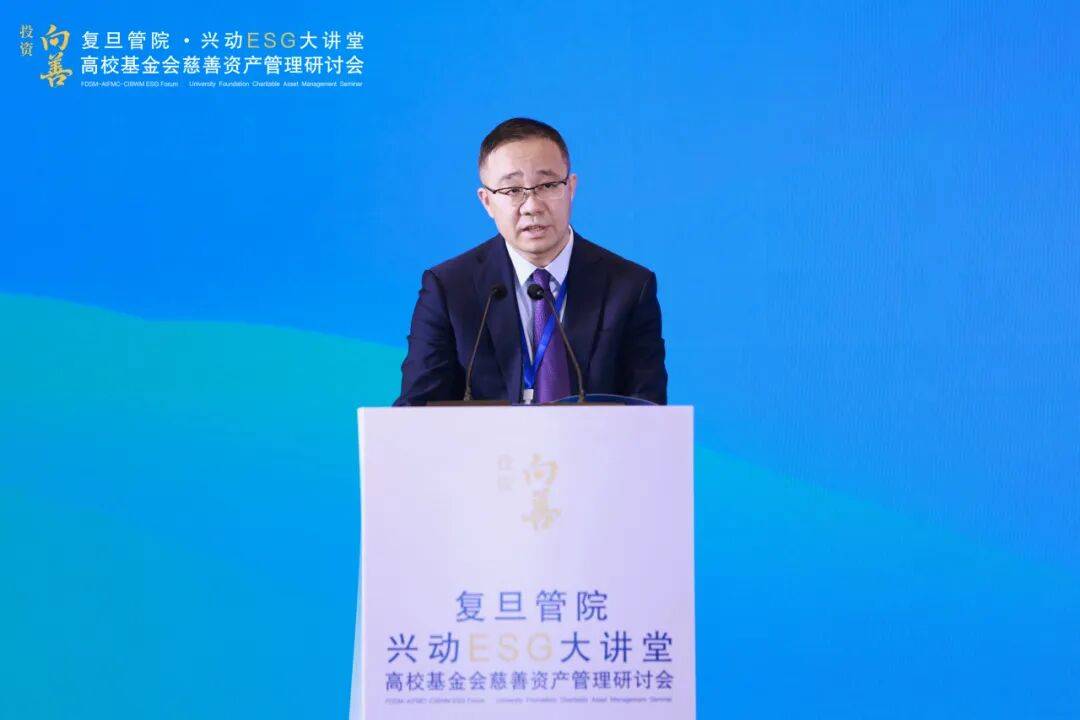
高校基金会如何在资本市场创出一片天?
Sou Hu Cai Jing· 2025-11-29 07:51
Core Viewpoint - The rise of university foundations is crucial for providing long-term support for education, and their ability to navigate capital markets for stable investment opportunities will determine their sustainable development in the new era [1][31]. Group 1: Investment Strategies and Market Conditions - The Chinese economy demonstrates strong resilience amid various challenges, and companies with sustainable profitability are becoming more apparent [3]. - In a low-interest-rate environment, equity assets are increasingly recognized for their continued attractiveness, making it essential to focus on companies with core competitiveness for excess returns [3]. - ESG investment is highlighted as a significant force for promoting coordinated economic, environmental, and social development, representing an innovative investment philosophy [5]. Group 2: Characteristics of University Foundations - University foundations are characterized by long-term funding, public asset status, and strict liquidity requirements, which pose unique challenges for asset management [8]. - The goal is to achieve a trillion RMB in asset scale for university foundations in the future, drawing on international experiences to enhance their contributions to society [8][19]. Group 3: Sustainable Investment Principles - The principle of "investing for good" emphasizes financial sustainability and the importance of generating positive social impacts through investments [16]. - Collaborating with institutions that align with investment philosophies is crucial for achieving long-term value and supporting companies with positive market or social impacts [18]. - The long-term advantages of university foundations allow them to capitalize on undervalued opportunities in the market, fostering a virtuous cycle of investment and fundraising [19]. Group 4: Asset Allocation and Risk Management - The fundamental principle of asset allocation is that all returns are compensation for risk taken, necessitating a careful balance between risk exposure and expected returns [10][11]. - ESG factors should be integrated into investment decisions to enhance stability and mitigate potential negative risks, even if they do not significantly boost returns [25]. - A diversified investment strategy that includes low-correlation assets is recommended to maintain balanced performance across different risk environments [27]. Group 5: Future Market Outlook - The current market environment suggests a preference for a slow bull market, with caution advised regarding potential overvaluation in certain sectors, particularly technology [22][29]. - The management of university foundations is experiencing robust growth, with a reported annual compound growth rate exceeding 9% for "Double First-Class" universities from 2020 to 2023 [31].
中金公司潘伟:约11%的境外绿色债券以人民币计价
2 1 Shi Ji Jing Ji Bao Dao· 2025-10-20 05:37
Group 1 - Green finance has become a crucial tool for supporting the green low-carbon transition, with green credit, green bonds, ESG investments, and related equity tools being key drivers of this transition [2] - The "Belt and Road" green innovation conference highlighted structural challenges in global green finance, including fragmented standards and insufficient cross-border cooperation, alongside a significant funding gap in developing countries [2] - The domestic green credit market is the largest in China, while green bonds are the most important green financial instrument in the capital market, with a total outstanding scale exceeding 2 trillion yuan [2] Group 2 - A significant market phenomenon is the emergence of issuance premiums for green bonds, with the current premium level around 11 basis points, aligning closely with the EU market's approximately 10 basis points [3] - Green bonds exhibit relatively low turnover rates and volatility in the secondary market, making them a stable asset class with good allocation efficiency in bond investment portfolios [3] - In the first half of the year, global green bond issuance reached $330 billion, with China ranking second globally, just behind the EU [3] Group 3 - The advanced technology sector can achieve higher valuations in mature capital markets, exemplified by the success of the new energy vehicle sector in China [4] - The largest IPO in Hong Kong's capital market in the first half of the year was the H-share issuance of CATL, a leading power battery company, creating a new hotspot in the capital market [4] - Both the Hong Kong and US capital markets are characterized by a dominance of technology stocks, particularly in sustainable and circular economy sectors, showing a growing trend in both markets [4]


利好刷屏!重磅解读
Zhong Guo Ji Jin Bao· 2025-08-03 13:44
Group 1: Positive Signals from the Meeting - The meeting indicates that China's economy is showing steady progress, with major economic indicators performing well and high-quality development achieving new results [3][4] - The emphasis on "sustained efforts and timely increases" suggests that fiscal and monetary policies will be adjusted to respond to external shocks or downward pressures [3][5] - The meeting highlights the importance of balancing long-term and short-term policies, ensuring continuity and stability while enhancing flexibility and predictability [4][5] Group 2: Macroeconomic Policy Expectations - The macroeconomic policy is expected to maintain a "steady progress" tone, with fiscal policies accelerating the issuance and use of special bonds and long-term government bonds [7][8] - Monetary policy is anticipated to remain "moderately loose," focusing on structural tools to support technology innovation, consumption recovery, and small and micro enterprises [7][8] - The combination of fiscal, monetary, and industrial policies is expected to create a synergistic effect to counter external uncertainties and facilitate the start of the 14th Five-Year Plan [7][8] Group 3: Capital Market Development - The meeting emphasizes enhancing the attractiveness and inclusiveness of the domestic capital market, aiming for higher quality development to better serve the real economy and investors [10][11] - Capital market reforms are expected to improve market transparency, pricing efficiency, and diversify financing options for enterprises at different development stages [10][11] - The focus on stabilizing market expectations and guiding long-term capital into the market is crucial for maintaining a positive market momentum [11] Group 4: Support for Emerging Industries - The capital market is seen as a vital support for the financing and growth of emerging industries, with platforms like the Sci-Tech Innovation Board providing equity financing channels [13][14] - The market's resource allocation mechanisms are expected to accelerate the transformation of innovative achievements into commercial applications [14][15] - The integration of technology and industry innovation is anticipated to be driven by capital market dynamics, fostering a symbiotic relationship between capital and industry [14][15] Group 5: Consumer Demand and Economic Growth - The meeting stresses the importance of boosting consumption as a core driver of economic growth, with policies aimed at enhancing disposable income and optimizing the consumption environment [17][18] - The dual-track approach of stimulating consumption and effective investment is highlighted as a sustainable strategy for economic recovery [18][19] - The focus on improving social security and reducing consumer concerns is expected to enhance consumer confidence and spending [17][18] Group 6: Addressing "Involution" in Competition - The meeting outlines a clear commitment to addressing "involution" in competition, with policies aimed at optimizing market competition order and regulating disorderly competition among enterprises [20][21] - The emphasis on legal governance and industry standards is expected to promote a healthier and more orderly market environment [21] - The central government's role in coordinating efforts to build a unified market is crucial for resolving short-term profit pressures faced by enterprises [21] Group 7: Investment Opportunities - Investment opportunities are anticipated in sectors such as technology innovation, consumer goods, and small and micro enterprises, driven by supportive policies [22][24] - The focus on high-quality infrastructure projects and major strategic initiatives is expected to attract investment in areas like 5G and data centers [24] - Emerging industries, particularly in AI, semiconductor, and biomedicine, are projected to benefit from policy support and present significant investment potential [24][25]
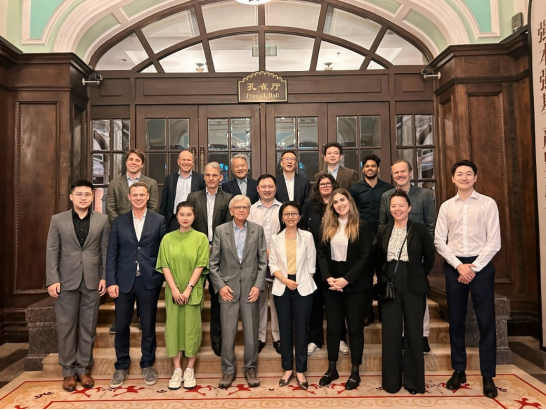
欧美同学会金融委员会“中瑞金融机构科技金融交流会”在沪举行
Zhong Guo Jing Ji Wang· 2025-05-20 08:06
Group 1 - The event titled "China-Switzerland Financial Institutions Technology Finance High-Level Exchange Conference" was held in Shanghai, focusing on deepening financial cooperation between China and Switzerland to support the construction of Shanghai as an international financial center [1][10] - The conference featured over 20 high-level executives from both countries, including representatives from financial institutions and universities, highlighting the importance of collaboration in the financial sector [2][3] Group 2 - Discussions centered on financial openness, technology investment, and green transformation, with emphasis on China's growing market potential and the opportunities for foreign investment in green bonds and ESG [6][10] - Swiss representatives expressed interest in China's innovations in open-source models and digital payments, discussing the application of digital currency in international payments and the importance of ESG governance in technology industries [7][10] Group 3 - The conference concluded with a call for the establishment of platforms to enhance understanding of Chinese listed companies among Swiss investors, aiming to improve the connectivity of stock markets between China and Switzerland [8][10] - The event aimed to foster regional economic development and promote bilateral financial cooperation, with a focus on creating a high-quality business environment for foreign investment in China [10]
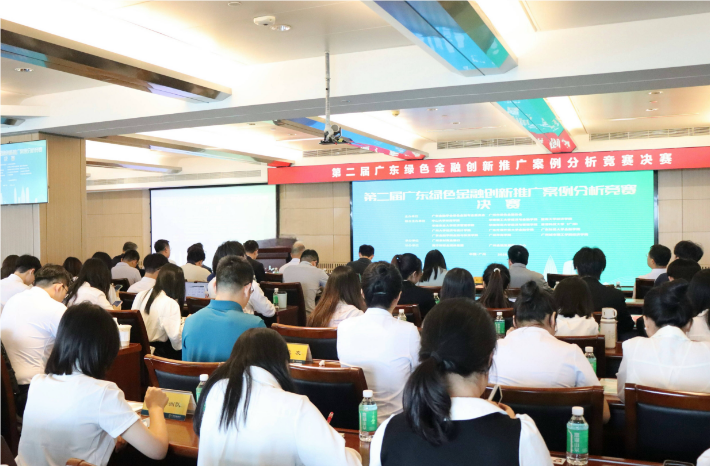
15所高校超500人参与,这场赛事跑出广东绿色金融人才培养“加速度”
2 1 Shi Ji Jing Ji Bao Dao· 2025-04-30 12:11
Core Viewpoint - The development of high-quality green finance in China requires a significant increase in the number of professionals who understand financial regulations and possess a vision for green industries, as there is a substantial talent gap in this area [1][4]. Group 1: Competition Overview - The "Second Guangdong Green Finance Innovation Promotion Case Analysis Competition" was held in Guangzhou, organized by various financial and educational institutions, aiming to analyze and evaluate cases of green finance reform and innovation in Guangdong [1][3]. - The competition has seen a notable increase in participation, with over 500 students from 15 universities contributing 129 research reports, marking a 70% increase in registration compared to the first event [1][3]. Group 2: Participant Background and Research Focus - Participants in this year's competition came from diverse academic backgrounds beyond traditional finance and economics, including fields such as information management, international education, big data, artificial intelligence, and public management [3]. - The final teams explored not only traditional areas like green credit and green bonds but also innovative topics such as carbon accounts, green supply chain financing, and ESG investments, producing reports with both academic and practical significance [3][4]. Group 3: Expert Insights and Recommendations - Experts noted that the competition entries demonstrated a strong alignment with China's "dual carbon" strategy, practical solutions, and innovative thinking from the youth [4]. - Recommendations for future competitions include enhancing empirical analysis and risk management research to improve the practical applicability of proposed solutions [4]. Group 4: Future Directions for Green Finance Talent Development - There is a call for continued support from all sectors for the cultivation of green finance talent, aiming to establish a talent hub that serves both the Greater Bay Area and the entire country [4]. - Educational institutions are encouraged to strengthen green finance curriculum development and practical training bases in collaboration with the industry to nurture composite talents in green finance [4].
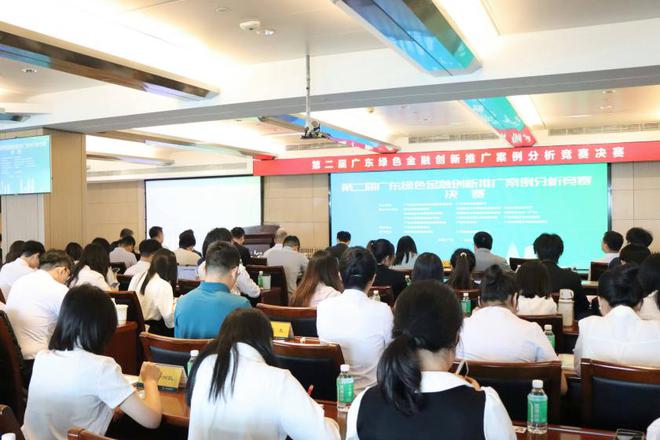
以赛促学、以赛促研,这场赛事跑出广东绿色金融人才培养“加速度”
Qi Huo Ri Bao Wang· 2025-04-30 09:54
Core Viewpoint - Green finance is identified as a crucial engine for promoting high-quality economic development and achieving the "dual carbon" goals, with a significant demand for composite green talent in the financial sector [1] Group 1: Event Overview - The "Second Guangdong Green Finance Innovation Promotion Case Analysis Competition" was successfully held, organized by various financial and educational institutions in Guangdong [3][4] - The competition aims to foster close cooperation among government, enterprises, and academic institutions, enhancing the cultivation of green finance professionals [4] Group 2: Participation and Scale - The competition attracted over 500 students from 15 universities across Guangdong, with a total of 129 teams submitting research reports, marking a 70% increase in participation compared to the previous year [5] - Participants' academic backgrounds have diversified beyond finance and economics to include fields such as law, information management, and big data, reflecting a broad interest in green finance innovation [5] Group 3: Research Focus and Evaluation - Finalist teams explored traditional areas like green credit and bonds, as well as emerging topics such as carbon accounts and ESG investments, producing reports with both academic and practical significance [6] - The evaluation criteria included policy adaptability, academic innovation, and feasibility of solutions, with a focus on addressing challenges in green finance practices [6] Group 4: Future Directions - The competition serves as a sustainable talent reservoir for the green finance sector, emphasizing the need for professionals who understand financial principles and possess a vision for green industries [7] - There is a call for continued support from all sectors for green finance talent development, aiming to create a talent hub that can influence both the Bay Area and the nation [7]