Ren Min Ri Bao Hai Wai Ban

Search documents
在瓷都复现泥与火之歌
Ren Min Ri Bao Hai Wai Ban· 2026-01-21 22:45
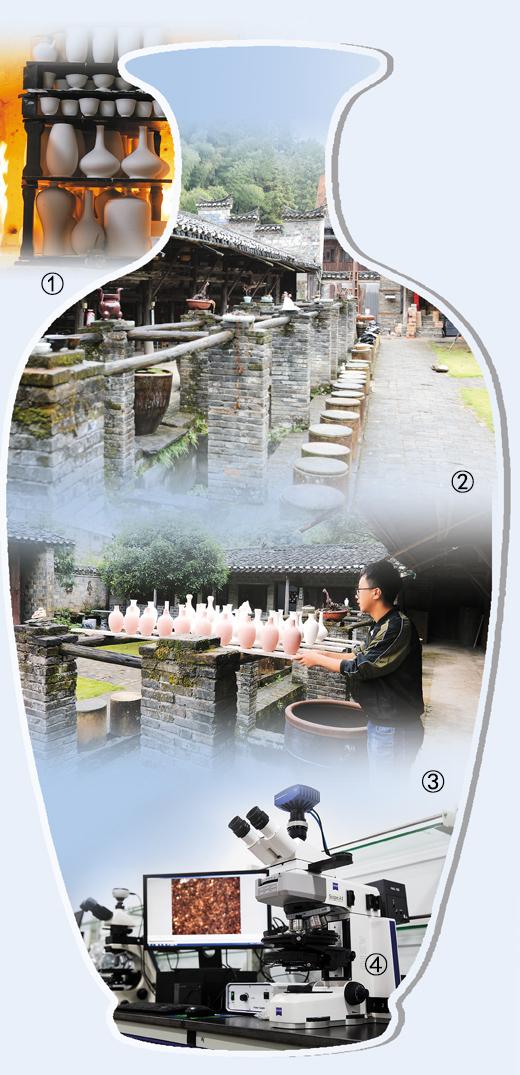
图②:景德镇现存最古老作坊之一,沿袭着明清以来景德镇的传统制瓷工序。 图①:古陶瓷研究所复现景德镇烧窑的传统工艺。 图③:古陶瓷研究所的工作人员正在晒坯。 图④:古陶瓷研究所里用来检测古陶瓷标本的科学仪器。 本文照片均由受访者提供 江西省景德镇市珠山区三宝村,历史上曾是北宋湖田窑影青瓷重要原料产地,如今则是"瓷都"景德镇知 名打卡点。来自海内外的游客,在长达数公里、密布着数百家特色瓷器小店的街巷中流连忘返。 就在三宝村中间,有一处不那么显眼的院子。门楼是重檐歇山式建筑,屋脊舒展,檐角上翘。阳光打在 青砖和木门上,一条河流过门楼旁,几只白鹅、灰鸭在水中嬉戏。 这里是景德镇陶瓷大学古陶瓷研究所,一批研究者在这里重现、研究、传承景德镇千百年前的泥与火之 歌。 一座独特的院子 沿台阶上二楼,俯瞰蛋形窑,形状的确如卧倒的鸭蛋。在这古朴的窑棚下,一半是蛋形窑;另一半则提 醒着参观者,这里是一处学术机构。两张长条桌上摆放着话筒,墙上挂着幕布,可以做学术报告。 "我们每年在这里开10余场'天工论坛',还会举办博士生、硕士生的论文开题、答辩,也会开展面向公 众的科普活动。"对于这处特殊的场所,李其江充满感情,"我们在古窑棚下搭 ...

2025年农业机械化发展成效显著
Ren Min Ri Bao Hai Wai Ban· 2026-01-21 22:36
记者从农业农村部获悉,2025年,全国农机化系统聚焦保障国家粮食和重要农产品稳定安全供给,充分 发挥农机在农业生产和应急救灾中的主力军作用,紧抓重要农时机械化生产,坚持以用促研发、以用促 制造、以用促转化,加力推动农机装备补短板,切实加强农机作业服务组织和队伍建设,农业机械化发 展取得新成效。 转自:人民日报海外版 农机装备补短板加力推进。《加快农机创新产品中试验证和熟化应用的意见》出台,分区域、分作物打 造500个农机装备熟化应用试验场,在13个县布局开展丘陵农机县域规模化熟化应用试点,加快创新产 品熟化定型和量产应用。国产农机加快向"大中小型兼备、绿色高效智能一体"方向迈进,一批智能化程 度高、先进适用的整机装备相继取得突破,有力支撑关键薄弱环节机械化水平提升。 农机化支持政策取得积极成效。扎实推进农机购置与应用补贴"优机优补""有进有出",支持创新机具有 序列补,加大补贴力度,推动过时落后机具加快退出。重要农时机械化生产有力有序开展。2025年,全 国小麦、水稻、玉米平均机收损失率分别约为0.84%、1.65%、1.91%,进一步控制在较好水平。(记者 邱海峰) ...
锐财经|财政政策有力支持经济增长
Ren Min Ri Bao Hai Wai Ban· 2026-01-21 07:14
人民日报海外版记者 汪文正 1月20日,国新办举行新闻发布会,介绍发挥积极财政政策作用,推动经济社会高质量发展有关情 况。财政部副部长廖岷在会上表示,2025年,更加积极的财政政策兼顾当前与长远,既有力支持经济增 长、办好民生实事,又有效推动中国经济结构转型,为经济社会中长期可持续发展打下坚实基础。 体现更加积极的政策取向 廖岷介绍,2025年财政政策主要在4个方面发力,体现了更加积极的政策取向,为宏观经济稳中有 进提供了重要支撑: 加大逆周期调节力度。一是2025年赤字率按4%左右安排、比上年提高1个百分点;新增政府债务规 模11.86万亿元,比上年增加2.9万亿元,远超此前几年平均水平。二是发行特别国债5000亿元,用于补 充国有大型商业银行核心一级资本;三是安排5000亿元地方政府债务结存限额,用于补充地方政府综合 财力和扩大有效投资。 着力提振消费。一是发行超长期特别国债1.3万亿元,持续支持"两重""两新",其中安排消费品以 旧换新资金3000亿元,带动相关商品销售额超2.6万亿元。二是从供需两端激发消费潜力,出台实施个 人消费贷款和服务业经营主体贷款贴息政策,支持开展消费新业态、新模式和新场景试点 ...
中国林草产业总产值近11万亿元
Ren Min Ri Bao Hai Wai Ban· 2026-01-21 07:14
Core Insights - By 2025, China aims to advance collective forest rights reform and promote high-quality development of the forestry and grassland industry, targeting a total industry output value of nearly 11 trillion yuan and an import-export trade volume exceeding 180 billion USD [1][2] - The forestry sector will focus on revitalizing and effectively utilizing forest and grassland resources, with initiatives to support the healthy development of the industry, including financial support and measures to promote the under-forest economy [1] Industry Development Goals - The annual production of forest products is projected to reach over 240 million tons, with timber production expected to be 140 million cubic meters and the output value of timber processing and bamboo products estimated at 3.4 trillion yuan [1] - The central government has allocated 4.8 billion yuan for the development of the oil tea industry, with plans to plant an additional 2.82 million acres and improve 2.56 million acres of low-yield forests, bringing the total oil tea planting area to 7.5 million acres and an expected output of 1.1 million tons of tea oil [1] Employment and Economic Impact - The forestry and grassland industry is projected to directly create employment for over 60 million people, highlighting its role in income generation and job stability [1] - The industry will also support ecological tourism, with an expected annual visitor count of nearly 3 billion, further enhancing its economic contribution [1] Collective Forest Rights Reform - Multiple measures will be implemented to deepen collective forest rights reform, including ten new measures to enhance the quality and efficiency of collective forestry development and optimize management policies [2] - As of now, there are nearly 300,000 new forestry operating entities, with about 100,000 managing over 500 acres, indicating a shift towards larger-scale and intensive management practices [2] Future Directions - The forestry sector will explore new pathways for ecological product value transformation, accelerate the upgrading of the bamboo and wood industry, and promote the development of specialty industries such as woody oil and under-forest economy [2] - Continued efforts will be made to deepen collective forest rights reform, enhance financial and tax support, and establish diversified investment mechanisms to stimulate the development of the forestry and grassland industry [2]
2026年全国公共就业招聘专项活动开展
Ren Min Ri Bao Hai Wai Ban· 2026-01-21 03:21
人民日报海外版北京1月20日电 人力资源社会保障部近日印发通知,部署开展2026年全国公共就业招聘 专项活动。根据相关安排,全年抢抓重点时段,围绕重点群体就业需求,瞄准经营主体用工需求,组织 系列招聘活动,实现月月有活动,招聘不打烊,送岗不停歇。 通知聚焦3个方面,明确了全年10项活动安排。一是重点服务农村劳动力、就业困难人员,同时纳入登 记失业人员、灵活就业人员,于1月至3月开展春风行动暨就业援助季,联合相关部门集中开展就业帮 扶,促进农村劳动力就业增收,助力就业开局稳、社会大局稳。 二是重点服务高校毕业生等青年群体,开展5项系列活动。主要包括春秋两季的城市联合招聘专场活 动、百日千万招聘专项行动、人力资源市场就业服务专项行动、中央企业面向西藏青海新疆高校毕业生 专场招聘活动,通过举办线上线下招聘会,跨区域巡回招聘会等多样化就业创业服务,促进高校毕业生 等青年就业创业。 三是重点服务民营企业、中小企业等用人单位,以及新业态新职业就业,开展专项活动。9月至10月, 连续组织开展直播带岗专项招聘周、民营企业服务月、金秋招聘月,深入实施走访调研,扎实开展政策 宣讲,精准组织招聘活动,全面加强权益保障,促进人岗高效 ...
黄金IP联名款销售走热,0.1克亦能开辟新赛道——当黄金遇上“二次元”
Ren Min Ri Bao Hai Wai Ban· 2026-01-21 01:26
金价一路猛涨,黄金首饰销售承压已久。但这不妨碍年轻消费者在黄金柜台前青睐那些有趣、可爱的饰 品:迪士尼、小马宝莉、疯狂动物城、线条小狗、黑神话悟空……顶流IP与黄金品牌的联名款一个接一 个,不断推高市场热度,点燃年轻人的购买热情。 小克重也不断被赋予新注解:一两克的足金挂坠不少,与此同时,还有0.2克的金牌,不足0.1克的黄金 挂件、纯金贴片,从两三千元、五六百元再到几十元,消费者可以"丰俭由人"买个开心、图个高兴。 正如有人所说,"二次元"被"镀"了金。黄金为何跨界遇上了"二次元"?又将如何影响黄金消费市场? "轻量化""可晒性"—— 买黄金"图个开心" 潮玩IP、卡通形象,正登上各大品牌黄金首饰柜台。 在北京一家周大福门店,迪士尼、疯狂动物城、黑神话·悟空等IP联名金饰,被陈列在门店内显眼位 置;一旁的潮宏基店内,黄油小熊、线条小狗、酷洛米、蜡笔小新等IP联名金饰也连成一片,成为陈列 展柜里一道活泼亮丽的风景线,吸引不少年轻消费者驻足。 不仅联名IP众多,产品形态也愈加丰富。有常见的足金挂坠,加工打造成各式IP形象;也有黄金挂件、 贴片等形态更为新颖的黄金产品,这些薄薄的金片被加工成萌趣IP形象、装进设计 ...
财政政策有力支持经济增长
Ren Min Ri Bao Hai Wai Ban· 2026-01-21 01:01
Core Viewpoint - The Chinese government is set to implement a more proactive fiscal policy in 2025, focusing on economic growth, social welfare, and structural transformation to ensure sustainable development in the long term [1] Group 1: Fiscal Policy Measures - The fiscal policy for 2025 will emphasize four main areas, including increased counter-cyclical adjustments, with a deficit rate set at around 4%, up by 1 percentage point from the previous year [2] - New government debt issuance will reach 11.86 trillion yuan, an increase of 2.9 trillion yuan compared to the previous year, significantly exceeding average levels from prior years [2] - Special government bonds worth 500 billion yuan will be issued to bolster the core tier-one capital of major state-owned commercial banks [2] Group 2: Consumer Stimulus - A long-term special bond issuance of 1.3 trillion yuan will support consumption, including 300 billion yuan allocated for a trade-in program for consumer goods, expected to drive sales exceeding 2.6 trillion yuan [2] - Policies will be introduced to stimulate consumption from both supply and demand sides, including interest subsidies for personal consumption loans and support for new consumption models [2] - Adjustments to duty-free shop and tax refund policies will be made to encourage and expand related consumer spending [2] Group 3: Social Welfare Enhancements - Employment support funds of 66.74 billion yuan will be allocated to enhance employment stability, alongside expanded social insurance subsidies and reduced unemployment insurance rates [3] - Fiscal subsidies for residents' medical insurance and basic public health services will be raised to 700 yuan and 99 yuan per person per year, respectively [3] - A 2% increase in basic pension levels for retirees will be implemented, along with a gradual rollout of free preschool education [3] Group 4: Risk Management and Development - The government will continue to manage hidden debt replacement, with 2 trillion yuan allocated for replacing existing hidden debts [3] - An additional 800 billion yuan in new special bonds will be issued to enhance local government financial capacity [3] - The focus will be on maintaining a stable overall fiscal operation while ensuring that key areas receive robust support [3] Group 5: Financial Collaboration - A package of fiscal and financial policies aimed at promoting domestic demand will be introduced, including interest subsidies for loans to small and micro enterprises in key industries [6][7] - A special guarantee plan for private investment will be launched, with a single credit limit set at 20 million yuan [7] - The government will enhance support for private enterprises through risk-sharing mechanisms for bond issuance, helping to lower financing barriers [7]
中国冰雪健儿冲刺米兰冬奥
Ren Min Ri Bao Hai Wai Ban· 2026-01-20 22:50
Core Viewpoint - The upcoming Milan-Cortina Winter Olympics is anticipated to showcase a thrilling display of winter sports, with Chinese athletes preparing intensively to achieve their goals after a successful performance in the previous Winter Olympics held in Beijing [2]. Group 1: Snowboarding Achievements - Chinese snowboarder Su Yiming secured third place at the FIS Snowboard World Cup in Switzerland, finishing the season with 2 golds, 1 silver, and 1 bronze, indicating strong competitive form [3]. - Su Yiming aims to stand on the podium at the Milan Winter Olympics, having successfully executed the challenging 2160-degree aerial maneuver this season [3]. - The Chinese team has enhanced its depth in the snowboarding category, with 19-year-old Ge Chunyu winning her first World Cup medal this season, showcasing potential for Olympic success [3]. Group 2: Freestyle Skiing Highlights - Gu Ailing won the women's title at the FIS Freestyle Skiing World Cup in Switzerland, marking her first slope style gold of the season and her 20th World Cup victory overall, making her the first freestyle skier to achieve this milestone [5]. - The Chinese freestyle skiing team has emerging talents, with Liu Mengting and Yang Ruyi also achieving podium finishes, indicating a strong competitive presence in women's freestyle skiing [5]. Group 3: Figure Skating Preparations - The Four Continents Figure Skating Championships will take place in Beijing, serving as a platform for athletes to showcase their skills before the Winter Olympics, with a strong Chinese team participating across all events [6]. - Veteran skaters like Sui Wenjing and Han Cong are expected to lead the Chinese figure skating team, having successfully returned to competition after overcoming injuries [6]. - Young skater Zhang Ruiyang has shown promise this season, securing a spot for the Winter Olympics and aiming to improve her performance at the upcoming championships [7]. Group 4: Aerial Skiing Performance - The FIS Freestyle Skiing Aerials World Cup concluded with Chinese athletes like Xu Mengtao and Sun Jiaxu winning titles, with Xu and Kong Fanyu securing the overall championships for their respective categories [8]. - The Chinese team is positioned among the world's best in aerial skiing, with multiple athletes achieving podium finishes, indicating a strong chance for medal contention at the Winter Olympics [8]. Group 5: Skeleton and Bobsleigh Developments - The Chinese skeleton team achieved its first World Cup gold in the mixed team event, with Zhao Dan and Yin Zheng leading the charge [9]. - The mixed team event is a new addition to the Winter Olympics, and the Chinese team is building on its previous successes, including a bronze medal in the men's event at the last Olympics [9].

马帮古镇“驮”起百年侨乡风华(侨界关注)
Ren Min Ri Bao Hai Wai Ban· 2026-01-20 22:50
Core Viewpoint - Yisa Town, located in Yunnan Province, is a historical hub known for its horse caravan culture and overseas Chinese community, having developed significant trade routes to Southeast Asia over a century ago [1][6][7]. Group 1: Historical Significance - Yisa Town was established as a key trading post with 11 trade routes to Southeast Asia, creating a unique cultural blend of horse caravan and overseas Chinese traditions [1][6]. - The town's historical development peaked between 1912 and 1949, with hundreds of horse caravans operating annually, marking a significant era in cross-border trade [6][7]. Group 2: Cultural Heritage - The architectural landscape of Yisa features a mix of Chinese and Western styles, earning it the titles of "Architectural Garden of the Outside River" and "Museum of Border Architecture" [3][4]. - The local museum showcases 457 artifacts related to the horse caravan and overseas Chinese culture, providing a comprehensive narrative of Yisa's historical journey [8]. Group 3: Community and Identity - Approximately 75% of the local overseas Chinese population resides in Yisa, reflecting the town's strong ties to its diaspora [1]. - Recent years have seen over 10,000 overseas Chinese and international friends visiting Yisa, reinforcing its status as a cultural and ancestral hub [12]. Group 4: Future Development - Yisa is set to upgrade to a national 4A tourist attraction by 2024, focusing on cultural tourism and leveraging modern technology for commerce [12]. - Plans for the local museum include enhancing exhibitions and creating interactive experiences to promote cultural exchange and attract international visitors [15].

财政政策有力支持经济增长(锐财经)
Ren Min Ri Bao Hai Wai Ban· 2026-01-20 22:50
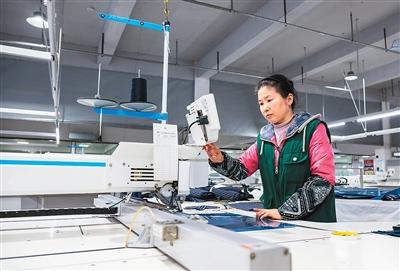
Group 1 - Anhui Province's Wuhu City is actively developing the garment industry by implementing tax reductions and subsidies to attract companies to settle in industrial parks, thereby promoting local employment [2] - The Ministry of Finance plans to adopt a more proactive fiscal policy in 2025, focusing on supporting economic growth and improving people's livelihoods while facilitating structural transformation of the economy [3][4] Group 2 - In 2025, the fiscal policy will emphasize four main areas: increasing counter-cyclical adjustments, boosting consumption, enhancing social welfare, and balancing risk prevention with development [3][4] - The fiscal deficit rate is set at around 4%, an increase of 1 percentage point from the previous year, with new government debt expected to reach 11.86 trillion yuan, a rise of 2.9 trillion yuan [3] - Special government bonds worth 500 billion yuan will be issued to supplement the core tier one capital of large state-owned commercial banks [3] Group 3 - The central government will allocate 667.4 billion yuan in employment support funds to enhance employment stability and expand social insurance subsidies [4] - The standard for fiscal subsidies for residents' medical insurance and basic public health services will be raised to 700 yuan and 99 yuan per person per year, respectively [4] - A gradual implementation of free preschool education is planned [4] Group 4 - The fiscal revenue in China showed a "front low, middle high, back stable" trend, with a 1.1% decline in the first quarter of the previous year, followed by a 0.6% increase in the second quarter and a 2.5% increase in the third quarter [5] - Total public budget revenue is expected to achieve a balance in 2025, supported by stable fiscal income and strong expenditure in key areas [6] Group 5 - A package of fiscal and financial policies aimed at promoting domestic demand will be introduced, including interest subsidies for loans to small and micro enterprises in key industries [7][8] - The loan guarantee plan for private enterprises will set a single credit limit of 20 million yuan, with higher compensation limits and risk-sharing ratios [7] - The optimization of personal consumption loan interest subsidy policies will include credit card installment payments, expanding the range of financial institutions involved [8]