Guan Cha Zhe Wang

Search documents
被日本寄予厚望,京瓷放弃开发5G基站
Guan Cha Zhe Wang· 2025-12-04 05:41
据日经亚洲、共同社等日媒消息,当地时间12月2日,日本电子元件大厂京瓷透露称,公司已决定放弃 开发5G无线基站,原因是该行业竞争激烈且难以实现盈利。 目前,5G基站业务的全球市场份额有超过70%被中国华为、瑞典爱立信和芬兰诺基亚三家公司占据, 而日本企业的市场份额不足2%。出于其所谓"经济安全"的考虑,日本国内一直有呼声希望增加5G基站 的国产化比例,京瓷也被日本业界寄予厚望。 日经亚洲评价称,此次京瓷放弃开发5G基站,打击了日本在本土生产关键移动通信基础设施的希望。 据悉,京瓷于2023年启动了基站开发工作,并在今年2月宣布目标2027年实现商业化。当时,该企业还 计划开发基于人工智能的5G虚拟化基站。根据其构想,在搭载了NVIDIA数据中心级模块"GH200 Grace Hopper Superchip"的数据中心通用服务器上,部署基站功能,通过AI对整个无线接入网络(RAN)进行 控制。 然而,去年以来,由于经营业绩低迷,京瓷正在推进结构性改革,未来计划把资源集中在电子元件等更 具盈利能力的领域。因此,5G基站业务由于开发支出过高,成为了被重新审视调整的对象。随着开发 支出大幅膨胀,京瓷最终判定该业务无 ...
18亿元卖身IDG:优诺中国八年三嫁,高端酸奶走下神坛
Guan Cha Zhe Wang· 2025-12-04 04:07
Core Insights - The ownership of Yuno China has changed hands again, with IDG Capital acquiring 100% of the company for a total consideration of 1.8 billion yuan, marking the third ownership change in eight years [1][2]. Group 1: Transaction Details - Tian Tu Investment announced the sale of its 45.22% stake in Yuno China for 814 million yuan, exiting alongside other shareholders [1]. - IDG Capital has been tracking the project for years, waiting for the profitability turning point, and has been in contact with the Yuno China team for about two years [7][22]. - The sale is expected to result in a minor loss of 799,000 yuan for Tian Tu, with the funds redirected to other investment opportunities [5]. Group 2: Company Performance - Yuno China reported a revenue of 454 million yuan and a net profit of 8.39 million yuan in 2023, with projections for the following year showing a revenue increase to 810 million yuan and a net profit of 95.45 million yuan, indicating significant growth [2]. - The company has positioned itself as a high-end yogurt brand, appealing to middle and high-income consumers, with a notable average price point of over 15 yuan [5]. Group 3: Market Challenges - The high-end yogurt market is facing intense competition, with new entrants and price reductions from competitors like Blueglass and other new tea brands [9][10][11]. - The overall dairy market is experiencing a sales decline, with a reported 2.7% drop in sales for 2024 and a 16.8% year-on-year decline in September 2023 [12]. - Analysts note that while Yuno has played a significant role in the premium yogurt segment, it now faces challenges from both traditional dairy giants and emerging local brands [14][15]. Group 4: Strategic Implications - The acquisition by IDG Capital may provide Yuno China with opportunities to leverage synergies with other consumer brands in IDG's portfolio, potentially enhancing its market position [21][22]. - The shift in ownership reflects broader trends of foreign brands adapting to local markets, as seen in other cases like Starbucks and McDonald's in China [16][19].


中企在非遭800亿美元天价索赔,BBC老毛病又犯了
Guan Cha Zhe Wang· 2025-12-04 04:07
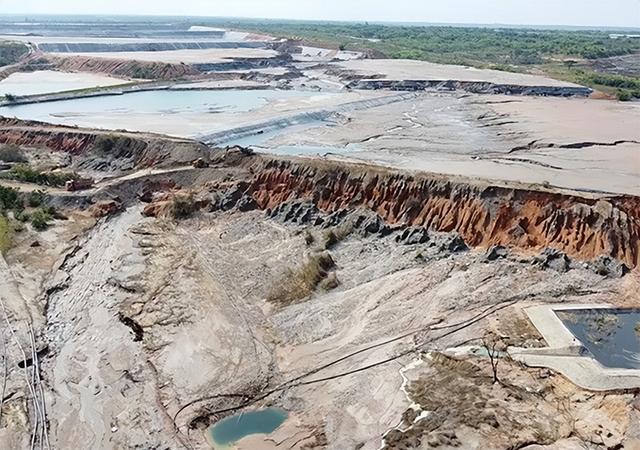
Core Viewpoint - The article critiques the BBC's reporting on a Chinese company's copper mine tailings dam collapse in Zambia, arguing that it misrepresents the facts and downplays the company's rapid response and local government assessments [1][2][3][4]. Incident Overview - The tailings dam collapse in Zambia was attributed to the theft of a waterproof membrane, leading to a leak that was contained within 24 hours by the Chinese company involved [1][3]. - The Zambian government confirmed that the pollution did not result in serious health issues or fatalities, and water quality has since returned to normal [1][6]. Compensation and Legal Actions - Following the incident, 176 Zambian farmers filed a lawsuit against the Chinese company, seeking $80 billion in compensation, which is significantly higher than any historical mining compensation claims [2][9]. - The Chinese company has stated that the lawsuit lacks basis and has engaged local legal teams to defend its interests [9]. Environmental Impact and Response - The BBC reported exaggerated claims regarding the environmental impact, citing a leak of 150,000 tons of toxic waste, while the Zambian government reported only 50,000 tons [4][6]. - The Chinese company has been proactive in addressing the incident, cooperating with the Zambian government for remediation and compensating affected families [6][8]. Political Context - The article suggests that the lawsuit and media coverage are influenced by local political dynamics, particularly with upcoming elections in Zambia, where opposition parties may leverage the incident to criticize the ruling party [7][8]. - The narrative around the incident is framed within a broader context of Western media and governmental efforts to undermine Chinese investments in Africa [9][10]. Industry Dynamics - The article highlights the growing trend of "resource nationalism" in Africa, where local populations increasingly demand higher compensation and benefits from foreign investments [14]. - It emphasizes the need for Chinese companies to improve risk management and community relations to navigate the complex political and social landscape in Africa [10][14].
4年亏损10亿后,张家界改造大庸古城,芒果传媒2/3控股
Guan Cha Zhe Wang· 2025-12-04 02:44
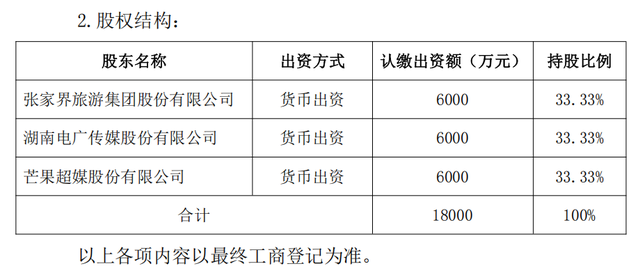
Core Viewpoint - Zhangjiajie Tourism Group Co., Ltd. is collaborating with Mango Super Media and Hunan Electric Broadcasting Media to establish a joint venture for the renovation and operation of the Dayong Ancient City project, with an investment of 180 million yuan [1][2]. Group 1: Joint Venture Details - The joint venture, tentatively named Zhangjiajie Mango Cultural Tourism Co., Ltd., will have a registered capital of 180 million yuan, with each partner contributing 60 million yuan, representing one-third of the total capital [2][3]. - The joint venture will not be consolidated into Zhangjiajie Tourism Group's financial statements [2]. Group 2: Project Management and Operations - The joint venture will be responsible for the renovation and operation of the Dayong Ancient City project, with a total investment capped at 180 million yuan [4]. - The joint venture's board will consist of five directors, with Zhangjiajie Tourism Group nominating one director, and each of the other partners nominating two directors [4]. Group 3: Financial Arrangements - The operational fees will include a fixed annual fee of 7 million yuan starting from January 1, 2026, a ticket revenue sharing arrangement where Zhangjiajie will receive 90% and the joint venture 10%, and a performance-based floating fee capped at 50 million yuan per year [6]. - The joint venture aims to ensure that at least 30% of the distributable profits are paid out in cash to shareholders annually [4]. Group 4: Strategic Goals - The collaboration aims to enhance the quality and brand image of the Dayong Ancient City project, leveraging local culture and modern technology to create a vibrant tourist destination [6]. - The project is expected to be a significant contributor to the revitalization of Zhangjiajie's tourism industry, which has faced challenges in recent years [9].
接档永辉“胖改店”,朴朴超市将开线下首店
Guan Cha Zhe Wang· 2025-12-04 02:41
Core Viewpoint - Pupu Supermarket is expanding from an online-only model to physical retail, opening its first offline store in Fuzhou, marking a significant shift in its business strategy and reflecting the evolving landscape of the fresh e-commerce industry [1][6][7] Group 1: Expansion into Offline Retail - Pupu Supermarket's first offline store will occupy 5000-6000 square meters, taking over a location previously operated by Yonghui Supermarket, which closed due to underperformance [1] - The new store will adopt a "warehouse-store integration" model, aiming to provide a high-quality shopping experience [1][4] - This move symbolizes a transition in the retail landscape, as both Pupu and Yonghui are major players in Fuzhou [1][6] Group 2: Market Position and Strategy - Pupu Supermarket has established a "local monopoly" in Fuzhou with a market penetration rate exceeding 70% and annual sales surpassing 10 billion yuan [2] - The company is strategically expanding its presence in the restaurant service sector, launching "Pupu Kitchen" to target the white-collar meal market, with plans to extend this service to Xiamen [3][6] - Pupu's supply chain efficiency allows for a reduction in the traditional distribution process from seven steps to three, achieving a delivery time of 12 hours and reducing loss rates from 8% to 3.5% [2] Group 3: Response to Market Conditions - The decision to open physical stores is a response to rising online customer acquisition costs and favorable rental conditions due to vacancies in commercial real estate [6] - The strategic upgrade may be linked to Pupu's potential IPO plans, as the company has been preparing for a public offering since 2022 [7] - The success of the first offline store will be crucial for Pupu's future valuation in the capital market [7]
招银投资揭牌成立,股份制银行第二家,发挥长期、耐心资本优势
Guan Cha Zhe Wang· 2025-12-04 02:12
据深圳特区报微信公号2日消息,当天招银金融资产投资有限公司(简称"招银投资")开业活动举行。 市长覃伟中,招商局集团有限公司董事长、招商银行董事长缪建民出席活动并为招银金融资产投资有限 公司揭牌。 招银金融资产投资有限公司是经国家金融监督管理总局批准设立的首批股份制银行金融资产投资公司 (AIC)之一,由招商银行全资设立,注册地为深圳,注册资本为人民币150亿元,是初始注册资本金 额最高的金融资产投资公司。 据介绍,招银金融资产投资有限公司将聚焦市场化债转股及股权投资主业,坚持智能化、绿色化、融合 化方向,充分发挥长期资本和耐心资本优势,围绕科技创新、绿色低碳、先进制造等重点领域,助力企 业降低杠杆率、加快转型升级,推动科技、产业和金融良性循环,更好服务实体经济发展。 市领导罗晃浩、黄伟,市政府秘书长卢文鹏,招商局集团副总经理邓仁杰,招商银行行长王良等参加活 动。 这标志着,第二家股份制银行金融资产投资公司(AIC,Asset Investment Company)正式揭牌成立。 今年3月,国家金融监督管理总局发布《关于进一步扩大金融资产投资公司股权投资试点的通知》,支 持符合条件的商业银行发起设立AIC。由 ...

“天然铀第一股”开门红,中国铀业首日涨超280%
Guan Cha Zhe Wang· 2025-12-04 01:39
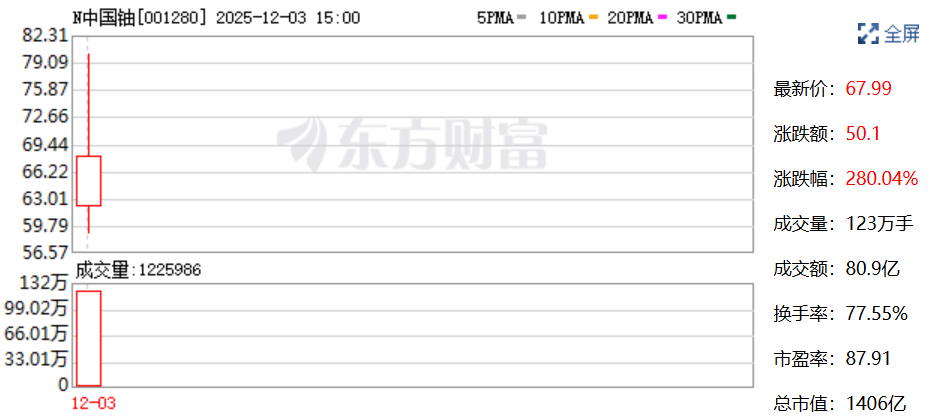
Core Viewpoint - China Uranium Corporation officially listed on the Shenzhen Stock Exchange, becoming the first natural uranium stock in the A-share market, with a significant opening price increase and high trading volume [1][3]. Company Overview - China Uranium is a key subsidiary of China National Nuclear Corporation (CNNC), primarily engaged in the mining, sales, and trade of natural uranium resources, as well as the comprehensive utilization of associated radioactive mineral resources [3][4]. - The company holds 19 mining rights and 6 exploration rights across uranium-rich regions in China, including Xinjiang, Inner Mongolia, Guangdong, and Hunan [3]. Financial Performance - The company reported projected revenues of 10.535 billion yuan, 14.8 billion yuan, and 17.279 billion yuan for the years 2022 to 2024, with net profits of 1.52 billion yuan, 1.51 billion yuan, and 1.71 billion yuan respectively [6][7]. - The compound annual growth rates for revenue and net profit over the last three years were 28.07% and 6.12% respectively [6]. IPO and Future Plans - The IPO proceeds will be directed towards domestic natural uranium operations and the comprehensive utilization of associated radioactive mineral resources, as well as enhancing liquidity [3][4]. - The company aims to strengthen its strategic position as a "nuclear power granary" and enhance its capabilities in supporting national energy security [4][7]. Technological Advancements - China Uranium has developed advanced in-situ leaching technologies for complex sandstone-type uranium ores and has pioneered resource recovery technologies for associated minerals [4]. - The company has achieved rapid production milestones, exemplified by the "National Uranium No. 1" demonstration project, which produced its first uranium product within a year of construction [4].
朱雀三号成功入轨,中国离重复使用火箭时代还有多远?
Guan Cha Zhe Wang· 2025-12-04 00:49
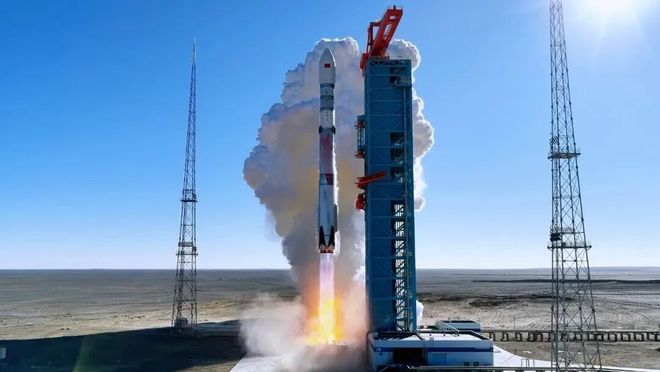
Core Viewpoint - The successful launch of the Zhuque-3 rocket marks a significant milestone in China's reusable rocket technology, despite challenges in achieving its expected payload capacity and issues with engine performance [1][11][29]. Group 1: Launch Details - On December 3, the Zhuque-3 rocket was launched from the Jiuquan Satellite Launch Center, successfully completing its flight plan and delivering a simulated payload into orbit [1]. - The first stage attempted a landing but experienced engine failure during descent, resulting in a crash approximately 67.2 meters from the intended landing zone [1]. Group 2: Development Background - Blue Arrow Aerospace, established in 2015, focuses on developing medium to large launch vehicles using liquid oxygen and methane as propellants, aiming to provide cost-effective and reliable launch services [3]. - The Zhuque-2 rocket, which successfully entered orbit in July 2023, was the first liquid oxygen-methane rocket to achieve this milestone, establishing Blue Arrow as a key player in the commercial space sector [3][4]. Group 3: Technical Specifications - The Zhuque-3 rocket features a diameter of 4.5 meters, a total length of 76.6 meters, and a launch weight of approximately 660 tons, with a low Earth orbit payload capacity of 21.3 tons [5]. - The rocket's first stage is equipped with four Tianque-12 engines, providing a thrust of about 900 tons [5]. Group 4: Challenges and Innovations - The Zhuque-3 rocket is constructed from high-strength stainless steel, which reduces manufacturing costs and enhances thermal resistance for multiple reuses [8][9]. - However, the rocket's first flight revealed issues with payload capacity, primarily due to the weight of the stainless steel structure, prompting design modifications to alleviate this problem [11][20]. Group 5: Future Prospects - Blue Arrow plans to enhance the Zhuque-3's capabilities with the development of the Tianque-12B engine, aiming for a thrust increase to 100 tons by 2027, which would significantly improve the rocket's payload capacity [23]. - The company is also preparing for future missions, including the launch of the Haolong-1 cargo spacecraft, which will further test the Zhuque-3's operational capabilities [23].
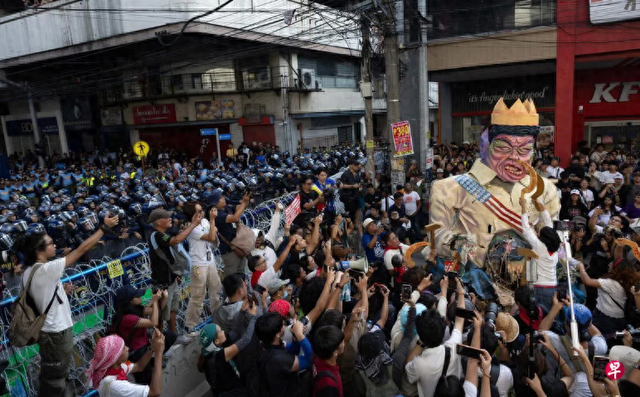
陈相秒、张舒:街头抗议不断、关键人物“翻脸”,小马科斯为何仍“稳坐钓鱼台”?
Guan Cha Zhe Wang· 2025-12-04 00:39
Core Points - The article discusses the ongoing anti-corruption protests in the Philippines, particularly focusing on the government's handling of a multi-billion dollar infrastructure corruption scandal [1][2][4] - The protests reflect a significant trust crisis for President Marcos, exacerbated by political rivalries and the historical context of family politics in the Philippines [2][5][19] Summary by Sections Protests and Public Sentiment - Thousands of Filipinos protested in Manila, demanding accountability for a corruption scandal involving billions of dollars [1] - This is the second major protest since the corruption allegations surfaced in July, indicating growing public discontent [1][2] - The protests are fueled by a broader trust crisis in the Marcos administration, with public support and trust ratings declining significantly [5][6][8] Trust and Approval Ratings - Marcos' approval rating dropped from 62% in July 2025 to 54% in September 2025, while disapproval rose from 19% to 26% [6] - Trust levels fell from 64% to 57% in the same period, with significant declines among lower-income groups [7] - Recent polls indicate that public trust in the government is at an all-time low, with many believing corruption is more prevalent now than three years ago [8][10] Government Response and Political Dynamics - The Marcos administration has attempted to distance itself from the corruption allegations, employing a "sacrificial" strategy by allowing key political allies to resign [9][12] - Key figures, including the Speaker of the House and the Secretary of Public Works, have resigned amid the scandal, reflecting an effort to mitigate public outrage [12][13] - The establishment of an "Independent Commission on Infrastructure" to investigate the corruption has been met with skepticism, as many doubt its effectiveness [10][23] Corruption Allegations and Historical Context - The article highlights the historical context of corruption in the Philippines, noting that up to half of the funds allocated for flood control projects may have been lost to corruption [10][14] - Allegations include that contractors must pay kickbacks of 20% to 25% before projects even begin, significantly reducing the actual funds available for construction [9][10] - The political rivalry between the Marcos and Duterte families adds complexity to the situation, with both sides implicated in corruption [2][19] Future Implications - The protests are expected to continue, particularly as the typhoon season approaches, which could exacerbate public dissatisfaction with inadequate infrastructure [19][24] - The military and police have expressed support for the Marcos administration, indicating that a coup is unlikely despite the protests [20][24] - The article suggests that if the administration fails to address the corruption issues before the next typhoon season, the trust crisis could deepen, potentially leading to a shift in political power dynamics [24][25]
“大交易”:一场迟到的美国AI战略自救
Guan Cha Zhe Wang· 2025-12-04 00:28
Core Argument - The article discusses Ben Buchanan's "grand bargain" proposal for AI development in the U.S., suggesting a strategic agreement between the tech industry and the government to integrate AI into national defense while ensuring it aligns with democratic values. However, the feasibility of this proposal is questioned due to the contrasting realities of U.S. chip policies and the rapid advancements in AI technology from China [1][5][20]. Group 1: AI Development and Policy Discrepancies - Buchanan's proposal emphasizes the need for a strategic partnership between the tech industry and the government, where the former gains access to energy infrastructure and talent, while the latter integrates AI into national defense [1][20]. - The success of DeepSeek's V3.2 model, which rivals top closed-source models despite U.S. chip export restrictions, challenges the effectiveness of both the "dependency" and "containment" strategies towards China [5][6][20]. - The article highlights a fundamental divide in U.S. AI strategy regarding chip policies towards China, with one faction advocating for strategic dependency and the other for strict containment [2][4][5]. Group 2: Energy Infrastructure Challenges - Buchanan's vision includes a significant increase in energy demand for the AI industry, projecting an additional 50 billion watts by 2028, equivalent to Argentina's total electricity consumption [7][8]. - The U.S. faces a political deadlock in energy policy, hindering the construction of new power plants, which is critical for supporting the growing AI sector [7][8]. - The contrasting ability of China to rapidly mobilize resources for infrastructure development poses a competitive disadvantage for the U.S. [9][10]. Group 3: Talent Acquisition and Immigration Policies - The article notes that 70% of top AI researchers in the U.S. are foreign-born, yet current immigration policies are tightening, which could lead to a significant decline in international student enrollment [10][11]. - There is an inherent conflict between the desire to attract international talent and the increasing national security measures that restrict access to sensitive AI research [11][13]. - The political climate in the U.S. is increasingly hostile towards immigration, complicating efforts to maintain a robust talent pipeline for the AI industry [10][11]. Group 4: Government-Industry Relations - The proposed "grand bargain" faces deep-seated mistrust between the tech industry and the government, with tech companies wary of regulatory overreach and the government skeptical of the industry's commitment to national security [14][15]. - Historical examples of tech companies resisting military collaborations illustrate the challenges in establishing a cooperative relationship [14][15]. - The article argues that achieving consensus on key issues such as AI control and economic benefits distribution is unlikely, complicating the realization of the "grand bargain" [15][19]. Group 5: Long-term Strategic Challenges - The rapid pace of AI development contrasts sharply with the slow-moving U.S. political system, which struggles to implement necessary reforms in a timely manner [16][17]. - The instability of political cycles in the U.S. raises concerns about the sustainability of long-term strategies, as policies can be easily overturned by subsequent administrations [17][20]. - The article concludes that the "grand bargain" is based on overly optimistic assumptions about achieving consensus and cooperation in a fragmented political landscape [20].