
Guan Cha Zhe Wang

Search documents
英媒着急:别老盯中国电车和AI啦,再说个“坏消息”…
Guan Cha Zhe Wang· 2025-11-28 03:08
Core Insights - The article discusses China's rapid rise in the fields of autonomous vehicles and pharmaceutical innovation, highlighting the complex emotions in the West regarding China's technological advancements [1][3][4]. Group 1: Autonomous Vehicles - China is emerging as a leader in autonomous vehicle technology, with manufacturing costs for autonomous taxis being one-third of those of US-based Waymo, and has accumulated millions of kilometers in driving experience [1][4]. - Over 50 cities in China have initiated pilot projects for autonomous taxis, supported by local governments that provide cheap credit and infrastructure for sensor technology [4][6]. - The competitive landscape in China is intense, with many companies facing challenges, but the survivors are expected to become strong export champions [4][6]. Group 2: Pharmaceutical Innovation - China has transitioned from a generic drug manufacturing hub to the world's second-largest innovator in drug development, with a focus on various categories including anti-cancer drugs [1][4]. - The number of clinical trials conducted by Chinese companies accounts for one-third of the global total, with significant reductions in approval times for new drugs [4][6]. - The article suggests that China's low-cost innovation in pharmaceuticals could benefit developing countries, while also eyeing the lucrative US market, which accounts for 70% of global pharmaceutical profits [6][8]. Group 3: Regulatory Environment and Innovation - China's flexible regulatory environment has been a key factor in its innovation success, with rapid reforms in drug approval processes and clinical trial regulations [4][7]. - The article argues that Western countries should reassess their innovation models, as their regulatory frameworks may hinder technological advancement compared to China's agile approach [7][8]. - The competition between China and the West could lead to a hollowing out of industries in Western economies if protectionist measures are implemented without valid concerns [6][8].

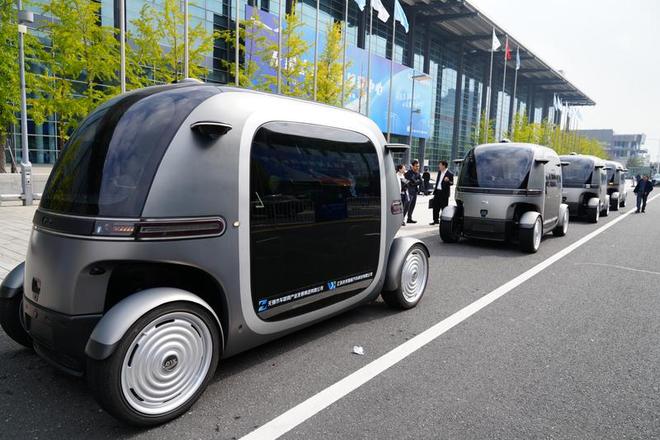
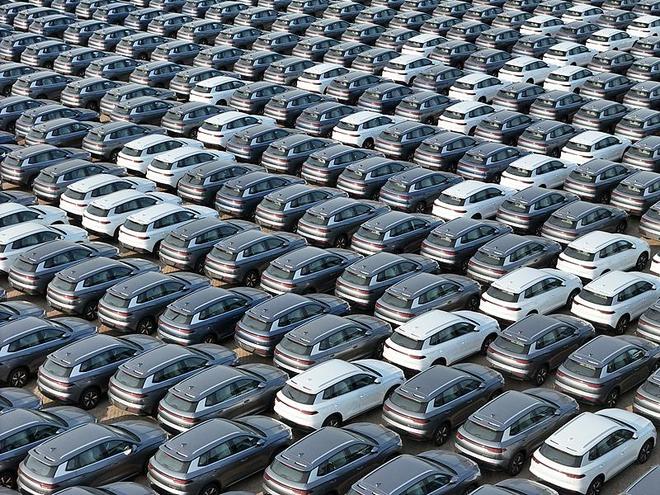
2030年将大变天!“全球十大车企,中国占半壁江山”
Guan Cha Zhe Wang· 2025-11-28 02:55
Core Viewpoint - Chinese automakers are expected to rise in the global automotive rankings over the next five years, potentially placing five companies among the top ten by 2030, driven by advancements in electric vehicle (EV) technology and production capacity [1][4]. Group 1: Market Position and Predictions - By 2030, significant changes in the automotive industry are anticipated, with indications of a major transformation already underway [1]. - BYD and Geely are currently ranked fifth and tenth globally in terms of vehicle deliveries, with BYD delivering 4.27 million vehicles and Geely 3.34 million in the previous year [3]. - Emerging EV manufacturers like Xiaomi, Xpeng, and Leap Motor have seen substantial sales growth, attracting consumers away from traditional brands like Tesla [1][4]. Group 2: Production and Export Trends - China's automotive production accounts for over 30% of the global total, with three out of every five electric vehicles sold globally purchased by Chinese consumers [4]. - Over 70% of the batteries used in global electric vehicles are produced by Chinese companies, with CATL and BYD leading in production capacity [4]. - In the first ten months of 2025, China's automotive exports reached 5.62 million units, marking a year-on-year increase of 15.7% [4]. Group 3: Future Growth and Challenges - Analysts suggest that while the growth rate of Chinese automotive exports may slow in the coming years, an overall increase is still expected [4]. - The profitability of Chinese EV manufacturers in overseas markets can be significantly higher, with profit margins reaching 20,000 RMB per vehicle, four times that of the domestic market [5]. - The automotive industry is projected to achieve an annual sales volume of 40 million vehicles during the "14th Five-Year Plan" period, with substantial growth potential [5].

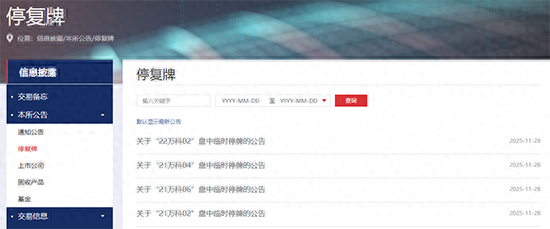
两只跌20%,两只跌40%,万科4只境内债券临时停牌
Guan Cha Zhe Wang· 2025-11-28 02:50
Core Viewpoint - Vanke's stock and bond prices have experienced significant declines, leading to temporary trading suspensions on several bonds due to sharp drops exceeding 20% to 30% [1][2][3]. Group 1: Stock Performance - Vanke A's stock price fell nearly 5% at the opening on November 27, with a maximum decline of over 8%, ultimately closing down 7.13% at 5.47 yuan, resulting in a market capitalization of 65.3 billion yuan [2]. - Year-to-date, Vanke A has seen a cumulative decline of 24.66%, marking a new low since August 2015, and has experienced a total drop of over 85% since its peak of 36.37 yuan in 2018 [2]. - Vanke's Hong Kong stock has also faced a nearly 6-year decline, with a drop of over 32% this year, closing at 3.58 HKD [2]. Group 2: Bond Performance - On November 26, several Vanke bonds, including "22 Vanke 02" and "21 Vanke 06," saw declines exceeding 11%, with "22 Vanke 02" dropping over 17% [2]. - On November 27, these bonds experienced further volatility, leading to temporary suspensions due to drops exceeding 30% [1][2]. Group 3: Debt and Financial Support - Vanke's total domestic debt amounts to 21.798 billion yuan, with a repayment peak occurring in December 2025 [4]. - The major shareholder, Shenzhen Metro Group, has provided up to 22 billion yuan in loans to Vanke, but future support will be contingent on maximizing equity value and risk prevention [4]. - Vanke is expected to rely more on market-based solutions for debt resolution, including asset sales and refinancing, as external financial support may be limited [5].

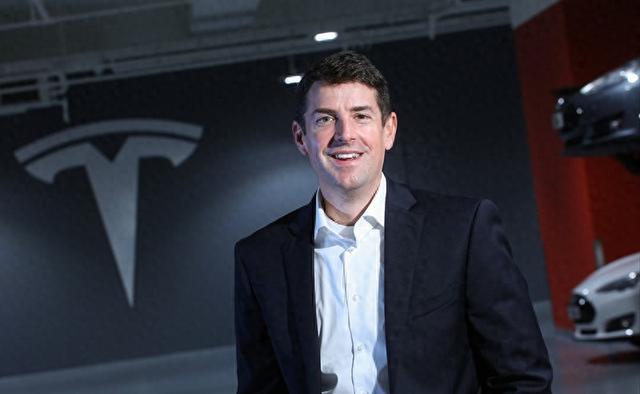
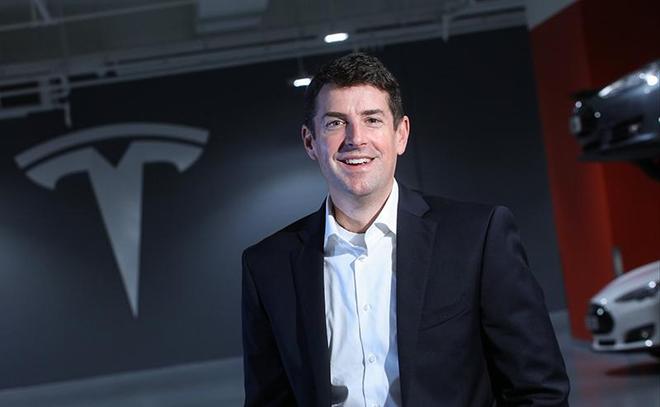
特斯拉前高管:我们拆解中国电动汽车后发现“妙招”,已应用到自家车型中
Guan Cha Zhe Wang· 2025-11-28 02:13
Core Insights - Tesla has been learning from Chinese electric vehicle manufacturers, including disassembling their vehicles to gain insights that have influenced popular models like the Model 3 and Model Y [1][3] - Jon McNeill, former Tesla executive, highlighted the advanced component reuse techniques employed by Chinese manufacturers like BYD, which extend beyond traditional practices in the automotive industry [3][5] - The reuse of components is crucial for automakers aiming to efficiently scale production and reduce costs, a strategy that has been effectively implemented by Tesla and other vertically integrated companies [5][6] Group 1 - Tesla has disassembled Chinese electric vehicles to learn about component reuse, which has been applied in its own models [1][3] - McNeill noted that BYD has taken component reuse to new heights, saving significant costs even on parts not visible to customers [3][5] - This approach differs from the common practice of platform sharing, where multiple models use the same chassis or underlying architecture [4] Group 2 - McNeill pointed out that traditional automakers like Toyota use different components for each model, contrasting with the standardization seen in Chinese manufacturers [5] - The ability to reuse components is essential for automakers looking to expand production and lower costs, especially for emerging companies [5][6] - Ford's CEO Jim Farley experienced a "wake-up call" after disassembling Tesla and Chinese EVs, prompting a major restructuring of Ford's electric vehicle strategy [6]

1200页!德秘密对俄作战预案曝光,拟调80万兵力
Guan Cha Zhe Wang· 2025-11-28 01:52
Core Insights - The article reveals Germany's secret military plan, known as "OPLAN DEU," which outlines how Germany will support NATO forces in a potential conflict with Russia, including logistics for deploying up to 800,000 soldiers and 200,000 vehicles [1][2] - The plan is a response to the ongoing Russia-Ukraine conflict, which has prompted Europe to accelerate military preparations at an unprecedented pace since World War II [2] - Key challenges include aging infrastructure, outdated regulations, and personnel shortages, which could hinder the execution of the plan [1][4] Summary by Sections Military Planning - The "German Action Plan" details the logistics for moving NATO troops to the eastern front, including routes through ports, rivers, railways, and roads, as well as supply and protection measures [2][3] - The plan anticipates that Russia may be ready to attack NATO by 2029, but recent incidents suggest a potential for earlier aggression [2] Infrastructure Challenges - Germany's military infrastructure has deteriorated since the Cold War, with 20% of highways and over a quarter of highway bridges needing repairs, limiting military mobility [5] - The article highlights the need for military dual-use infrastructure, which was common during the Cold War but has been neglected in recent decades [5] Operational Exercises - Recent military exercises conducted by Rheinmetall demonstrated the logistical challenges of rapid troop deployment, revealing deficiencies in current infrastructure [3][4] - The exercises underscored the necessity of adapting to modern military needs, including the re-establishment of protocols and infrastructure that have been overlooked since the end of the Cold War [4]
“拆开中国电动汽车一看:哇!这招学到了”
Guan Cha Zhe Wang· 2025-11-28 01:50
Core Insights - Tesla has been learning from Chinese electric vehicle manufacturers, including disassembling their vehicles to gain insights that have influenced popular models like the Model 3 and Model Y [1][3] - Jon McNeill, former Tesla executive, highlighted that Tesla adopted the practice of reusing components across different models, which has been a significant factor in improving production efficiency [1][4] Component Reuse - Chinese manufacturers, particularly BYD, have advanced the reuse of components to a new level, allowing for significant cost savings even in parts not visible to customers [3][5] - This practice of component reuse is not unique to Chinese manufacturers but is more extensively applied by them compared to traditional automakers like Toyota, which uses different components for each model [5][6] Industry Implications - The ability to reuse components is crucial for automakers aiming to scale production efficiently and reduce costs, especially for emerging companies [5][6] - Ford's CEO Jim Farley acknowledged the need for reform within Ford after realizing the competitive edge of Tesla and Chinese EVs, leading to the establishment of a new electric vehicle division [6]
董秘跟在董事长之后也被留置,“分红大户”富森美的麻烦有点大
Guan Cha Zhe Wang· 2025-11-28 01:07
Core Viewpoint - The company, Fusenmei, is facing significant turmoil with both its chairman and board secretary under investigation and detained, raising concerns about its operational stability and future performance [1][2]. Company Overview - Fusenmei is a well-known home furnishing retail company in Southwest China, primarily based in Chengdu, Sichuan, and is characterized as a "small but beautiful" enterprise in the industry [1]. - The company has a history of generous dividend payouts, distributing over 2.4 billion yuan in dividends over the past three years, which is nearly equivalent to its net profit of 2.333 billion yuan during the same period [2]. Recent Developments - The board secretary, Zhang Fengshu, has been placed under investigation and detention, following the earlier detention of chairman Liu Bing, which has raised concerns about the company's governance [1][2]. - Despite the announcement that operations remain normal, the company's stock price has declined over 10% since Liu Bing's detention, resulting in a market value loss of approximately 935 million yuan [2]. Financial Performance - Fusenmei's financial performance has deteriorated, with a reported revenue of 629 million yuan in the first half of the year, a year-on-year decline of 11.55%, marking the worst mid-year performance since 2021 [3][5]. - The net profit attributable to shareholders was 318 million yuan, down 6.35% year-on-year, while cash flow from operating activities also fell by 7.16% [3]. - The company has experienced a significant drop in revenue from its decoration and renovation services, which fell by approximately 48.39% to 22.09 million yuan [3][4]. Industry Context - The home furnishing industry is currently facing challenges, with Fusenmei's performance impacted by a sluggish recovery in the real estate market, leading to overall pressure on the building materials and home furnishing sectors [3][5]. - Fusenmei is not alone in facing governance issues, as other home furnishing companies have also seen their leaders detained this year, raising broader concerns about the industry's stability [5].


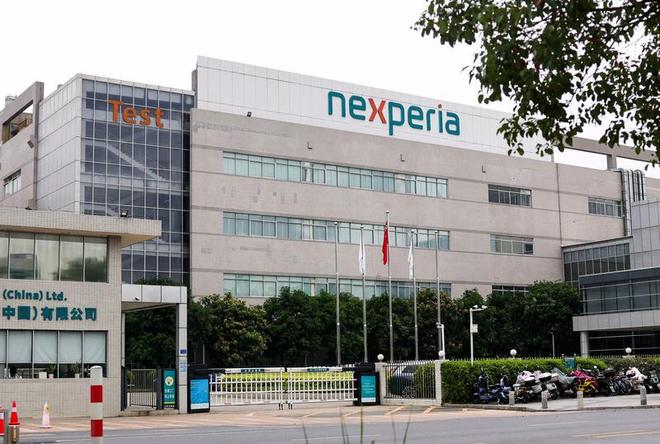
早干嘛去了?安世荷兰装可怜:中方企业不理人
Guan Cha Zhe Wang· 2025-11-28 00:25
Core Viewpoint - The Dutch government's takeover of the Chinese-controlled company Nexperia has led to a supply chain crisis, with the Dutch side now portraying itself as a victim despite the disruption caused to global semiconductor supply chains [1][3]. Group 1: Company Actions and Responses - Nexperia's Dutch subsidiary claimed it attempted multiple times to communicate with its Chinese counterpart but received no substantial response [1]. - On November 23, Nexperia's parent company, Wingtech Technology, urged the Dutch side to respond constructively to restore control and ensure global supply chain stability [1][4]. - Following the Dutch government's takeover, Wingtech took independent actions to secure its domestic supply chain and ensure operations continued without external interference [4][7]. Group 2: Impact on Global Supply Chains - The Dutch government's actions have triggered a significant disruption in the global automotive supply chain, affecting manufacturers in the US, Europe, and Japan, leading to production adjustments [3][4]. - Nexperia's chips, while not cutting-edge, are produced in large quantities and are critical for major automotive clients like BMW and Volkswagen [3]. - The crisis has highlighted the fragility of global semiconductor supply chains, with many companies facing severe challenges due to the disruption [7][9]. Group 3: Diplomatic and Regulatory Developments - The Dutch government announced on November 19 that it would take constructive measures to suspend its intervention in Nexperia, indicating a potential shift in the situation [7]. - Chinese officials have emphasized that the root cause of the supply chain chaos lies with the Dutch government, urging for a responsible approach to resolve the issues [9]. - Discussions between Chinese and European officials have focused on the need for constructive communication between Nexperia's Dutch and Chinese entities to find long-term solutions [8][9].

《鸿蒙星光盛典》延迟举办
Guan Cha Zhe Wang· 2025-11-27 23:08
Core Points - The "Hongmeng Starry Night Festival" has been postponed due to a tragic fire incident in Hong Kong that resulted in significant casualties [1][3] - The event was originally scheduled for November 28 and is organized by the Central Radio and Television Station, focusing on technological innovation and achievements [3] Event Details - The festival was planned to take place at the Longgang Universiade Sports Center in Shenzhen and was to be broadcasted live across multiple platforms [3] - The event aims to highlight the achievements of the Hongmeng operating system, which has reached over 1 billion devices across various sectors, including mobile phones and automotive systems [3] - The festival was set to feature participation from technology experts, industry representatives, and cultural figures, showcasing the progress of the Hongmeng ecosystem [3]
欧盟忍无可忍:美国这是勒索!
Guan Cha Zhe Wang· 2025-11-27 15:30
Core Viewpoint - The ongoing conflict between the US and EU regarding digital regulation is intensifying, with the EU accusing the US of using coercive tactics to influence regulatory decisions [1][3]. Group 1: EU's Stance on Digital Regulation - EU's Executive Vice President Teresa Ribera criticized the US for attempting to link digital regulation changes to trade negotiations, labeling it as "extortion" [1][3]. - Ribera emphasized that the EU's digital regulatory framework, including the Digital Markets Act (DMA) and Digital Services Act (DSA), should not be part of trade discussions, asserting that these regulations are matters of national sovereignty [3][4]. - The DMA aims to regulate the behavior of large digital platforms to ensure fair competition, and Ribera stated that the EU's digital regulatory standards are non-negotiable [3][5]. Group 2: US Pressure and EU Member States' Divergence - The US perceives the EU's DMA as discriminatory against American tech giants like Microsoft, Google, and Amazon, and has expressed opposition to the DSA, which it believes restricts platforms like X (formerly Twitter) [3][6]. - Despite Ribera's firm stance, there are emerging divisions among EU member states regarding the DMA, with some trade ministers showing openness to revising digital regulations to attract US investment [5][6]. - German officials have indicated support for relaxing EU digital rules, highlighting a potential shift in the EU's unified approach to digital regulation [5][6]. Group 3: Global Context of Digital Regulation - The US is actively pressuring other countries to relax digital regulations, as seen in Canada's withdrawal of a proposed digital services tax and South Korea's retraction of a planned digital competition system [6][7]. - The EU is continuing its assessment of digital regulations through the "Digital Fairness Applicability Assessment" and ongoing reviews of the DMA, amidst the backdrop of US pressure and internal EU disagreements [7].
