Guan Cha Zhe Wang

Search documents
DeepSeek上新:开源模型首达IMO金牌水平,AI推理告别“死记硬背”
Guan Cha Zhe Wang· 2025-11-28 07:17
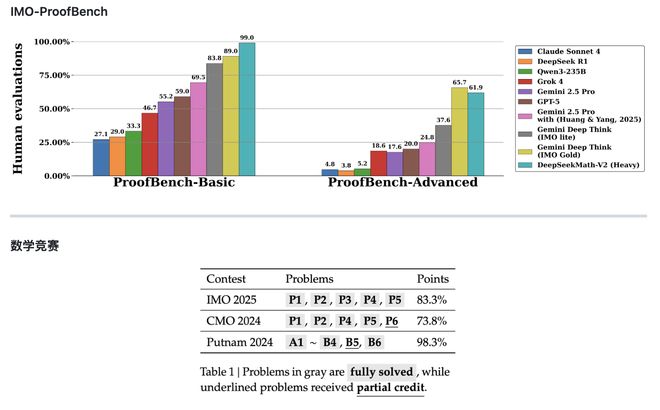
Core Insights - DeepSeek has released its latest technology achievement, DeepSeek-Math-V2, which focuses on enhancing mathematical reasoning and theorem proving capabilities in large language models, boasting 685 billion parameters [1][5] Performance Highlights - DeepSeek-Math-V2 achieved gold medal levels in the 2025 International Mathematical Olympiad (IMO) and the 2024 Chinese Mathematical Olympiad (CMO), and scored 118 out of 120 in the Putnam 2024 competition, surpassing the historical human record of approximately 90 points [1][3] - In the IMO-ProofBench benchmark, Math-V2 scored nearly 99% on the basic set, significantly outperforming Google's Gemini DeepThink, which scored 89%. On the advanced set, Math-V2 scored 61.9%, slightly below Gemini DeepThink's 65.7% [4] Technological Innovations - DeepSeek-Math-V2 addresses the "illusion of reasoning" problem highlighted by former OpenAI chief scientist Ilya Sutskever, moving beyond mere answer correctness to ensure rigorous logical reasoning [5][6] - The model employs a strict "process-focused" strategy, requiring clear and logical step-by-step derivations, and does not reward correct final answers if intermediate steps are flawed [6] - A unique multi-level "Meta-Verification" mechanism enhances the reliability of scoring, increasing the confidence level from 0.85 to 0.96 [9] Industry Impact - The release of DeepSeek-Math-V2 has generated significant buzz in the overseas developer community, marking a strong comeback for DeepSeek and breaking the long-standing dominance of closed-source models in top reasoning capabilities [11] - The model's success in mathematical reasoning is expected to influence the coding model space, potentially disrupting existing code assistance tools [11] - The global AI landscape is transitioning from "text generation" to "logical reasoning," with DeepSeek's approach providing a clear path for technological evolution through rigorous validation mechanisms rather than sheer computational power [11]


联影杀入迈瑞腹地:超声高端市场能否撕开一道口子?
Guan Cha Zhe Wang· 2025-11-28 07:14
Core Viewpoint - United Imaging has launched the uSONIQUE series ultrasound products, marking its entry into the ultrasound market, which is dominated by domestic leader Mindray and international giants GE, Philips, and Siemens. This move comes at a time when AI technology is reshaping ultrasound diagnostics and domestic substitution policies are intensifying [1][2][4]. Group 1: Market Context - The ultrasound equipment market in China exceeds 14 billion yuan, characterized by intense price competition [1]. - United Imaging's entry is strategically timed as AI technology is fundamentally changing ultrasound diagnostics, providing an opportunity for the company to differentiate itself with its "native AI" approach [4][6]. - The company has invested over 600 million yuan in ultrasound R&D since 2019, establishing a comprehensive product line from high-end to economical models [2][6]. Group 2: Competitive Landscape - Mindray is the current market leader in China's ultrasound sector, with a domestic market share of over 40% and a global ranking of third, following GE and Philips [8][10]. - Mindray's strategy focuses on a "scale + penetration" approach, starting from mid-to-low-end products and gradually moving to high-end offerings, which has established strong brand recognition and channel barriers [10][11]. - United Imaging aims to challenge Mindray by adopting an "AI + platform" strategy, seeking to redefine ultrasound value rather than competing directly on traditional metrics [10][11]. Group 3: Strategic Advantages and Challenges - United Imaging's existing sales network in CT and MR fields provides a significant advantage for cross-selling ultrasound products, leveraging its established brand and channel [6][11]. - The company has received regulatory approval for its high-end ultrasound products, with expectations to start contributing to revenue by late 2025 to early 2026 [7]. - However, the commercial viability of AI in ultrasound remains uncertain, as regulatory constraints limit its direct monetization, potentially impacting short-term profitability [13].



江宇舟:欧美对华“爆破”日益精准,我们的“迎头痛击”要有讲究
Guan Cha Zhe Wang· 2025-11-28 05:57
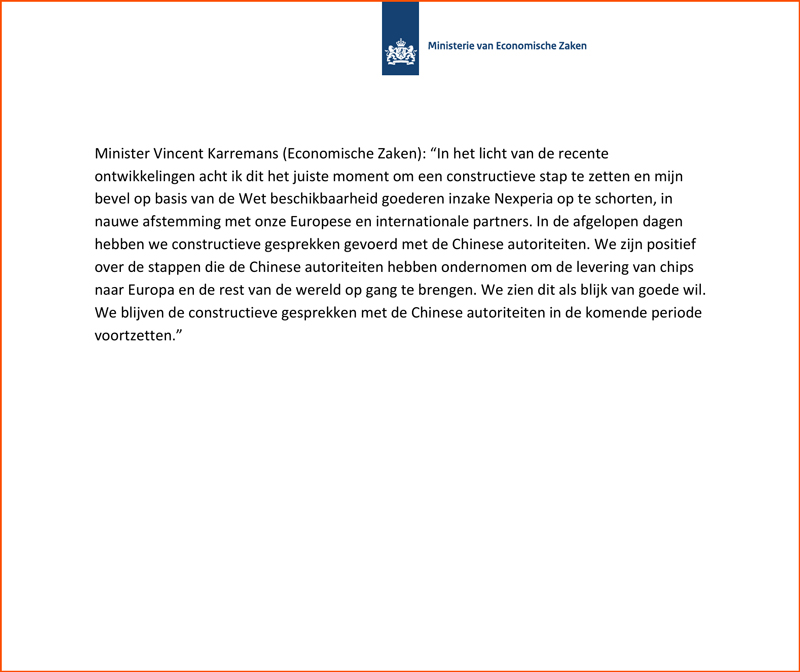
Core Viewpoint - The article discusses the ongoing "Anshi Chaos" involving ASML and the Dutch government's actions, highlighting the complexities of international relations and the implications for Chinese companies in the semiconductor industry. Group 1: Background of the Incident - The European Commission's trade and economic security commissioner expressed gratitude to China for its efforts in resolving the ASML semiconductor issue and indicated a willingness to work together to de-escalate tensions [1] - The Dutch Minister of Economic Affairs announced the suspension of regulatory decisions regarding ASML in response to China's "goodwill," which has been interpreted by many foreign media as a return of control to ASML [1] - Despite the suspension, the underlying issues that triggered the "Anshi Chaos" remain unresolved, indicating that the situation is far from over [1][2] Group 2: Legal and Administrative Developments - The Dutch administrative order has been challenged in court, and the suspension does not alleviate the immediate concerns of Wintech Technology, which is still facing restrictions on its rights [2][4] - The Dutch government's statement regarding the suspension was poorly formatted and lacked clarity, raising questions about its legitimacy [3] - Wintech Technology criticized the Dutch government's response as inadequate, emphasizing that the core issues have not been addressed [4][5] Group 3: International Relations and Strategic Implications - The article suggests that the "Anshi Chaos" may have been a calculated move influenced by external forces, particularly the United States, to undermine China's semiconductor capabilities [7][8] - Evidence indicates that the Dutch government had been in discussions with the U.S. regarding semiconductor regulations prior to the incident, suggesting a coordinated effort to limit China's technological advancements [9][10] - The relationship between the Netherlands and China has been complex, with significant trade growth, yet the Dutch government is increasingly succumbing to U.S. pressure regarding semiconductor exports [20][21] Group 4: Future Considerations for Chinese Companies - The article emphasizes the need for Chinese companies to adapt and strengthen their international strategies in light of the challenges posed by foreign regulatory actions [30][39] - It calls for a coordinated response from the government, enterprises, and society to enhance China's capabilities in dealing with international pressures and to protect the rights of Chinese companies abroad [30][41] - The importance of developing a robust legal and operational framework to safeguard against similar incidents in the future is highlighted, suggesting that a proactive approach is essential for maintaining competitiveness in the global market [40][41]

美媒操碎心:我们被中国港口“包围”了…
Guan Cha Zhe Wang· 2025-11-28 05:23
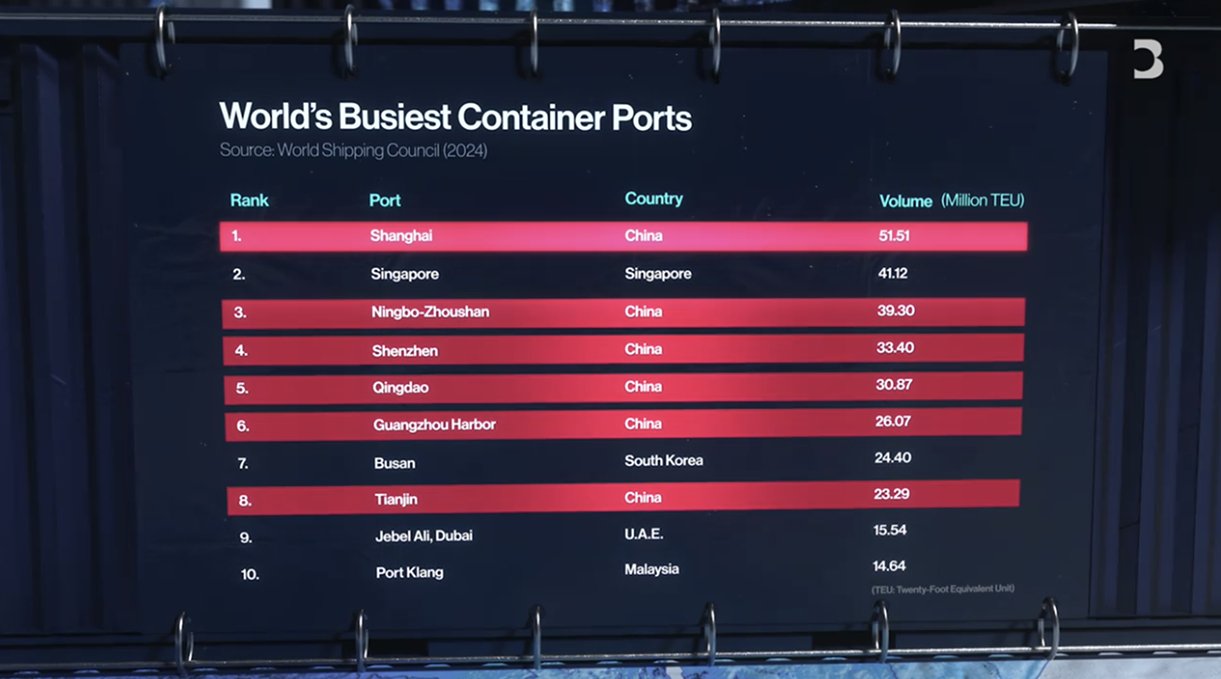
Core Insights - China imports approximately 66,000 tons of avocados annually, primarily from Peru, facilitated by investments in a super port that has reduced shipping time by 10 days [1] - Over the past two decades, China has invested several hundred billion dollars in global port infrastructure, solidifying its trade dominance amid rising global trade tensions [1][3] - Chinese state-owned enterprises have invested over $60 billion in 129 overseas port projects across various countries, outpacing similar efforts by other nations [1][3] Investment and Infrastructure - Six of the world's ten busiest ports are located in China, with 95% of China's trade relying on maritime transport, making global port network access a core strategic priority [3][5] - China's investments in overseas ports have accelerated since the Belt and Road Initiative, with no comparable funding or support from the U.S. government for similar projects [3][8] - The construction and investment in ports by Chinese entities are viewed positively by many countries, as they are crucial for economic modernization [8][9] Geopolitical Context - The U.S. media has raised concerns about potential military uses of Chinese-controlled ports, suggesting that 14 out of 17 ports controlled by Chinese entities could serve dual commercial and military purposes [4][7] - The U.S. has attempted to politicize commercial cooperation, particularly regarding ports in countries like Peru and Greece, reflecting a broader anxiety about China's growing influence [8][9] - Criticism from U.S. officials regarding Chinese investments often contrasts with the lack of substantial American investment in these regions, highlighting a disparity in commitment to infrastructure development [8][9]
AI眼镜:谷歌画饼10年,夸克能否在中国引领破局?
Guan Cha Zhe Wang· 2025-11-28 04:15
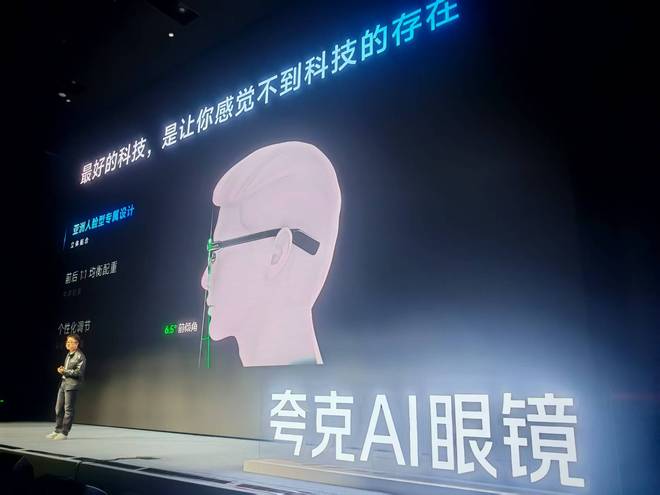
Core Insights - The launch of Alibaba's Quark AI glasses marks a significant advancement in the AI glasses market, focusing on comfort, battery life, and integration with Alibaba's ecosystem [2][4][10] - The industry has faced challenges such as short battery life, discomfort, and slow response times, which have hindered widespread adoption [5][9][19] - Quark AI glasses aim to address these pain points with innovative features like a dual battery swap solution and a proprietary AI model optimized for user experience [9][10][15] Product Features - Quark AI glasses are designed with a focus on comfort, featuring a lightweight structure and a rear-weighted design to enhance wearability [5][7] - The glasses utilize a dual battery system that allows for quick battery replacement, eliminating the need for long charging times [9][10] - Enhanced functionalities include rapid photo capture, high-definition video output, and integration with Alibaba's services for seamless user interaction [9][10][11] Competitive Landscape - The entry of Quark AI glasses shifts the competition from hardware specifications to a focus on ecosystem integration and user experience [15][16] - Competitors like XREAL and Rokid emphasize ecosystem compatibility and display technology, while Meta targets the high-end market with advanced VR/AR capabilities [16][17] - Quark's unique selling proposition lies in its combination of comfort, battery life, and a tailored AI ecosystem, setting it apart from other brands [15][16] Industry Challenges - The AI glasses market faces significant hurdles, including improving interaction efficiency, expanding content ecosystems, and overcoming hardware limitations [17][19][22] - Current interaction methods, such as voice and gesture controls, struggle with complex tasks, highlighting the need for more intuitive user interfaces [19][21] - Hardware challenges include the need for high-density batteries and transparent display materials, which are essential for enhancing user experience [22][24] Future Outlook - The industry anticipates a shift towards AI glasses becoming essential personal devices, with the potential to replace smartphones as primary computing platforms [15][24] - Continuous innovation in hardware and AI capabilities is crucial for meeting user demands and achieving widespread adoption [24]

华为中兴在越南拿下5G大单,西方又不安了
Guan Cha Zhe Wang· 2025-11-28 04:08
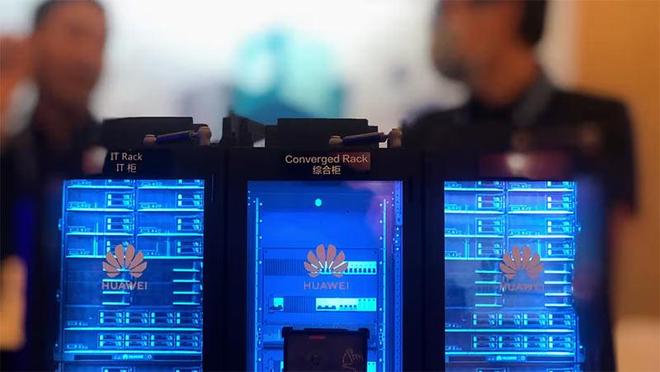
Core Points - Huawei and ZTE have signed 5G agreements in Vietnam, indicating a warming relationship between Vietnam and China amid deteriorating ties with the U.S. due to tariffs [1][2] - Vietnam has historically been cautious about using Chinese technology in sensitive infrastructure, but recent developments suggest a shift in this stance [1][4] - Contracts awarded to Huawei and ZTE include a $23 million deal for 5G equipment and additional contracts exceeding $20 million for 5G antennas [1][5] Group 1: Contracts and Agreements - Huawei and ZTE have secured multiple contracts for supplying 5G equipment in Vietnam, with Huawei winning a $23 million contract in April and ZTE winning contracts totaling over $20 million recently [1][5] - Despite concerns from Western officials, the contracts reflect Vietnam's changing approach towards Chinese technology amid geopolitical tensions [1][2] Group 2: Geopolitical Context - The U.S. has pressured Vietnam to avoid Chinese contractors in its digital infrastructure projects, including undersea cables, citing national security risks [4][6] - Recent meetings among Western officials in Vietnam have raised concerns about the implications of using Chinese technology on trust in Vietnam's networks and access to advanced U.S. technology [6][7] Group 3: Industry Dynamics - Huawei and ZTE face restrictions in the U.S. and some European countries due to perceived national security risks, yet they continue to expand their presence in Vietnam [5][9] - The European Commission is exploring measures to compel member states to exclude high-risk suppliers like Huawei and ZTE from telecom networks, which could lead to political disputes [7][9]

平安好车主信用卡升级,做车主出行守护官
Guan Cha Zhe Wang· 2025-11-28 03:43
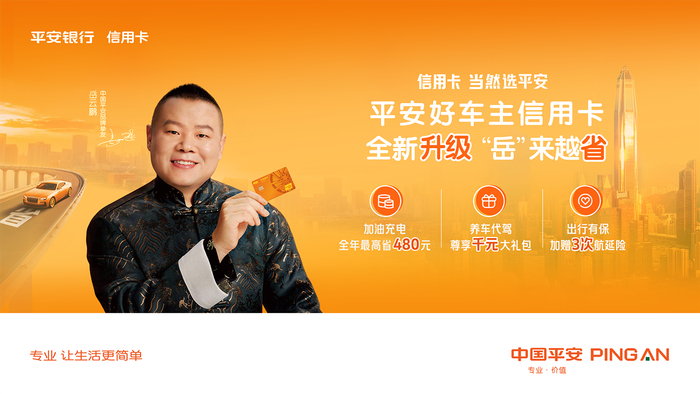
当代车主的用车日常,总被层层烦恼包裹:油价波动频繁,每次加油都要为账单精打细算;养车流程繁 琐,预约排队、比价筛选耗费大量时间;长途出行担心突发故障,应急救援响应迟缓;出门在外顾虑意 外风险,保障覆盖总有盲区…… 这些用车路上的 "拦路虎",让本应便捷的出行变得疲惫不堪。 三省工程:解锁车主服务新范式,保障力度全面升级 对于车主而言,"省钱" 永远是核心诉求。 好车主信用卡深谙此道,打造"平安省钱包+千元礼包+新户福利"的三重省钱体系,以真金白银的补贴 让车主告别 "用车贵" 的焦虑。活动时间,持卡客户从核卡日起,每月单笔金额≥88元的网络消费,即可 按1%累积 "省钱包" 账户金额,单笔至多累计10元,每月至高累积40元,全年至高可享480元优惠。同 时,首刷即享至高市场价值1500元养车用车大礼包,包含途虎养车1100元券包、高德代驾200元券包及 一嗨租车200元券包,活动周期内限领一次。 当代生活节奏加快,车主们更希望把时间花在有意义的事情上,而非在用车琐事中浪费精力。好车主信 用卡以 "省时" 为核心,通过优化服务流程、整合优质资源,让车主的每一次出行都高效顺畅。 加油充电"无死角"便捷,平安银行联 ...
英媒着急:别老盯中国电车和AI啦,再说个“坏消息”…
Guan Cha Zhe Wang· 2025-11-28 03:08
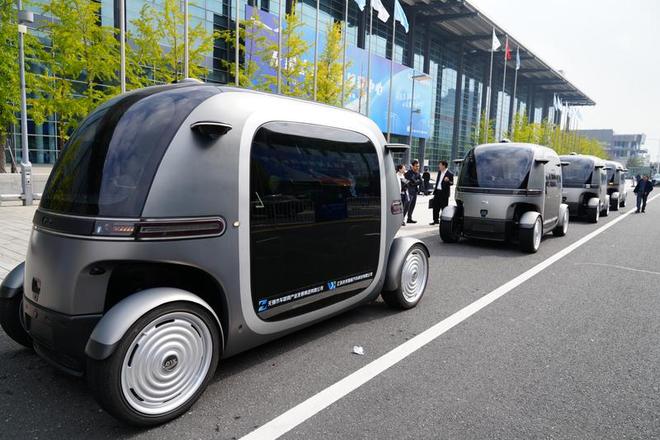
Core Insights - The article discusses China's rapid rise in the fields of autonomous vehicles and pharmaceutical innovation, highlighting the complex emotions in the West regarding China's technological advancements [1][3][4]. Group 1: Autonomous Vehicles - China is emerging as a leader in autonomous vehicle technology, with manufacturing costs for autonomous taxis being one-third of those of US-based Waymo, and has accumulated millions of kilometers in driving experience [1][4]. - Over 50 cities in China have initiated pilot projects for autonomous taxis, supported by local governments that provide cheap credit and infrastructure for sensor technology [4][6]. - The competitive landscape in China is intense, with many companies facing challenges, but the survivors are expected to become strong export champions [4][6]. Group 2: Pharmaceutical Innovation - China has transitioned from a generic drug manufacturing hub to the world's second-largest innovator in drug development, with a focus on various categories including anti-cancer drugs [1][4]. - The number of clinical trials conducted by Chinese companies accounts for one-third of the global total, with significant reductions in approval times for new drugs [4][6]. - The article suggests that China's low-cost innovation in pharmaceuticals could benefit developing countries, while also eyeing the lucrative US market, which accounts for 70% of global pharmaceutical profits [6][8]. Group 3: Regulatory Environment and Innovation - China's flexible regulatory environment has been a key factor in its innovation success, with rapid reforms in drug approval processes and clinical trial regulations [4][7]. - The article argues that Western countries should reassess their innovation models, as their regulatory frameworks may hinder technological advancement compared to China's agile approach [7][8]. - The competition between China and the West could lead to a hollowing out of industries in Western economies if protectionist measures are implemented without valid concerns [6][8].
2030年将大变天!“全球十大车企,中国占半壁江山”
Guan Cha Zhe Wang· 2025-11-28 02:55
Core Viewpoint - Chinese automakers are expected to rise in the global automotive rankings over the next five years, potentially placing five companies among the top ten by 2030, driven by advancements in electric vehicle (EV) technology and production capacity [1][4]. Group 1: Market Position and Predictions - By 2030, significant changes in the automotive industry are anticipated, with indications of a major transformation already underway [1]. - BYD and Geely are currently ranked fifth and tenth globally in terms of vehicle deliveries, with BYD delivering 4.27 million vehicles and Geely 3.34 million in the previous year [3]. - Emerging EV manufacturers like Xiaomi, Xpeng, and Leap Motor have seen substantial sales growth, attracting consumers away from traditional brands like Tesla [1][4]. Group 2: Production and Export Trends - China's automotive production accounts for over 30% of the global total, with three out of every five electric vehicles sold globally purchased by Chinese consumers [4]. - Over 70% of the batteries used in global electric vehicles are produced by Chinese companies, with CATL and BYD leading in production capacity [4]. - In the first ten months of 2025, China's automotive exports reached 5.62 million units, marking a year-on-year increase of 15.7% [4]. Group 3: Future Growth and Challenges - Analysts suggest that while the growth rate of Chinese automotive exports may slow in the coming years, an overall increase is still expected [4]. - The profitability of Chinese EV manufacturers in overseas markets can be significantly higher, with profit margins reaching 20,000 RMB per vehicle, four times that of the domestic market [5]. - The automotive industry is projected to achieve an annual sales volume of 40 million vehicles during the "14th Five-Year Plan" period, with substantial growth potential [5].


两只跌20%,两只跌40%,万科4只境内债券临时停牌
Guan Cha Zhe Wang· 2025-11-28 02:50
Core Viewpoint - Vanke's stock and bond prices have experienced significant declines, leading to temporary trading suspensions on several bonds due to sharp drops exceeding 20% to 30% [1][2][3]. Group 1: Stock Performance - Vanke A's stock price fell nearly 5% at the opening on November 27, with a maximum decline of over 8%, ultimately closing down 7.13% at 5.47 yuan, resulting in a market capitalization of 65.3 billion yuan [2]. - Year-to-date, Vanke A has seen a cumulative decline of 24.66%, marking a new low since August 2015, and has experienced a total drop of over 85% since its peak of 36.37 yuan in 2018 [2]. - Vanke's Hong Kong stock has also faced a nearly 6-year decline, with a drop of over 32% this year, closing at 3.58 HKD [2]. Group 2: Bond Performance - On November 26, several Vanke bonds, including "22 Vanke 02" and "21 Vanke 06," saw declines exceeding 11%, with "22 Vanke 02" dropping over 17% [2]. - On November 27, these bonds experienced further volatility, leading to temporary suspensions due to drops exceeding 30% [1][2]. Group 3: Debt and Financial Support - Vanke's total domestic debt amounts to 21.798 billion yuan, with a repayment peak occurring in December 2025 [4]. - The major shareholder, Shenzhen Metro Group, has provided up to 22 billion yuan in loans to Vanke, but future support will be contingent on maximizing equity value and risk prevention [4]. - Vanke is expected to rely more on market-based solutions for debt resolution, including asset sales and refinancing, as external financial support may be limited [5].