Hua Xia Shi Bao

Search documents
威马APP重启服务,破产车企艰难“复活”之路
Hua Xia Shi Bao· 2025-11-05 08:57
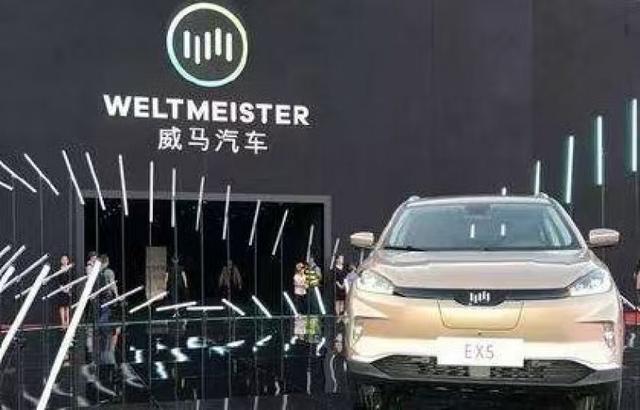
Core Viewpoint - WM Motor has announced the relaunch of its Xiaowei App, restoring key functionalities for users, which is seen as a positive development following the company's bankruptcy restructuring [2][7]. Company Background - Founded in 2015 by Shen Hui, WM Motor aimed to become a leader in the electric vehicle market, achieving significant financing of 35 billion yuan and launching its first model, the EX5, in 2018 [3][4]. - The EX5 gained market recognition, leading sales in its segment for 40 consecutive months and becoming the top-selling model among new energy vehicle startups in 2019 [3]. Financial Struggles - Despite initial success, WM Motor faced severe financial difficulties, with cumulative losses exceeding 17 billion yuan from 2019 to 2021, and cash reserves dwindling to 4.156 billion yuan by the end of 2021 [5][6]. - The company attempted to go public three times but failed, leading to a complete halt in operations and a bankruptcy restructuring application in October 2023 [6]. Restructuring and Future Plans - The Shanghai court approved WM Motor's restructuring plan, with Shenzhen Xiangfei Automotive Sales Co., Ltd. taking over the company's operations [7]. - The new plan outlines ambitious production goals, aiming to resume production of the EX5 and E5 by 2025, with a target of 1 million units and 120 billion yuan in revenue by 2030 [7][8]. Challenges Ahead - The initial investment of 1 billion yuan for the restructuring is considered insufficient for reviving an automotive manufacturer, especially in a capital-intensive industry [8]. - The competitive landscape has changed significantly, with new players capturing market share in the 100,000 to 150,000 yuan electric vehicle segment, making it difficult for WM Motor to regain its footing [9]. - Trust issues among existing customers pose a significant hurdle, as many are concerned about service and warranty commitments following the company's bankruptcy [9].

盯上内企赴港IPO红利,老牌欧洲PE加开办公室“招揽”业务
Hua Xia Shi Bao· 2025-11-05 08:55
Core Viewpoint - Ardian, a leading European investment firm with $192 billion in assets under management, has opened a new office in Hong Kong to enhance its business presence in China and the Asia-Pacific region, targeting IPO opportunities and fundraising for the Hong Kong capital market [2][3]. Group 1: Company Expansion - Ardian established its Hong Kong subsidiary, Ardian Hong Kong Limited, in January 2023 and has since obtained multiple licenses from the Hong Kong Securities and Futures Commission, allowing it to conduct securities trading, investment advisory, and asset management services [3][4]. - The Hong Kong office is led by Yao Binchao, who has been with Ardian since 2011 and has played a crucial role in expanding the firm's presence in China [4]. Group 2: Investment Strategy - Ardian's private equity segment manages the largest assets, totaling $134 billion, with a diverse investment strategy that includes funds of funds, co-investment funds, and growth funds [5]. - The firm has invested $4.3 billion in Asia, covering nearly 200 funds, and has completed 12 secondary market transactions in Asia, totaling $6.6 billion [5]. Group 3: Market Trends - The influx of private equity investment in Hong Kong is part of a broader trend, with over 80 PE institutions establishing a presence in the region, and a 47% year-on-year increase in financing events for local tech companies [6][7]. - The Hong Kong government is actively promoting innovation and technology, which has led to a surge in PE activity, with over 20 mainland PE firms registering subsidiaries in Hong Kong this year [7][8]. Group 4: IPO Landscape - Hong Kong has regained its position as the global leader in IPO fundraising, with new stock fundraising reaching HKD 182.3 billion, a 228% increase year-on-year, and the number of new listings growing by 47% [8].

万亿央企的“双向奔赴”:中国移动与中石油交叉持股,通信与能源再度绑定
Hua Xia Shi Bao· 2025-11-05 07:29
Core Viewpoint - The recent equity transfer between China Mobile and China National Petroleum Corporation (CNPC) highlights a strategic collaboration between two state-owned enterprises, reflecting the deepening reform of state-owned enterprises and the cross-industry layout of state capital in the digital economy and real economy integration [1][3][8] Group 1: Equity Transfer Details - China Mobile's controlling shareholder, China Mobile Group, plans to transfer 41.98 million A-shares (0.19% of total shares) to CNPC at a transfer price of zero [1][3] - Following the transfer, China Mobile Group's shareholding in China Mobile will decrease from 69.05% to 68.85%, while CNPC will hold 0.19% of China Mobile's shares for the first time [3][4] - The transfer is part of a broader strategy to enhance collaboration in information technology and smart energy sectors, aiming to unlock new potential in digital and real economy integration [3][6] Group 2: Market Impact and Strategic Signals - The equity transfer is seen as a significant move in the context of state-owned enterprise reform, signaling a shift from single-industry operations to cross-industry collaboration [1][5] - Market reactions indicate a slight increase in stock prices for both companies, with China Mobile closing at 107.66 yuan (up 0.98%) and CNPC at 9.57 yuan (up 0.1%) [2] - Analysts suggest that this collaboration could enhance market confidence and potentially lead to a positive valuation cycle through improved operational efficiency and resource sharing [5][6] Group 3: Long-term Collaboration Potential - The collaboration aims to achieve deep integration of digital technology and real industries, with potential synergies in operational efficiency, data resource sharing, and cost reduction [6][8] - Previous projects, such as the "Kunlun Model" and the "Cloud Hub" asset management platform, demonstrate the ongoing efforts to leverage digital capabilities for energy sector transformation [7][8] - The long-term outlook suggests that cross-holding among state-owned enterprises may become a trend for optimizing state capital allocation, enhancing competitiveness, and fostering a resilient industrial ecosystem [8]


汽车购置税补贴退坡前夜,市场迎来抢购潮,车企自掏腰包为消费者兜底
Hua Xia Shi Bao· 2025-11-05 00:37
Core Viewpoint - The upcoming adjustment in the new energy vehicle (NEV) purchase tax policy is prompting various car manufacturers to launch subsidy programs to mitigate the impact on consumers, leading to a surge in vehicle orders before the policy change takes effect [2][3][6]. Group 1: Policy Changes - The Ministry of Finance announced that NEVs purchased between January 1, 2024, and December 31, 2025, will be exempt from purchase tax, with a maximum exemption of 30,000 yuan per vehicle. From January 1, 2026, to December 31, 2027, the tax will be halved, with a maximum reduction of 15,000 yuan per vehicle [3][4]. - The adjustment marks a shift from a "policy-driven" to a "market-driven" approach in China's NEV industry, indicating a significant transition after ten years of tax exemptions [3][8]. Group 2: Market Reactions - Car manufacturers like Xiaomi, NIO, and Li Auto are implementing "purchase tax subsidy" programs to attract consumers, offering to cover the tax difference for orders placed before November 30, 2025, if delivery occurs in 2026 [2][6]. - The introduction of these subsidy programs has led to a notable increase in consumer inquiries and orders, with a reported 35.4% rise in customer engagement in early October compared to September [7]. Group 3: Consumer Behavior - Consumers are exhibiting a "last-minute rush" mentality, with over 60% of recent orders being placed to lock in subsidies, particularly in the market segment above 300,000 yuan [5][6]. - The anticipated increase in purchase tax is influencing consumer decisions, with many opting to purchase vehicles sooner to avoid higher costs in the future [7]. Group 4: Industry Outlook - The NEV market is expected to face a significant test of market dynamics as the purchase tax exemption transitions to a reduction, highlighting the industry's resilience and adaptability [8].



10月车企销量:增长、创新高成关键词,上汽蝉联第一、吉利跃居第三
Hua Xia Shi Bao· 2025-11-05 00:34
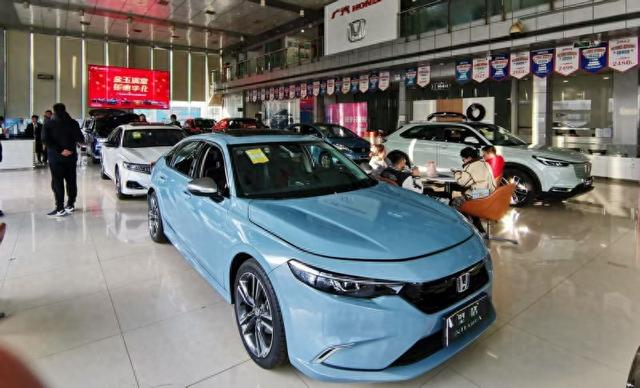
Core Insights - October saw significant growth in automobile sales, particularly in the new energy vehicle (NEV) sector, with several companies achieving record sales figures [2][4][6] Group 1: Overall Market Performance - In October, five out of eight traditional car manufacturers reported a year-on-year sales growth exceeding 10% [2] - SAIC Motor Corporation sold 454,000 vehicles in October, marking a 13% increase year-on-year, maintaining its position as the top-selling domestic automaker for two consecutive months [4][5] - Geely Automobile achieved a record monthly sales of over 307,000 units, with a remarkable year-on-year growth of 35%, moving up two ranks to third place [6] Group 2: Company-Specific Performance - BYD sold 442,000 vehicles in October, a new high for the year, but experienced a 12% decline year-on-year [4] - China FAW Group sold 305,000 vehicles in October, reflecting an 8.1% increase year-on-year, with a total of 2.688 million vehicles sold from January to October [7] - Chery Group's sales reached 281,000 vehicles in October, up 3.3% year-on-year, with NEV sales growing by 54.7% [8] Group 3: New Energy Vehicle Sales - SAIC's NEV sales reached 207,000 units in October, a 31.6% increase year-on-year, contributing to its overall sales success [4] - Geely's NEV sales in October hit 178,000 units, a 64% increase year-on-year, with NEVs accounting for 58% of its total sales [6] - Chery's NEV sales for the first ten months totaled 698,000 units, a 73.1% increase year-on-year, solidifying its position among the top five in the industry [8] Group 4: Export Performance - BYD exported 83,904 NEVs in October, marking it as one of the fastest-growing exporters in the automotive sector [4] - Geely's overseas sales reached 41,568 units in October, reflecting a 23% year-on-year increase [6] - Chery's exports for October were 126,000 units, a 13% increase, continuing a trend of strong export performance [8] Group 5: Year-to-Date Performance and Targets - As of October, SAIC's cumulative sales reached 3.647 million units, achieving an 81% target completion rate against its annual goal of 4.5 million units [5] - Geely's cumulative sales for the year stood at 2.477 million units, with an 83% target completion rate against its revised goal of 3 million units [6] - Chery's cumulative sales reached 2.289 million units, with a target completion rate estimated between 71% and 77% based on industry growth projections [8]




7000亿元!央行今日开展操作
Hua Xia Shi Bao· 2025-11-05 00:10
Group 1 - The People's Bank of China (PBOC) will conduct a 700 billion yuan reverse repo operation on November 5, maintaining market liquidity [2] - The operation is a continuation of a previous 700 billion yuan reverse repo maturing this month, aimed at keeping liquidity ample in the banking system [2] - In addition to the reverse repo, there are 300 billion yuan of 6-month reverse repos and 900 billion yuan of Medium-term Lending Facility (MLF) maturing this month, indicating further liquidity support is expected [2] Group 2 - Analysts suggest that the lack of an increase in the reverse repo operation is due to relatively ample liquidity in the banking system and a slowdown in credit growth [2] - The resumption of government bond trading in October, with a net injection of 20 billion yuan, is seen as a measure to support long-term liquidity in the banking system [3] - The current low inflation levels provide the PBOC with sufficient room to maneuver its monetary policy, with expectations of potential reserve requirement ratio (RRR) cuts before year-end [3][4]

产城融合无界共生——第九届华夏城市产业链发展大会 · 2025城市建设高质量发展论坛即将启幕
Hua Xia Shi Bao· 2025-11-04 16:18
Group 1 - The 9th Huaxia Urban Industrial Chain Development Conference and the 2025 Urban Construction High-Quality Development Forum will be held in Beijing, focusing on urban renewal and barrier-free aging transformation [1][2] - The theme of the conference is "Integration of Industry and City, Boundless Coexistence," supported by various organizations including the China Elevator Association and the Housing and Urban-Rural Development Ministry [1][2] - Key leaders and experts will discuss urban construction, high-quality development, and the rights of disabled individuals, aiming to implement the Barrier-Free Environment Construction Law [2][4] Group 2 - As of the end of 2024, China's urbanization rate is projected to reach 67%, marking a significant increase from 11% in 1949, indicating a shift from expansion to quality enhancement in urban development [3] - The conference aims to align with national strategies for high-quality urban development, focusing on smart, green, and integrated industrial upgrades [4][5] - The agenda includes discussions on urban health assessments, barrier-free environment construction, and low-carbon city solutions, showcasing successful practices and innovations [5][6] Group 3 - The conference has evolved into a significant platform for professional exchange in urban construction, addressing current challenges and showcasing exemplary cases in barrier-free construction and zero-carbon parks [7][8] - A diverse array of experts and officials will share insights and practical experiences, contributing to a comprehensive understanding of urban development trends [6][8] - The event will be widely covered by various media outlets, enhancing its influence and reach within the industry [9]
「AI新世代」巨头入场赛道升温,VAST打响3D大模型破圈之战
Hua Xia Shi Bao· 2025-11-04 12:56
Core Insights - VAST is a key player in the AI 3D model sector, which is gaining traction as a new competitive arena in the AI landscape, particularly as traditional modeling transitions to AI-driven 3D models [2][3] - The AI 3D model technology has vast application potential across various industries, including gaming and industrial sectors, but it faces challenges in reaching mainstream consumers [2][4] - VAST's annual recurring revenue (ARR) has surpassed $12 million, indicating strong commercial potential despite being a relatively new company [5][6] Company Overview - VAST was established in March 2023 and has rapidly developed its Tripo AI 3D model series, which includes over 200 billion parameters [6] - The company has served over 5 million professional users and 40,000 enterprise clients, generating more than 50 million 3D models [3][5] - VAST completed a multi-million dollar Pre-A+ funding round in June 2023, indicating investor confidence in its growth potential [6] Market Dynamics - The 3D vision market in China is projected to grow significantly, with a compound annual growth rate (CAGR) of approximately 25.73% from 2024 to 2028, reaching around 7 billion yuan [3] - Major competitors like Tencent and ByteDance are entering the AI 3D model space, posing challenges for VAST as it seeks to establish itself [8] - The industry is still in its early stages, with a lack of benchmark applications, which may hinder broader adoption of AI 3D models [7] Technological Challenges - Developing AI 3D models is more complex and resource-intensive than 2D models, requiring significant computational power and specialized talent [6][7] - The transition from traditional modeling to AI-driven solutions necessitates overcoming technical barriers and educating potential users about the benefits of AI 3D technology [7][8] Future Outlook - VAST aims to expand its user base by targeting professional modelers, amateur creators, and eventually casual consumers, with market potential scaling from millions to billions [7] - The company is focused on democratizing 3D content creation, allowing more individuals to participate in the 3D ecosystem [4][7]

货拉拉算法再公开:AI保障司机安全及判责公正
Hua Xia Shi Bao· 2025-11-04 12:05
Core Insights - The article discusses the implementation of an AI safety monitoring and liability algorithm by Huolala, aimed at enhancing safety for freight drivers and improving liability experiences [1][9]. Group 1: AI Safety Monitoring - Huolala's AI safety monitoring system has been developed over four years and can detect hazardous goods transport, illegal passenger transport, fatigue driving, and overloading in real-time [1][4]. - The AI system can intervene by canceling orders or sending alerts to drivers when violations are detected [2][4]. - After the full application of AI, the daily risk orders related to hazardous goods transport and illegal passenger transport have decreased by 30% [4][7]. Group 2: Liability Assessment - The AI liability assessment algorithm collects various data post-order cancellation to determine responsibility, automatically ruling drivers as not at fault for canceled orders due to violations [1][9]. - The time taken for liability assessment has been reduced from 72 hours to 48 hours, and the appeal rate from drivers has decreased by nearly 30% [9][11]. - The algorithm ensures a fair and efficient process by combining machine analysis with human oversight for complex cases [11]. Group 3: Driver Safety Education - Huolala has provided 43 safety courses over the past year, with over 17 million participants, achieving a course satisfaction rate of 95% [8]. - The company has invested 1.75 billion yuan in occupational injury insurance for new employment forms, covering 8.9 billion orders and assisting over 1,200 drivers with claims [8]. Group 4: Future Developments - The company aims to continue optimizing its algorithms based on driver feedback, striving for a safer and fairer working environment for freight workers [11].
监管划红线,资产管理信托全面禁止资金池、通道类业务
Hua Xia Shi Bao· 2025-11-04 10:01
Core Viewpoint - The National Financial Regulatory Administration has released a draft regulation aimed at standardizing the development of asset management trust businesses, emphasizing "returning to the essence and strictly controlling risks" [2] Summary by Sections Regulation Overview - The draft regulation consists of five chapters and eighty-five articles, highlighting clear prohibitions on channel and fund pool businesses, marking the end of the "no-risk arbitrage" model in the trust industry [2] - The regulation establishes a comprehensive framework for product establishment, sales, operations, risk management, information disclosure, and supervision, creating a "four-dimensional risk prevention" system [2] Definition and Investor Requirements - The regulation defines asset management trusts as private asset management products based on trust law, aimed at qualified investors who can identify and bear risks [4] - It sets stringent requirements for qualified investors, including a minimum net financial asset threshold of 3 million RMB for individuals and 10 million RMB for institutions [6] Prohibition of Channel and Fund Pool Businesses - The regulation explicitly prohibits channel and fund pool operations, requiring trust companies to fulfill active management responsibilities and not delegate these duties to other entities [7] - It mandates that trust companies must accurately reflect the net value of trust units and adhere to the actual income and risk factors of underlying assets [7] Investment Management and Control - The regulation limits the investment amount in a single asset to no more than 25% of the trust product's actual trust capital, with an overall cap of 30 billion RMB for all trust products managed by a company [8] - It encourages the development of standardized trust products while reducing the proportion of non-standard products, pushing trust companies to transition from "financing intermediaries" to "investment management institutions" [6][8] Transitional Arrangements and Compliance - Trust companies are required to review existing asset management trust businesses and develop rectification plans in accordance with the new regulation, with progress monitored by the regulatory authority [10]