
Zhong Guo Jing Ying Bao

Search documents
太古地产与陆家嘴集团合作前滩广场2026年底落成
Zhong Guo Jing Ying Bao· 2025-12-13 02:02
Core Insights - Swire Properties has announced the launch of "Qiantan Place," a joint development with Lujiazui Group, which includes two Grade A office buildings expected to be completed by the end of 2026 [1][2] Group 1: Project Overview - "Qiantan Place" consists of One Qiantan Place and Two Qiantan Place, forming part of the expanded Qiantan Taikoo Li mixed-use development [1] - The total construction area of the two office buildings is approximately 125,600 square meters, with One Qiantan Place offering 30 floors of premium office space and Two Qiantan Place providing 24 floors [2] Group 2: Strategic Importance - Shanghai is the largest city by area for Swire Properties' business in mainland China, with significant ongoing projects including the Qiantan Taikoo Li and Lujiazui Taikoo Yuan [1] - The Qiantan area has developed into a vibrant urban hub, attracting global investors and multinational corporations due to its comprehensive business environment [3] Group 3: Future Vision - The collaboration between Swire Properties and Lujiazui Group aims to create a landmark office space that meets the growing demand for high-quality office environments in Shanghai [3] - The project reflects a commitment to innovation, sustainability, and community engagement, aligning with the trends in the office market that prioritize employee well-being and operational efficiency [3]




寿仙谷董秘刘国芳:守正创新 灵芝品牌快速破圈
Zhong Guo Jing Ying Bao· 2025-12-12 22:08
Core Insights - The Chinese health industry is entering a significant growth phase, driven by an aging population and increasing acceptance of traditional Chinese medicine [2] - Shouxiangu aims to become a leading brand in organic Chinese medicine and global Lingzhi products, focusing on product quality and consumer trust [3] Company Strategy - Shouxiangu's main products include third-generation wall-breaking Lingzhi spore powder and Dendrobium candidum series, with Lingzhi spore powder accounting for approximately 72% of sales in the first half of 2025 [3] - The company is expanding its market presence outside Zhejiang province, where current sales account for less than 10% [3][4] - Shouxiangu plans to adopt a dual approach for expansion, including learning from successful distributors and forming strategic partnerships with well-known pharmaceutical distribution companies [4] Digital Transformation - The company is leveraging AI technology to enhance production efficiency and product quality, while also utilizing digital marketing to improve customer engagement and conversion rates [4] Industry Challenges - The traditional Chinese medicine sector faces cyclical pressures from high-end consumption contraction and inventory issues, alongside long-term structural challenges [4] - The industry is experiencing a shift in consumer demographics, with younger consumers becoming a significant market segment [4] Marketing and Product Innovation - Shouxiangu is enhancing brand visibility through sponsorships and engaging with new media platforms for broader consumer reach [5] - The company is diversifying its product offerings to appeal to younger consumers, including ready-to-drink products and innovative formats like capsules and oral liquids [5]

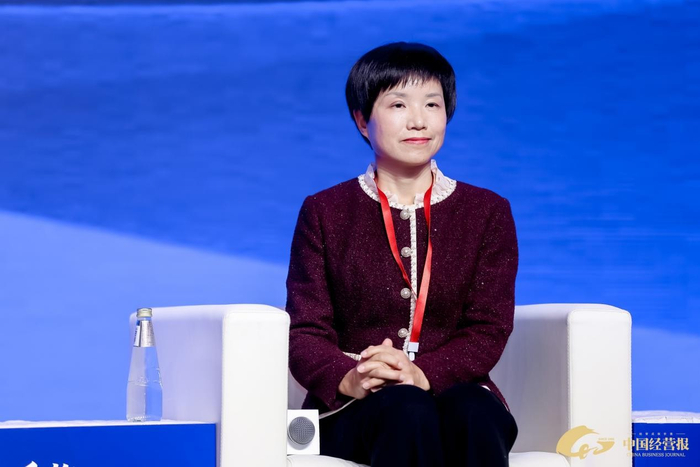
李嘉:让数据驱动研发成为“创新引擎”
Zhong Guo Jing Ying Bao· 2025-12-12 21:29
Core Viewpoint - The integration of data elements with industries is crucial for companies to achieve the core goal of "supply, flow, usage, and security" in their operations [3]. Group 1: Data Utilization - Companies need to establish three empowering systems to ensure effective data usage: making data a "personal expert" for frontline operations, creating "scenario solutions" for key applications, and driving innovation through research and development [3]. - The focus on "supply" involves addressing the internal data asset management, which includes activating and clarifying data resources accumulated over the years [3]. - The company has initiated an AI product expert project to organize 2 million sets of raw material formulas and experimental logs into a knowledge graph, transforming implicit knowledge into explicit and systematic data for production [3]. Group 2: Scenario-Based Applications - In the development of cooling liquids for supercharging piles, the company utilizes "federated learning + knowledge graph" technology to integrate multi-party data while ensuring data sovereignty, achieving cross-domain collaborative modeling [3]. - The company has identified over a hundred practical scenarios in sectors such as transportation, industry, and new energy, which are essential for driving innovation [4]. - In a data center cooling scenario, AI has successfully reduced the Power Usage Effectiveness (PUE) from above 1.5 to 1.05, resulting in annual electricity savings exceeding 30% [4]. Group 3: Innovation and Research - The "smart fluid brain" platform at the company's low-carbon lubrication and intelligent cooling research institute can filter millions of formulas within a minute, predicting performance and carbon footprint, thus reducing the research cycle from 90 days to 45 days and cutting experimental waste by 42% [4]. - The company advocates for the establishment of industry standards and collaborative platforms to gather data effectively, emphasizing the need for leading enterprises and associations to co-create vertical industry data platforms [4]. - The company believes that data transformation should be a strategic priority, requiring commitment from top management to ensure successful AI digitalization [4].


安科生物姚建平:创新引领企业高质量发展
Zhong Guo Jing Ying Bao· 2025-12-12 21:28
Core Insights - The core theme of the event was "Innovation Leading High-Quality Development" as presented by Anke Bio's Executive President, Yao Jianping [2] - Anke Bio aims to achieve a strategic development goal of "100 billion Anke," which includes a market value, revenue, and profit of 100 billion yuan each [2] Financial Performance - For the first three quarters of 2025, Anke Bio reported a revenue of 1.963 billion yuan, representing a year-on-year increase of 2.15% [3] - The net profit attributable to shareholders was 551 million yuan, showing a year-on-year decrease of 6.48% [3] - Research and development expenses amounted to 145 million yuan, reflecting a year-on-year growth of approximately 12.4% [3] Business Strategy and Innovations - Anke Bio has developed a strategic layout centered on biopharmaceuticals, with a focus on traditional Chinese medicine and small molecule drugs, while actively exploring mRNA technology, ADC, oncolytic viruses, cell therapy, and gene therapy [2][4] - The company emphasizes innovation, having invested nearly 10% of its annual revenue into R&D since its inception [3] - Anke Bio's product portfolio includes growth hormone "Ansumeng," interferon "Andafen," and trastuzumab injection "Ansaiting" [2] Research and Development Focus - Anke Bio's business covers various areas including bioproducts, traditional Chinese medicine, small molecule drugs, peptide drugs, and cell immunotherapy [4] - The company has acquired a century-old brand to modernize traditional Chinese medicine, focusing on pain relief patches [4] - Anke Bio is leveraging AI in drug development, which could significantly reduce the time for drug discovery and clinical research [4] New Initiatives - The establishment of Anke Bio (Shanghai) Innovation Research Institute aims to accelerate innovation in biopharmaceuticals, peptide drugs, small nucleic acid drugs, and modern Chinese medicine [5] - The institute's core objective is to attract high-end talent and enhance R&D capabilities to overcome current research bottlenecks [5]

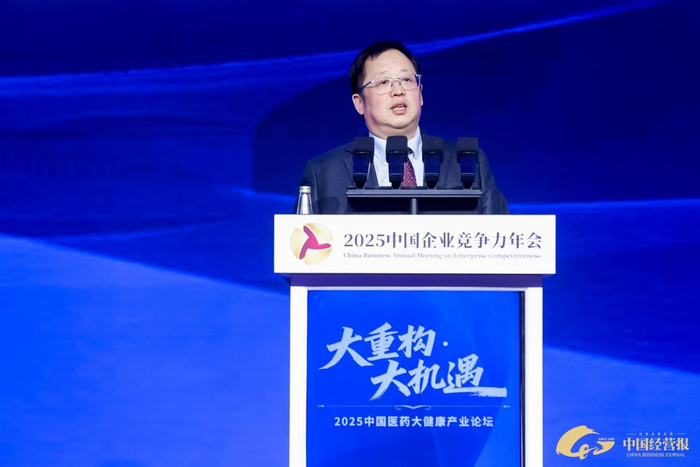
王卉:以“耐心资本”助力硬科技企业穿越周期
Zhong Guo Jing Ying Bao· 2025-12-12 20:53
王卉指出,在业务实践中,建信投资突出以耐心资本支持新质生产力的功能作用,积极融入国家级产业 集群,通过股权投资助力新兴产业发展和未来产业培育。以新质生产力为主线,围绕现代化产业体系建 设主动布局,优先支持国家急需的"卡脖子"领域,坚持投向"硬科技、真创新"企业,持续巩固优化"国 家所需、建行所长、股权所宜、公司所能"的投资布局。业务模式上,建信投资背靠建行集团,通过联 动各地分行,因地制宜深耕当地新质生产力企业,推动商投行一体化,探索科技金融的母子协同的工作 模式,为客户提供全面的金融服务方案,切实服务实体经济。 面对新质生产力培育周期长、不确定性高的特点,建信投资通过设立存续期较长的AIC试点基金,提供 匹配企业成长周期的"耐心资本",陪伴企业在长周期中不断实现迭代进步和发展壮大。在价值评估体系 上,王卉表示,公司密切关注政策及市场变化,在切实落实监管和建行总行相关要求前提下,针对不同 行业、不同区域、不同业务类型等制定相应的投资策略。同时,通过制定尽职免责管理办法、完善投资 业务审批机制等规章制度,逐步建立长期导向的内部考核激励机制,调整传统短期回报考核,转向注重 长期价值投资。 此外,针对新质生产力跨领 ...
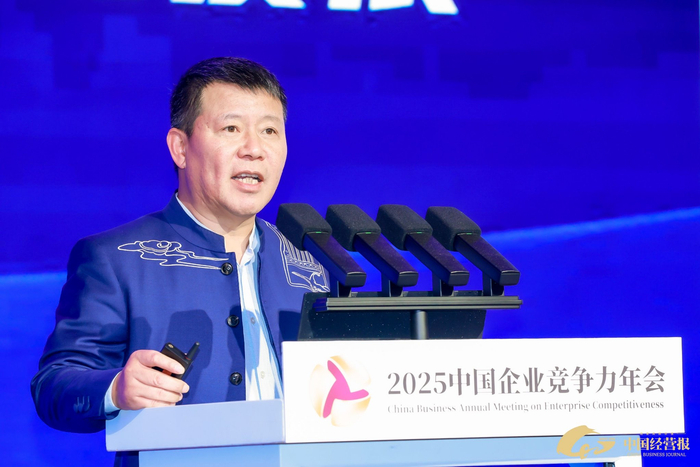
王均豪:以多元化布局 筑牢高质量发展根基
Zhong Guo Jing Ying Bao· 2025-12-12 20:32
Core Insights - The article discusses the strategic approach of Junyao Group towards diversification and specialization in business, emphasizing the importance of maintaining a solid foundation for long-term development through diversified investments while ensuring that the main business cash flow is not diverted to other ventures [2][3] Group 1: Diversification Strategy - Junyao Group has adhered to a strategy of "diversified investment and specialized operation," which is rooted in the cyclical nature of industry development [2] - The company emphasizes that diversification must not involve the misappropriation of cash flow from its core business, which has been a key principle for over 30 years [2] - Junyao Group aims to establish itself as a century-old international service enterprise, focusing on high-quality development and striving for top positions in its main industries [2] Group 2: Health Industry Development - Junyao Group entered the health industry in 1994 with Junyao Milk and successfully transformed its business by focusing on probiotics after the milk industry crisis in 2008 [2] - The company has developed 50,000 strains of bacteria through deep collaboration with universities, resulting in international patents and the establishment of the "Junyao Health" core brand [2] Group 3: Technological Advancements - In the technology and manufacturing sectors, Junyao Group has developed a flight simulator that meets the highest international standards, achieving breakthroughs in import substitution and exporting to France [3] - The company is committed to a long-term development philosophy in the new energy vehicle sector, integrating global R&D resources while avoiding a focus on scale over quality [3] Group 4: Education and Cultural Initiatives - Junyao Group operates numerous non-profit schools in China and has established a branch in the United States to cultivate talent with a global perspective [4] - The company is leveraging AI technology to enhance educational management and has initiated a public welfare fund to improve educational resources in remote areas [4] - Junyao Group is also focused on cultural dissemination, aiming to promote traditional Chinese culture, such as the guqin, through international exchanges and performances [4]

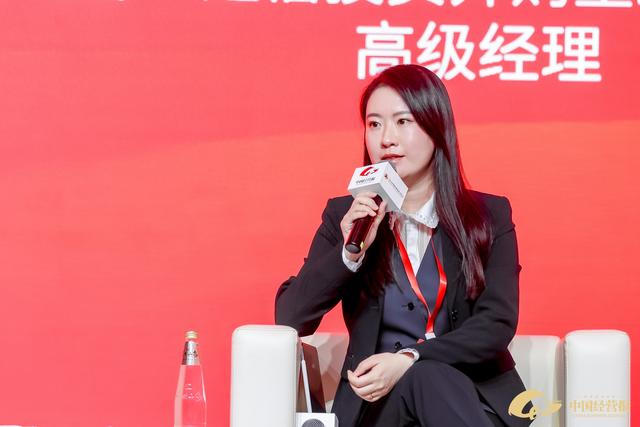
回应市场变化 碧桂园服务启动新一轮组织架构调整
Zhong Guo Jing Ying Bao· 2025-12-12 19:25
Group 1 - The core point of the article is the organizational restructuring of Country Garden Services, which includes the appointment of a new CFO and the integration of various business segments into a "large property segment" to enhance operational efficiency and market competitiveness [3][4][6] - Huang Peng, the outgoing CFO, will continue to manage the incubation business segment as the Executive President, indicating a strategic shift in leadership roles within the company [3][8] - The new CFO, Tian Tian, has extensive experience in financial management and capital operations, having held key financial positions in several listed companies [4][5] Group 2 - The restructuring comes at a time of significant transformation in the property management industry, with a shift from expansion through new developments to enhancing the value of existing assets and sustainable operations [4][6][7] - The "large property segment" will focus on creating value, improving efficiency, and fostering innovation in service delivery, aligning with national initiatives to enhance property service quality [6][7] - Financial performance indicators show a mixed picture, with overall revenue for the first half of the year at approximately 23.2 billion, a year-on-year increase of about 10.2%, while core net profit decreased by 14.8% to approximately 1.568 billion [9][10]


起存门槛分层替代“利率一刀切” 银行揽储策略生变
Zhong Guo Jing Ying Bao· 2025-12-12 18:56
Core Insights - The banking sector is intensifying its deposit marketing activities as the year-end approaches, with a focus on refined strategies to attract deposits amid declining interest rates and changes in the market [1][4] - Smaller banks are adopting differentiated deposit products with varying minimum deposit thresholds and interest rates, reflecting a more nuanced approach to customer segmentation [1][4] Group 1: Deposit Strategies - Banks are utilizing traditional methods such as raising interest rates, issuing large-denomination certificates of deposit, and offering points for deposits, while also implementing more detailed minimum deposit requirements and conditions for interest rate increases [1][4] - For example, Hangzhou Bank has introduced a tiered deposit product with minimum purchase amounts of 50,000, 200,000, and 500,000 yuan, corresponding to interest rates of 1.65%, 1.75%, and 1.8% respectively [2] - Inner Mongolia Rural Commercial Bank has launched a deposit product with minimum thresholds of 100 yuan and 200,000 yuan, offering varying interest rates based on the type of account [2][3] Group 2: Interest Rate Trends - The overall increase in deposit interest rates is more restrained compared to previous years, with most banks raising rates by only 5 to 15 basis points, contrasting with the 30 to 50 basis points seen in prior years [5][6] - The net interest margin pressure is prompting banks to manage deposit costs more effectively, focusing on optimizing the structure of deposits and expanding low-cost core deposits [6][8] - The net interest margin for commercial banks was reported at 1.42% in Q3, with large banks at 1.31% and rural commercial banks at 1.58%, indicating a stable but low margin environment [6][7] Group 3: Future Outlook - Analysts predict that 2026 may see a stabilization and potential recovery of net interest margins, driven by improved costs of interest-bearing liabilities and a more balanced reduction in both asset and liability rates [7][8] - The banking sector is expected to continue refining its marketing strategies to attract deposits, particularly targeting high-net-worth individuals and optimizing customer segmentation to enhance profitability [4][8]




并购重组仍是内幕交易高发区 监管持续高压年内49人被罚没2.2亿
Zhong Guo Jing Ying Bao· 2025-12-12 18:52
Core Viewpoint - The article highlights the increasing crackdown on insider trading related to mergers and acquisitions (M&A) in China's capital market, emphasizing the importance of maintaining market order and protecting investor rights [2][10][11]. Insider Trading Cases - On December 5, the Anhui Securities Regulatory Bureau announced that Lu Xiaofeng was fined and confiscated 11.55 million yuan for insider trading [1]. - The Ningbo Securities Regulatory Bureau also penalized Zhou Wenjuan and Zhou Juanjuan for insider trading, with fines of 1.11 million yuan and 1.26 million yuan respectively [1]. - In total, 49 individuals involved in insider trading related to M&A have been penalized, amounting to 220 million yuan, which represents nearly 40% of the total number of insider trading penalties and about 30% of the total fines [2][5]. Regulatory Actions and Recommendations - Experts suggest that a robust regulatory framework is essential for a healthy M&A market, advocating for a comprehensive approach that includes prevention, monitoring, and accountability [2][12][14]. - The article stresses the need for companies to establish strict insider information management systems and to limit the number of individuals privy to sensitive information [12][14]. Impact on Market and Investor Protection - Insider trading is described as a "tumor" in the M&A market, undermining fairness and transparency, which can distort asset pricing and hinder the success of M&A transactions [10][11]. - The regulatory crackdown aims to restore market ecology, protect the rights of micro-entities, and ensure that the capital market serves the real economy effectively [11][14]. Future Directions - The article calls for the integration of advanced technologies like big data and artificial intelligence to enhance monitoring and detection of abnormal trading activities during sensitive periods of M&A [12][14]. - It emphasizes the importance of a "zero tolerance" approach to insider trading, with significant penalties to deter such behavior and maintain investor confidence in the market [10][11].
信用卡“瘦身”时代:从“规模增长”到“价值挖掘”
Zhong Guo Jing Ying Bao· 2025-12-12 18:29
Core Viewpoint - The Chinese credit card market is undergoing a significant transformation, moving from a phase of rapid expansion to a focus on value-driven competition due to various factors including declining consumer loan rates, the rise of internet-based overdraft products, and stricter regulatory policies [1][3]. Market Dynamics - As of the end of Q3 2023, the total number of credit cards and loan cards in China reached 707 million, a decrease of 8 million from the previous quarter and a reduction of approximately 100 million from the historical peak of 807 million in 2022 [1][2]. - The decline in credit card numbers has been attributed to the rise of consumer loans, which offer simpler and more cost-effective solutions compared to traditional credit card products [2][3]. - Consumer loan interest rates have been decreasing since November 2022, with the average rate dropping from around 4.2% to below 3% in 2024, making them more attractive than credit cards [2]. Regulatory Environment - Stricter regulatory measures have been implemented to control credit card issuance, credit limits, and fees, pushing banks to adopt a more cautious approach in their credit card strategies [3]. - The regulatory shift has led to a transition from a focus on scale to compliance, affecting how banks approach customer acquisition and credit card offerings [3]. Strategic Shifts in Banking - Banks are now focusing on refined operations rather than broad expansion, emphasizing high-quality service through improved risk management, targeted customer groups, and enhanced user experiences [4][5]. - There is a growing trend among banks to integrate credit card services with consumer loans, which may impact the overall performance of credit card businesses [3][4]. Targeting High-Value Customer Segments - Banks are concentrating on high-value customer segments such as high-income individuals, stable employment groups, and specific industry professionals to enhance customer loyalty and profitability [7][8]. - The focus on these segments is driven by their strong consumption potential and lower risk profiles, allowing banks to design differentiated benefits and services [7][8]. Technological Integration - The use of AI and big data is becoming increasingly important in customer segmentation and operational efficiency, enabling banks to optimize asset structures and improve customer experiences [9].
