
Zhong Guo Qi Che Bao Wang

Search documents
E-Car! 欧洲平价小型车将迎大爆发
Zhong Guo Qi Che Bao Wang· 2025-10-11 01:58
Core Insights - The Munich Motor Show highlighted the growing importance of small cars in Europe, with Stellantis calling for more EU support for this segment and the announcement of a new "Affordable Small Car Revitalization Plan" by the European Commission President [2][9] Group 1: Market Trends - European automakers are accelerating their focus on the small car market, with Volkswagen introducing affordable electric models like ID.Polo and ID.Cross, and Skoda presenting the Epiq concept car [3][4] - Small cars dominate the European sales charts, with the top three best-selling models in the first half of 2025 being Dacia Sandero, Renault Clio, and Peugeot 208, reflecting consumer preference for compact, low-emission vehicles [4][5] Group 2: Regulatory Environment - The EU's strict emissions and safety regulations have significantly increased manufacturing costs, leading to a drastic reduction in the availability of cars priced below €15,000, from 49 models in 2019 to just one in 2023 [6][7] - Stellantis and Renault are advocating for the creation of a separate category for small cars to reduce regulatory burdens and allow for more affordable production [8][9] Group 3: Competitive Landscape - Chinese automotive brands are gaining market share in Europe, with a 91% increase in registrations in the first half of 2025, particularly in the small electric vehicle segment, posing a challenge to European manufacturers [10] - The European industry is responding defensively to this competition, emphasizing the need for local supply chains and the importance of manufacturing in Europe [10][11] Group 4: Challenges Ahead - Despite the potential for revitalization, the small car segment faces challenges such as rising production costs due to regulatory compliance, raw material price fluctuations, and increasing consumer demands for smart features [11][12]


韩、日、美、欧战略布局 “三国一区”竞逐AI赋能制造业新赛道
Zhong Guo Qi Che Bao Wang· 2025-10-11 01:58
Group 1 - The global manufacturing industry is undergoing a profound transformation driven by artificial intelligence (AI), with the automotive sector at the forefront of this shift [2][6] - South Korea plans to mass-produce humanoid robots by 2029 and AI-driven autonomous vehicles by 2030, aiming to become a global leader in manufacturing AI transformation [2][4] - Japan's government is focusing on practical applications of AI in manufacturing, with a basic plan to enhance AI development and usage across society [3][4] Group 2 - The United States is investing $33 million in four key areas of smart manufacturing, including supply chain technology and electric vehicle production, linking AI with clean energy transitions [3][4] - The European Union is launching the "AI Continental Action Plan" to balance policy and infrastructure, including a "super factory" with 100,000 AI chips to support manufacturing and transportation sectors [4][5] - Major economies are pushing for AI integration in manufacturing due to the urgent need for industry transformation and the competitive pressure from global technological advancements [4][5] Group 3 - AI is set to reshape the automotive industry by enhancing design, production, sales, and after-sales services, creating new value and changing human-vehicle interactions [6][7] - South Korea's plan for AI-driven autonomous vehicles aims to accelerate the commercialization of autonomous driving technology [7] - The integration of AI in the automotive sector will lead to a transition from traditional manufacturing to a smart mobility ecosystem, transforming vehicles into multifunctional smart terminals [7][8] Group 4 - Chinese automotive companies face unique opportunities and competitive pressures in the context of AI integration, requiring a shift in mindset to view data as a core asset [8][9] - The potential for cross-industry applications of AI technology in areas like robotics and drones presents new growth opportunities for suppliers [8][9] - Despite the potential for technology reuse, challenges remain in applying automotive AI technology to other sectors, particularly regarding safety and regulatory requirements [9]

2026款吉利星愿全球上市,更加推STAR限定版
Zhong Guo Qi Che Bao Wang· 2025-10-10 15:03
Core Insights - The 2026 Geely Star Wish was launched at the Geely Automotive User Conference, featuring six variants that cater to diverse user needs with high standard configurations [1][3] - The vehicle is equipped with advanced technologies including CATL battery cells, an 11-in-1 intelligent electric drive, and a large 70L front trunk, addressing user concerns about range anxiety with a new 410KM version [1][21] Pricing and User Benefits - The limited-time pricing for the 2026 Geely Star Wish ranges from 65,800 to 95,800 yuan, accompanied by eight promotional purchase benefits to enhance user experience and reduce ownership costs [3][27] Marketing and Brand Engagement - The launch event featured celebrity endorsements, including actress Cecilia Cheung and singer Richie Jen, enhancing the brand's appeal and engagement with younger consumers [5][27] Design and Aesthetics - The new model introduces two trendy colors, "Chanson Purple" and "Cocoa Rice," to meet diverse aesthetic preferences, while maintaining a classic design that emphasizes elegance and individuality [11][27] Sales Performance - Since its launch last October, the Geely Star Wish has achieved significant sales milestones, surpassing 50,000 units in September and accumulating over 400,000 units in total sales, establishing itself as a market phenomenon [10][27] Space and Comfort - The vehicle offers a spacious interior that exceeds typical A0-class standards, accommodating five adults comfortably, and includes innovative storage solutions like a 70L front trunk and various storage compartments [13][27] Driving Experience - The Geely Star Wish features a rear-drive and independent suspension architecture, providing a high-quality driving experience that surpasses competitors in terms of handling and stability [17][27] Electric Drive Technology - The vehicle is equipped with the industry's first 11-in-1 intelligent electric drive, achieving a leading efficiency of 89.2% and a compact design that maximizes trunk space [21][27] Safety Features - The Geely Star Wish incorporates advanced safety measures, including a unique aluminum battery protection structure and enhanced visibility features, ensuring comprehensive safety for occupants [23][27] Intelligent Experience - The vehicle is integrated with the Galaxy Flyme Auto intelligent cockpit system, offering advanced features and AI capabilities that enhance user interaction and convenience [26][27]


动力舒享BUFF全拉满!一汽-大众迈腾3000万辆甄选款上市
Zhong Guo Qi Che Bao Wang· 2025-10-10 14:08
与此同时,新车带来三重焕新礼遇,包括5000元基础置换补贴、至高10000元大众品牌老车主额外置换补贴和0首付、84期超长融资,以及2000元老客户 增购现金支持,以实在权益降低购车门槛。 作为一汽-大众即将达成3000万辆里程碑而推出的诚意之作,新车在迈腾经典优势的基础上,甄选出消费者最关注的核心价值点,以多项配置升级致敬 3000万份信任,动力舒享BUFF全拉满。 甄选经典:传承德系质感 迈腾3000万辆甄选款延续车型经典气场,2871mm的超长轴距搭配超短前后悬设计,不仅赋予了车辆优雅的视觉效果,也带来了"高得房率"的内部空 间,既能满足商务接待的体面需求,也能适配家庭出游的舒适体验;533L同级领先后备厢容积,可轻松容纳旅行行李、儿童用品等,实用性拉满。 IIII - III P 10月10日,一汽-大众迈腾3000万辆甄选款焕新上市,共推出280TSI舒适型、280TSI豪华型和380TSI豪华型3款车型,官方指导价为17.49万 元、17.69万元、20.69万元。 甄选舒适:全维度驾乘体验焕新升级 在座舱舒适性上,新车从核心座椅配置到细节设计全面优化。座椅全新升级,触感更软、支撑性更强且造型更具 ...

沙海筑台见初心:2025阿拉善英雄会的长城温度
Zhong Guo Qi Che Bao Wang· 2025-10-10 12:38
Core Insights - The transformation of the off-road vehicle market in Alxa League is highlighted, showcasing the shift from foreign brand dominance to the emergence of domestic brands like Great Wall Motors [2][4] - Great Wall Motors has evolved from a vehicle manufacturer to an off-road ecosystem builder, emphasizing its commitment to enhancing user experience and community engagement [4][6] Group 1: Market Transformation - The presence of 1001 tank SUVs at the event signifies a significant change in the off-road vehicle landscape, contrasting sharply with the foreign brand dominance observed in 2016 [2] - Great Wall Motors has established a desert off-road testing base, marking its transition to an off-road ecosystem builder, moving beyond just manufacturing vehicles [4] Group 2: Community Engagement - Great Wall Motors emphasizes user service and community building over mere sales figures, focusing on how to better serve off-road enthusiasts [6] - Initiatives like the "Dune Guardians" campaign reflect the company's commitment to environmental responsibility and community involvement among off-road vehicle owners [8] Group 3: User Experience and Education - The event featured professional drivers sharing off-road driving techniques, enhancing user experience and promoting safe practices [11][12] - Great Wall Motors aims to democratize off-roading, making it accessible to a broader audience through immersive experiences and educational programs [14] Group 4: Brand Loyalty and Market Position - The company's dedication to off-roading has garnered significant consumer recognition, positioning Great Wall Motors as a leader in the niche market [17] - The Alxa Off-Road Heroes event has become a hallmark of user engagement, attracting participants from various regions and solidifying the brand's market presence [17]


2025年诺贝尔化学奖揭秘!能使氢燃料电池汽车续航超千公里的“魔法”
Zhong Guo Qi Che Bao Wang· 2025-10-10 08:38
Core Insights - The Nobel Prize in Chemistry for 2025 has been awarded to researchers for their pioneering work on Metal-Organic Frameworks (MOFs), which have significant implications for hydrogen fuel cell vehicles and gas separation technologies [1][2]. Group 1: MOFs and Their Applications - MOFs are capable of efficiently separating, recovering, and storing gases, with a surface area equivalent to a football field per gram, making them highly effective for specific molecular adsorption [2][3]. - The unique structure of MOFs allows for precise control over their pore size and chemical properties, enabling high-efficiency adsorption, separation, and catalysis [3]. - The development of MOFs could lead to significant advancements in decarbonization efforts by enabling the capture and recovery of CO2 from industrial emissions and the atmosphere [2][8]. Group 2: Hydrogen Fuel Cell Vehicles - MOFs present a revolutionary solution for hydrogen storage, overcoming challenges faced by traditional high-pressure and liquid hydrogen storage methods [6][7]. - The ZIF-1000 material developed by Omar Yaghi's team demonstrates a hydrogen storage density 180% higher than traditional methods, potentially increasing the range of hydrogen fuel cell vehicles from 500 kilometers to over 1200 kilometers [7][8]. - The commercialization of MOFs could transform the hydrogen fuel cell vehicle market, making them as convenient as traditional gasoline vehicles, with zero emissions and rapid refueling times [8][9]. Group 3: Industry Implications - The successful industrial application of MOFs could lead to a paradigm shift in long-distance transportation, with hydrogen fuel cell trucks and buses replacing traditional fuel vehicles [8][9]. - Major automotive companies like Toyota and Hyundai are already exploring the commercial potential of MOFs in hydrogen fuel cell systems, indicating a strong industry interest [8][9]. - MOFs also have potential applications beyond hydrogen fuel cells, including in battery thermal management for electric vehicles, highlighting their versatility as a revolutionary material [9].

热热热!为何这里的“2路公共汽车”带火一座城?
Zhong Guo Qi Che Bao Wang· 2025-10-10 08:23
"停靠在八楼的2路汽车,带走了最后一片飘落的黄叶……"那一年,流行歌手刀郎原创的《2002年的第一场雪》传唱大江南北。一句"停靠在八 楼的2路汽车",让无数人对乌鲁木齐的"2路公共汽车"充满好感与好奇,也让新疆维吾尔自治区乌鲁木齐市美名远扬。 今年国庆假期,为了迎接海内外"刀迷"赶赴刀郎乌鲁木齐演唱会,当地更是将2路公共汽车当作城市"大使",不仅把有70多年历史的2路公共汽车当成了 机场、火车站的"刀迷"接站车,更是组织了数百辆2路汽车在刀郎演唱会的奥体中心外免费接送"刀迷"。而平日里,乘2路公共汽车1元游览乌鲁木齐更是无 数游客的"心头好"……距离《2002年的第一场雪》发行的23年后,"2路公共汽车"和"八楼站"不仅为蜂拥而至的游客留下深刻印象,也在各大视频平台上成 为"主角",再次让乌鲁木齐火出圈。 2路汽车是历史记忆 每一座城市都有属于自己的记忆,也有属于自己的标志物,"2路公共汽车"就是属于乌鲁木齐的美好回忆。 "下一站,八楼。"今年4月,在停运14年之后,2路公共汽车带着红白相间的经典涂装、以及"2路印记·城市畅游专线"身份正式回归,重新穿行在乌鲁木 齐市区的大街上,仿佛带着游客穿越时光,回到"2 ...

激战重庆测试场 长安跨越“星塔”秀魅力
Zhong Guo Qi Che Bao Wang· 2025-10-10 06:43
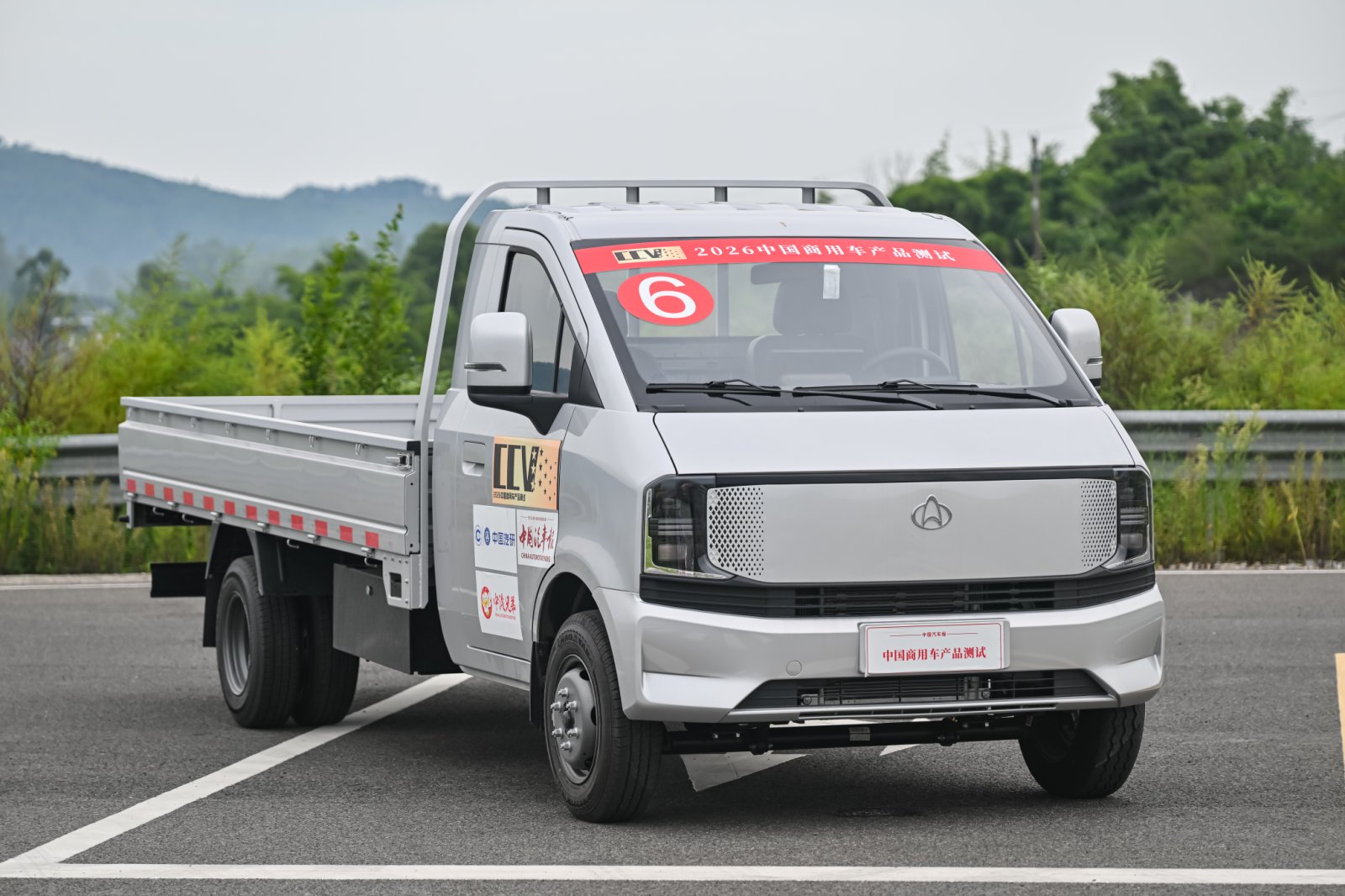
同样在动力性能方面,星塔燃油版搭载了赛力斯同平台黄金动力链,通过发动机、变速器、车桥等核心部件的深度协同优化,实现强动力低能耗的完美 平衡。在实际测试中,不管是爬坡、提速都能够保持动力的有效输出,不会出现踩油门等无反应的乏力感。关键的是这一款新一代高效能发动机通过了精准 的燃油控制技术,将燃油用率提升10%百公里,综合油耗仅9.3升,比竞品低1~1.5升。按年均10万公里油价7块5算,一年可为用户节省油费7500元到11,250 元。 一年一度的中国商用车产业的年度"大考"正在上演。日前,2026中国商用车产品测试活动在重庆启动,来自长安跨越诚意智慧的全新力作"星塔"强势登 场,让业内再一次见证了这款定位"智能高效物流小卡"的魅力。 初看长安跨越星塔,其策略清晰得几乎透明。从名字内涵、产品谱系到设计理念,我们可以全面读懂这款承载着战略野心与用户期待的产品。"星"是希 望,是荣耀,是光明与指引,是用户全家生计的希望;"塔"是靠山,象征着稳固力量和安全,是用户的生活靠山。当"星"与"塔"相遇,这不仅是两个字的结 合,更是长安跨越对产品、对用户的双重承诺。 首先从外观来看,长期以来,商用车在人们的印象中往往是方方正 ...
跨越星光让每一次运输都乐享其中
Zhong Guo Qi Che Bao Wang· 2025-10-10 06:43
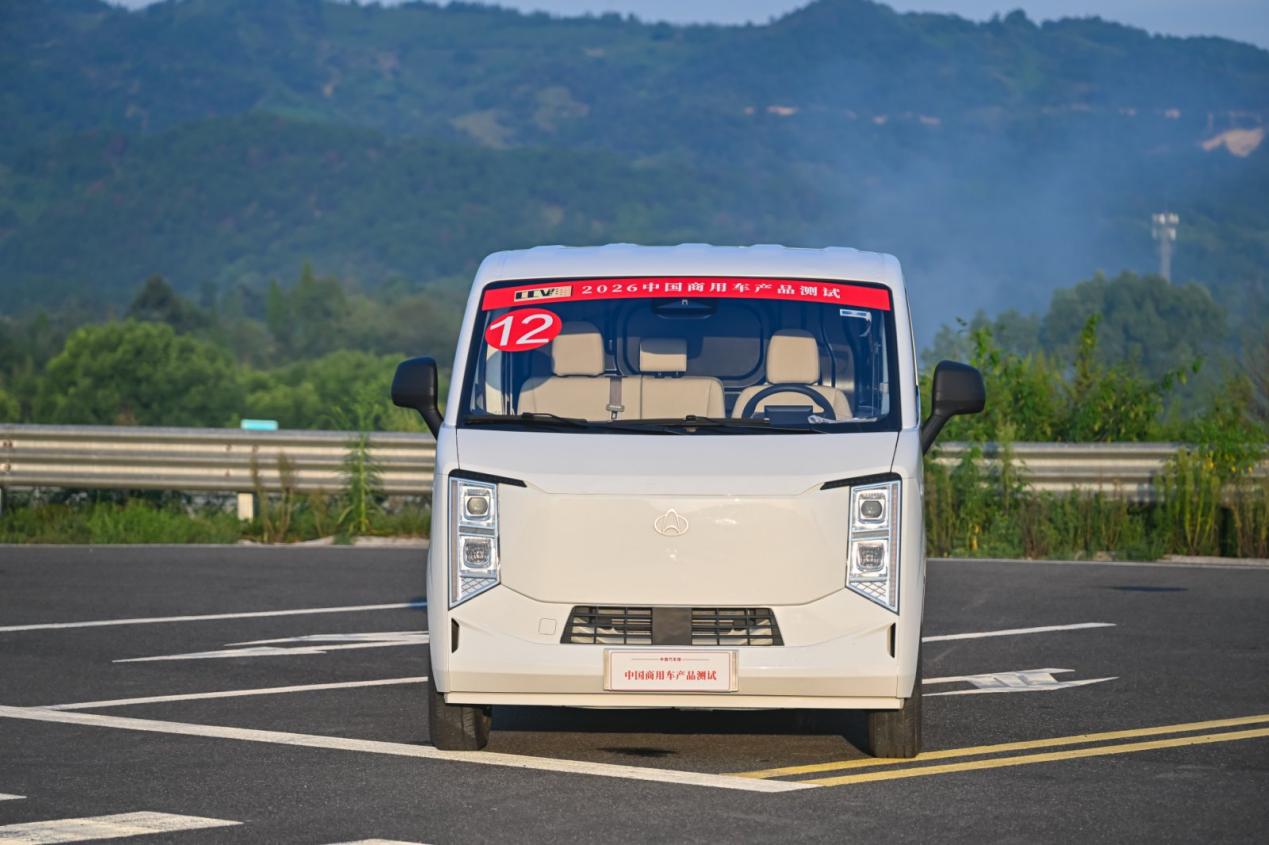
Core Viewpoint - The Chinese commercial vehicle industry is accelerating its transformation towards "intelligent and new energy" in response to the "dual carbon" goals and the penetration of digital technologies, with increasing demands for energy efficiency, safety, and intelligent features from users [1][3]. Industry Trends - The commercial vehicle market is undergoing unprecedented changes driven by the "new four modernizations" in the automotive industry, focusing on technological innovation, product diversity, user experience optimization, and operational efficiency [3]. - The 2026 China Commercial Vehicle Product Testing event was launched in Chongqing, aiming to scientifically evaluate products and promote advanced technologies to guide the industry towards being "safer, more efficient, greener, and smarter" [1][3]. Product Features - The "KuaYue XingGuang" model has been recognized for its practical and comfortable design, featuring a "mechanical ark" design that combines geometric lines with futuristic lighting [5]. - It offers a leading cargo space of 8 cubic meters and a high loading rate of 41%, with flexible seating arrangements to balance passenger and cargo needs [6]. - The vehicle is equipped with advanced battery technology, providing a range of 305 to 470 km, and a fast charging capability that allows for 20% to 80% charge in just 18 minutes [8]. User Experience - The "KuaYue XingGuang" integrates intelligent driving assistance systems, enhancing the driving experience with features like adaptive cruise control and lane departure warnings, breaking the traditional perception that commercial vehicles prioritize utility over intelligence [8]. - The vehicle is positioned as a practical solution for entrepreneurs and families needing a multifunctional vehicle, focusing on real-world problem-solving rather than luxury [9].
第21届RA上海国际汽车定制改装博览会10月18日启幕,来车展享大优惠!
Zhong Guo Qi Che Bao Wang· 2025-10-10 03:25
第21届RA上海国际汽车定制改装博览会将于10月18日启幕,本届RA车展形成了商务定制、越野皮卡、旅居房车、宿营户外全品类展出生态。不论你是 行业工作者、专业观众,还是改装爱好者,这里都能满足你对改装车和全系配件产品的需求。 展期连续三天(周六-周一)。现场将集中展示208台定制整车与500款改装配件,覆盖汽车定制改装全产业链。更有第21届RA国际汽车定制改装行业高 端峰会,第四届RA改装大赛、第二届共创大会、首届汽车定制改装品牌门店主理人大会、改装大赛总决赛暨颁奖典礼等系列活动在此拉开帷幕! 5 Q改装车 l == | 户外宿营 商务定制 | 越野皮卡 s a n the like the the the really in BT DA SE SE 展出车型涵盖奔驰V级、威尔法、阿尔法、丰田海狮、高顶塞纳、斯宾特、别克GL8、起亚嘉华、烈马、东风猛士、F150、牧马人、Ranger、大G、卫 士、风云X3L、捷途纵横G700、欧霸山海、欧霸雷霆、依维克、奇瑞威麟皮卡、LC79、吉姆尼、大通皮卡、日产Z9、江铃大道、江淮悍途、福田火星、东 风猛士817、坦克系列、捷途系列、ICAR系列等。 展出配件涵盖航椅、 ...
