3 6 Ke

Search documents
刚刚,马斯克回应AI核心团队集体跑路
3 6 Ke· 2026-02-12 01:35
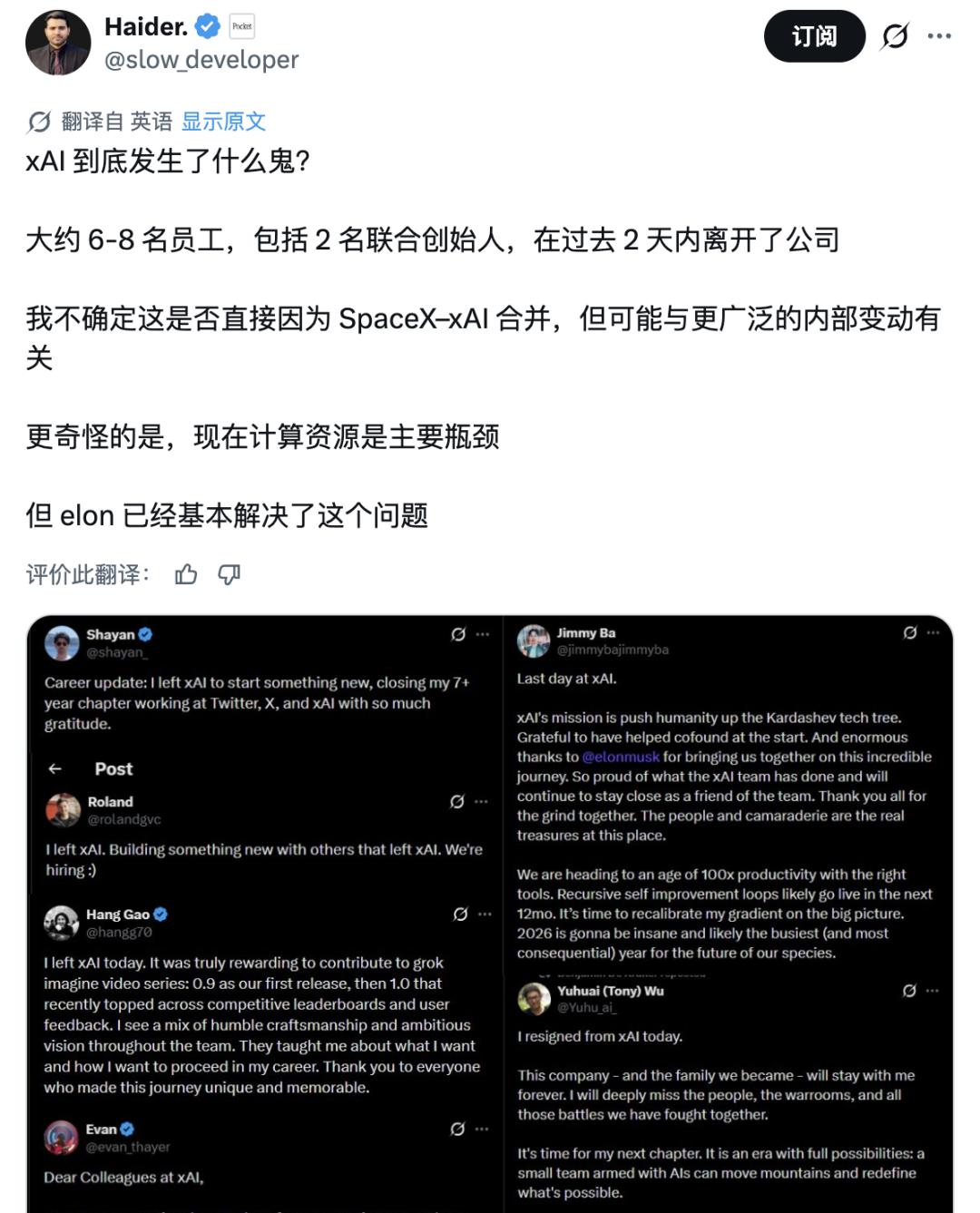
Core Viewpoint - The recent mass departure of key personnel from Elon Musk's AI company xAI raises questions about the company's direction and organizational structure, as multiple co-founders and engineers have left, citing various reasons for their departure [1][4][12]. Group 1: Personnel Changes - xAI experienced a significant shake-up with the departure of 12 co-founders and at least 9 engineers, including key figures Tony Wu and Jimmy Ba, who announced their exits on social media [1][4]. - The reasons for leaving varied, with some employees expressing a desire to work in smaller teams or dissatisfaction with the direction of AI research, indicating potential misalignment with xAI's goals [4][6]. - The timeline of departures highlights a rapid succession of exits, with notable figures leaving between February 6 and February 10, suggesting a coordinated movement among staff [11]. Group 2: Organizational Restructuring - Musk described the departures as part of a necessary organizational restructuring to enhance efficiency as the company scales, implying that some employees may not have been suited for the company's evolving needs [6][8]. - The restructuring led to the formation of four new teams focused on different aspects of AI development, including a chatbot, programming AI models, image generation, and a project humorously named "Macrohard" [13][16]. Group 3: Future Plans and Innovations - Musk's ambitious plans include establishing a factory on the Moon to produce AI satellites, which would leverage lunar resources for enhanced computational power [17][20]. - The merger between xAI and SpaceX, valued at $1.25 trillion, aims to create a "space data center," further intertwining the two companies' futures [20][22]. - Musk's vision extends beyond the Moon, with aspirations for self-sustaining cities and exploration of other star systems, indicating a long-term strategy that may influence xAI's direction [18][20].

大多数具身智能创业者并不真正理解 PMF
3 6 Ke· 2026-02-12 01:34
不禁感叹,现在的具身智能赛道热闹得像过年,热钱涌动、概念齐飞,很多公司忙得火热朝天,满大街 找BP的投资机构更是不容忽视的存在。而创业者们,满嘴蹦出的词儿不是Scaling Law就是通用人工智 能。 但冷暖,或许只有深扎其中的圈内人自己门儿清。 虽然这阵具身智能的风刮了很久,但一位投资人告诉我:绝大多数具身智能的创业者,至今都没摸着 PMF的门。毕竟真把东西拉出实验室摆在货架上卖,大家就歇菜了。 所谓PMF,是Product Market Fit的简写,是指产品和市场达到最佳的契合点,一家公司所提供的产品正 好满足市场的需求,令客户方满意,这是创业成功的第一步。 PMF虽然在不同领域有不同含义,但根据我个人浅薄的理解,在机器人市场,应该是至少要有真实用户 用过一段时间,才知道这个产品到底fit还是不fit。而且这个fit,既不等于订单,也不等于好奇心。 虽然现在人形机器人满地走,融资消息一个比一个响,但不少公司其实都在用自动驾驶的旧地图,寻找 具身智能的新大陆。这也是行业内心知肚明的做法。 比如很多公司还在纠结于如何让机器人走得更美观、更拟人,想着数据堆满、模型越大越能通用,却忽 视了让它具备真正在三维世界 ...

狂跌420亿元,丰田利润大跳水
3 6 Ke· 2026-02-12 01:30
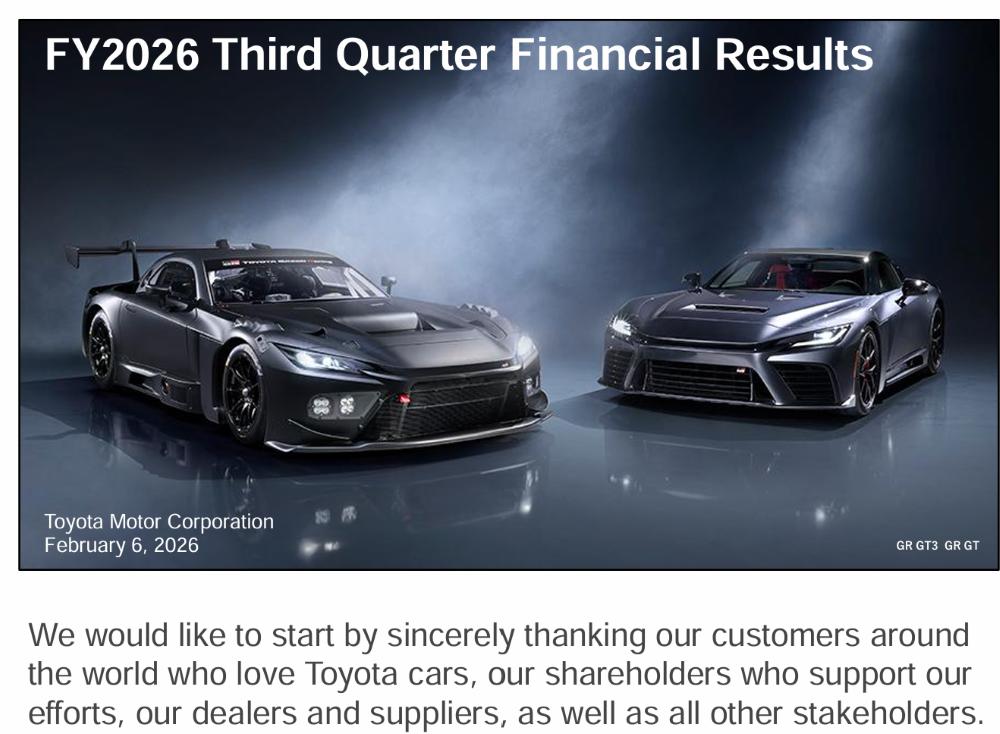
Core Viewpoint - Toyota, the world's largest automaker, reported a significant decline in net profit for the third quarter and the first three quarters of the 2026 fiscal year, despite revenue growth, indicating challenges faced by the company in the current market environment [1][20]. Financial Performance - For the third quarter of the 2026 fiscal year (October-December 2025), Toyota's net profit was 1.26 trillion yen (approximately 57 billion RMB), a decrease of 0.93 trillion yen (approximately 42 billion RMB) or 43% compared to the same period in the previous fiscal year [3][9]. - In the first three quarters of the 2026 fiscal year (April-December 2025), the net profit was 3.03 trillion yen (approximately 140 billion RMB), down by 1.07 trillion yen (approximately 50 billion RMB) or 26.1% year-on-year [10][13]. - Revenue for the third quarter was 13.46 trillion yen (approximately 610 billion RMB), an increase of 1.07 trillion yen (approximately 48 billion RMB) or 8.6% year-on-year [6][8]. Strategic Initiatives - In response to the profit decline, Toyota has initiated a company-wide action to optimize breakeven sales volumes, focusing on reducing fixed costs and enhancing variable cost efficiency, while avoiding a one-size-fits-all approach to cost-cutting [3][20]. - A significant management reshuffle was announced, with current CFO Koji Sato set to become President and CEO, while the current President and CEO Akio Toyoda will transition to Vice Chairman and Chief Industry Officer [3][20]. Market Performance - Toyota's vehicle sales reached 7.302 million units in the first three quarters of the 2026 fiscal year, reflecting a year-on-year increase of 4.3%, while sales of Toyota and Lexus vehicles grew by 3.4% to 8.02 million units [17][19]. - In China, the retail sales of Toyota and Lexus vehicles were 1.393 million units, a slight decline of 0.6% compared to the previous fiscal year [19][20]. - The operating profit from Toyota's financial services segment increased by 366 billion yen (approximately 16.53 billion RMB) or 7.1% year-on-year, attributed to an increase in loan balances [17][20].

找工作更难了?吴恩达:不是裁员,是工作被 AI 重做
3 6 Ke· 2026-02-12 01:24
Core Viewpoint - The rise of AI technologies, such as Seedance 2.0, is causing anxiety in various industries, including film, as it raises concerns about job displacement and changing work standards [1][10]. Group 1: Job Landscape Changes - There is a common misconception that AI is replacing jobs; however, many layoffs are due to post-pandemic adjustments rather than AI capabilities [3]. - AI can cover 30% to 40% of standardized tasks, leaving 60% to 70% still requiring human involvement, which highlights the importance of adapting to new work standards [4][7]. - The ability to utilize AI effectively creates a significant efficiency gap between those who can and those who cannot [5][9]. Group 2: Skill and Decision-Making Shifts - The demand for decision-making skills has increased, as AI accelerates execution but does not enhance decision-making speed [15][18]. - The ratio of engineers to product managers in Silicon Valley has shifted dramatically from 8:1 to as low as 1:1, indicating a change in bottlenecks from execution to decision-making [13][14]. - Skills that were once valuable, such as memorizing complex syntax, are becoming less important as AI can perform these tasks more accurately [16]. Group 3: Organizational Transformation - Many companies struggle with AI transformation because they focus on local optimizations rather than rethinking entire processes [20][21]. - Successful organizations are those that redefine their product offerings and service paths around AI capabilities, rather than merely using AI as an efficiency tool [22][23]. - The challenge lies in overcoming resistance from leadership, who may fear that AI implementation signals impending layoffs [25]. Group 4: Future of Work - The nature of work is evolving, with individuals now expected to manage entire processes with the assistance of AI [28][32]. - The difficulty in finding jobs stems from outdated methods that no longer meet current expectations [29][30].
横店影视6天5板,Seedance 2.0带飞影视股“涨停潮”?
3 6 Ke· 2026-02-12 00:37
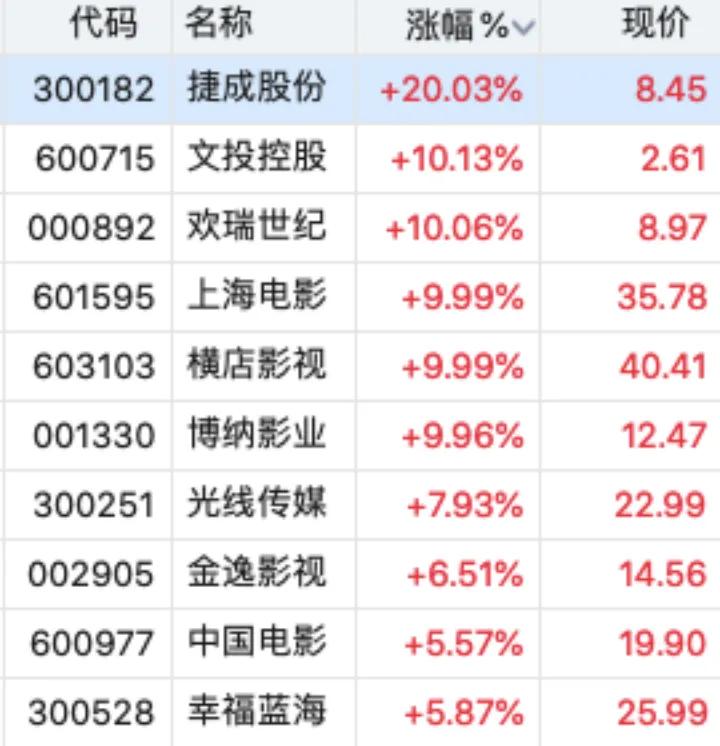
Core Viewpoint - The entertainment sector, particularly film and gaming, is experiencing a significant surge in stock prices, driven by both the upcoming Spring Festival box office and advancements in AI technology, specifically the Seedance 2.0 model [1][3][8]. Group 1: Stock Performance - Major entertainment stocks such as Hengdian Film, Huayi Brothers, and Bona Film have shown strong upward trends, with several stocks hitting their daily limit [1][2]. - As of February 10, 2026, the pre-sale box office for the Spring Festival films reached over 1 billion yuan, although this represents a 40% decrease compared to the previous year [7]. Group 2: Factors Driving Growth - The growth in stock prices is attributed not only to the Spring Festival but also to the low valuation of entertainment stocks and the release of pent-up consumer demand [3][8]. - The Seedance 2.0 model has been highlighted as a transformative technology that could significantly reduce production costs and reshape content creation in the film industry [8][11]. Group 3: Company Earnings Forecasts - Companies like Light Media are projecting substantial profit increases, with expected net profits for 2025 ranging from 1.5 billion to 1.9 billion yuan, marking a growth of over 400% year-on-year [14]. - Other companies, such as Wanda Film and Hengdian Film, are also forecasting profitability, with Wanda Film expecting a net profit of approximately 480 million to 550 million yuan for 2025 [15][17]. Group 4: Challenges and Risks - Despite the positive outlook, some companies are facing significant losses, such as Bona Film, which anticipates a net loss of approximately 1.477 billion to 1.261 billion yuan for 2025 [17][19]. - The industry is also grappling with potential ethical and legal issues related to AI technology, including concerns over identity theft and copyright infringement [12].




阿里深夜王炸,Qwen-Image-2.0实测:换装、合影全搞定,写字不再「鬼画符」
3 6 Ke· 2026-02-12 00:32
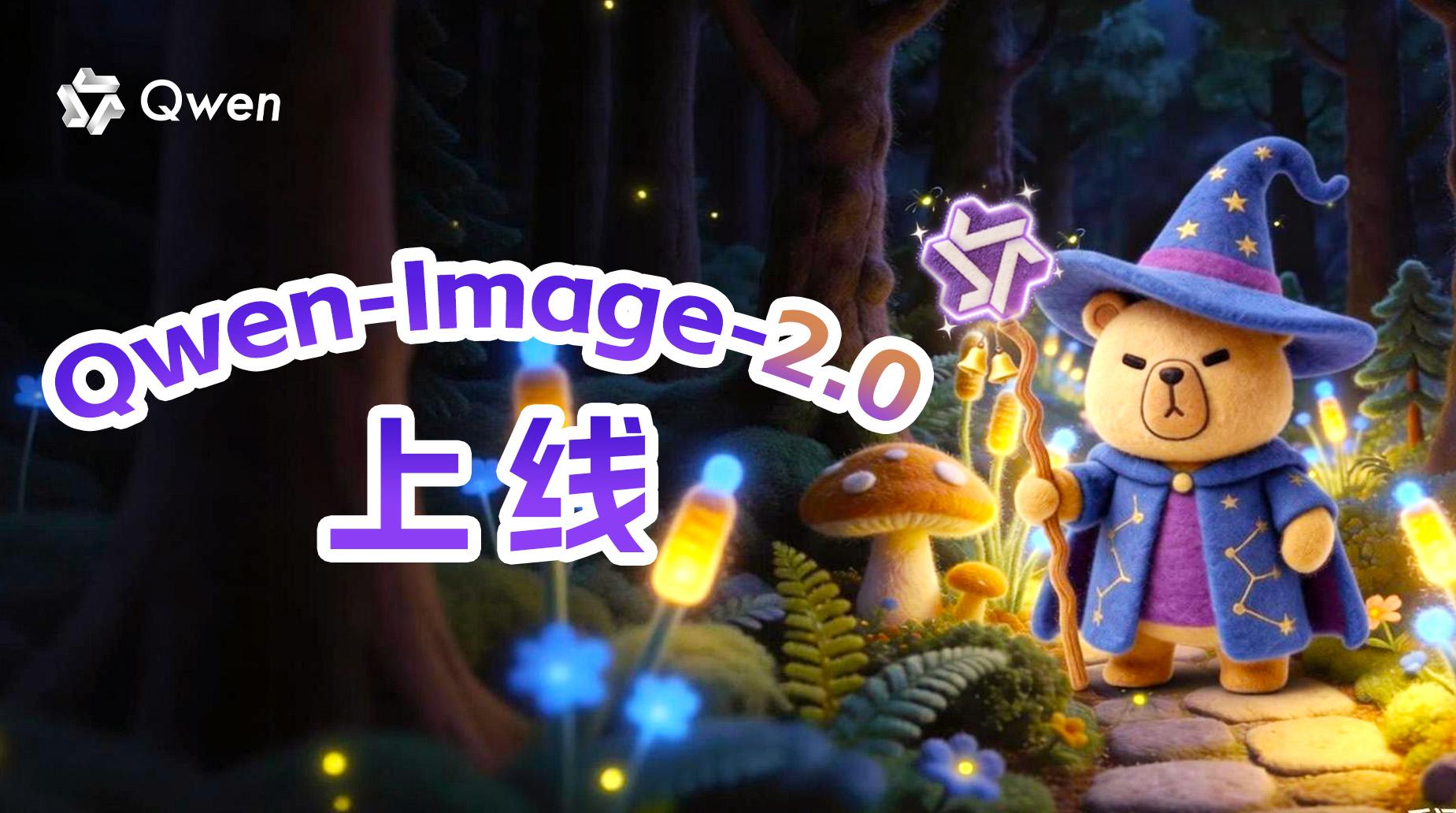
Core Viewpoint - Alibaba's Qwen-Image-2.0 has been launched, showcasing significant advancements in image generation capabilities, particularly in understanding complex instructions and generating high-quality images in Chinese context [2][4][60]. Group 1: Product Features - Qwen-Image-2.0 supports native 2K resolution (2048x2048 pixels) and can process complex instructions up to 1000 tokens, featuring a lighter model architecture compared to its predecessor [4][7]. - The model excels in long instruction adherence and rendering capabilities, allowing users to input detailed prompts without losing context [5][12]. - Compared to competitors like Nano Banana Pro, Qwen-Image-2.0 demonstrates superior understanding of Chinese idioms and context, resulting in more accurate image generation [12][58]. Group 2: Performance Comparison - In tests, Qwen-Image-2.0 produced more coherent and contextually accurate images than Nano Banana Pro, particularly in scenarios requiring detailed narrative structures [12][29]. - The model's performance in generating images from complex prompts was validated through various tests, showing high completion rates and adherence to user specifications [15][30]. - Qwen-Image-2.0 ranked third in the global AI Arena, indicating its competitive edge in the market, especially in text consistency and instruction adherence [54][60]. Group 3: Applications and Market Position - The model is positioned as a productivity tool for commercial design, capable of generating and editing images in a single command, making it suitable for applications in e-commerce, advertising, and UI design [60]. - Qwen-Image-2.0 aims to transform AI image generation from a mere technical showcase into a practical tool for real-world workflows, reflecting a shift in the industry towards more functional applications of AI technology [60][61].

载人登月火箭,海上软着陆成功,不是美国的SpaceX,是中国的长征十号
3 6 Ke· 2026-02-12 00:32
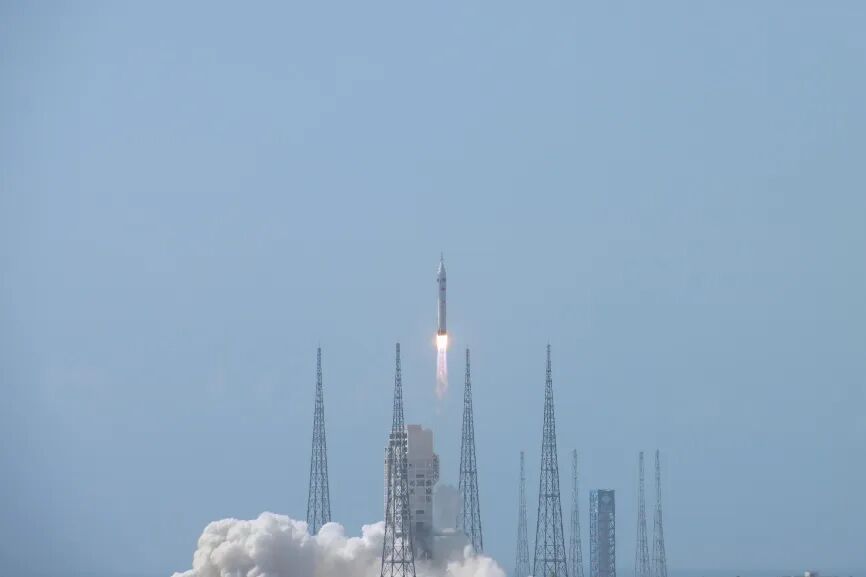
Core Viewpoint - The successful test of the "Dream Boat" manned spacecraft and the "Long March 10" rocket marks a significant advancement in China's manned lunar exploration program, particularly in validating critical safety technologies for astronaut escape systems during high-risk phases of flight [13][24]. Group 1: Test Overview - The "Dream Boat" spacecraft and "Long March 10" rocket were launched at 11 AM from the Wenchang Space Launch Site in Hainan, designed specifically to test emergency escape capabilities during the most dangerous phase of flight [1][2]. - The test involved the "maximum dynamic pressure escape" scenario, where the spacecraft had to execute an escape maneuver under peak atmospheric pressure conditions, which is critical for astronaut safety [14][16]. Group 2: Technical Details - The "Long March 10" rocket utilized a single-stage configuration for this low-altitude flight verification, differing from multi-stage launches [4][19]. - The escape system was successfully activated, with the escape tower igniting to separate the return capsule from the rocket, demonstrating the system's effectiveness in real flight conditions [4][18]. Group 3: Future Implications - The successful completion of this test is a crucial step towards China's goal of landing astronauts on the Moon by 2030, while also enhancing capabilities for future missions to the Chinese space station [24][28]. - The "Long March 10" rocket is designed for reusability, similar to SpaceX's Falcon 9, which will significantly reduce costs and improve the efficiency of future space missions [19][26].
韩国AI社交升温?3款产品月流水达百万美元
3 6 Ke· 2026-02-12 00:31
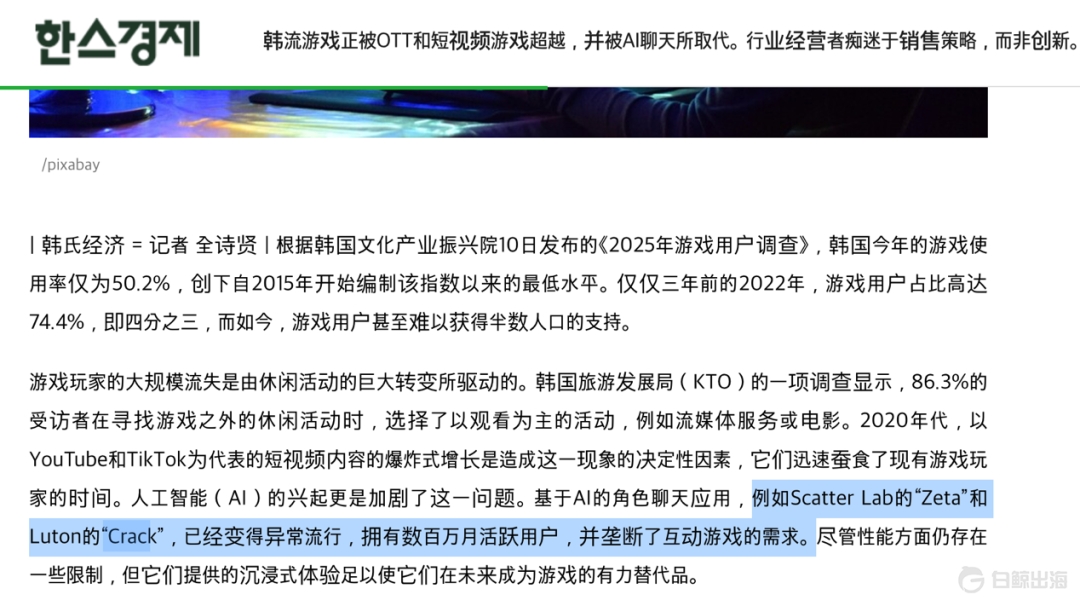
Core Insights - The recent exposure of the first AI service provider criminal case in China has cast a shadow over the domestic AI social market, while the South Korean market shows a contrasting trend with significant growth in AI chat applications [1] Group 1: Market Trends - The Korean game user population has dropped to its lowest recorded level, with users shifting towards streaming and short video content, as well as AI chat applications like "Zeta" and "Crack," which have millions of monthly active users [1] - "Zeta" and "Crack" have both achieved monthly revenues of over one million dollars, indicating a strong market presence for AI social products in South Korea [2] Group 2: Product Performance - "Zeta" has surpassed "ChatGPT" in user engagement, with 73.62 million hours of usage compared to "ChatGPT's" 48.28 million hours, despite having only about one-seventh of the monthly active users [4] - "Zeta" ranks as the second most popular AI chat application in South Korea, with over three million monthly active users, reflecting a significant penetration rate in a country with a population of 51 million [6] Group 3: User Experience and Engagement - "Zeta" offers a unique interactive experience that resembles co-creating an AI novel, utilizing its proprietary model Spotwrite-1 to enhance narrative quality and user engagement, with average weekly usage time increasing from 6 hours to over 13 hours [19] - "Crack," which emerged from the popular AI service platform "Wrtn," has also gained traction, generating 2 billion KRW (approximately 1.36 million USD) in revenue shortly after its launch [25][22] Group 4: Revenue and Monetization - "Zeta" achieved profitability in Q2 2025, with total revenue of 5.2 billion KRW (approximately 3.52 million USD) and an operating profit of 900 million KRW (approximately 610,000 USD), showcasing a successful monetization strategy through ads and subscription services [21] - "Crack" utilizes a gamified design and high-quality visuals to differentiate itself, while also integrating mainstream large language models for user interaction [31] Group 5: Cultural Context and Future Outlook - The success of "Zeta" and "Crack" can be attributed to the high penetration of webtoons and web literature in South Korea, with a user demographic that overlaps significantly with young audiences accustomed to consuming serialized stories on mobile devices [32] - The willingness to pay for content in South Korea is notably higher than in other regions, allowing these AI entertainment products to adopt a "free + subscription" business model effectively [32] - The AI social market in South Korea has transitioned from a concept validation phase to stable operations and scaling exploration, with future potential to replicate the success of webtoons [33]
20天闪电问询,腾讯系AI芯片公司冲刺IPO
3 6 Ke· 2026-02-12 00:31
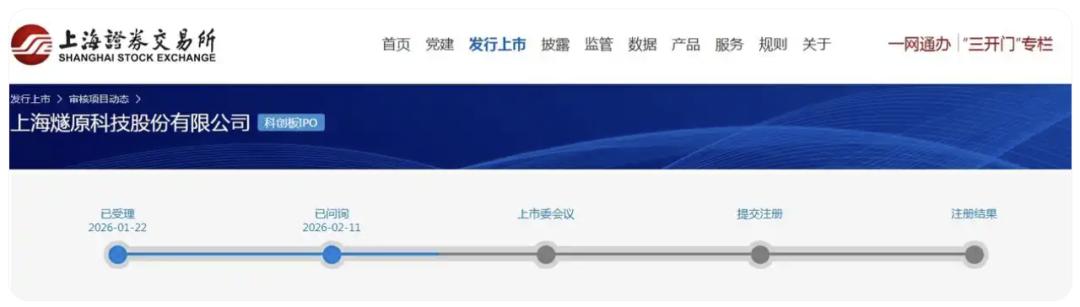
Core Viewpoint - Shanghai Suiruan Technology Co., Ltd. is undergoing an IPO review process, with a valuation of approximately 20 billion yuan, despite accumulating losses of 5.1 billion yuan over three years and a heavy reliance on Tencent for over 70% of its revenue [1][28]. Group 1: Company Overview - Suiruan Technology, established in March 2018, is the oldest among the "four little dragons" of domestic GPUs but is the last to go public [2][4]. - The company has received backing from over 20 investment institutions, including Tencent, which holds a 20.26% stake and has been involved in every funding round since the Pre-A round [6][4]. Group 2: Financial Performance - From 2022 to 2024, Suiruan's revenue surged from 90.1 million yuan to 722 million yuan, achieving a compound annual growth rate of 183.15% [13]. - The company reported a cumulative net loss of 5.179 billion yuan, with a loss of 888 million yuan in the first three quarters of 2025 [16][17]. - Research and development expenses are exceptionally high, with a rate of 181.66% in 2024 and 164.77% in the first three quarters of 2025, indicating a significant investment in technology development [17][18]. Group 3: Market Position and Product Development - Suiruan's AI accelerator cards and modules accounted for approximately 1.4% of the Chinese AI accelerator market in 2024, with sales volume reaching 38,800 units [10][22]. - The company is developing its fifth and sixth-generation AI chips, with the fifth generation expected to launch in 2027 and the sixth in 2028 [11][13]. - The company’s product strategy diverges from competitors by focusing on a non-GPGPU architecture, which requires building a new software ecosystem from scratch [8][9]. Group 4: Customer Dependency and Market Challenges - Suiruan's revenue is heavily dependent on Tencent, with sales to Tencent increasing from 8.53% in 2020 to 71.84% in the first three quarters of 2025 [22][28]. - The company faces challenges in maintaining growth and profitability, as indicated by declining production and sales rates of its AI accelerator cards, which fell from 99.46% in 2023 to 69.48% in the first three quarters of 2025 [19][20]. Group 5: Industry Context - The domestic GPU market is witnessing a shift towards AI chip production, with Suiruan being the only company focused on cloud-based AI chips among its peers [23][24]. - The recent IPO activities of its competitors, such as Moer Thread and Muxi Technology, highlight the competitive landscape and the urgency for Suiruan to capitalize on its market position [27][24].

苹果发布VSSFlow模型:让无声视频「开口说话」,加速为国行版AI铺路?
3 6 Ke· 2026-02-12 00:31
Core Insights - Apple announced its artificial intelligence platform, Apple Intelligence, at WWDC 2024, with testing set to begin in the U.S. in fall 2024, but the Chinese version has not yet launched due to regulatory approvals [1] - Apple, in collaboration with Renmin University of China, introduced the VSSFlow AI model, showcasing advancements in audio generation technology, which may signal positive developments for the Chinese version of Apple Intelligence [3][15] Group 1: Apple Intelligence and VSSFlow - Apple Intelligence is expected to expand its testing beyond the U.S. after initial trials, but its launch in China is contingent on regulatory approval [1] - VSSFlow is designed to generate both environmental sounds and dialogue simultaneously, overcoming previous limitations of separate audio generation for background noise and speech [3][6] - The VSSFlow model utilizes a technique called Flow-matching, which allows the AI to infer sounds based on video frames and contextual cues, enhancing audio quality and generation efficiency [6][8] Group 2: Applications and Market Position - VSSFlow's capabilities could be applied in various scenarios, including audio restoration for old films, assisting individuals with speech impairments, and dubbing for film and television [9][13] - Compared to existing models like Google's Deepmind V2A, VSSFlow aims to create a more integrated audio experience by mapping visual and auditory information [9][14] - The collaboration with Chinese universities indicates Apple's commitment to deepening its presence in the Chinese market and advancing the development of its AI technologies [15][18] Group 3: Challenges and Competitive Landscape - The rollout of the Chinese version of Apple Intelligence has faced delays due to engineering challenges and subpar performance compared to competitors [18][22] - Apple's AI capabilities have been criticized for lacking innovation and effectiveness, especially when compared to competitors like Samsung, which has successfully localized its AI offerings in China [20][22] - Despite the slow progress, the development of VSSFlow suggests that Apple is making strides in AI research, which could enhance its hardware capabilities in the future [22]