
Hu Xiu

Search documents
正面刚苹果,小米17Pro背屏新玩法
Hu Xiu· 2025-09-27 01:02
Core Insights - The article highlights the launch of the Xiaomi 17 series, emphasizing its significant advancements in battery life and display technology, aiming to compete directly with Apple's flagship products [1] Group 1: Product Features - The Xiaomi 17 series features a remarkable 7000mAh battery, which addresses concerns regarding battery life and usage duration [1] - The device incorporates domestically produced screens that surpass previous technological standards, showcasing innovation in display quality [1] - The introduction of a unique back screen is set to redefine user interaction, enhancing the overall user experience [1] Group 2: Market Positioning - The Xiaomi 17 series is positioned as a direct competitor to Apple's flagship devices, indicating Xiaomi's ambition to capture a larger share of the high-end smartphone market [1] - The advancements in technology and features may challenge the existing market dynamics, potentially altering consumer preferences [1]


编程即将被打穿?“使用”AI已过时,你准备好“委托”了吗?
Hu Xiu· 2025-09-27 00:24
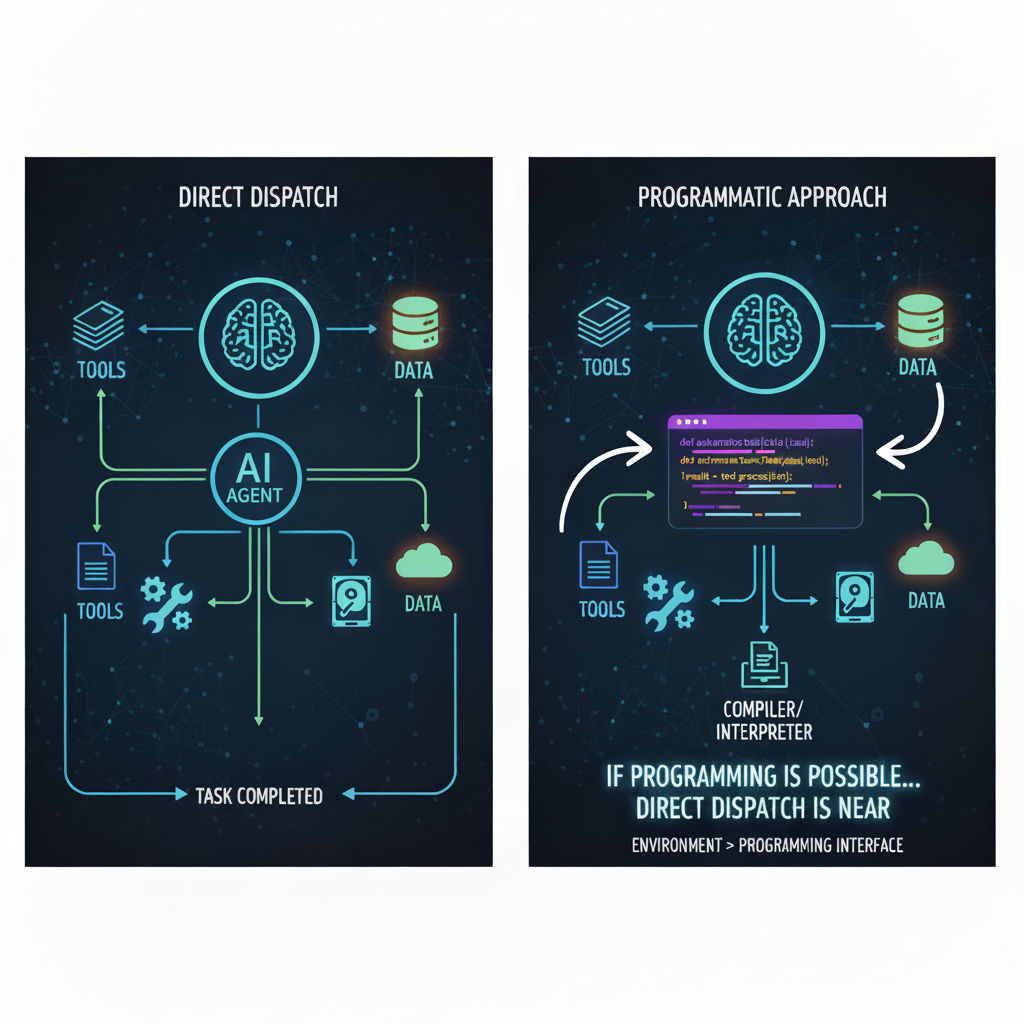
Group 1 - The article discusses a pivotal moment in AI development, transitioning from "human-machine collaboration" to "human-machine delegation" [4][11] - There is a significant shift in the nature of work, where engineers are now managing AI systems rather than writing code, indicating a transformation in job roles [5][18] - The article highlights that programming tasks are on the verge of being automated, suggesting that AI can handle complex tasks previously thought to require human intervention [8][24] Group 2 - The emergence of AI agents capable of executing core programming tasks signifies a new era where human roles evolve from executors to managers and orchestrators [18][30] - A new "physical law" is anticipated, where the context in which AI agents operate will be so vast that human intervention will become impractical, leading to a necessity for organizations to adapt [25][28] - The concept of "unmanned companies" is introduced, where humans strategically withdraw from execution roles, relying on AI for decision-making while maintaining oversight [34][39] Group 3 - The article outlines a three-tiered governance system involving humans, AI copilots, and unmanned companies, emphasizing the need for a new division of labor [35][31] - Human roles will focus on value injection, system architecture, and macro navigation, leveraging AI to enhance decision-making processes [37][38][39] - The definitions of automation and augmentation are explored, indicating a trend towards higher-level tasks being delegated to AI models [42][43]

洗地机巨头,为何集体“出逃”?
Hu Xiu· 2025-09-27 00:05
Core Insights - Major floor cleaning machine companies are diversifying their business models by venturing into new industries such as drones, smart cooking machines, and even high-speed vehicles, indicating a shift in strategy to adapt to market changes [1] Group 1 - The floor cleaning machine industry is witnessing significant players exploring opportunities beyond traditional cleaning equipment [1] - Companies are leveraging their technological expertise to innovate in unrelated sectors, suggesting a trend of cross-industry collaboration and competition [1] - The move towards diversification reflects a response to market saturation and the need for growth in new areas [1]
希望雷军和小米摆脱“力工思维”
Hu Xiu· 2025-09-26 23:45
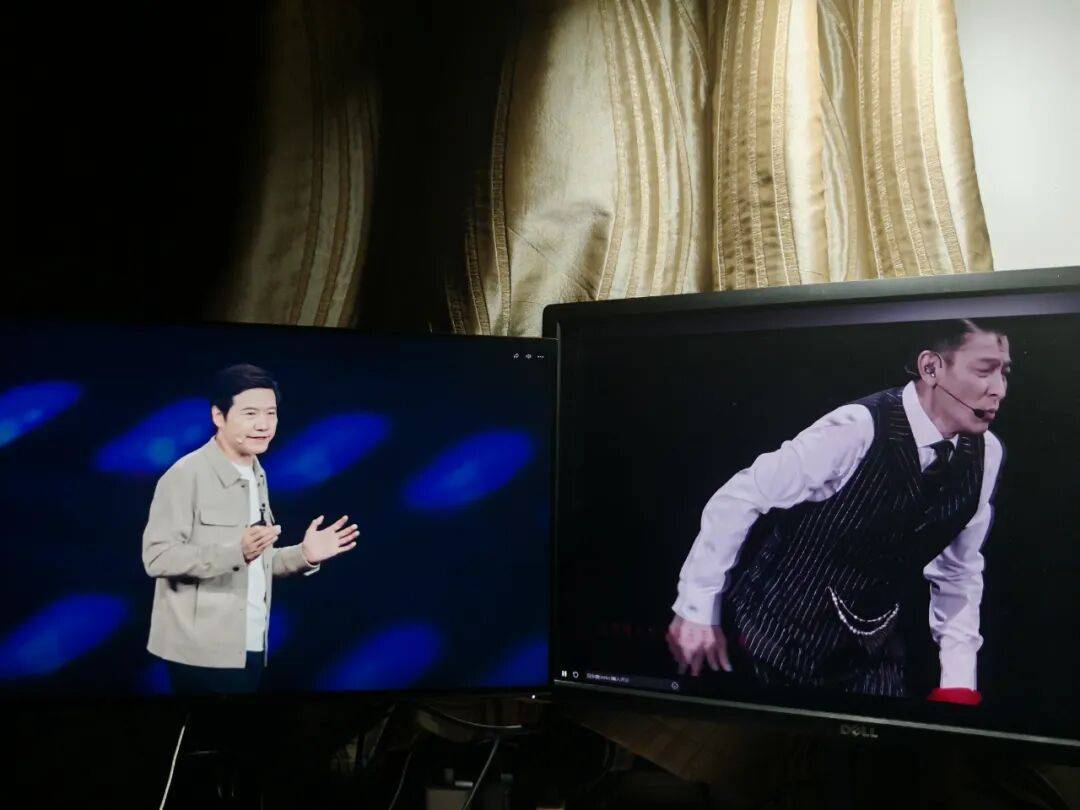
Core Viewpoint - The annual speech by Lei Jun highlighted the challenges faced by Xiaomi, emphasizing resilience despite external skepticism and market pressures [1][2][4]. Group 1: Company Performance and Market Reaction - Xiaomi's stock price dropped by 8% on September 26, indicating a negative market reaction to the recent developments [4]. - Historically, Xiaomi's stock has generally risen after Lei Jun's speeches, with a notable increase of 4.24% in 2024, except for 2021 [5]. - The unusual market response this year may be attributed to issues with the Xiaomi 17 model [6]. Group 2: Product Development and Innovation - The Xiaomi 17 skipped the 16 designation, directly competing with the iPhone, which raised expectations [7]. - Concerns were raised regarding the Xiaomi 17's innovation, with criticisms about downgraded features and specifications [10][12]. - The absence of a self-developed chip in the Xiaomi 17 has disappointed fans, as self-developed technology is often associated with high-end branding [18][20]. Group 3: Brand Strategy and Consumer Expectations - Xiaomi aims to complete its brand high-end strategy within a year, which requires a shift from a focus on cost-performance to brand premiumization [15][16]. - The company is encouraged to align its product offerings with consumer expectations for high-end devices, which includes either raising prices or adjusting specifications [16][19]. - There is a call for Xiaomi fans to support the brand's transition to high-end products, emphasizing the need for mutual commitment between the company and its consumers [17][25]. Group 4: Leadership and Corporate Culture - Lei Jun's leadership style is characterized by a "hardworking mentality," which may lead to perceptions of fatigue among consumers [29][30]. - The narrative of struggle and perseverance in speeches may create a disconnect with the audience, suggesting a need for a more relatable and engaging communication style [34][35].
特朗普加征100%关税:中企影响不大,欧洲面临直接冲击?
Hu Xiu· 2025-09-26 23:32
Core Viewpoint - The recent announcement by President Trump regarding the imposition of high tariffs on various imported products, including a 100% tariff on branded and patented pharmaceuticals, is expected to have limited impact on Chinese pharmaceutical companies, while European firms may face significant challenges [1][2]. Group 1: Impact on Chinese Pharmaceutical Companies - The new tariffs do not apply to generic drugs, and the number of innovative drugs from China sold in the U.S. is limited, resulting in minimal effects on Chinese pharmaceutical firms [2][3]. - China's pharmaceutical export value is relatively small, ranking 10th globally with an export value of $54.56 billion, which is only 17.8% of the U.S. total [3]. - The branded drugs targeted by the tariffs have a low export volume from China to the U.S., with most brand-name drugs consumed in the U.S. coming from European countries [3][4]. Group 2: European Pharmaceutical Industry - The European pharmaceutical industry is facing direct impacts from the new U.S. tariff policy, with a projected 13.5% increase in pharmaceutical exports to the U.S. in 2024, reaching €31.34 billion [7]. - Ireland is a key hub for European pharmaceuticals, with exports to the U.S. expected to exceed €44.4 billion in 2024, accounting for over 60% of its exports to the U.S. [7]. - Major U.S. pharmaceutical companies have established manufacturing facilities in Ireland to produce drugs for export to the U.S. and global markets [7][8]. Group 3: U.S. Manufacturing and Investment Trends - Companies building pharmaceutical factories in the U.S. can avoid the new tariffs, leading to increased investment in U.S. manufacturing capabilities by several multinational pharmaceutical firms [8]. - Notable investments include Merck's decision to halt a £1 billion project in the UK and Pfizer's potential relocation of some overseas production to the U.S. in response to tariff threats [8]. - Companies like Novartis and Johnson & Johnson have announced significant investments in U.S. infrastructure to ensure key drugs are manufactured domestically [8].
日本被印度超了
Hu Xiu· 2025-09-26 23:05
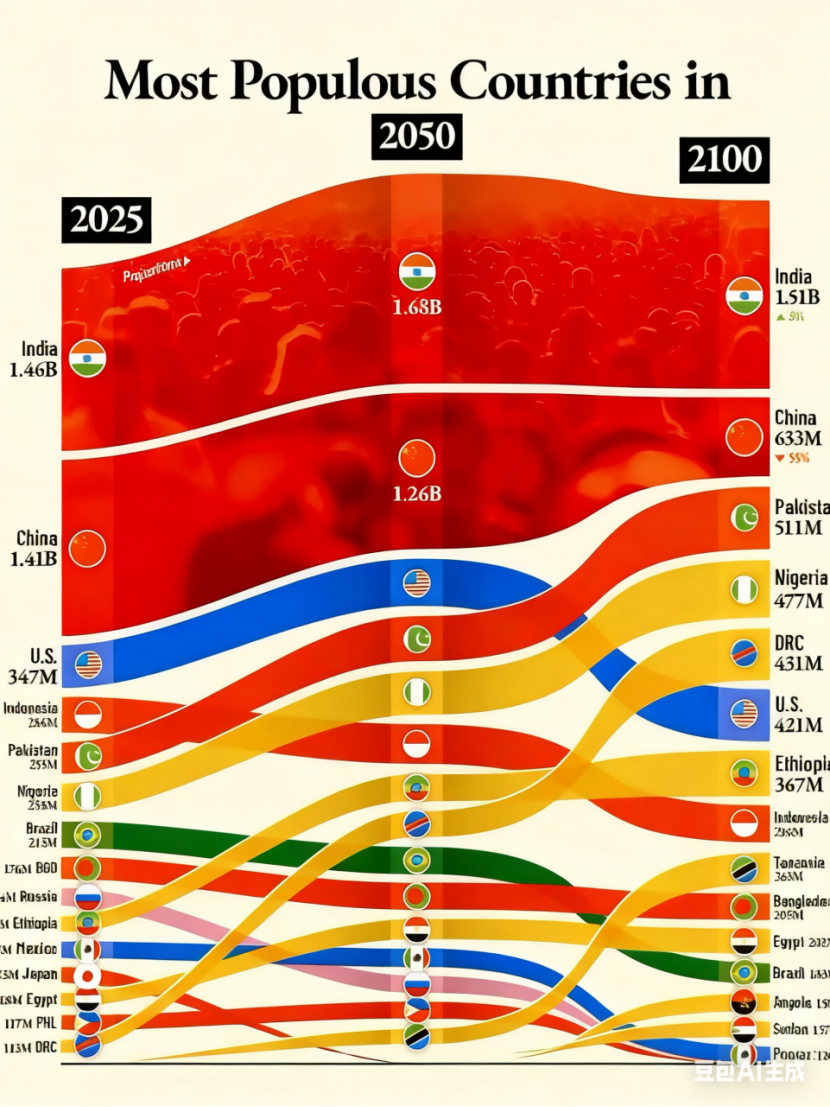
Group 1 - India's economy has surpassed $4.19 trillion, officially becoming the fourth largest economy in the world, surpassing Japan, and is expected to overtake Germany within three years [1][2] - The IMF predicts that India will remain the fastest-growing economy globally, with a GDP growth rate exceeding 6% over the next two years, contrasting with Japan's 0.6% and Germany's -0.1% [2] - Despite the positive outlook, there are concerns regarding the sustainability of India's growth and whether its GDP figures are overestimated due to underlying structural issues [4][5] Group 2 - India has officially surpassed China in population, with approximately 594 million people in the labor force aged 15-64 and an average age of 28 [8] - The population structure is healthy, with an expected addition of 180 million working-age individuals over the next 20 years, peaking around 1.68 billion by 2050 [9][10] - However, the labor participation rate is only about 50%, with female participation below 10%, indicating a significant portion of the population remains underutilized [22] Group 3 - A significant issue for India's economic potential is the lack of land reform, which hinders industrialization and increases land acquisition costs for businesses [29][32] - Manufacturing's contribution to GDP has decreased to 14.3%, while the service sector accounts for over 60%, with IT services being a major contributor [35][36] - The disparity in wealth distribution is growing, with the top 1% of the population holding 22.6% of income, while the bottom 50% has seen their income share drop from 23% to 15% [46][47] Group 4 - Prime Minister Modi has set ambitious goals for India to become a developed nation by 2047, emphasizing the need for youth engagement in achieving this vision [38][40] - Despite economic growth, the minimum wage has remained unchanged for a decade, highlighting issues of income inequality and stagnant wages [41] - The entrenched caste system and religious beliefs contribute to social stability but also hinder economic mobility and reform [49][50]
关于未来的汽车,他认为很多人都想错了
Hu Xiu· 2025-09-26 23:05
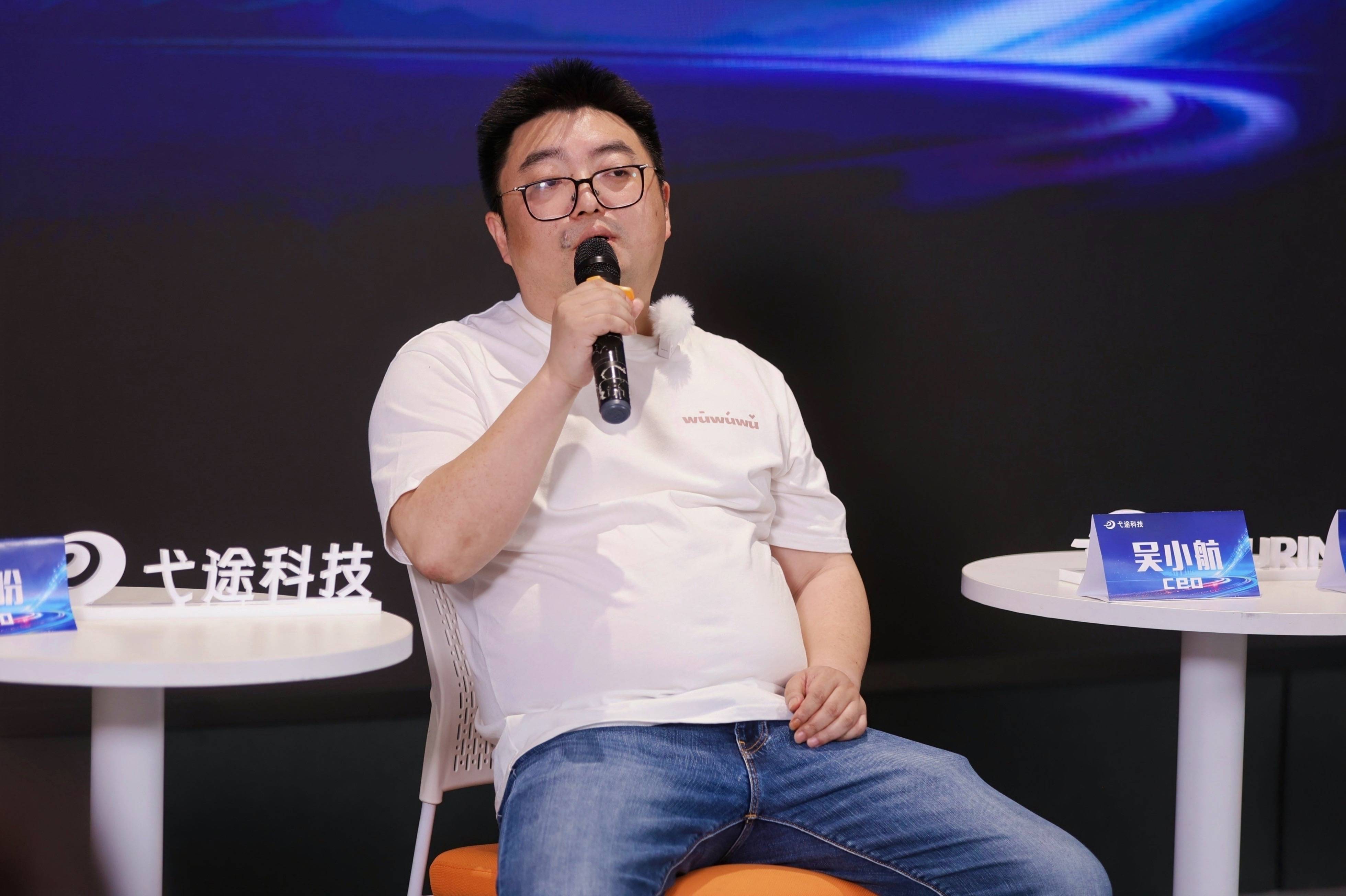
Core Insights - The core idea of the articles revolves around the innovative approach of Yitu Technology, led by CEO Wu Xiaohang, in developing an AI-native in-car operating system that emphasizes a "No Touch, No APP" interaction model, aiming to redefine user experience in the automotive industry [1][47]. Company Overview - Yitu Technology was founded in June 2023, focusing on integrating large models with automotive applications, a niche that remains largely unexplored in the current market [6][20]. - The company aims to address the challenges of traditional in-car software by leveraging advancements in AI, particularly through the use of large language models [5][17]. Market Context - The automotive industry is experiencing a significant shift towards smart technologies, with many companies entering the market, but Yitu Technology is strategically choosing a less crowded path by focusing on AI-driven solutions [4][25]. - The emergence of Android in the automotive sector has transformed the landscape, leading to a chain reaction affecting various players in the industry, including chip manufacturers and application developers [11][12]. Product Development - Yitu Technology's product strategy involves a phased approach, with a focus on high-frequency needs such as AI-enhanced mapping solutions, which are seen as critical for connecting the physical and virtual worlds [7][59]. - The company emphasizes the importance of user and client pain points in product development, aiming to create solutions that are not only innovative but also practical and user-friendly [46][47]. Future Outlook - Wu Xiaohang predicts that 2027 will be a pivotal year for Yitu Technology, with expectations of significant growth and market impact as the company's strategic initiatives come to fruition [8][78]. - The company is preparing for a competitive landscape, with a focus on maintaining agility and responsiveness to industry changes, particularly in the areas of chips, applications, and software [80][81]. Investment and Funding - Yitu Technology secured its first investment shortly after its establishment, with investors recognizing the potential for significant advancements in the automotive industry's smart technology landscape through the company's unique approach [22][23]. - The company is not pursuing a broad product line but is instead concentrating on core offerings that address essential market needs, which is expected to facilitate sustainable growth [7][59].
大人物和ta身边的男男女女
Hu Xiu· 2025-09-26 13:36
咱就来聊聊这世间的大人物和ta身边男男女女的关系。 在社会学意义上,人和人之间最本质的差异在哪?是对资源的占有和调配能力。大人物,不止天生占有 很多资源,还被各种资源上赶着贴。小人物,则要自己谋求一点可怜的资源。为啥很多小人物要团团围 绕在大人物身边?不就是指望着拿自己的某些"服务"去跟大人物交换一些"资源",让自己获得点个人发 展的机会。 通常呢,大人物在不损失自己利益的情况下,其实都是会根据"小弟"对自己的忠心程度、服务质量做一 些"安排"的,因为这样更能"服众",更有利于竖立圈中威望,以及让更多有才华的小弟上自己这艘大 船,自己也有机会把蛋糕做得更大。 最近在追成毅主演的武侠剧《赴山海》,江湖上为啥搞出那么多帮派?不就是以弟子们的忠诚、对掌门 及其家族的维护、甚至在关键时刻交付性命,来换取一技傍身的武功资源以及门派保护。所以,在江湖 中,当掌门、当老大的,通常都有这种论功行赏、保护下属的觉悟。但你也会发现,除了真正的"大 侠",真到了关键时刻,靠牺牲弟子利益来成全自己的,才是多数"大人物"的选择。 大人物是否会、什么时候会撕下温情脉脉的面纱,他们自己的利益,才是唯一的标尺。 大人物知道,只要保全住了自身 ...
中国制造业升级,为何能打破“产业转移魔咒”?
Hu Xiu· 2025-09-26 13:16
Core Insights - The manufacturing sectors in the Yangtze River Delta and the Pearl River Delta have distinct developmental timelines, with the former being about 5 to 10 years behind the latter in terms of industrialization and investment attraction [1][2] - The Pearl River Delta has a higher concentration of labor-intensive industries, while the Yangtze River Delta has more advanced manufacturing processes and larger industrial parks [2][3] - The automation wave, referred to as "machine replacement," has affected both regions similarly, driven by national policies and the need for labor due to workforce shortages [3][5] Group 1: Regional Differences - The Pearl River Delta began its industrialization earlier, attracting significant investment in the 1980s, while the Yangtze River Delta saw large-scale industrialization in the 1990s [1] - Industrial parks in the Pearl River Delta are often smaller and less organized, leading to a predominance of small, labor-intensive factories [2] - In contrast, the Yangtze River Delta has larger, more modern industrial parks with better living conditions for workers, reflecting a higher level of land development [2] Group 2: Automation and Labor Dynamics - The automation trend began around 2014-2015, influenced by both government policies and the internal drive of companies facing labor shortages [3][5] - Despite the rise of automation, there has not been a significant increase in layoffs; instead, workforce reductions have occurred through natural attrition [6][7] - The labor force in manufacturing has decreased significantly over the past decade, with many workers transitioning to the service industry, particularly after 2015 [10][11] Group 3: Global Context and Future Trends - Developed countries experienced automation earlier, but faced limitations due to high labor costs and technological bottlenecks, leading to industrial transfers to China [12][13] - China's labor costs have risen, making automation more economically viable, while the country has also begun transferring labor-intensive industries to Southeast Asia [14][15] - The automation rate in low-end, repetitive tasks has reached 80-90%, particularly in the automotive sector, while assembly processes remain around 70% automated [21][22] Group 4: Labor Market Shifts - Workers displaced by automation have often transitioned to new roles within companies or returned to rural areas where industrial development has increased [24][25] - The shift from manufacturing to service industries has been significant, with many workers finding opportunities in sectors like ride-sharing and delivery services [10][11] - The future of automation in manufacturing may plateau, with more focus shifting towards artificial intelligence in service-oriented roles [38]