Tai Mei Ti A P P

Search documents
当千亿参数撞上5毫米芯片
Tai Mei Ti A P P· 2025-12-10 03:19
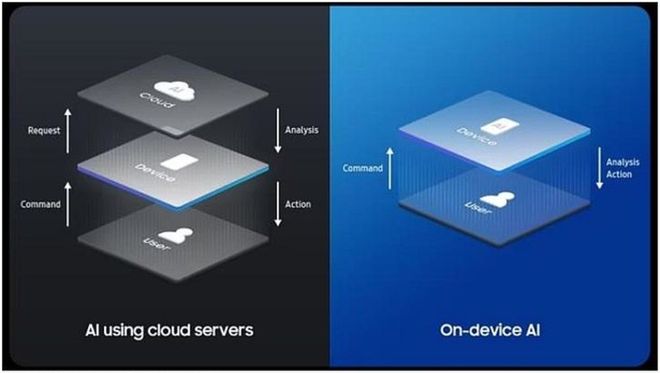
Core Insights - The global tech industry is experiencing a shift from cloud-based AI to edge AI, driven by the limitations of cloud dependency and the need for real-time processing in critical applications [1][4][18] - The current trend emphasizes the development of smaller, more efficient AI models that can operate independently on edge devices, rather than relying on large cloud models [16][18] Group 1: Challenges of Cloud Dependency - Cloud-based AI systems face significant latency issues, which can be detrimental in time-sensitive applications like autonomous driving [2][4] - Privacy concerns arise from the need to transmit sensitive data to cloud servers, making edge computing a more attractive option for users [2][4] Group 2: The Shift to Edge AI - The industry is moving towards a "cloud-edge-end" architecture, where complex tasks are handled by cloud models while real-time tasks are managed by edge devices [7][18] - Edge AI must overcome the "impossible triangle" of high intelligence, low latency, and low power consumption, necessitating innovative solutions [7][8] Group 3: Techniques for Edge AI Implementation - Knowledge distillation is a key technique that allows smaller models to retain the intelligence of larger models by learning essential features and reasoning paths [8][10] - Extreme quantization reduces model size and increases speed by compressing model weights, allowing for efficient processing on edge devices [10][11] - Structural pruning eliminates redundant connections in neural networks, further optimizing performance for edge applications [10][11] Group 4: Hardware Innovations - The "memory wall" issue in traditional architectures leads to inefficiencies, prompting the development of specialized architectures that integrate storage and computation [11][13] - Companies are exploring dedicated chip designs that optimize performance for specific AI tasks, enhancing efficiency in edge computing [13][14] Group 5: Industry Evolution - The focus is shifting from general-purpose AI models to specialized models that excel in specific applications, improving reliability and performance [15][16] - The Chinese AI industry is collectively recognizing the importance of practical applications over sheer model size, leading to a more grounded approach to AI development [16][18]


北斗智联完成数亿元B轮战略融资 广汽资本领投携手多家产投共筑智能网联新生态 | 融资速递
Tai Mei Ti A P P· 2025-12-10 02:53
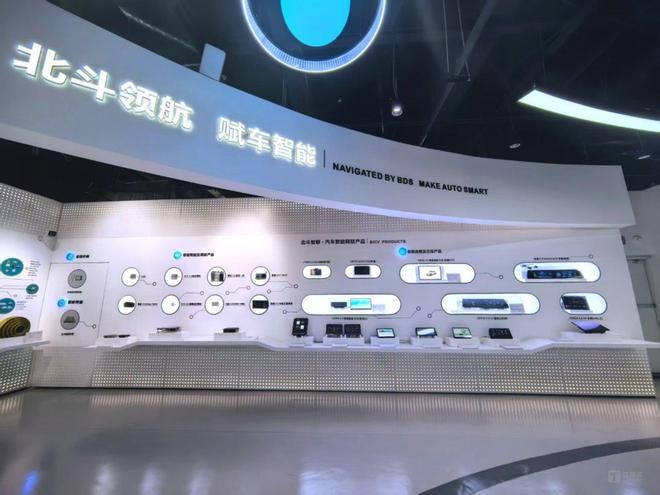
Core Insights - The article highlights the successful financing round led by GAC Capital, showcasing the recognition of Beidou Zhili's strength in the automotive intelligent networking sector amidst fierce market competition [1][18] - Beidou Zhili is positioned as a leading Tier 1 enterprise in automotive intelligence, focusing on a dual-driven strategy of "automotive intelligence + Beidou navigation" [3][8] Group 1: Company Overview - Beidou Zhili has established a comprehensive product line covering intelligent cockpits, intelligent driving, positioning communication, and more, demonstrating full-stack capabilities [3][4] - The company has six R&D centers and three manufacturing bases, with an annual production capacity of 5 million units, ensuring stable product supply [4][5] - Beidou Zhili has a diverse customer base, including major domestic and international automotive companies, with over 200 mainstream models equipped with its core products [4][5] Group 2: Technological Advancements - The company has developed innovative multi-source fusion technology in satellite positioning and communication, achieving centimeter-level accuracy in complex environments [8][10] - Beidou Zhili's "air-ground integration" product concept aims to provide continuous high-precision positioning and reliable communication, supporting future applications in autonomous driving and low-altitude operations [10][11] Group 3: Strategic Growth - The company is focusing on AI integration and has launched multi-domain fusion solutions to upgrade automotive electronic architectures [11][13] - Beidou Zhili aims to become a top global player in the industry, leveraging its experience in overseas product development and establishing local support capabilities [14][16] - The recent financing will accelerate the company's global strategy, enhance its product offerings, and support its IPO process [18][19]
揭秘激光雷达芯片“第一案”:是横空出世还是另有捷径?
Tai Mei Ti A P P· 2025-12-10 01:48
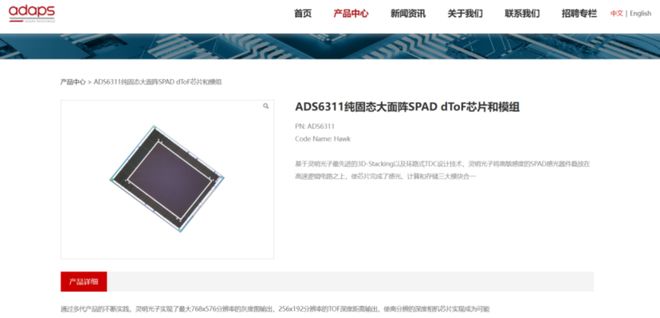
Core Viewpoint - The lawsuit between Suoteng Juchuang and Lingming Photon, referred to as the "first case of lidar chip," centers on allegations of "trade secret infringement" and "patent infringement," with the Shenzhen Intermediate People's Court officially filing the case [1][3]. Group 1: Background of the Dispute - Suoteng Juchuang initially supported Lingming Photon during its early stages, collaborating on the development of high-performance perception chips for lidar, specifically the SPAD-SoC chip [3]. - The partnership ended in early 2023 due to unsatisfactory performance in trial production, after which Lingming Photon rapidly shifted its technology direction, leading to allegations of improper use of Suoteng Juchuang's core technology [3][4]. Group 2: Lingming Photon’s Defense - Lingming Photon attempted to demonstrate its technology's "independent research and development" through a timeline of product iterations from 2019 to 2023, but this raised doubts about its technological path [4][12]. - The timeline revealed that Lingming Photon had focused on simpler sensor and module products until mid-2023, contradicting its sudden launch of the advanced ADS6311 chip shortly after the partnership ended [12][13]. Group 3: Technical Concerns - The rapid development of the ADS6311 chip, which integrates a data processing unit and represents a significant leap from previous products, raised questions about its technological origins [12][13]. - Industry analysis indicated that Lingming Photon had no prior experience in developing large-area chips or SoCs, making the swift transition to a complex product like ADS6311 suspicious [15][16]. Group 4: Market Implications - Suoteng Juchuang's self-developed lidar products are set for mass production by the end of 2024, potentially influencing market dynamics and creating a competitive landscape for Lingming Photon [16]. - The timing of the lawsuit suggests that Suoteng Juchuang may have uncovered substantial evidence of technological overlap just before Lingming Photon’s planned mass production [16]. Group 5: Broader Industry Reflection - The case highlights critical questions regarding innovation and the importance of respecting intellectual property rights within the Chinese hard technology sector [12]. - A healthy innovation ecosystem requires all participants to acknowledge the objective laws of technological development while clearly defining and respecting each other's intellectual property boundaries [12].
三年被骂,七天翻盘:谷歌“印度扫地僧”反杀OpenAI
Tai Mei Ti A P P· 2025-12-10 01:35
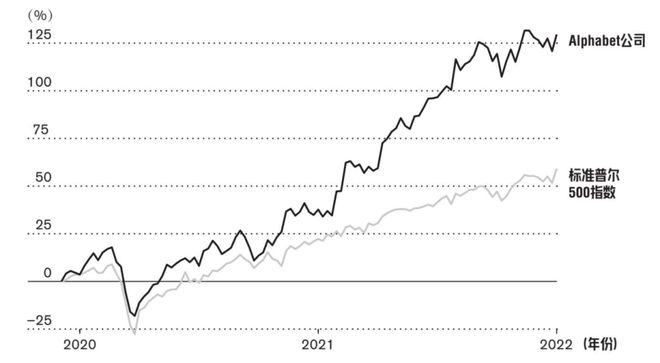
Group 1 - The article highlights the contrasting journeys of Sundar Pichai and Sam Altman, leading figures in Google and OpenAI, respectively, emphasizing their different backgrounds and approaches to technology [1][3][4] - Pichai's rise to prominence at Google is marked by his strategic decisions, particularly in the development of the Chrome browser and the Android operating system, which solidified Google's dominance in the tech industry [11][12][14] - Under Pichai's leadership, Google has transitioned to an "AI-first" company, integrating AI technologies across its core products, which has significantly enhanced user experience and operational efficiency [17][18][20] Group 2 - The competitive landscape between Google and OpenAI has shifted, with Google recently regaining its position in the AI sector through the launch of Gemini 3, which outperformed OpenAI's offerings [21][26][27] - Gemini 3's advanced capabilities, including multi-modal reasoning and integration with Google's existing services, have created a robust ecosystem that enhances user engagement and data utilization [26][28] - Pichai's vision for AI extends beyond immediate competition, aiming to create a sustainable and inclusive technological future that benefits a broader audience, reflecting a commitment to ethical AI development [29][31]

与AI抢电力、价格创新高,铝产业“反内卷”的突围之路
Tai Mei Ti A P P· 2025-12-09 12:29
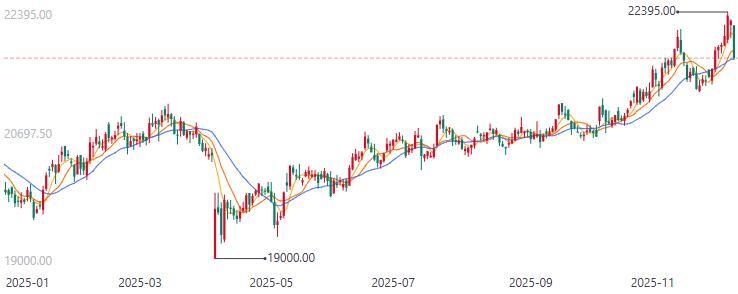
Core Viewpoint - The aluminum industry is experiencing a remarkable turnaround by the end of 2025, with prices surpassing 22,000 yuan/ton, marking a three-year high, driven by structural changes in supply and demand, energy dynamics, and environmental reforms [1][3]. Price Surge: The "Reversal Curve" of Aluminum Market in 2025 - Aluminum prices began at around 19,700 yuan/ton in early 2025, dipped to 19,000 yuan/ton in April, and surged to over 22,000 yuan/ton by December, indicating a significant upward trend [3]. - The price increase is attributed to supply-demand imbalances, with stable domestic production capacity and seasonal fluctuations in hydropower affecting supply, while demand from sectors like electric vehicles and renewable energy is rising [3][4]. Energy Cost Restructuring - The explosive growth in electricity demand from AI data centers is creating competition for power resources, leading to structural increases in industrial electricity prices, which directly impact aluminum production costs [4]. - Electricity accounts for over one-third of the production cost of electrolytic aluminum, making it sensitive to price fluctuations [4]. Carbon Market and Industry Transformation - The inclusion of the aluminum smelting industry in the national carbon trading market in March 2025 introduces new costs for carbon emissions, pushing companies to adopt energy-saving technologies and increasing the share of recycled aluminum production [6][7]. - The proportion of recycled aluminum is expected to exceed 25% in 2025, reflecting a significant shift towards green transformation in the industry [6][9]. Competitive Landscape and Industry Evolution - The focus of competition is shifting from production capacity to energy consumption and carbon emissions, leading to a consolidation of the industry where companies with clean energy and advanced technology gain competitive advantages [7][8]. - Leading aluminum companies are diversifying into high-value products such as aerospace materials and lightweight automotive components, enhancing their resilience against market fluctuations [7][8]. Future Outlook: The New Metal King in 2026 - The aluminum industry is expected to continue its transformation in 2026, with a focus on clean energy integration and product structure upgrades, particularly in high-performance aluminum alloys for strategic sectors [8][9]. - The share of recycled aluminum is projected to surpass 30%, with urban mining and recycling systems becoming new industry hotspots [9][10]. - Chinese aluminum companies are likely to accelerate international expansion, particularly in regions rich in hydropower, while enhancing risk management through financial instruments [10]. Conclusion - The aluminum industry has demonstrated its vitality through significant price performance and profound changes, reflecting a shift from factor-driven to innovation-driven growth, emphasizing energy efficiency and high-end production in the new industrial landscape [11].
银行数字化抢蛋糕比赛,胜负已分?
Tai Mei Ti A P P· 2025-12-09 12:21
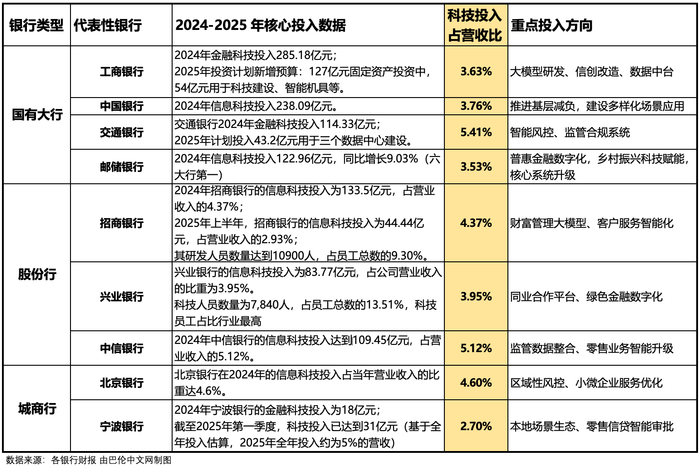
Core Insights - The digital transformation of China's banking industry is entering a "deep water zone" by 2025, characterized by market expansion, technological upgrades, and intensified competition [1] - The IT investment in the banking sector is projected to reach 169.315 billion yuan in 2024, with a growth rate of 3.6%, and is expected to exceed 266.2 billion yuan by 2028 [1] - The digital bidding landscape shows that successful digitalization in banking relies not only on investment scale but also on precise alignment with the bank's positioning and strategic partnerships [1] Investment Trends - In 2024, the six major state-owned commercial banks are expected to invest a total of 125.459 billion yuan in fintech, accounting for 52% of the total banking sector investment [2] - By 2025, the banking sector's fintech investment is anticipated to reach 333.85 billion yuan, representing a 38% increase from 2024 [2] Bank Types and Investment Focus - State-owned banks are leading in digital investment, with major banks like ICBC planning to invest 285.18 billion yuan in fintech in 2024, while smaller banks are focusing on localized services and specific pain points [3][5] - The investment focus for state-owned banks includes large model development, data platforms, and intelligent risk control systems [3] - Regional banks are prioritizing local economic services and optimizing processes for small and medium enterprises, with some banks investing over 6% of their revenue in technology [5] Digital Bidding Characteristics - The digital bidding projects are categorized into four main tracks: risk management, compliance control, data services, and technology platforms, each with varying technical requirements and budget allocations [7][8] - Risk management projects are rated the highest in complexity, requiring a deep understanding of financial logic and AI technology [7] - Compliance control projects are driven by regulatory requirements and have a high degree of standardization, making them easier to replicate [7] Competitive Landscape - A dual-competitive landscape is emerging between bank technology subsidiaries, which excel in understanding financial regulations, and internet technology companies, which leverage general technology capabilities [10][11] - The collaboration between bank technology subsidiaries and internet technology companies is becoming a mainstream approach, combining business understanding with technological innovation [17] Future Outlook - The investment landscape is expected to become more differentiated, with large banks focusing on systematic construction while smaller banks target essential local needs [18] - The emphasis will shift towards practical technologies that address compliance issues and enhance operational efficiency, with a growing trend of collaboration between different types of technology providers [18]



阿里成立千问C端事业群,再度加码AI to C
Tai Mei Ti A P P· 2025-12-09 08:51
图片来自阿里巴巴 12月9日下午消息,阿里已成立千问C端事业群,由阿里巴巴集团副总裁吴嘉负责。据悉,该事业群由 原智能信息与智能互联两个事业群合并重组而来,包含千问APP、夸克、AI硬件、UC、书旗等业务。 今年3月,作者独家获悉,夸克战略地位升级,阿里巴巴加速入局AI to C。夸克告别传统搜索,升级为 一个All in One的"AI超级框"。而作为彼时阿里巴巴智能信息事业群负责人,吴嘉第一次以夸克CEO的 title对外。 11月13日,巴伦中文网披露,阿里秘密启动新AI项目全面对标ChatGPT,争夺海外用户。该项目后被披 露为"千问"项目。阿里核心管理层将"千问"项目视为"AI时代的未来之战",加入全球AI应用的顶级竞 赛。 与此同时,面向全球市场的国际版千问APP也在同步研发,将借助Qwen模型的海外影响力与ChatGPT直 接争夺海外用户。 过去一个月,阿里方面在C端市场向千问注入更多资源。千问APP公测一周下载量即突破1000万,用户 增长和留存超预期。同时千问与夸克AI浏览器、夸克AI眼镜等产品融合,进入到更多用户场景。上 周,千问实现产品三连发,创作、学习、办公等核心能力快速迭代。 阿里巴 ...

出海驱动的APP增量市场,企业如何利用AI做好营销?
Tai Mei Ti A P P· 2025-12-09 08:32
AppsFlyer大中华区总经理王玮博士表示:"2025年的电商营销环境正面临前所未有的复杂性:一方面, 宏观经济与政策变化推动投放预算在全球范围内快速流动;另一方面,用户获取成本走高,迫使品牌更 依赖再营销与跨平台转化来提升长期价值。在这样的背景下,iOS平台的用户价值凸显,而AI技术则正 在成为品牌提升效率、降低风险的必然选择。" App营销出海的时代变迁 2015年前后,全球移动互联网基础设施爆发式扩张,Android生态的开放性为中国App出海创造了天然 窗口, AppsFlyer大中华区总经理王玮在与笔者的交流中回忆:"最早的阶段是行业的红利期,用户获取 相对容易,大家的重心都放在'拓新',也就是尽可能获取更多的新客。" 这一阶段的核心特征是"规模至上"。《2025游戏App全景观察报告》数据显示,2016年全球游戏App安 装量较前一年增长约为397.7%。 2025年MAMA移动互联网高层峰会上,AppsFlyer发布的《2025中国App出海全球数据趋势报告》揭示 了一组关键数据:全球 App 年安装量从 2018 年的 270 亿次增至 2024 年的 750 亿次,累计增长 180%, 广 ...

猛士汽车有了华为,越野开始不讲武德了?
Tai Mei Ti A P P· 2025-12-09 07:21
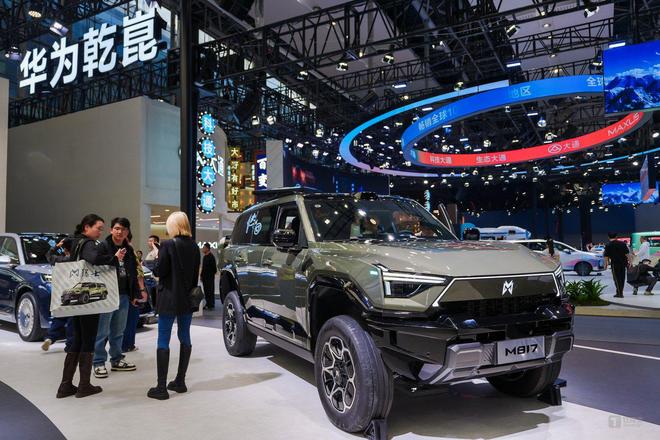
Core Viewpoint - The launch of the M817 Hero version by Dongfeng Mengshi represents a significant shift in the luxury off-road vehicle market, combining robust mechanical capabilities with advanced smart technology through a partnership with Huawei [2][12]. Group 1: Product Features - The M817 Hero version is priced at 301,900 yuan, offering features that were previously unavailable in the hard-core off-road market, such as front and rear electronic differential locks and Huawei's unique communication and satellite phone system [4][10]. - The vehicle includes the Huawei Harmony cockpit, which provides intelligent interaction and a rich ecosystem of applications, enhancing the user experience during off-road adventures [4][6]. - The M817 Hero version simplifies the off-roading experience with an intelligent all-terrain system, making it accessible for users without extensive mechanical knowledge [6][10]. Group 2: Strategic Partnership - The collaboration between Mengshi and Huawei is characterized as a deep strategic alliance rather than a simple supplier relationship, indicating a commitment to co-developing future products and services [8][10]. - Mengshi's CEO highlighted that the M817 is one of the first models to integrate with Huawei's ecosystem, suggesting a long-term vision for joint innovation in product development and marketing [8][10]. - The partnership aims to leverage Mengshi's mechanical expertise and Huawei's technological strengths to create a new category of intelligent off-road vehicles [10][12]. Group 3: Market Positioning - The M817 Hero version challenges the dominance of foreign brands like Land Rover and Mercedes-Benz in the luxury off-road segment, marking a potential shift in market dynamics towards Chinese brands [12][14]. - The introduction of the M817 Hero version signifies a strategic move to redefine value in the luxury off-road market by combining mechanical quality with smart technology [12][14]. - The success of this transition will depend on the ability to address cultural perceptions among off-road enthusiasts and ensure the stability of smart technology integration [12][14].

2025饮料新品TOP100:元气森林、农夫山泉、康师傅、统一激战新品、乳饮退潮谁来补位?
Tai Mei Ti A P P· 2025-12-09 07:09
Core Insights - The beverage market is undergoing significant changes, with a focus on new product trends and market share dynamics as the year-end approaches [1][4] - The analysis will cover the top 100 new beverage products from December 2024 to November 2025, comparing them with the previous year's data to identify trends and shifts in consumer preferences [1][4] Market Overview - The beverage market is categorized into ten subcategories, including packaged water, functional drinks, dairy beverages, ready-to-drink tea and milk tea, ready-to-drink juice, ready-to-drink coffee, soda, rice beverages, Asian traditional drinks, and plant-based protein drinks [4][5] - The only subcategory exceeding 20% market share is dairy beverages, while ready-to-drink tea and milk tea, functional drinks, soda, and ready-to-drink juice each hold over 10% [8][10] Category Performance - Dairy beverages experienced a decline of approximately 2% in market share, with a year-on-year sales growth drop of over 13%, indicating a significant downturn [10] - Functional drinks and ready-to-drink juices saw positive growth, with sales increasing by around 4%, while ready-to-drink tea and milk tea, along with packaged water, showed slight declines in sales growth [10][11] - Plant-based protein drinks also faced a decline in market share and sales growth, attributed to a lack of new consumer interest [10] New Product Trends - The number of new products in the top 100 list has shifted, with non-refrigerated ready-to-drink juices and sugary ready-to-drink teas seeing significant increases in new product entries [17][20] - Conversely, categories like no-sugar ready-to-drink tea and sports drinks have seen a reduction in new product numbers, despite overall sales growth in the latter category [17][20] Group Distribution - Leading brands such as Yuanqi Forest and Kang Shifu each had nine products in the top 100, indicating strong market presence and product diversification [20][22] - Other notable brands include Nongfu Spring and Uni-President, each contributing several new products to the top 100 list [20][22] Pricing and Specifications - The average price per 100ml for new products varies across categories, with non-refrigerated ready-to-drink juices and sugary ready-to-drink teas generally priced higher than their no-sugar counterparts [29][31] - The trend towards larger packaging sizes is evident, with a threefold increase in the number of large-sized products (1000ml-1999ml) in the top 100, reflecting consumer preferences for value and sharing [26][29] Launch Timing - The timing of new product launches has shifted, with a noticeable increase in products launched in February and March 2025 compared to the previous year, indicating a trend towards earlier product introductions [31]