投中网

Search documents
身价300亿,威海首富收获第四个IPO
投中网· 2025-05-28 06:35
Core Viewpoint - The successful IPO of Weigao Blood Purification marks a significant milestone for the company and its founder, Chen Xueli, enhancing his wealth and the visibility of the medical device sector in China [4][5][19]. Company Overview - Weigao Blood Purification officially listed on the Shanghai Stock Exchange with an IPO price of 26.50 RMB per share, experiencing an opening day surge of 88.64% to reach a market value exceeding 200 billion RMB [4]. - The company has established itself as a leader in the blood dialysis equipment sector, holding over 32% market share in both the overall blood dialysis market and the specific blood dialysis tubing segment [4][8]. - Weigao Group, the parent company, already has two listed companies and one pre-listed company, indicating a strong presence in the medical device industry [4][5]. Financial Performance - Weigao Blood Purification reported revenues of 2.64 billion RMB, 2.91 billion RMB, 3.43 billion RMB, and 1.68 billion RMB for the years 2020, 2021, 2022, and the first half of 2023, respectively [10]. - The net profits for the same periods were 297 million RMB, 260 million RMB, 315 million RMB, and 229 million RMB [10]. Market Context - The demand for blood purification treatments is driven by a significant prevalence of chronic kidney disease (CKD) in China, with over 120 million adults affected, leading to a high treatment need for end-stage renal disease (ESRD) patients [7][8]. - In 2020, the dialysis treatment rate for ESRD patients in China was only 24.4%, indicating a substantial resource gap compared to developed countries [8]. Competitive Landscape - Weigao Blood Purification's competitive advantage stems from being one of the earliest manufacturers of blood dialysis equipment in China and its early efforts in domestic substitution [8][9]. - The company holds 204 domestic patents, including 29 invention patents, showcasing its commitment to innovation and product development [9]. Future Prospects - The successful IPO of Weigao Blood Purification may lead to further expansions within the Weigao Group, with potential IPOs for its subsidiaries like Weigao Intervention and Ailang Medical [15][16]. - The overall sentiment in the medical device sector is expected to improve with the positive news from Weigao Blood Purification's IPO, potentially attracting more investments into the industry [5][19].


“纸片茅台”,一张400元,涨幅超黄金
投中网· 2025-05-28 06:35
Core Viewpoint - The resurgence of "peel-apart film" photography has ignited a new trend among young consumers, driven by nostalgia and social media influence, leading to skyrocketing prices and a booming secondary market for these products [4][5][8]. Group 1: Market Dynamics - The price of Fuji FP-100C peel-apart film has surged to between 2800 and 3300 yuan per box, significantly higher than its pre-discontinuation price, with increases exceeding those of gold [5][7]. - The search volume for peel-apart film on platforms like Xianyu increased nearly 30 times in May compared to April, with daily transaction volume rising by approximately 540% [5][6]. - The average price for a single peel-apart photo shoot has escalated to between 400 and 800 yuan, reflecting the growing demand and scarcity of the product [5][7]. Group 2: Consumer Behavior - Young consumers, particularly those born after 2000, are increasingly willing to spend on unique photography experiences, with some spending up to 400 yuan for a single peel-apart photo [6][11]. - The trend has shifted from niche art enthusiasts to mainstream consumers, with many seeking to replicate celebrity aesthetics in their own photos [6][8]. - The emotional connection and perceived value of "instant handmade" photography have made peel-apart film a new form of social currency [6][8]. Group 3: Industry Implications - The discontinuation of major brands' production of peel-apart film has created a barrier to entry, leading to a scarcity that drives up prices and demand [7][10]. - The market is now heavily reliant on overseas purchases and second-hand transactions, with significant profits being made by those who stockpiled the film before its discontinuation [10][11]. - The rise of alternative photography methods, such as digital simulations of peel-apart film effects, indicates a potential shift in consumer preferences as prices continue to rise [14][15].

一款小游戏,偷偷赚了160亿
投中网· 2025-05-28 06:35
Core Viewpoint - The article discusses the success of the mobile game "Endless Winter," developed by Point Interactive, which has outperformed major competitors in the gaming industry, achieving significant revenue growth and user engagement [4][5][8]. Group 1: Game Performance and Revenue - "Endless Winter" has generated a total revenue of $2.25 billion (over 160 billion RMB) globally as of March 2025, making it one of the fastest mobile games to surpass $2 billion in revenue within five years of its launch [8]. - The game has become the top revenue-generating mobile game in China and has surpassed established titles like "Genshin Impact" and "Party of Eggs" [5][9]. - In April 2025, the iOS version of "Endless Winter" alone generated a monthly revenue of 380 million RMB, maintaining its position as the top-grossing mobile game in overseas markets [27]. Group 2: Marketing Strategies - Point Interactive employs aggressive advertising strategies, including placements in casual games and short video platforms, to capture potential users during their fragmented time [11][12]. - The game has a high user acquisition cost, with the cost per paying user reaching approximately 98 RMB for casual games, necessitating substantial marketing budgets [21]. - The company has significantly increased its marketing expenditure, with 2024 spending reaching 7.46 billion RMB, up from 3.37 billion RMB in 2023 [18]. Group 3: Game Mechanics and User Engagement - "Endless Winter" combines casual gameplay with strategic elements, initially attracting users with its light gameplay before transitioning to more complex mechanics that encourage in-game purchases [22][24]. - The game has a monthly retention rate of 8%, surpassing the average for similar strategy games, which is around 3.2% [24]. - Players often feel compelled to spend money to protect their in-game progress, leading to accusations of the game being "pay-to-win" [30][31]. Group 4: Financial Impact on Parent Company - Century Huachuang, the parent company of Point Interactive, reported a record revenue of 22.62 billion RMB in 2024, a 70.27% increase year-over-year, with net profit reaching 1.21 billion RMB, up 131.51% [28]. - Point Interactive contributed approximately 15 billion RMB to the parent company's revenue, accounting for 70% of the total [28][29].


听说炒港股的人赚麻了
投中网· 2025-05-27 02:21
Core Viewpoint - The Hong Kong stock market has experienced a significant surge, with the Hang Seng Index rising by 17.65% since early 2025, leading global stock markets. This growth is attributed to a shift in global macro narratives, with increasing confidence in Chinese assets and technology innovation [4][5]. Group 1: Market Performance - The Hong Kong stock market has become vibrant, with notable stocks like Mixue Group, Pop Mart, and Laopuhuangjin experiencing substantial price increases. Major tech companies such as Alibaba, Tencent, and Xiaomi have also shown strong performance [4]. - NIO's IPO raised approximately HKD 35.3 billion, marking it as the largest IPO globally in 2025, contributing to a wave of financing in the Hong Kong market [4]. Group 2: Investor Sentiment - Individual investors have reported significant gains from recent IPOs, with examples like Heng Rui Pharmaceutical achieving a first-day increase of 25.20% [4]. - Investors are increasingly optimistic about the Hong Kong market, with many shifting their focus from U.S. stocks to Hong Kong stocks due to favorable valuations and growth potential [10][12]. Group 3: Investment Strategies - Younger investors, such as a 95-year-old who invested all his savings in Xiaomi, are betting on the company's growth, particularly in its automotive sector, which has exceeded expectations [8][9]. - Another investor, a 90s female, has focused on high-dividend stocks in Hong Kong, achieving a dividend yield of around 8%, which supports her living expenses [12][13]. Group 4: Market Dynamics - The Hong Kong market has undergone significant reforms, improving liquidity and attracting more retail investors. The average daily trading volume surged by 144% year-on-year to HKD 250.4 billion in the first four months of 2025 [15]. - The introduction of various financial products and reduced transaction costs has made the market more accessible to small investors, enhancing overall market participation [15].





连投8家,2000亿巨头的CVC,盯上了工业软件
投中网· 2025-05-27 02:21
Core Viewpoint - The article discusses the significant rise of China's industrial software sector, highlighting its transition from reliance on foreign imports to a growing domestic market with increasing innovation and market share [2][11]. Group 1: Current State of Industrial Software - In 2019, 95% of R&D design industrial software in China relied on imports, indicating a significant dependency on foreign technology [2]. - As of 2024, domestic software's market share in the PLM sector has reached 30%, with plans to replace 200,000 sets of industrial software with domestic alternatives by 2027 [3][12]. - The industrial software market is crucial for enhancing product development, production efficiency, and resource optimization in various sectors, including manufacturing and aerospace [7]. Group 2: Historical Context - China's industrial software industry faced a decline over the past 20 years due to competition from foreign giants and the prevalence of pirated software [9][10]. - The 1990s saw the emergence of several domestic software companies, but the market share of domestic software continued to decrease, with EDA software's domestic rate at only 5% by 2020 [9][10]. Group 3: Recent Developments and Opportunities - The demand for domestic software has surged due to geopolitical factors and government policies promoting local innovation [12]. - Many state-owned and private enterprises are increasingly willing to collaborate with domestic software providers, creating new opportunities for growth [12][13]. - The rise of AI technologies is accelerating the development and adoption of domestic industrial software, allowing for more flexible and efficient solutions [30]. Group 4: Investment Strategies - Companies like 汇川技术 (Inovance Technology) are actively investing in the industrial software sector, having invested in eight companies since 2021 [3][18]. - The investment strategy focuses on long-term growth, with a typical industrial software company requiring 5-10 years to establish a sustainable business model [19][21]. - Successful investments are characterized by teams with deep industry knowledge and a commitment to long-term development [21][23]. Group 5: Future Outlook - The integration of AI into industrial software is expected to enhance product development processes and improve operational efficiency [30][31]. - The article emphasizes that the future of China's industrial software industry will be shaped by its ability to innovate and adapt to new technologies, positioning it as a key driver of the manufacturing sector's transformation [37].


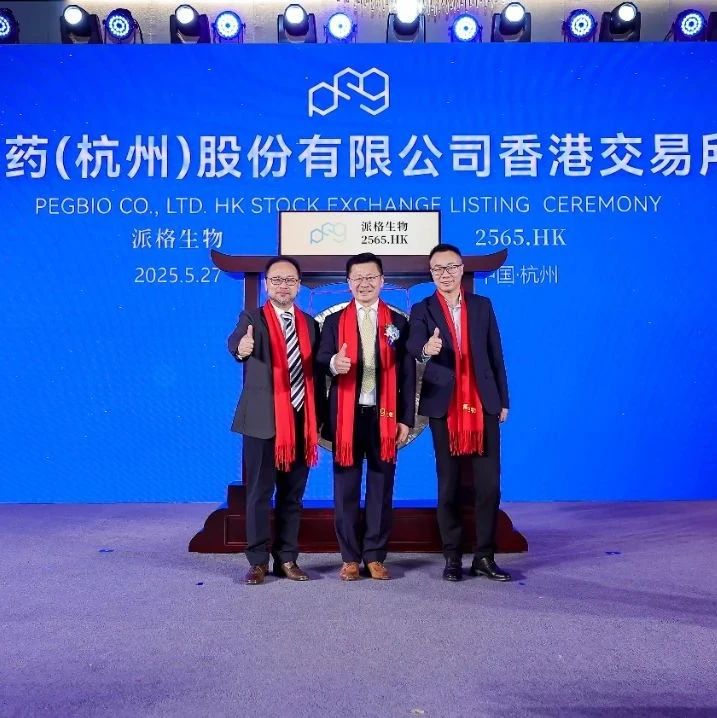
派格生物上市:14年长期陪伴,联想之星斩获一个明星IPO
投中网· 2025-05-27 02:21
Core Viewpoint - Lenovo Star has successfully nurtured and invested in the biopharmaceutical sector, culminating in six notable IPOs, including the recent listing of Paig Bio, which reflects the company's long-term commitment and strategic focus in the healthcare investment landscape [1][7]. Investment Journey - Lenovo Star's relationship with Paig Bio began in 2010, marking the company's entry into the biopharmaceutical investment space, particularly in the Suzhou Biopharmaceutical Industry Park [2]. - The investment decision was influenced by Paig Bio's innovative GLP-1 receptor agonist, PB-119, which shows promising results in treating type 2 diabetes and obesity, alongside a significant market need in China [3]. Development and Support - Over the years, Lenovo Star provided continuous support to Paig Bio, including a follow-up investment of $1.2 million in 2014, which helped the company advance its product development [4]. - Paig Bio has developed six candidate products, with PB-119 expected to receive approval for commercialization in China by mid-2025 [4]. Financial Returns - The successful IPO of Paig Bio has yielded a 13-fold return on investment for Lenovo Star, highlighting the value of its long-term investment strategy in the biopharmaceutical sector [5][6]. Broader Investment Ecosystem - Lenovo Star has established a robust investment ecosystem in healthcare, having invested in over 100 quality medical projects, including notable companies like Kintor Pharmaceutical and Burning Rock Biotech [7]. - The firm has focused on two main segments: biopharmaceuticals and smart healthcare, leveraging advancements in AI and big data to enhance drug development and healthcare services [7][8]. Strategic Focus and Future Outlook - Lenovo Star's mission, established in collaboration with the Chinese Academy of Sciences, is to discover and cultivate tech entrepreneurship, with a strong emphasis on biopharmaceuticals due to the growing demand for innovative drugs in China [8][9]. - The company anticipates a turning point in the healthcare sector by 2026, driven by a combination of technological advancements and a growing demand for effective healthcare solutions [12].
沙漠上崛起的芯片新贵
投中网· 2025-05-27 02:21
Core Viewpoint - The global semiconductor industry is undergoing significant restructuring due to rising protectionism, with countries implementing policies to strengthen local supply chains and attract investments [3][4]. Group 1: Global Semiconductor Landscape - The U.S. has introduced the CHIPS and Science Act with $52 billion in subsidies, while the EU has launched the Chips Act with €43 billion for industry development [3]. - Emerging markets like India, Malaysia, and Vietnam are becoming new hotspots for industry relocation due to their cost advantages and favorable policies [3]. Group 2: UAE's Strategic Positioning - The UAE is emerging as a key player in the global semiconductor and AI sectors, leveraging its unique resources and strategic vision [4]. - A recent agreement allows the UAE to import 500,000 advanced AI chips from NVIDIA annually, significantly exceeding previous limits [6]. Group 3: Investment and Technology Exchange - The UAE will invest $1.4 trillion in the U.S. over the next decade, covering AI infrastructure, semiconductors, and manufacturing, in exchange for technology access [6][7]. - The agreement includes a stipulation for the UAE's G42 to build data centers in the UAE and mirror facilities in the U.S., ensuring technology transfer and reducing U.S. concerns about technology leakage [6][7]. Group 4: AI and Semiconductor Development - The UAE aims to build one of the largest AI data center parks globally, supported by the imported chips, to enhance its AI capabilities [8]. - The MGX fund, a $100 billion initiative, is set to drive AI and semiconductor advancements, targeting a 20% contribution of AI to the UAE's non-oil GDP by 2031 [21][22]. Group 5: Talent and Education Initiatives - The UAE is focusing on education to address talent shortages in AI and semiconductor sectors, establishing a comprehensive training system from K-12 to higher education [23][24]. - Partnerships with leading institutions like MIT and NVIDIA are being formed to enhance research and development capabilities in AI and semiconductor technologies [25]. Group 6: Challenges and Future Outlook - The UAE faces challenges in establishing a semiconductor manufacturing base, including reliance on desalinated water for chip production and the need for a skilled workforce [19][32]. - Despite these challenges, the UAE's strategic investments and partnerships position it to potentially transform into a significant player in the global semiconductor and AI landscape [32].



清华系大模型又融资了丨投融周报
投中网· 2025-05-26 03:13
Group 1: New Consumption Sector - IMCOCO Group, engaged in the coconut water industry, completed a Pre-A round financing of over 100 million yuan, led by Insignia Ventures Partners with participation from Tiantu Capital [5] - Liji Tuan Technology announced the completion of its angel round financing, raising 10 million yuan from Shenzhen Guanfeng Yongyue Investment Co., Ltd [7] - Weiming Shiguang completed a strategic financing round of nearly 100 million yuan, with investments from L'Oreal Group and Naive Group [8] Group 2: Hard Technology Sector - Penghu Wuyu, a satellite IoT operator, completed an A round financing of nearly 100 million yuan, led by Wuxi Liangxi Science and Technology Industry Mother Fund and Wuxi Liangxi Aerospace Venture Capital Fund [16] - Aurora Star Technology, a developer of core technologies for space laser communication, announced the completion of a strategic financing round exceeding 100 million yuan, with investments from multiple funds including Beijing Commercial Aerospace and Low-altitude Economy Industry Investment Fund [19] - Yuxin Semiconductor received several rounds of financing, including a Pre-A+ round and a Pre-A++ round, totaling tens of millions of yuan from various investors [11][12] Group 3: AI and Internet Sector - Rongxin Zhiyuan, a new player in AI computing power, completed a seed round financing led by Yunxi Capital, raising several million yuan [33] - Shangyue Intelligent Technology and Guozhi Linghang (Beijing) Information Technology Research Institute completed strategic equity financing initiated by the latter [39] - Airwallex completed a Series F financing of $300 million, achieving a valuation of $6.2 billion, with participation from various prominent investors [37]
炒菜机器人席卷餐饮,预制菜迎来终结者?
投中网· 2025-05-26 03:13
Core Viewpoint - The article discusses the increasing penetration of cooking robots in the B-end restaurant sector, highlighting their potential to revolutionize the industry by reducing labor costs and improving efficiency [4][12][15]. Group 1: Market Adoption - Cooking robots are being adopted by various restaurant chains, with companies like Xiaocaiyuan planning to deploy 3,000 units at a cost of 1.5 billion yuan, averaging five units per store [4][5]. - The rental model for cooking robots is gaining traction among small and medium-sized restaurants, with monthly rental prices ranging from 1,000 to 2,500 yuan, allowing them to reduce labor costs [6][9]. - The market price for cooking robots varies, with units priced between 30,000 to 50,000 yuan, and some high-end models reaching 120,000 yuan [7][9]. Group 2: Cost Efficiency - By using cooking robots, restaurants can save approximately 6,000 yuan per year per unit compared to hiring a chef, with the potential for significant overall savings when multiple units are deployed [9][10]. - The demand for cooking robots is driven by rising costs in rent, labor, and raw materials, prompting restaurants to seek cost-effective solutions [12][14]. Group 3: Consumer Perception and Challenges - The "freshly cooked" concept is becoming popular as restaurants move away from pre-prepared meals, with cooking robots positioned as a selling point [12][13]. - Despite the advantages, cooking robots face challenges in replicating the nuanced flavors and techniques of traditional chefs, particularly in dine-in settings [13][16]. - The article notes that while cooking robots can streamline operations, they still require human oversight for certain tasks, indicating that full automation is not yet achievable [12][16]. Group 4: Future Directions - The evolution of cooking robots is focused on becoming more intelligent and capable of performing complex cooking tasks, which could further reduce costs and improve efficiency for restaurants [16][17]. - Companies are investing in advanced technology to enhance the precision and capabilities of cooking robots, aiming to replicate the skills of human chefs more effectively [17].

在通往AGI之路上,红杉中国打了一个共鸣的响指
投中网· 2025-05-26 03:13
将投中网设为"星标⭐",第一时间收获最新推送 AI下半场,如何定义"好问题"? 来源丨 投中网 红杉中国宣布推出 一个 全新的 AI 基准测试 xbench 。 根据 xbench 的介绍,这是首个由投资机构发起,联合国内外十余家顶尖高校和研究机构的数十位博士研究生,采用双轨评估体系和长 青评估机制的基准测试。它将在评估和推动 AI 系统能力提升上限与技术边界的同时,重点量化 AI 系统在真实场景的效用价值,并长期 捕捉 Agent 产品的关键突破。 面向 AI 产品做出基准,这在产业、高校和研究机构是常见行为,但红杉中国作为一家投资机构,拿出很重的投入度,"跨界" 推出 一款 专门 产品(甚至还附带一篇论文), 放在全球投资行业也是头一遭,说明红杉中国不仅有很强的业务洞察和务实姿态,在 AI 行业的布 局决心,还在投资业务上在持续拓展着边界 。 自 ChatGPT 一炮而红以后,红杉中国可能是最早行动起来全面拥抱 AGI 的机构。 AI 六小龙中,红杉中国独中四元,具身智能领域大 热的宇树科技、智元机器人,也都是红杉中国的被投企业,今天凭借 Manus 在 Agentic AI 领域火热的蝴蝶效应,也在 A ...