36氪

Search documents
迪卡侬也要卖了
36氪· 2025-08-20 09:31
Core Viewpoint - Decathlon is planning to sell approximately 30% of its stake in its Chinese subsidiary, with an estimated valuation of €10-15 billion (around ¥100 billion) [4][6]. Group 1: Decathlon's History and Market Presence - Decathlon was founded in 1903 by Louis Mulliez in France, evolving from a textile factory to a major sports retail brand [5]. - The company entered the Chinese market in 1994, establishing a production office in Guangzhou, and opened its first retail store in Shanghai in 2003 [6]. - By 2015, Decathlon had expanded to 166 stores in China, reaching approximately 260 stores by the end of 2017, despite recent store closures [6]. Group 2: Current Business Structure and Operations - Decathlon China operates 4 owned factories, 11 industrial procurement offices, and around 400 partner factories, contributing significantly to the global supply chain [6]. - Products sourced from Decathlon's Chinese factories account for 42.5% of the group's global market [6]. Group 3: Share Sale and Investment Dynamics - The family behind Decathlon is only willing to sell 30% of the stake, indicating the importance of the Chinese market to the company [7]. - The potential transaction is expected to be structured as a mix of "capital increase and share transfer," similar to the Starbucks China deal [10]. - Multiple international private equity and sovereign funds have signed confidentiality agreements, with some investors seeking more than 30% [11]. Group 4: Broader Market Trends - The trend of acquiring the Chinese operations of multinational companies is becoming a significant direction in consumer mergers and acquisitions [13]. - Recent examples include the acquisition of McDonald's China operations by CITIC Group for $20.8 billion, which has led to substantial growth in store numbers [13].


全球化中的「影子世界」
36氪· 2025-08-20 09:31
Core Insights - The article discusses the emergence of a "shadow world" in globalization, highlighting how various Chinese companies have built essential infrastructure that supports global commerce, including logistics, payment, and marketing services [4][5]. Logistics: Time and Space Compression - Companies like Zongteng and Wanyitong have established themselves as key players in cross-border logistics by investing in heavy assets such as overseas warehouses and dedicated transportation routes, which provide competitive advantages in cost and efficiency [9][11]. - Zongteng, founded in 2007, transitioned from e-commerce to logistics, focusing on overseas warehousing and specialized transportation, which allowed it to thrive during the e-commerce boom [8][10]. - Wanyitong has also adapted by investing in automated warehouses and self-built routes to enhance delivery efficiency, achieving a 95% order delivery rate within three days across the U.S. [11][12]. Payment: The Payment Revolution - The article outlines the rise of fintech companies like Airwallex and PingPong, which emerged to address the high costs and inefficiencies of traditional cross-border payment systems [20][21]. - These companies have introduced innovative pricing models and streamlined processes, significantly reducing transaction fees and improving service speed for small and medium enterprises [22][23]. - The competitive landscape in cross-border payments is evolving, with companies focusing on comprehensive financial ecosystems and compliance capabilities to differentiate themselves [25][30]. Marketing: Unlocking Overseas Traffic - The marketing sector is represented by companies like Taitong Technology, which has developed a data-driven approach to optimize advertising for Chinese businesses entering overseas markets [32][33]. - Taitong's platform integrates various media resources and advertising technologies, allowing clients to manage global campaigns efficiently [34][35]. - The article emphasizes the importance of marketing in driving sales for intangible products, where marketing costs can reach up to 50% of revenue [33]. Future Variables in the Shadow World - The article concludes that the "shadow world" of globalization is characterized by a growing number of specialized service companies that address specific pain points in cross-border trade, such as high payment fees and complex compliance issues [40][41]. - The competitive landscape is shifting towards integrated ecosystems, where logistics, payment, and marketing services are increasingly interconnected, enhancing the overall efficiency of global operations [42].

破圈·跨海:中国文化出海的新坐标
36氪· 2025-08-20 09:31
Core Viewpoint - The article emphasizes the accelerated trend of cultural export from China, showcasing how Chinese cultural products are gaining global recognition and acceptance, moving beyond domestic popularity to become integral to international consumer choices [2][10]. Group 1: Cultural Export Trends - Over the past year, cultural exports have evolved from individual hits to a collective effort across multiple sectors, indicating a more mature approach to global markets [2]. - The global consumer landscape is shifting towards value-driven choices, with a focus on cultural identity and emotional resonance rather than just price [4]. - The emergence of Generation Z and Alpha as key consumer groups is driving a demand for diverse cultural content, making cultural export a competitive core rather than an ancillary attribute [4]. Group 2: Characteristics of Successful Brands - Successful Chinese brands in the global market share three common traits: high recognition cultural symbols, the ability to link product functionality with emotional value, and flexible market adaptation capabilities [4][5]. - The gaming, short drama, and new consumption sectors are highlighted as particularly active areas for cultural export, utilizing localized narratives and emotional storytelling to integrate Chinese elements into local cultures [5]. Group 3: Strategic Approaches for Cultural Export - A multi-threaded, sustainable strategic approach is necessary for cultural export, moving away from a single-threaded model that focuses solely on viral hits [8]. - Continuous shaping of cultural symbols is essential, integrating products, stories, and social media into a cohesive narrative that can be recognized across different markets [8][9]. - Dynamic adaptation of channels and scenarios is crucial, as consumer touchpoints vary significantly across regions, necessitating real-time adjustments to distribution strategies [9]. Group 4: Upcoming Events and Initiatives - The upcoming cultural exchange event in Nanning on September 18, organized by 36Kr, aims to gather industry leaders to discuss new paths, challenges, and opportunities for Chinese culture in the global market [10][12]. - The event will focus on various sectors including gaming, new consumption, and short dramas, highlighting the importance of collaboration and shared insights among industry players [14][15].
百亿团播市场的秘密
36氪· 2025-08-20 00:05
Core Viewpoint - The article discusses the emerging trend of "group broadcasting" (团播) in the live streaming industry, highlighting its rapid growth, market potential, and the unique dynamics between broadcasters and their audiences [4][7][41]. Group 1: Industry Overview - Group broadcasting is defined as a form of live streaming where multiple individuals perform together, initially focusing on talent showcases and casual interactions [7]. - The market for China's online performance industry, including live streaming and short videos, is projected to reach 212.64 billion yuan by 2024, with the group broadcasting sector expected to grow to 15 billion yuan [7]. - The popularity of group broadcasting has surged, with notable examples like the "Leg Sweep Dance" gaining significant traction and viewership [7][17]. Group 2: Operational Dynamics - Group broadcasting relies on a formulaic approach to content creation, where performances are meticulously planned and executed to maximize viewer engagement [12][24]. - The preparation for a broadcast involves extensive rehearsals, often taking three times longer than the actual performance time, to ensure synchronization in lighting, camera work, and choreography [24][25]. - The use of engaging music and lighting is crucial in creating an addictive viewing experience, with specific attention to rhythm and emotional resonance [23][25]. Group 3: Monetization Strategies - Monetization in group broadcasting occurs through two primary methods: light monetization, where fans send gifts to support their favorite members, and competitive monetization during PK (performance competition) events [28][29]. - High-value gifts are often exchanged during PK competitions, where fans actively participate in voting and supporting their preferred performers [28][30]. - The relationship between broadcasters and fans is transactional, with emotional value being a significant component of the interaction, often leading to a sense of community among viewers [41][42]. Group 4: Emotional Engagement - Group broadcasting serves as an emotional outlet for viewers, providing a space for connection and interaction that transcends traditional entertainment [41][42]. - The dynamics of these relationships are complex, as they often blur the lines between genuine emotional connections and transactional interactions [42][43]. - Fans often invest significant amounts of money, with estimates suggesting that reaching a certain level of engagement can require spending close to 100,000 yuan [40].

8点1氪:个人养老金新增三种领取情形;俞敏洪回应新东方CEO被调查;海口一单位招聘研究生月薪3000
36氪· 2025-08-20 00:05
Group 1 - The Ministry of Human Resources and Social Security has announced three new scenarios for receiving personal pensions, effective from September 1 [2][3] - The new scenarios include: medical expenses exceeding the average disposable income of residents in the province within the last 12 months, receiving unemployment insurance for 12 months within the last two years, and currently receiving minimum living security [2][3] Group 2 - Xiaomi has stated it will not participate in the automotive price war, focusing instead on vehicle deliveries, with significant reductions in operating losses expected [7] - Apple has expanded its iPhone production in India, with all four iPhone 17 models now being manufactured there, aiming to reduce reliance on third-party supply chains [5] - Starbucks plans to raise salaries for all salaried employees in North America by 2%, marking a shift from previous practices where raises were determined by managers [5] Group 3 - The chairman of Yara International has been arrested for embezzlement and abuse of power, although the company’s operations remain normal [8] - Nexstar has agreed to acquire Tegna for $3.5 billion in cash, which will significantly increase its coverage of U.S. households [14] - South Korea's automotive exports increased by 8.8% year-on-year in July, driven by a surge in exports to Europe [14] Group 4 - Xiaomi reported a revenue of 116 billion yuan for Q2 2025, a year-on-year increase of 30.5%, with net profit rising by 75.4% [18] - Pinduoduo's revenue for the first half of 2025 reached 138.8 billion yuan, a 204.4% increase year-on-year, with significant growth across various regions [19] - XPeng Motors reported a revenue of 182.7 billion yuan for Q2 2025, a 125.3% increase year-on-year, with vehicle deliveries rising by 241.6% [20] Group 5 - China’s Hainan province has optimized the method for calculating the "cumulative residence of 183 days" for personal income tax preferential policies [13] - The Danish jewelry brand Pandora plans to close 100 stores in China this year, doubling its initial plan [12] - Kodak has denied reports of ceasing operations or filing for bankruptcy, asserting confidence in its financial recovery [12]





文科硕士的「最后一条路」,也快没了
36氪· 2025-08-20 00:05
Core Viewpoint - The article discusses the instability and challenges faced by private higher education institutions in China, highlighting the experiences of teachers and the evolving job market for graduates, particularly in the context of the COVID-19 pandemic and changing educational demands [4][17]. Group 1: Employment Landscape in Private Universities - The number of private universities in China has increased, with 829 institutions reported as of June 2023, leading to a growing demand for teachers despite a challenging job market [21]. - Many graduates from prestigious universities are now considering teaching at private institutions as a last resort or transitional option due to limited job opportunities in their fields [22][19]. - The employment rate for liberal arts graduates is significantly lower than for science graduates, with 43.9% for liberal arts compared to 49.4% for science [22]. Group 2: Teacher Experiences and Challenges - Teachers in private universities often face unreasonable demands from administration, such as conducting private tutoring for school leaders' children, reflecting a lack of job security and support [6][7]. - The workload for teachers includes a significant amount of administrative tasks rather than teaching, leading to dissatisfaction and a sense of unfulfillment [10][14]. - The pressure of academic evaluations and the need for research output have increased, causing stress among faculty members [10][36]. Group 3: Financial Aspects and Job Stability - Salaries in private universities are generally lower, with some teachers earning around 4,000 yuan per month, which is not commensurate with their qualifications [15][47]. - The financial model of private universities relies heavily on student enrollment, making them vulnerable to fluctuations in student numbers and economic conditions [37][41]. - The rising costs of education in private institutions, with tuition fees being 3 to 4 times higher than public universities, raises concerns about the return on investment for students [45]. Group 4: Institutional Dynamics and Market Trends - The shift towards market-oriented operations in private universities has led to increased competition for faculty, with institutions now seeking graduates from top-tier universities [23][10]. - The recent trend of private universities being backed by publicly listed companies has changed the landscape, with a focus on profitability and market performance [35][37]. - The article notes that the stability of private universities is often compromised by administrative decisions and market conditions, leading to a precarious work environment for educators [41][42].

「魔仓机器人」完成数千万元融资,苏州国资、汇川系基金押注|早起看早期
36氪· 2025-08-20 00:05
Core Viewpoint - "Magic Warehouse Robot" has completed a new round of financing amounting to several tens of millions, with funds aimed at product iteration, capacity enhancement, and international expansion [4][5]. Company Overview - Founded in 2023 in Suzhou, "Magic Warehouse Robot" focuses on providing integrated software and hardware solutions for smart manufacturing enterprises, specifically addressing the "last hundred meters" of logistics between production workshops and warehouses [4][5]. - The company emphasizes "light delivery, high space utilization, and strong scene adaptability" as its core technological principles, with applications across various industries including pharmaceuticals, food cold chain, automotive manufacturing, new energy, and logistics parks [4][5]. Market Challenges - Despite high automation in production processes, the material handling and internal storage between workshops and warehouses still heavily rely on manual labor, with traditional solutions proving inefficient [5]. - Automated storage and retrieval systems (AS/RS) offer some efficiency improvements but come with high transformation costs (3 to 5 times that of traditional solutions) and limited space utilization improvements (typically around 50%), deterring many enterprises from adopting them [5]. Strategic Approach - The founder of "Magic Warehouse Robot," Cheng Changshun, highlights the need for cost-effective, minimally invasive solutions that can adapt to existing scenarios. The company adopts a focused "1+4" strategy, which deconstructs the essence of warehousing logistics by emphasizing movement in three-dimensional space (XYZ axes) [5][6]. - The product lineup includes the MagicAnt ground handling robot for horizontal movement (XY axis), the MagicCarpet vertical storage robot for efficient operation within warehouses (XYZ axis coordination), and the MagicLift vertical handling robot for vertical movement (Z axis) [6]. Product Features - The MagicVision software platform integrates and manages the entire digital process from order execution to inventory, enabling intelligent coordination among various robots [6][7]. - The solutions provided by "Magic Warehouse Robot" can reduce average storage costs by 30% to 50% compared to traditional systems, significantly enhancing space utilization even in warehouses up to 30 meters high [6][7]. Development Direction - The company aims to enhance the intelligence of its products, moving towards embodied robotics that can perceive their environment and make autonomous decisions within small ranges, thereby improving system efficiency and stability [8]. Investment Insights - Investors express confidence in the growth potential of "Magic Warehouse Robot," noting the significant market opportunity in the logistics sector, which is transitioning from automation to intelligence [10][11][12]. - The company has successfully delivered approximately 20 projects, with notable clients including JD Logistics and major pharmaceutical companies, demonstrating its capability in enhancing warehouse efficiency and reducing costs [7][10].
充了199元会员,山寨山姆劝退武汉中产
36氪· 2025-08-19 13:42
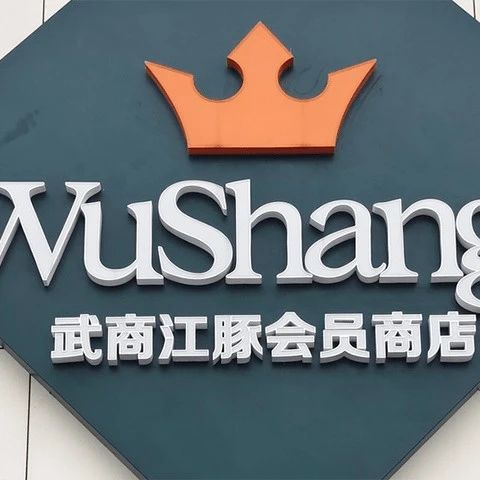
Core Viewpoint - The article discusses the emergence of the WuShang JiangTun membership store in Wuhan, which closely mimics the business model of Sam's Club, highlighting the potential for local brands to capture market share in the membership retail space despite existing competition [4][20]. Group 1: Business Model and Strategy - WuShang JiangTun membership store has adopted a membership model similar to Sam's Club, offering two tiers of membership at lower prices: 199 RMB/year for regular members and 580 RMB/year for diamond members, compared to Sam's 260 RMB and 680 RMB respectively [6][7]. - The store features a total area of approximately 20,200 square meters, comparable to Sam's Club, and aims to attract customers through a variety of exclusive member benefits [6][20]. - JiangTun is developing its own supply chain and has launched a private label "JiangTun Preferred," differentiating its product offerings from traditional supermarkets by over 80% [10][26]. Group 2: Product Offerings and Pricing - The product range at JiangTun includes fresh produce, beverages, baked goods, daily necessities, and imported goods, with some items closely resembling popular products from Sam's Club, such as the "Original Earl Grey Swiss Roll" priced at 59.8 RMB [12][10]. - The store also employs promotional strategies similar to Sam's, such as offering a chance to purchase a bottle of Moutai at 1,499 RMB under specific spending conditions [15][20]. Group 3: Market Context and Company Background - WuShang Group, the parent company of JiangTun, is a well-established retail giant in Hubei, with a history of operating various commercial entities and a focus on mid-to-high-end family consumers [21][22]. - The company has faced challenges in recent years, with a reported revenue decline of 6.6% in 2024, prompting a strategic shift towards membership-based retail to rejuvenate growth [23][25]. - The launch of JiangTun has positively impacted WuShang Group's stock price, which has increased by over 30% since early August [28]. Group 4: Competitive Landscape - Despite the presence of Sam's Club in Wuhan, JiangTun has garnered significant attention, indicating a potential growth opportunity in the membership retail sector [30][31]. - The article suggests that while Sam's Club has a strong global supply chain and product selection, local competitors like JiangTun may find success by catering to specific consumer needs and preferences [31][34].

「北美土特产」COACH是如何翻身的?
36氪· 2025-08-19 13:42
Core Viewpoint - COACH has successfully repositioned itself in the luxury market by appealing to the younger, discerning Generation Z, leading to significant revenue growth despite a general downturn in the luxury sector [6][15]. Group 1: Financial Performance - COACH's revenue reached nearly $1.3 billion, accounting for 82% of the company's total income, with a year-on-year growth of 13%, contributing to a 7% overall company growth [6]. - COACH entered the top five of the global fashion search engine Lyst's popular brand list for the first time, with its Brooklyn bag and Cherry bag charm ranking first and fourth in the popular items list, respectively [6]. Group 2: Product Strategy - COACH has adopted a strategy of maintaining the continuity of popular products, enhancing brand resilience and revenue capacity, with no single product line accounting for more than 10% of sales [13]. - The brand has introduced various iterations of its Tabby bag, which has become a social media sensation, with over 34.2 million posts related to it on TikTok [11][19]. Group 3: Market Positioning - COACH has shifted from a "light luxury" positioning to "Expressive Luxury," targeting Generation Z consumers who seek quality and design without exorbitant prices [15]. - The brand's customization options align with the current trend of personalized accessories, appealing to younger consumers who prefer unique expressions of style [16][18]. Group 4: Marketing and Social Media - COACH's resurgence is bolstered by significant social media marketing efforts, including collaborations with influencers and the creation of trending hashtags to engage consumers [21]. - Despite growth in China, COACH's performance has been modest compared to North America, as younger consumers gravitate towards brands with higher social value, such as Miu Miu and Ralph Lauren [28].

财报里的「健康」信号:拆解京东健康高质量增长背后的逻辑
36氪· 2025-08-19 13:42
Core Viewpoint - JD Health has surpassed 200 million active users, driven by innovations in medical service models and technology, positioning itself as a leader in China's digital health market [2][11]. Business Strategy and Developments - JD Health focuses on strengthening supply chain capabilities and enhancing medical service capabilities, aiming to create an integrated online and offline service system [3][4]. - A strategic partnership with Eisai China was established to exclusively launch the insomnia treatment drug, Lemborexant, on JD Health's platform, reinforcing its supply chain advantages [3][4]. - In the first half of 2025, JD Health launched over 30 innovative drugs online and collaborated with various medical device and health brands for multiple product launches [3]. Service Model Innovation - The integration of online and offline services is a key trend in the digital healthcare industry, with JD Health developing a "medical testing, diagnosis, and medication" service loop [6][9]. - JD Health has expanded its home service capabilities, offering 64 types of home nursing services and over 160 rapid testing services, enhancing user experience through speed and breadth [6][7]. User Growth and Financial Performance - JD Health reported a revenue of 35.3 billion yuan in the first half of 2025, a 24.5% year-on-year increase, with active users exceeding 200 million [11][12]. - The growth in revenue is attributed to the increase in active users and higher spending per user, reflecting the positive impact of supply chain and service capabilities [12][14]. AI Integration and Future Outlook - The company has launched the "AI Jingyi" series, which includes AI doctors and pharmacists, serving over 50 million users, indicating a strong focus on AI applications in healthcare [19][20]. - Continuous investment in AI is expected to break traditional growth bottlenecks in the internet healthcare sector, potentially enhancing the company's market valuation [20].